
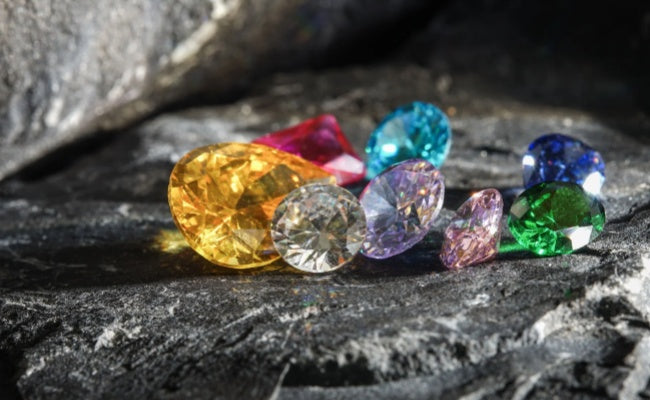

Gemstone Jewelry Cleaning & Care
Keep your gemstone rings jewelry looking as brilliant as the day you received them. Learn how to safely clean, store, and care for every type of gemstone—from diamonds and sapphires to opals, emeralds, and pearls. Designed for gemstone lovers.
How to Clean Gemstone Rings at Home?

1. Soak
Place your gemstone ring in warm water with mild soap for 15–30 minutes to loosen oils, lotion, and grime.

2. Brush
Use a soft brush to gently clean around the ring setting and under the stone.

3. Rinse
Rinse the gemstone ring thoroughly under clean, warm running water.

4. Dry
Pat dry the gemstone ring with a clean, lint-free cloth or let it air dry.
General Best Practices: Always ensure the drain is closed before cleaning over a basin.
Care Levels of Gemstone Jewelry
CARE TIPS
- Safe with mild soap and water
- Gentle brushing is suitable
- Avoid harsh chemicals


CARE TIPS
- Avoid prolonged soaking
- Use only soft brushes
- Store separately to prevent scratches


CARE TIPS
- Do not use ultrasonic cleaners
- Some should not be soaked in water
- Keep away from chemicals and heat


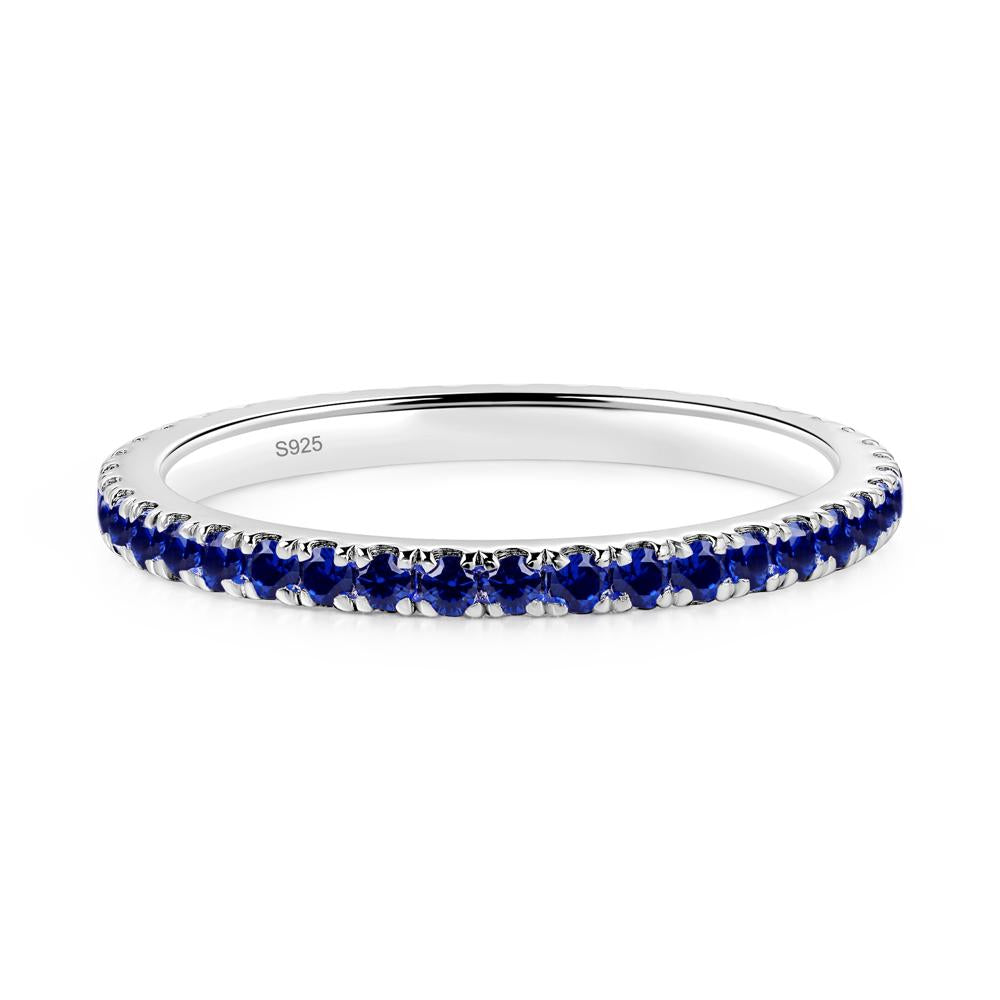
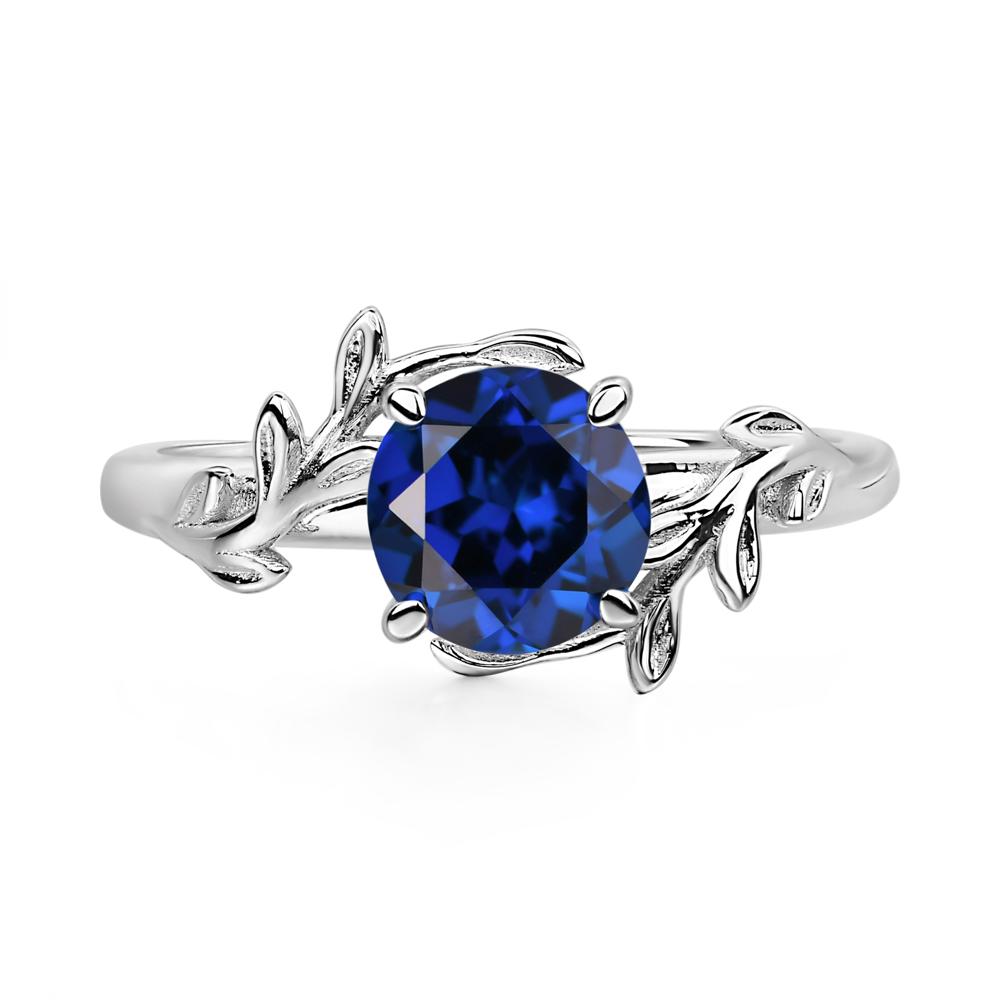
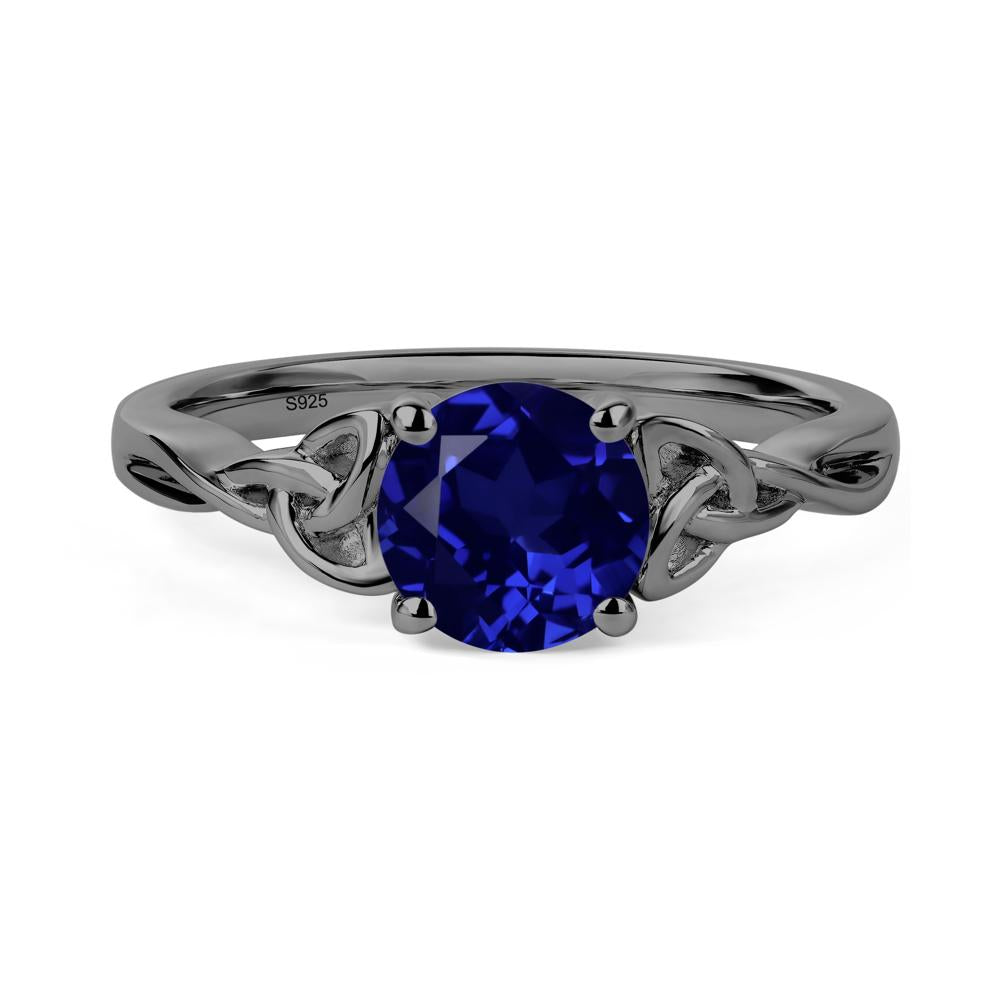
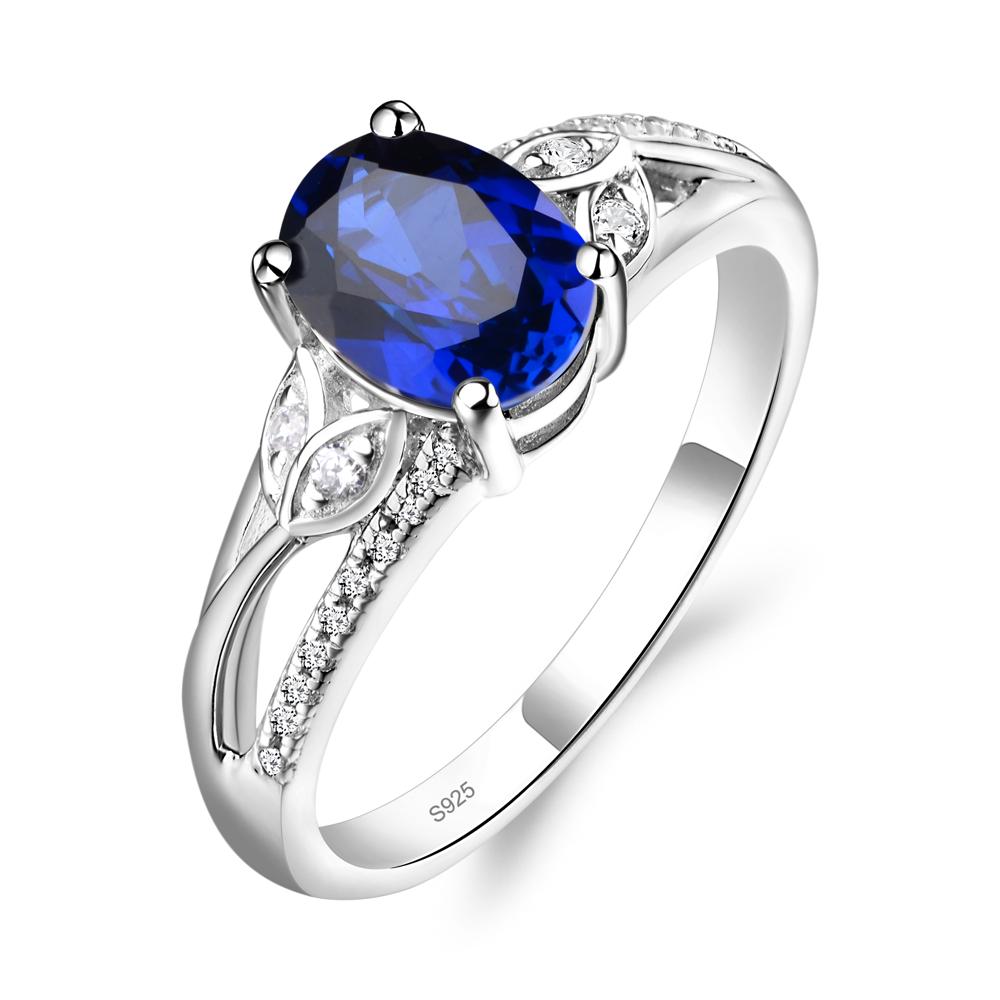
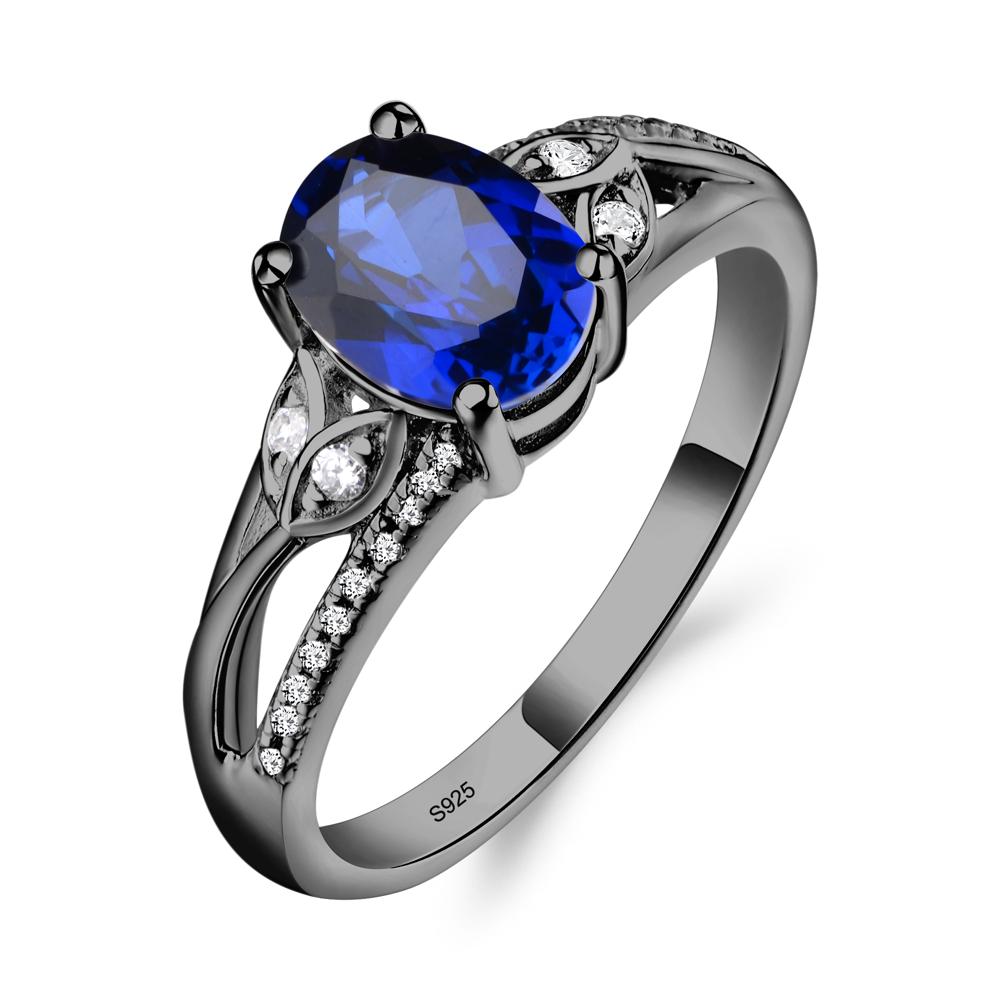
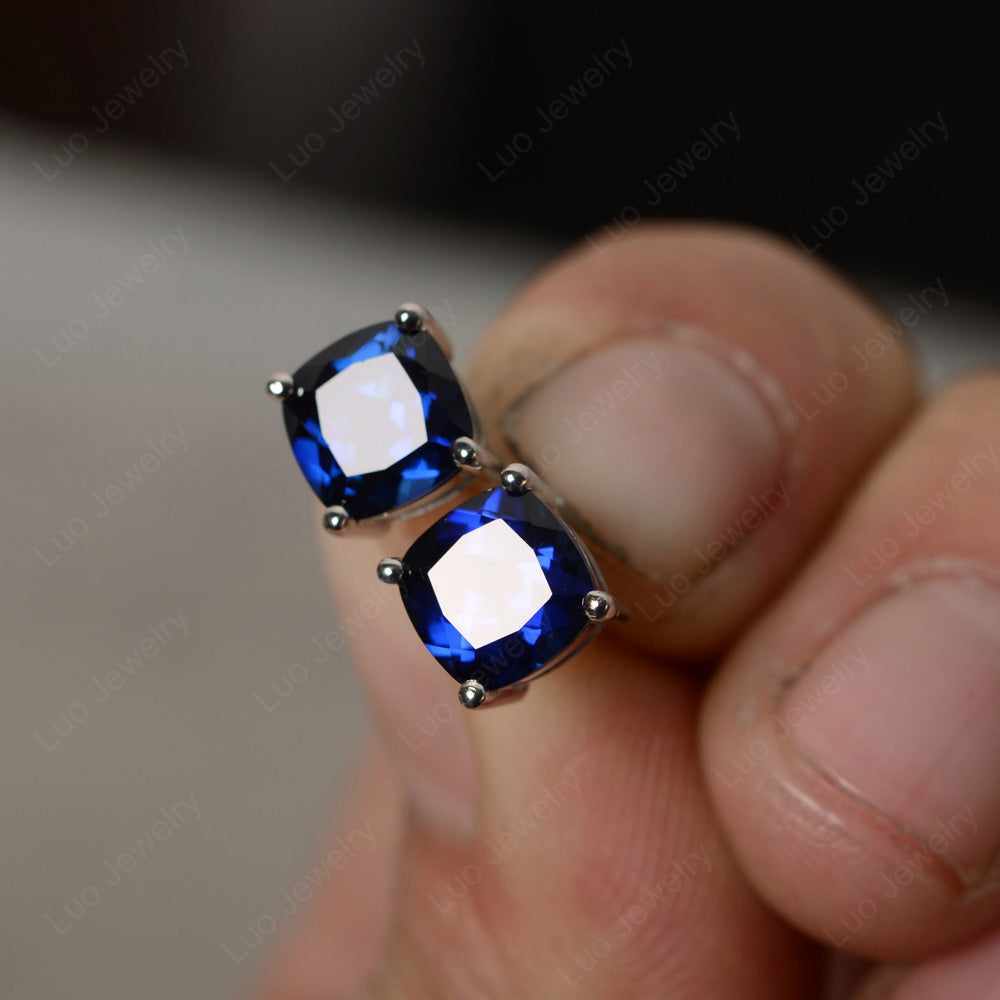
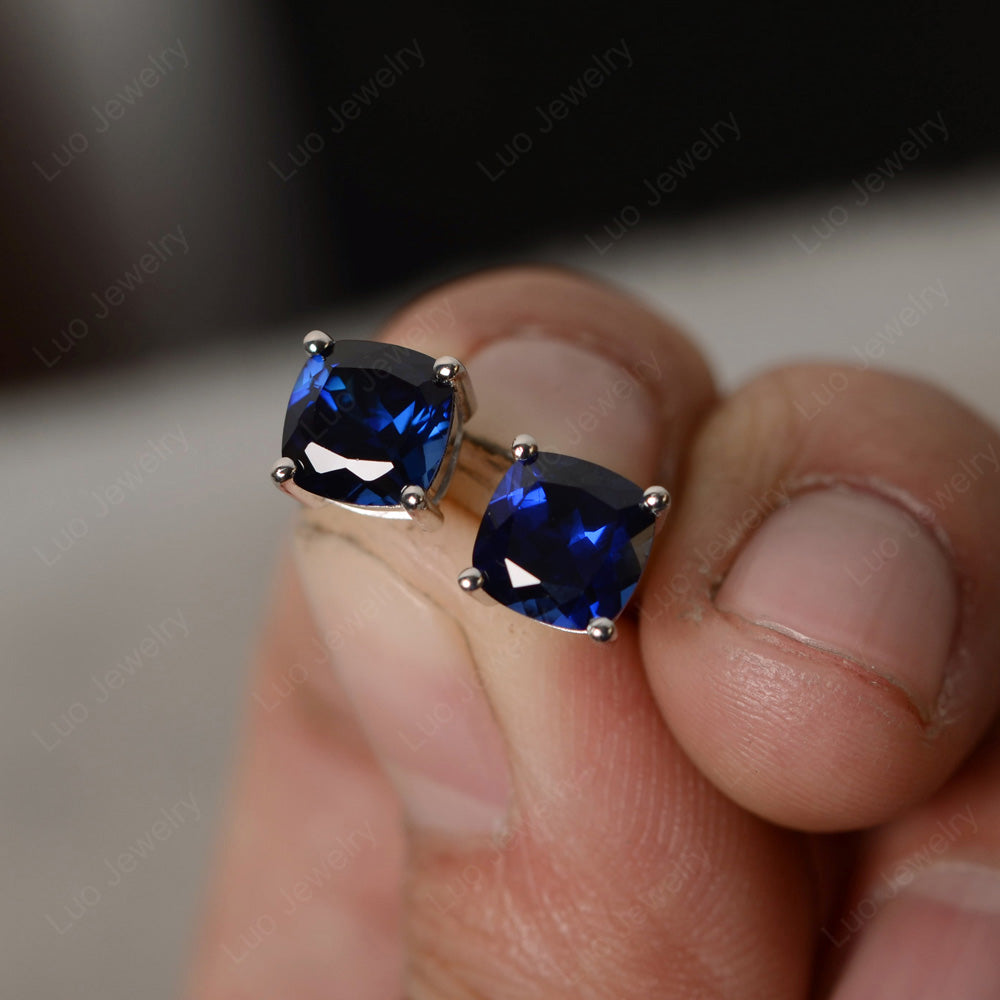
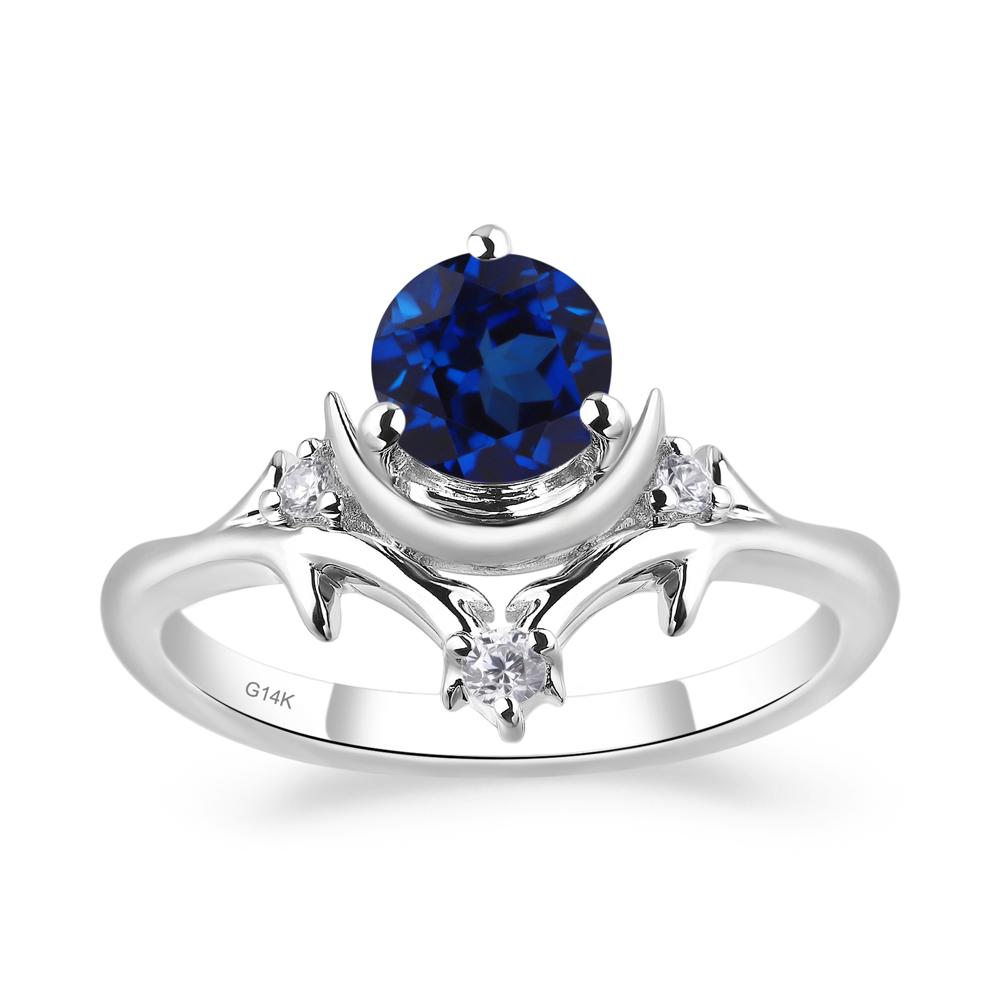
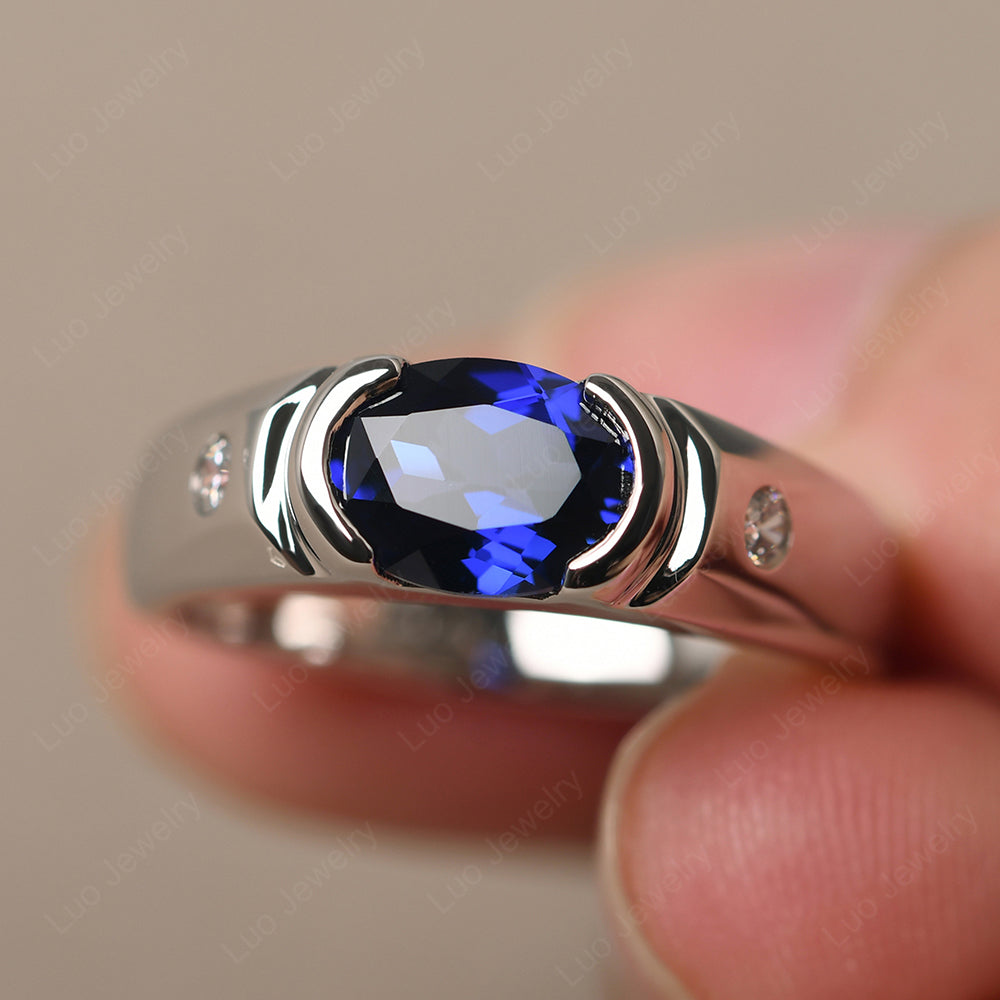
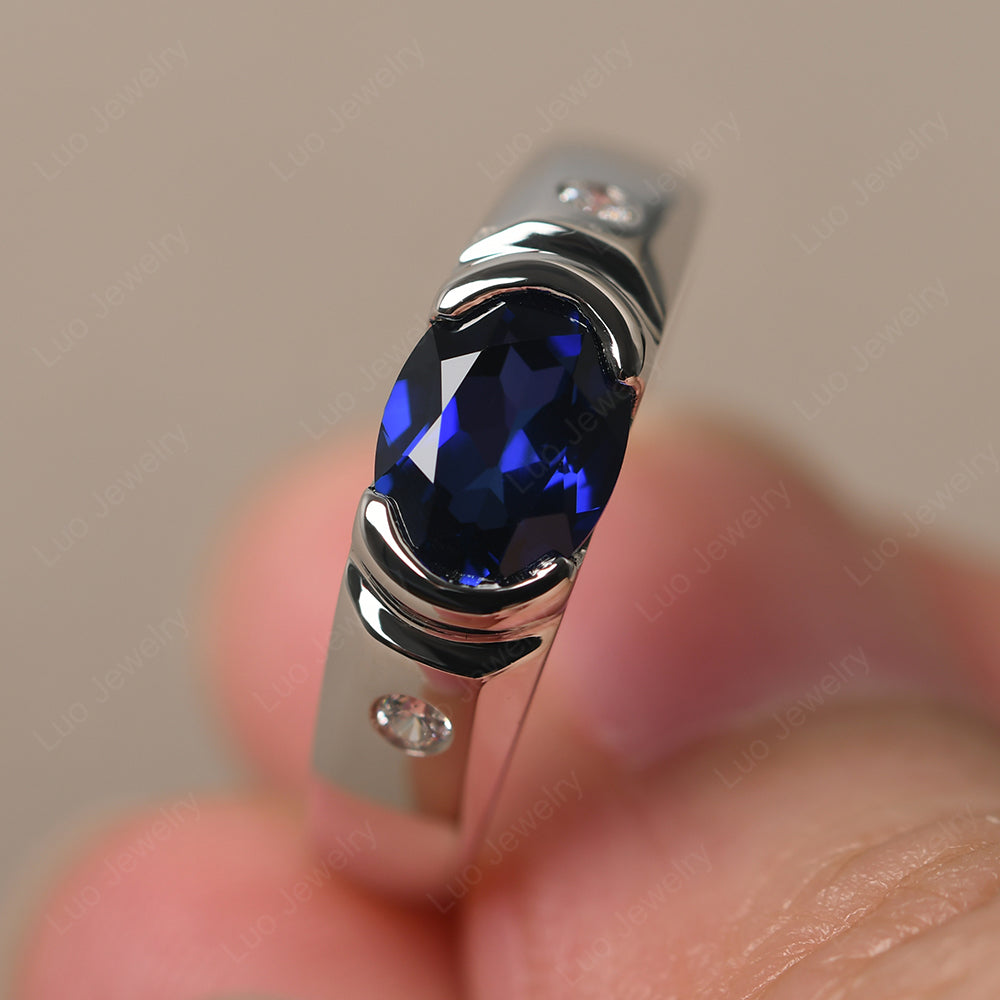
How to Clean Sapphire Rings?
✅ Do's
- Safe with mild soap and water
- Gentle brushing is suitable
- Usually safe for ultrasonic and steam cleaners
🚫 Don'ts
- Avoid harsh chemical exposure

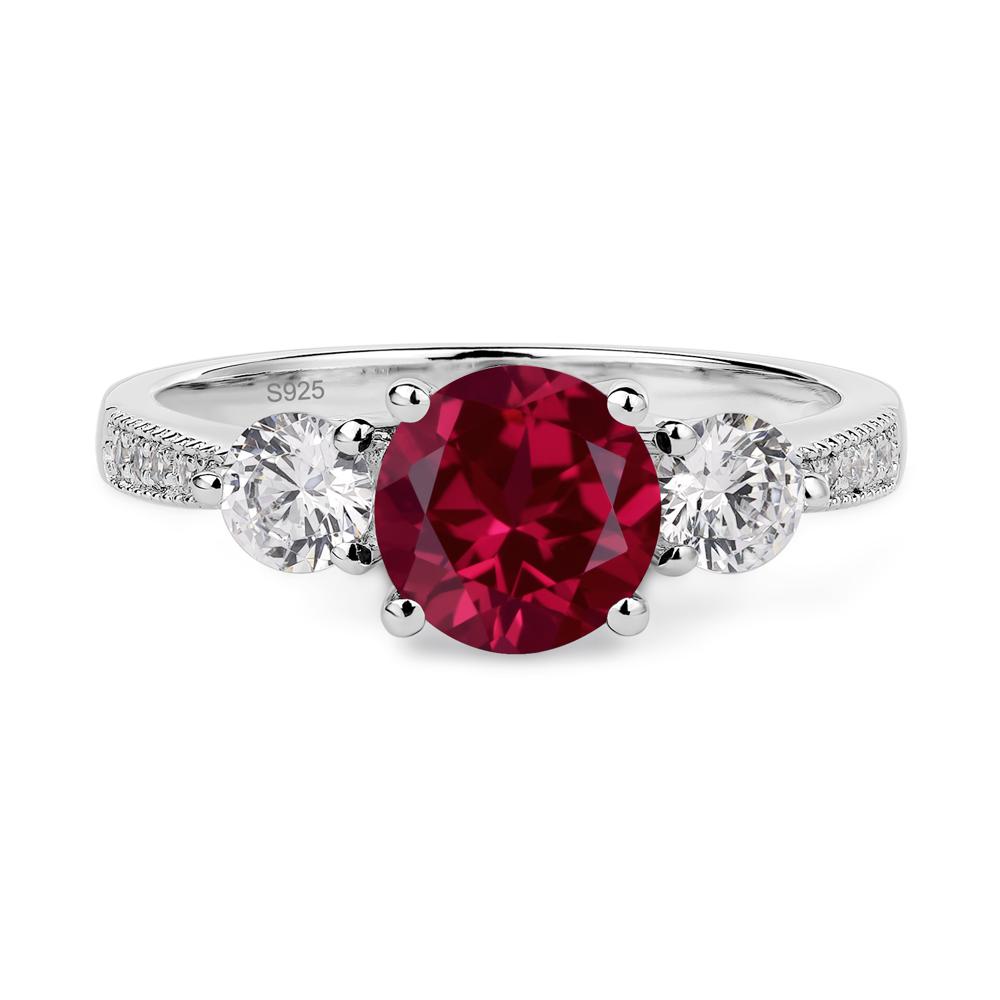
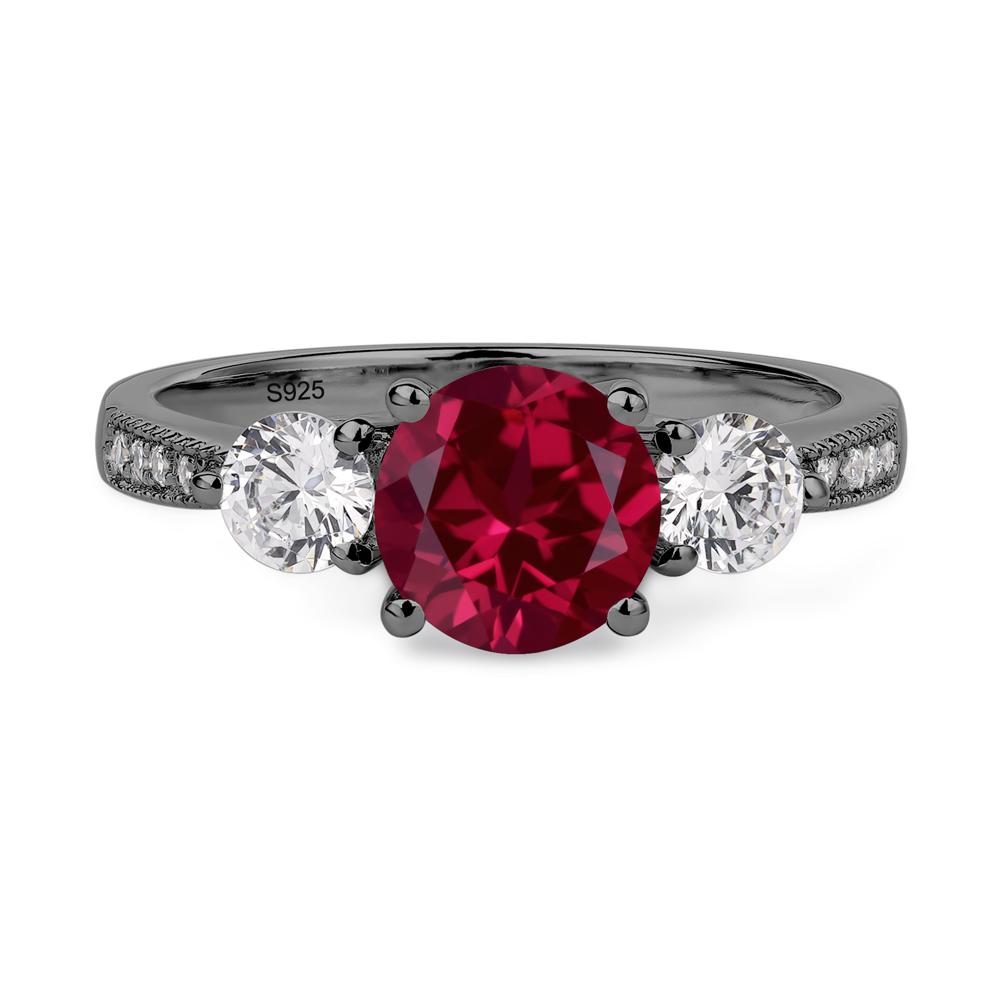
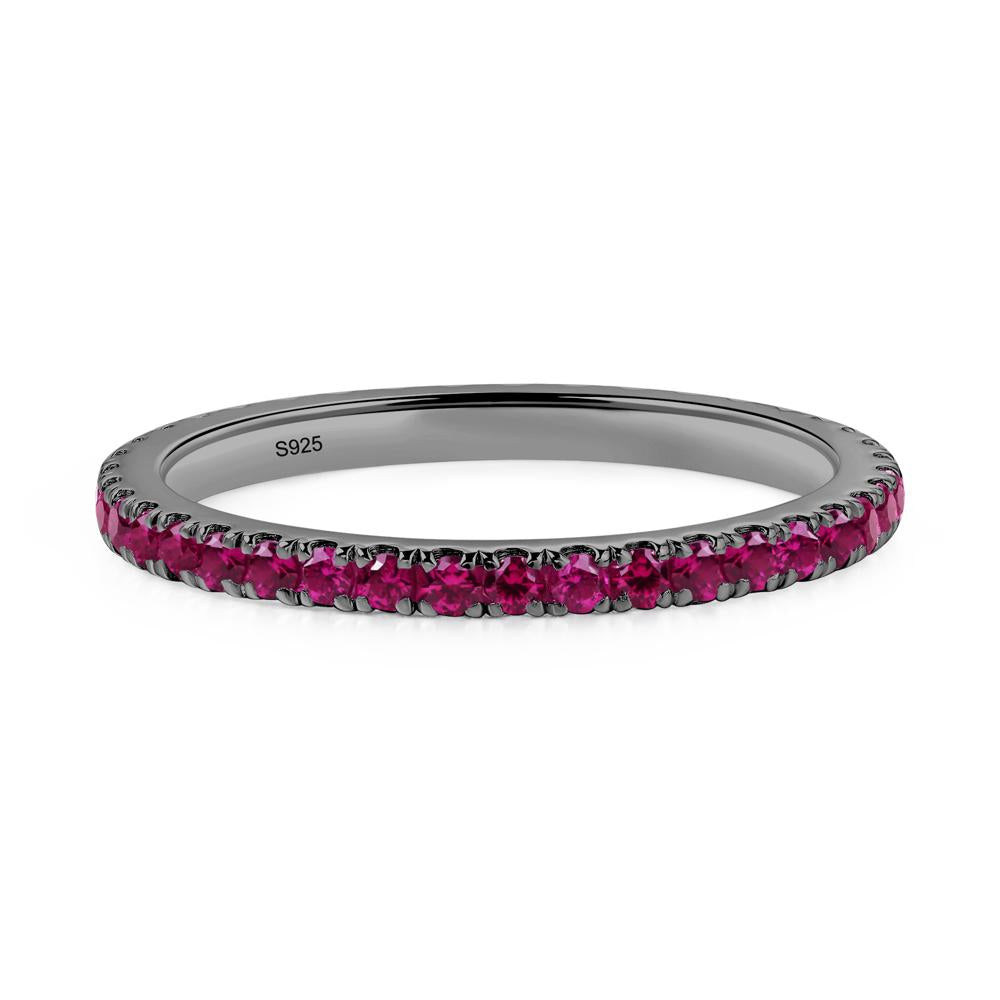
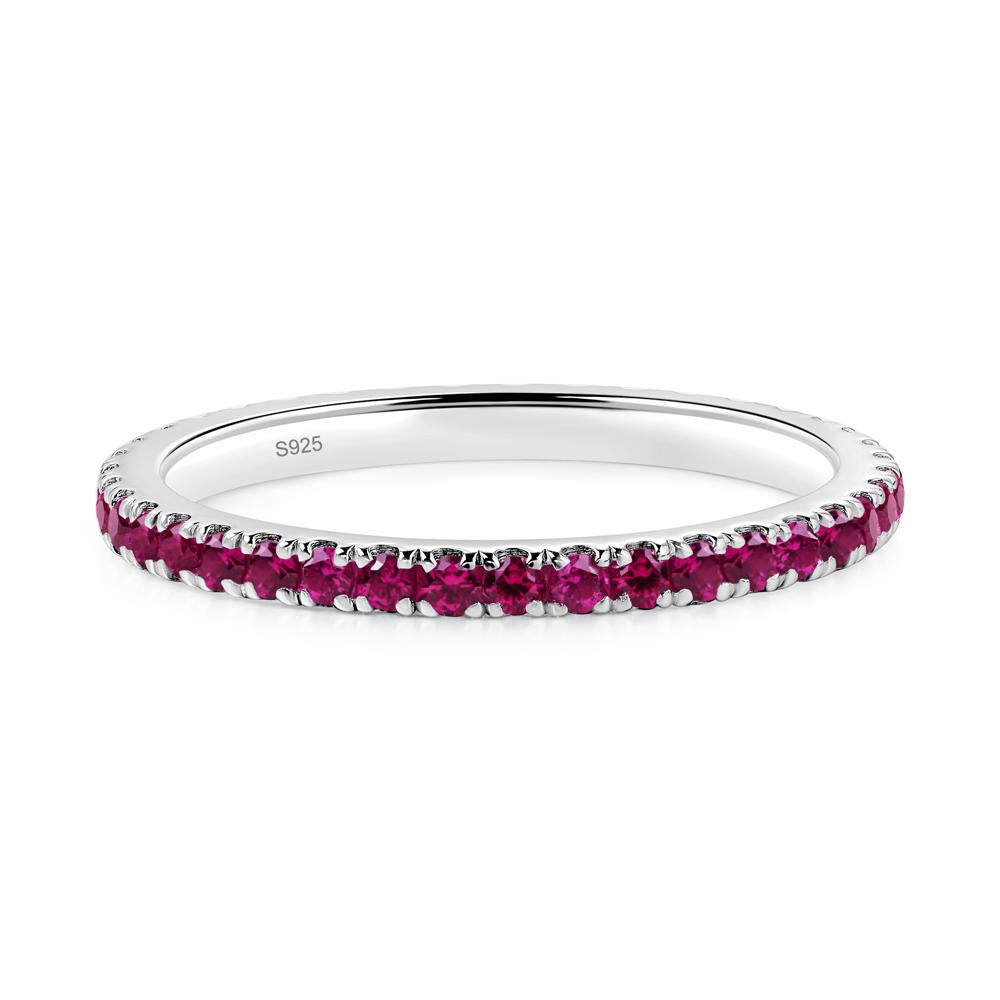
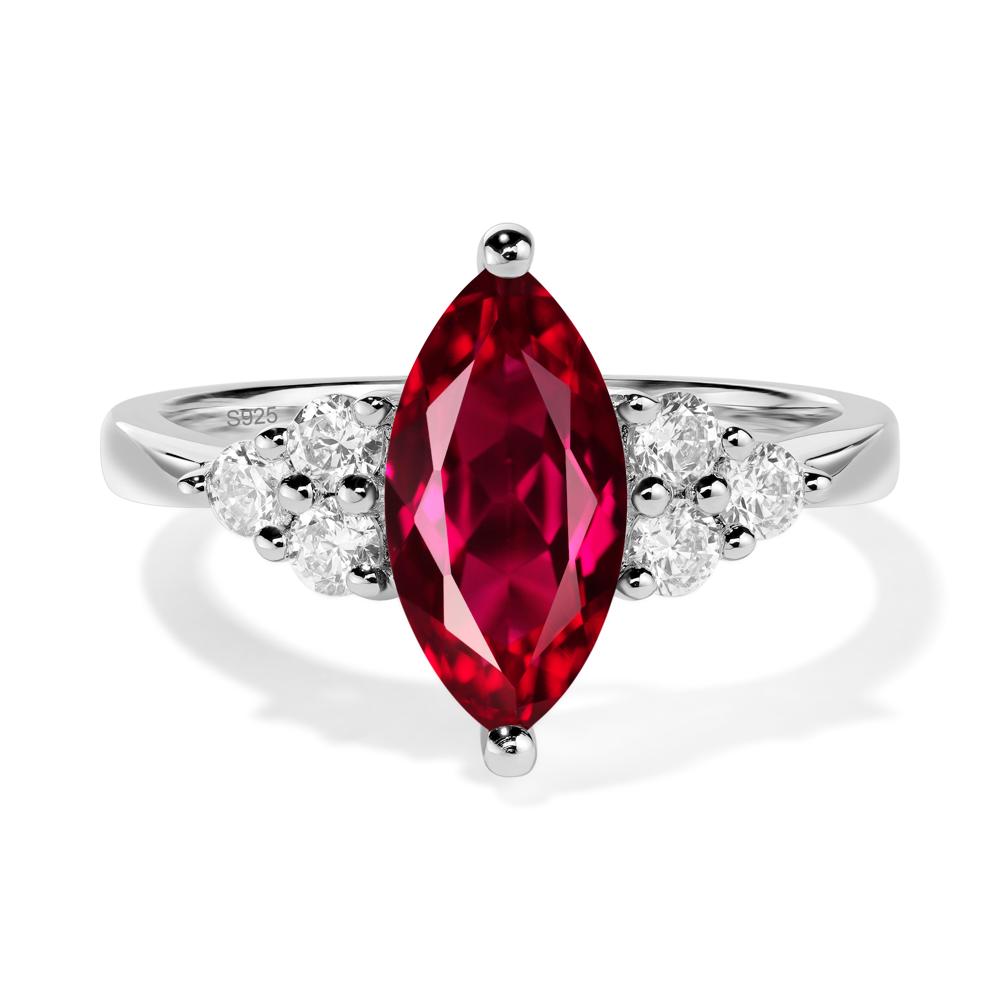
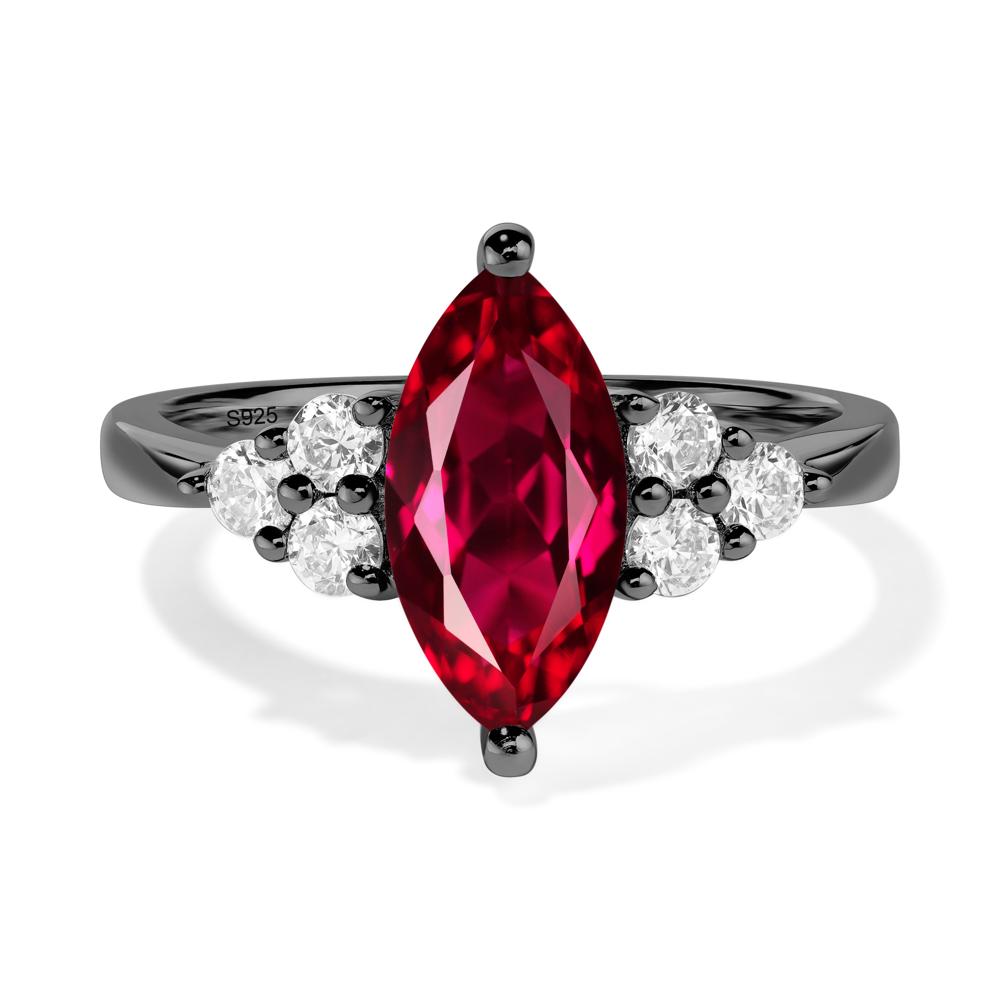
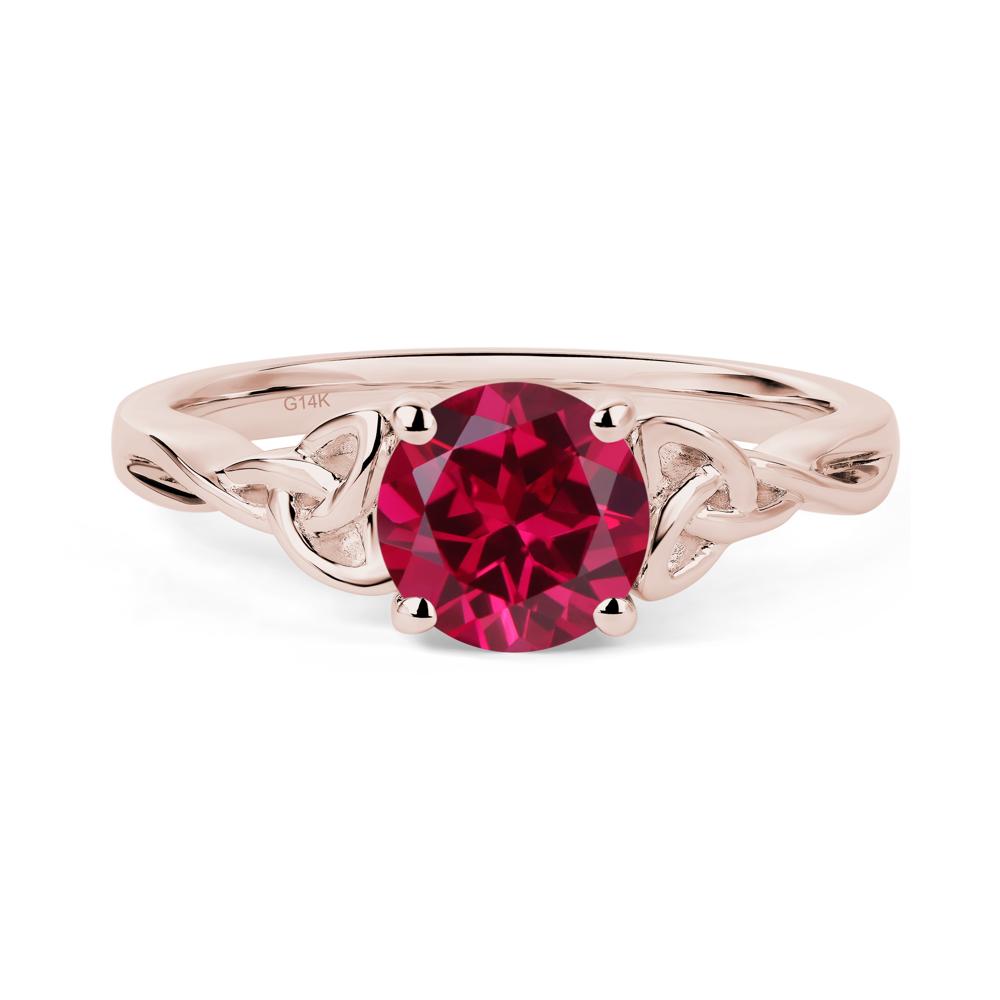
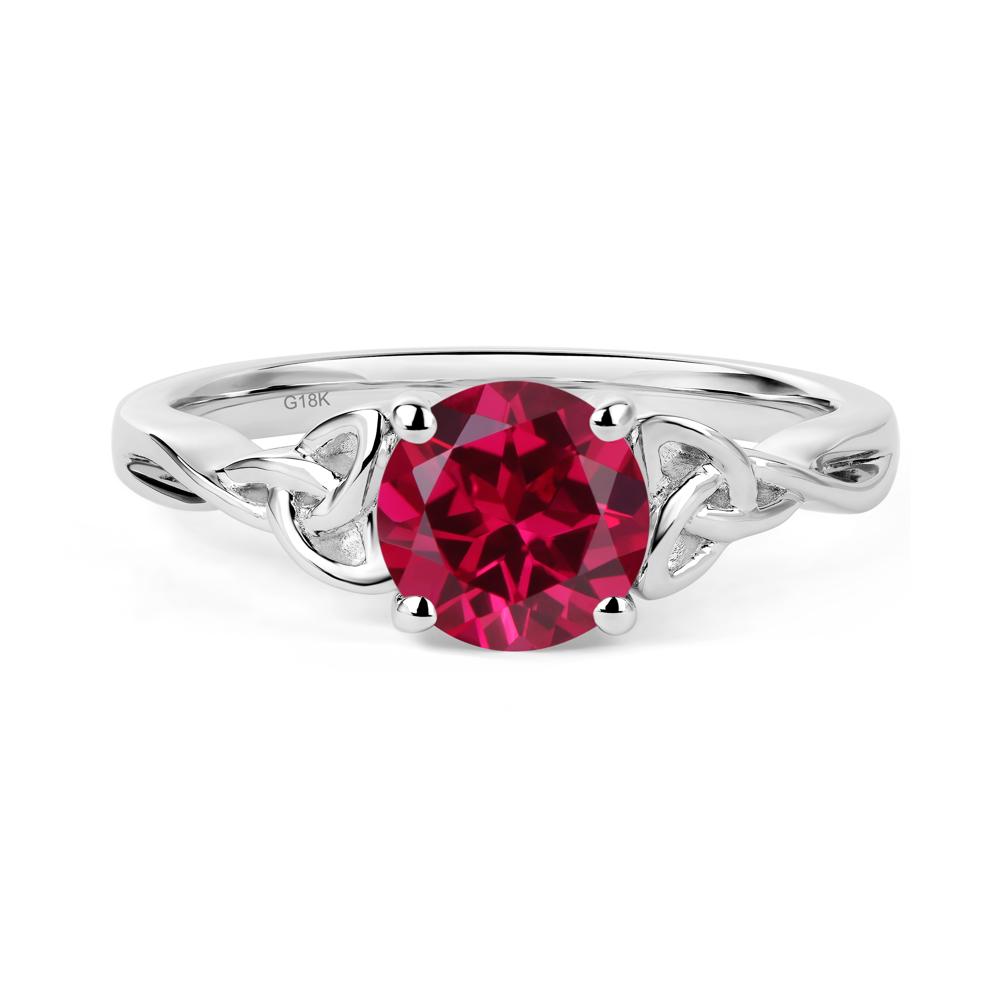
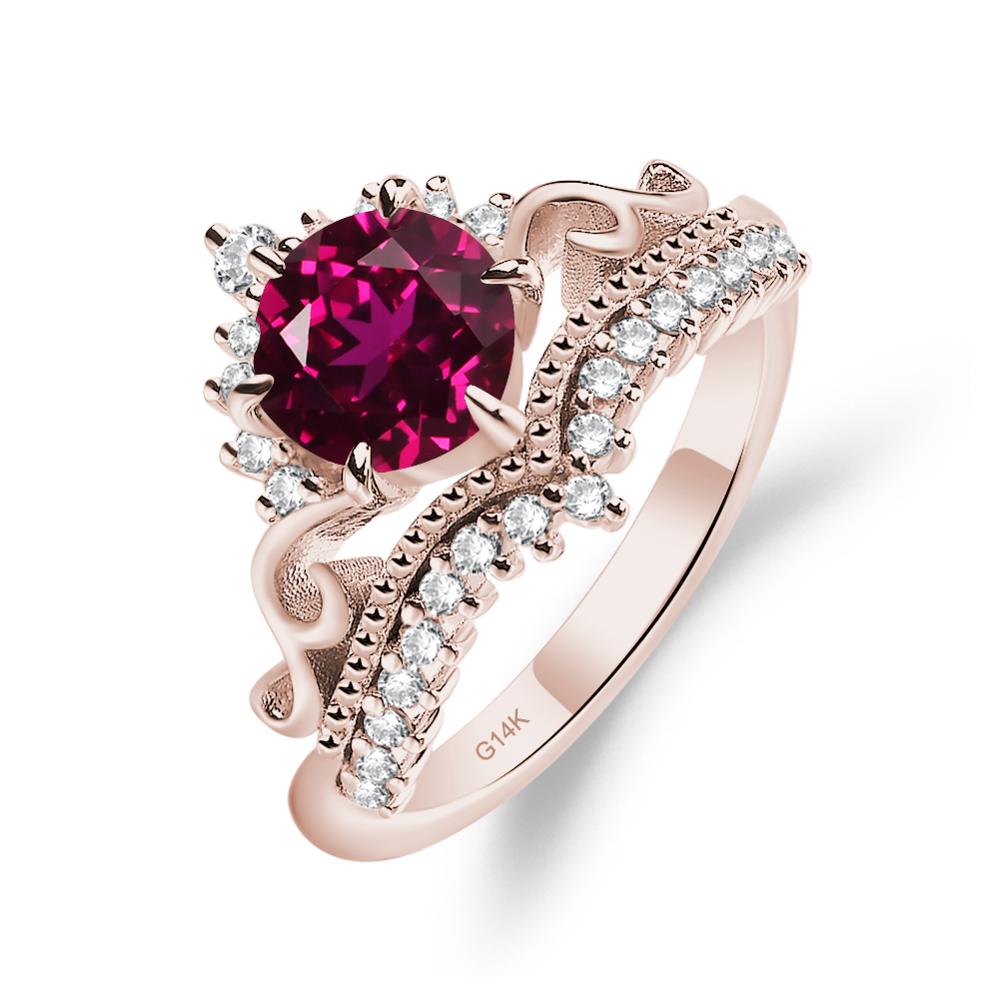
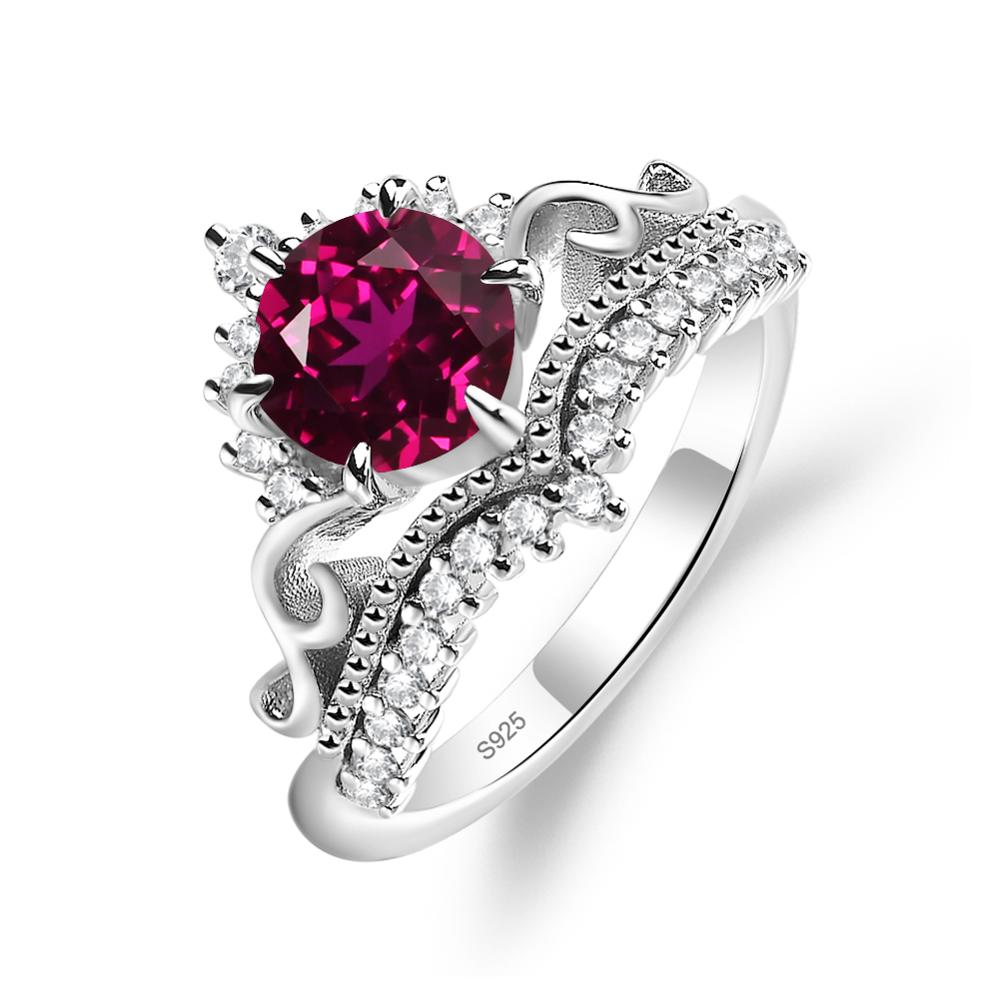
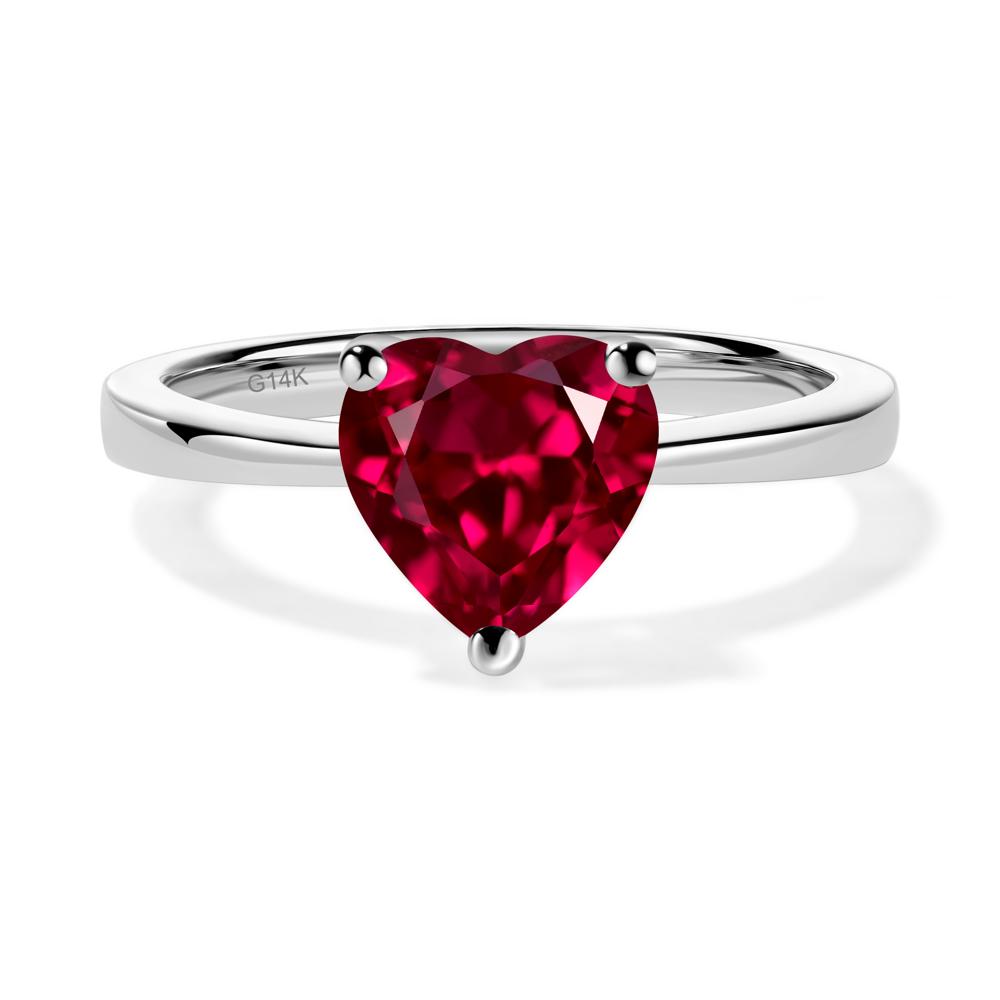
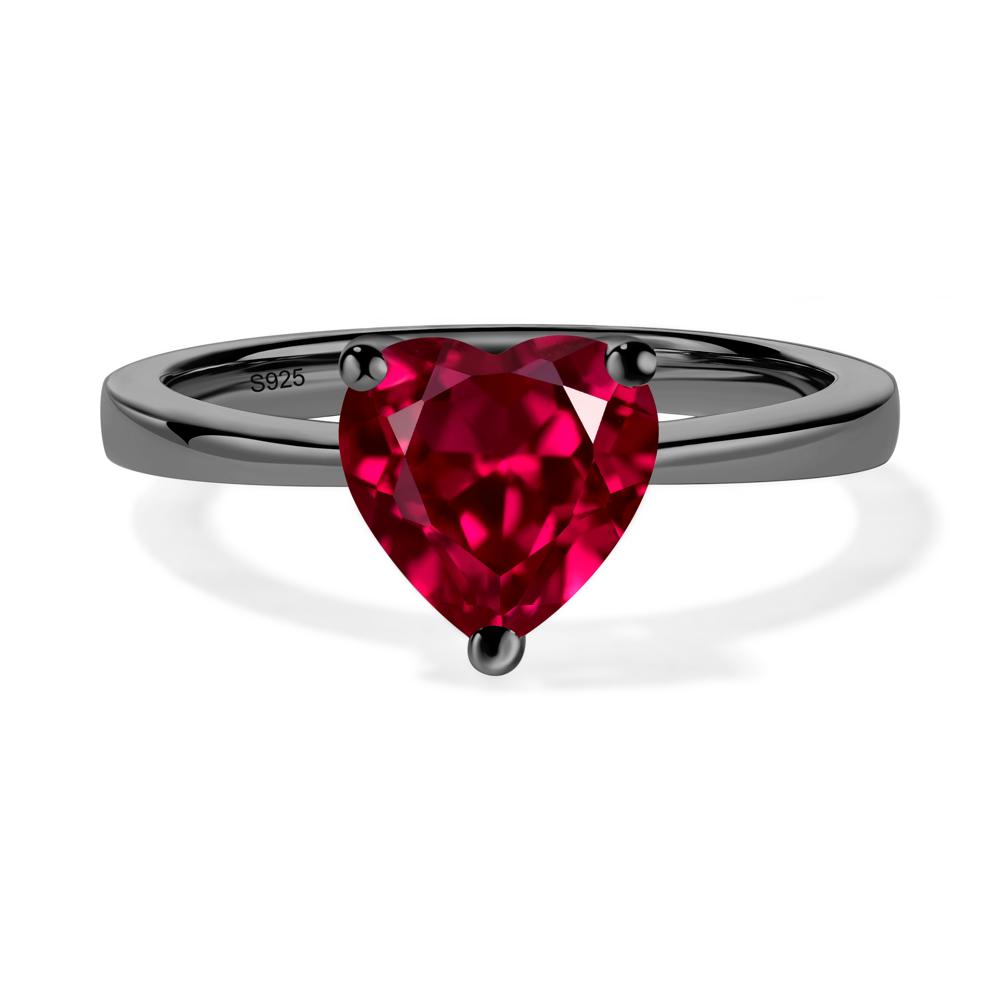
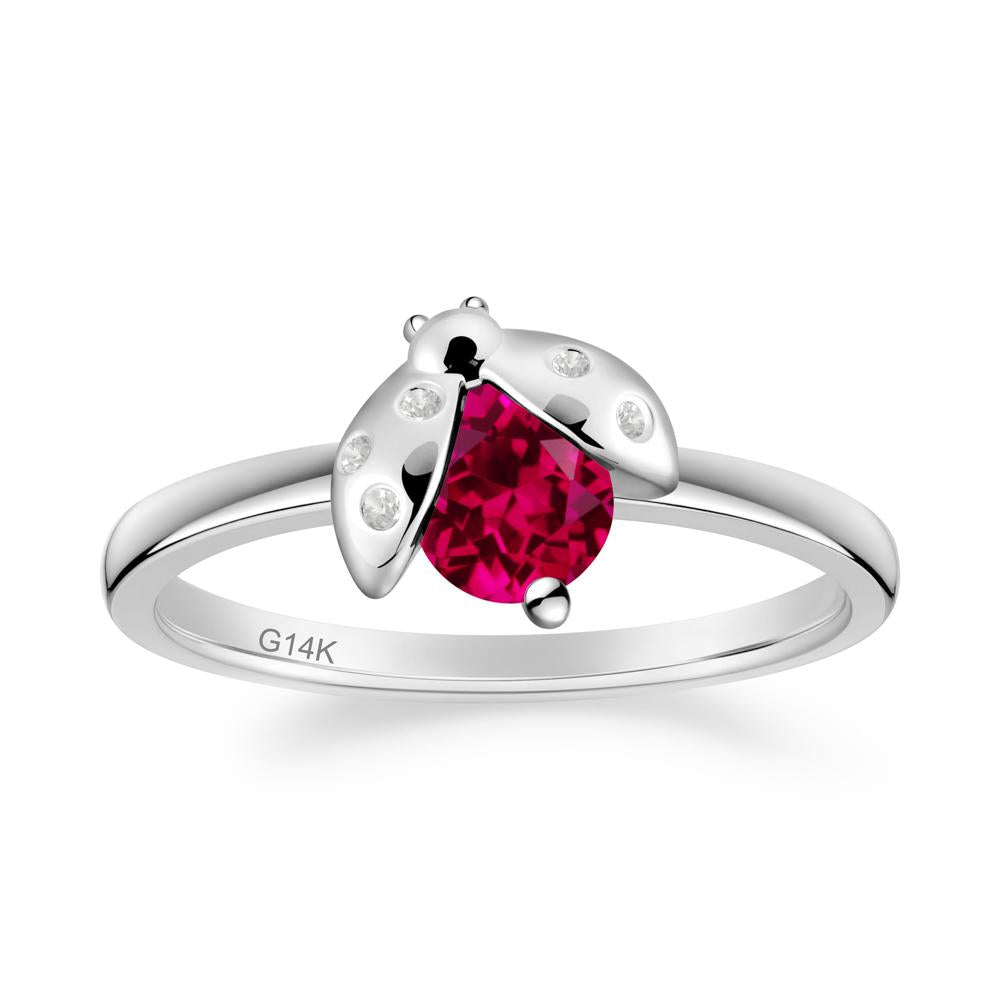
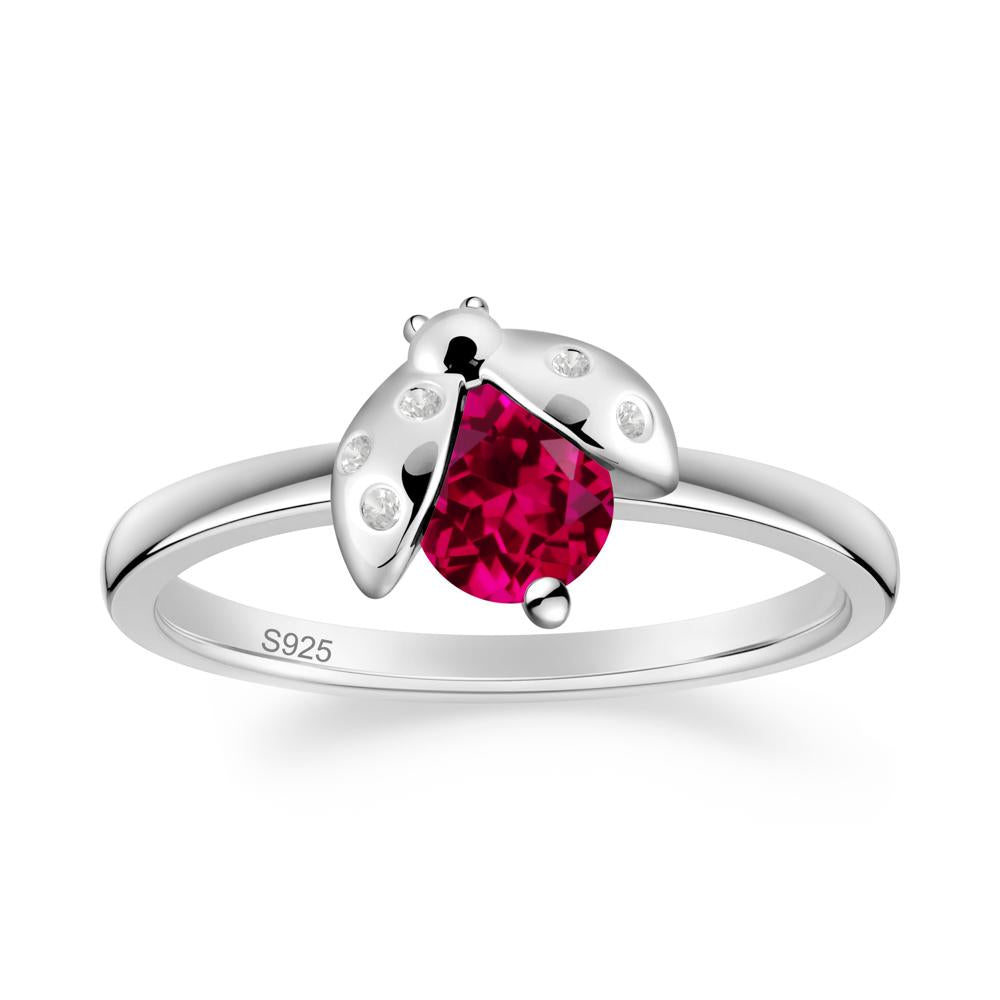
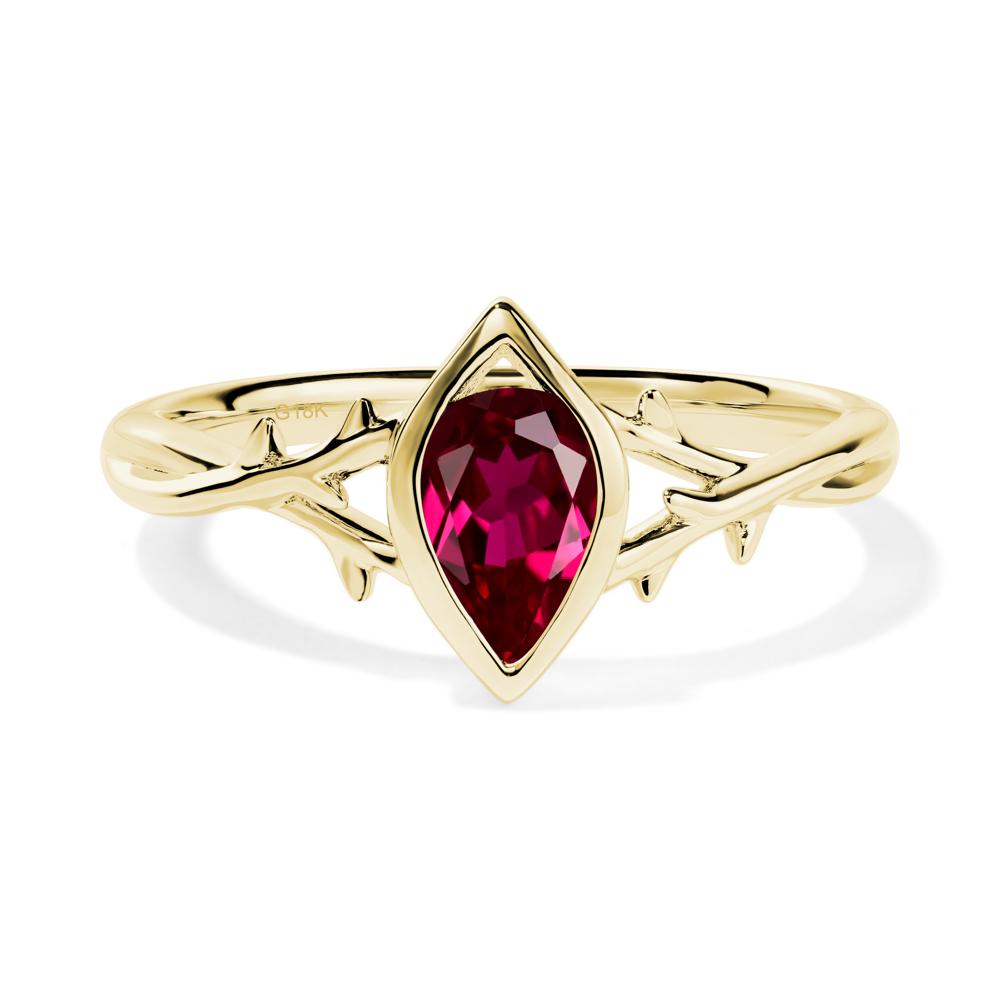
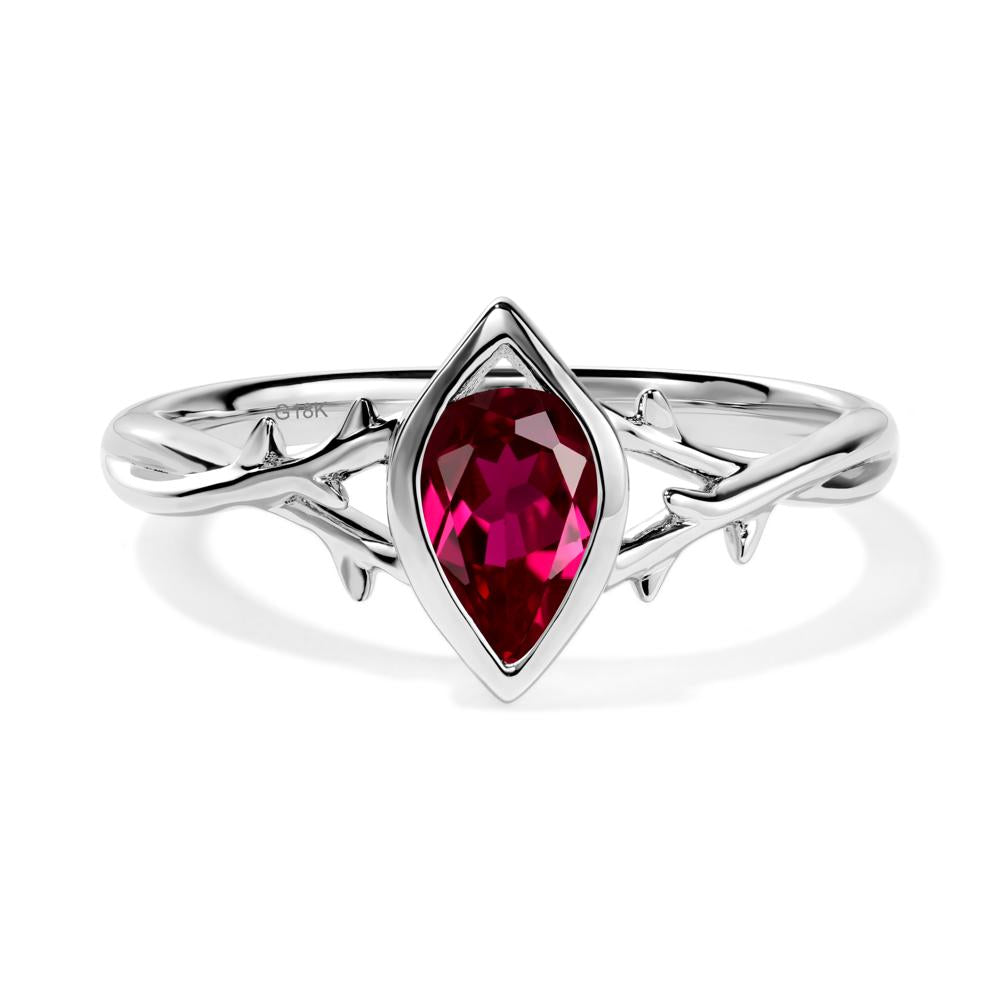
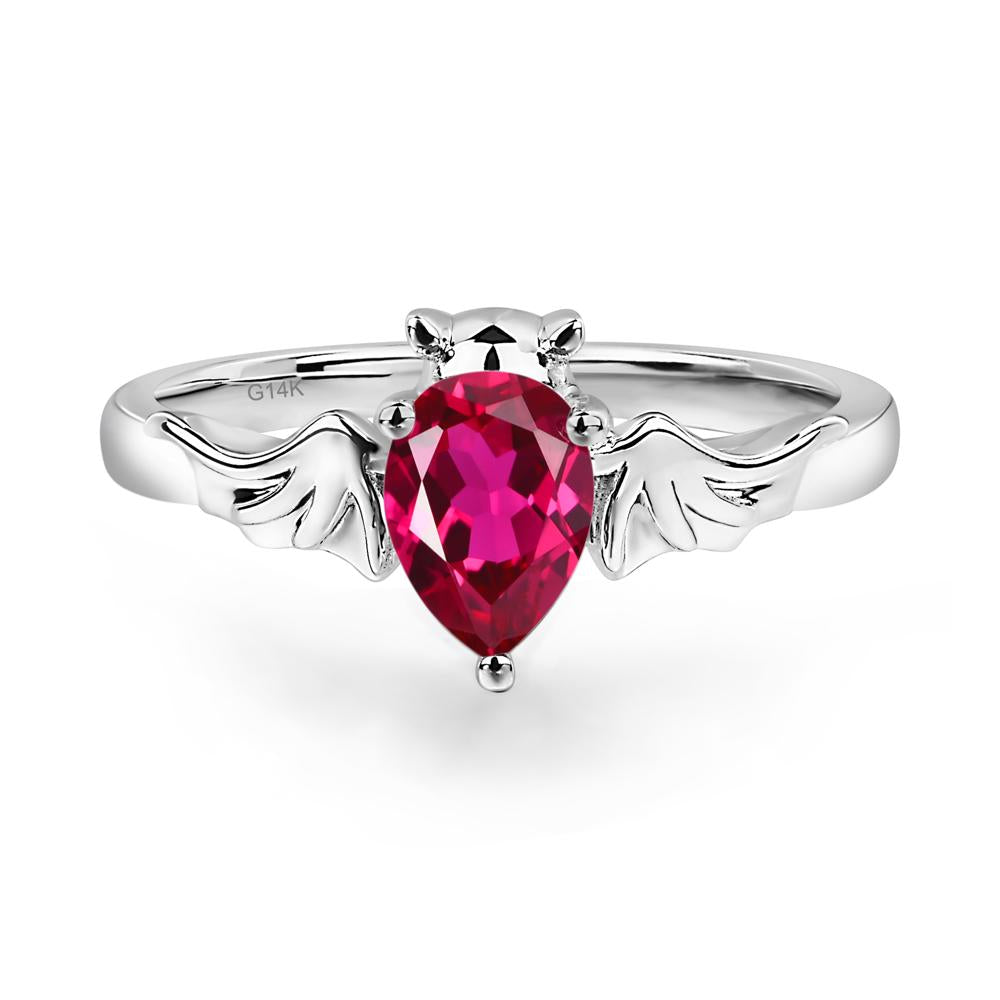
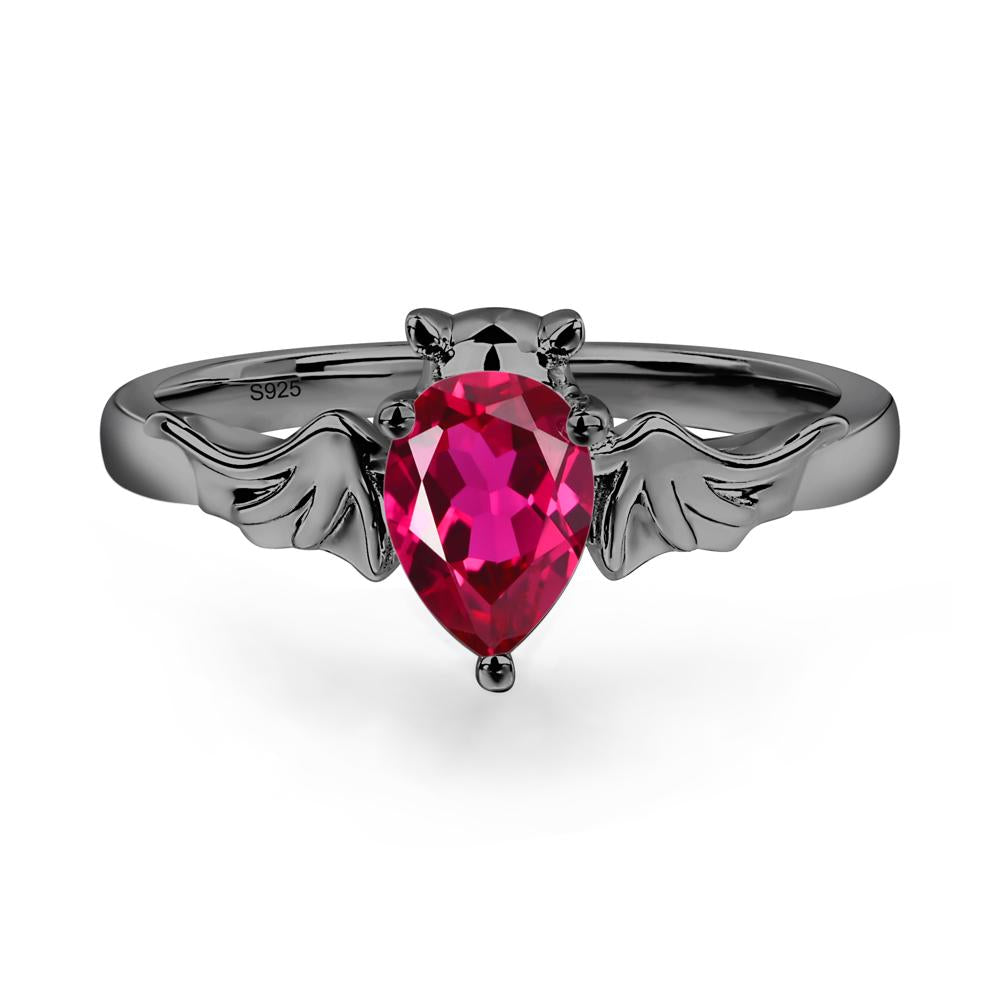
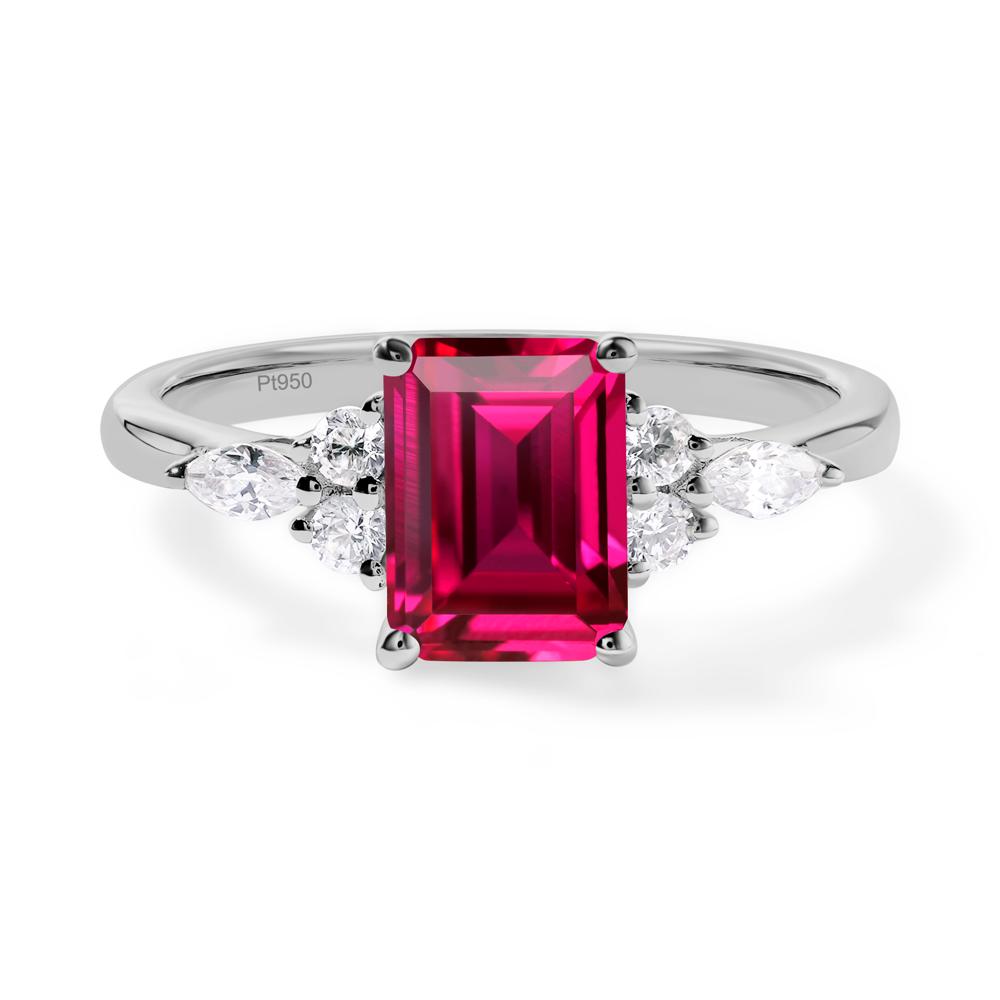
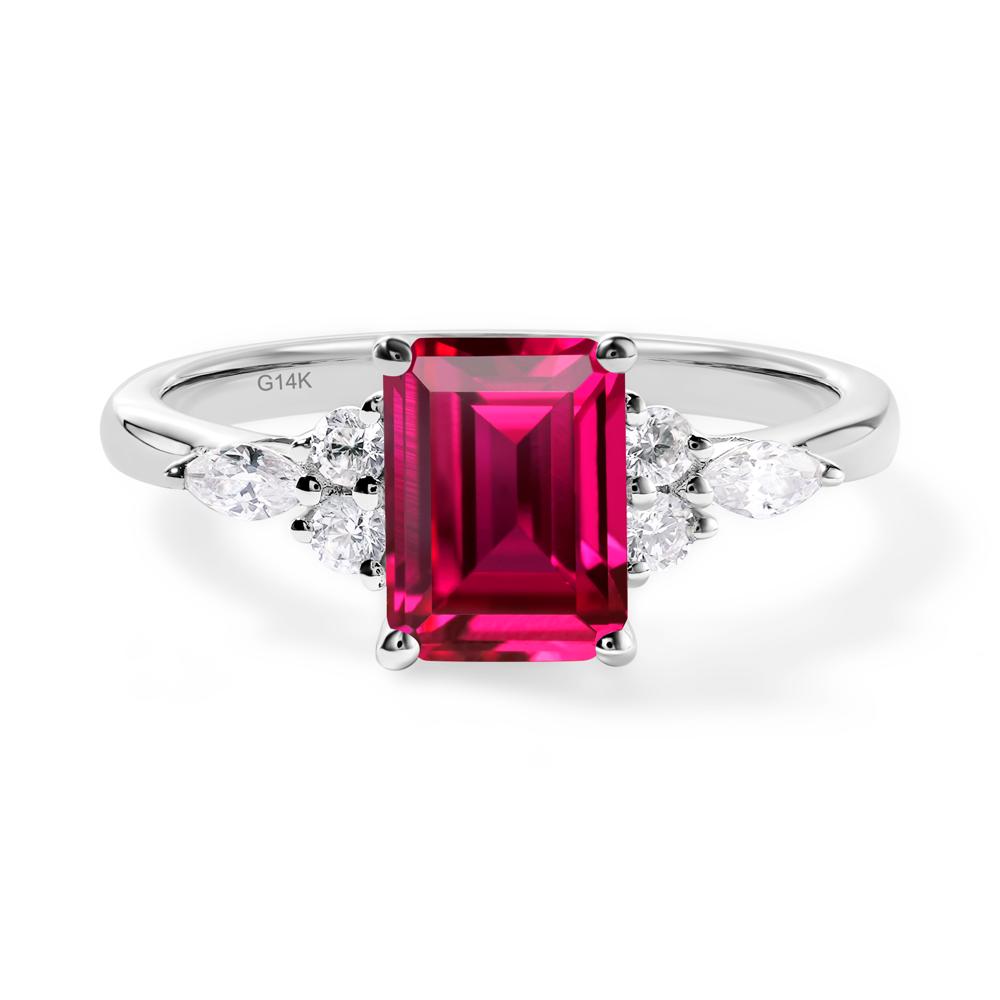
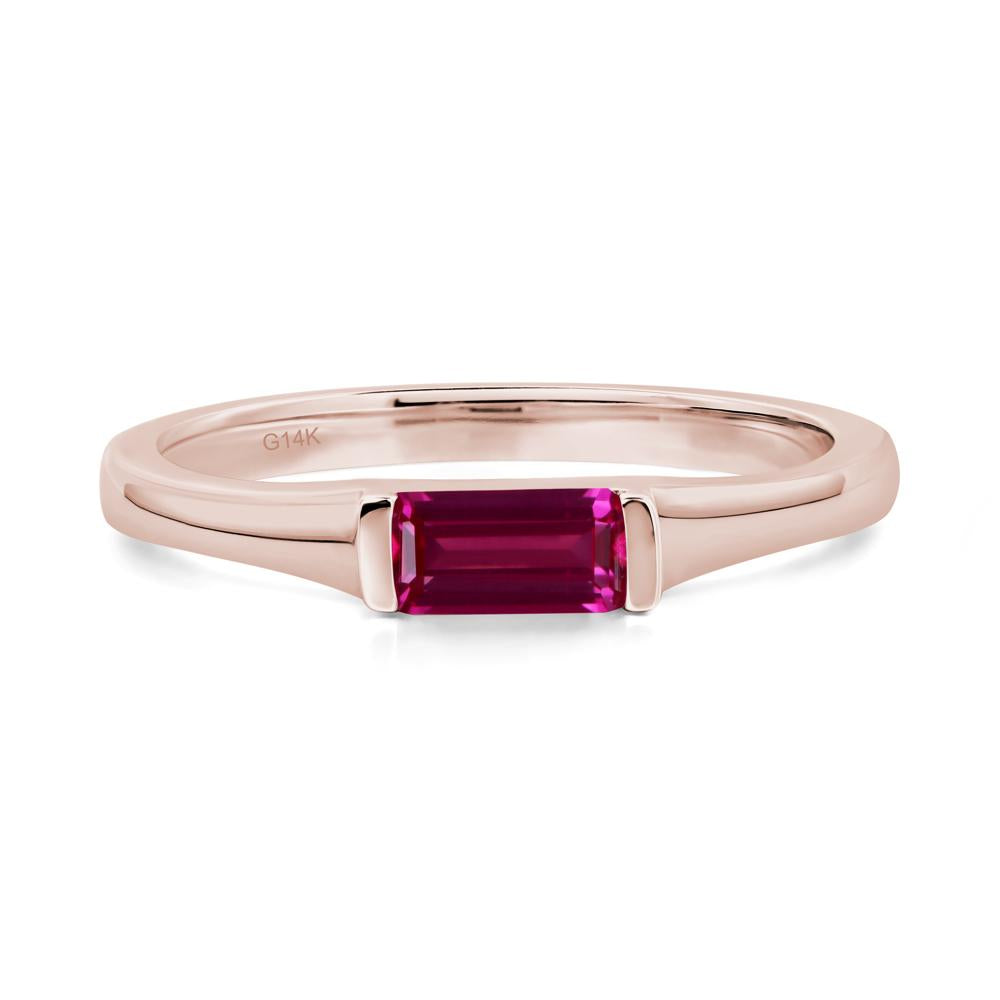
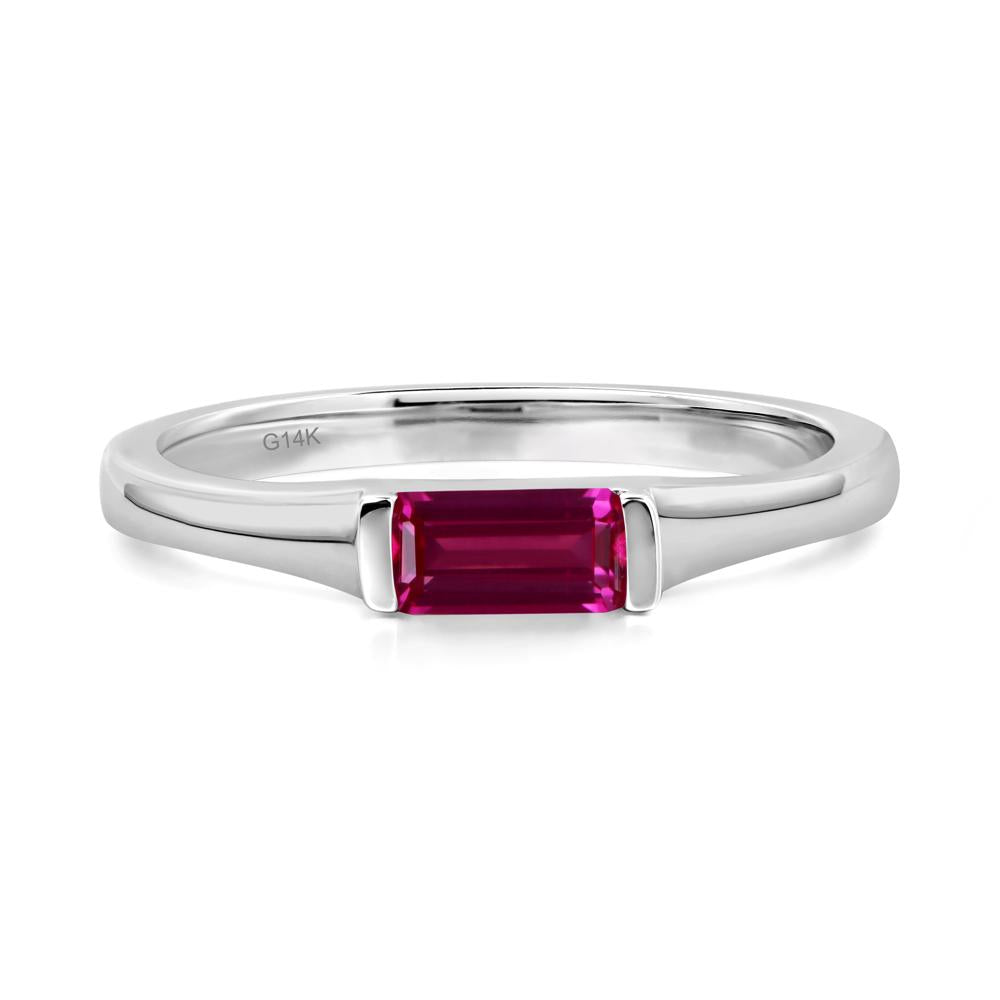
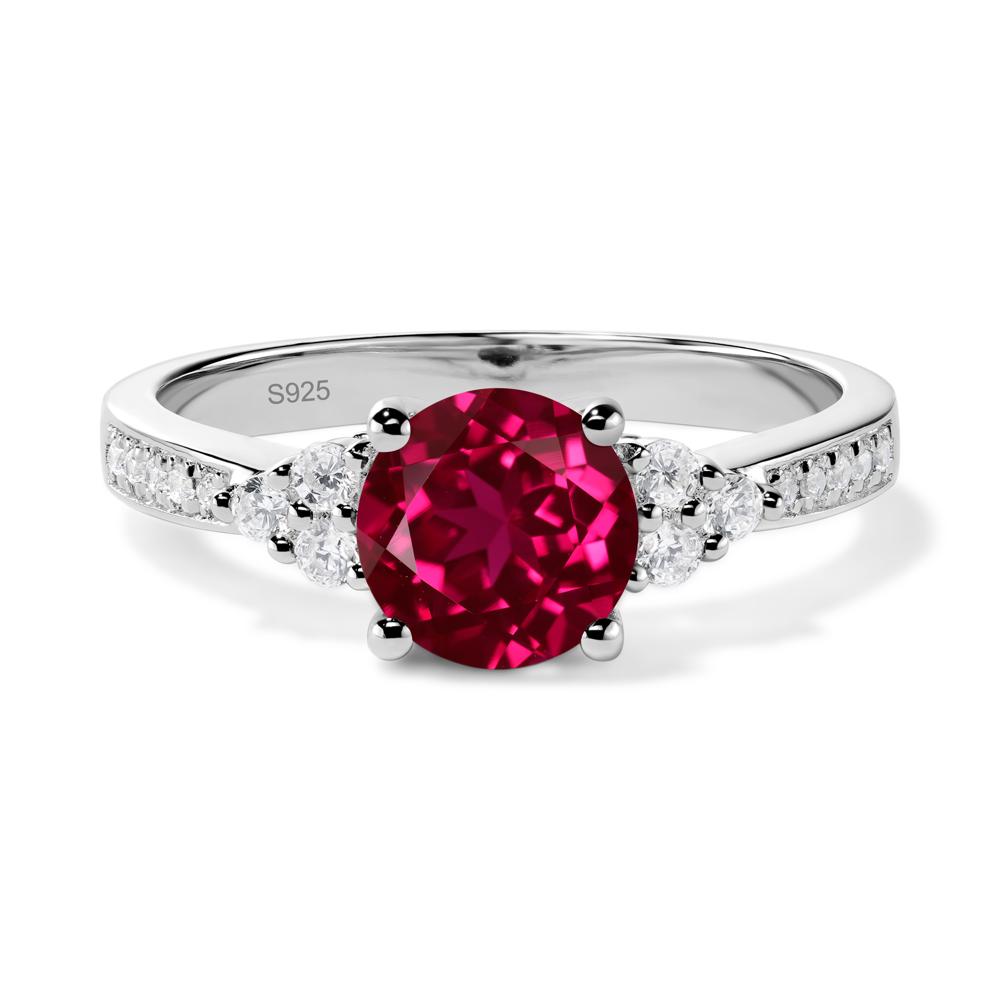
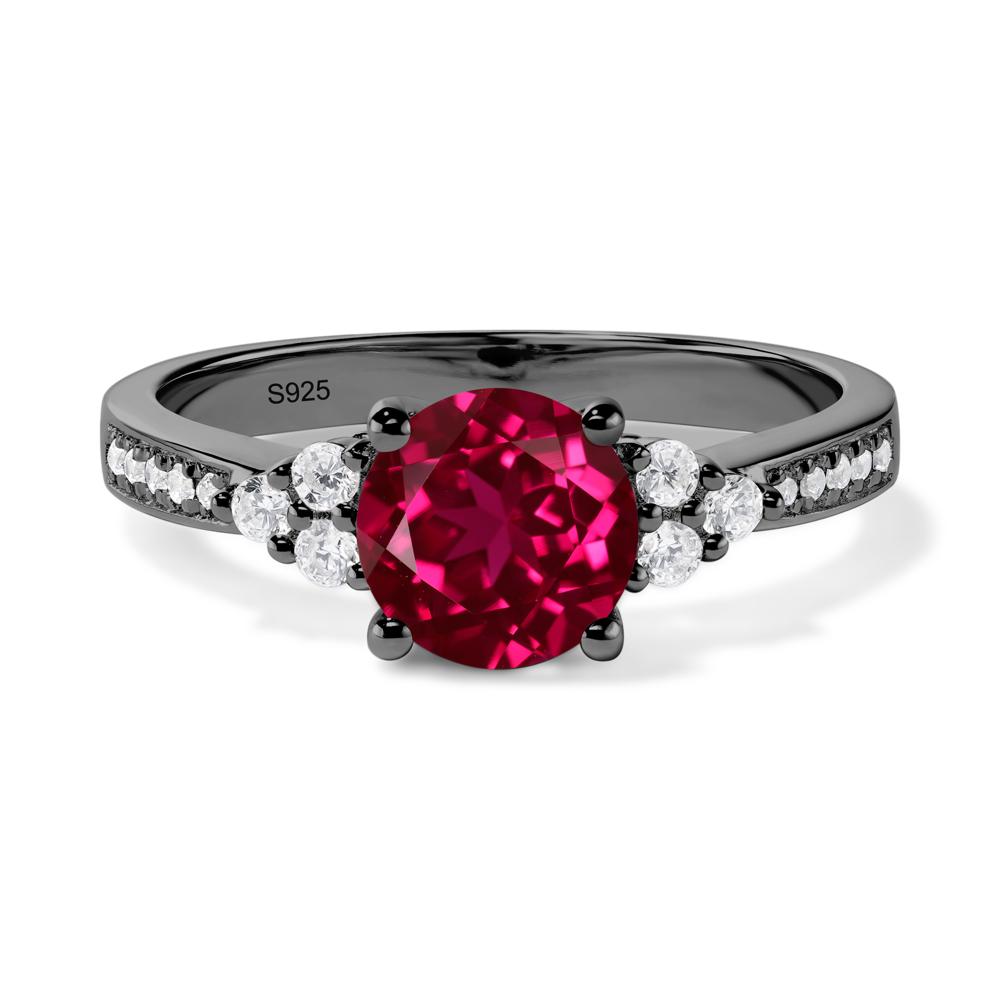
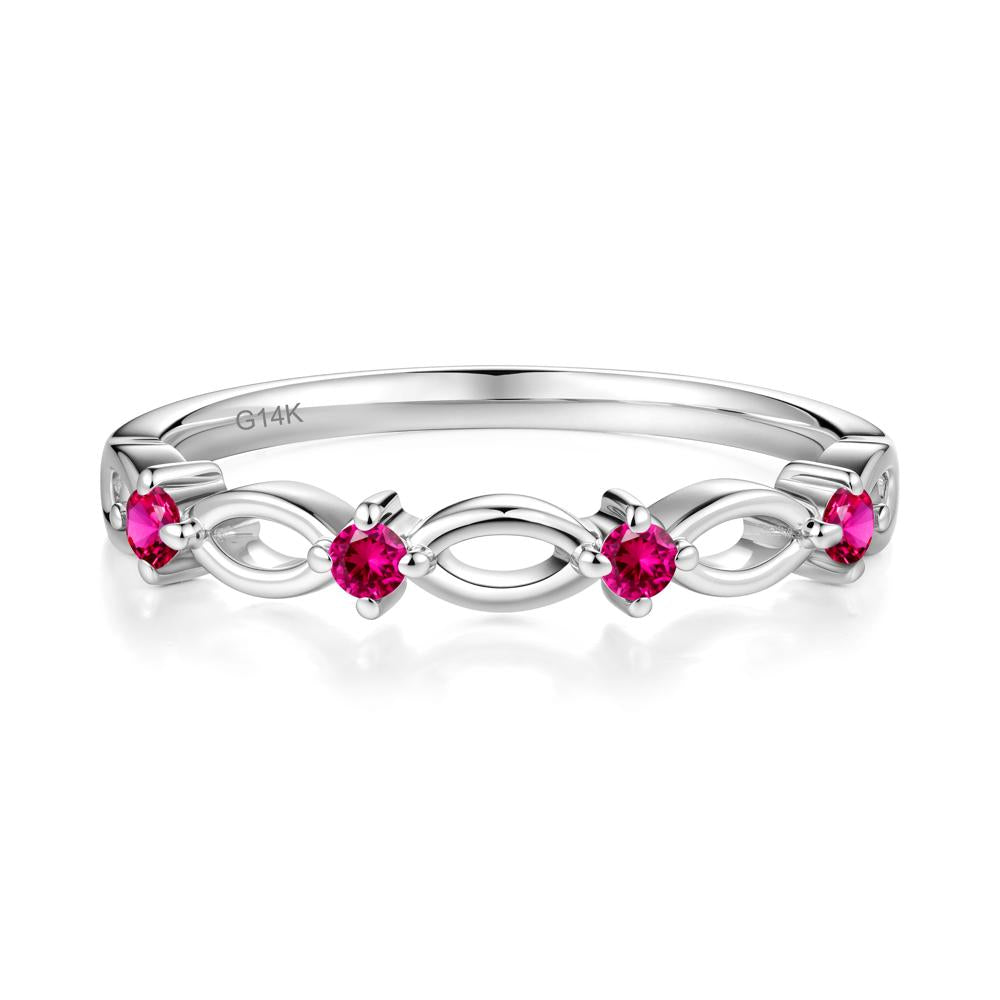
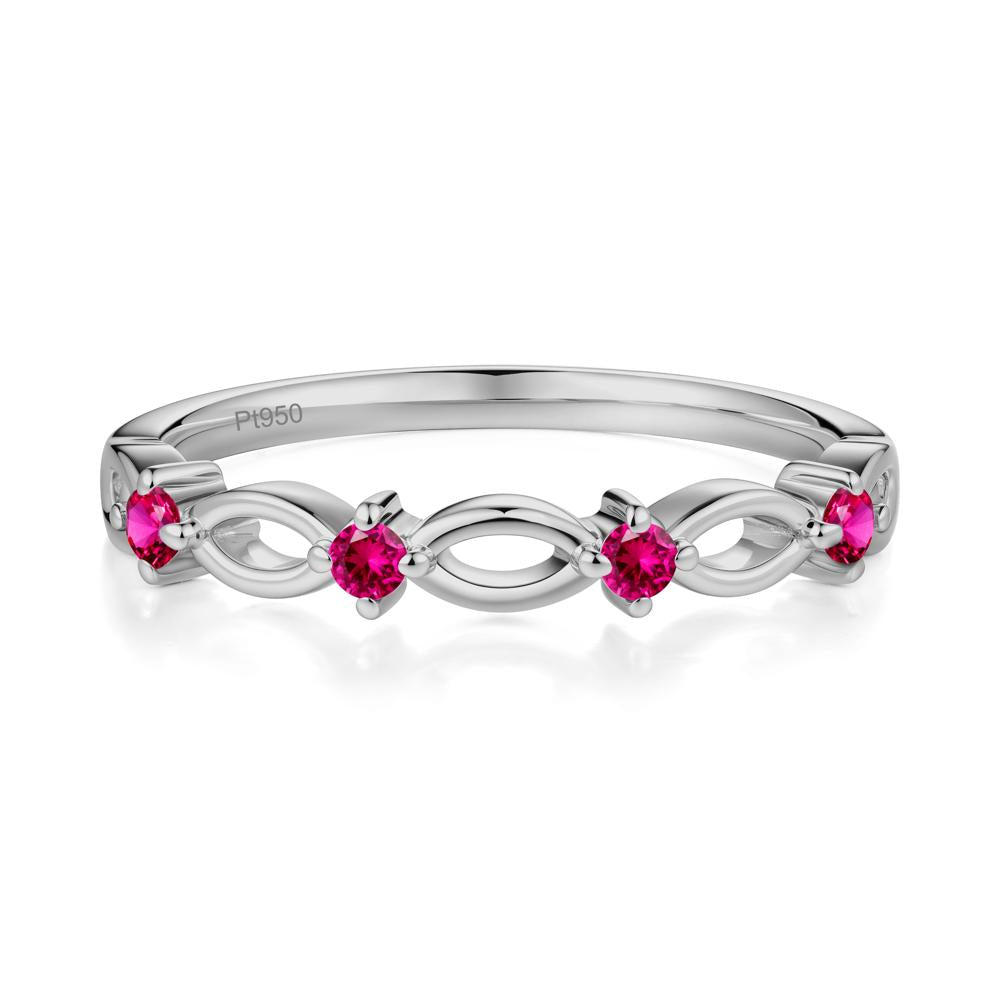
How to Clean Ruby Rings?
✅ Do's
- Safe with mild soap and water
- Gentle brushing is suitable
- Usually safe for ultrasonic and steam cleaners
🚫 Don'ts
- Avoid harsh chemical exposure

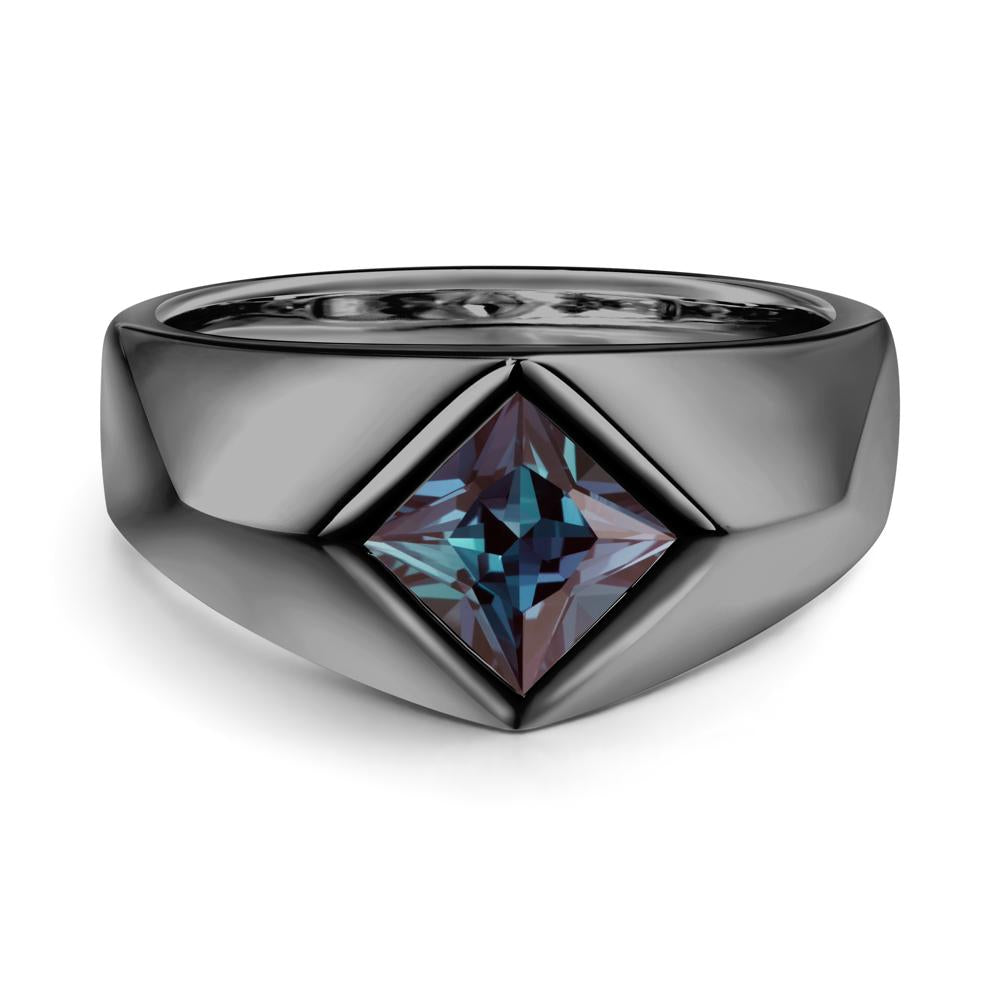
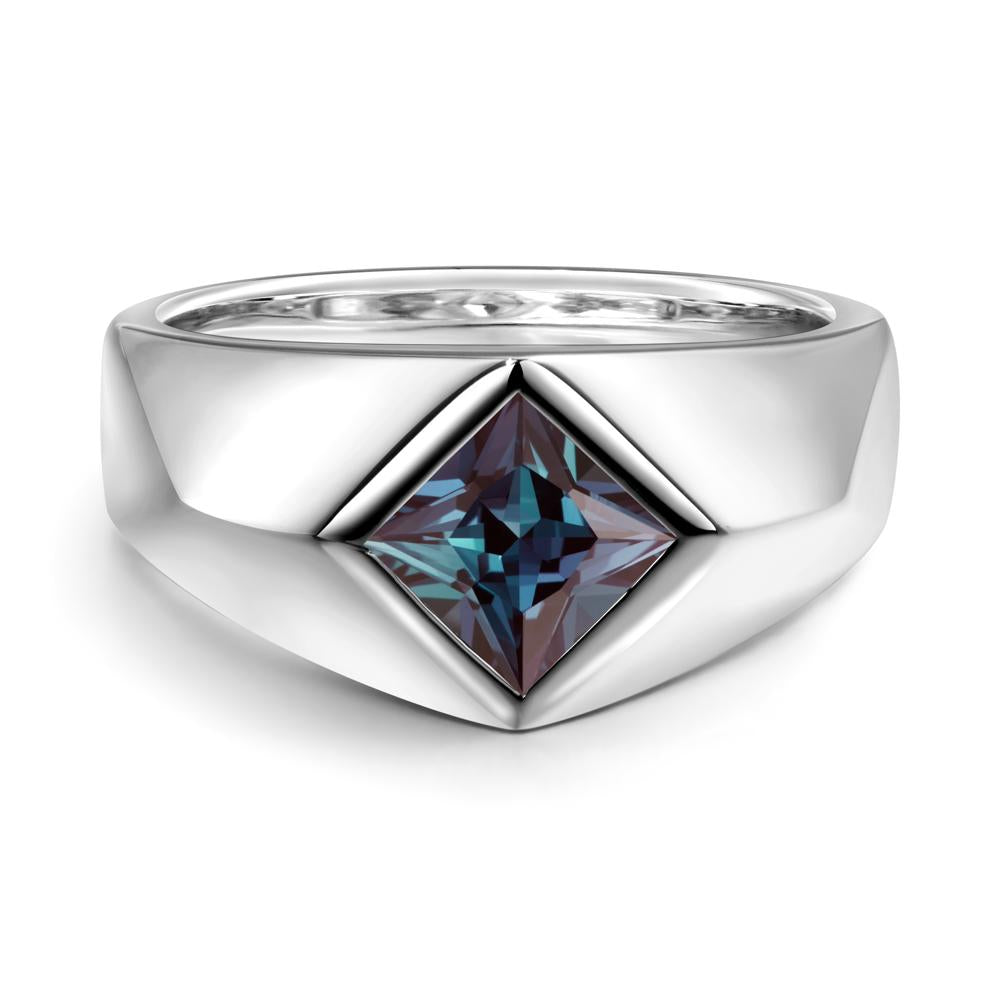
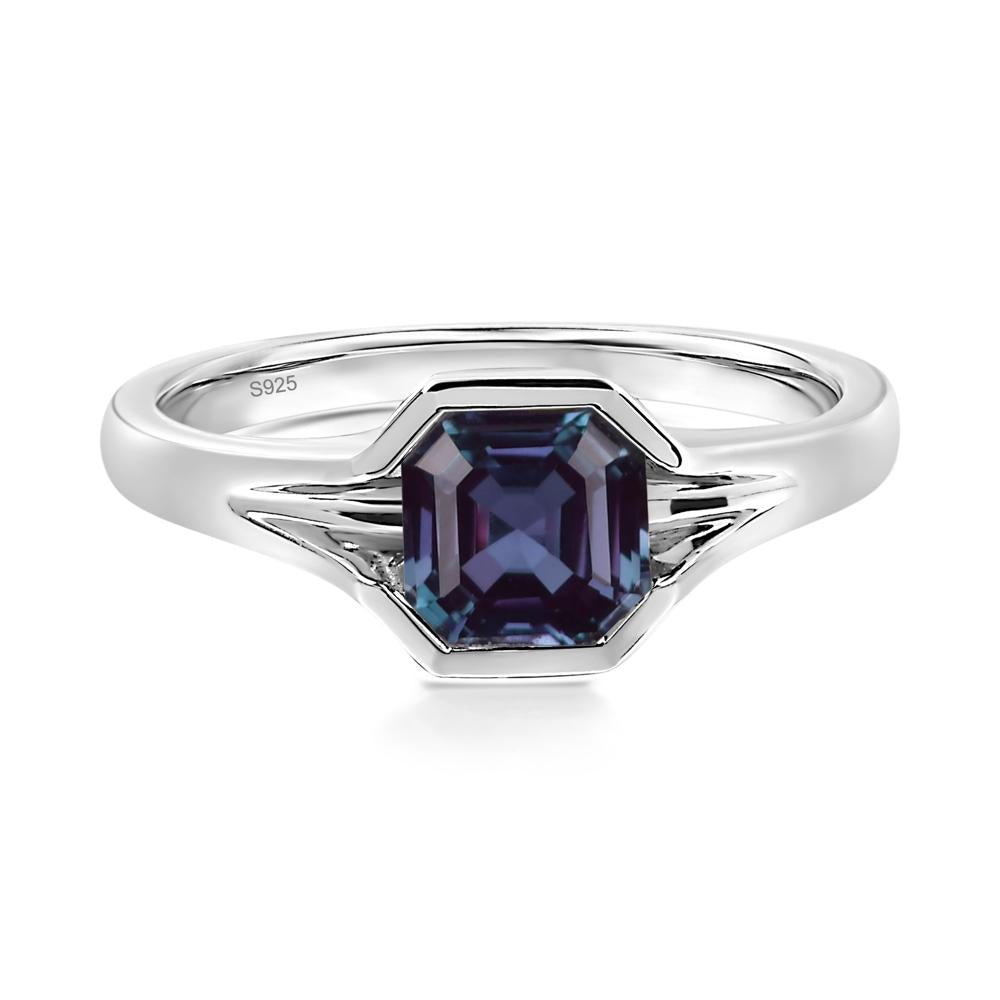
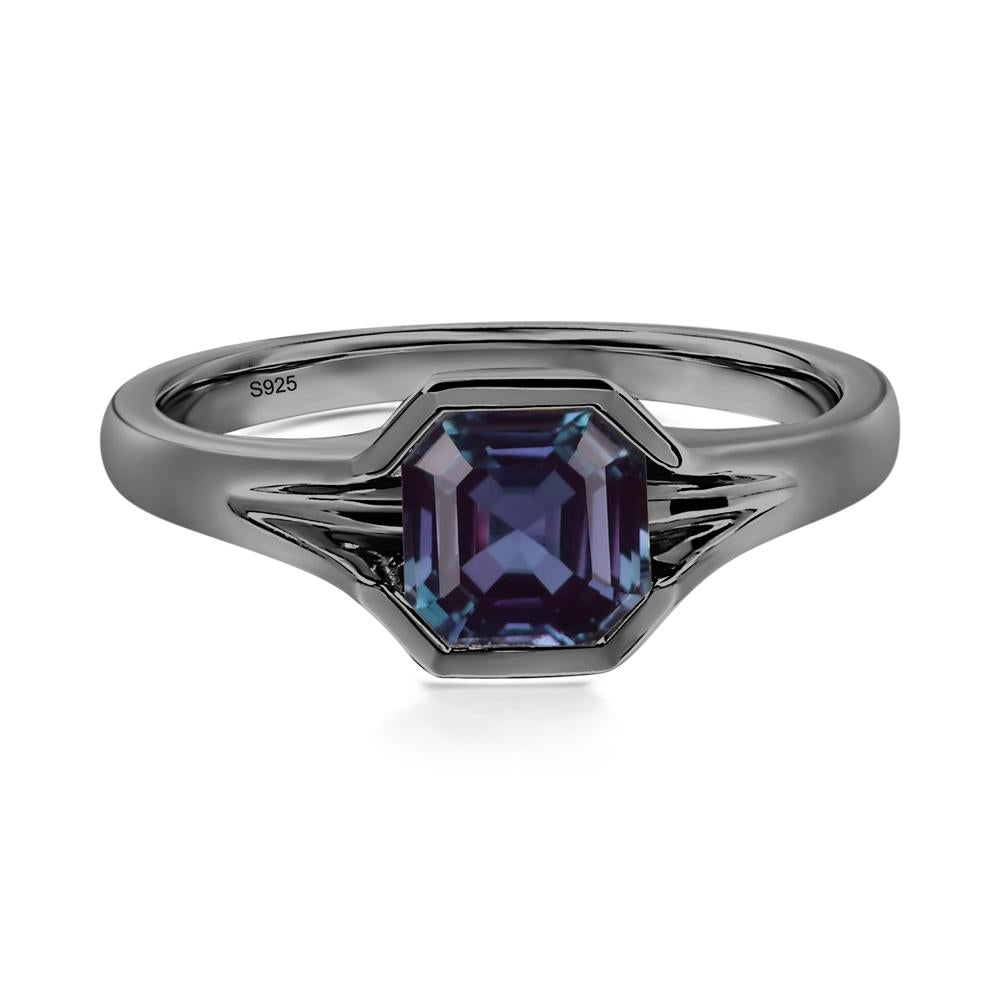
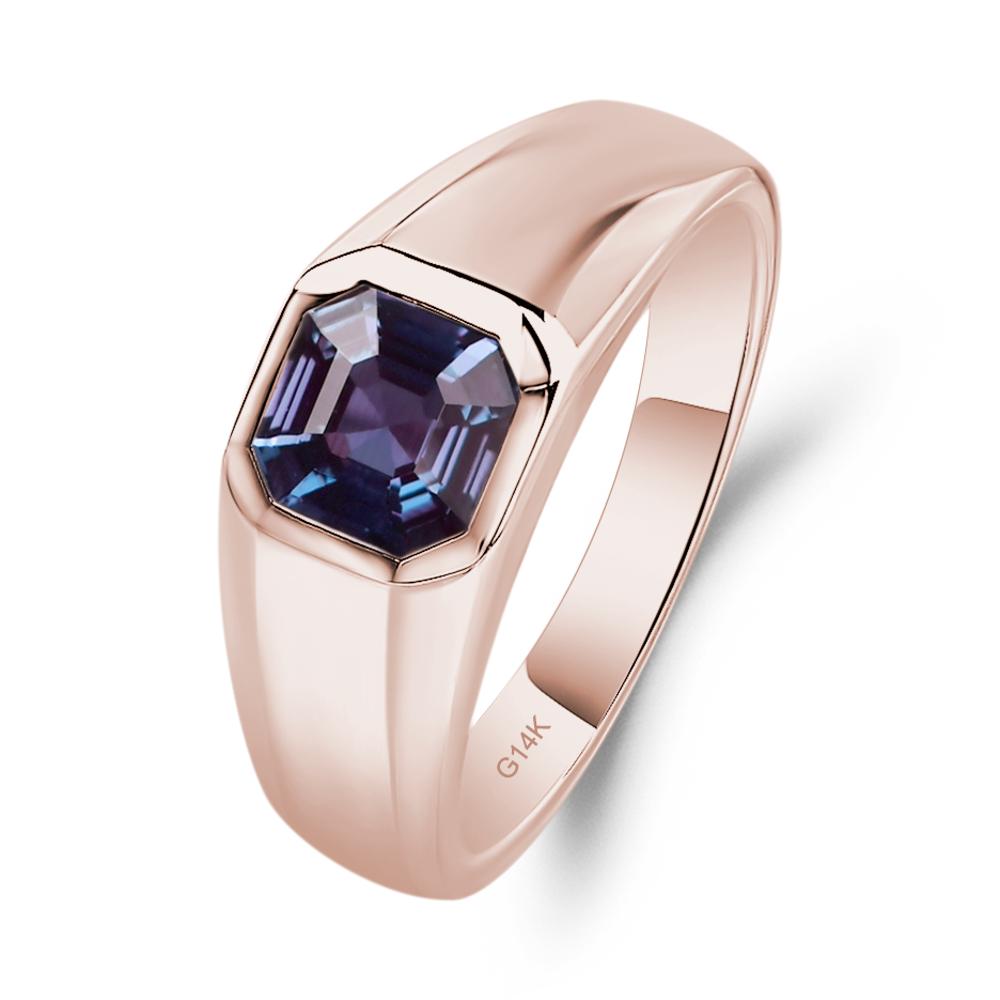
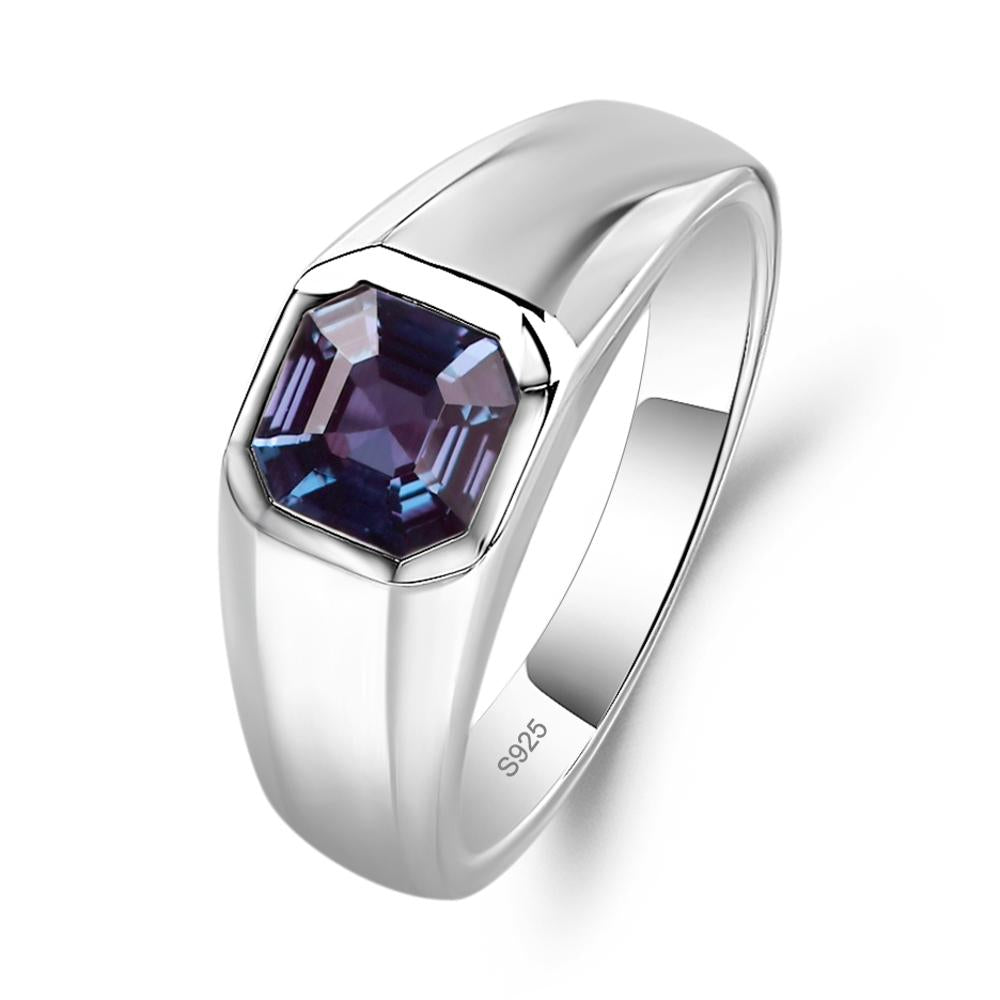
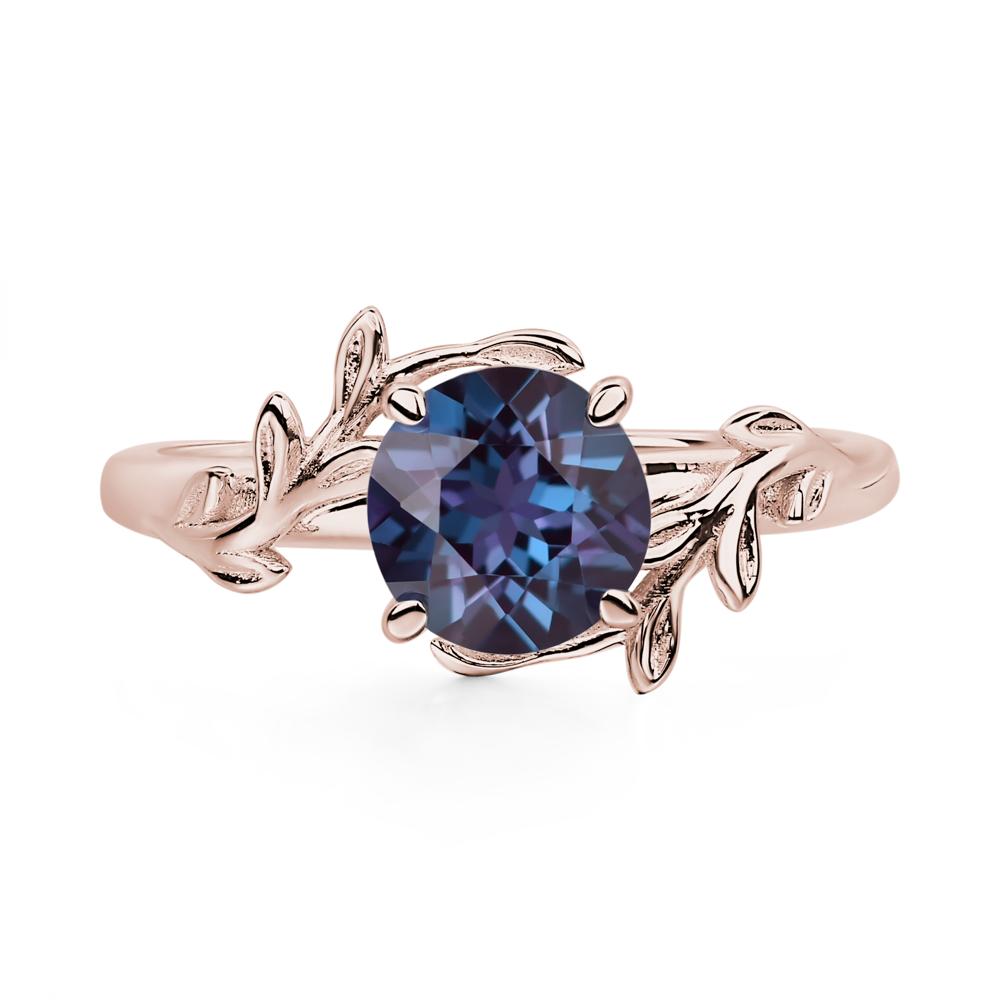
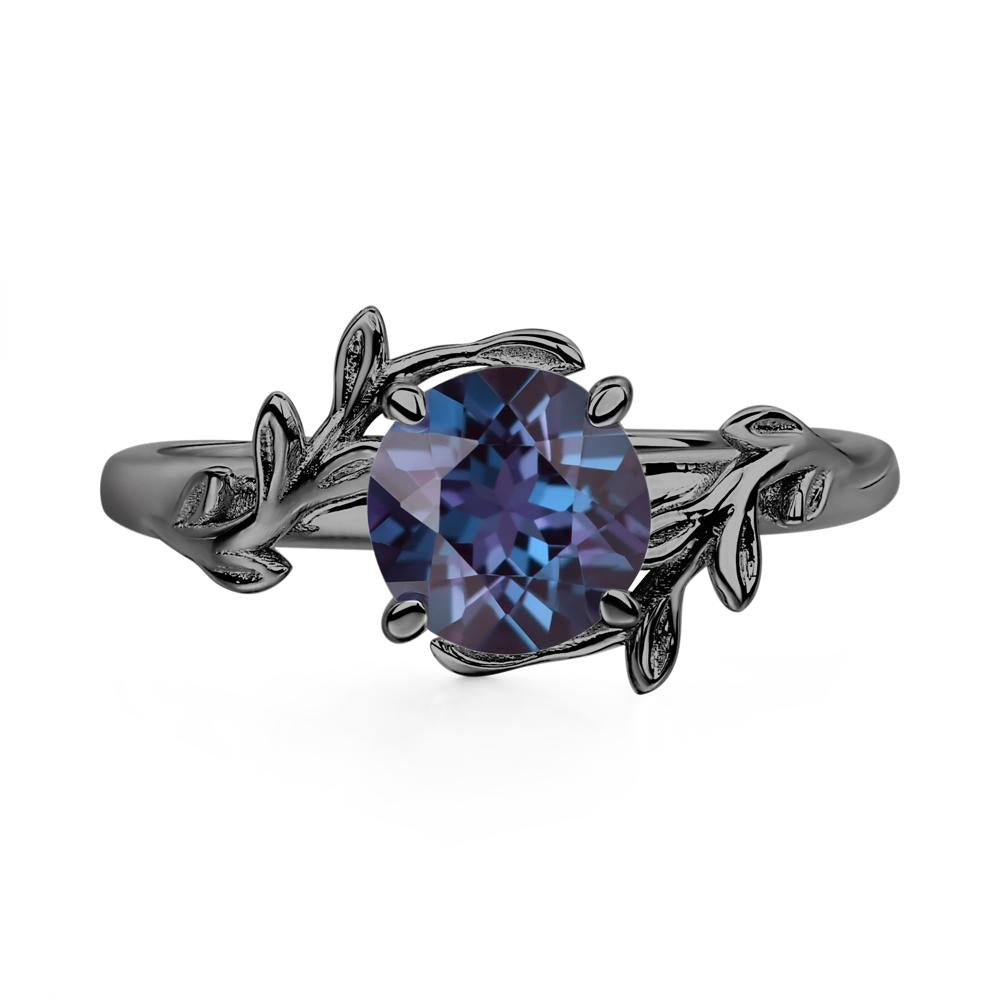
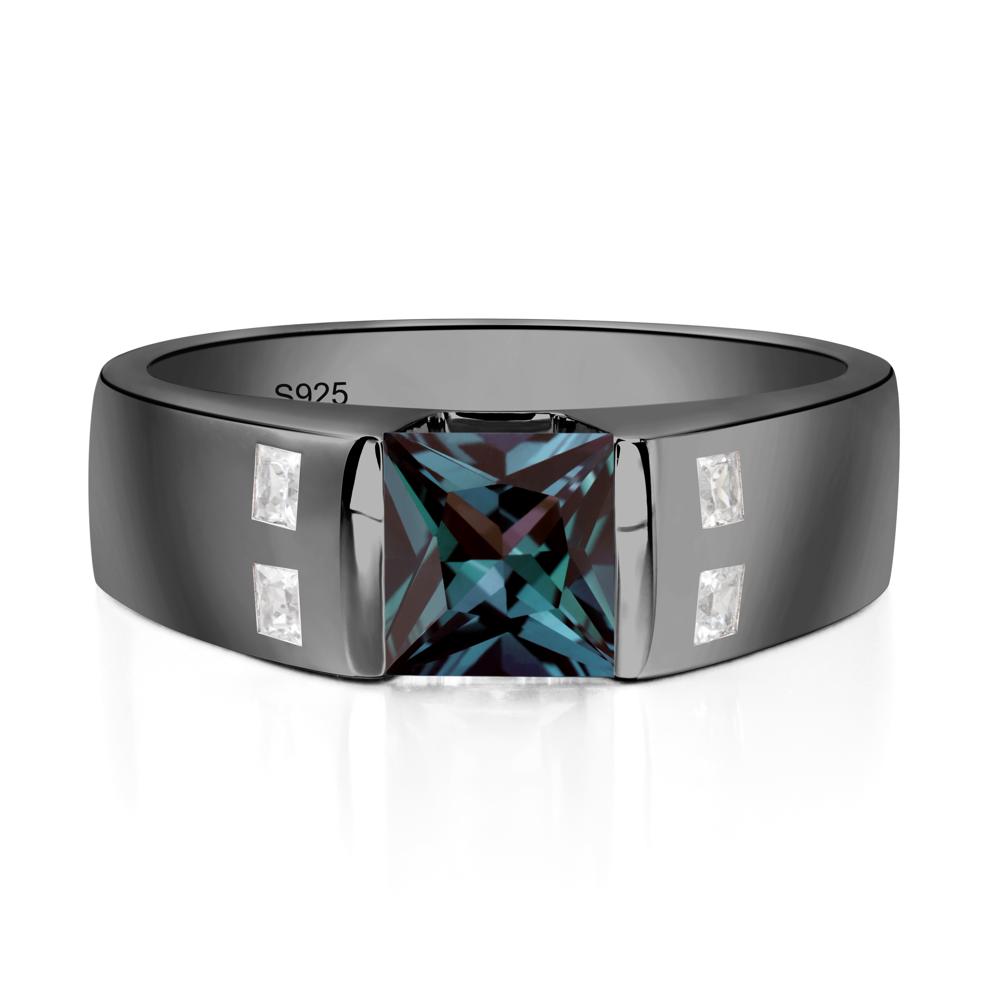
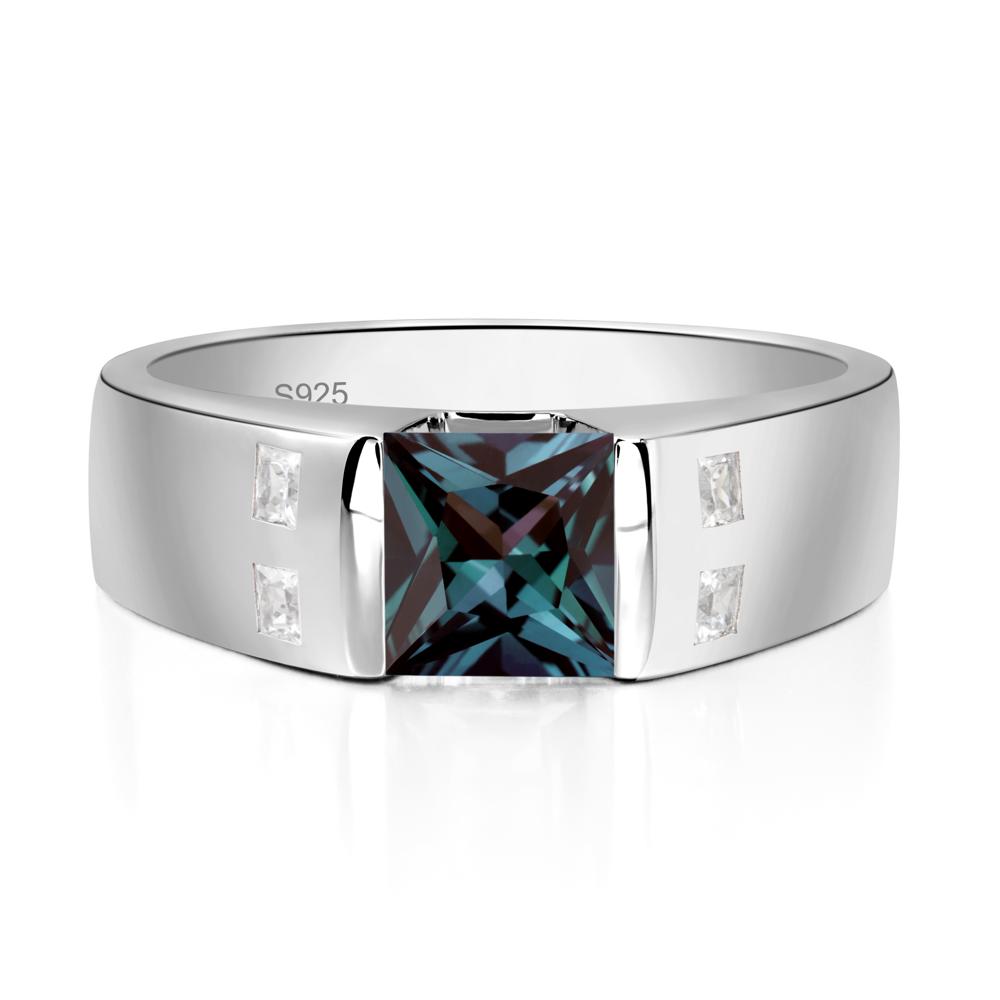
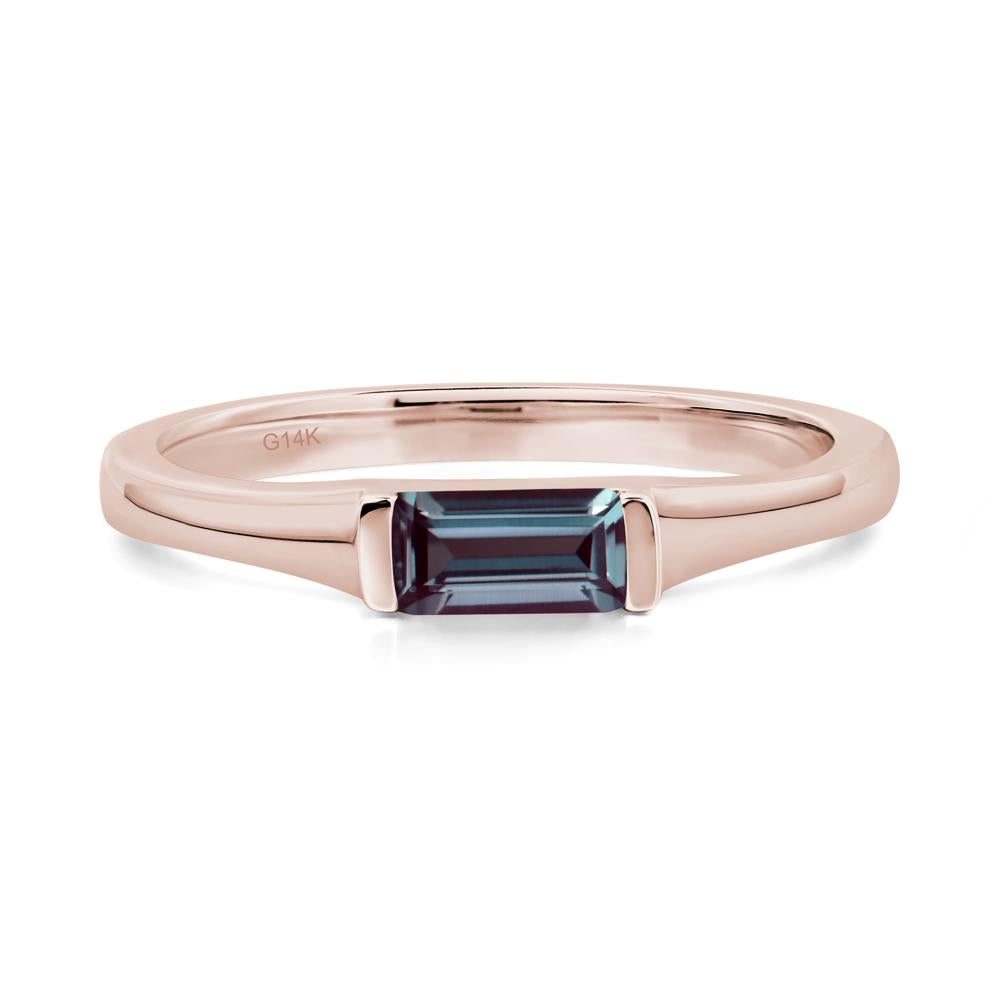
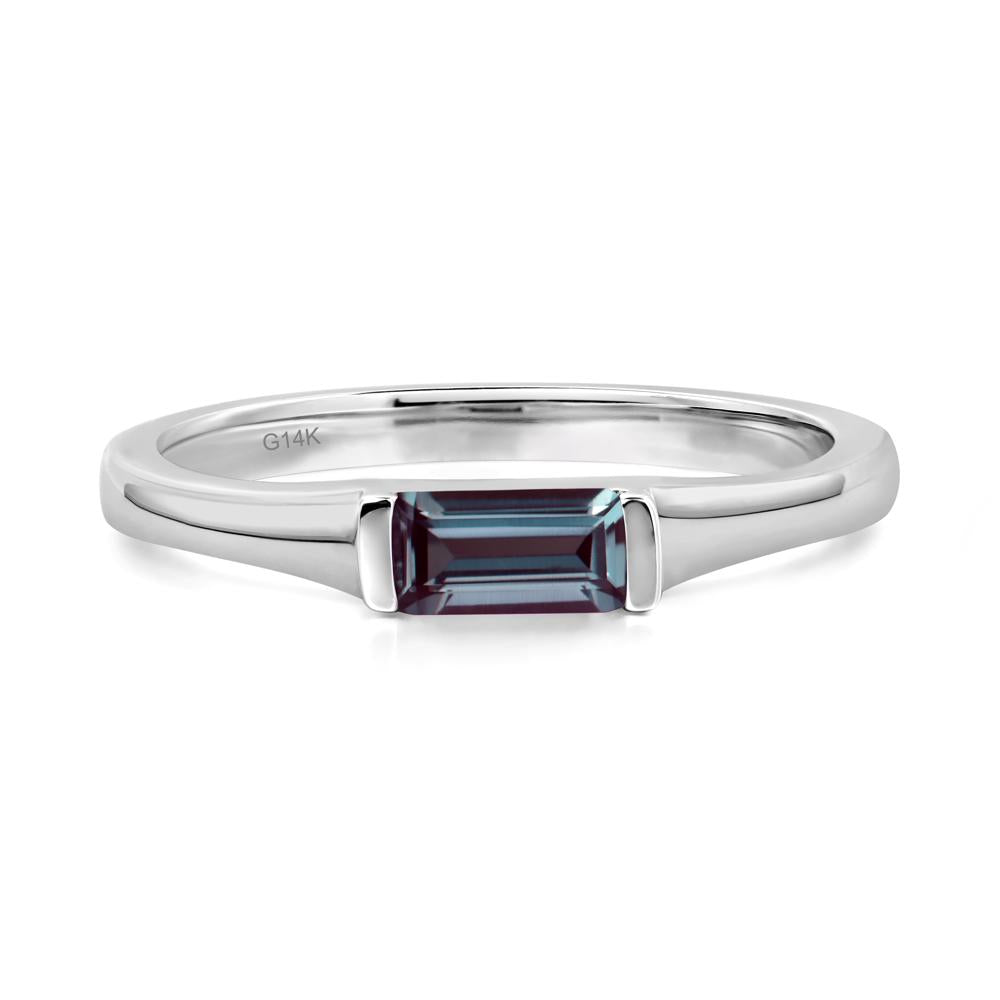
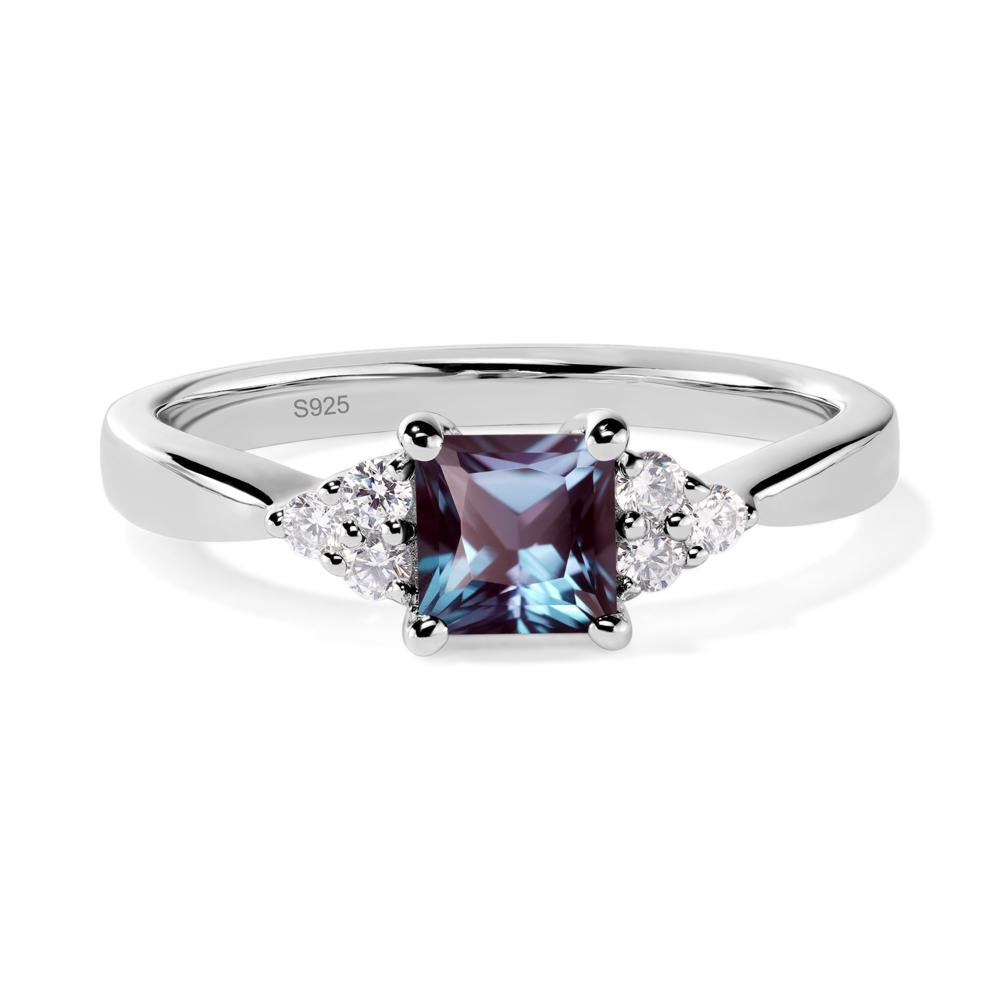
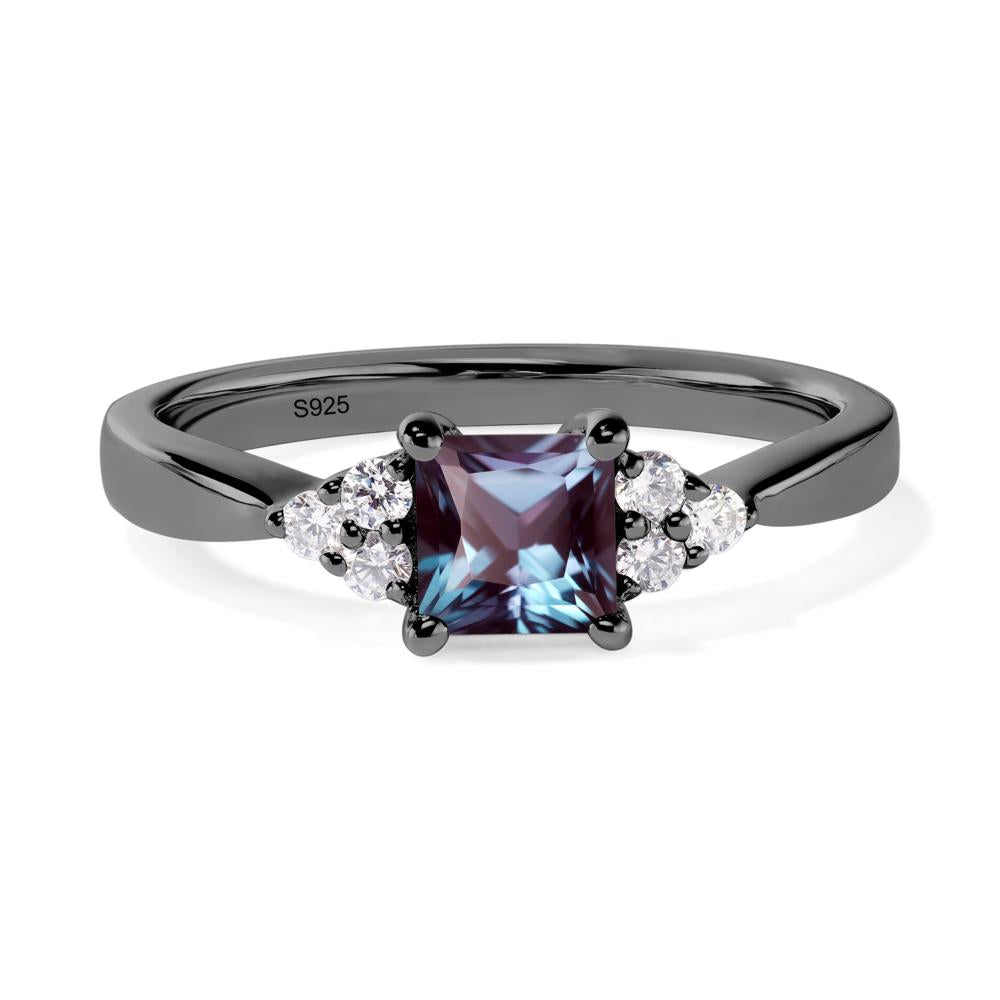
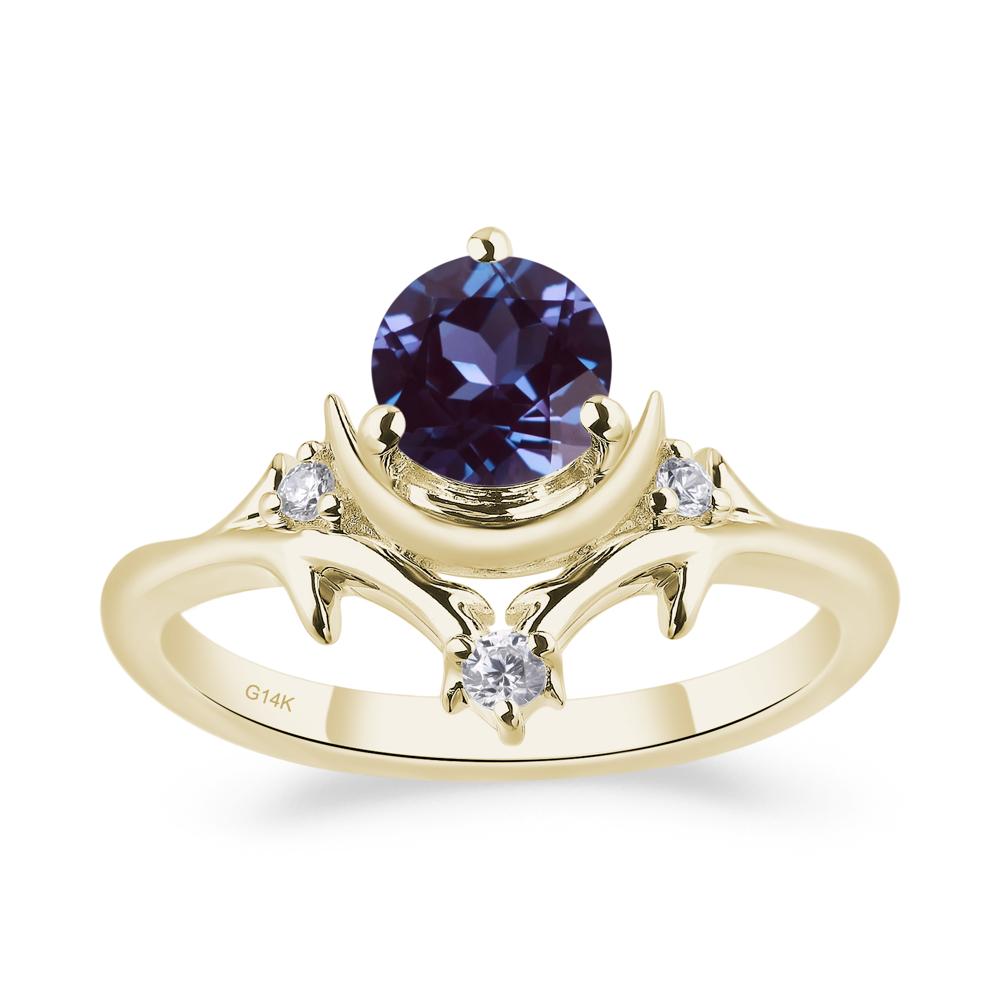
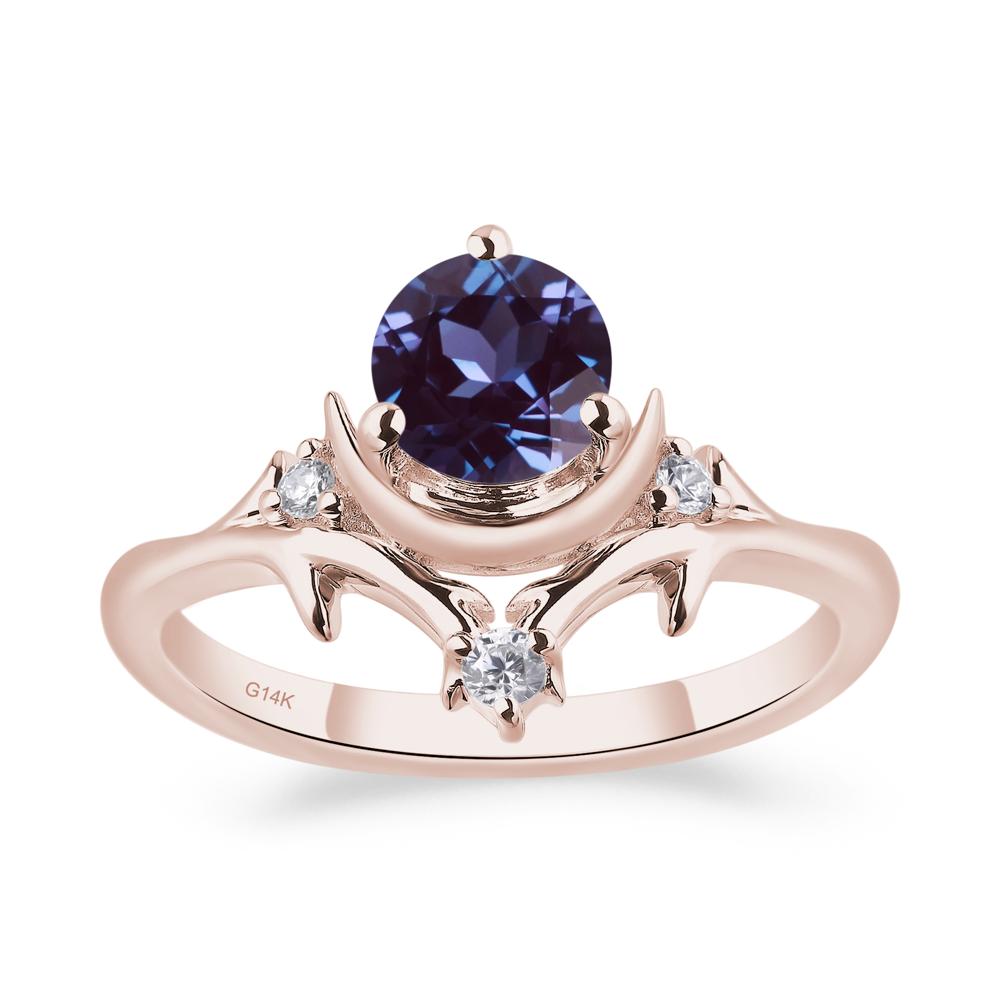
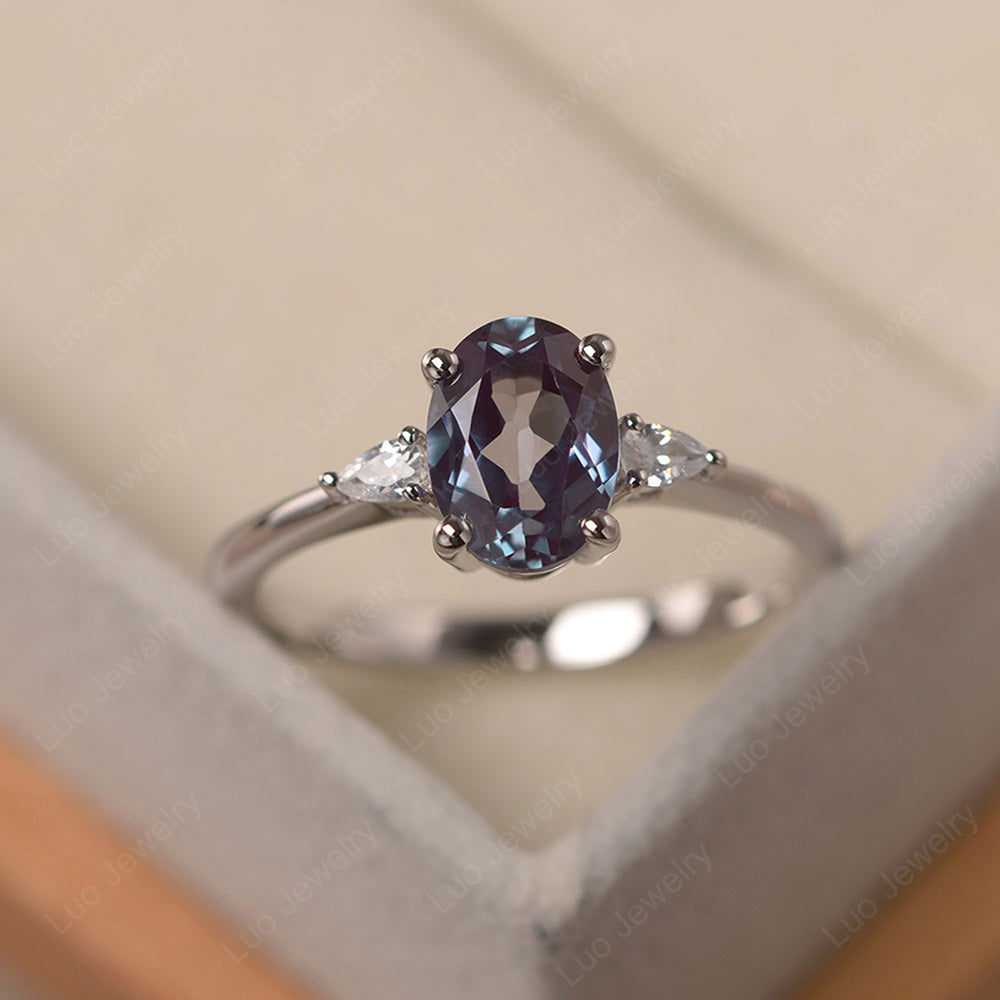
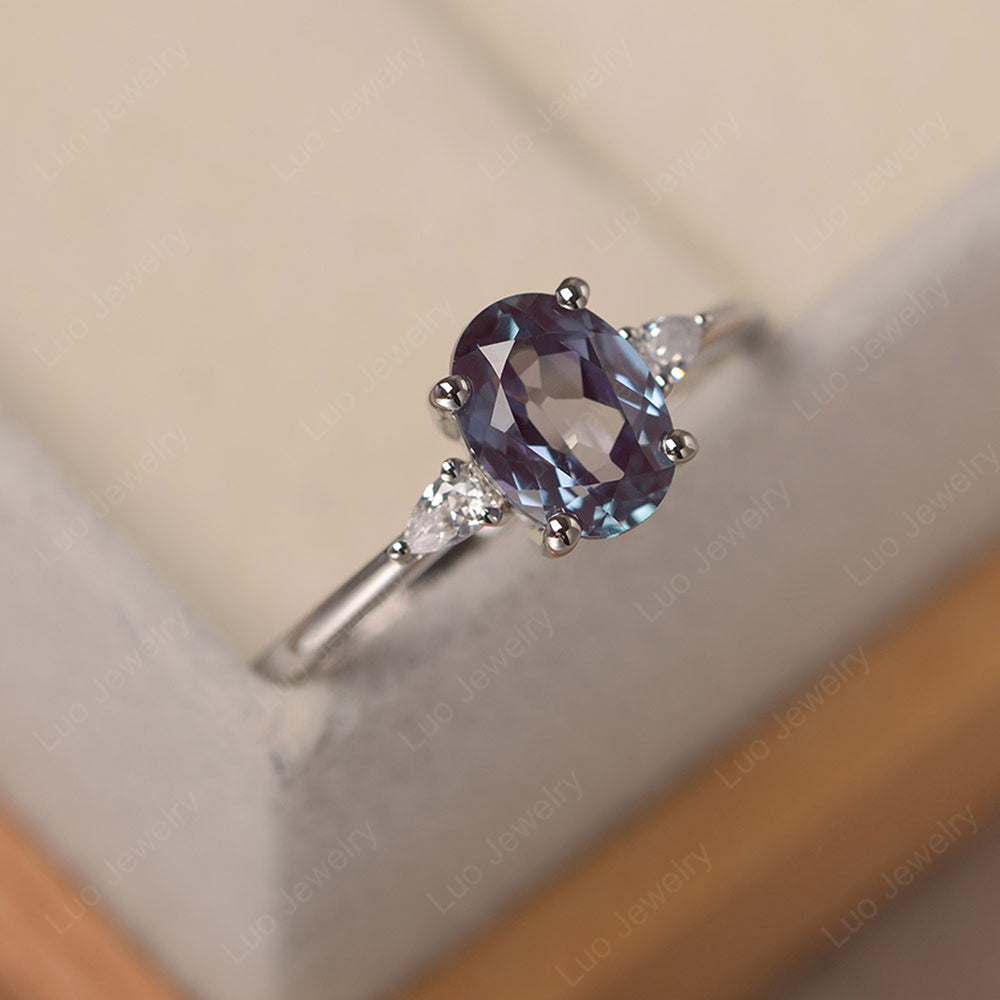
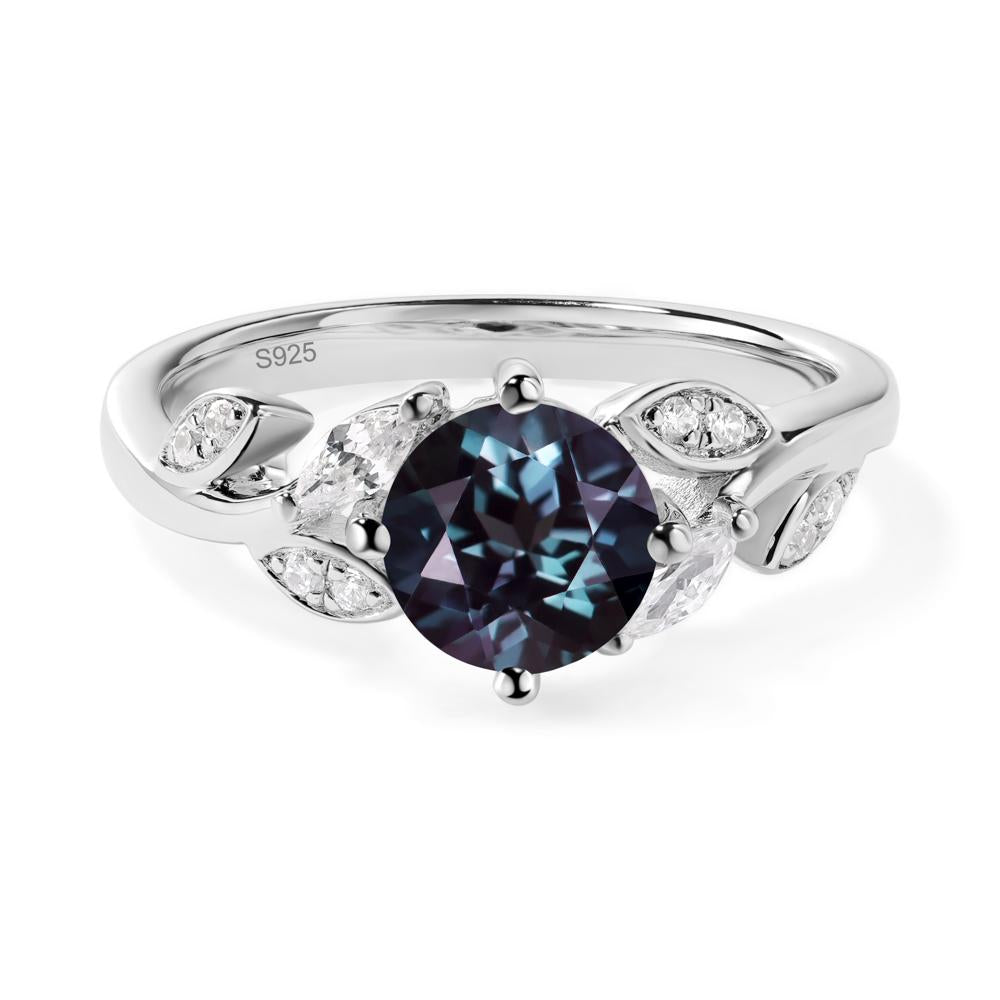
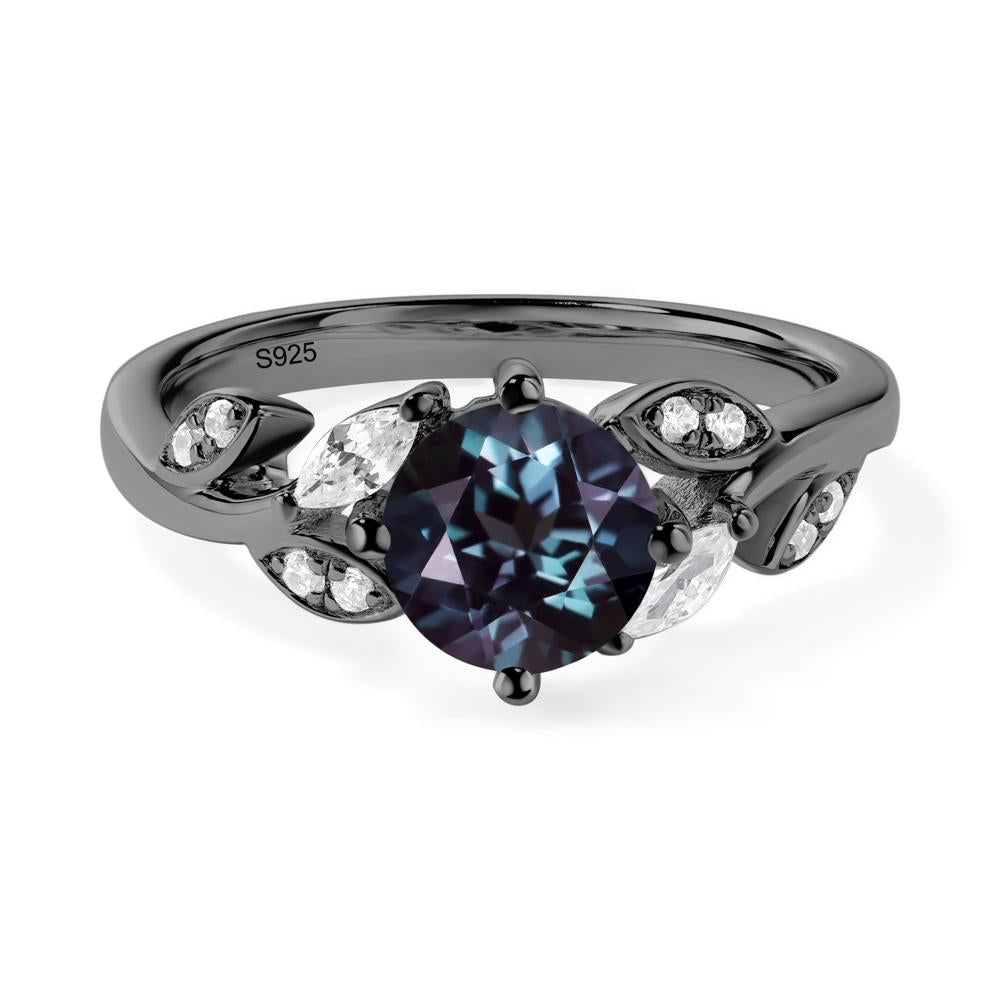
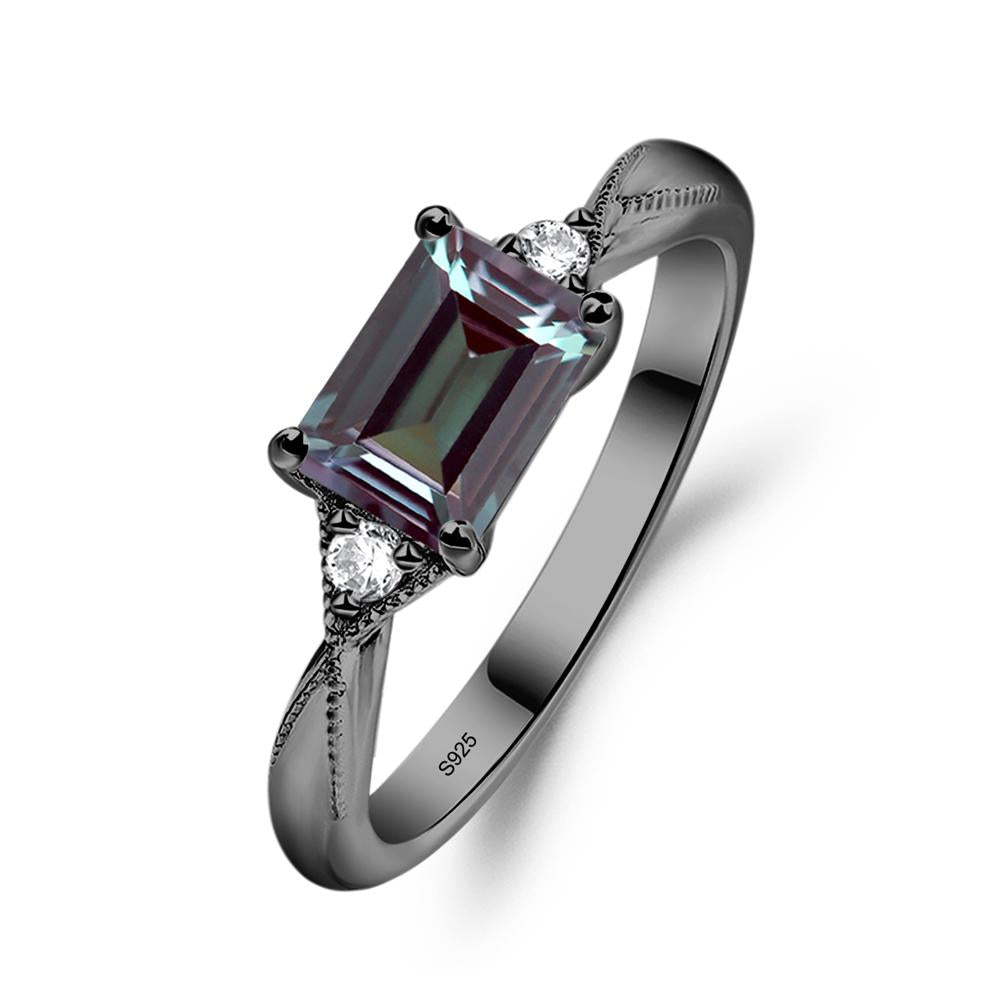
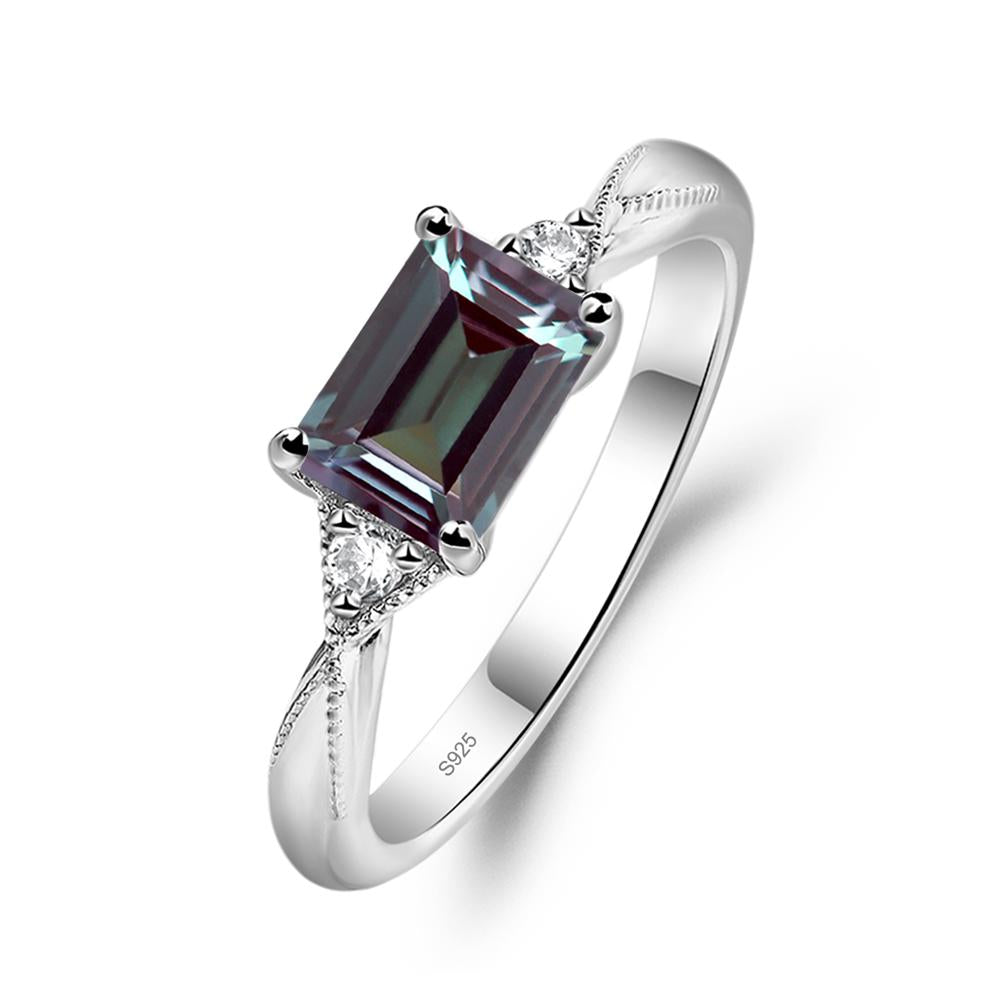
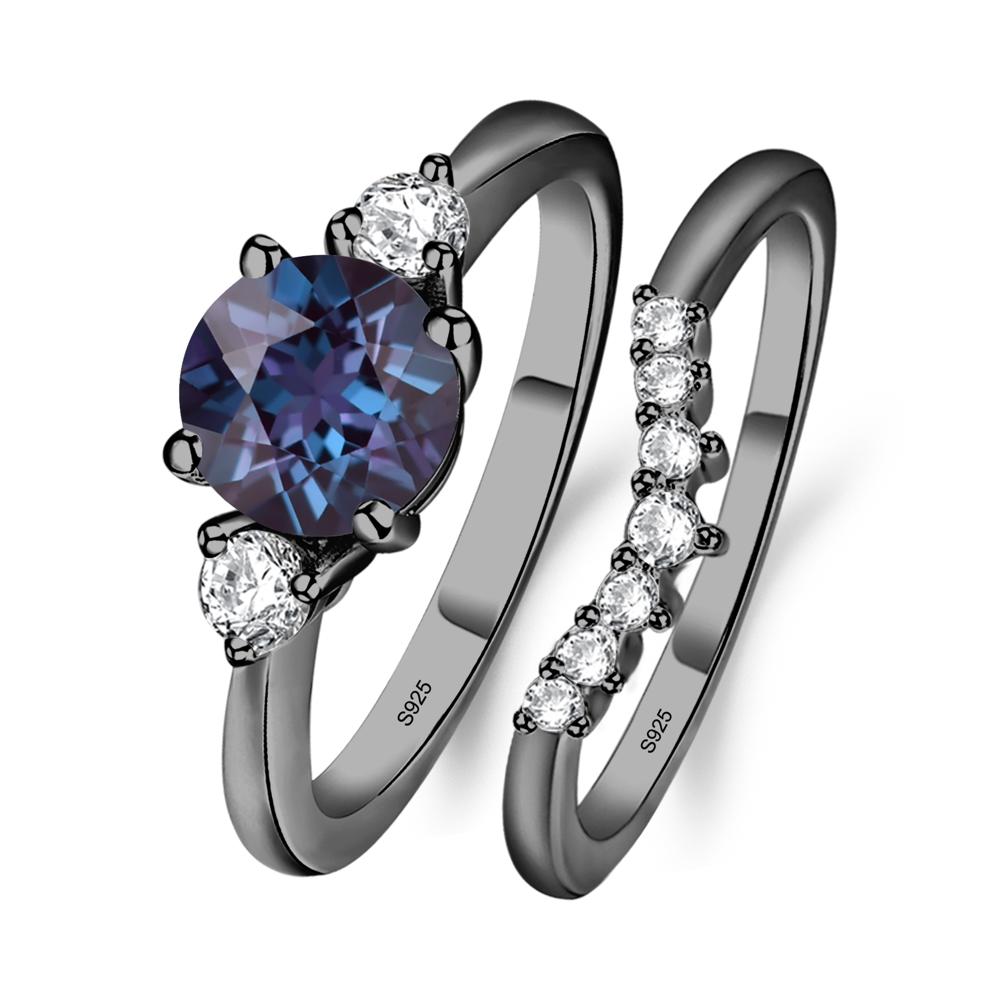
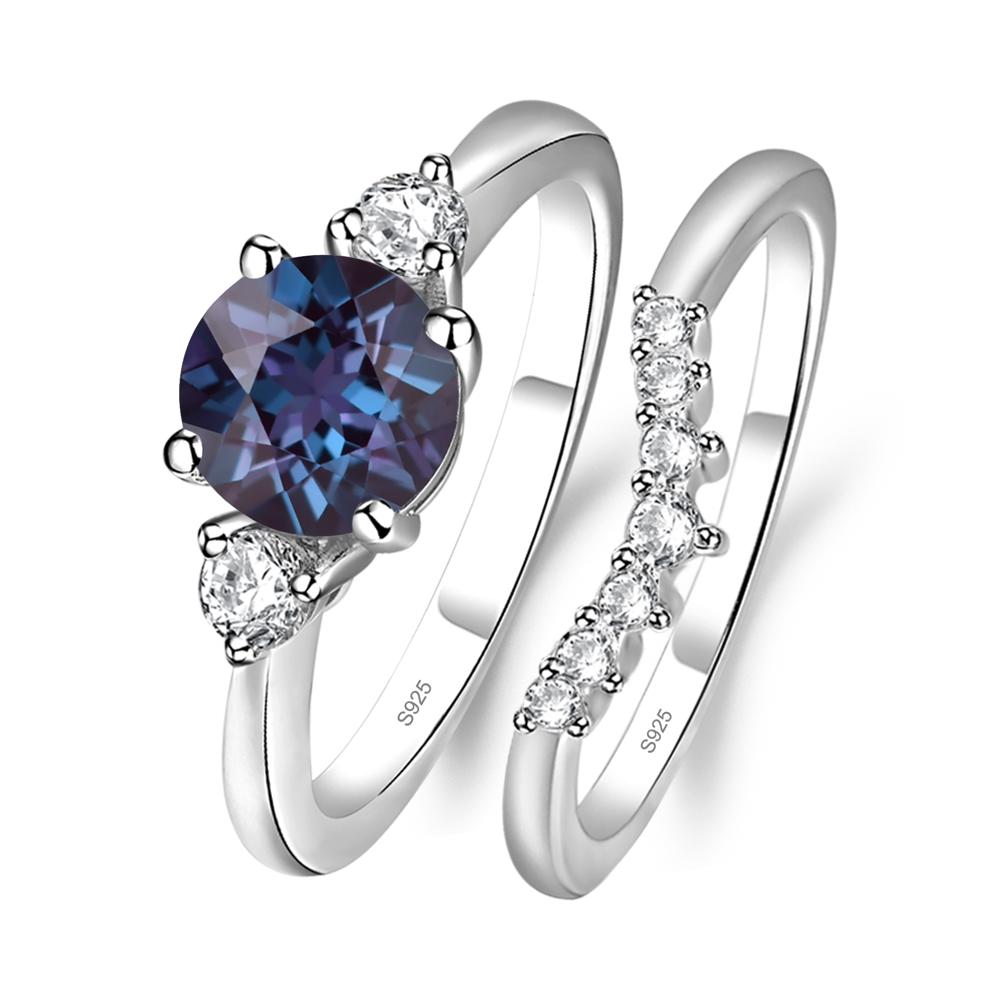
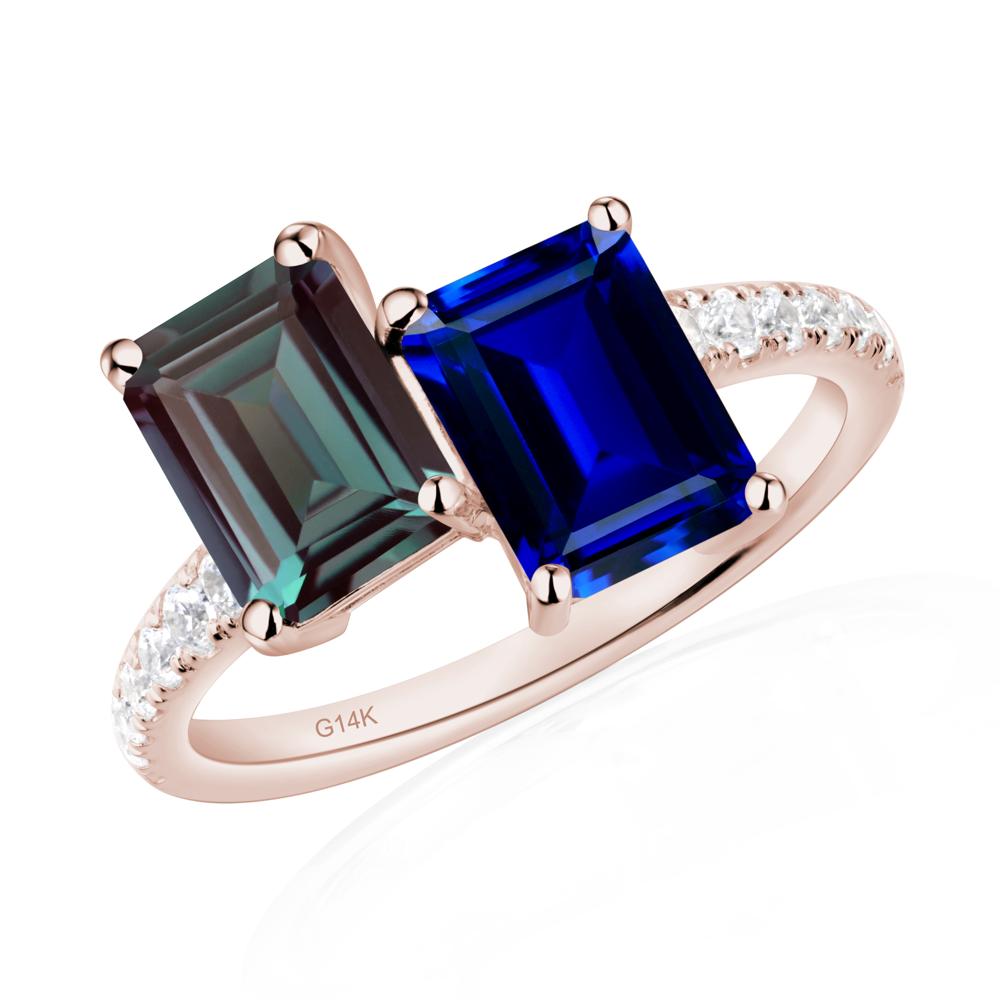
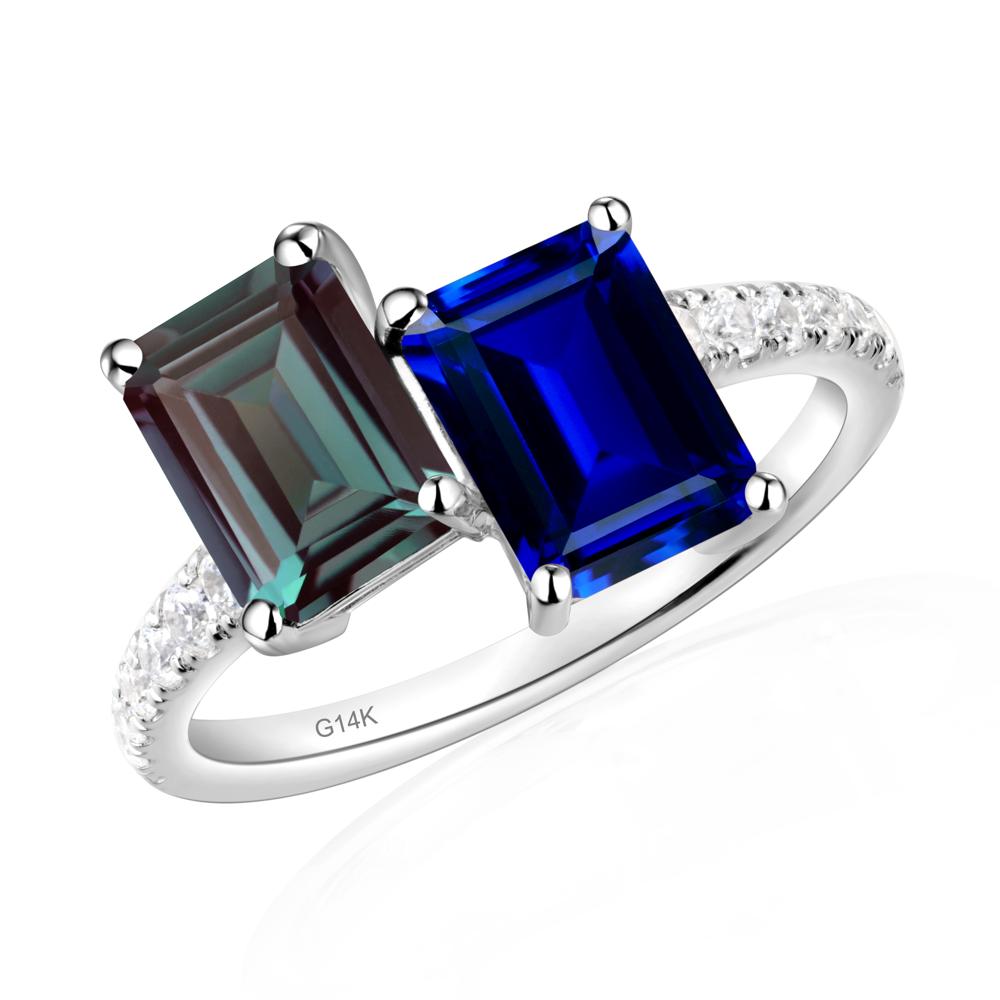
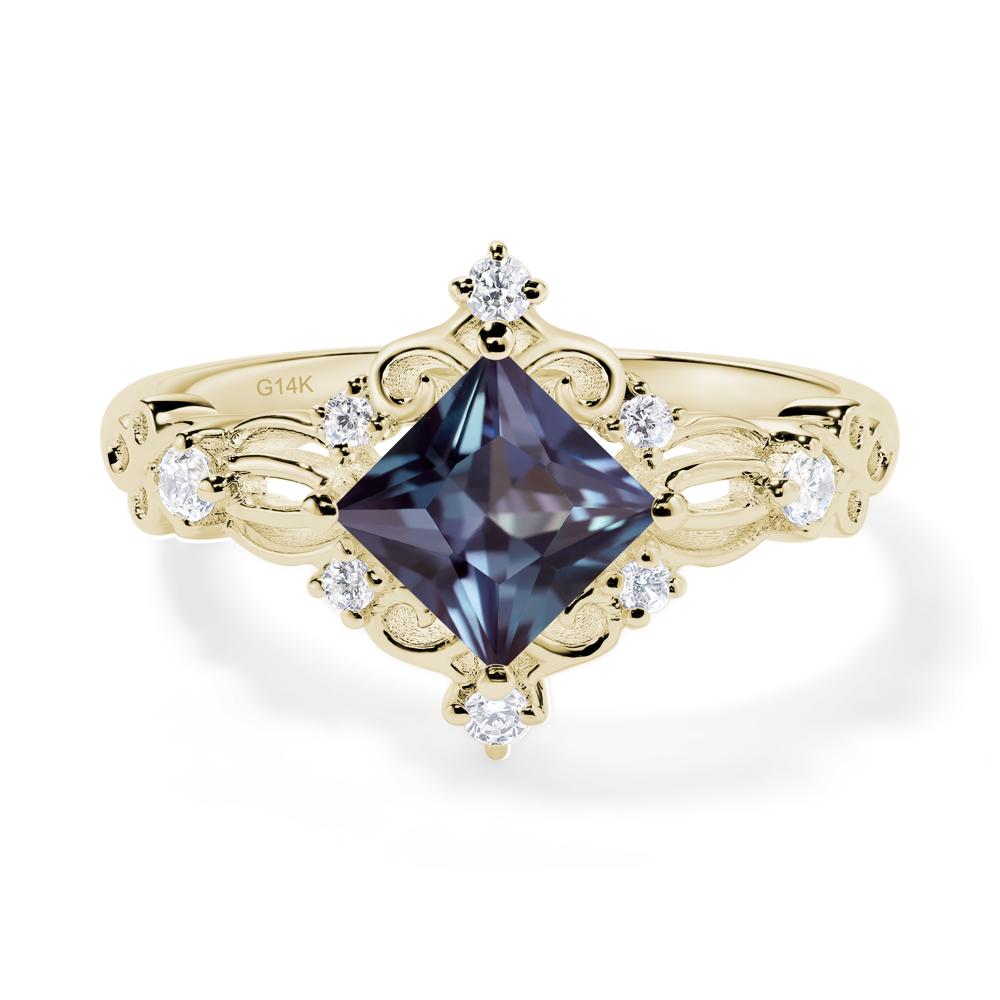
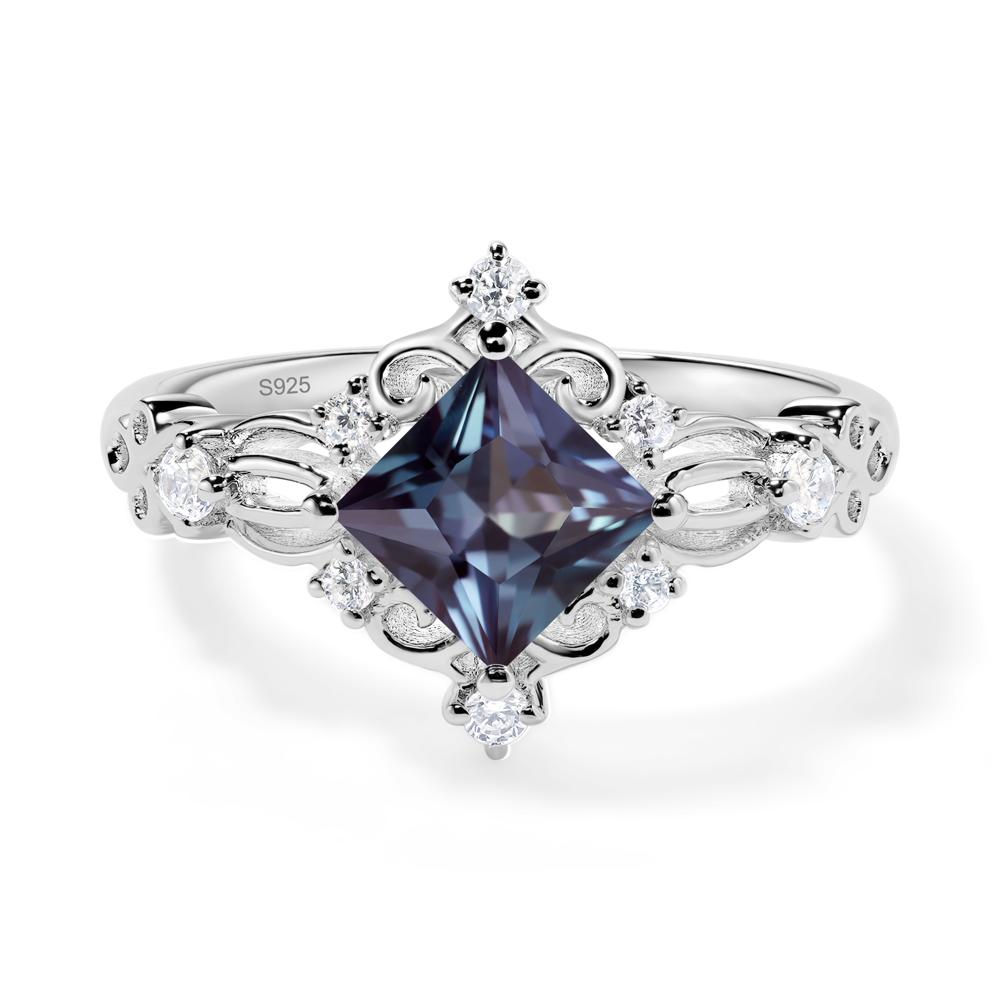
How to Clean Alexandrite Rings?
✅ Do's
- Safe with mild soap and water
- Gentle brushing is suitable
- Usually safe for ultrasonic and steam cleaners
🚫 Don'ts
- Avoid harsh chemical exposure
- Avoid boiling water
Explore What You May Like
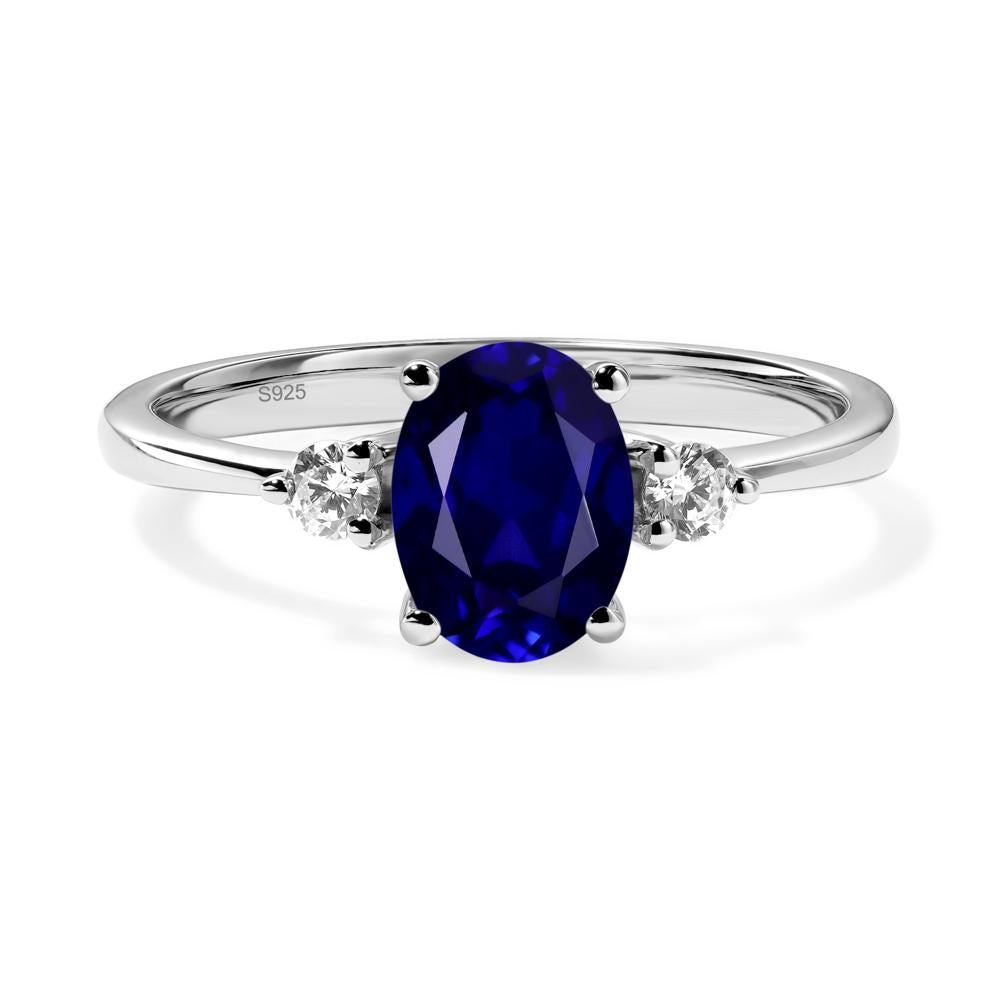
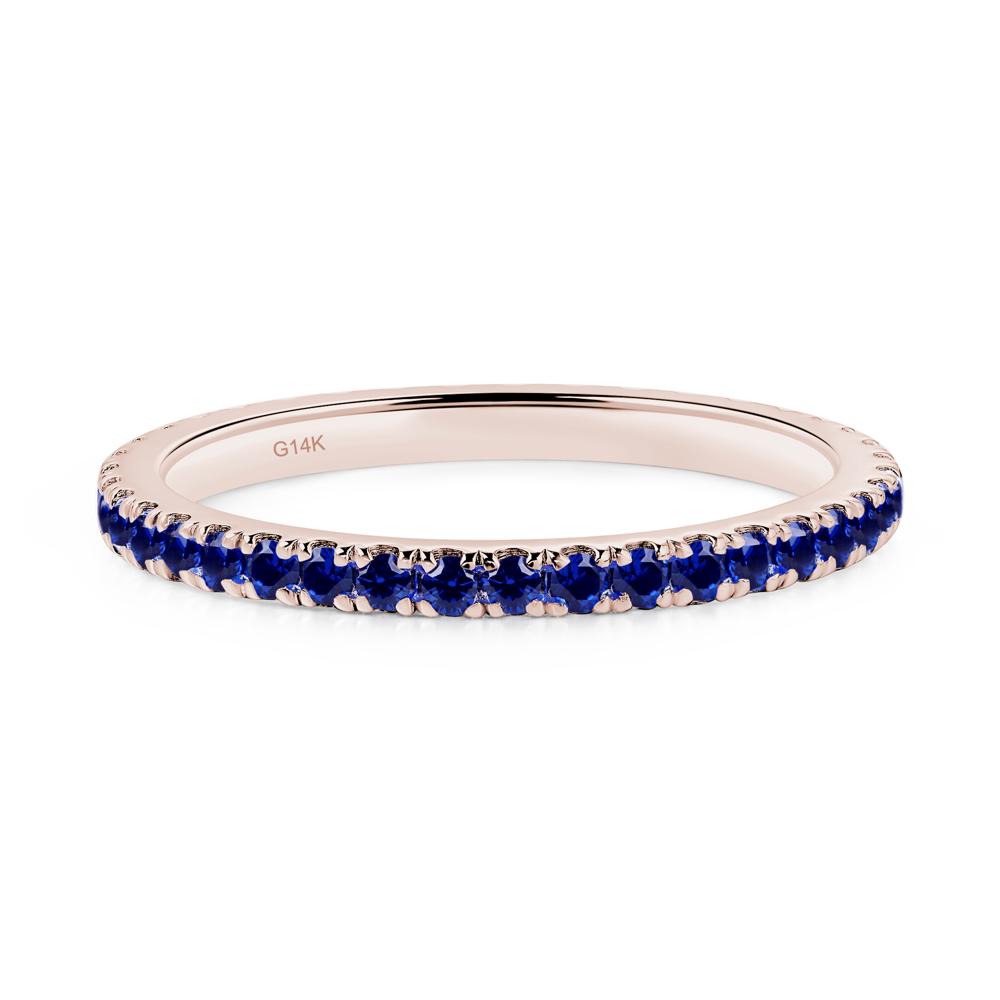
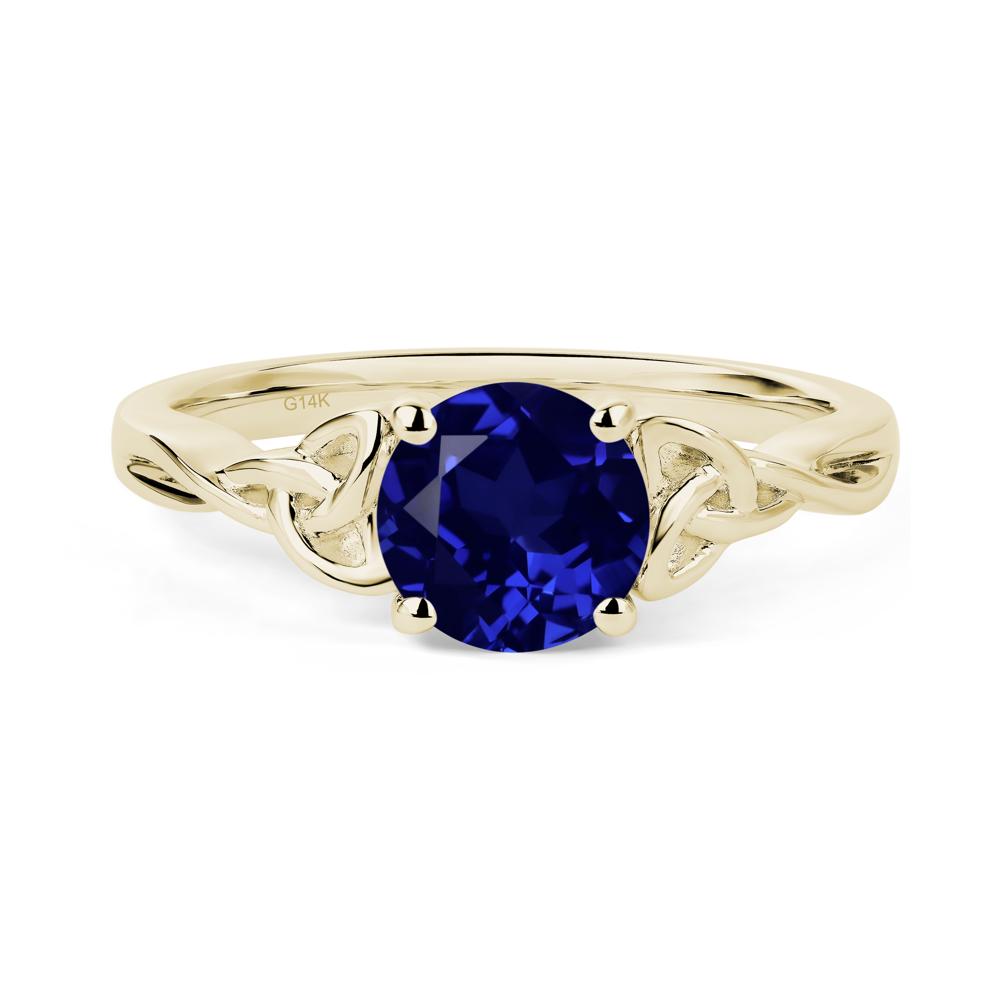
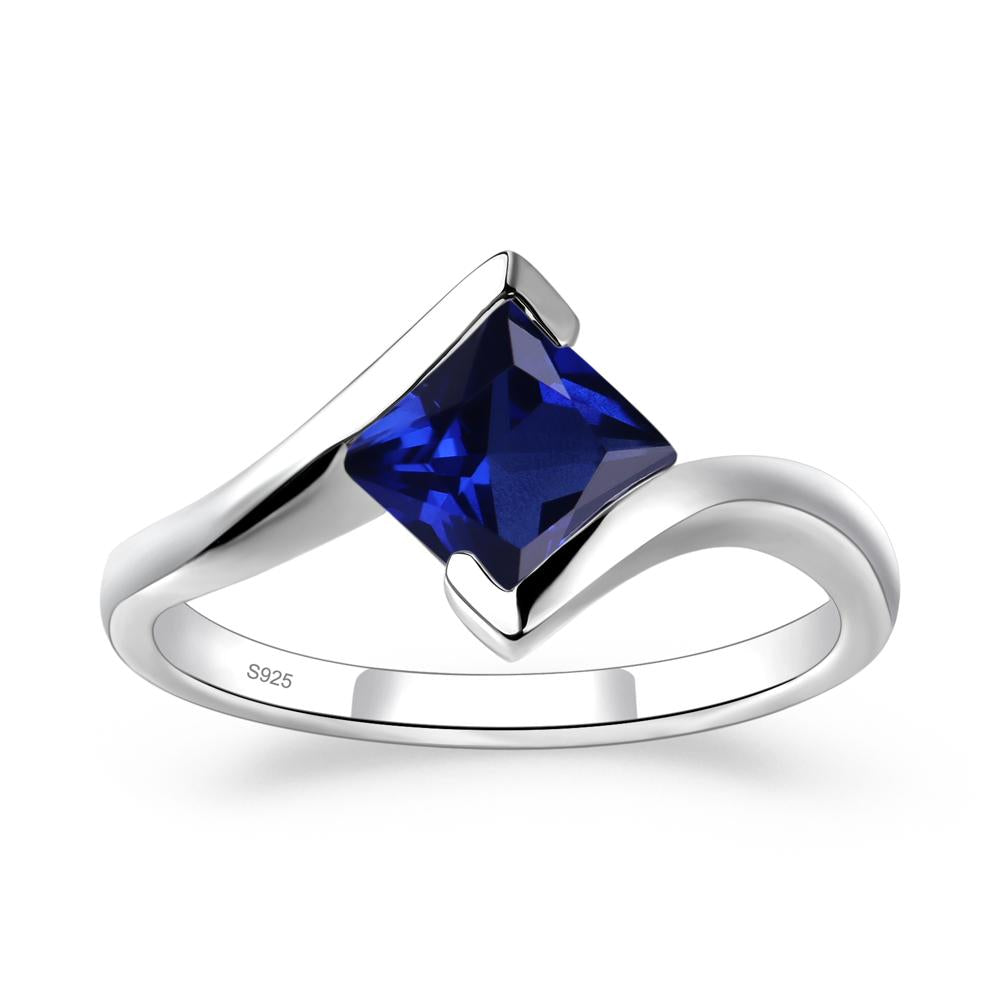
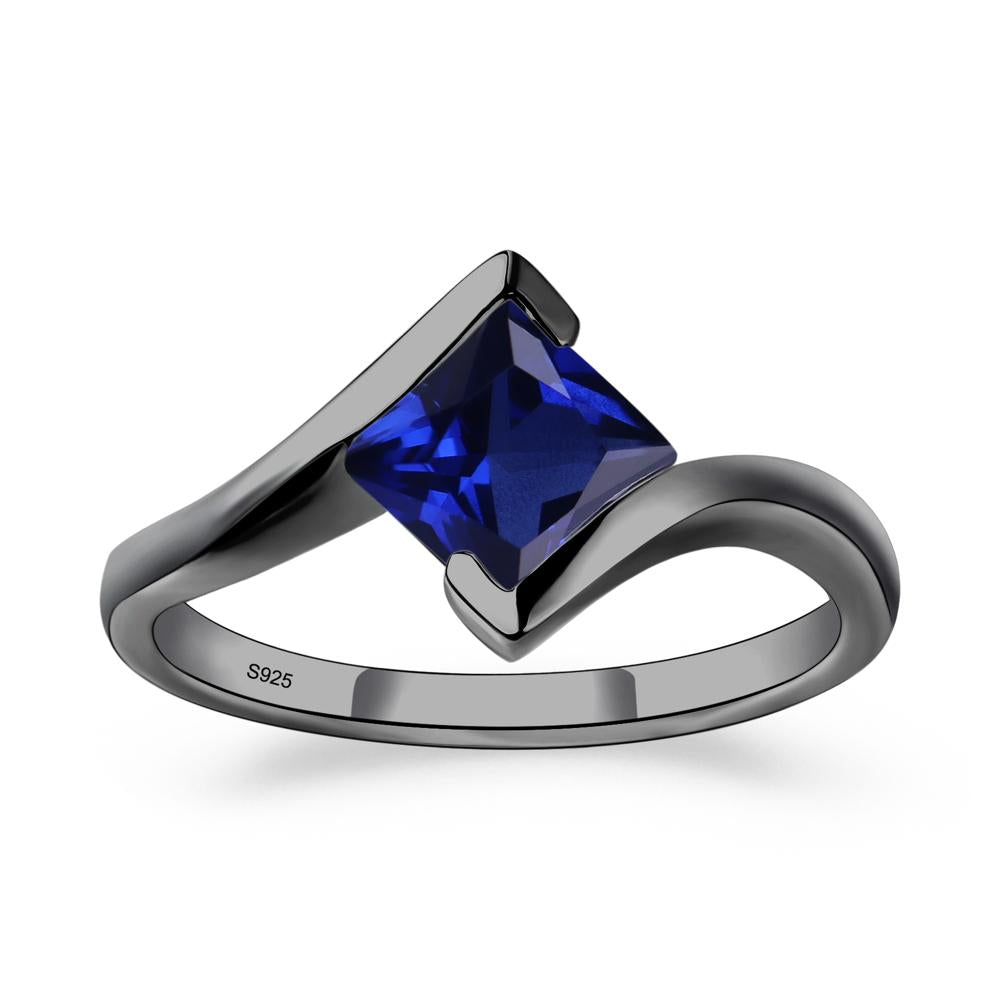
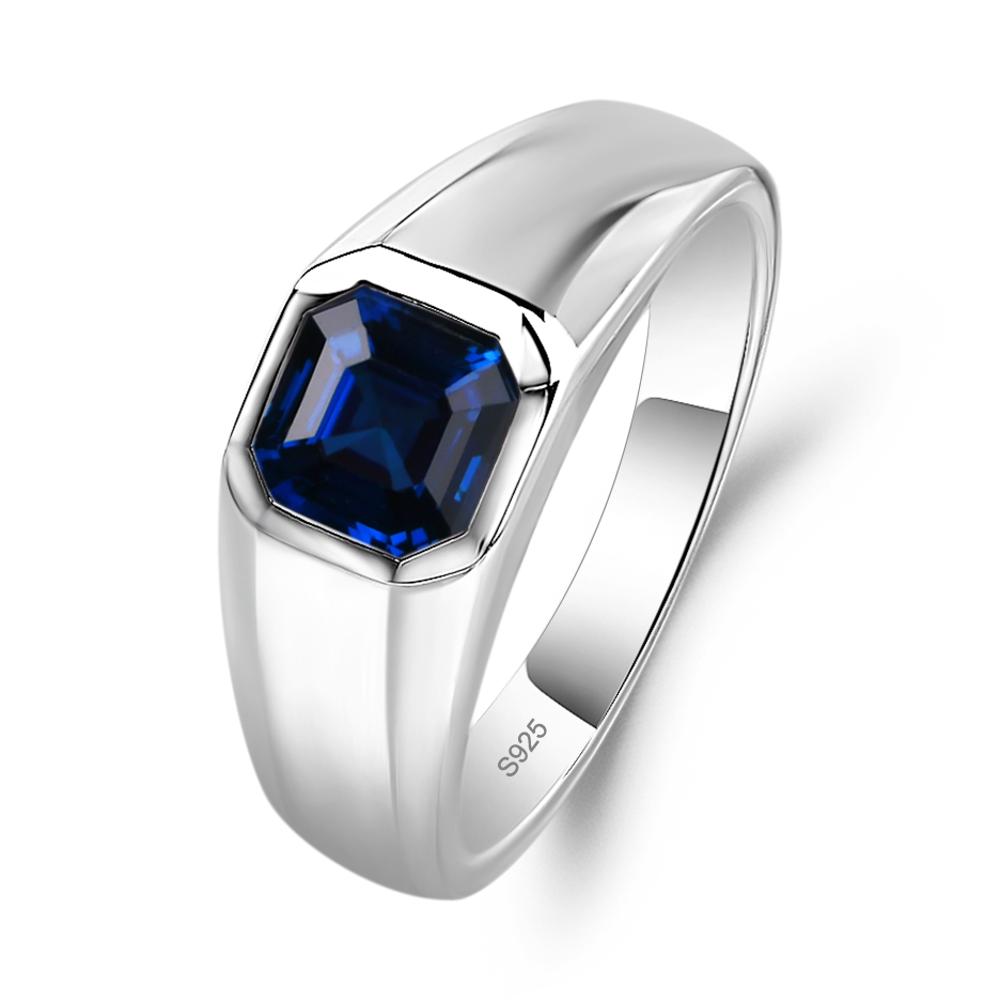
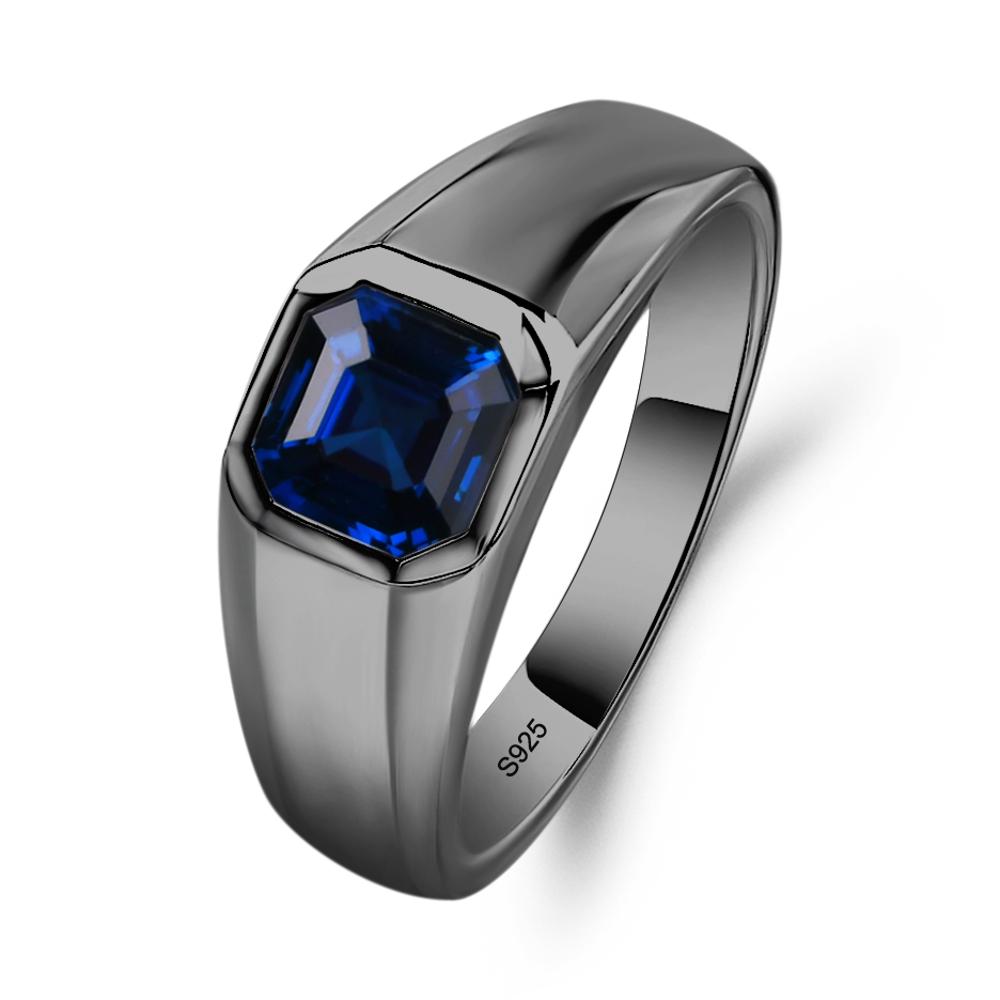
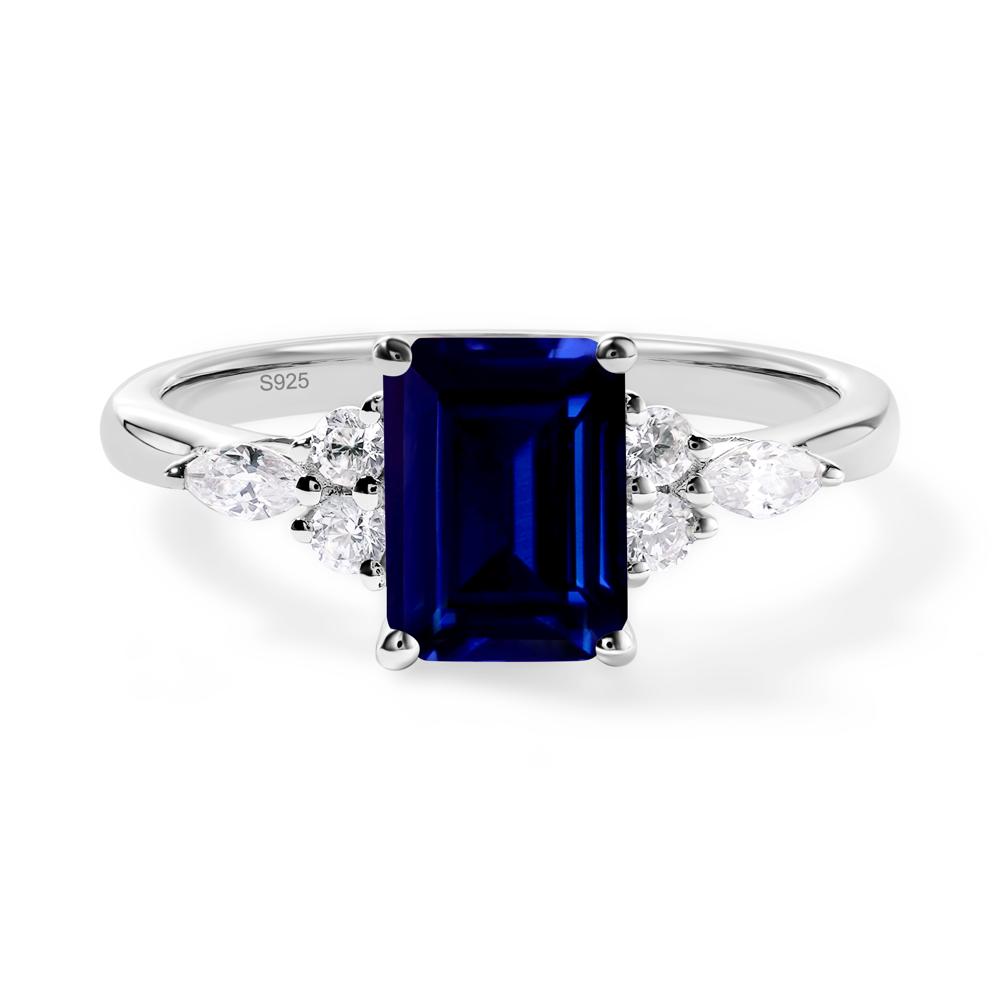
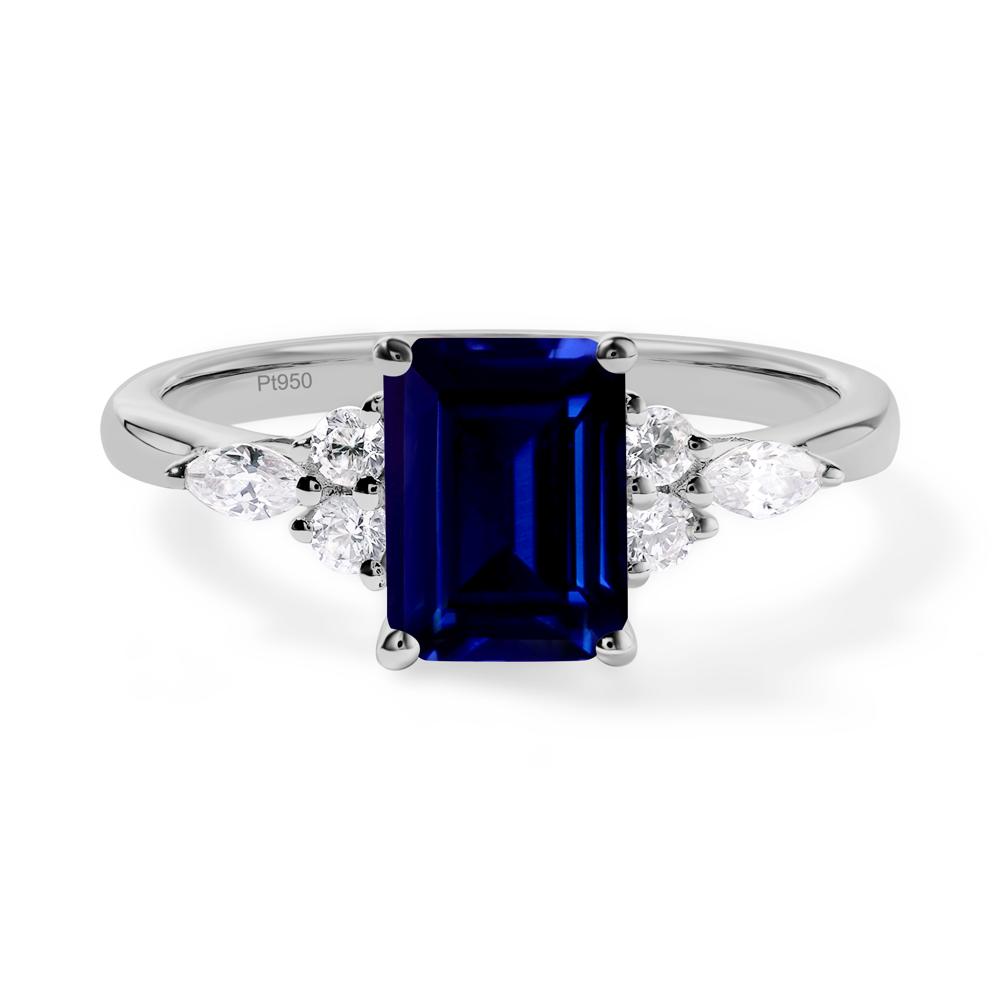
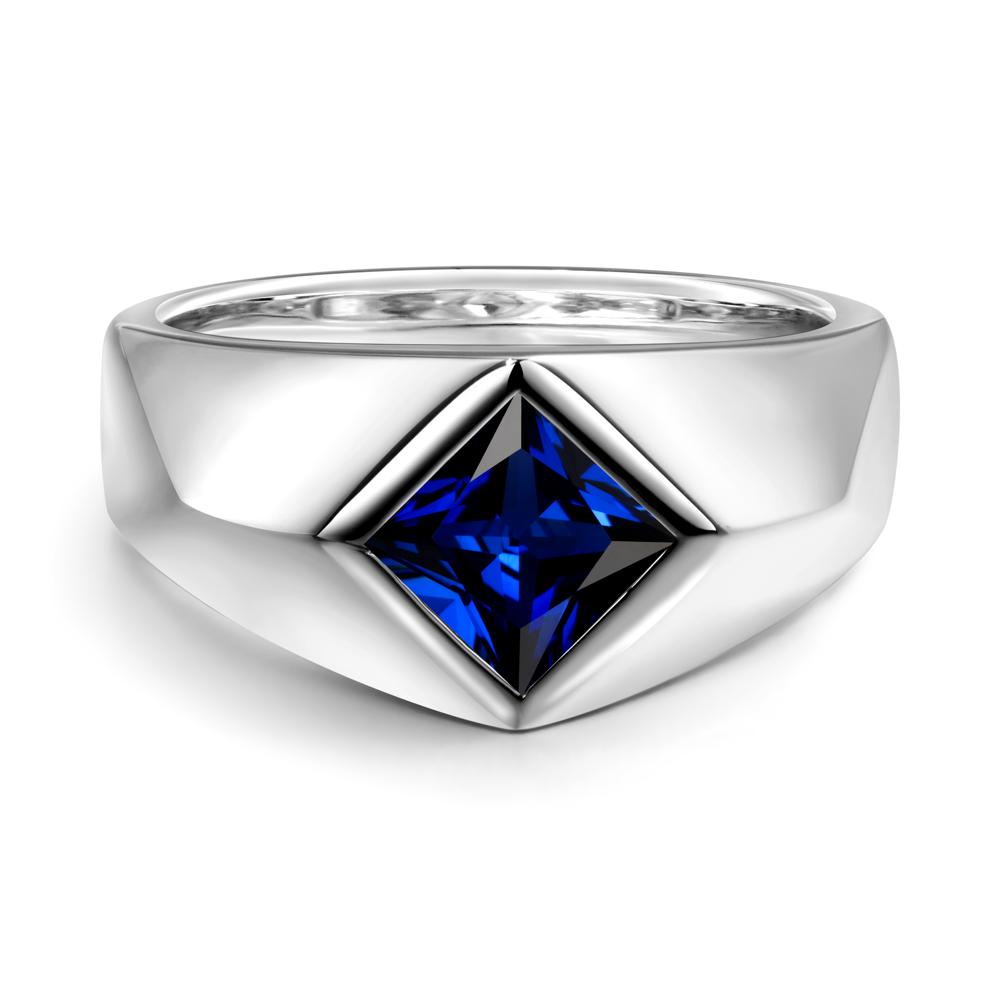

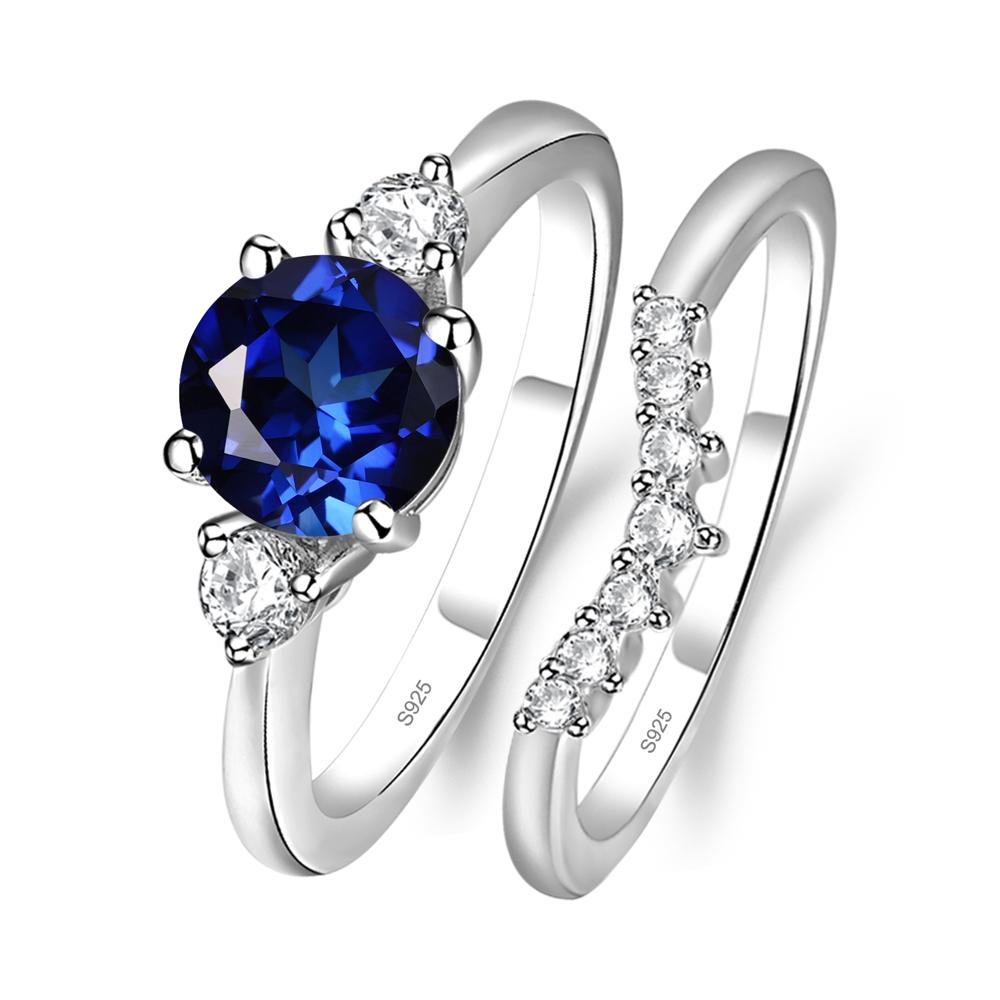
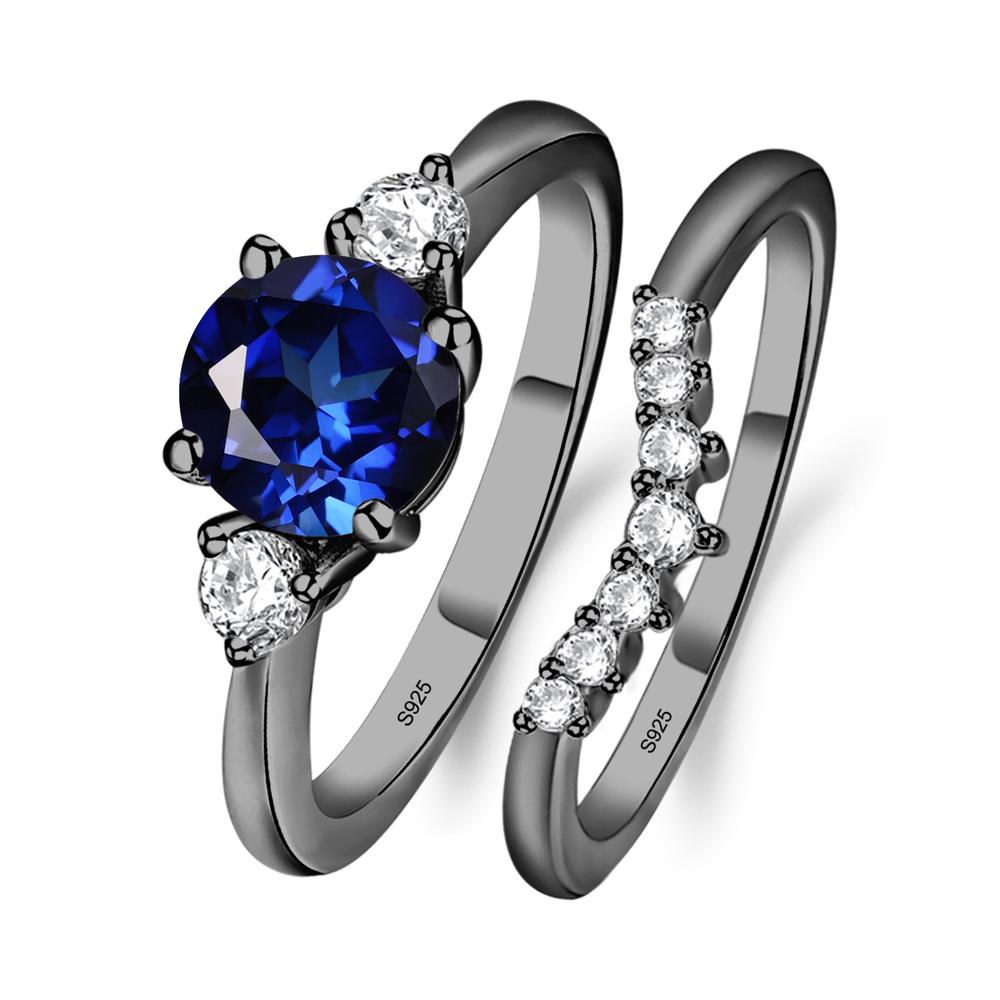
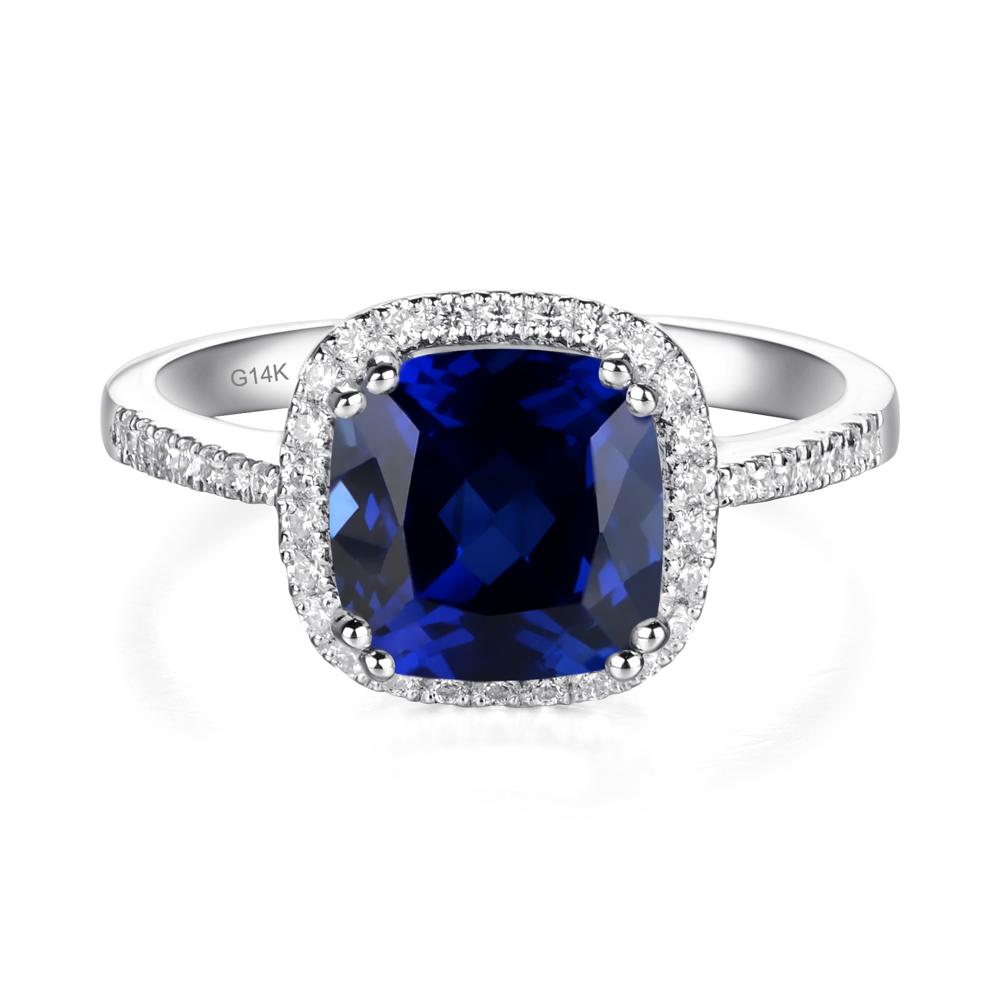
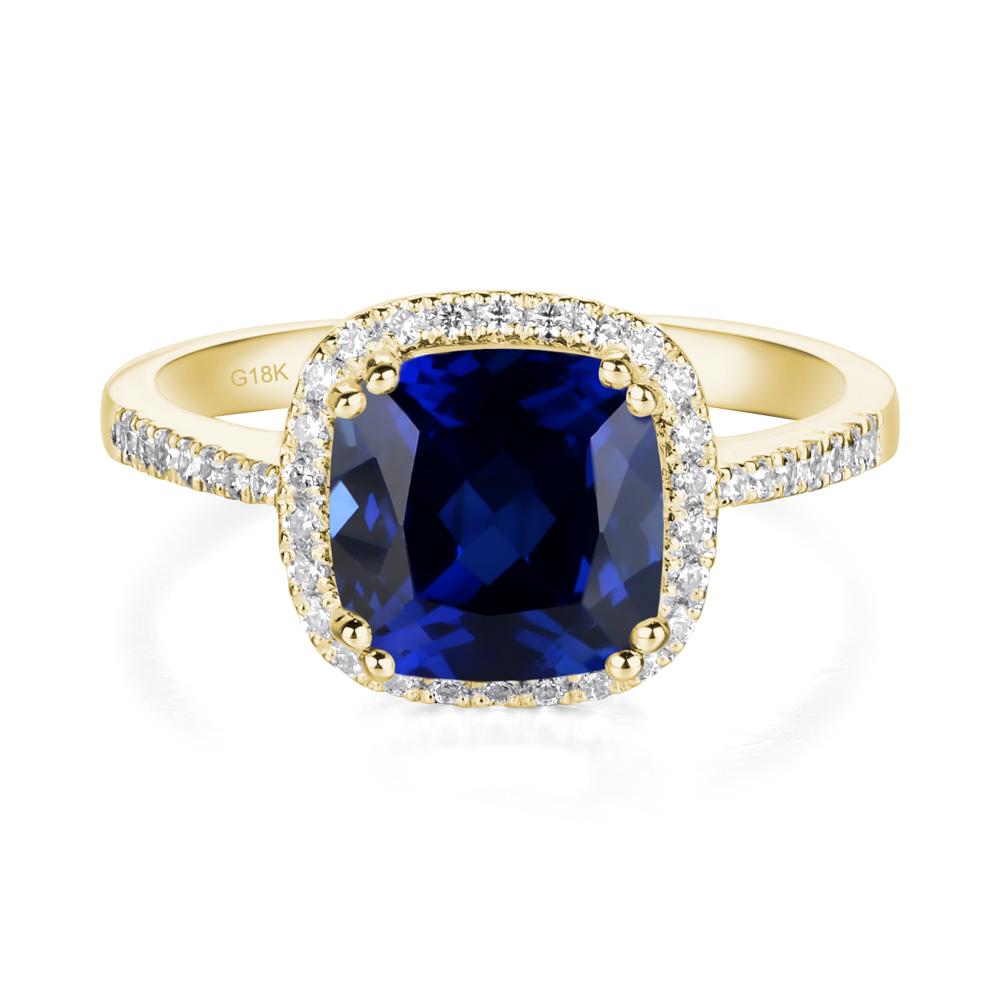
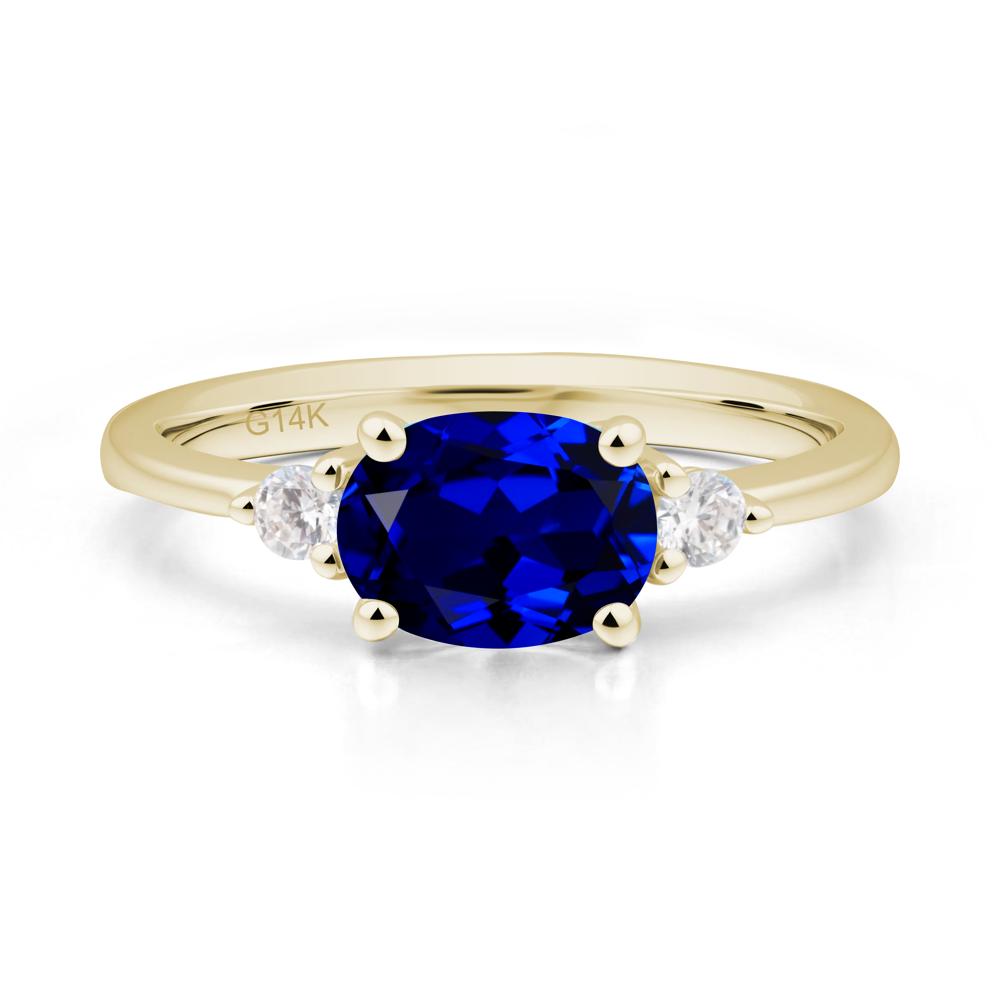
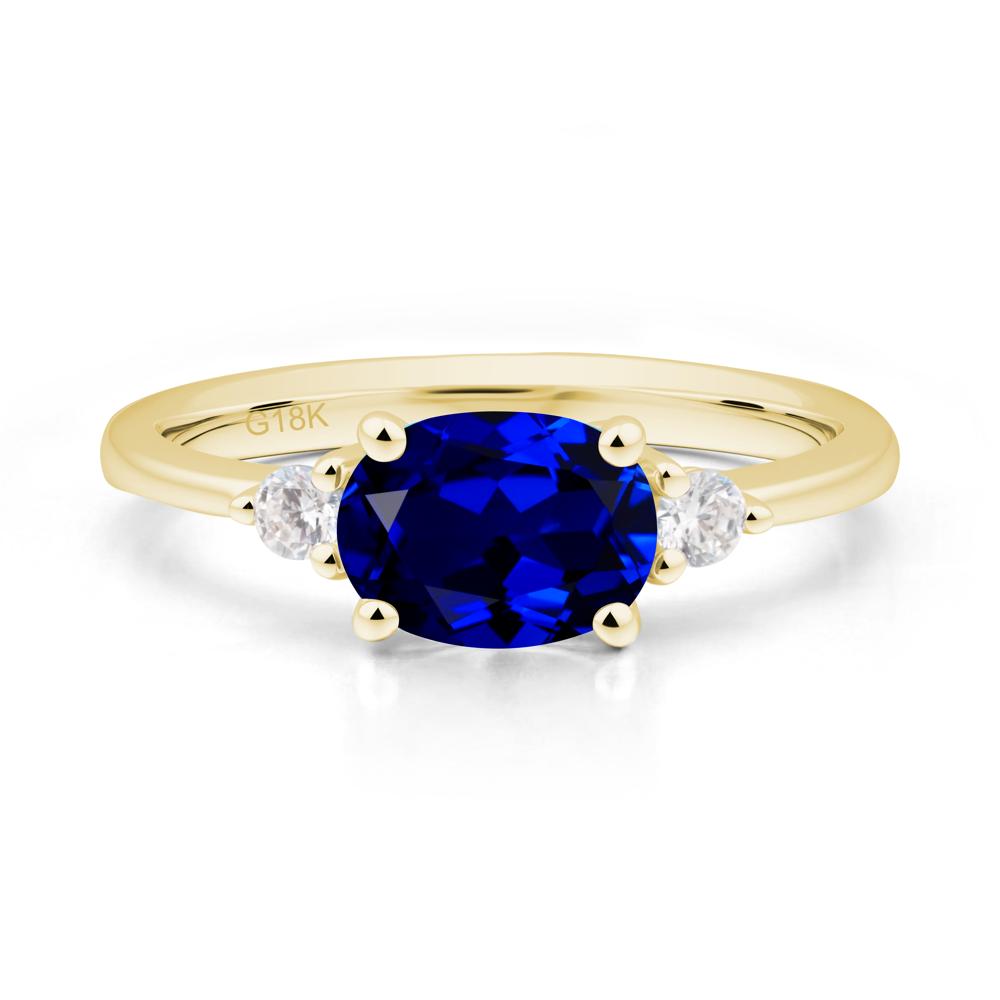
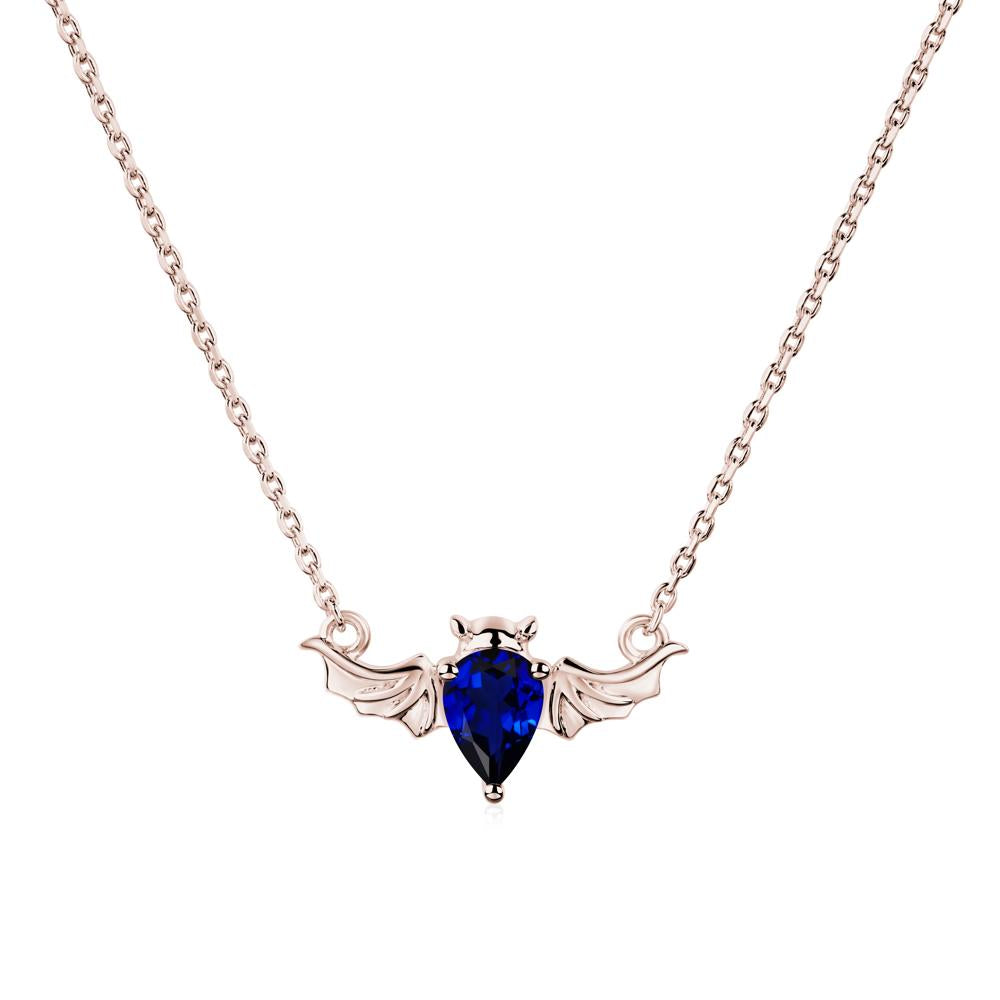
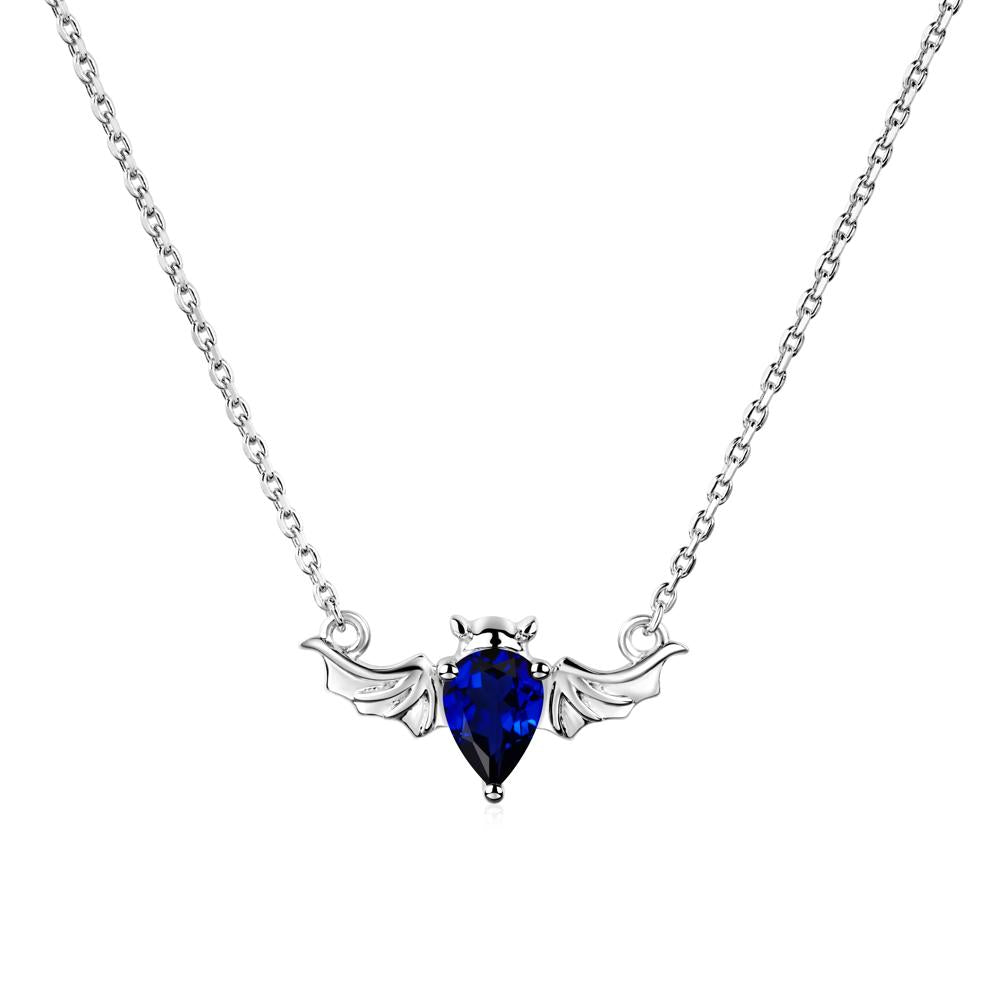
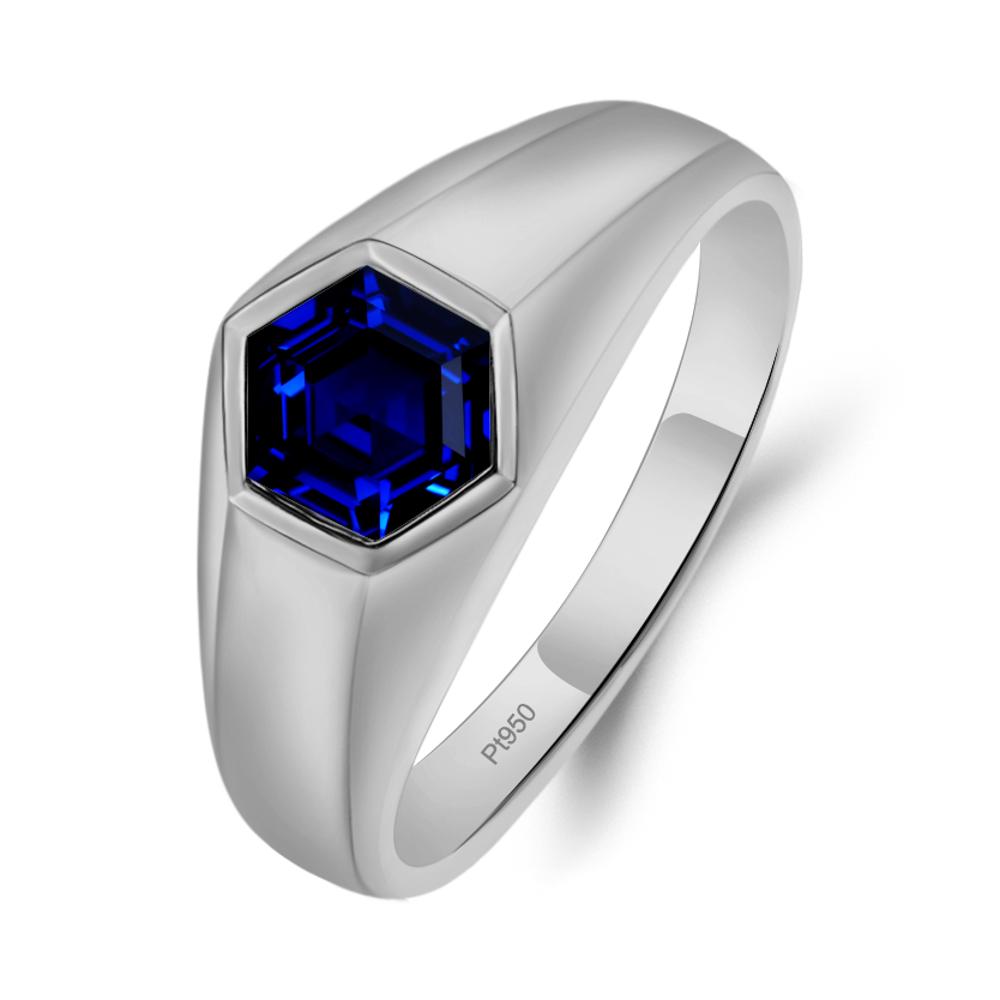
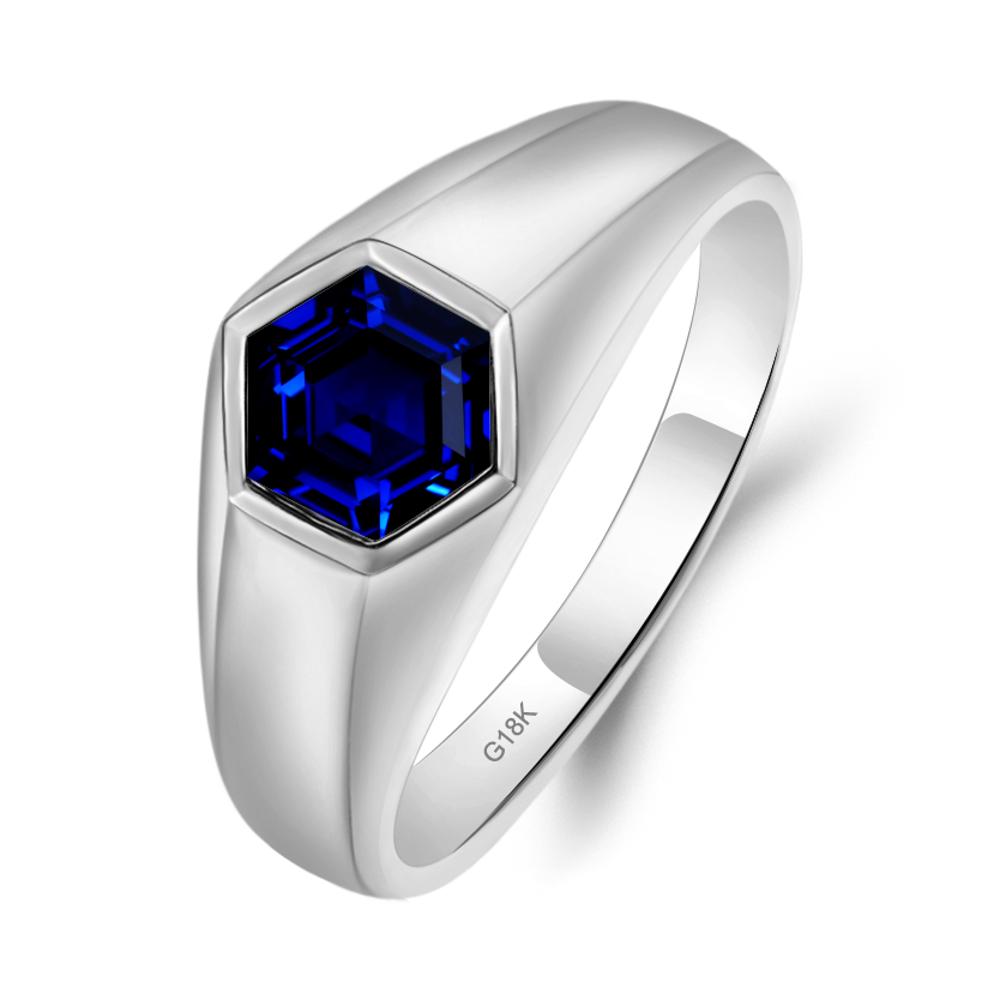
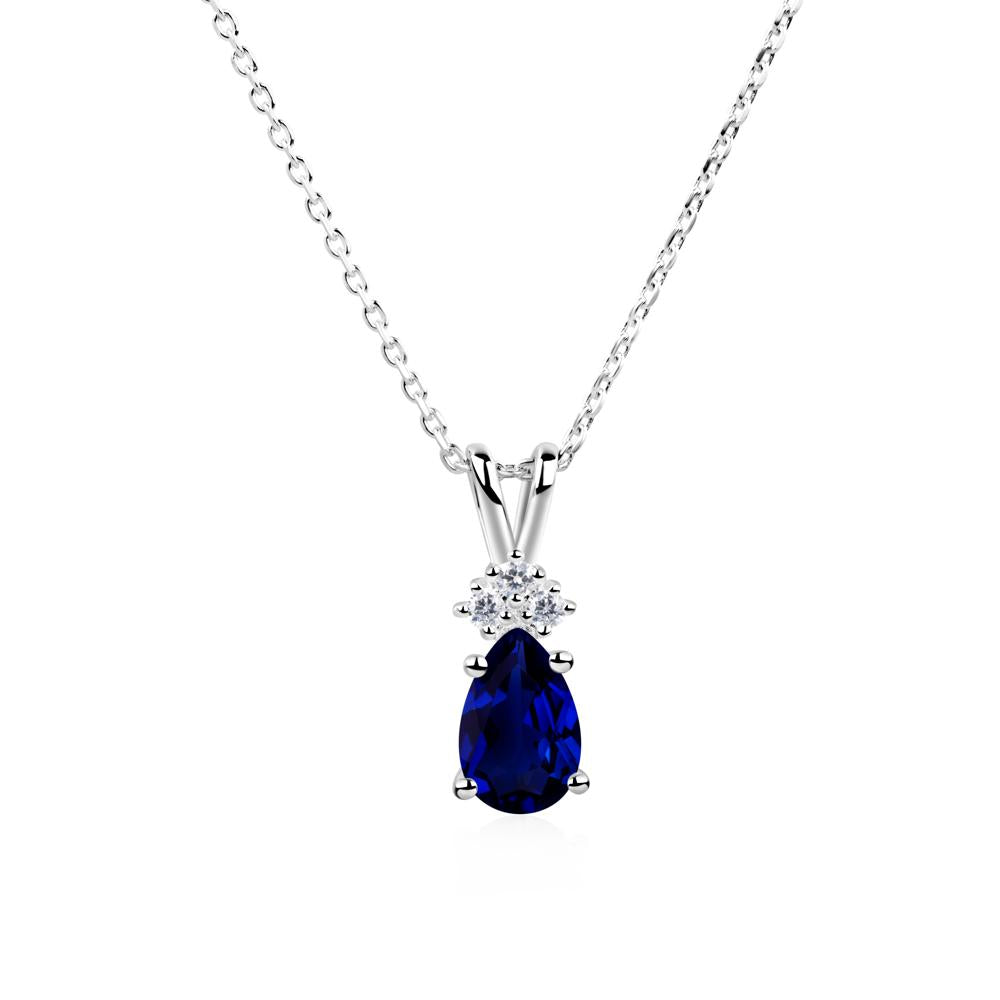
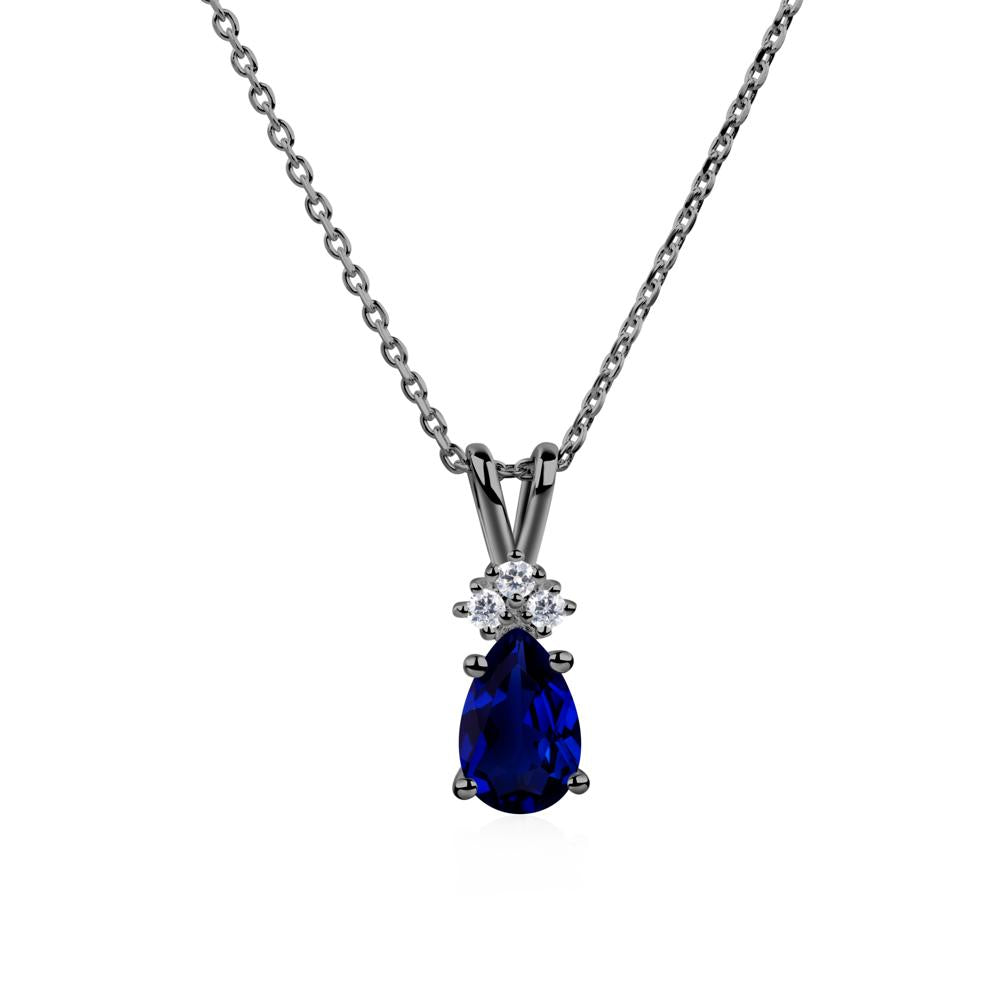
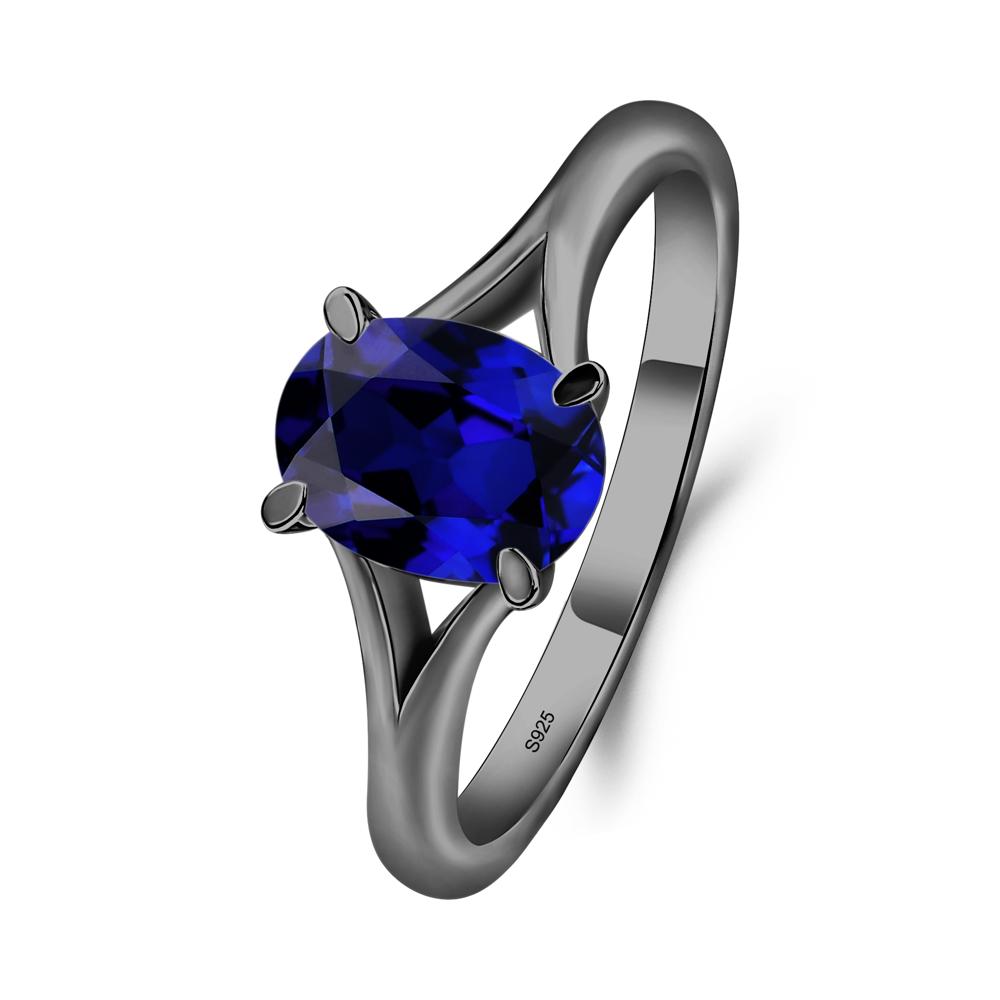
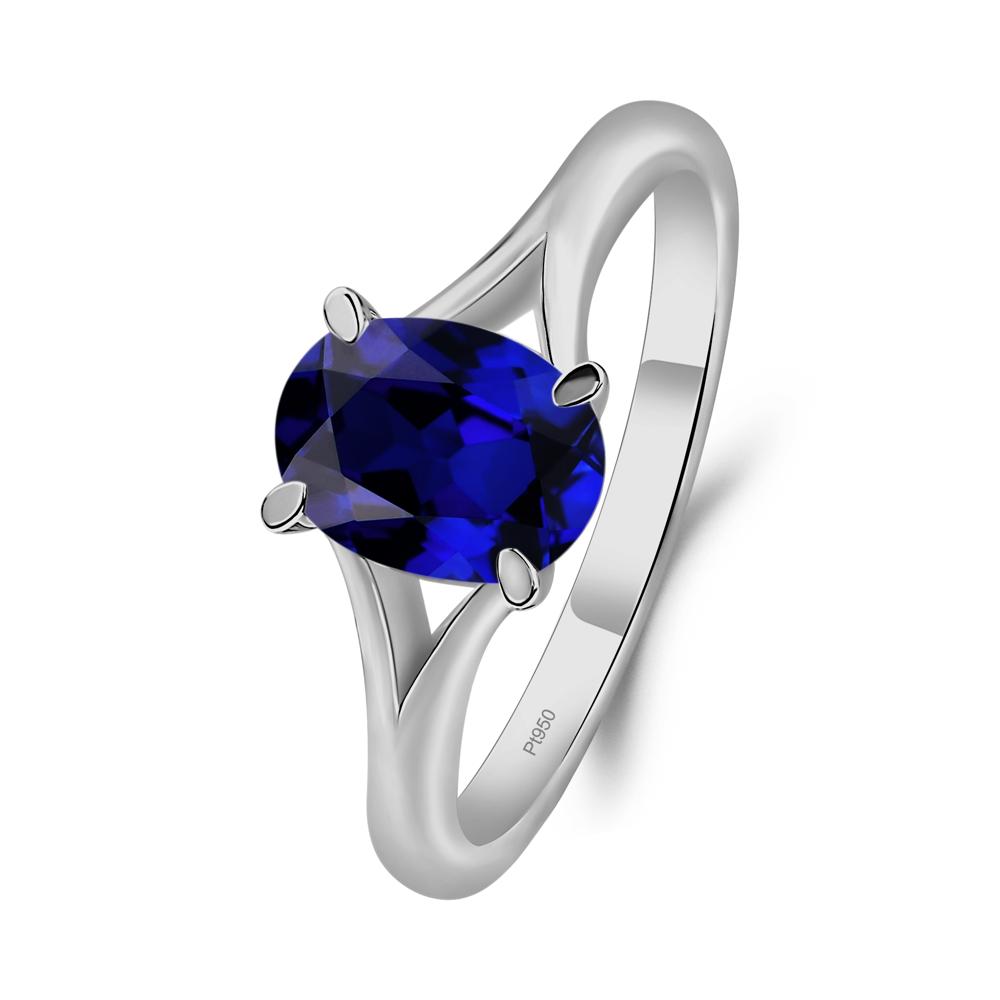
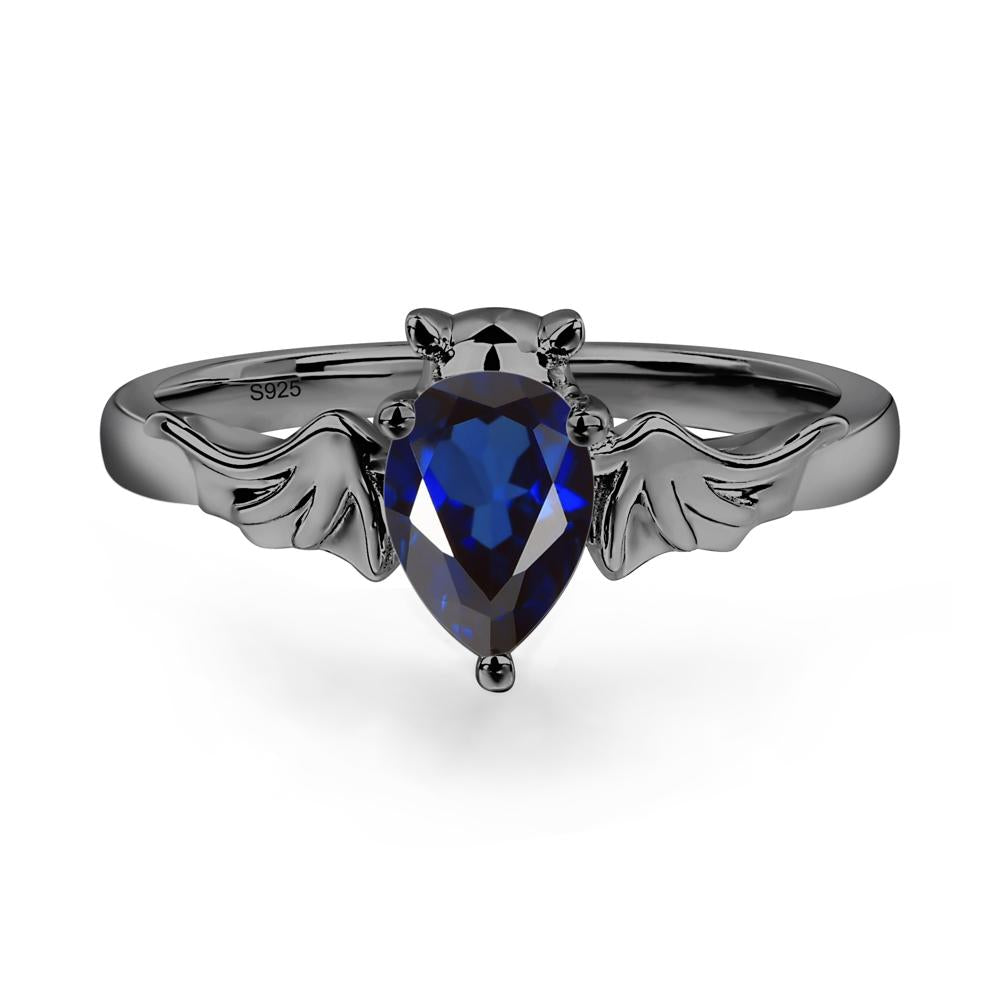
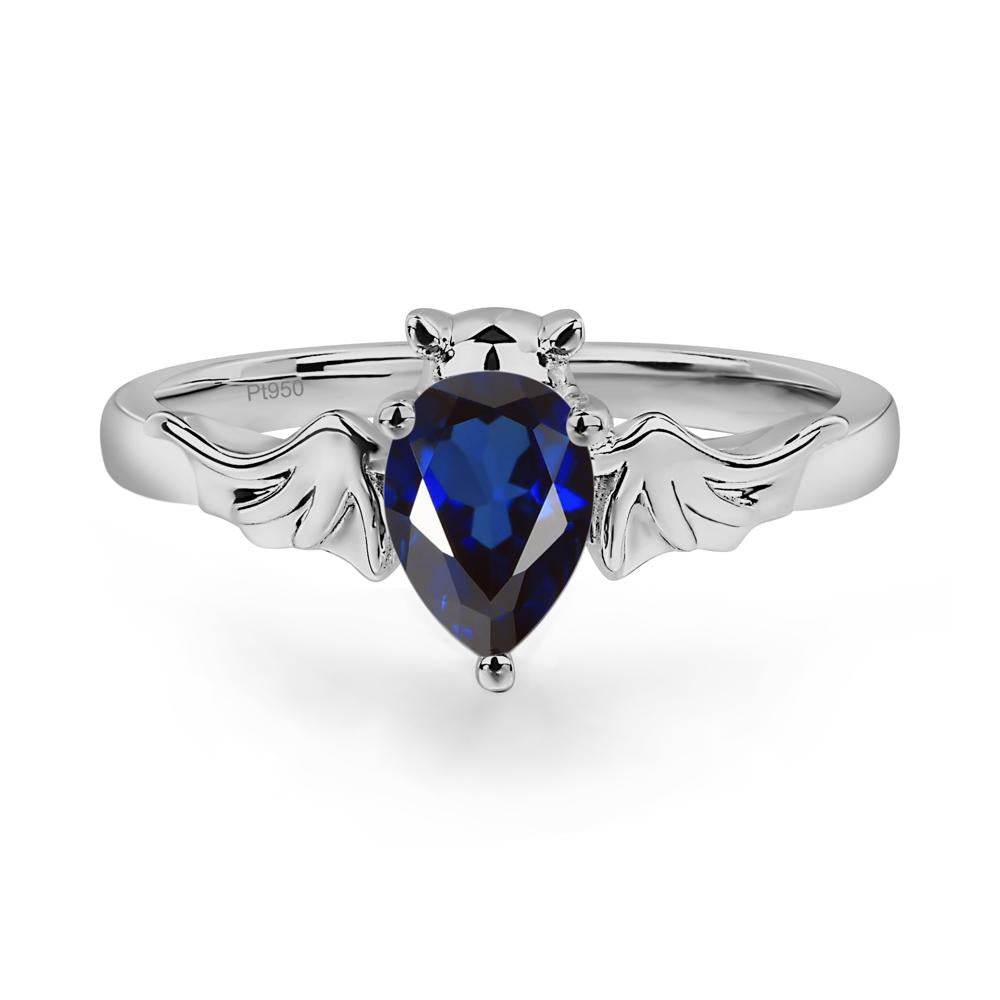


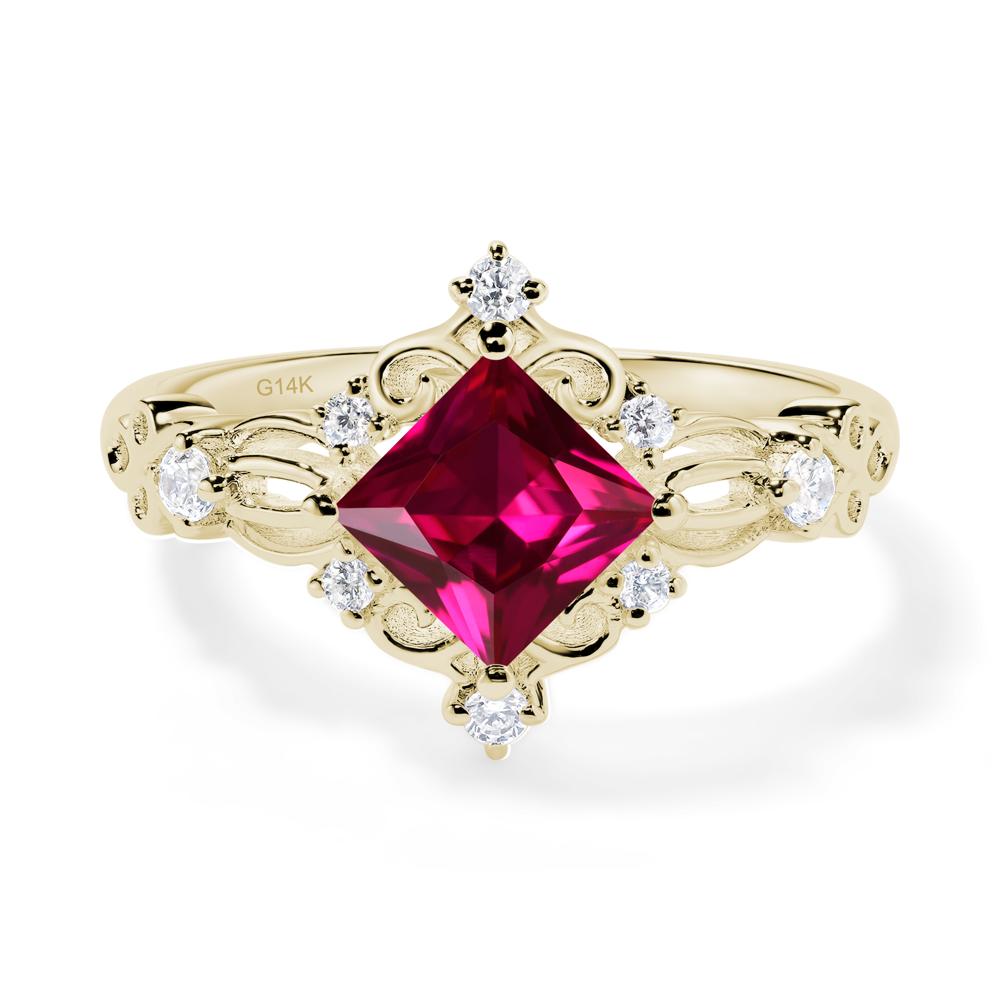
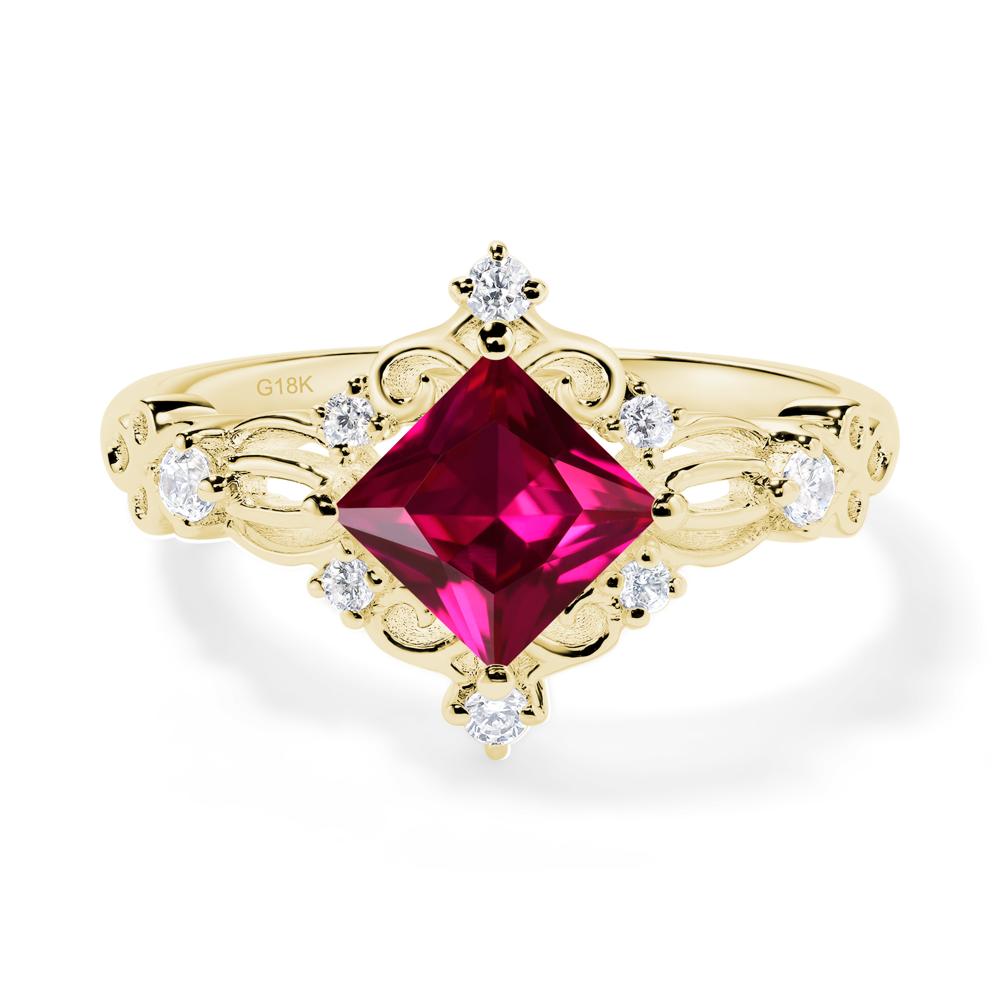
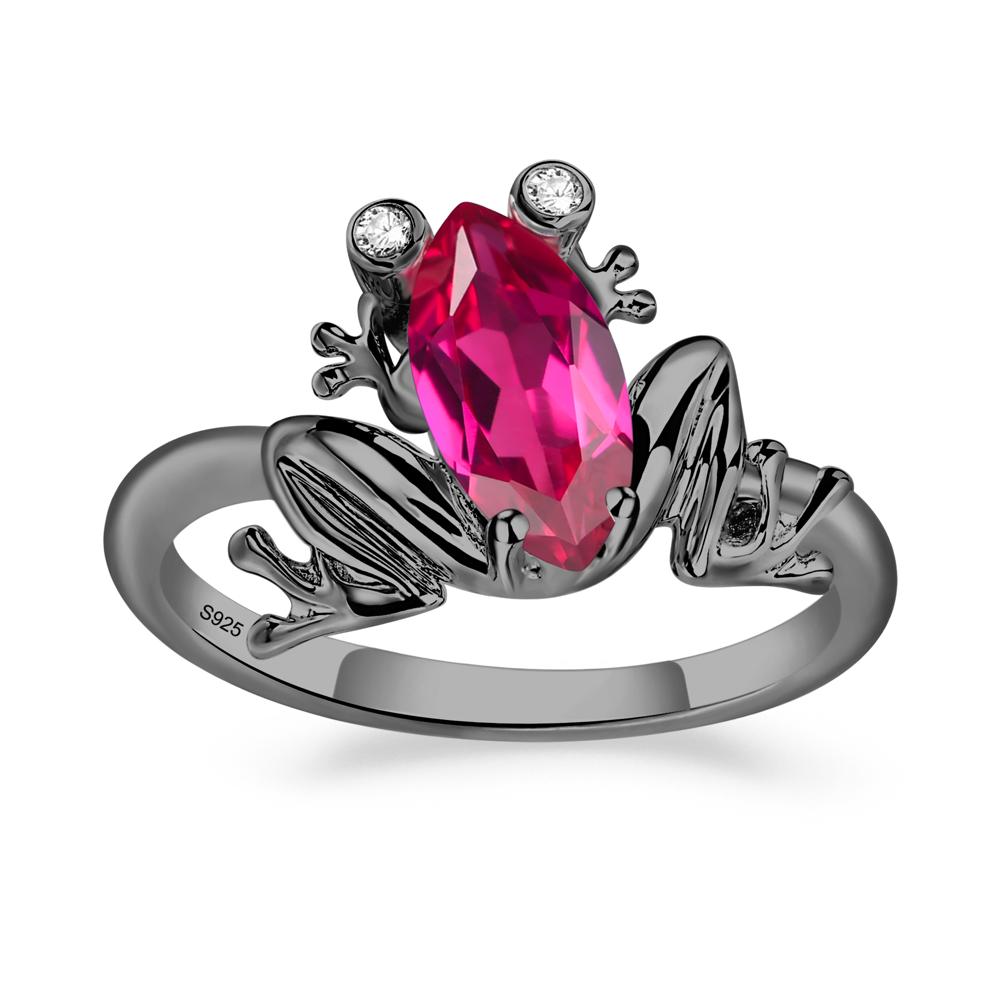
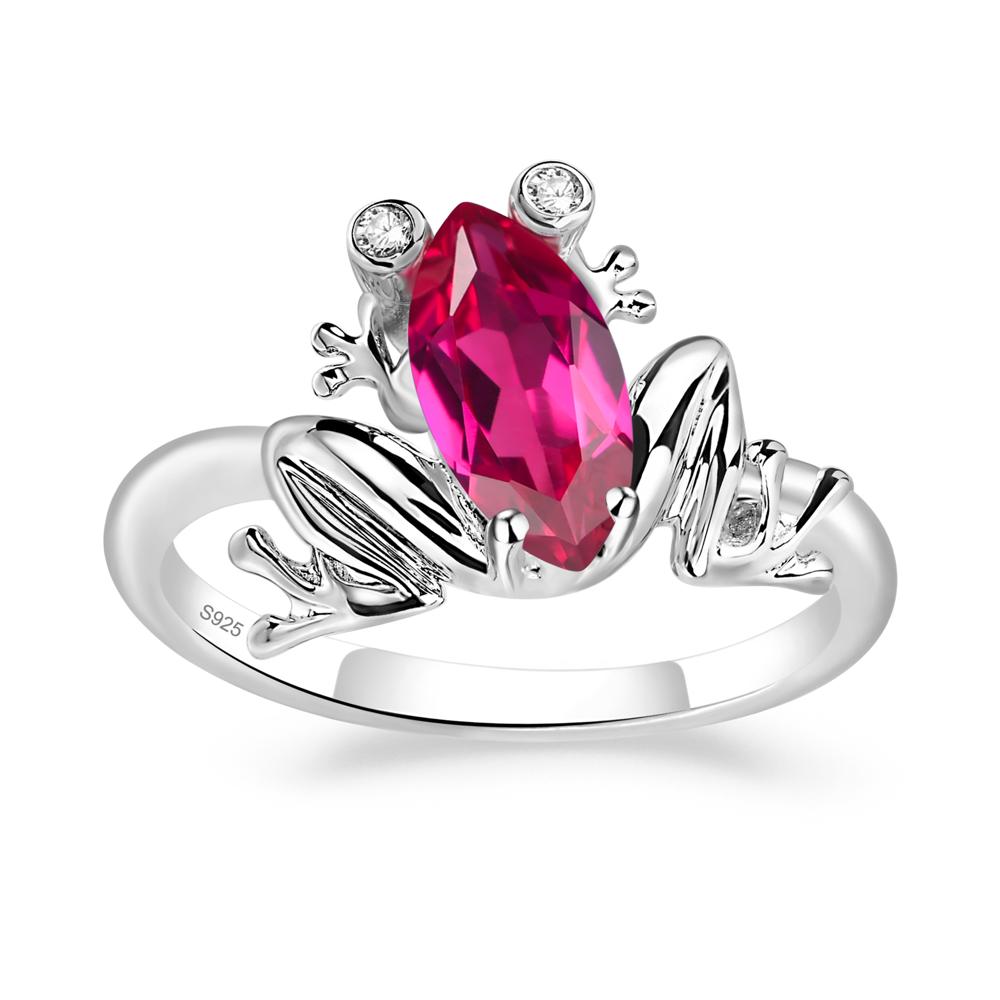
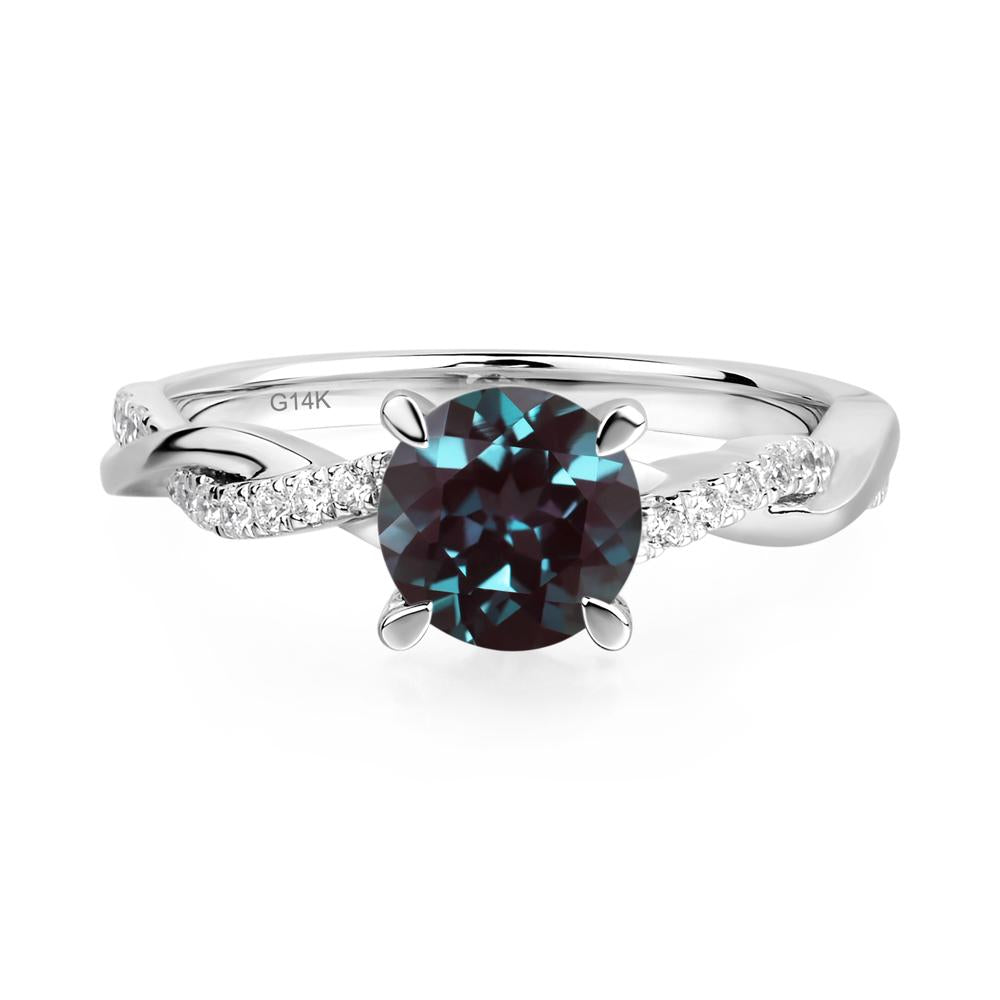
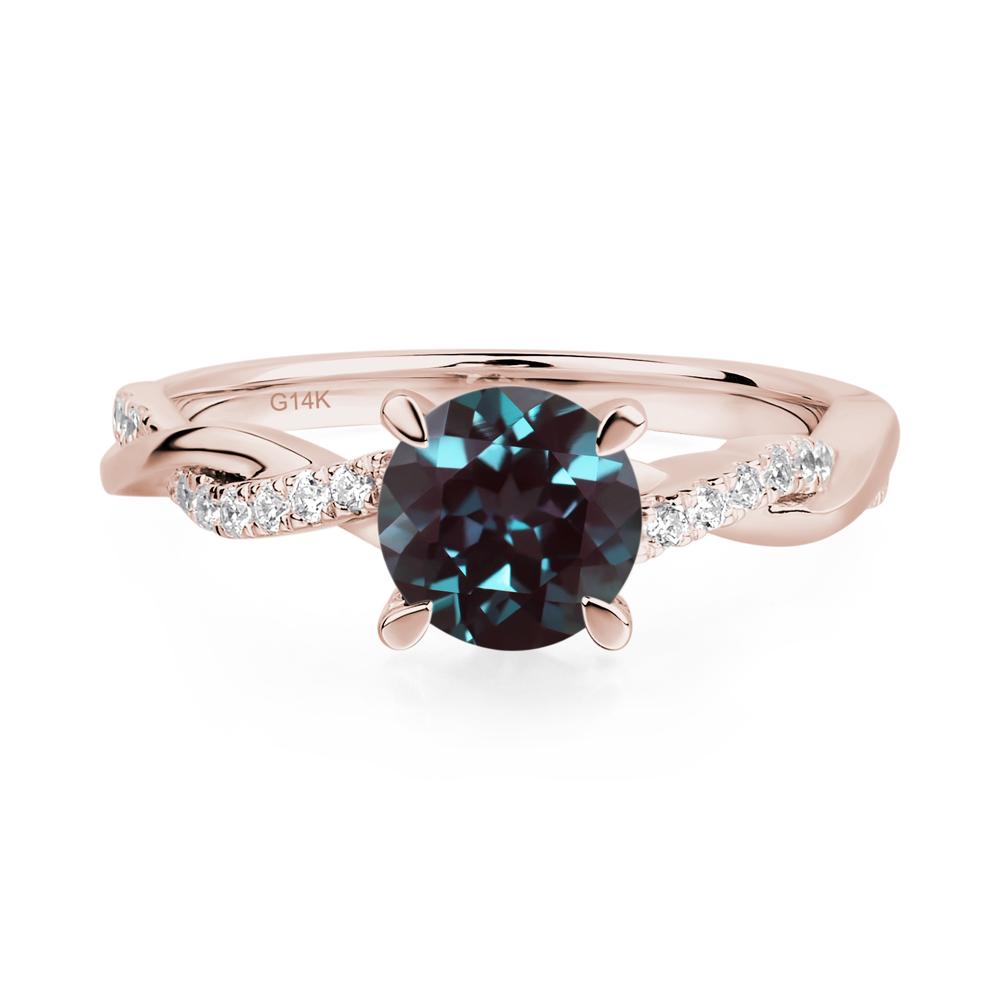
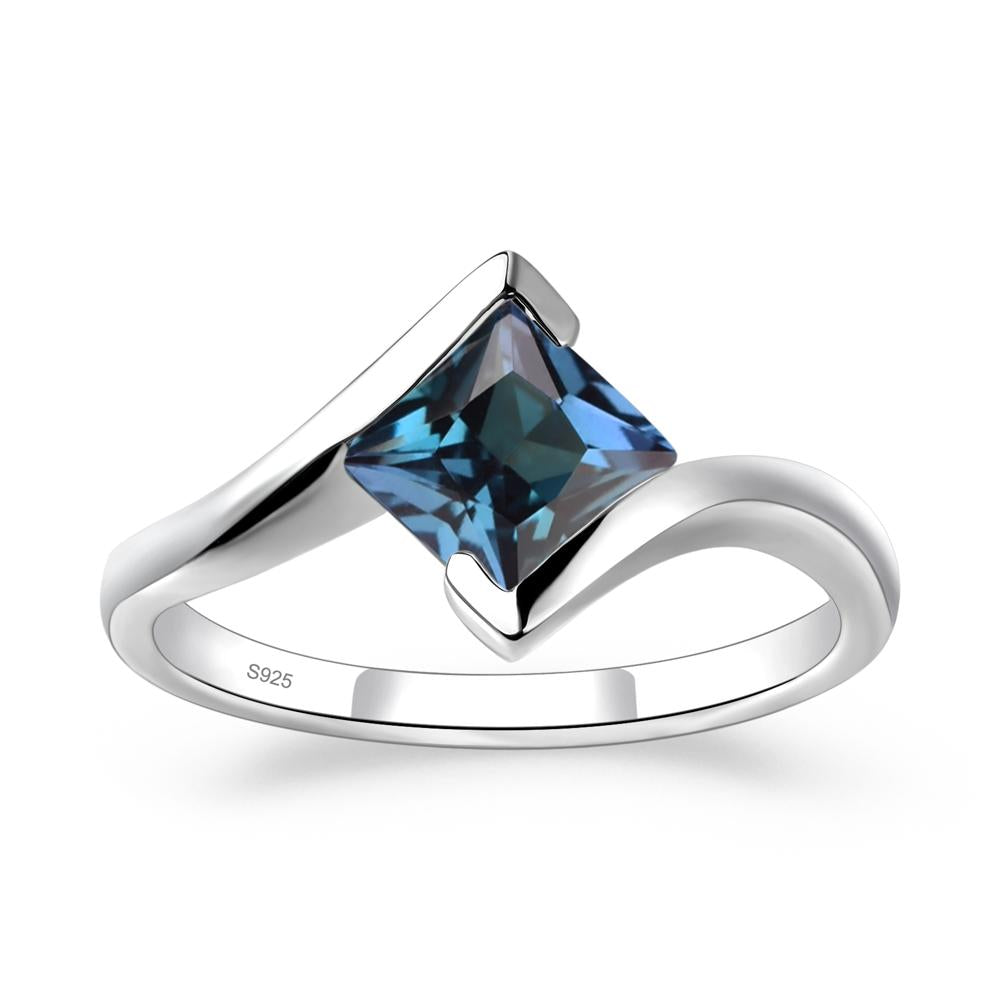
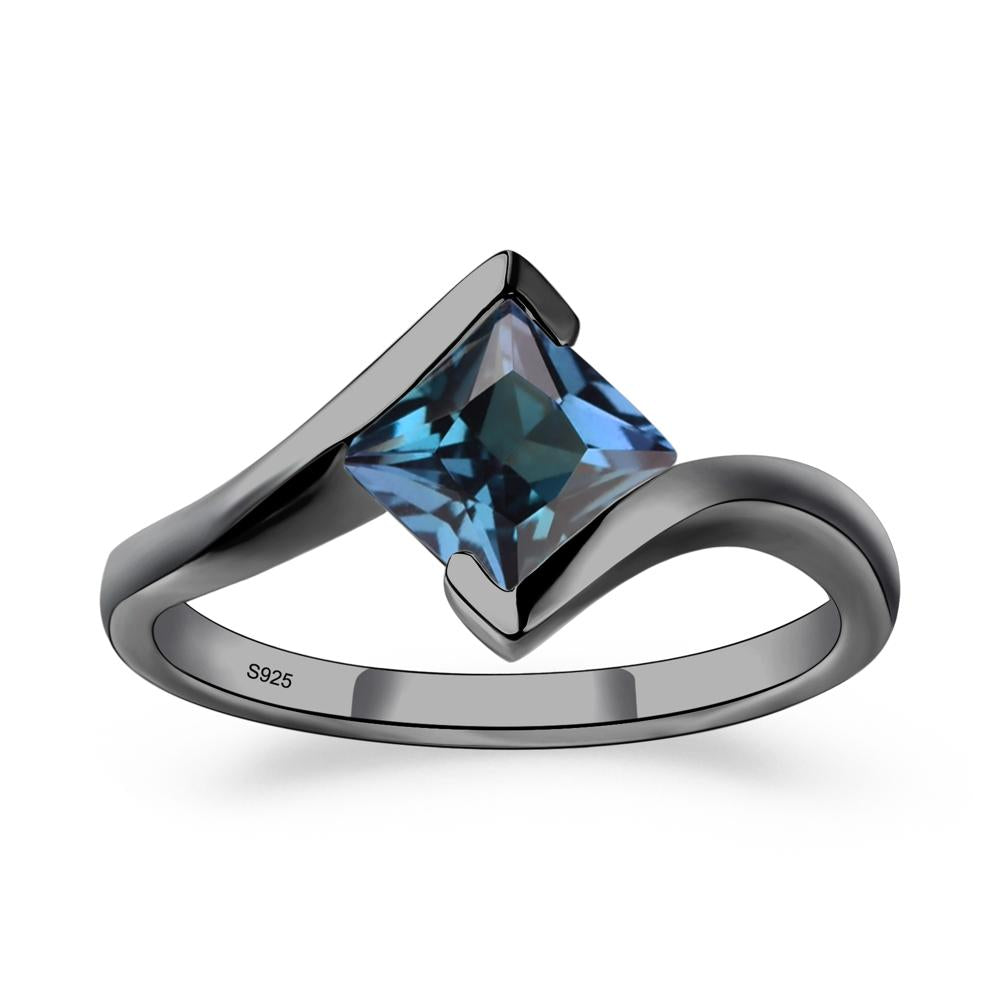
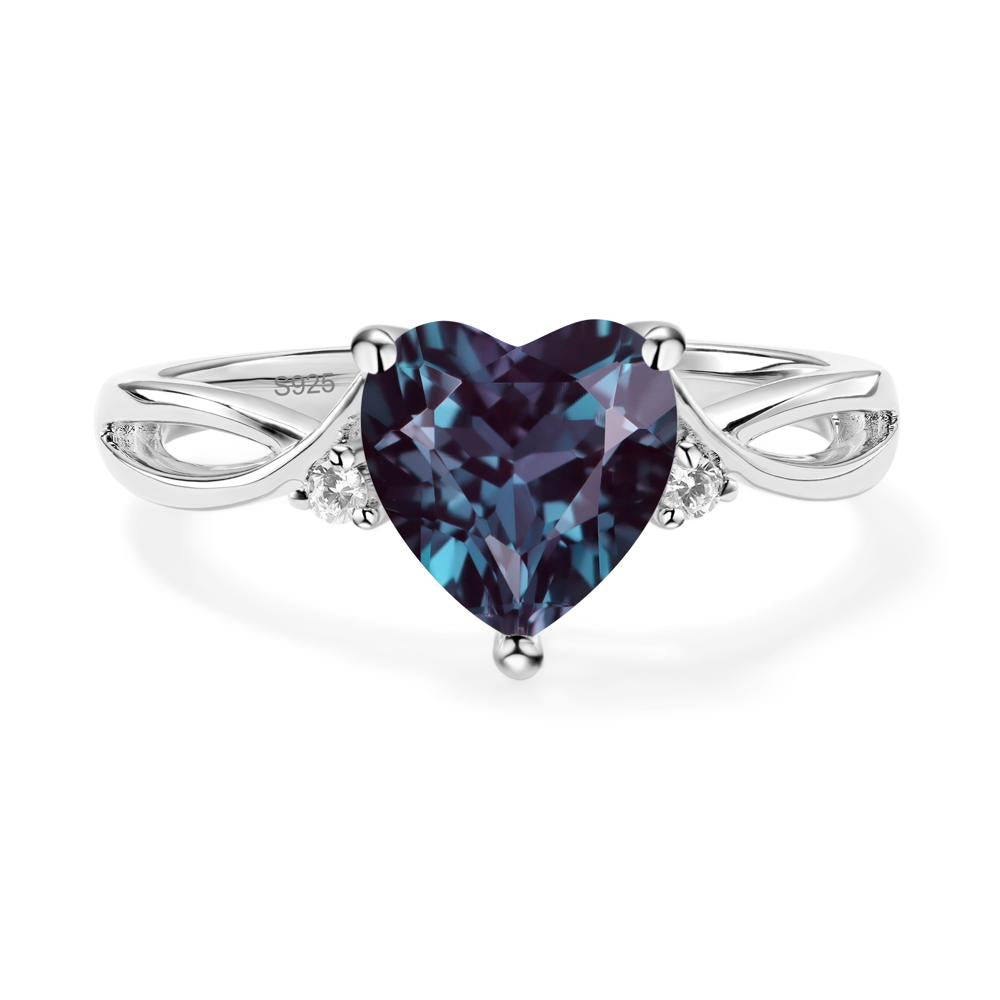
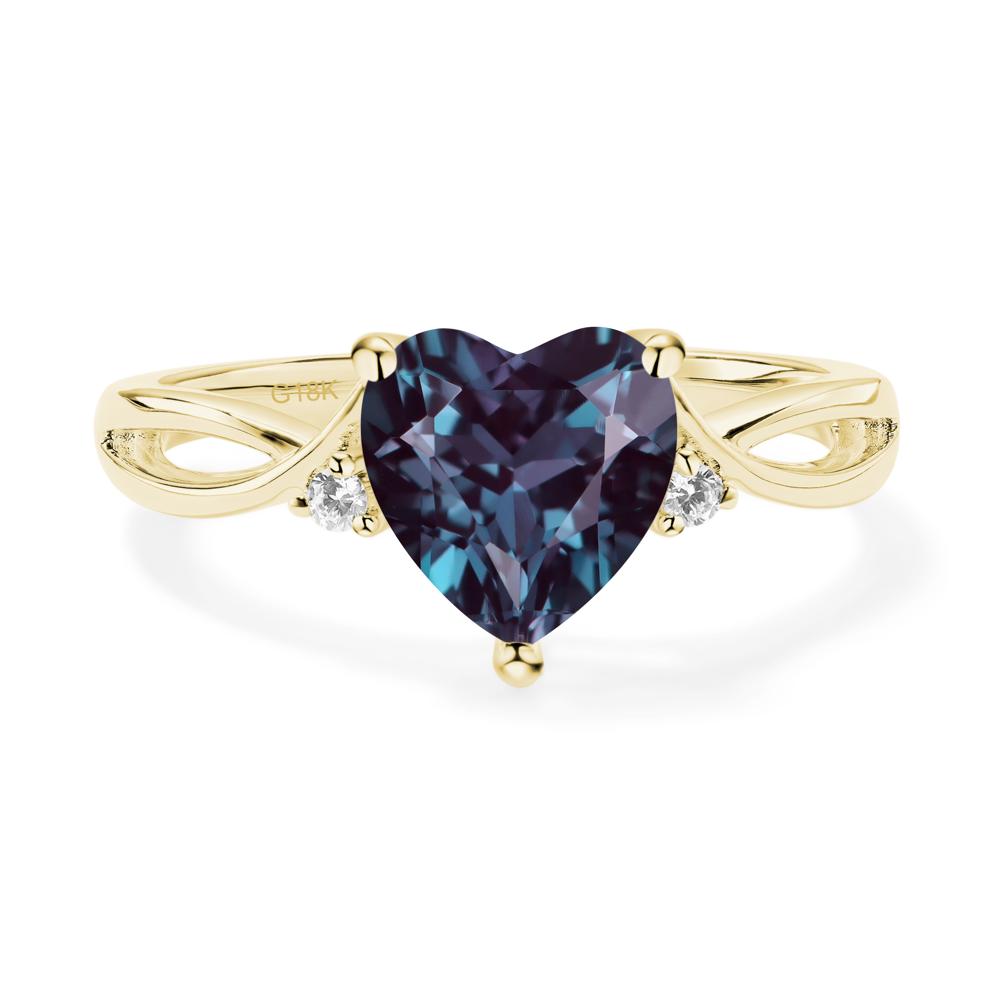
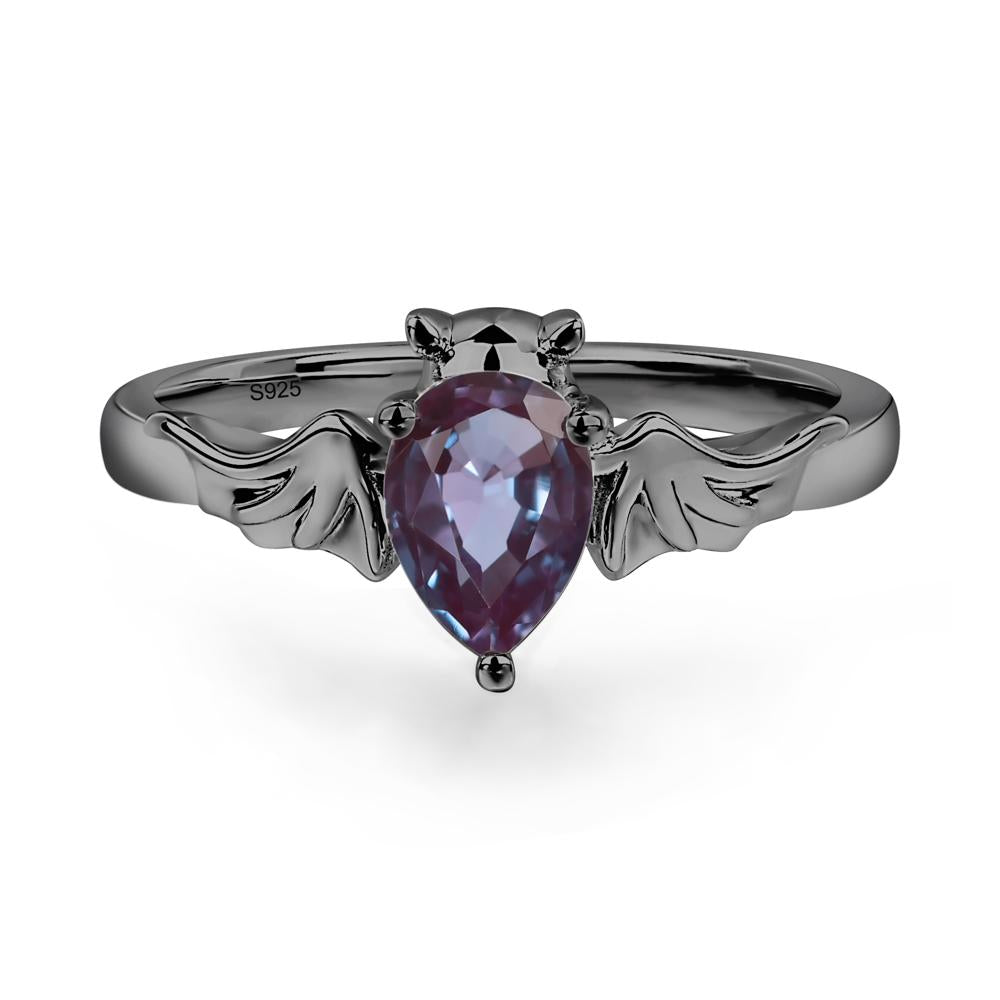
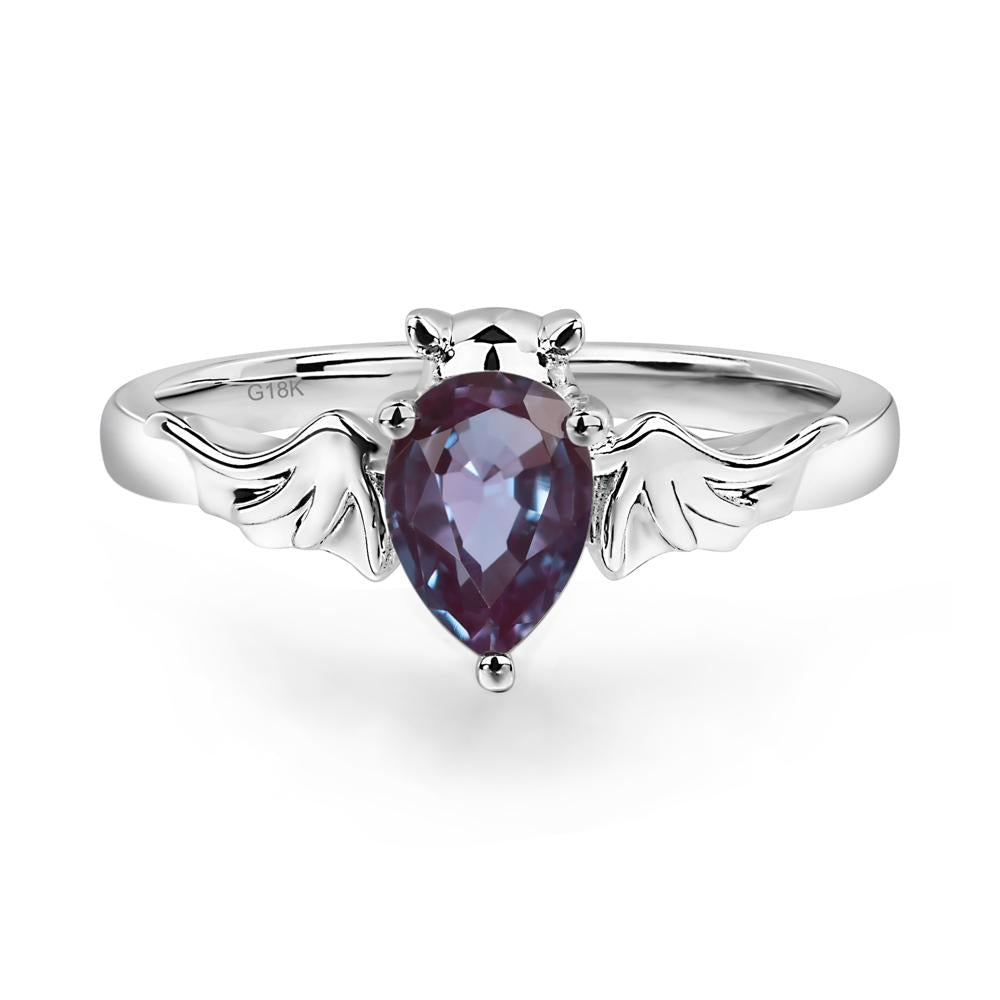

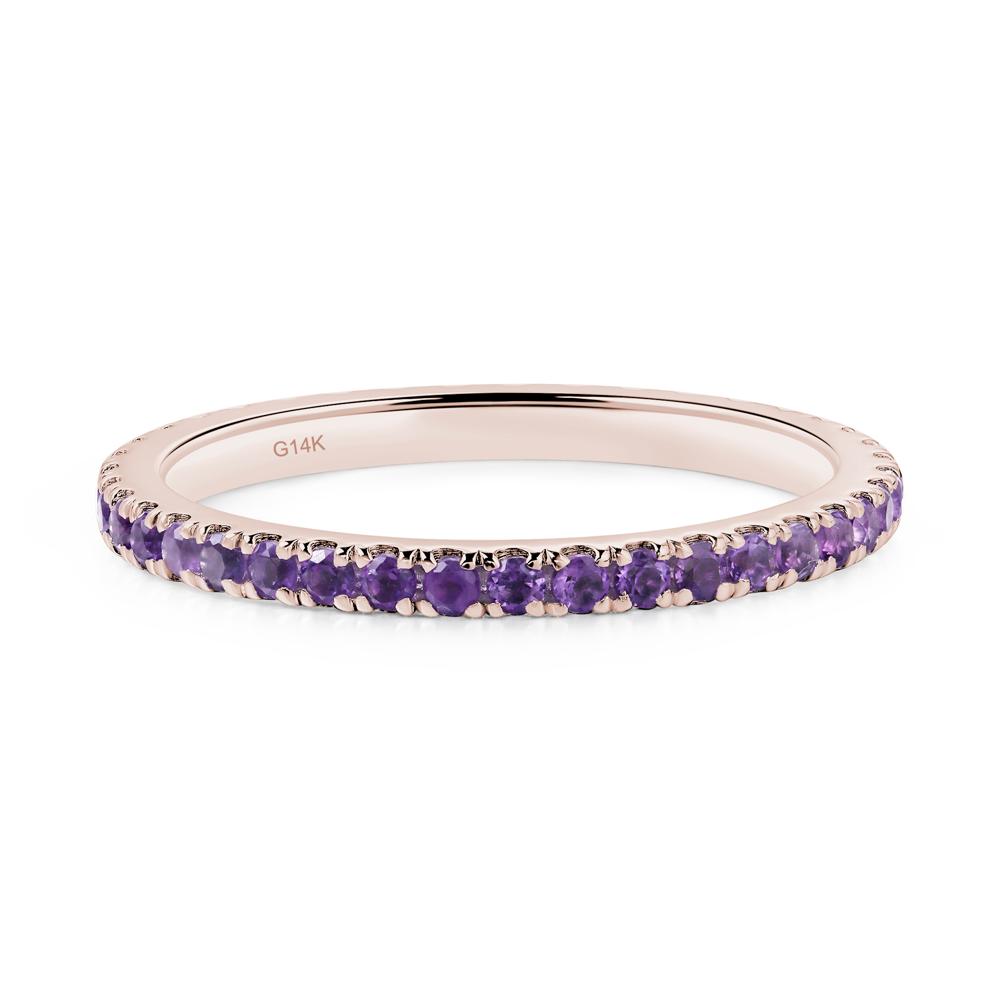
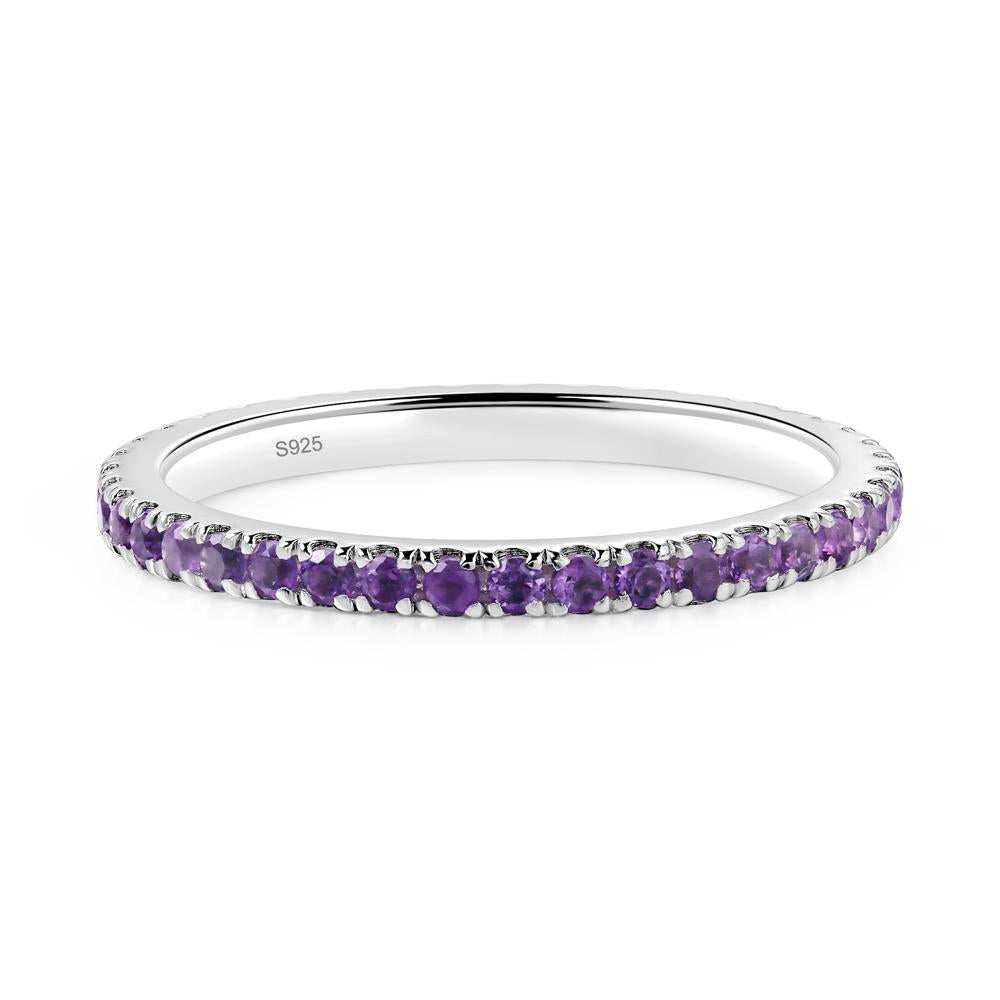
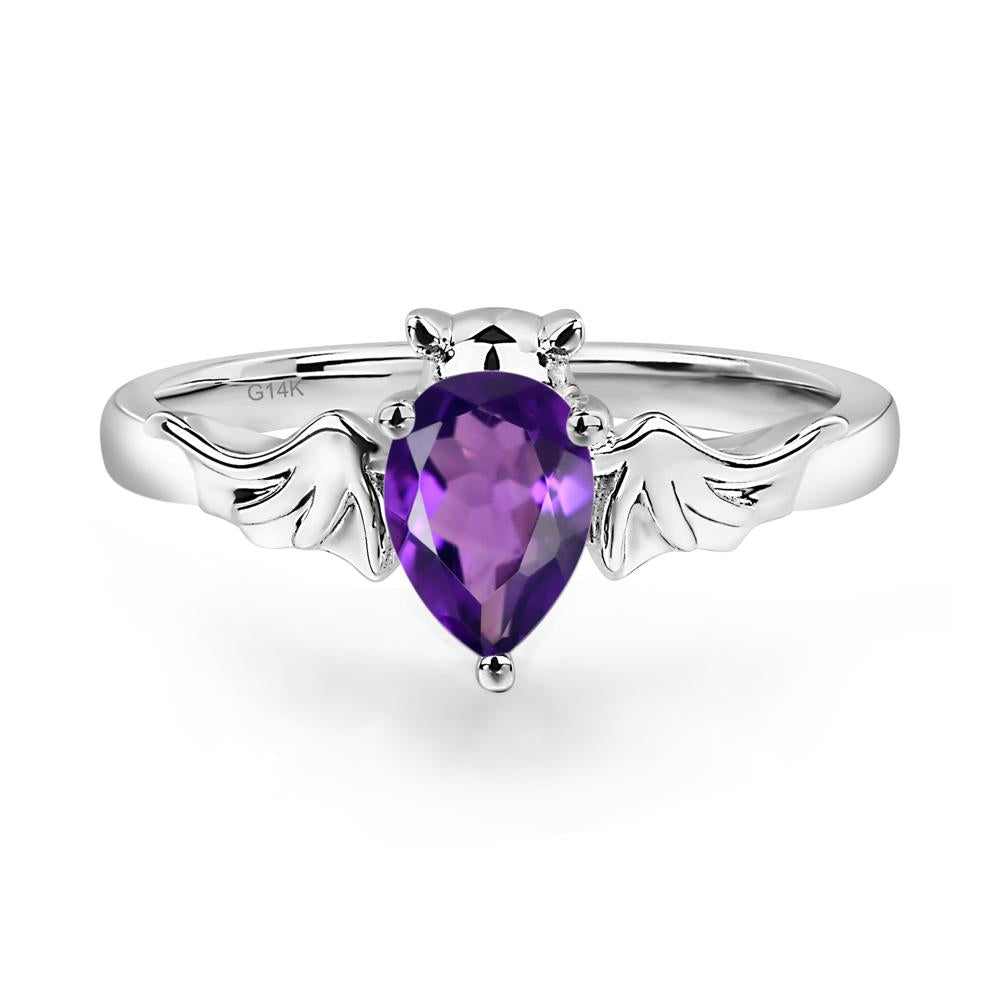
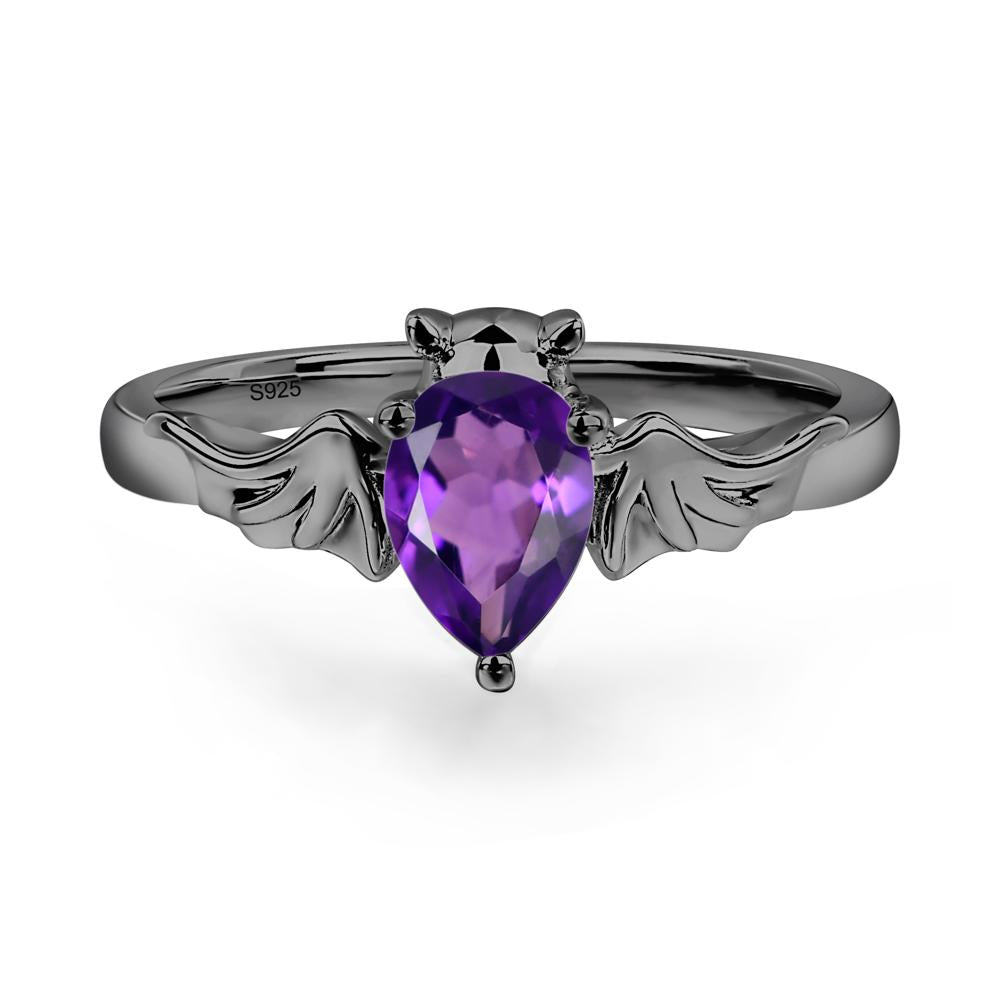
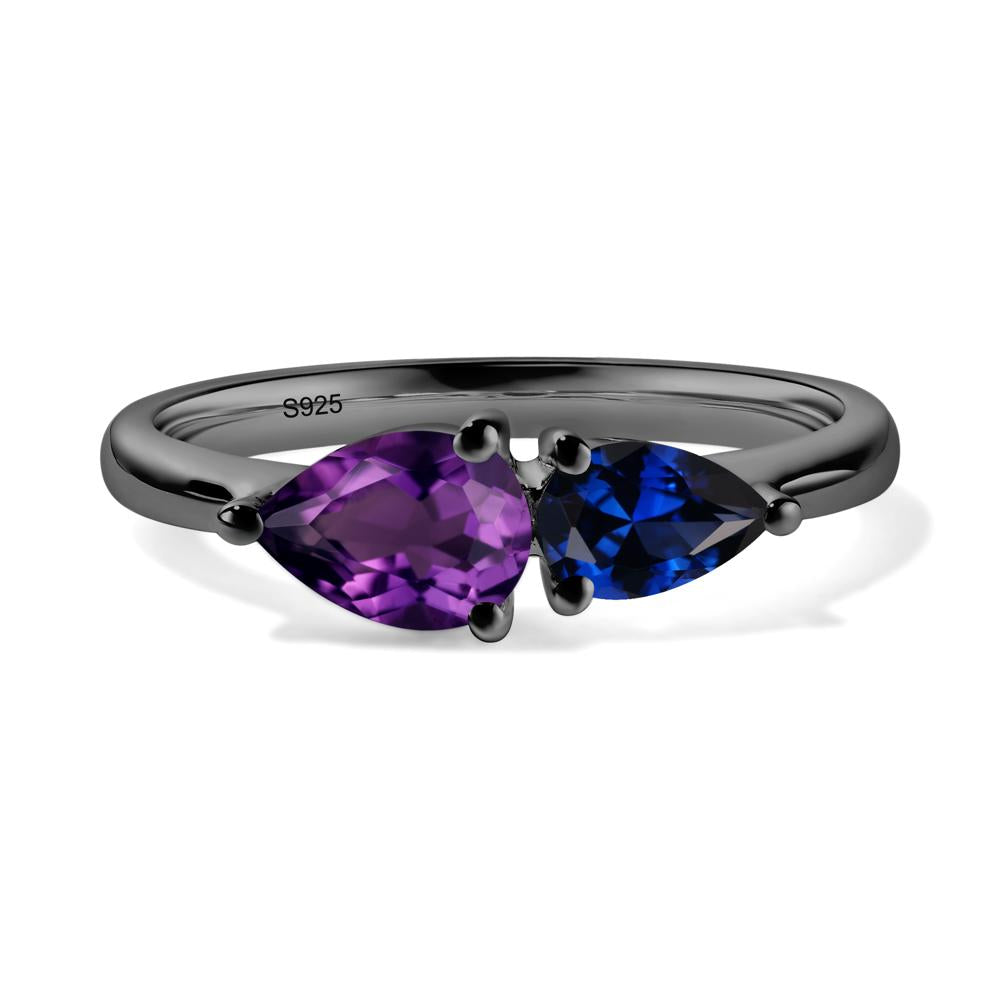
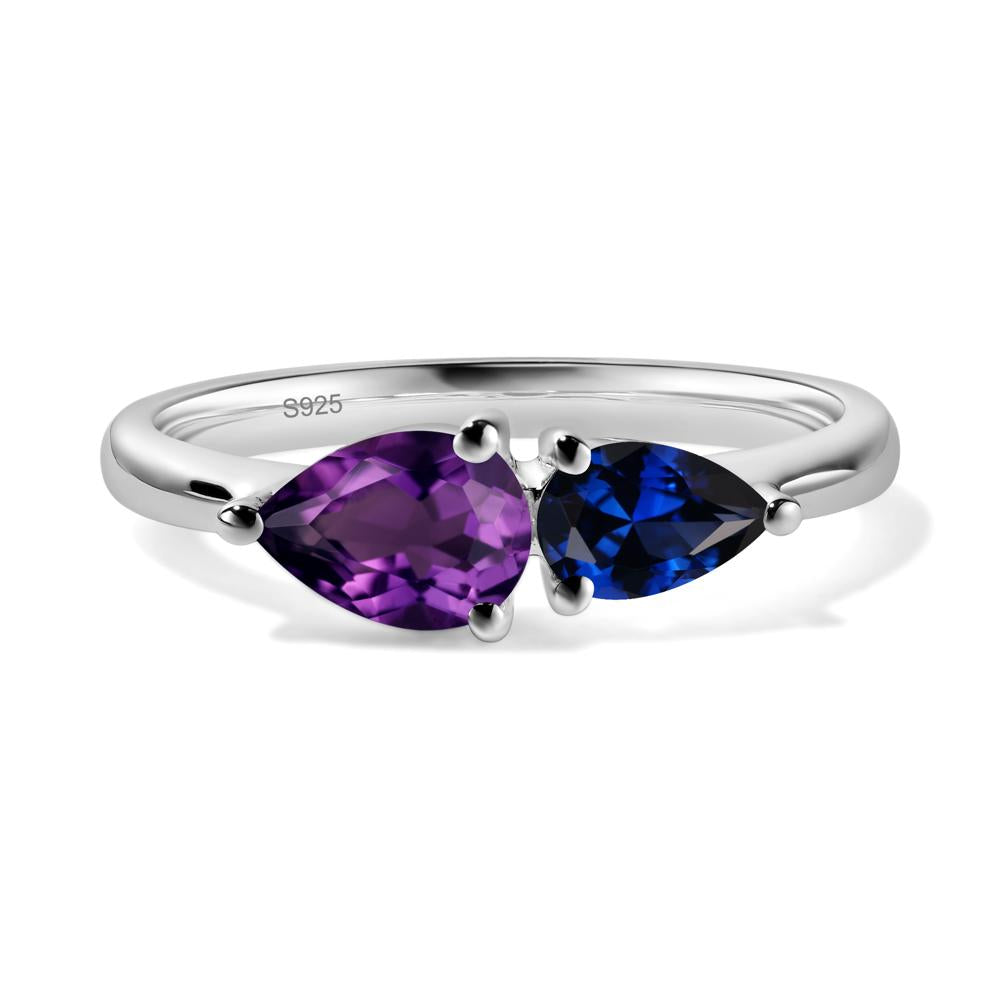
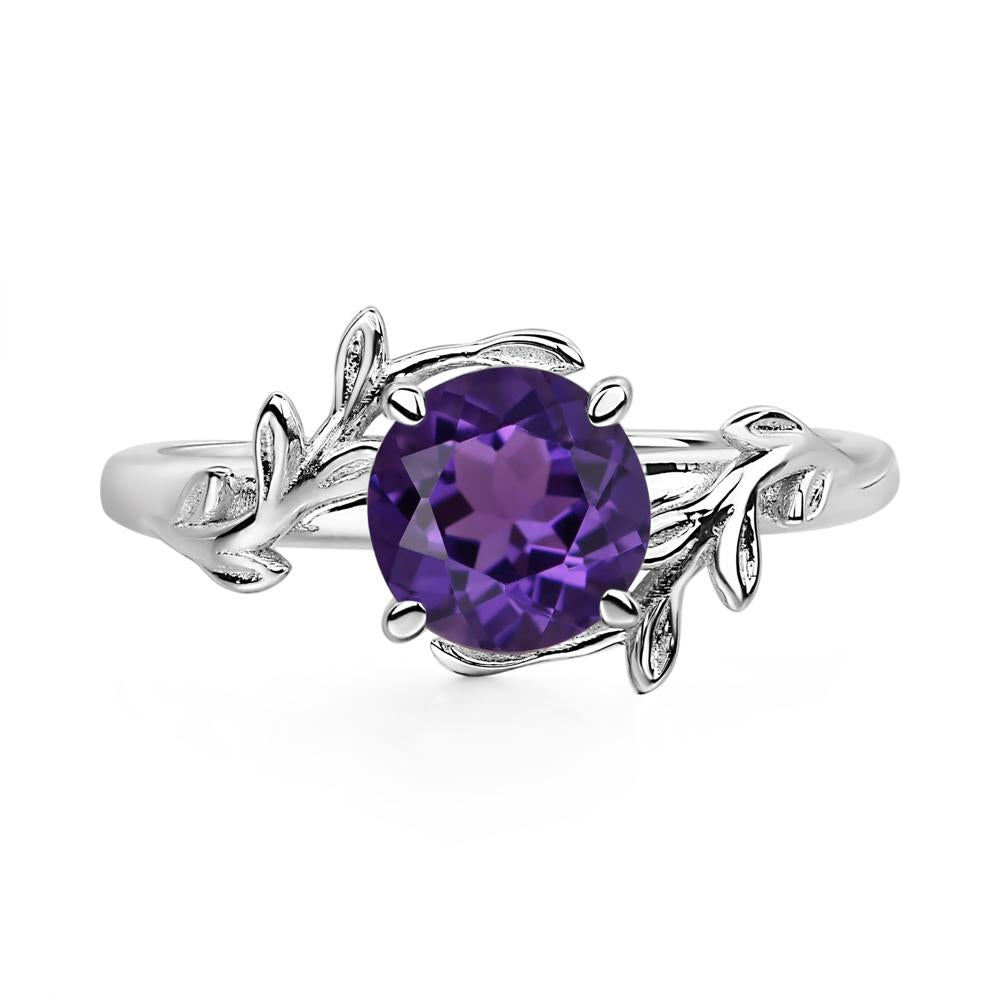
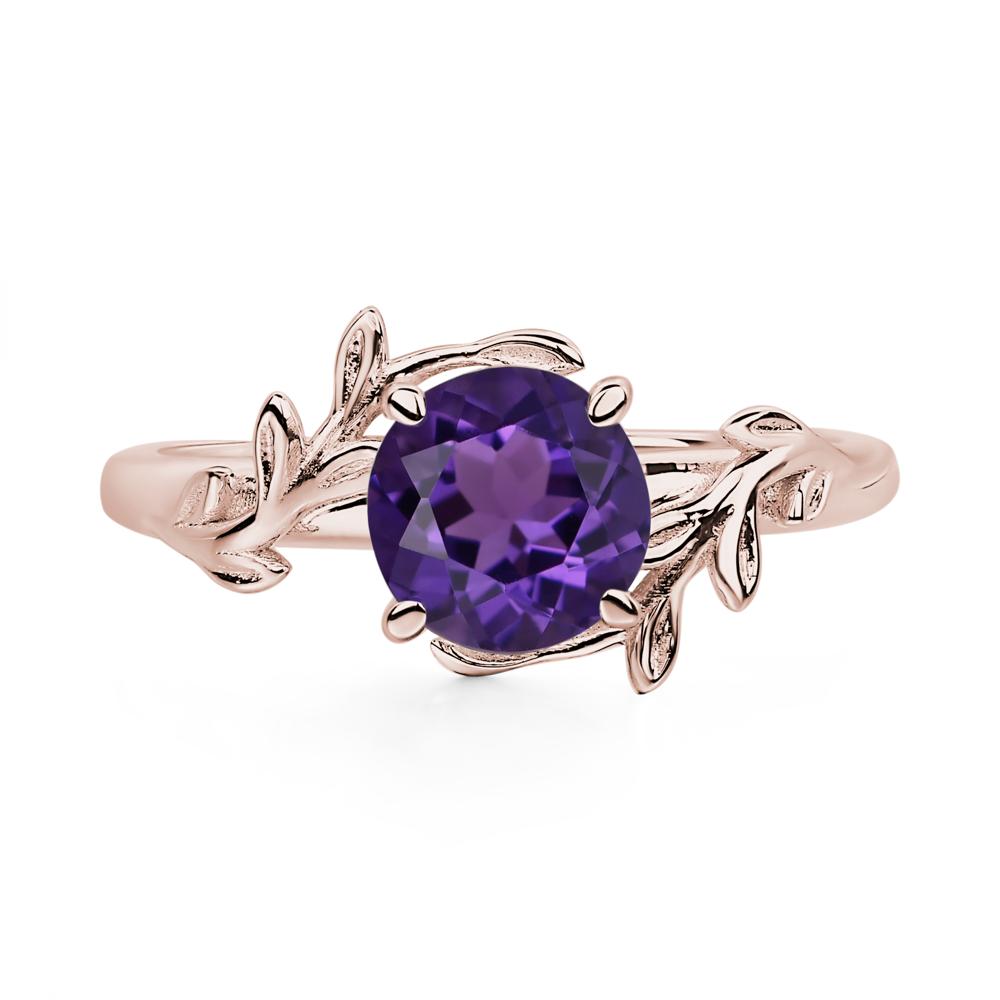
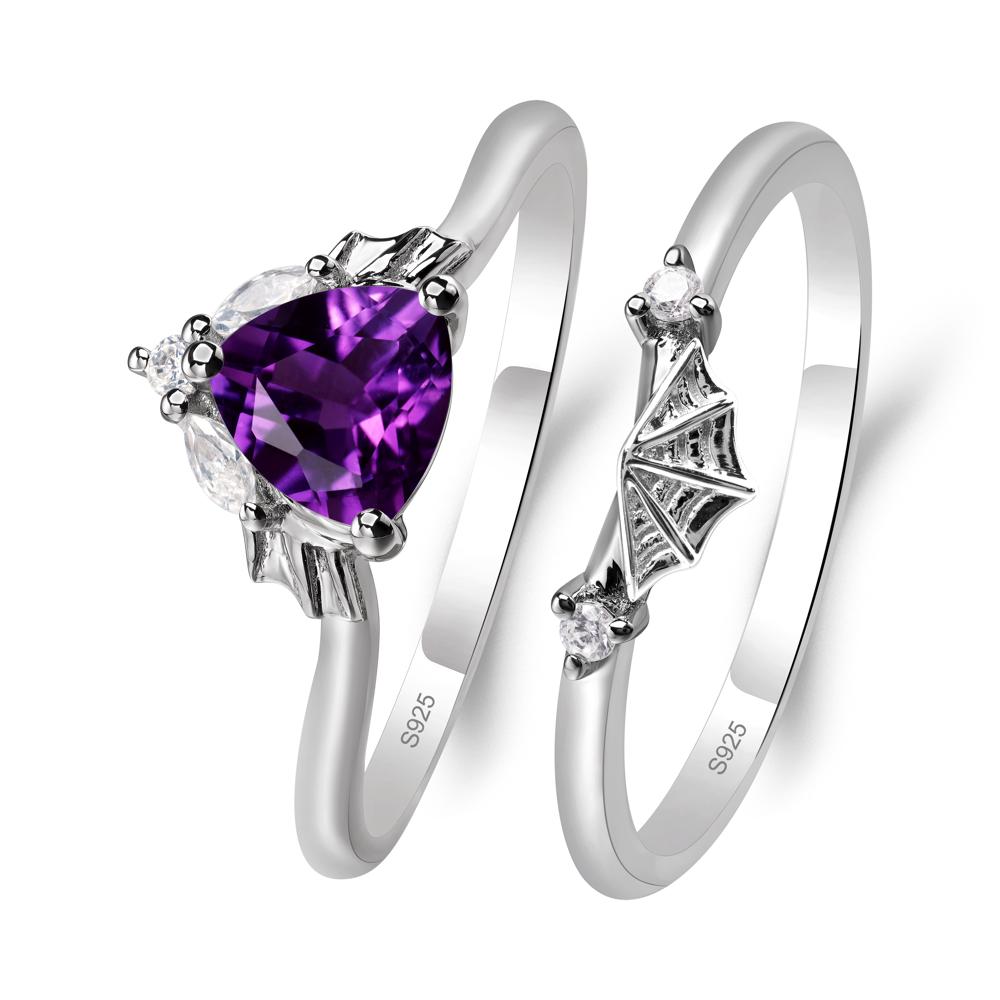
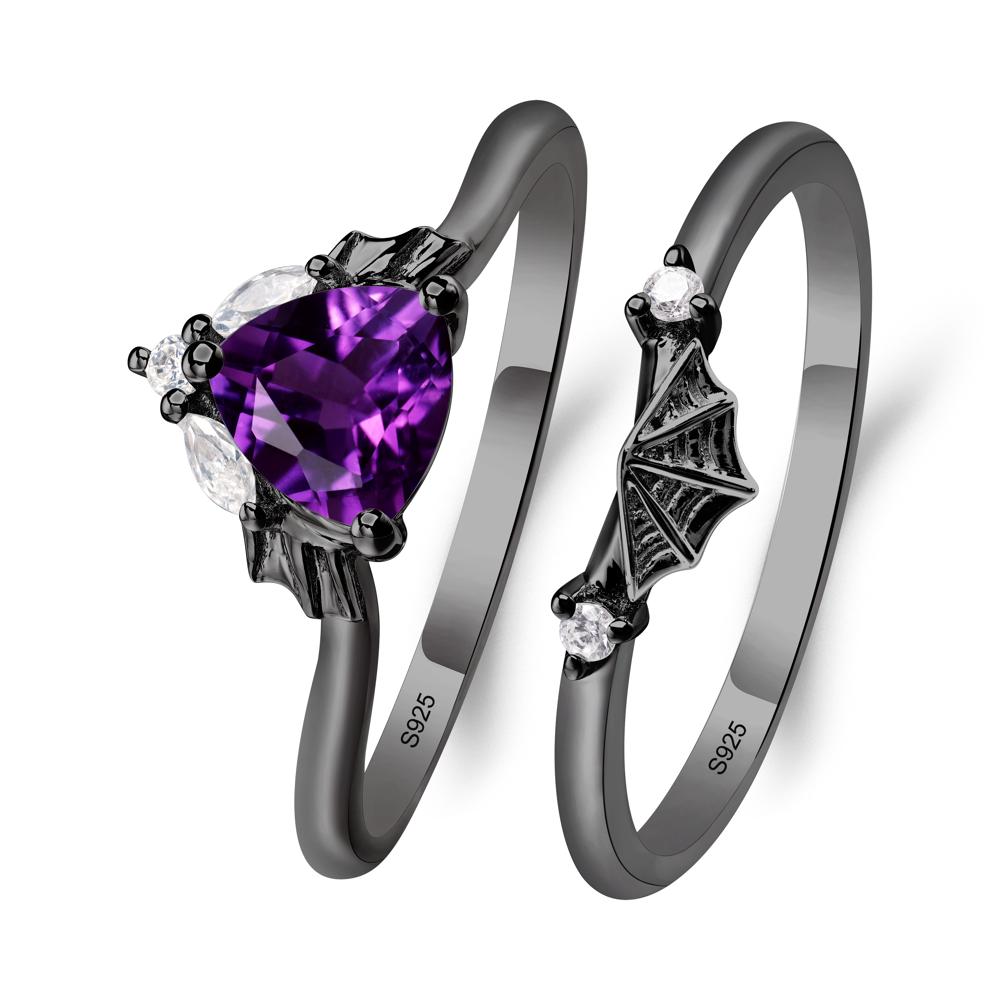
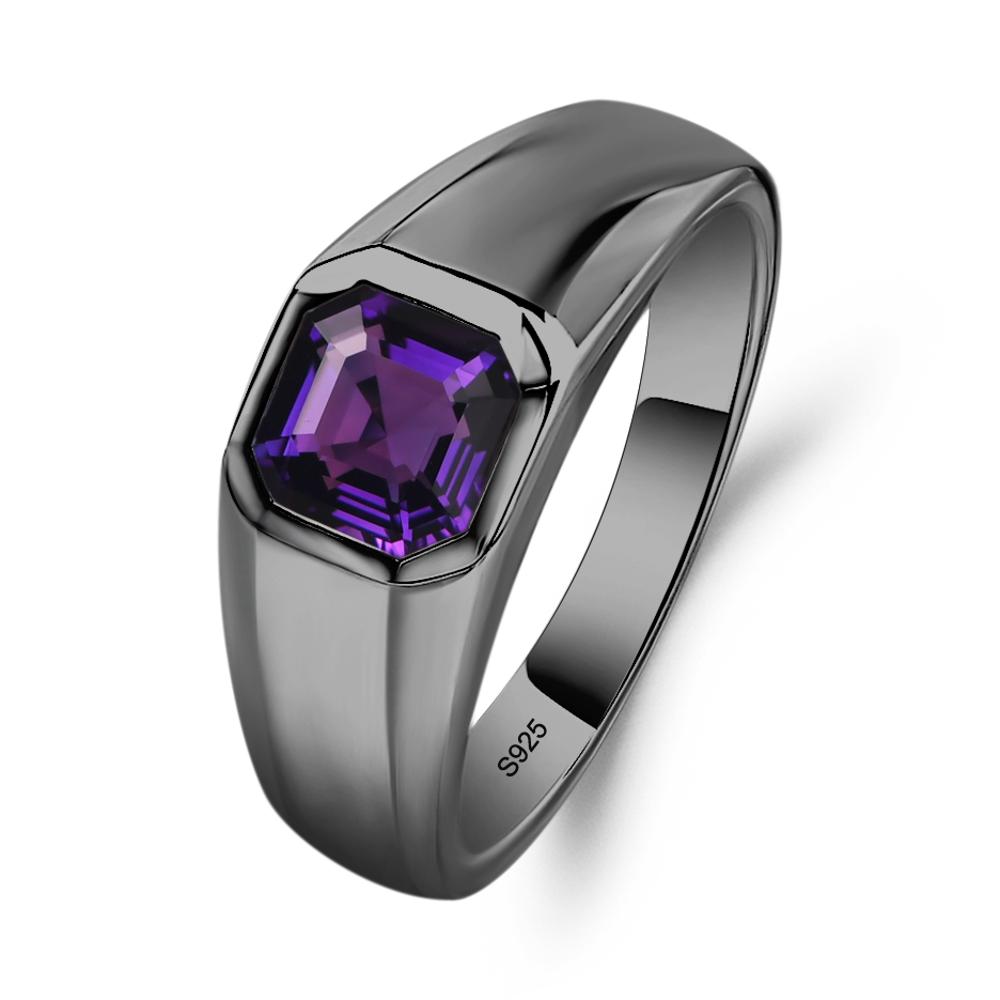
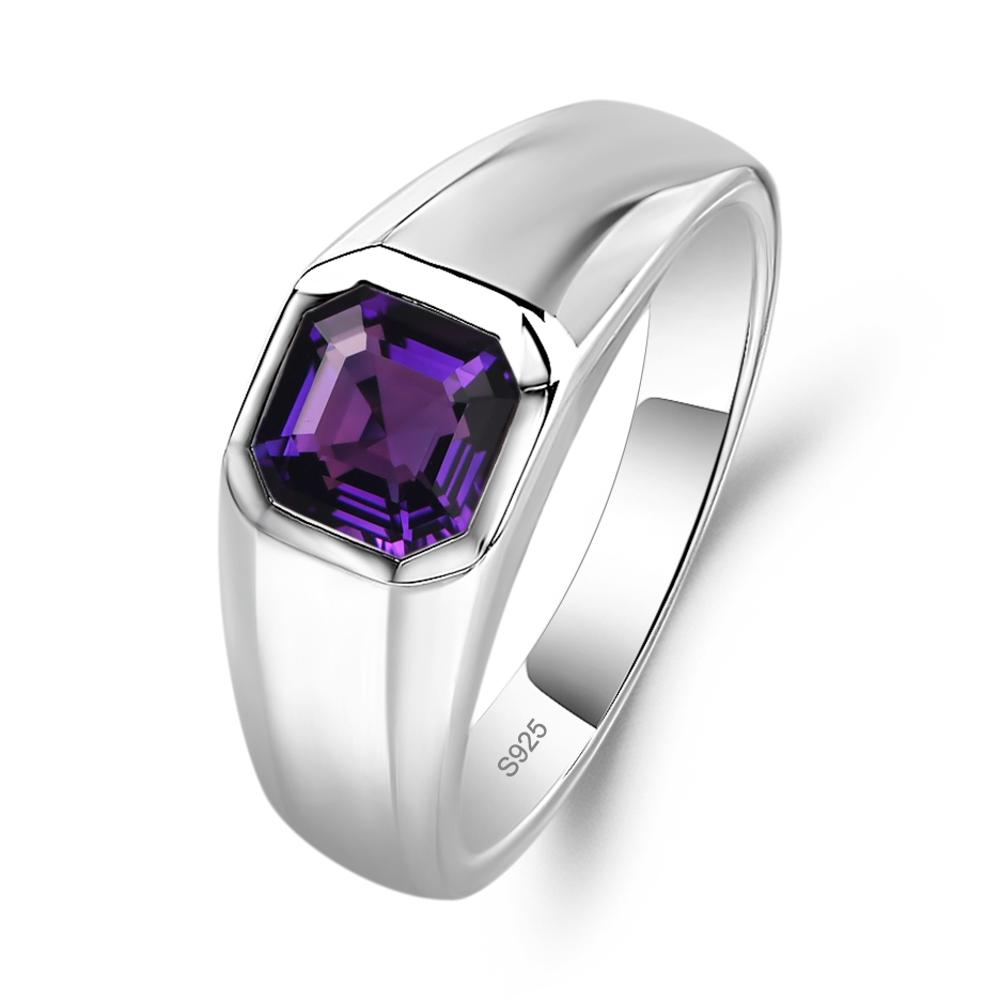
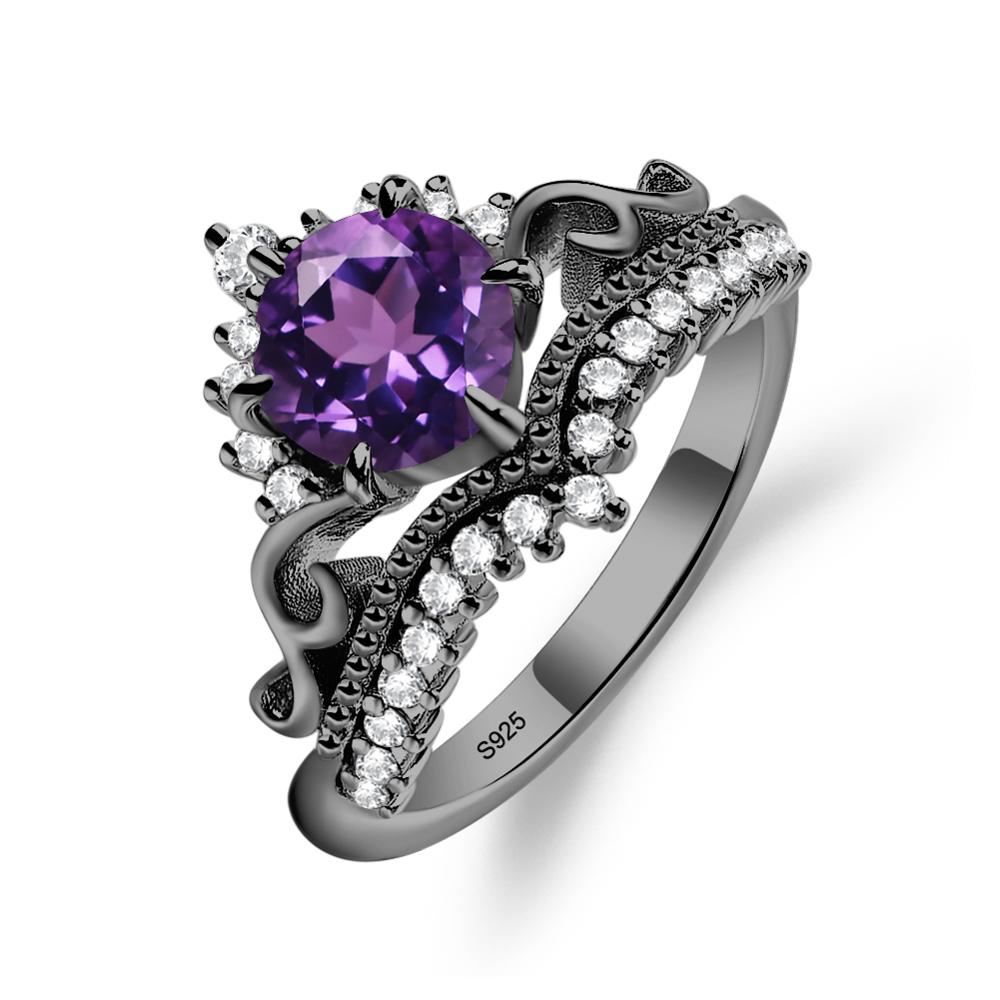
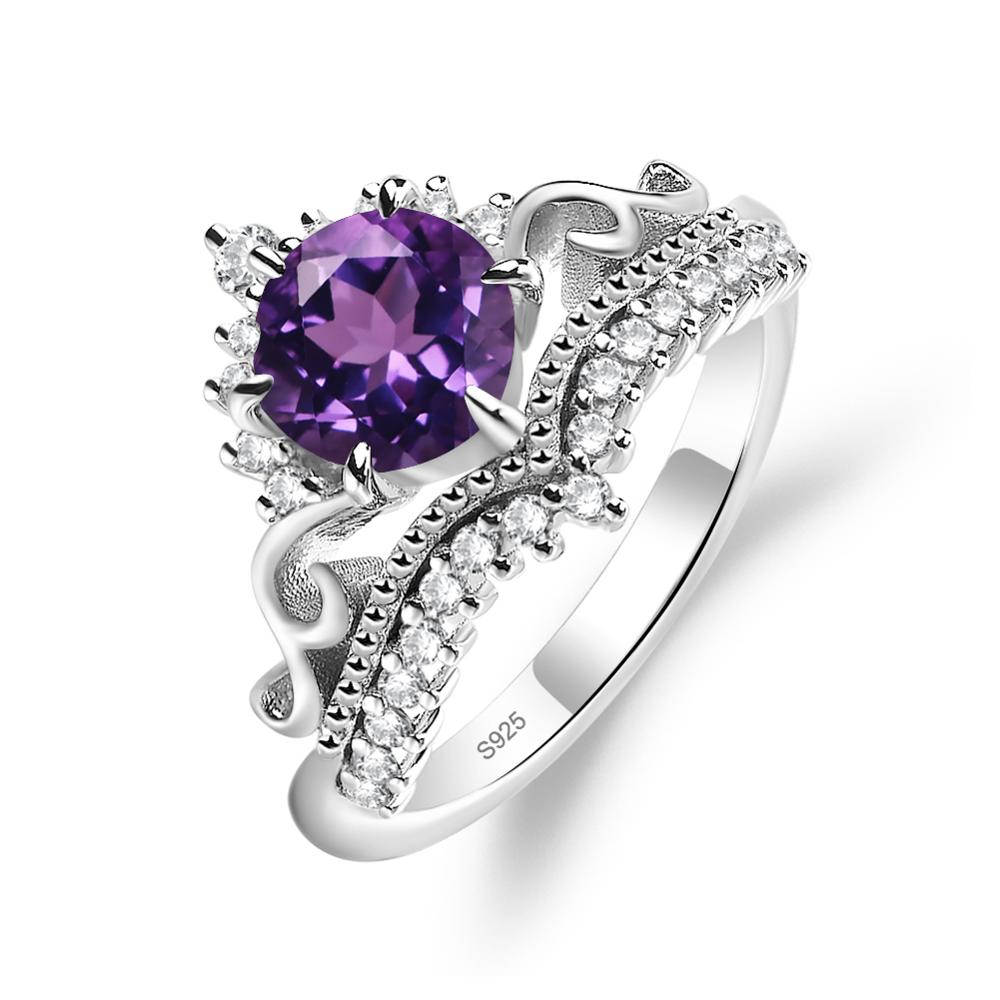
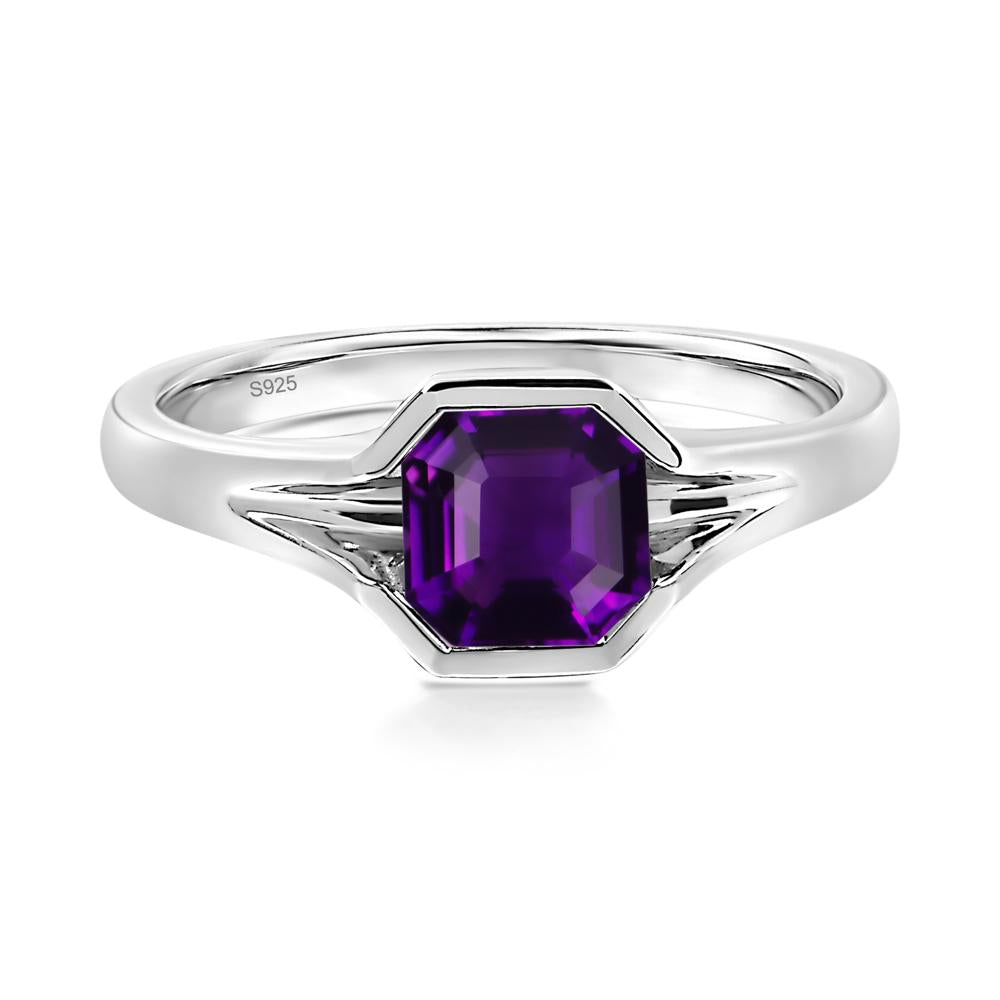
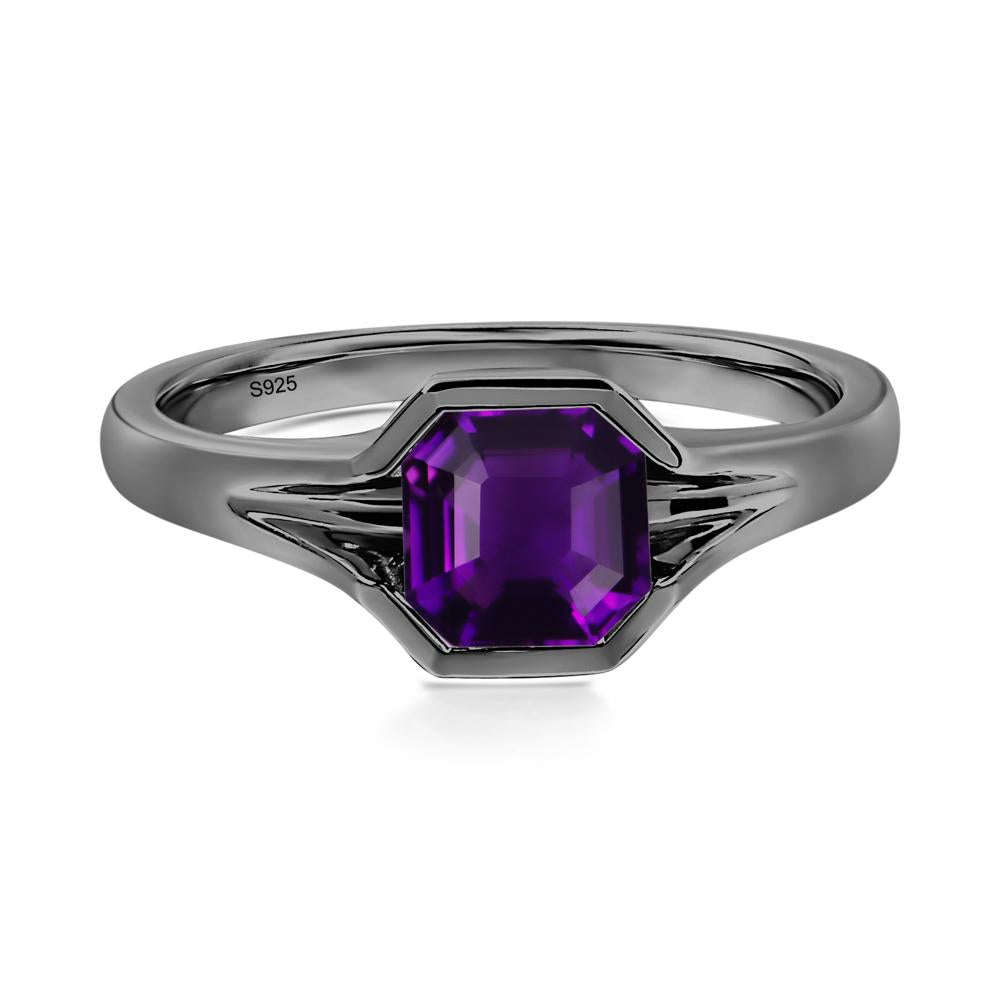
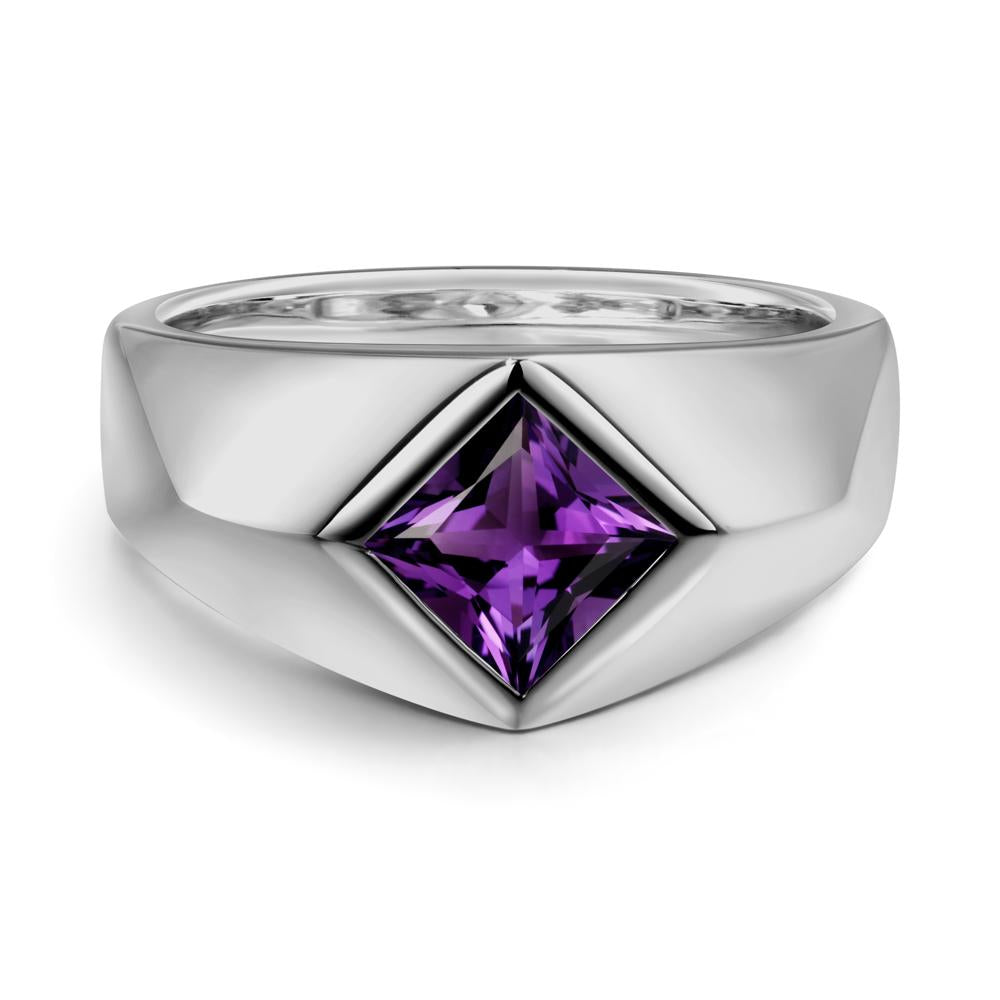
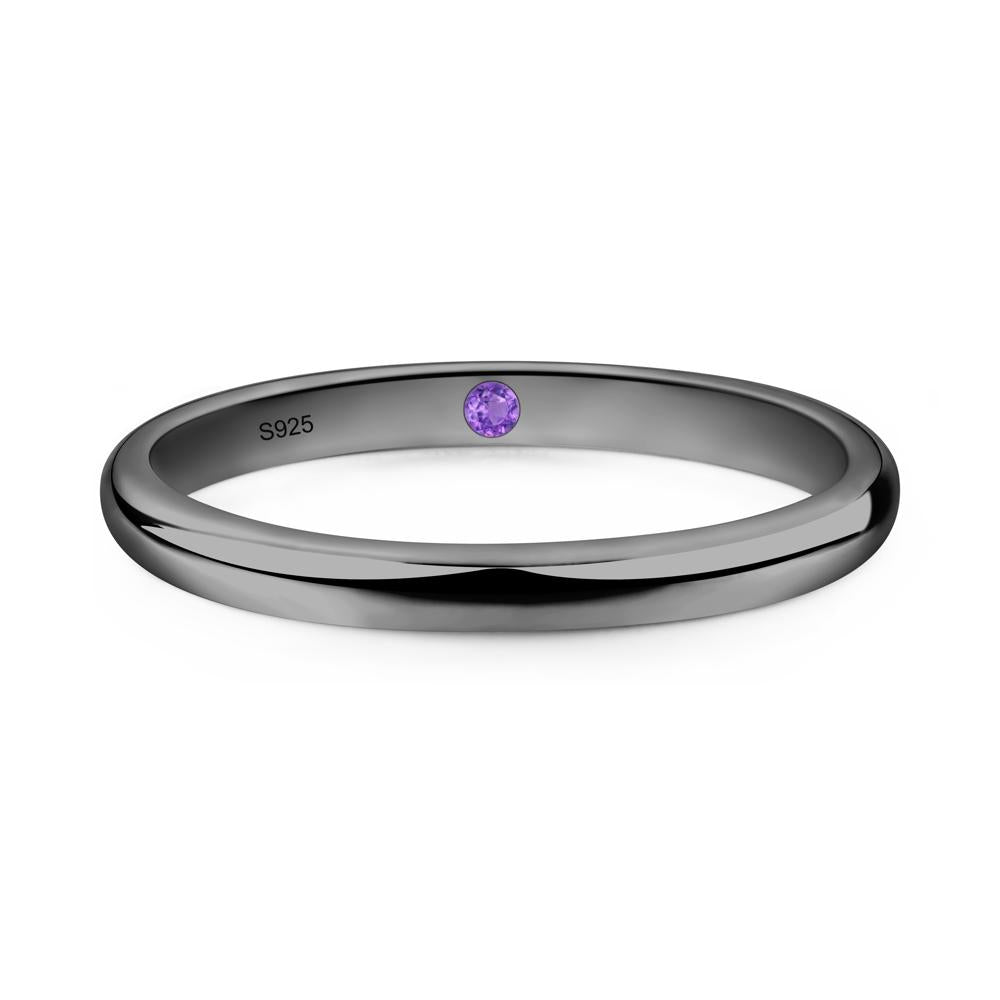
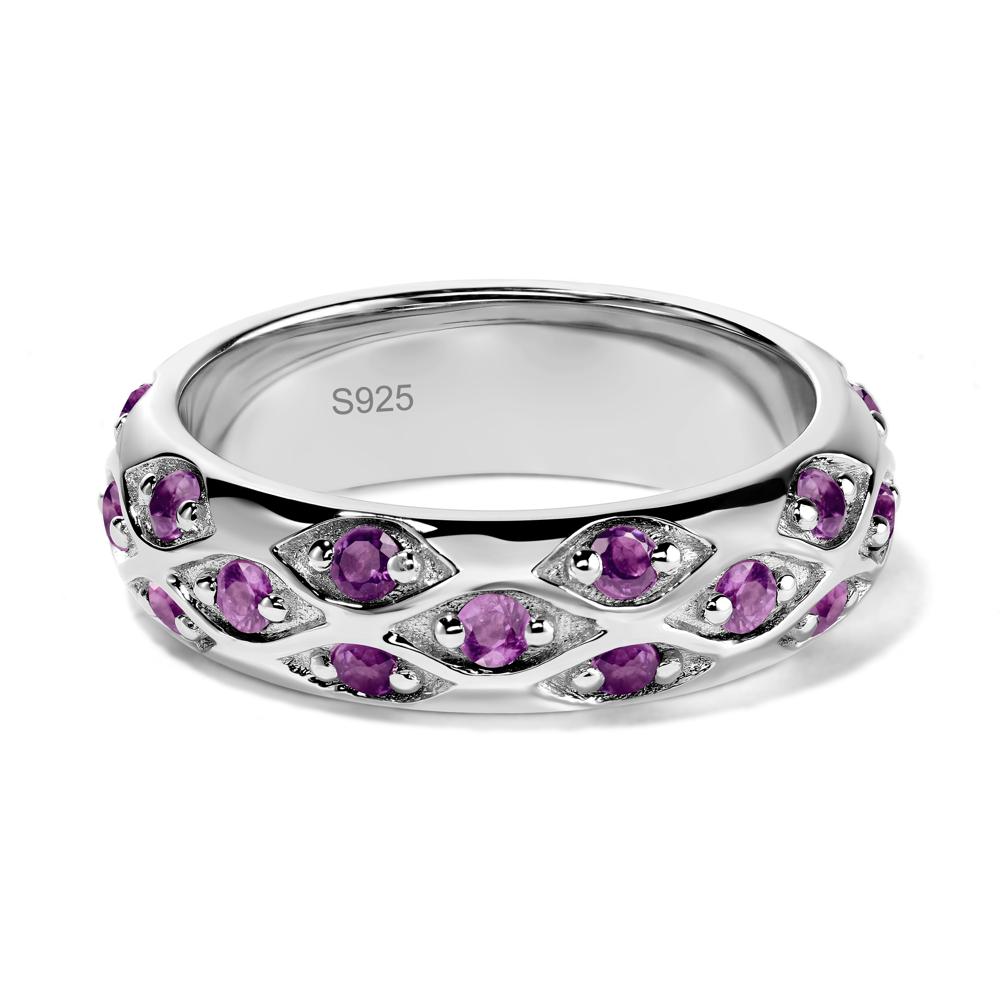
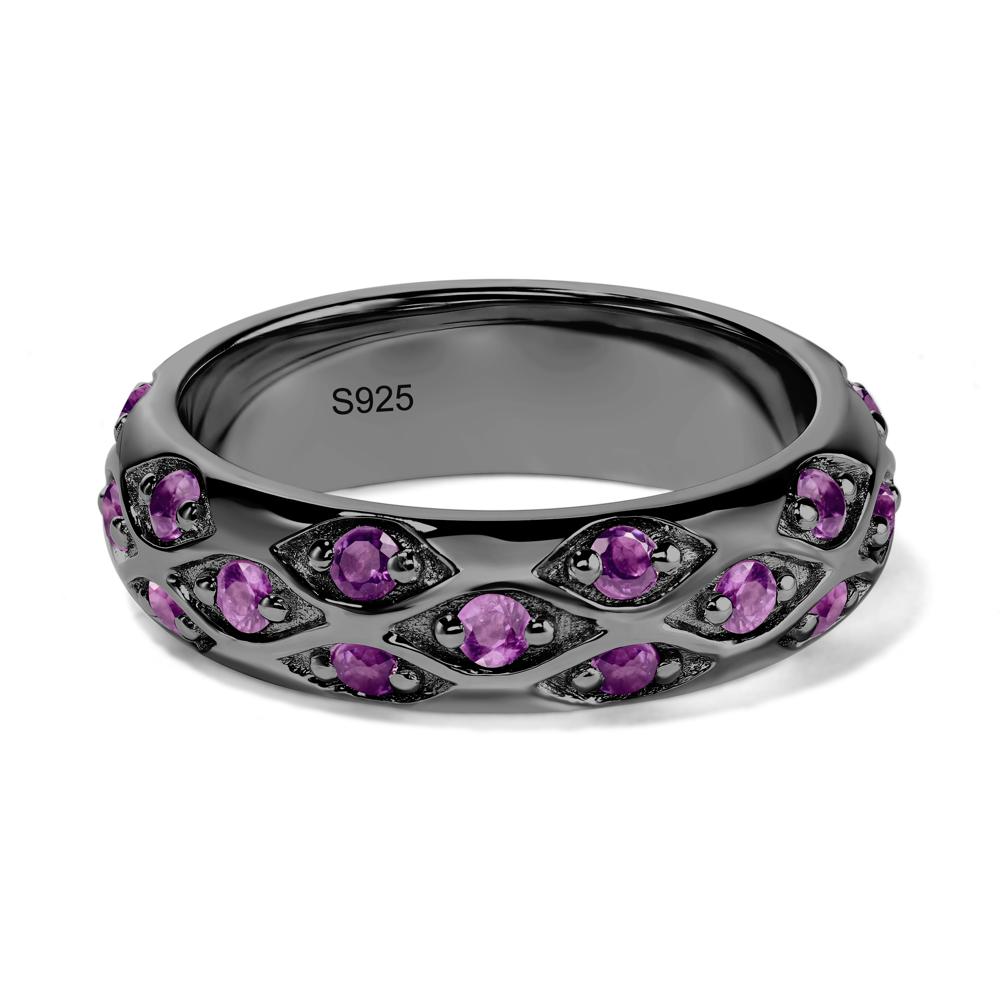
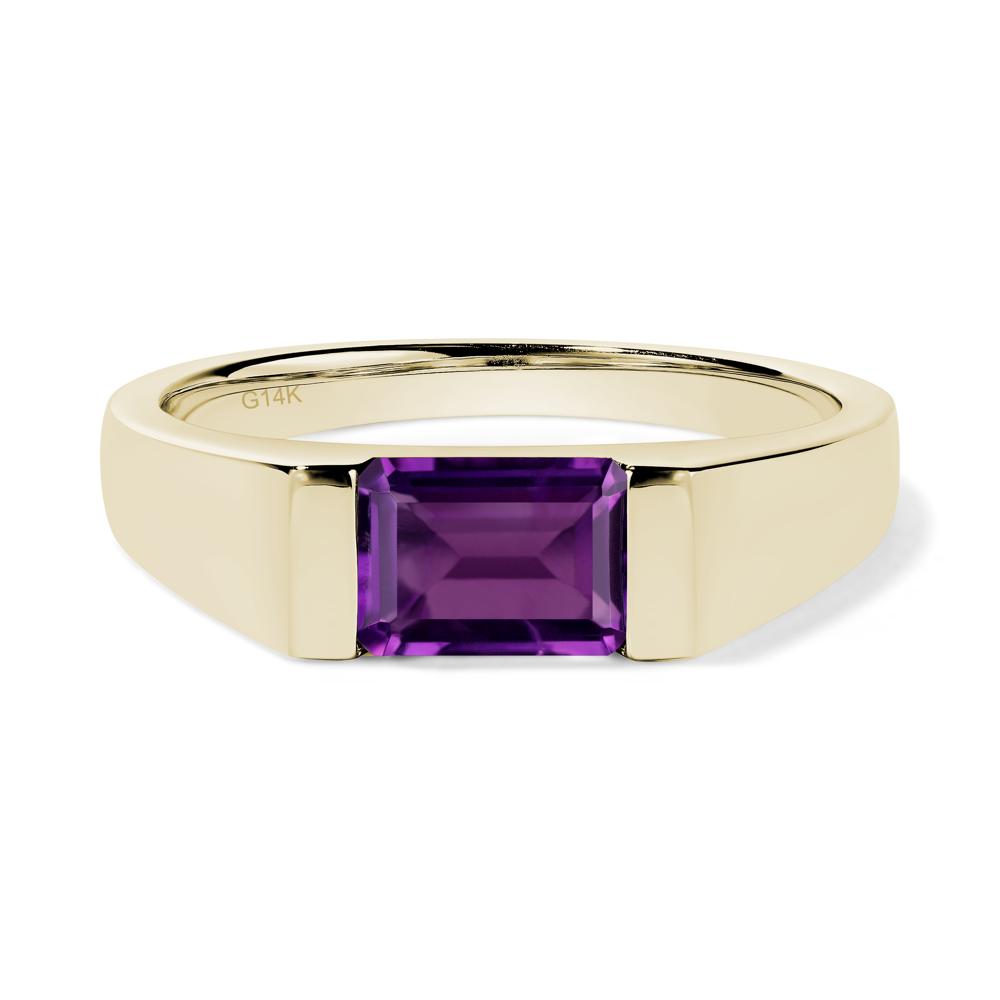
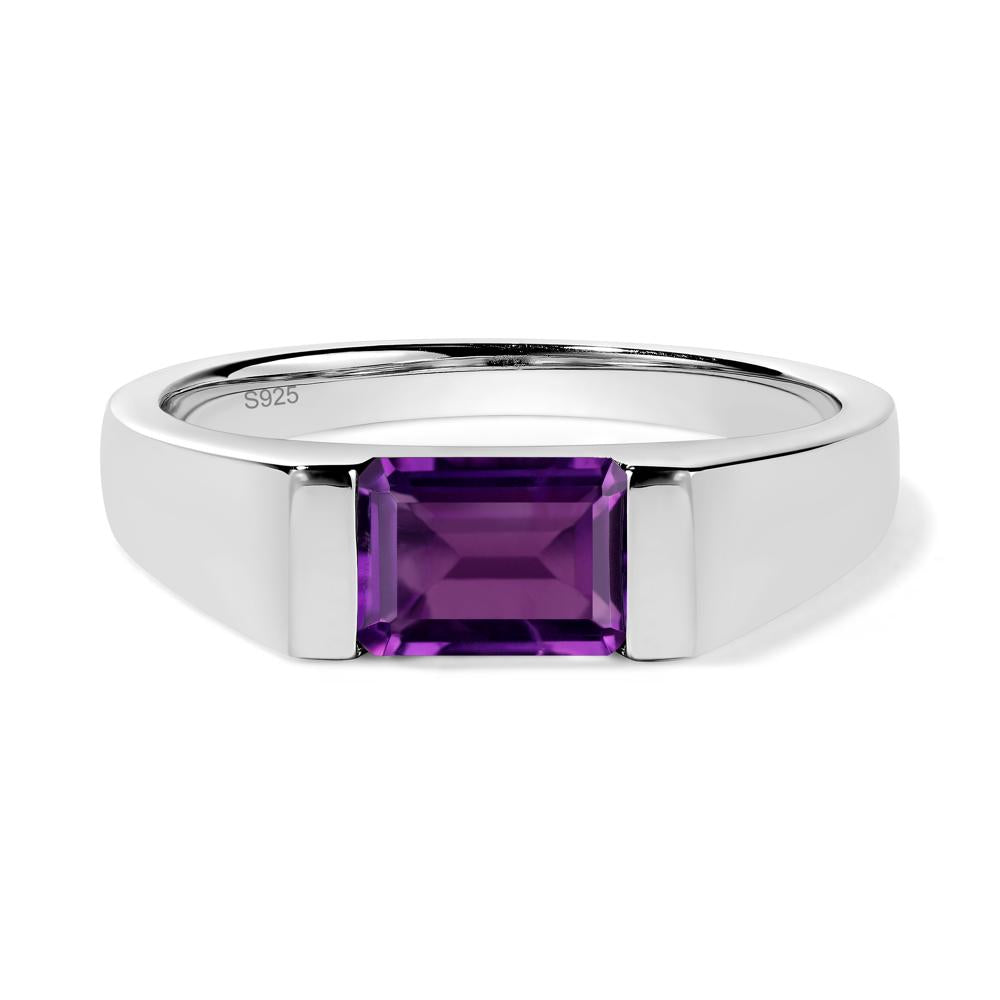
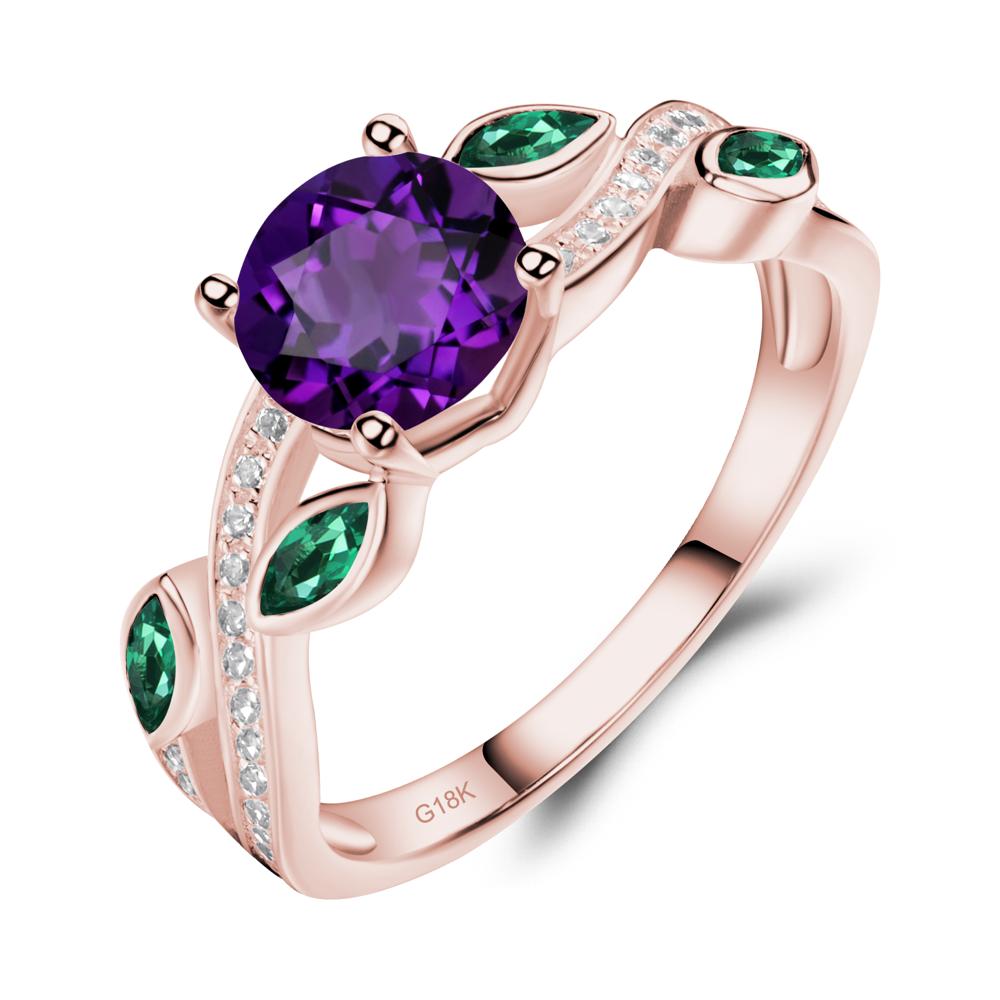
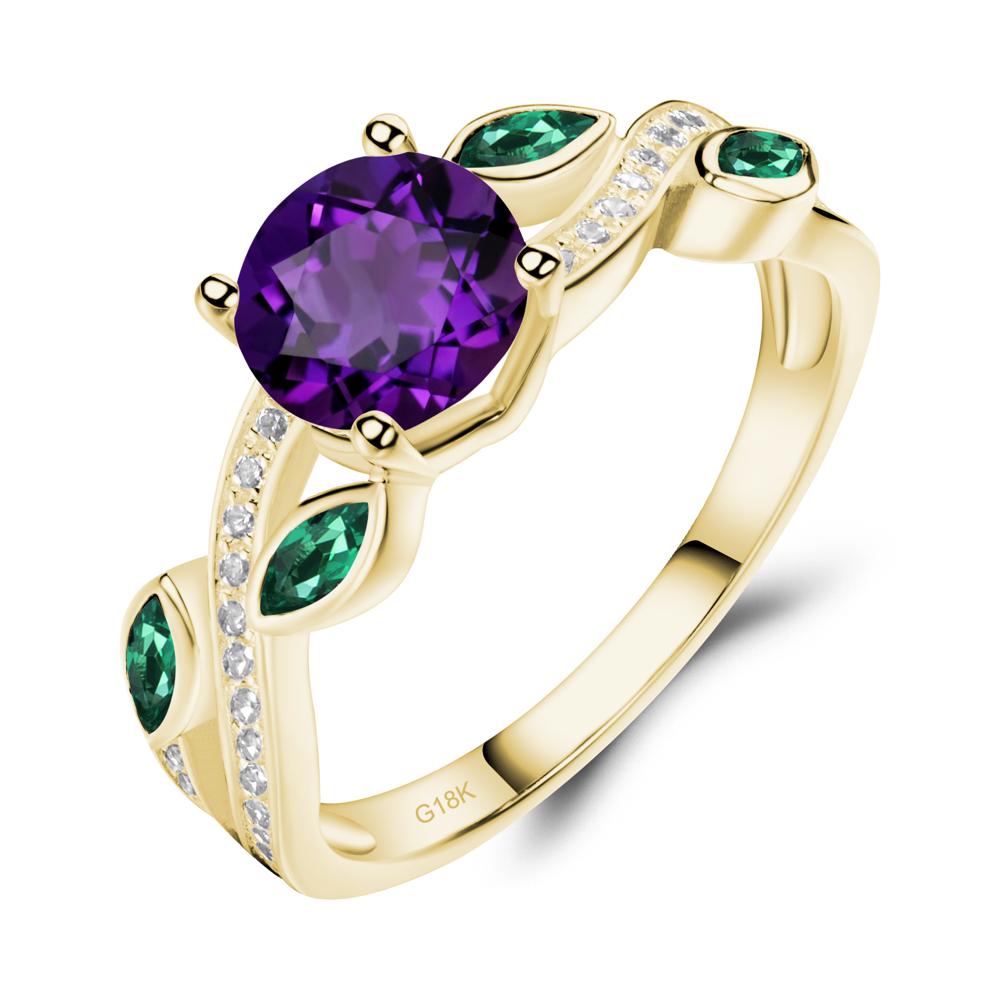
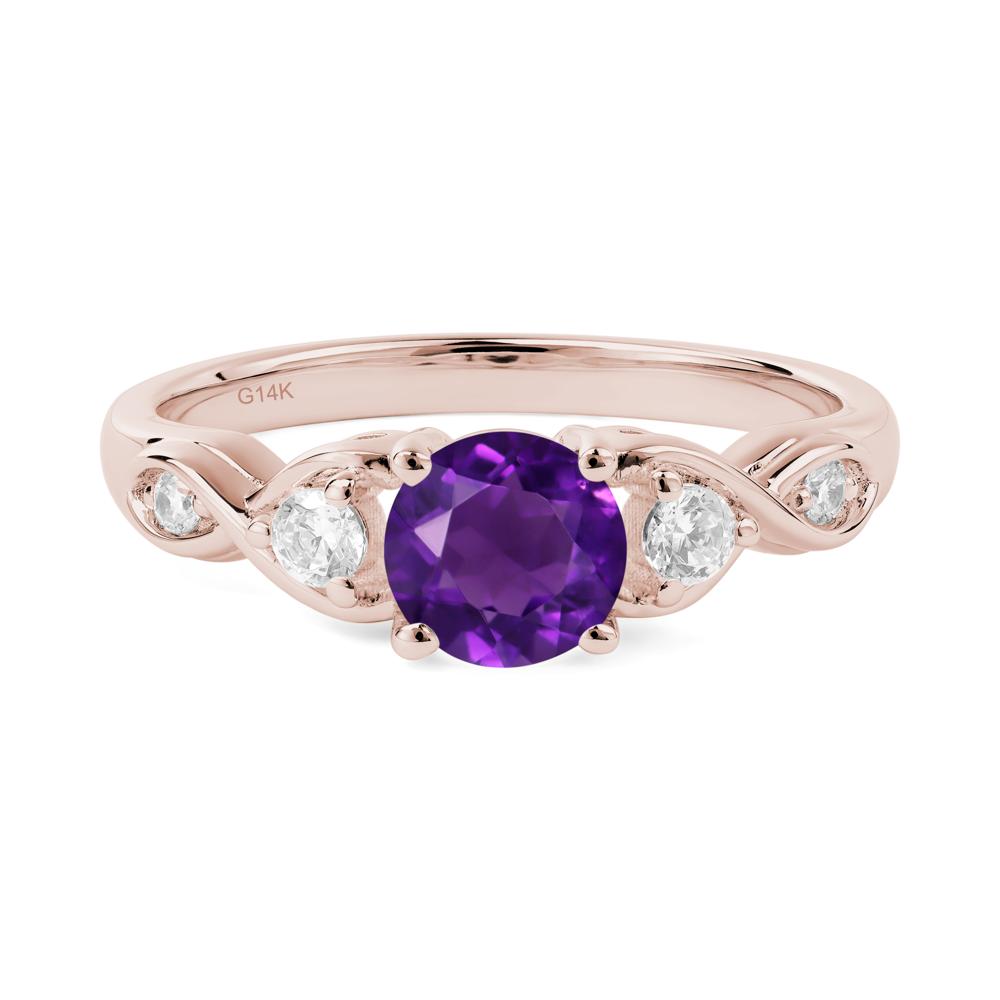
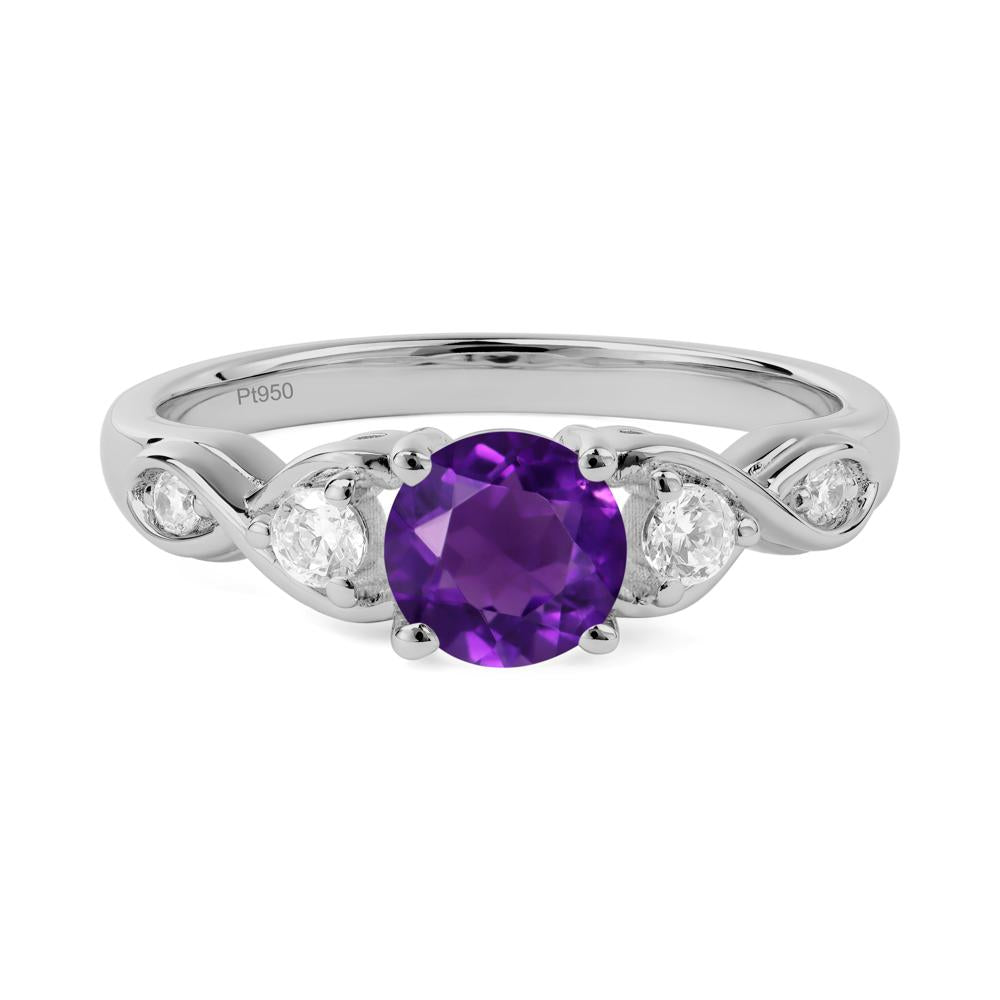
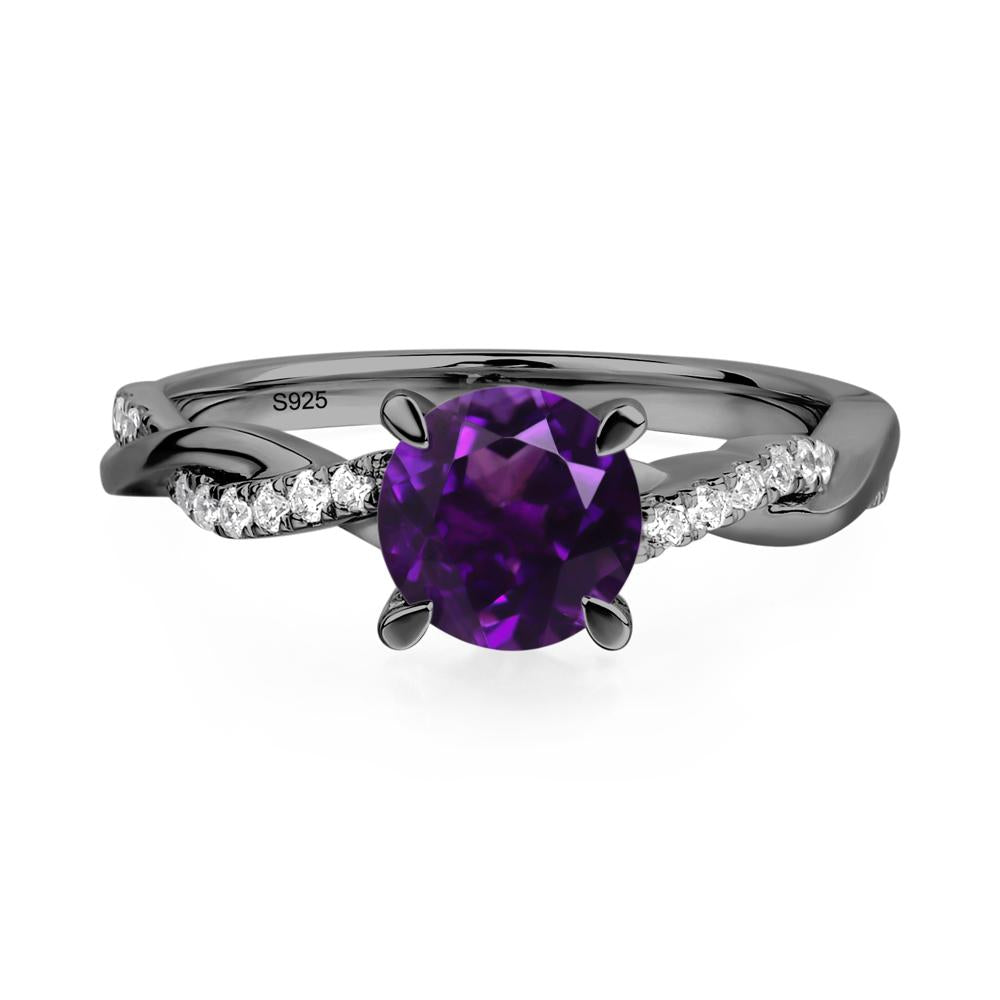
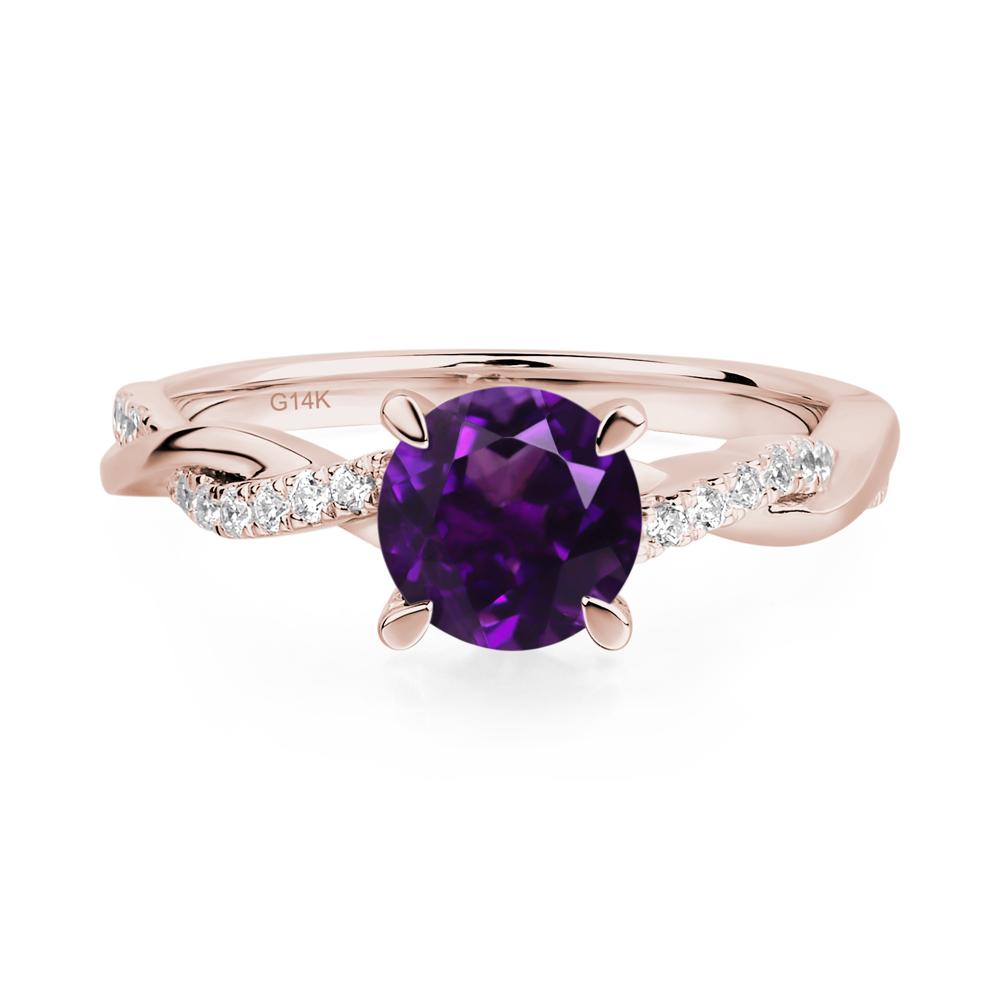
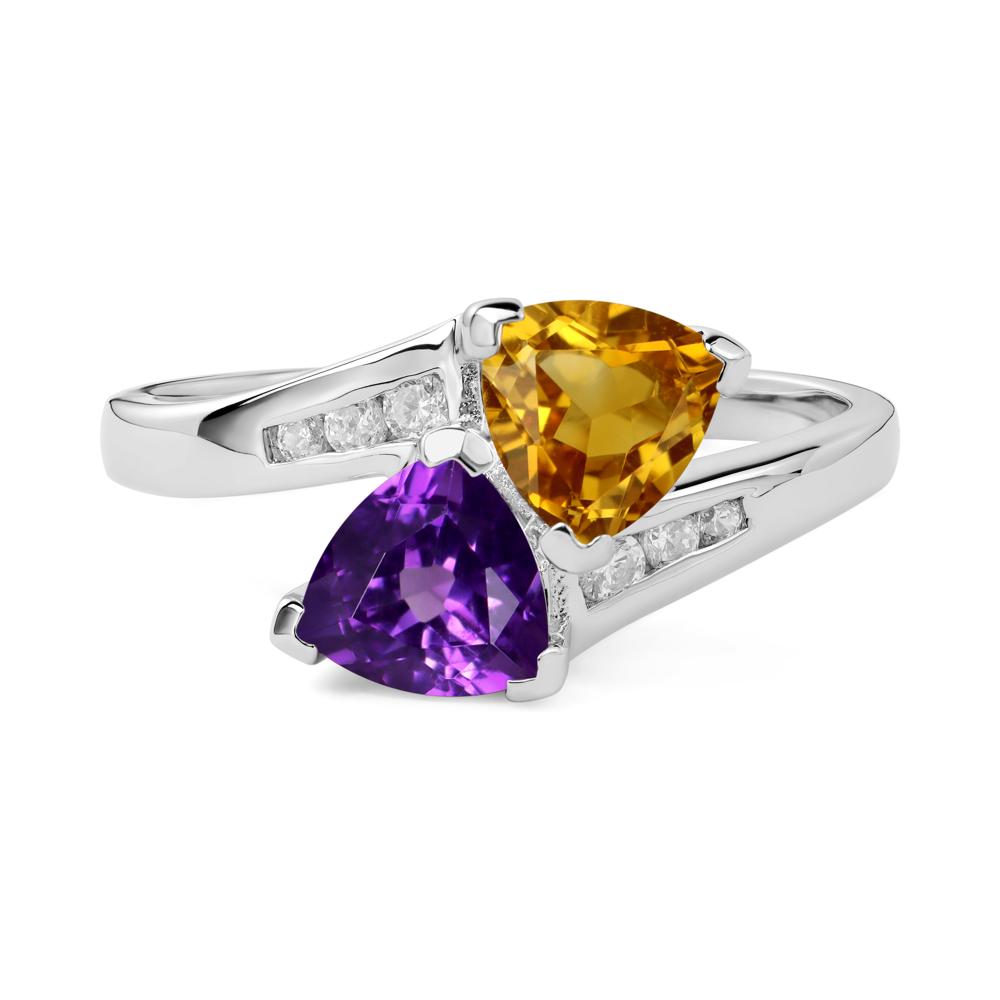
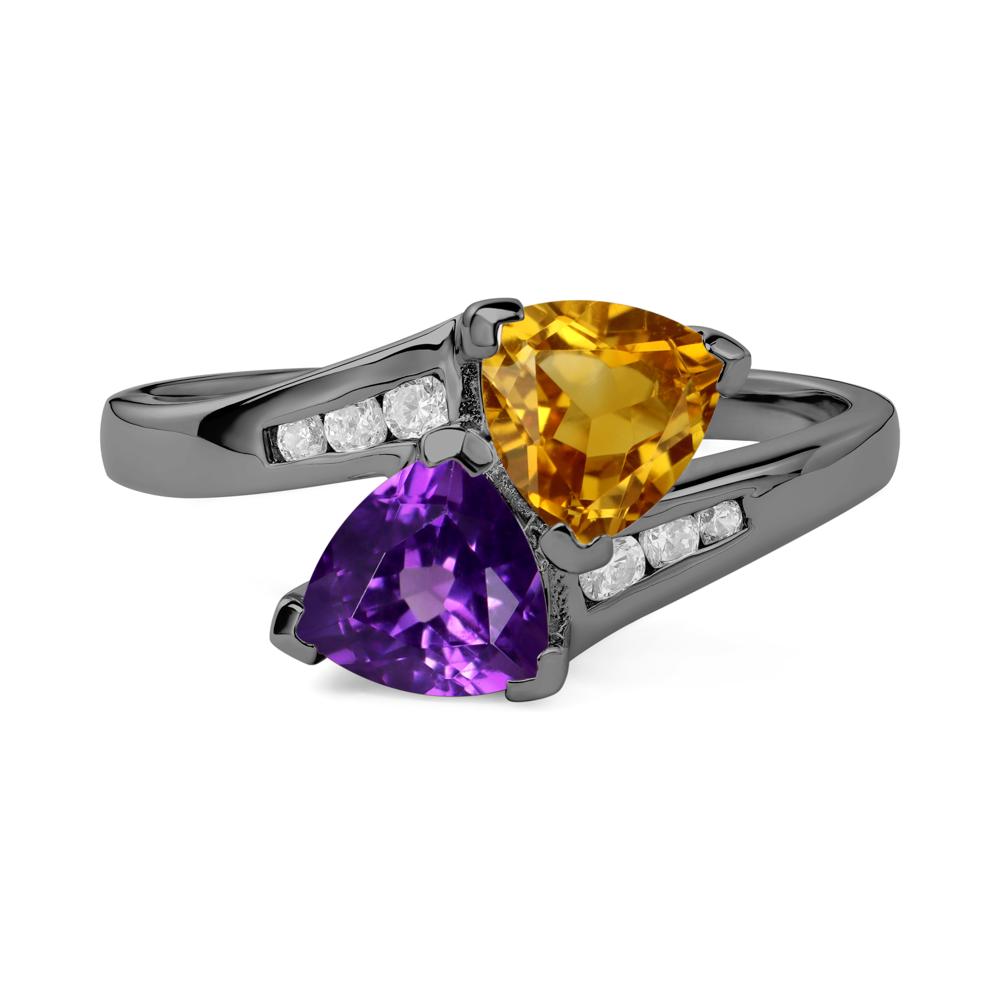
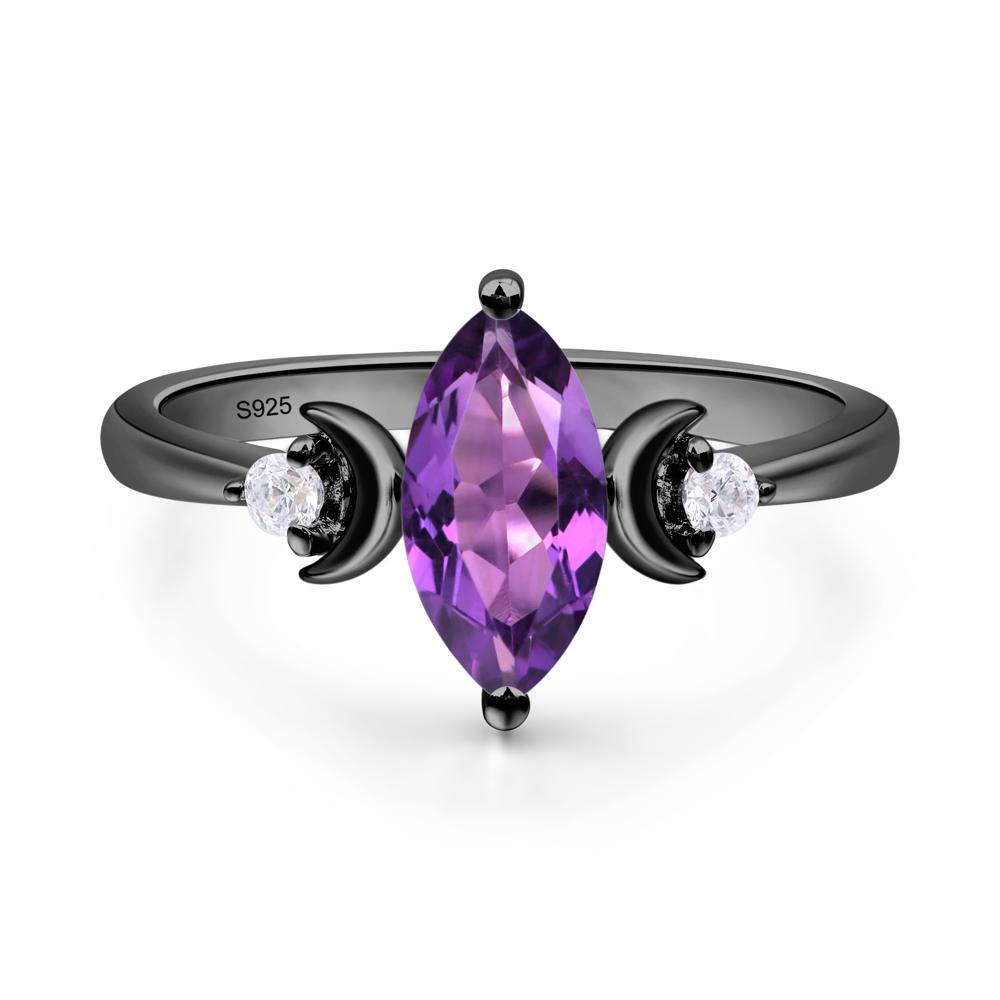
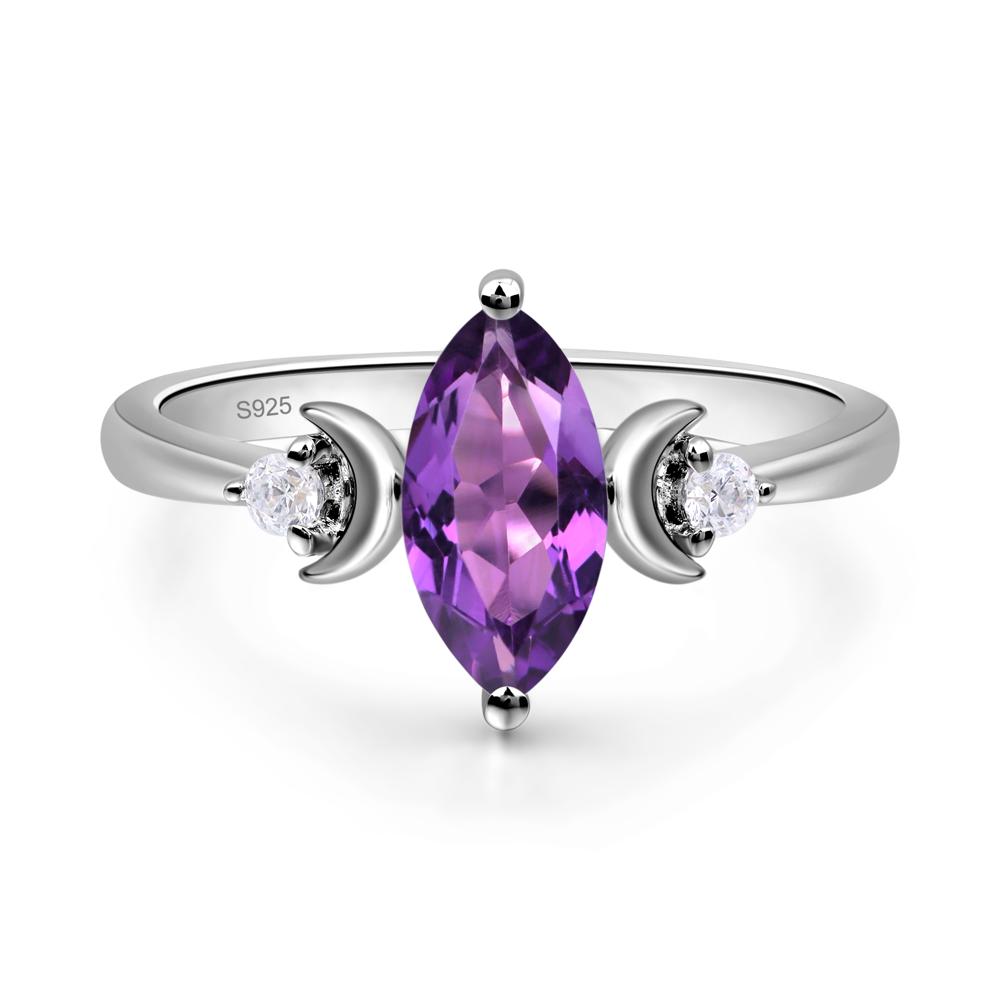
How to Clean Amethyst Rings?
✅ Do's
- Safe with mild soap and water
- Gentle brushing is suitable
🚫 Don'ts
- Avoid harsh chemical exposure
- Avoid boiling water and steam cleaners
- Avoid prolonged sunlight exposure
- Avoid ultrasonic cleaners

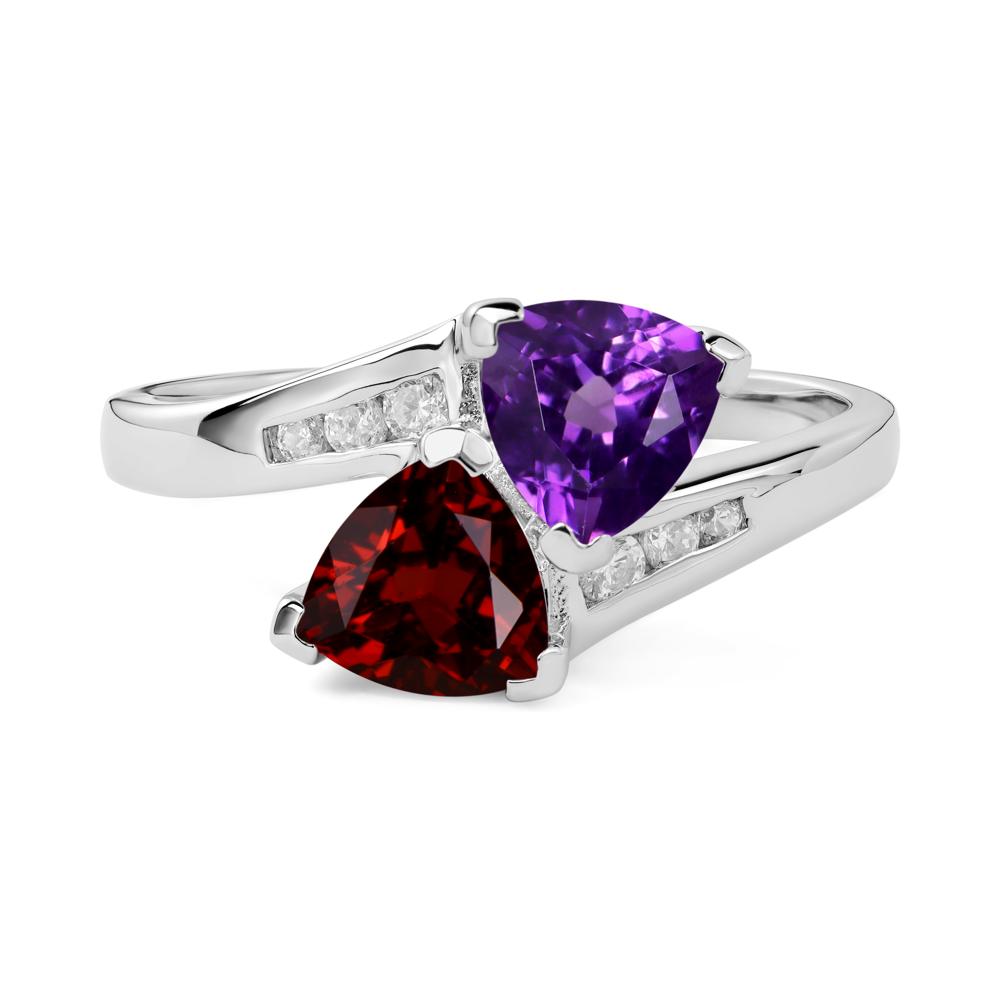
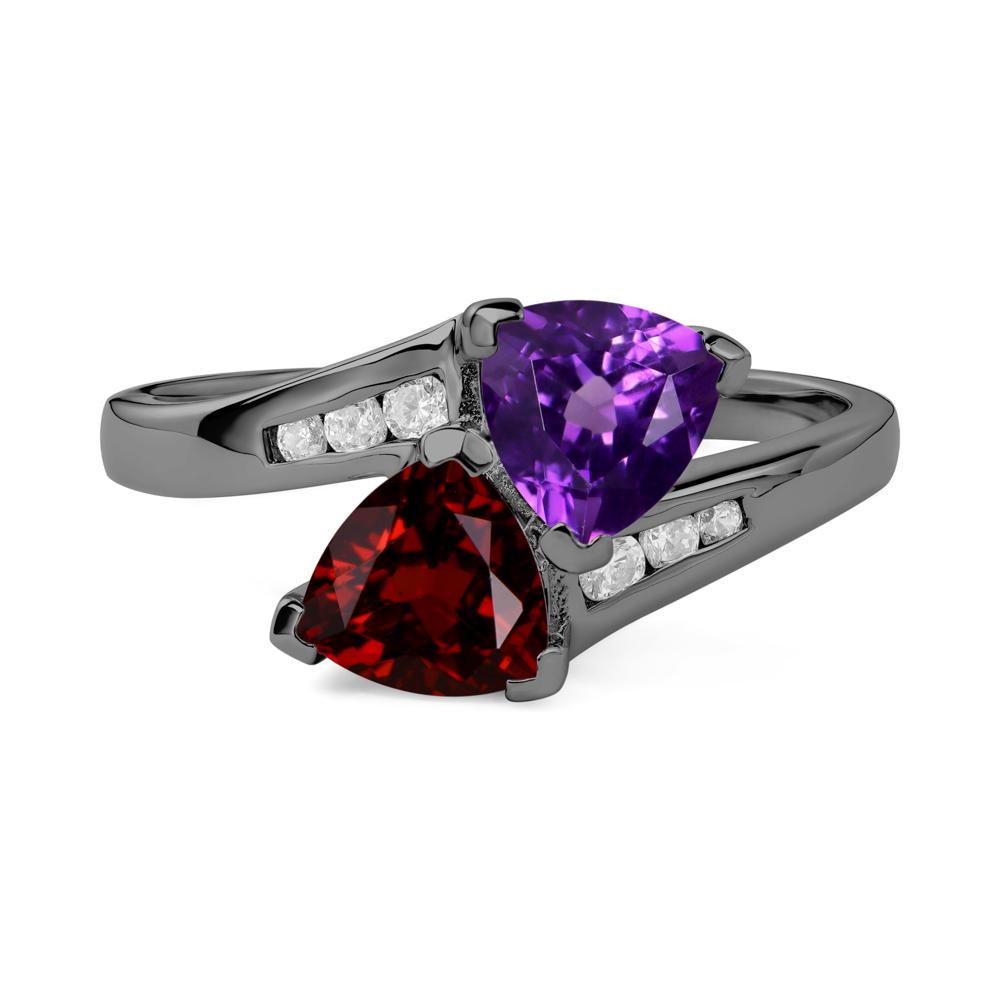
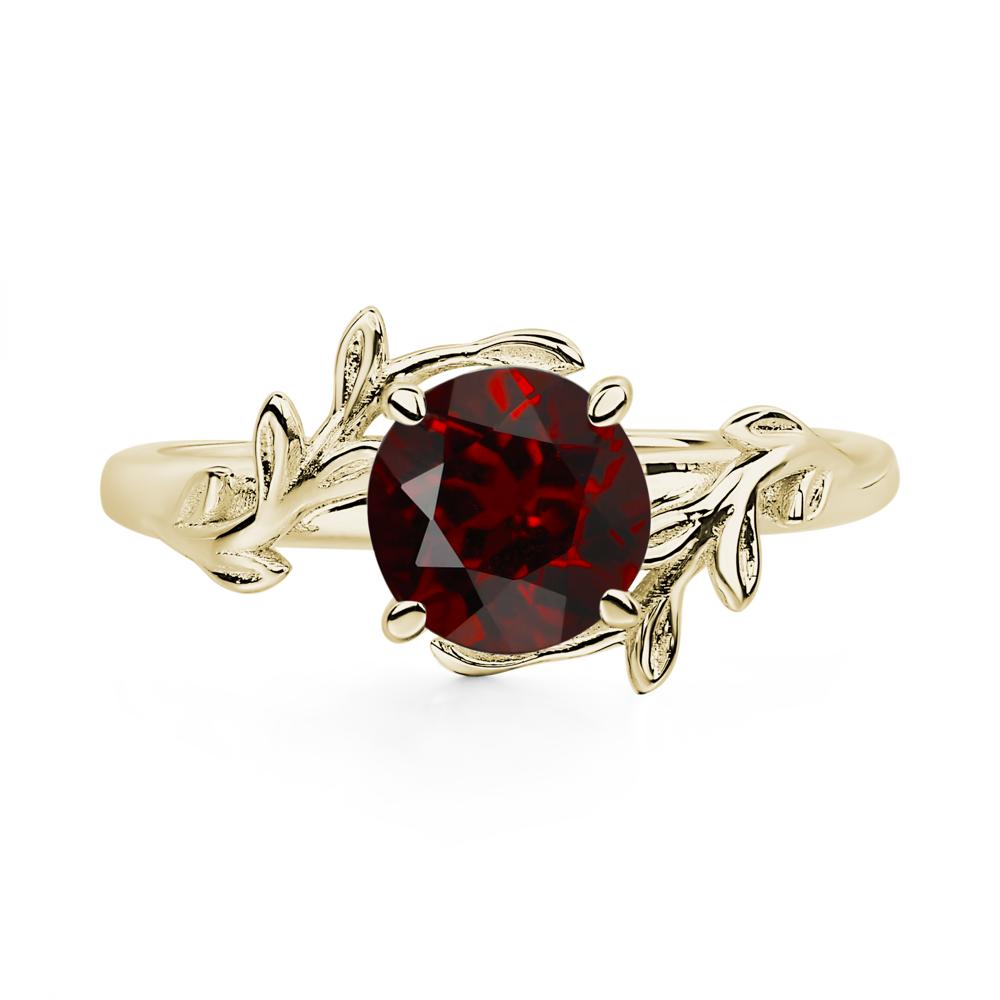
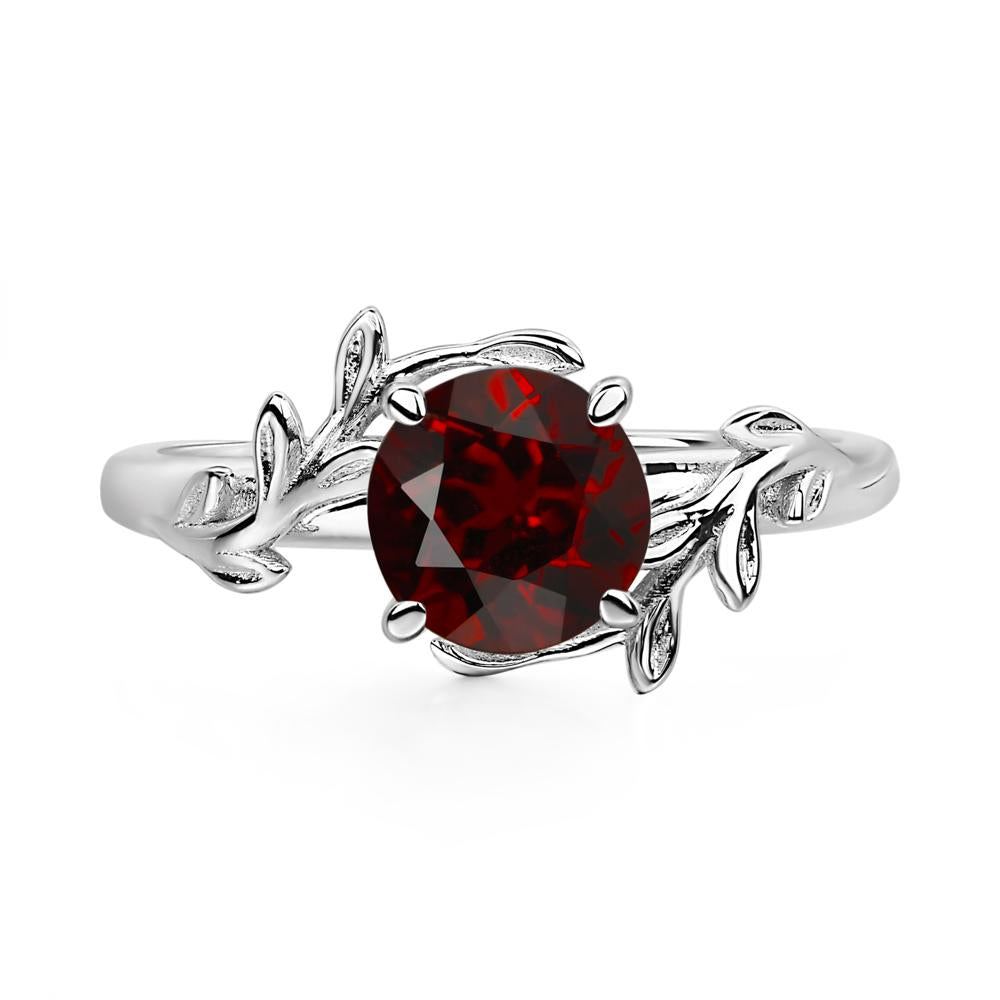
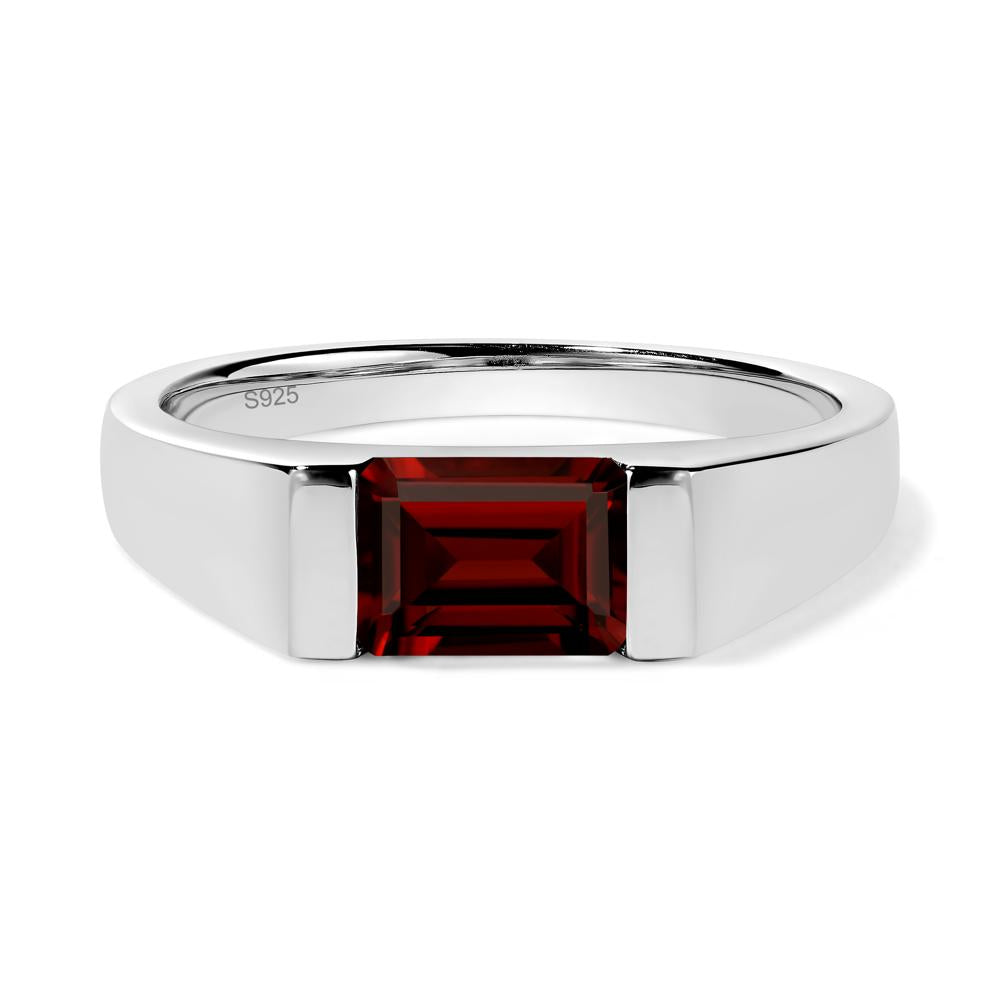
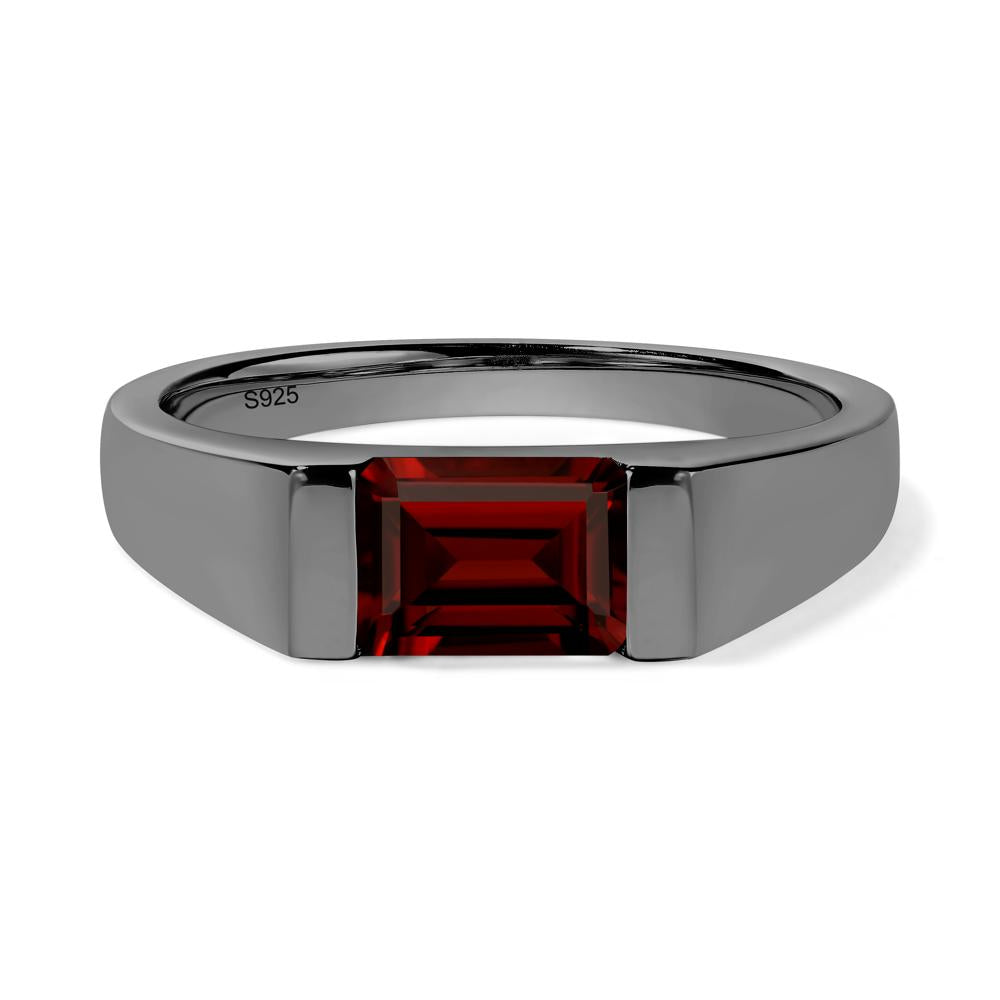
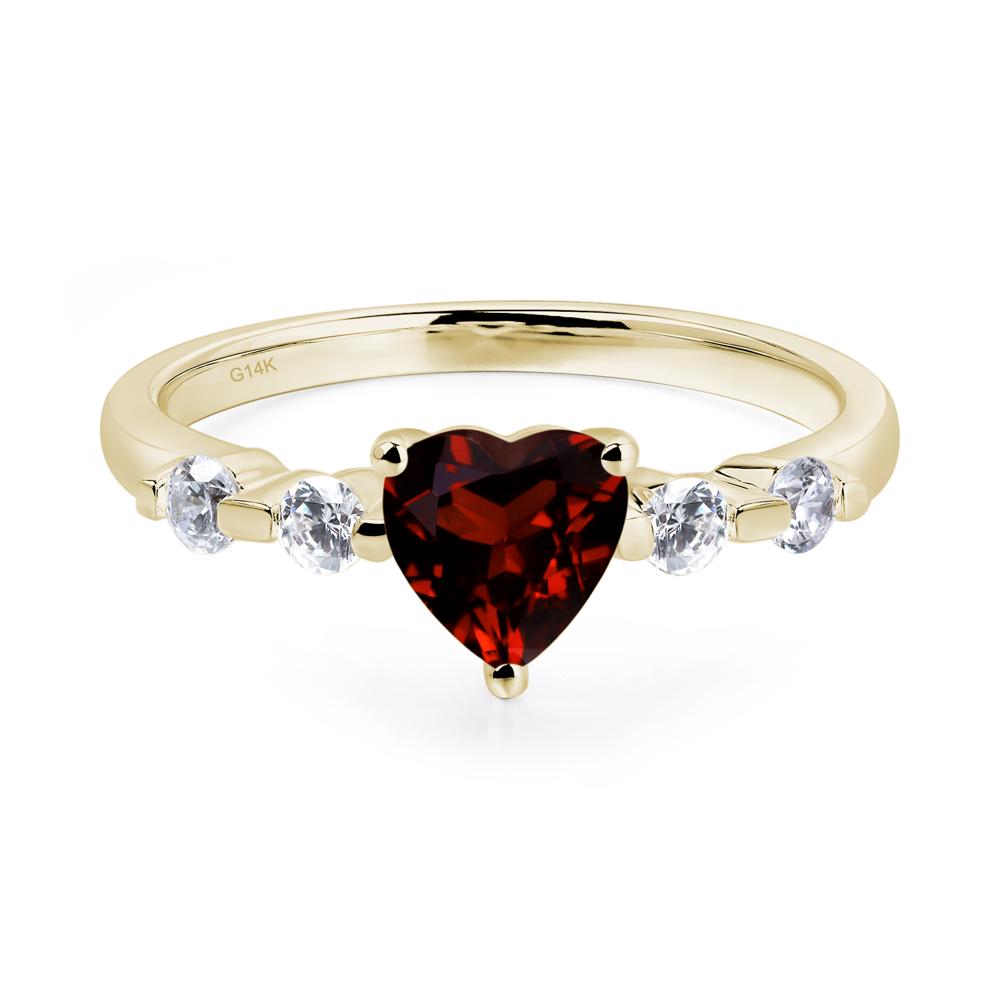
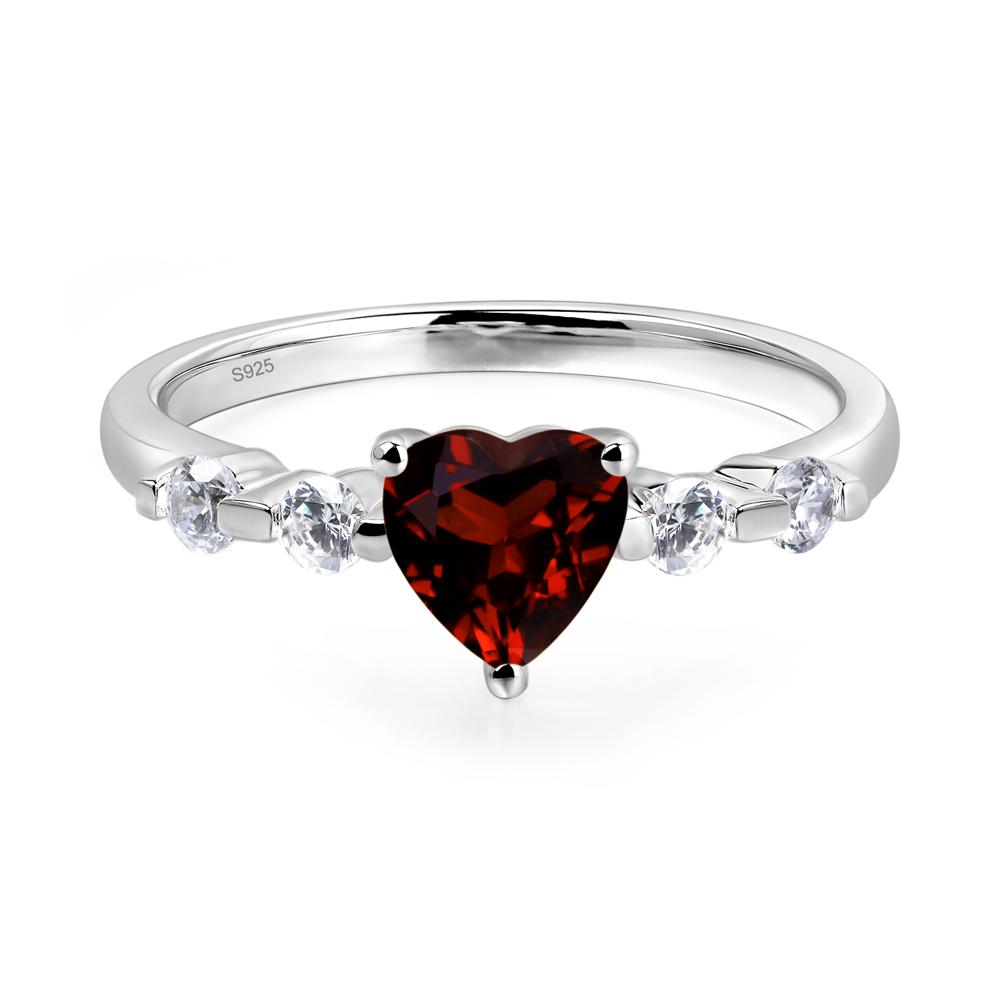
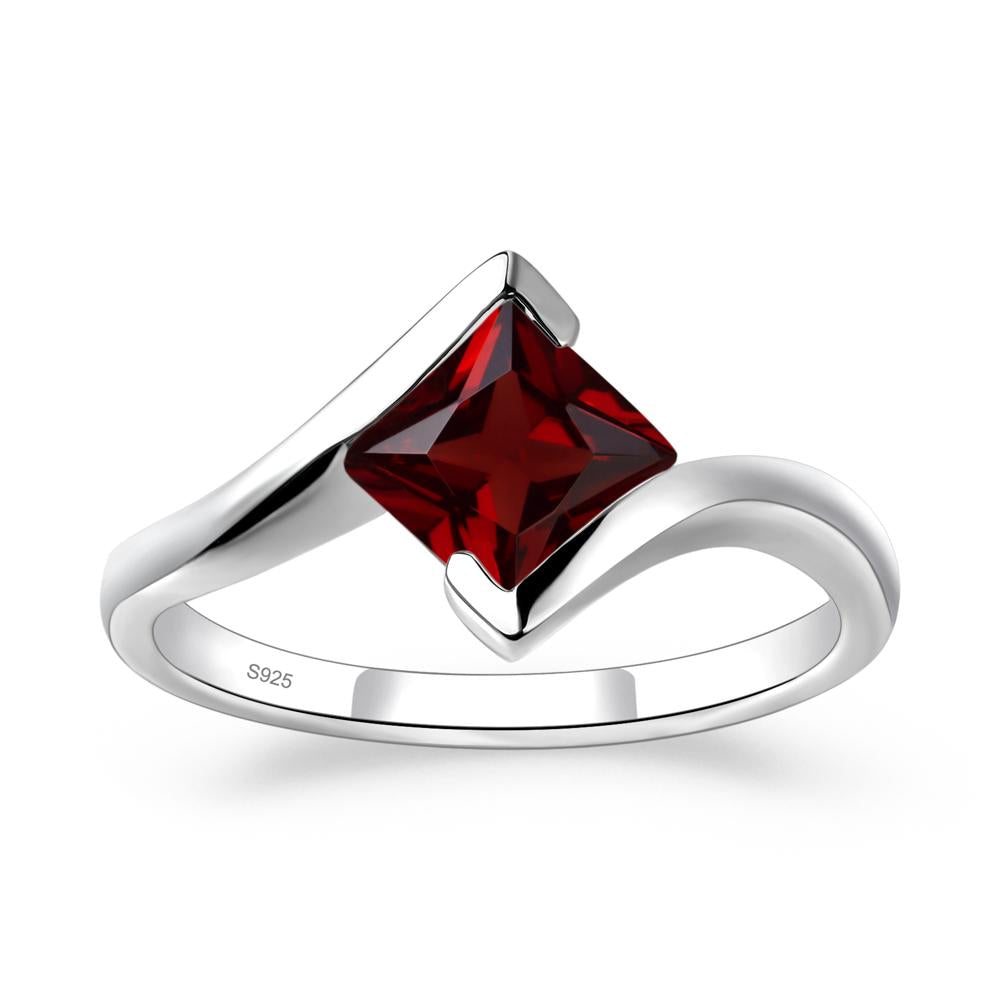
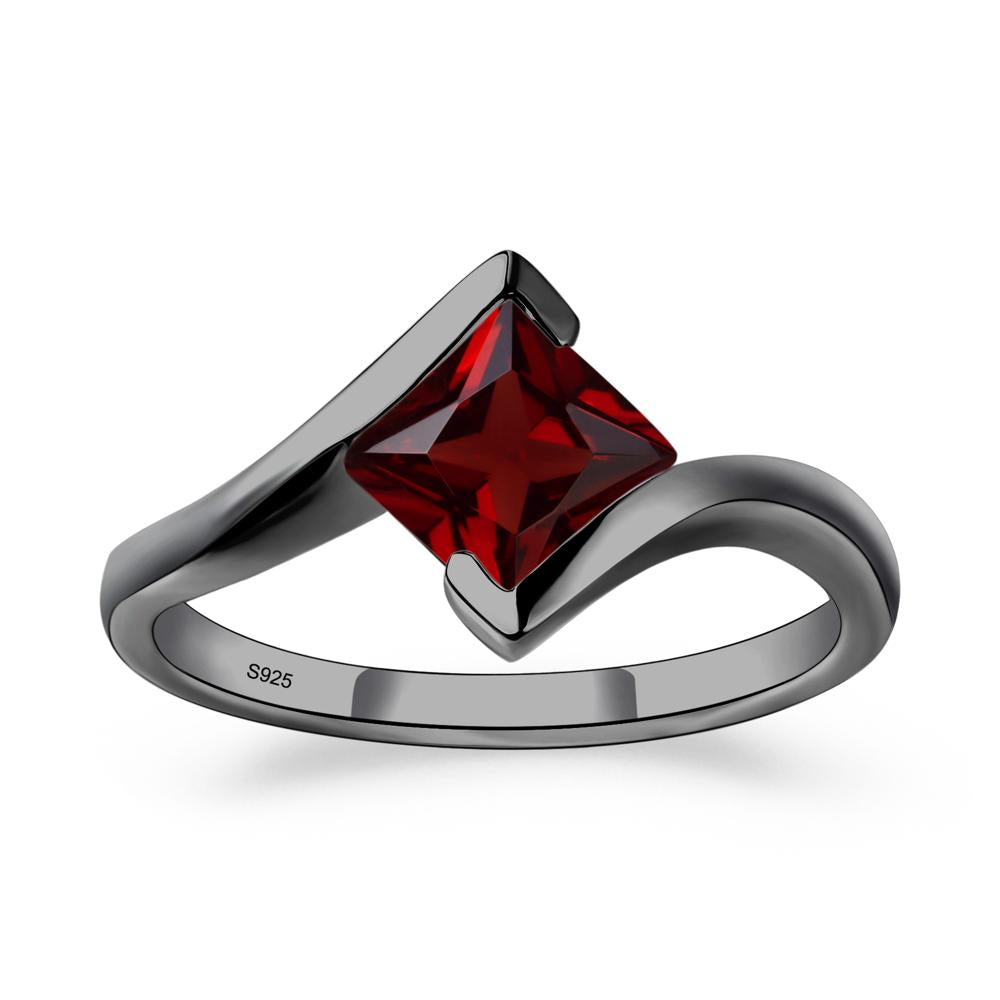
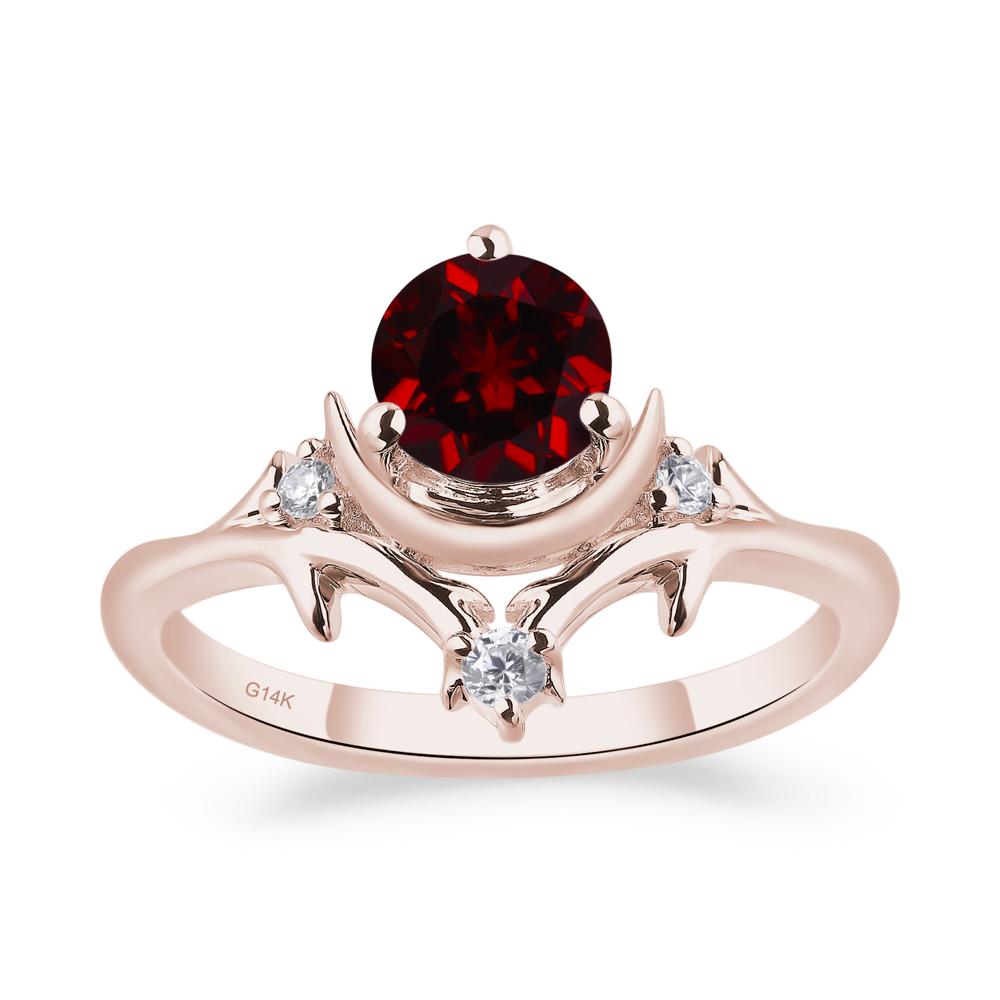
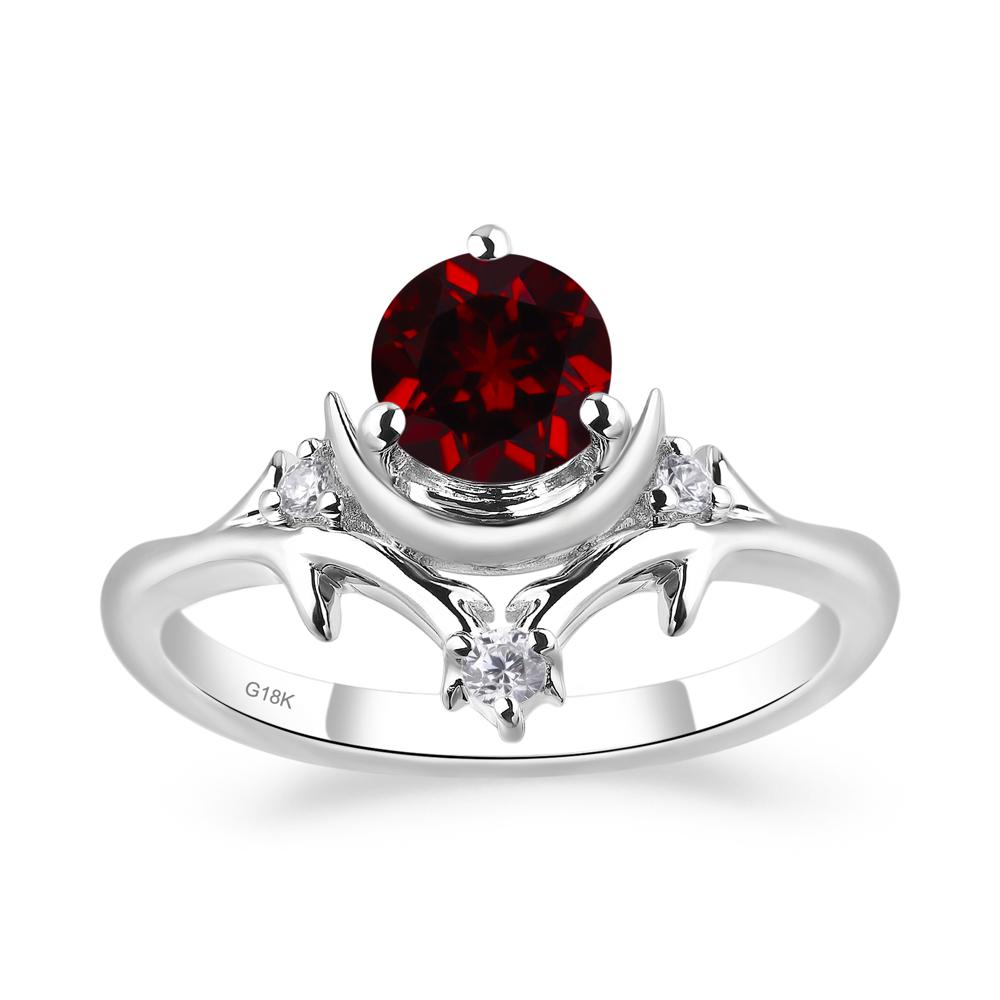
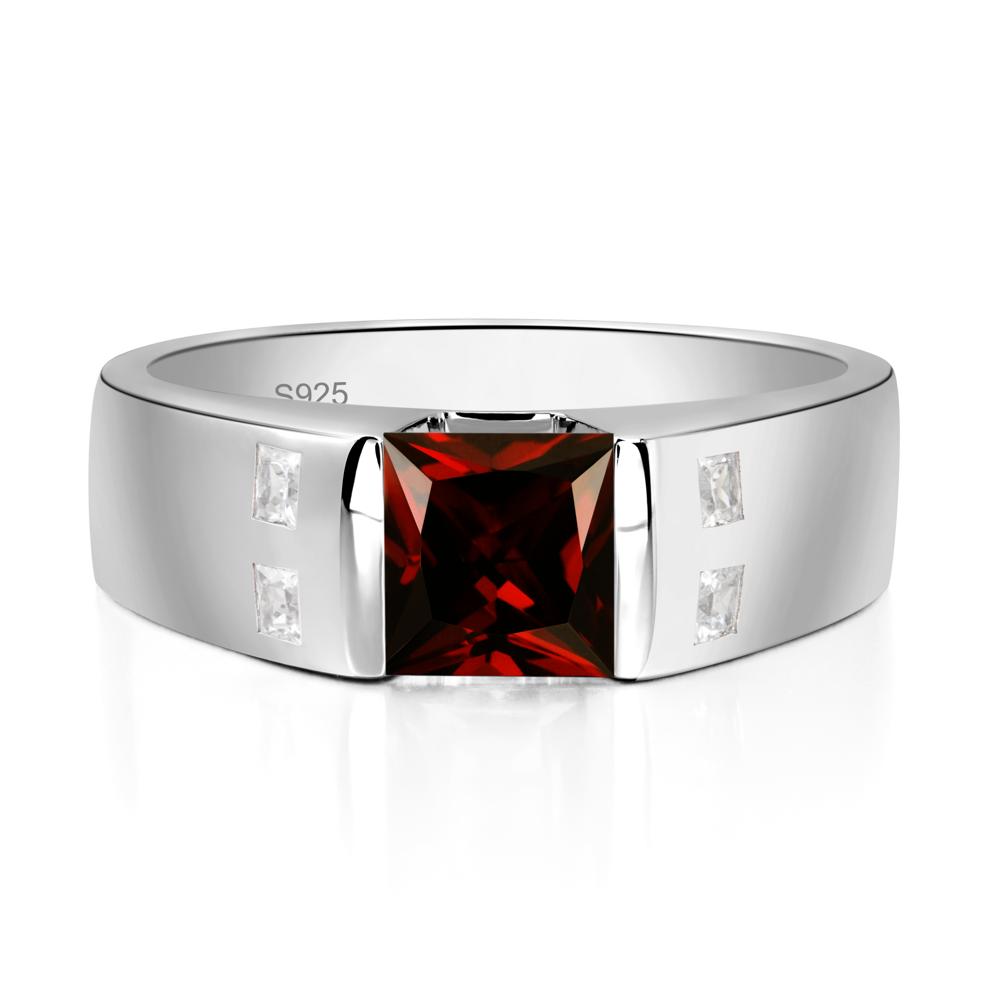
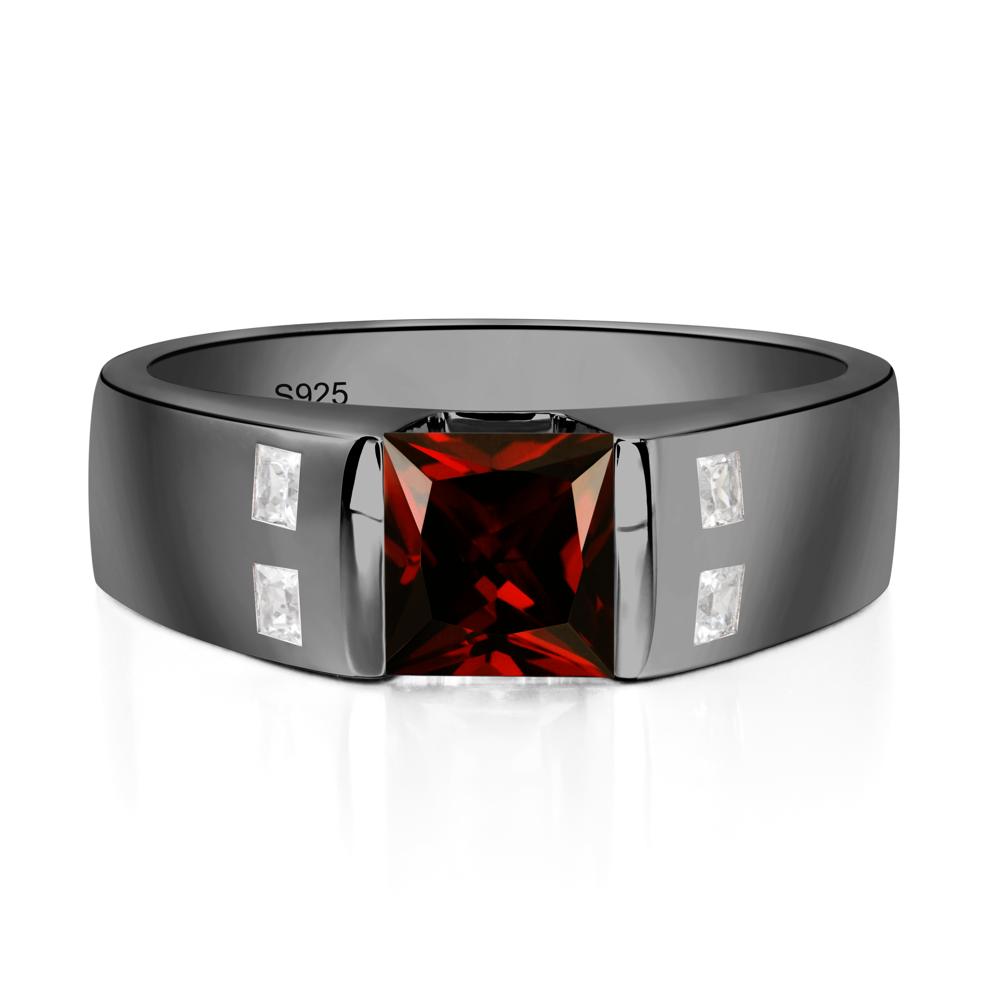
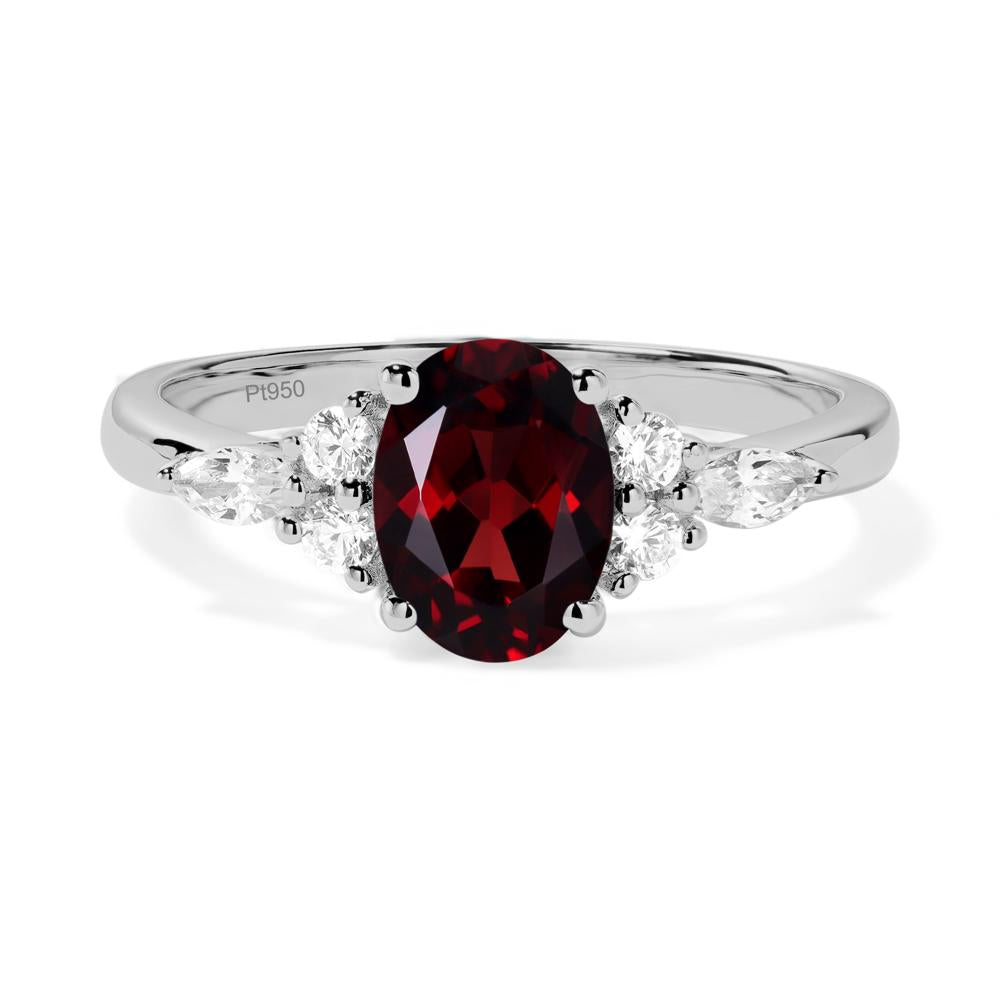
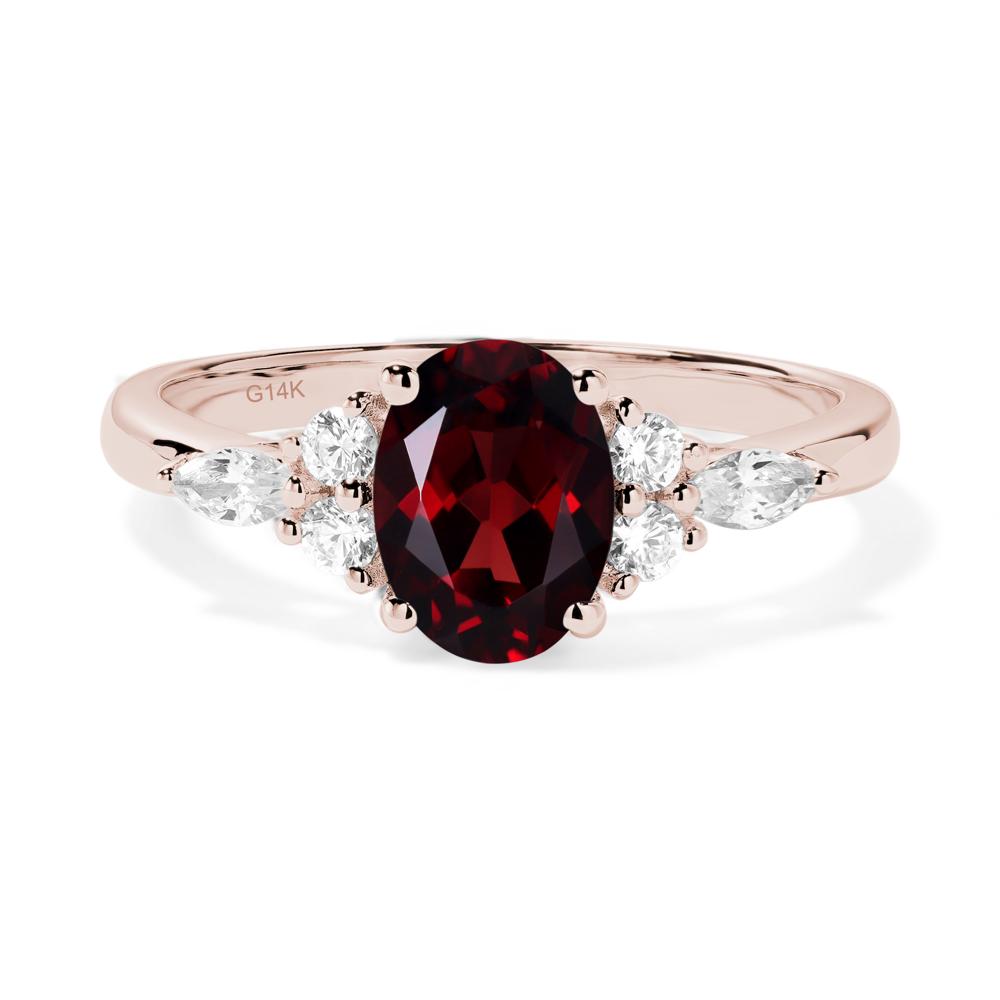
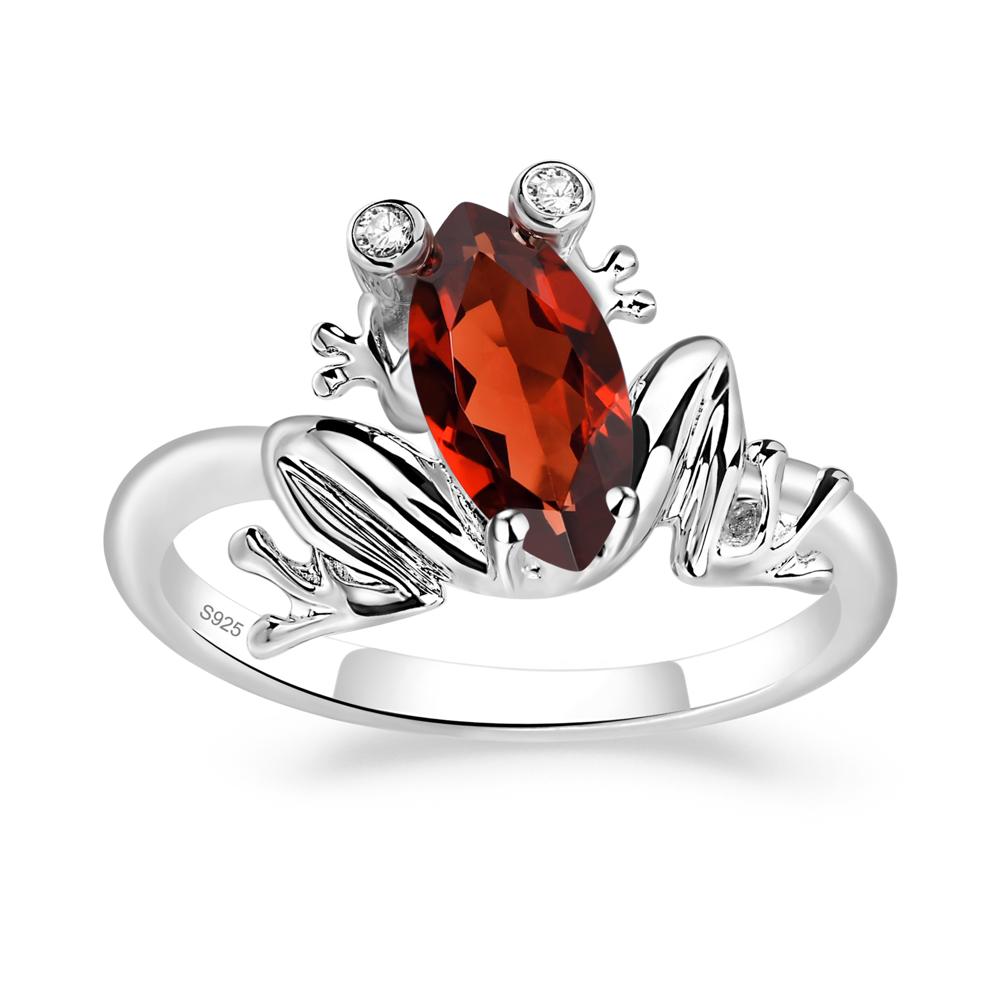
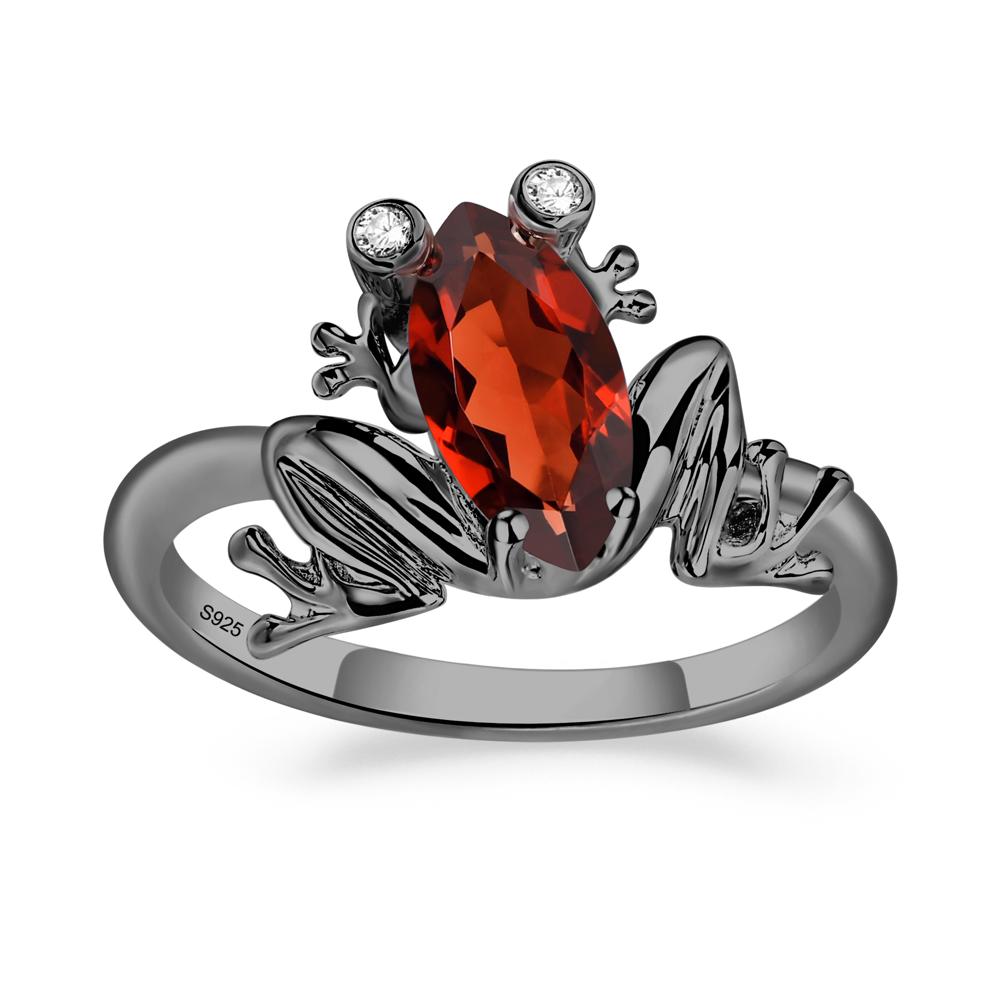
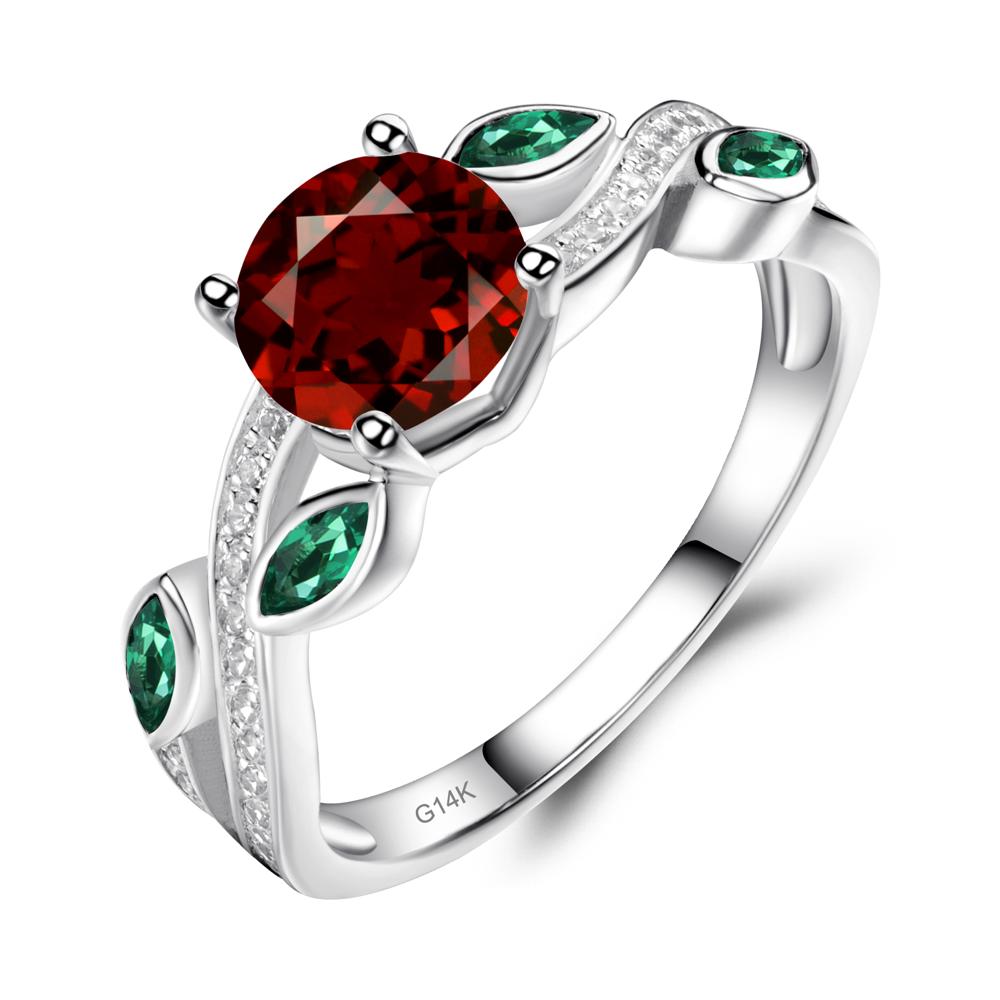
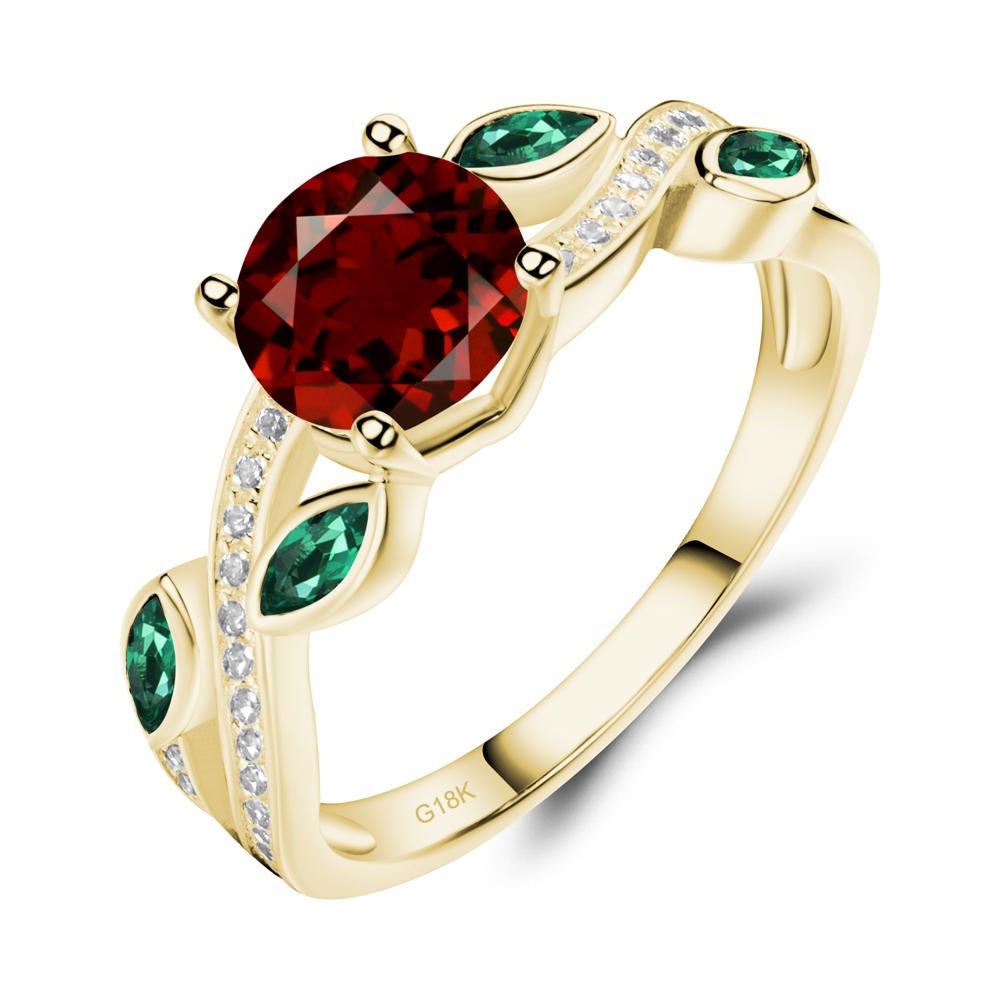
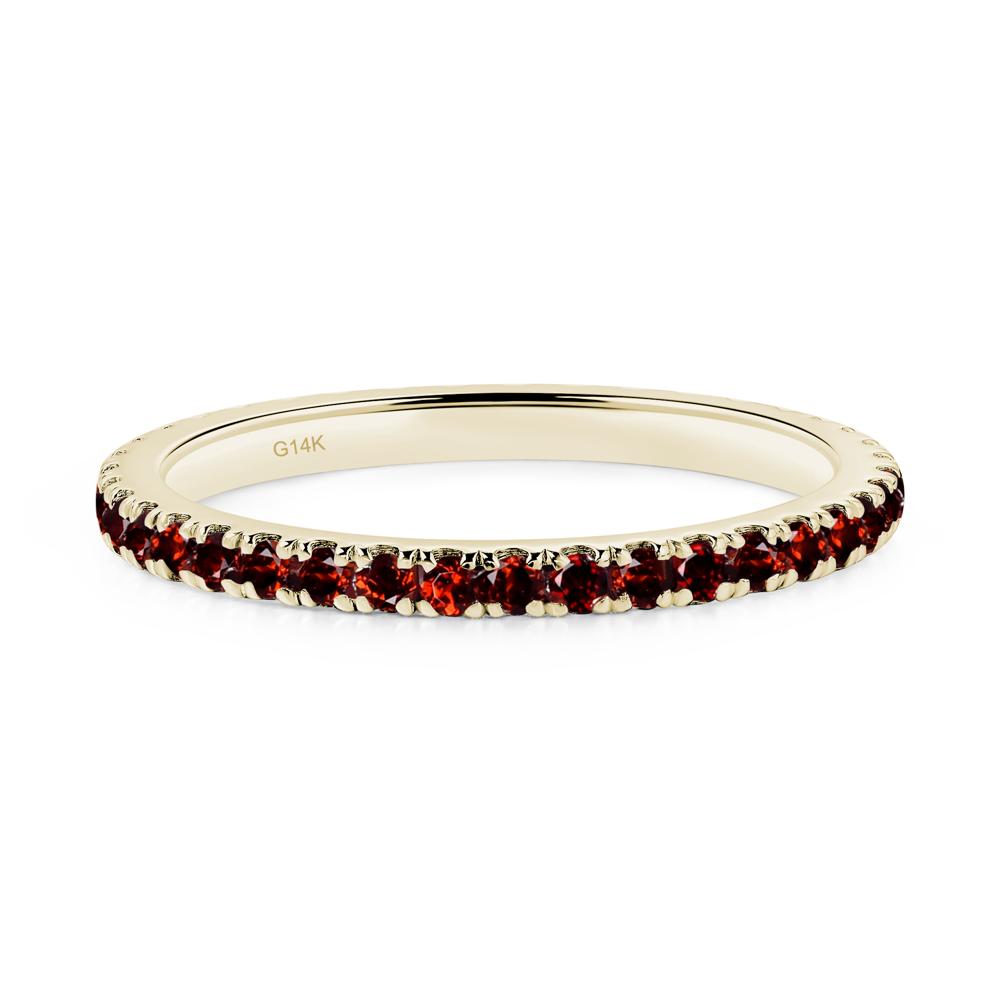
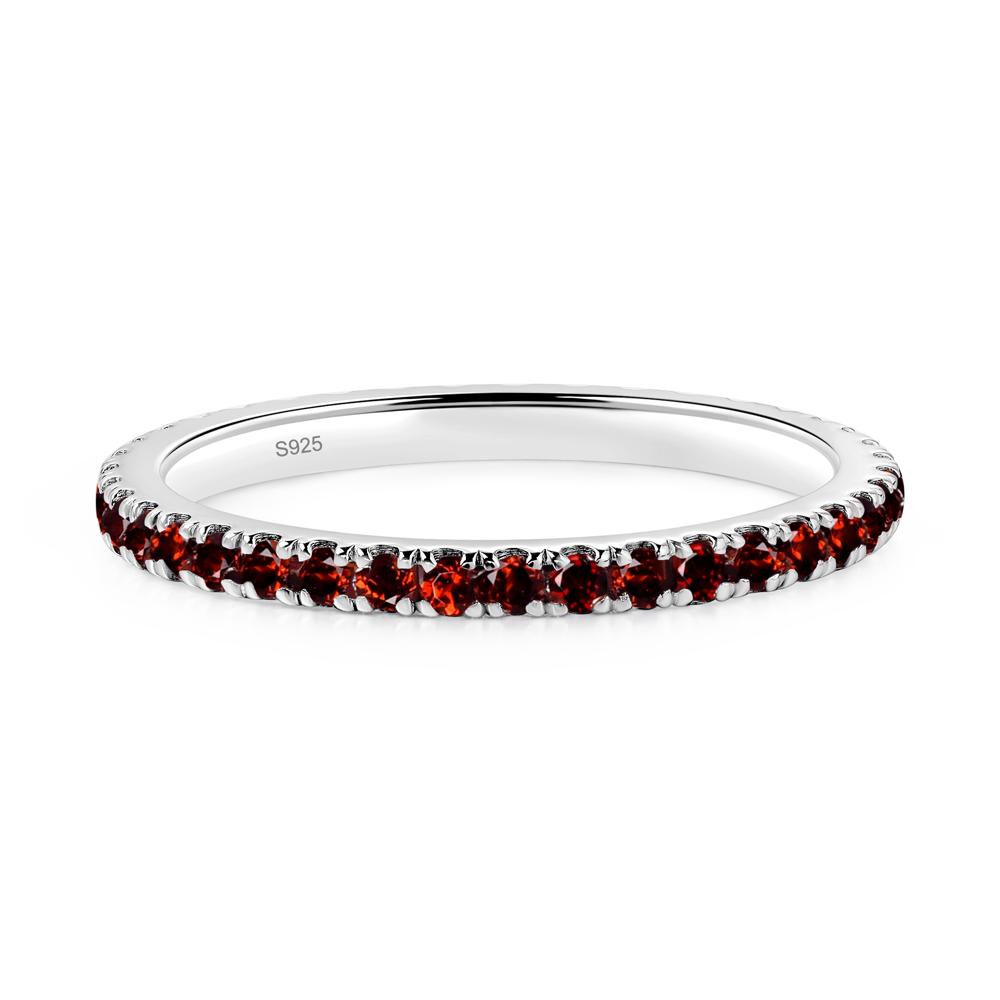
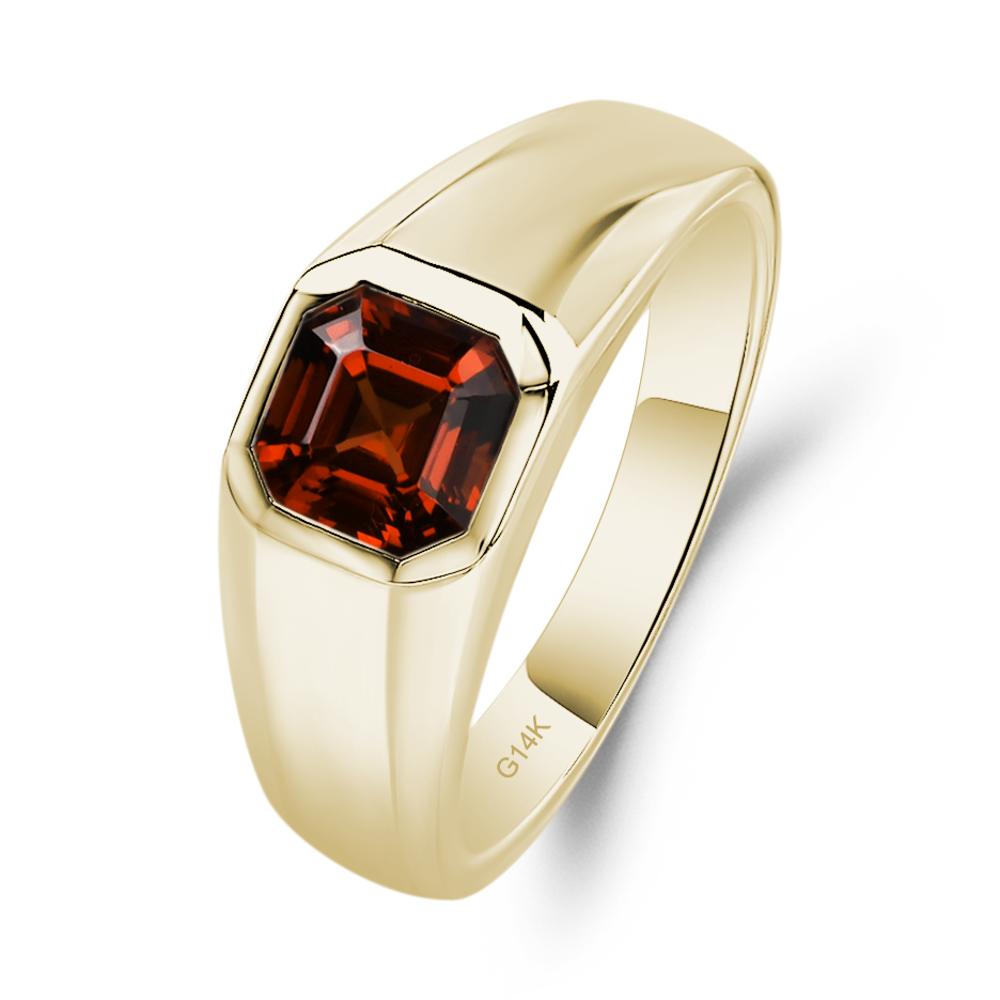
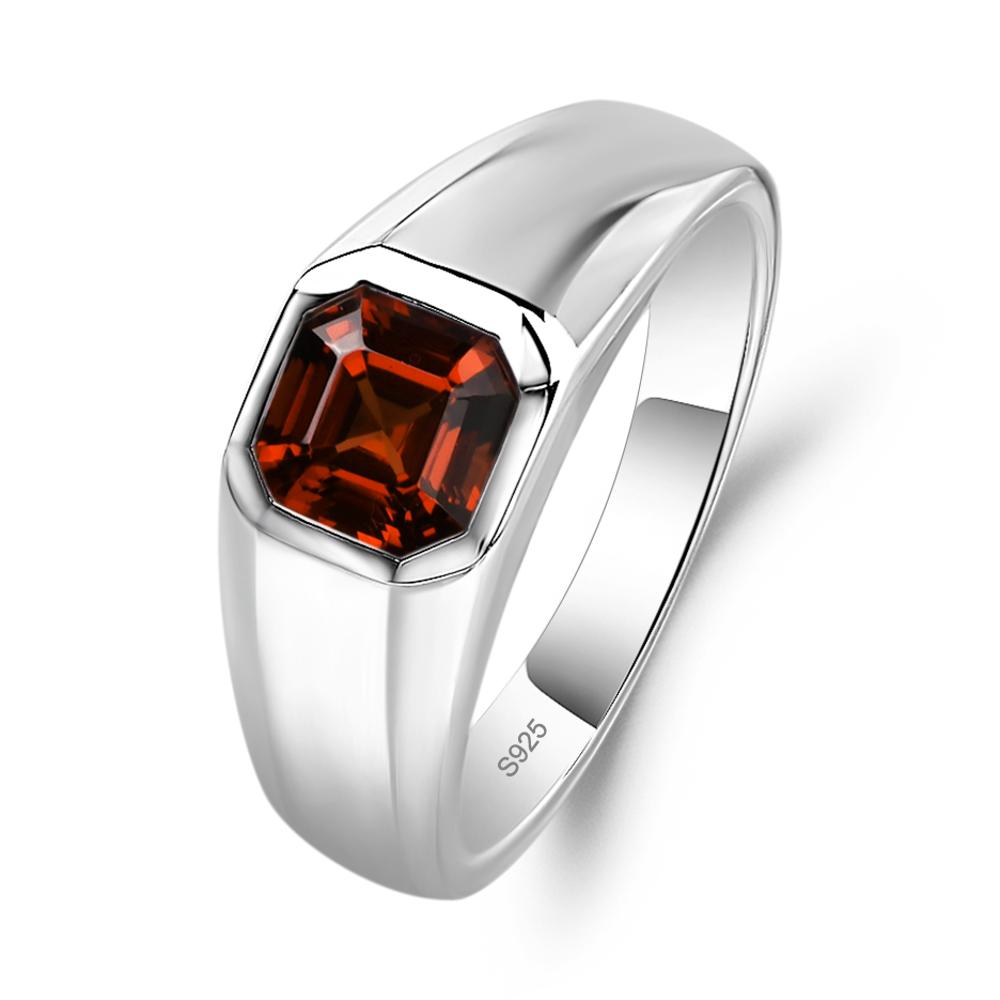
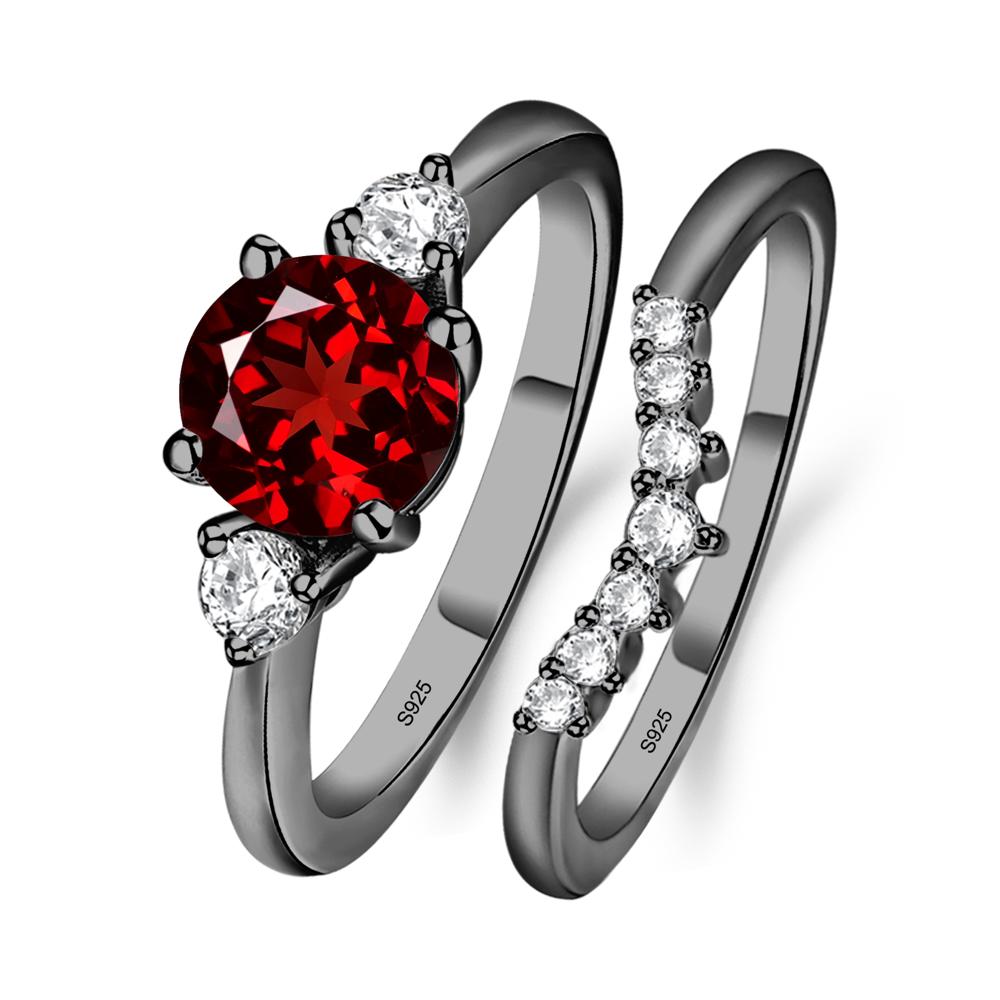
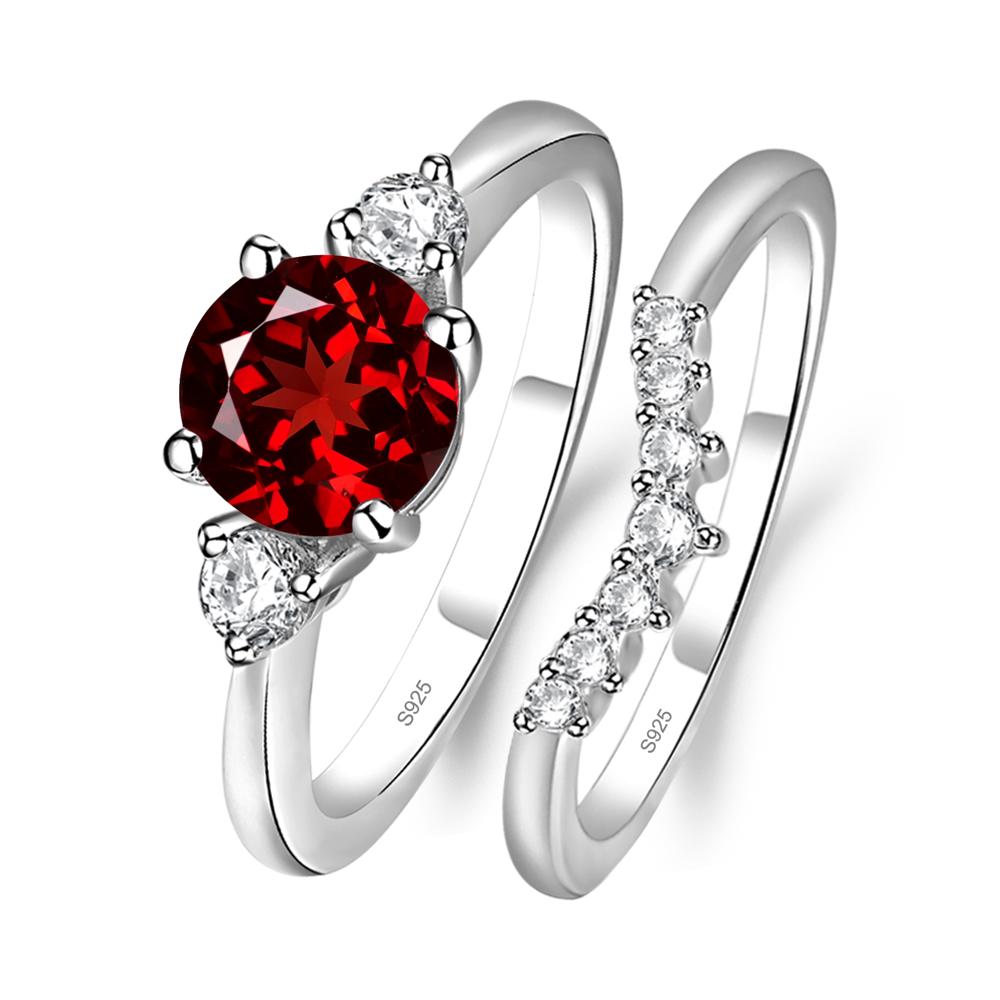
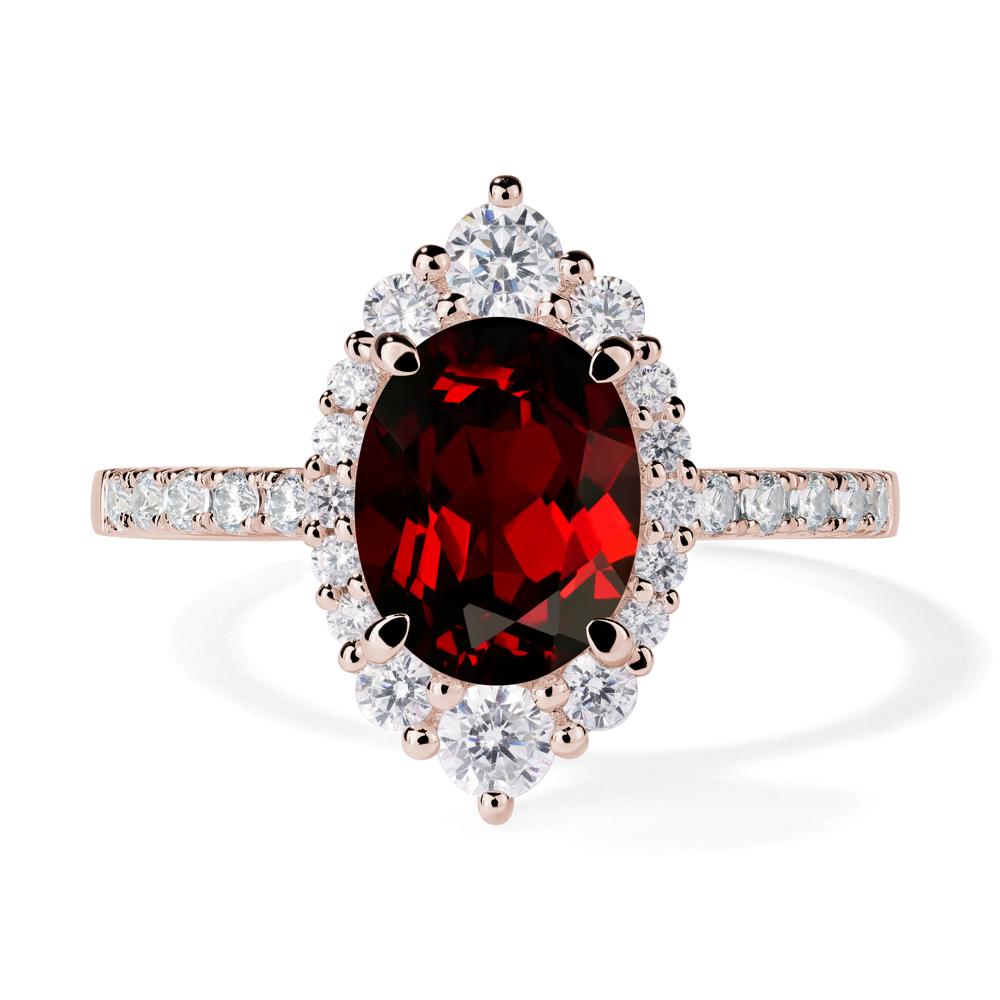
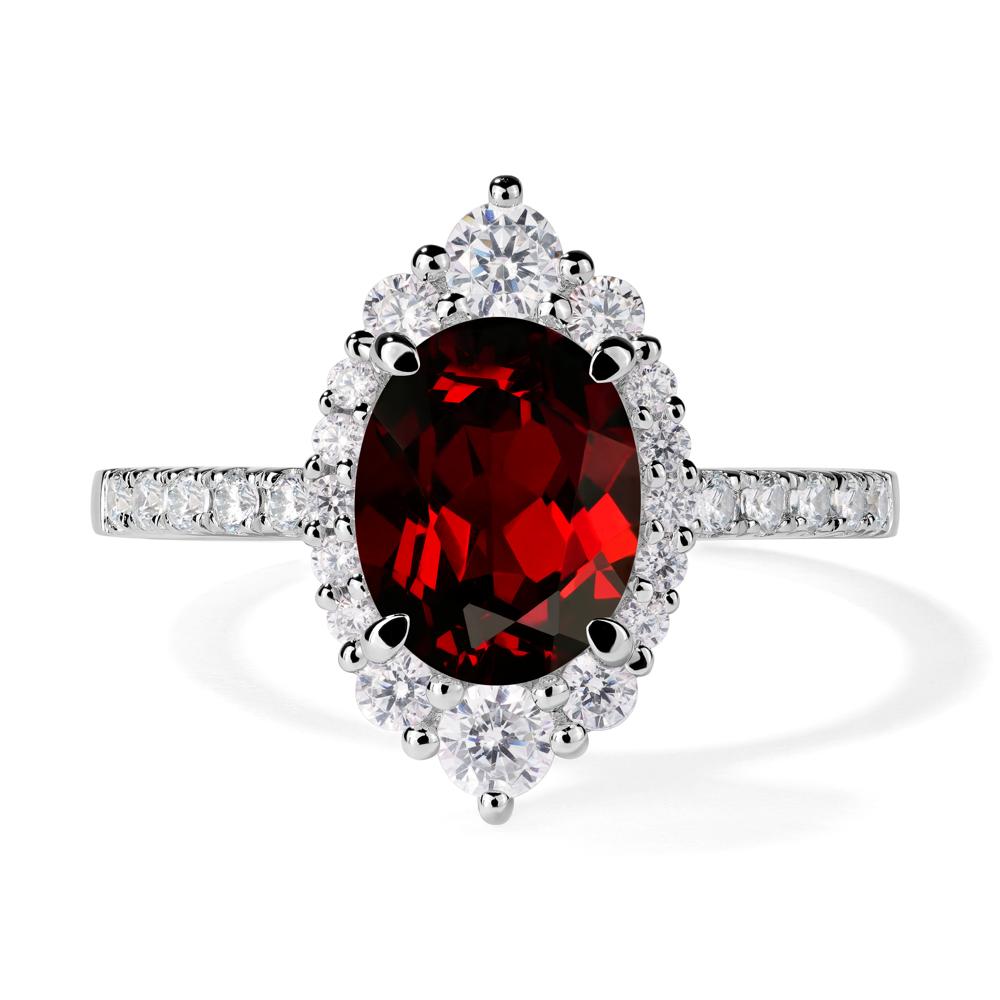
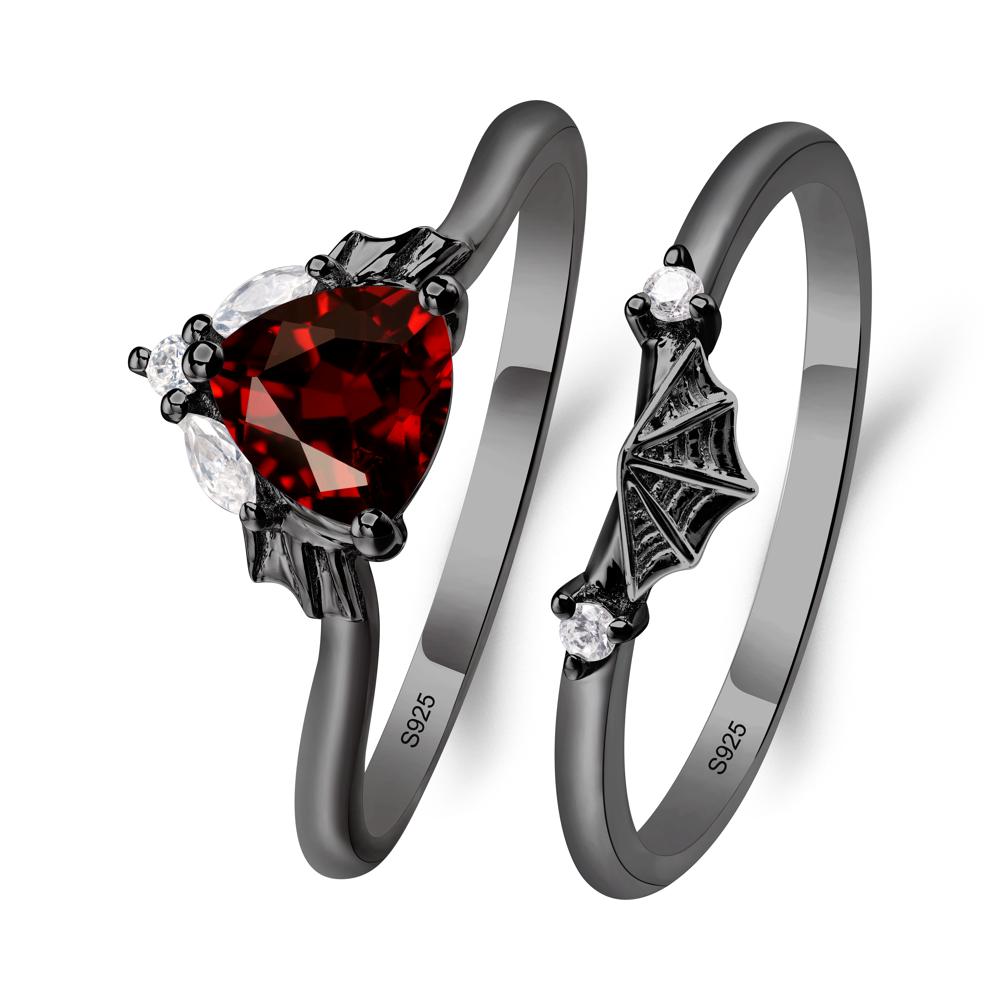
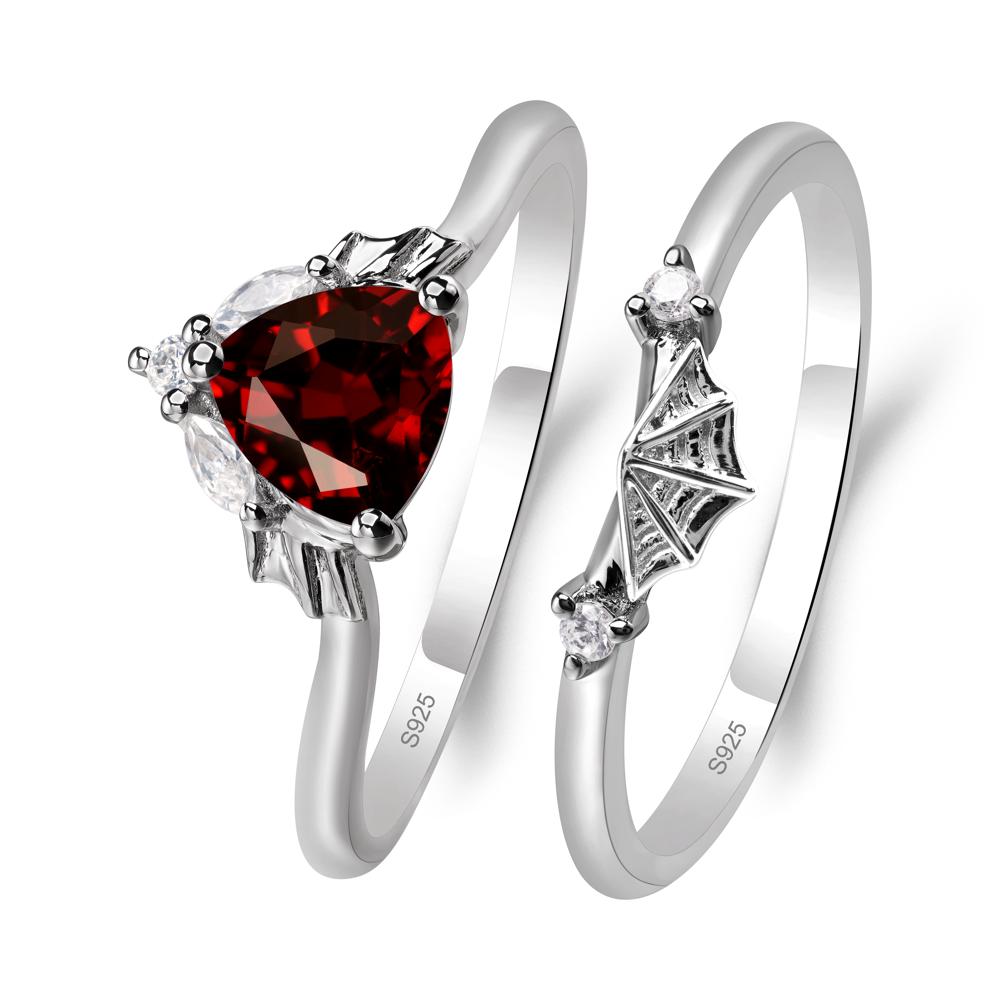
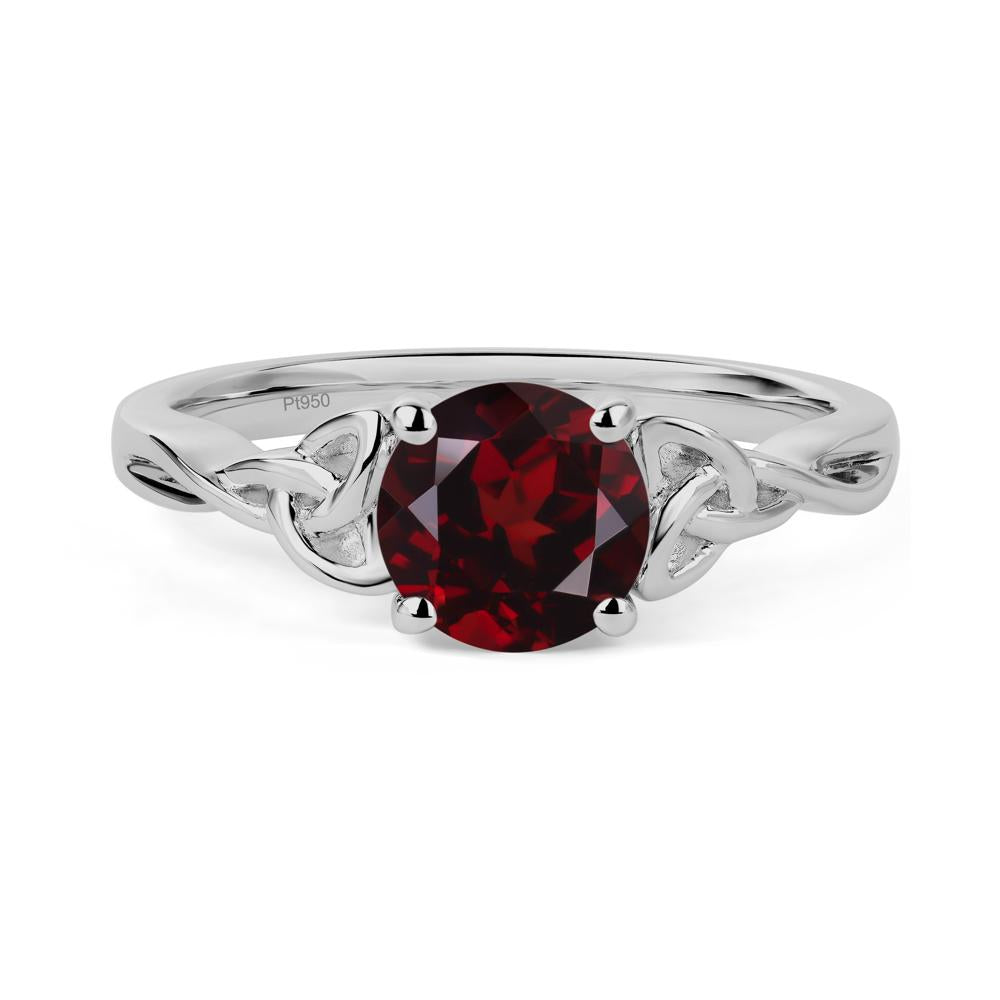
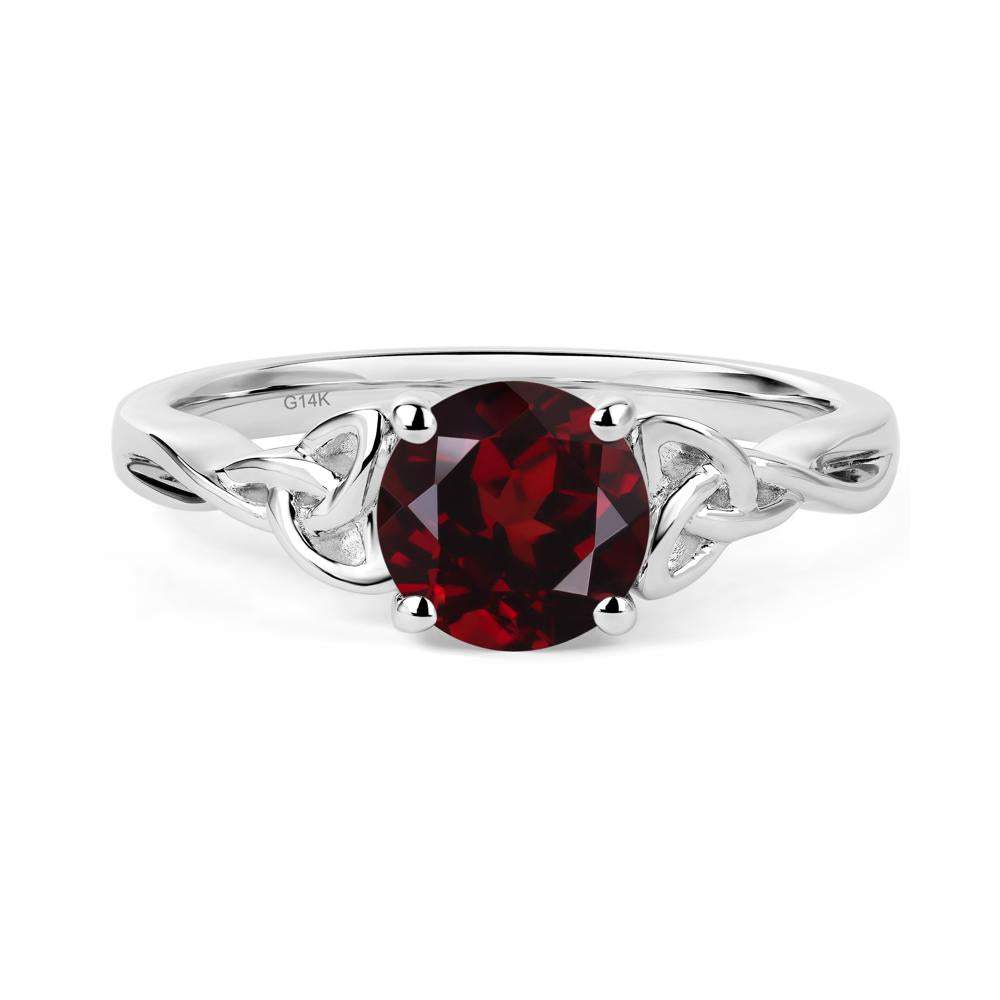
How to Clean Garnet Rings?
✅ Do's
- Safe with mild soap and water
- Gentle brushing is suitable
🚫 Don'ts
- Avoid boiling water and steam cleaners
- Avoid ultrasonic cleaners
- Avoid harsh chemicals like bleach

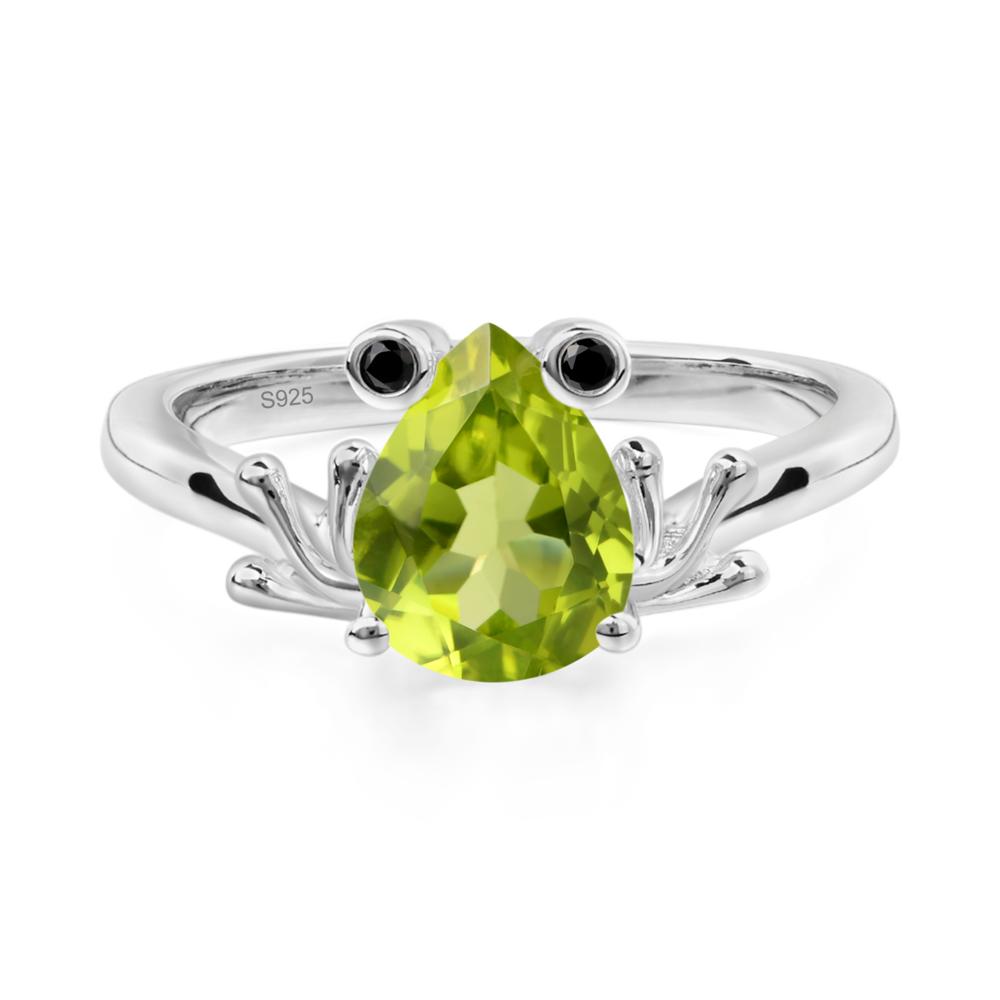
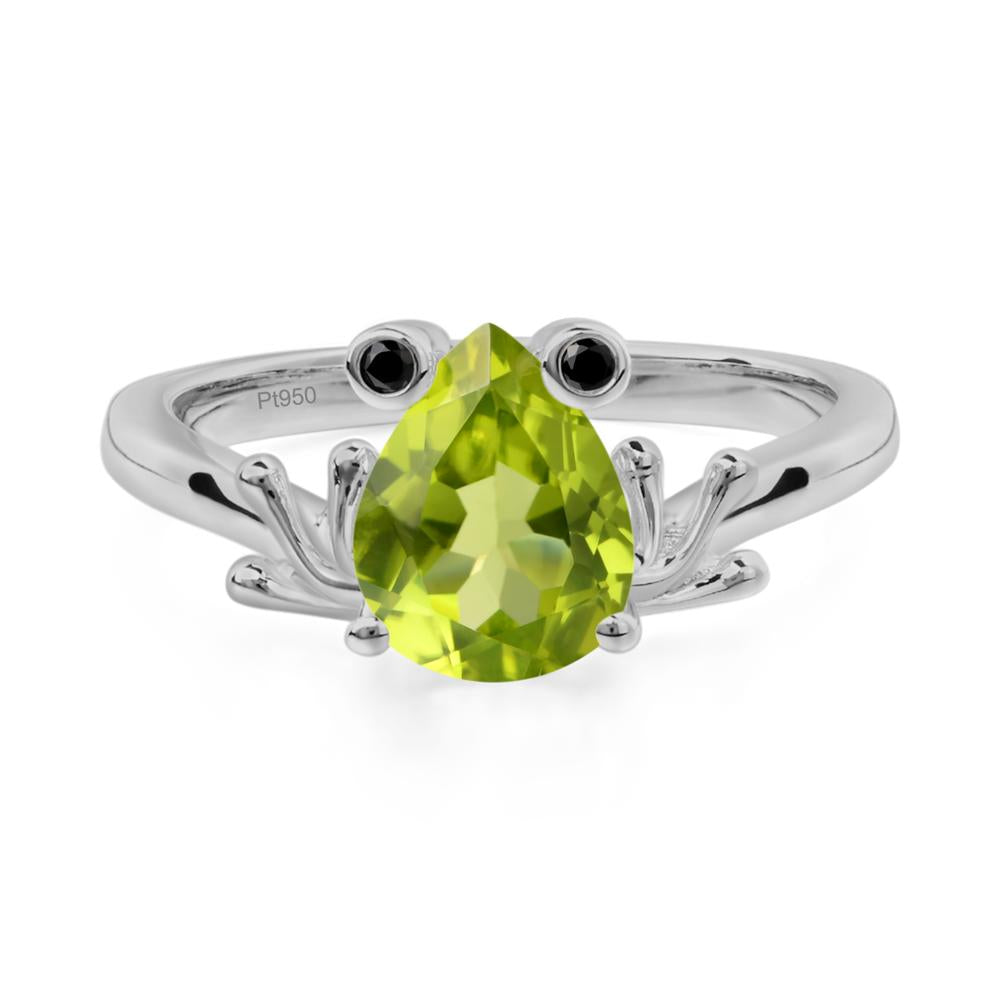
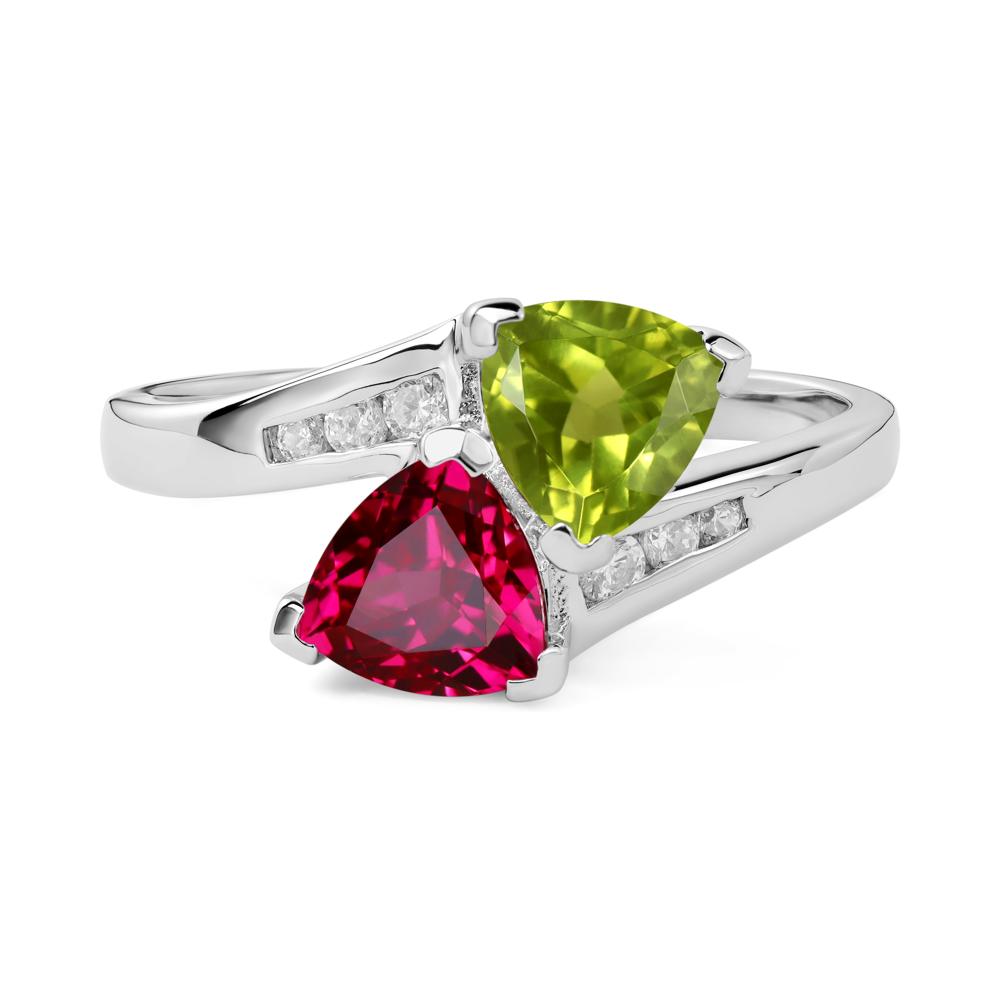
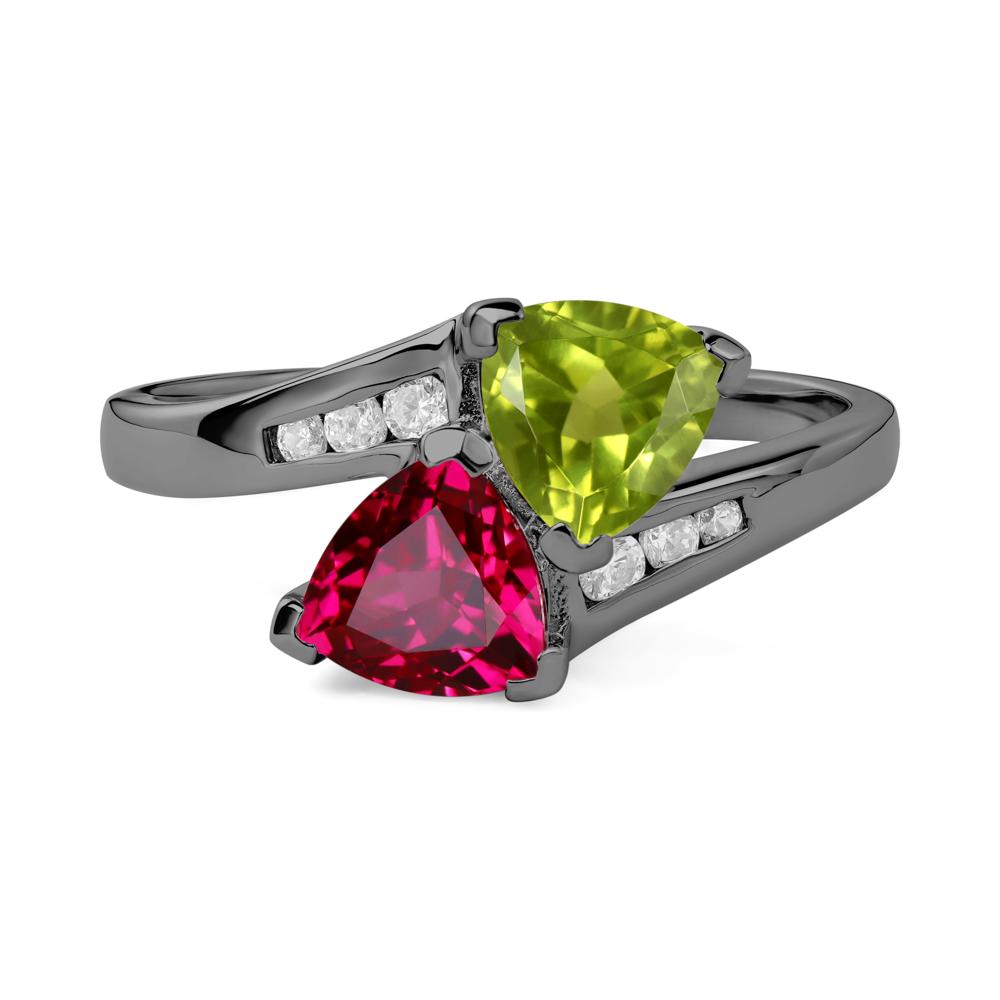
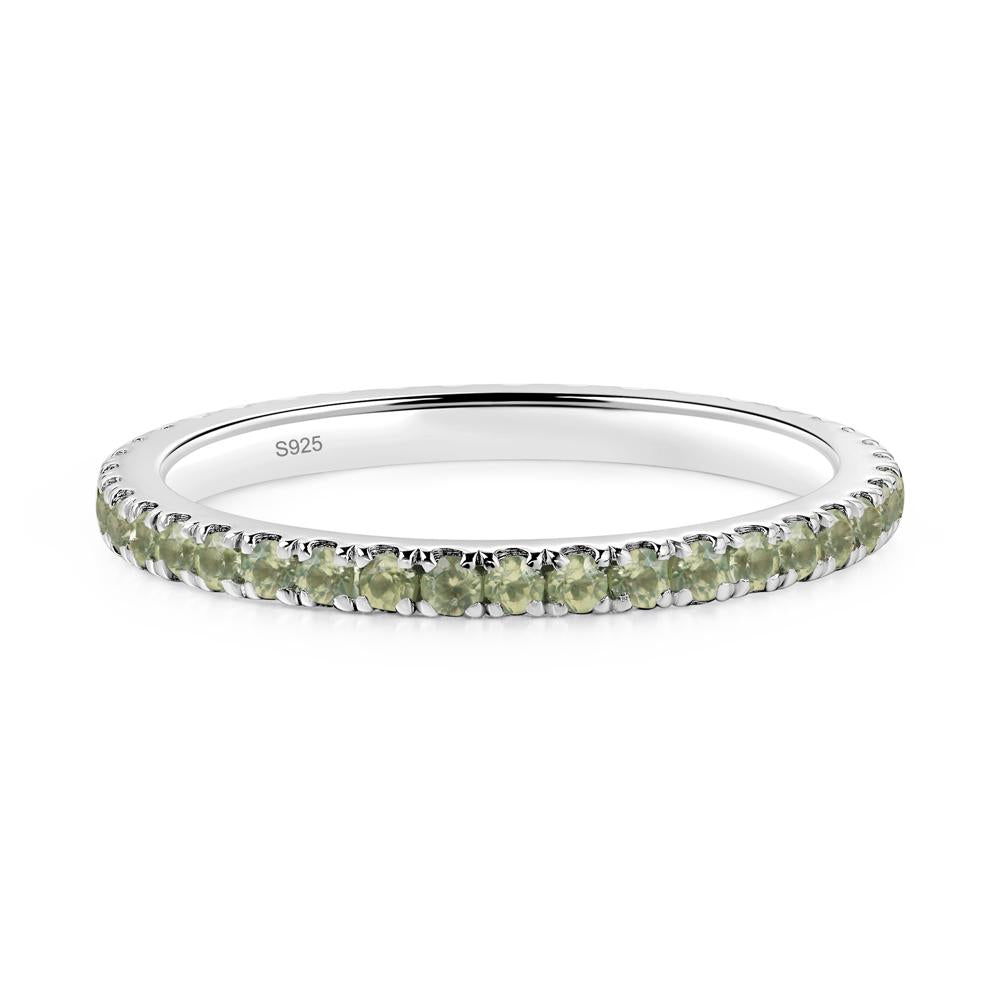
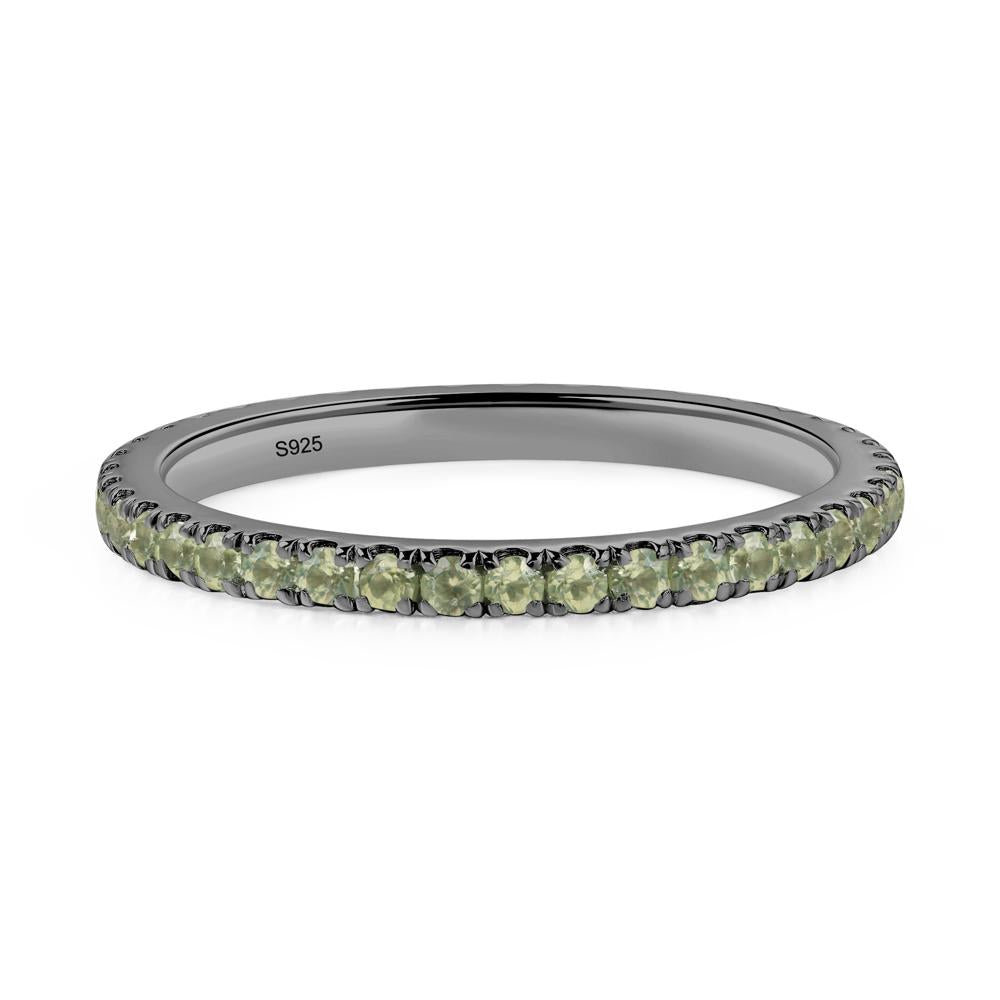
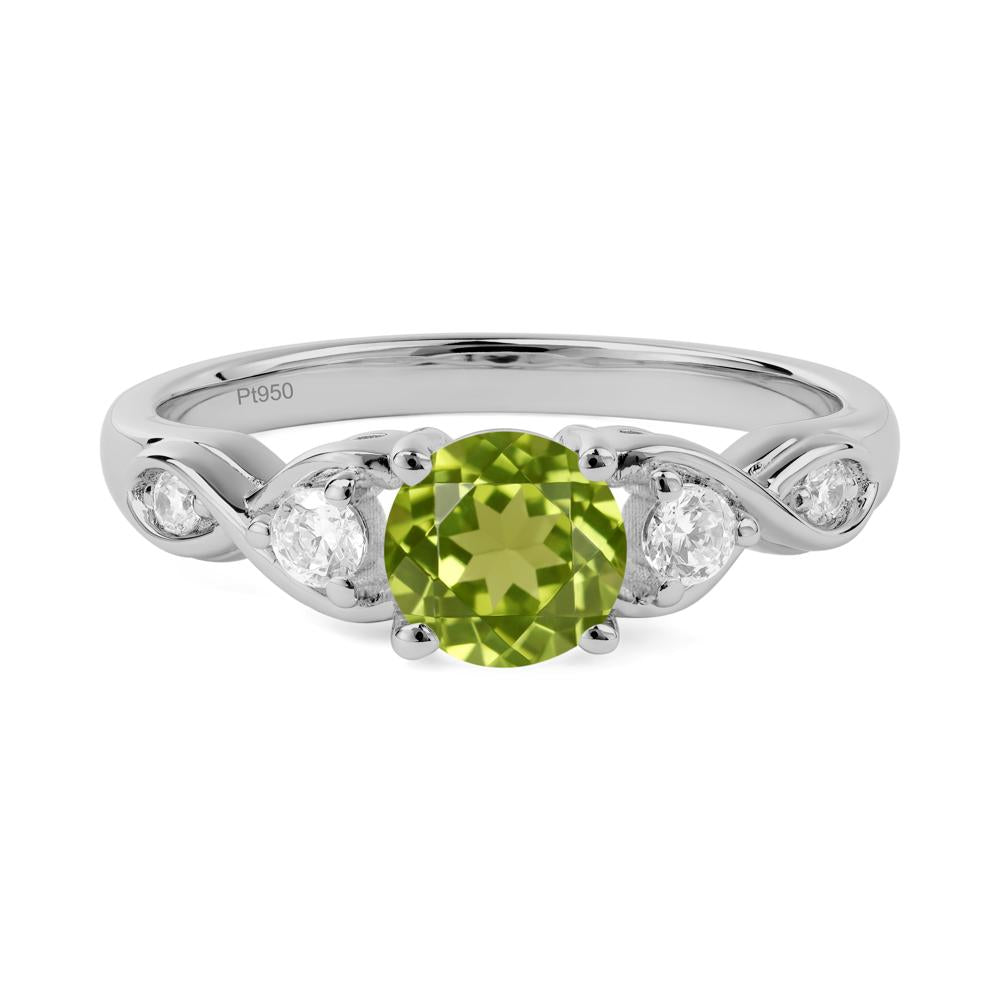
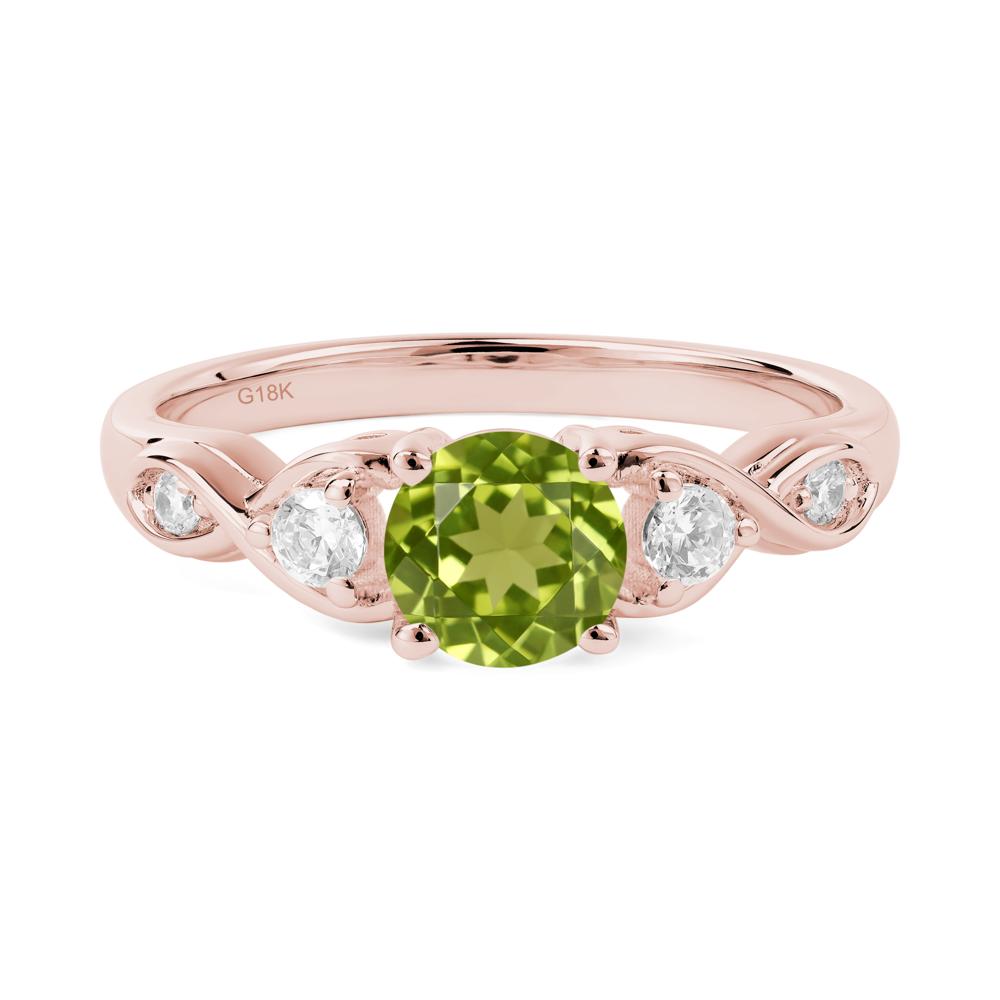
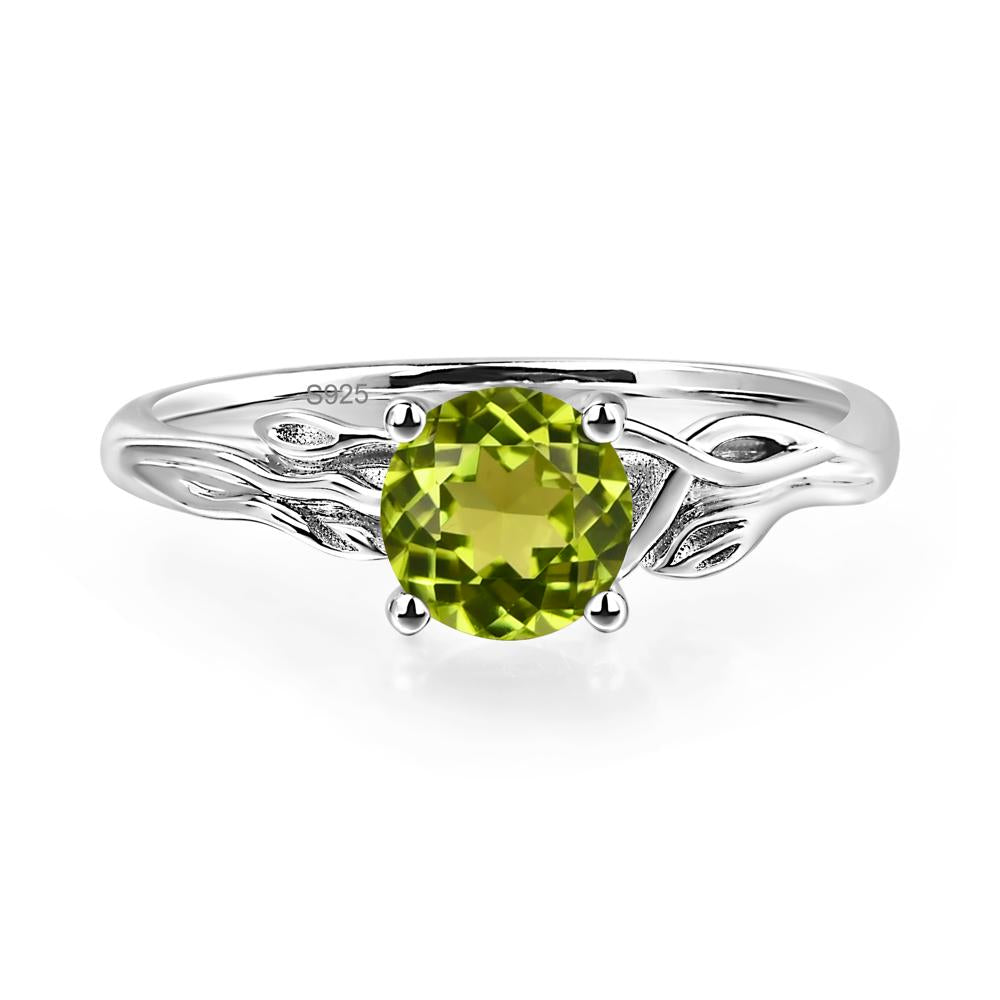
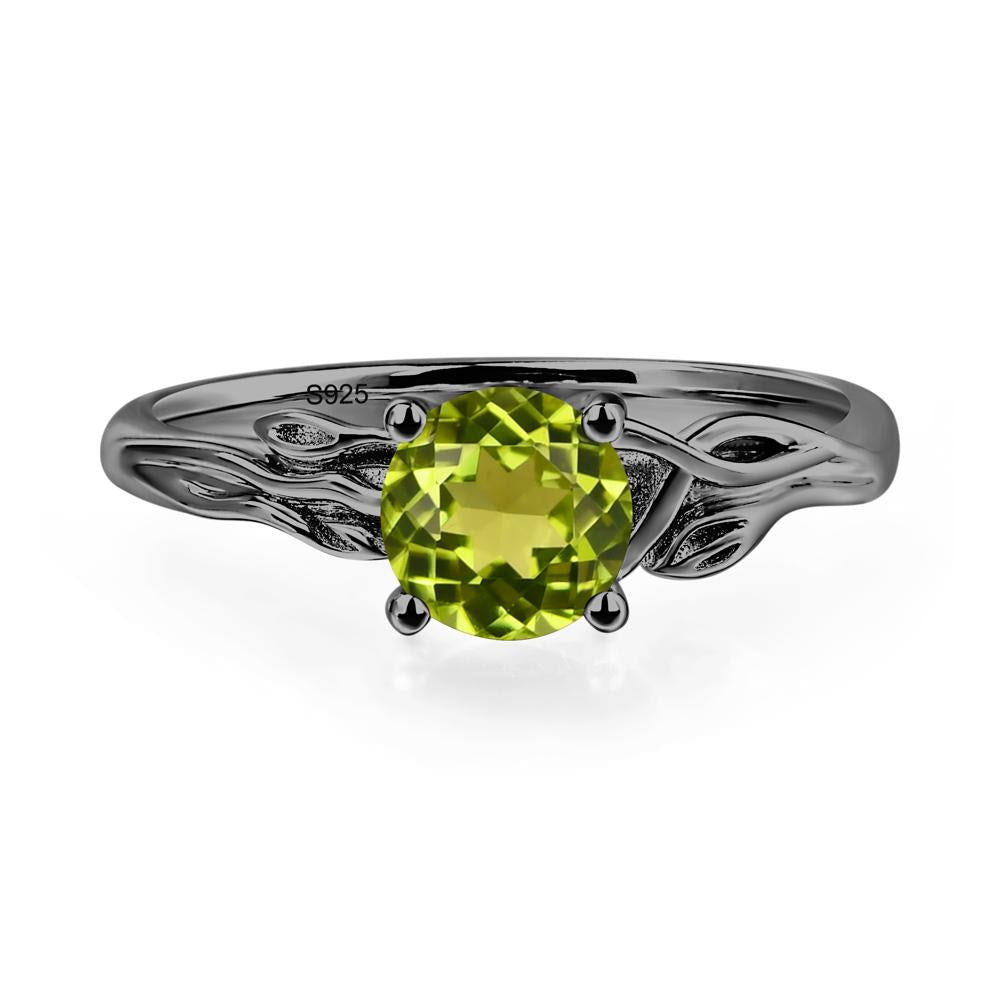
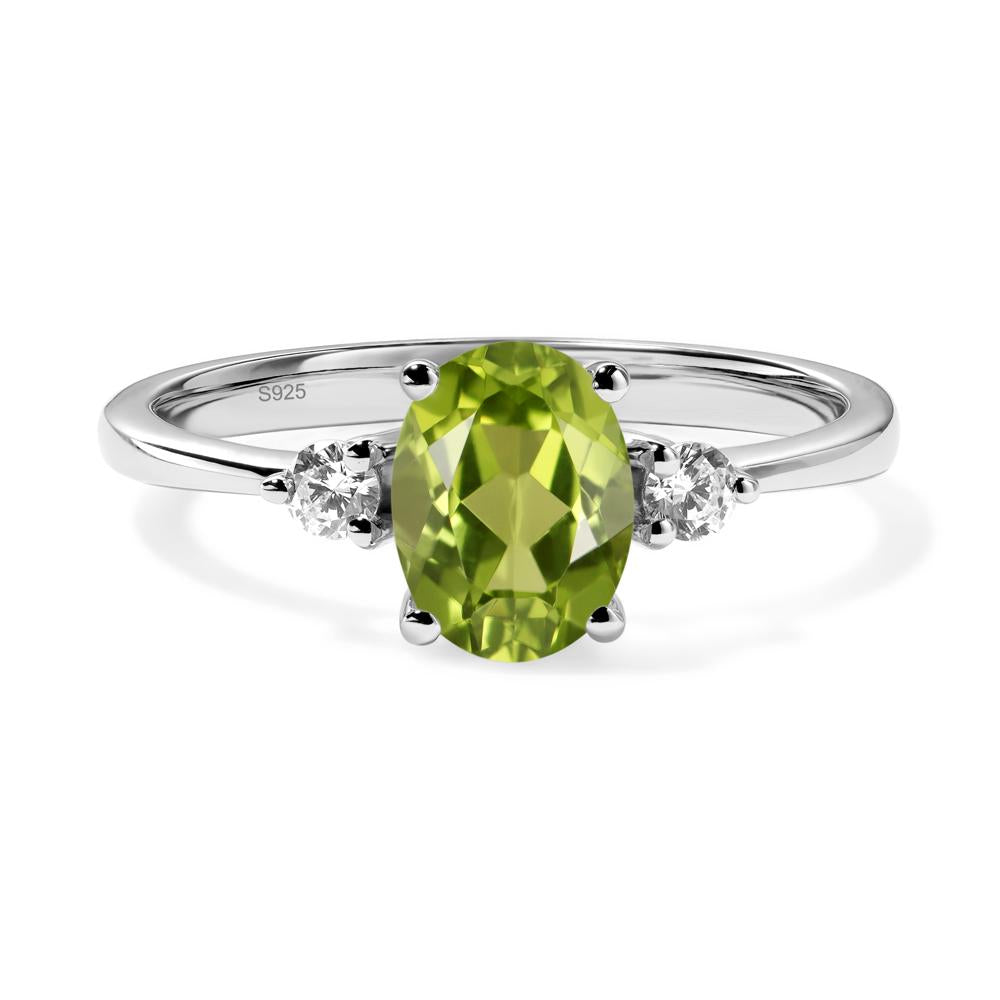
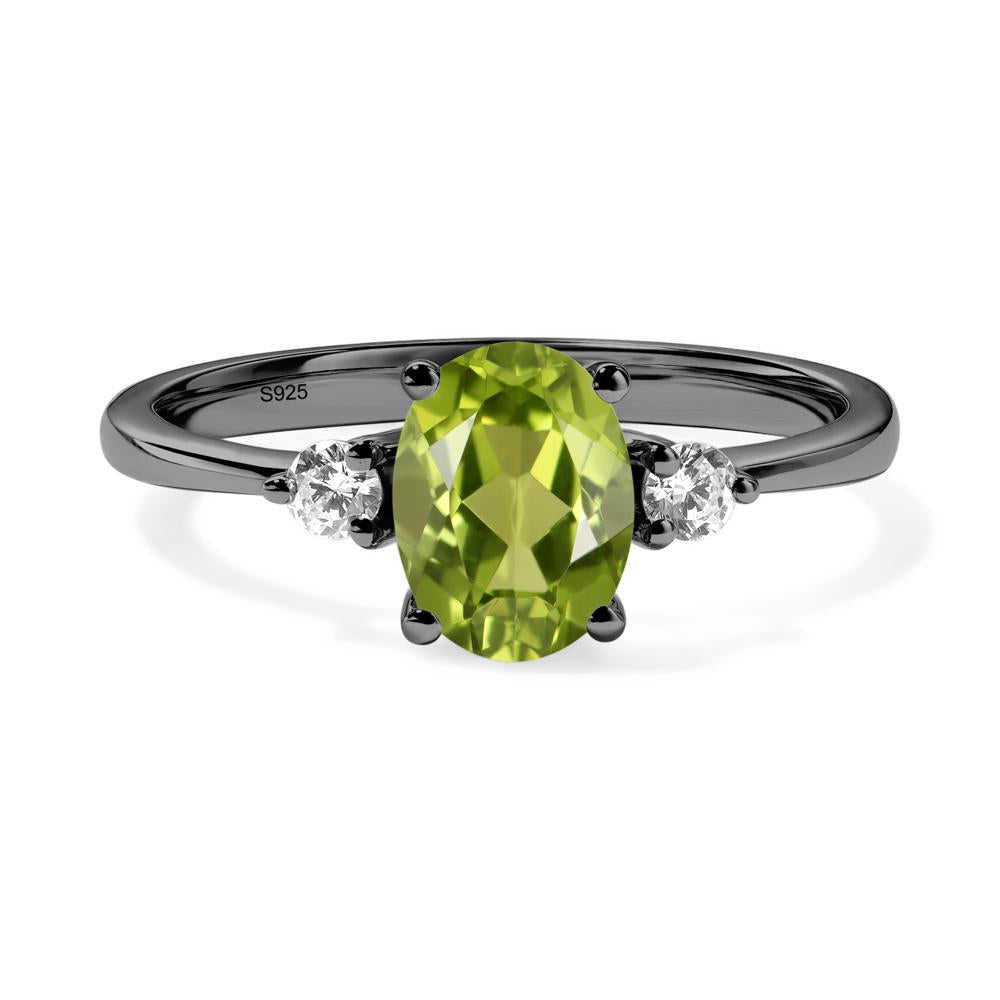
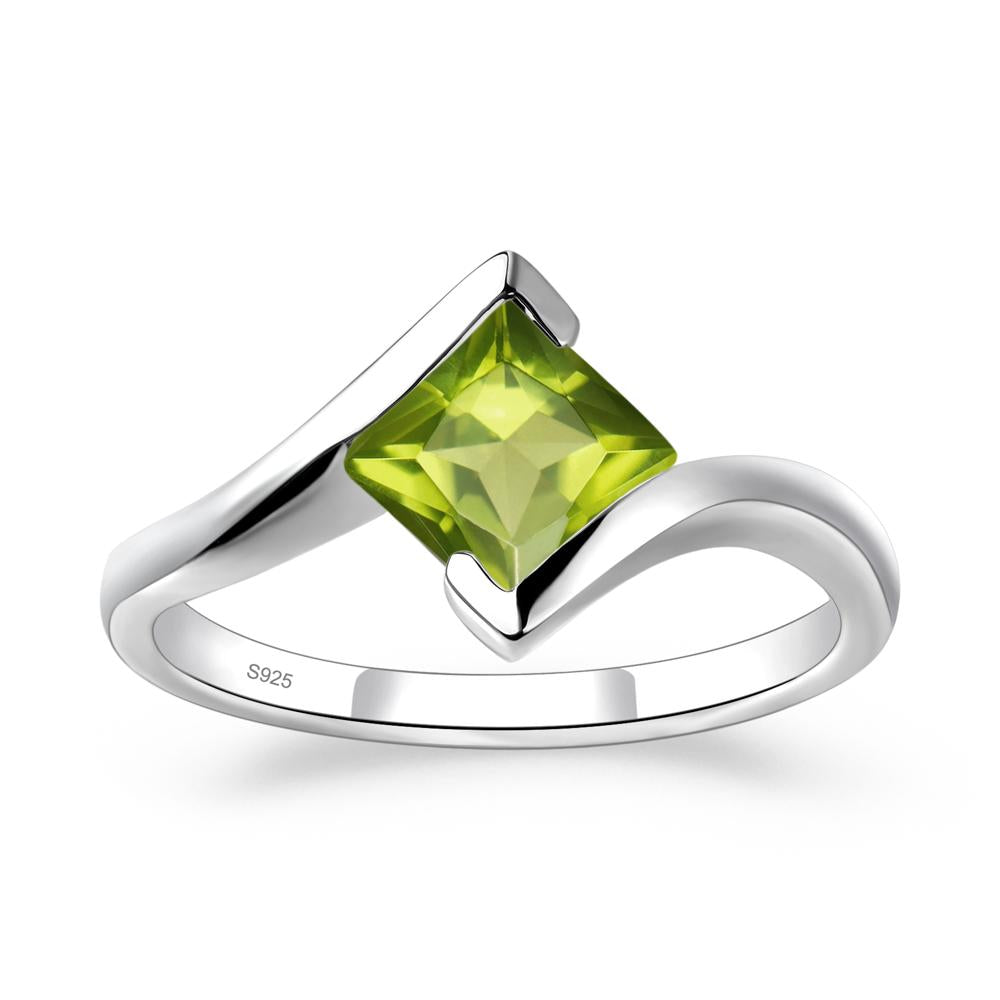
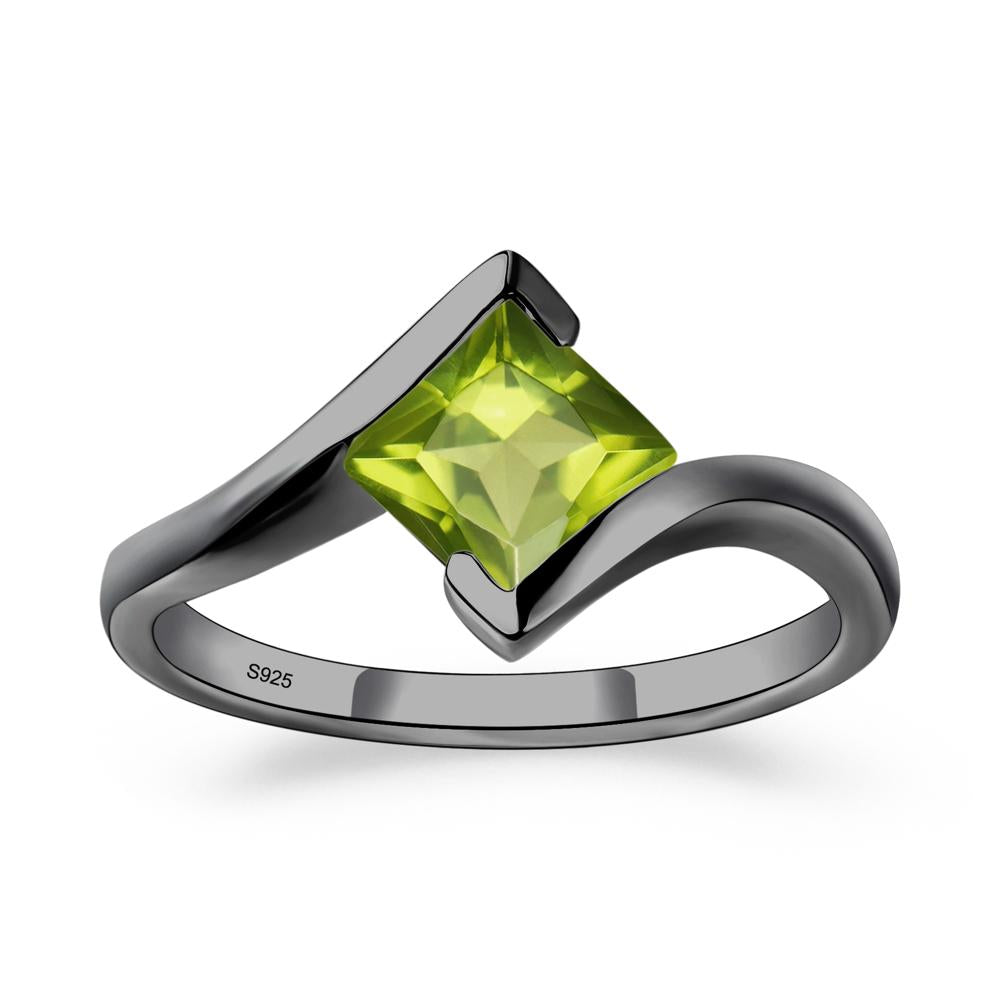
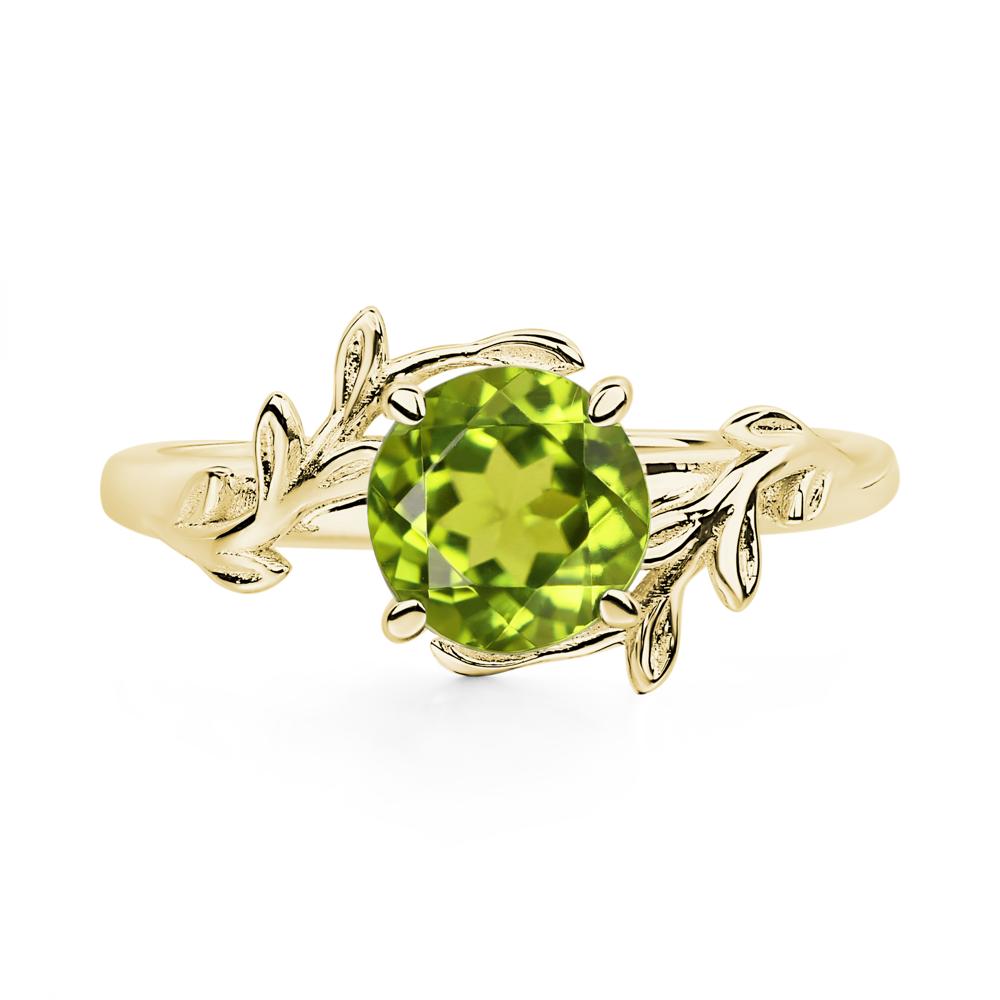
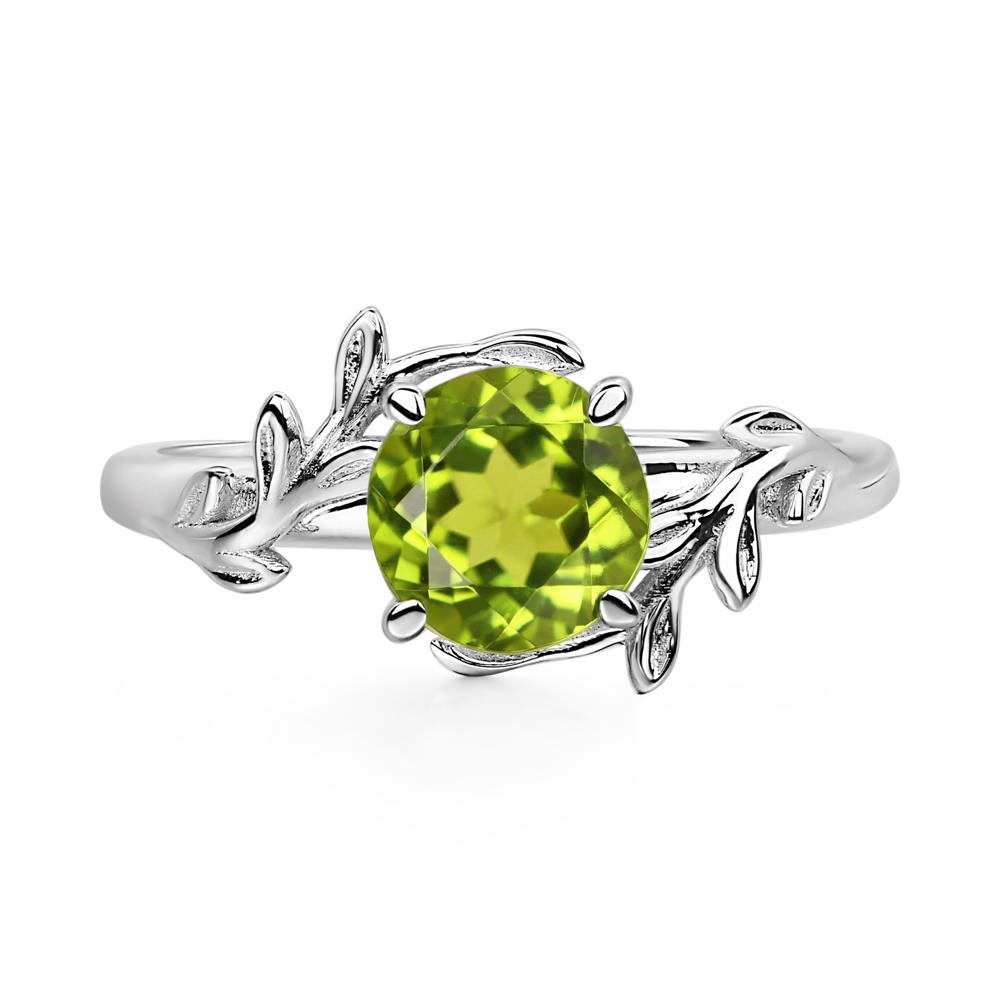
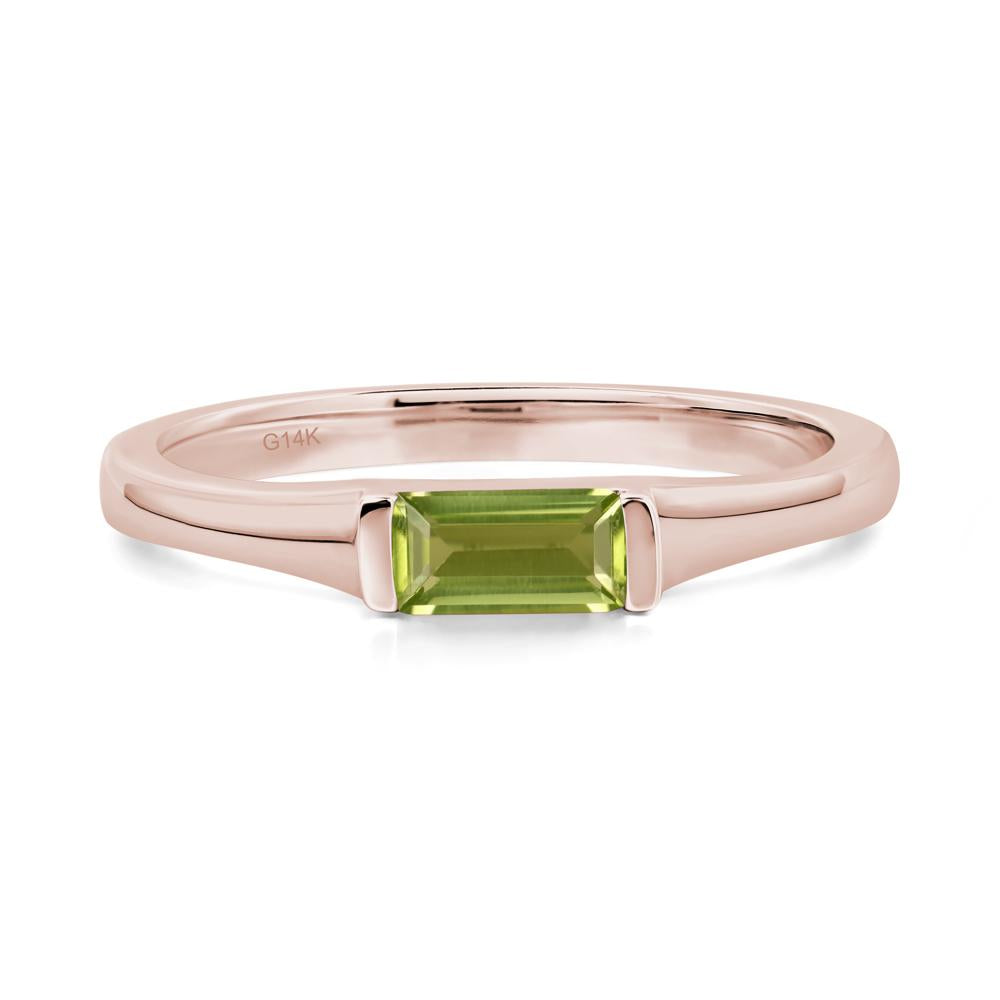
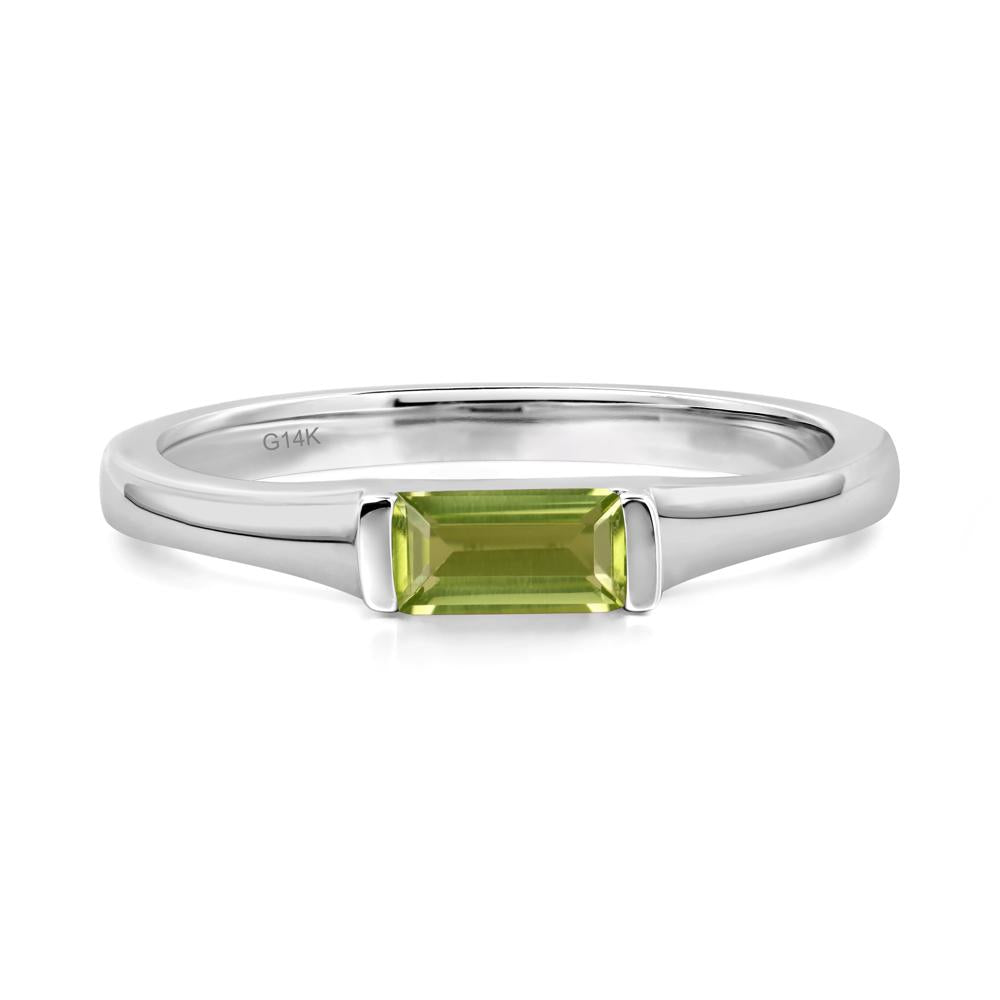
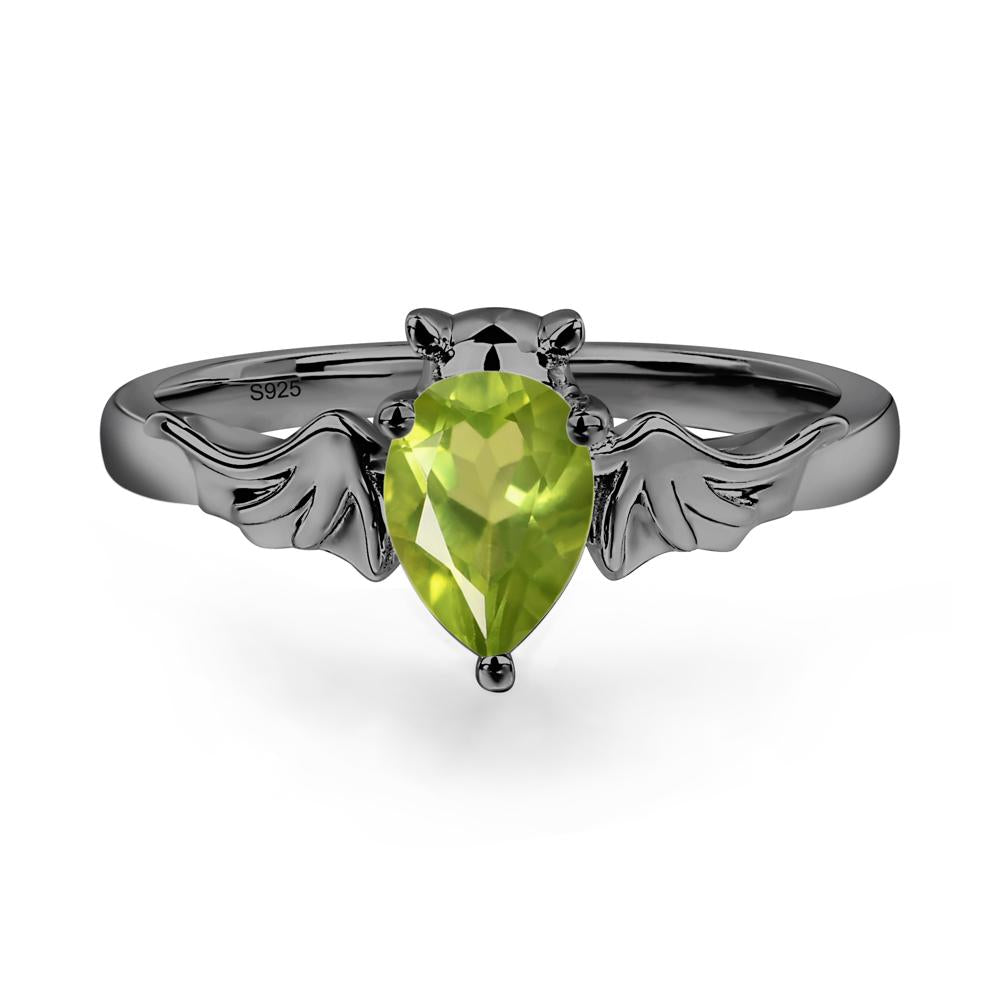
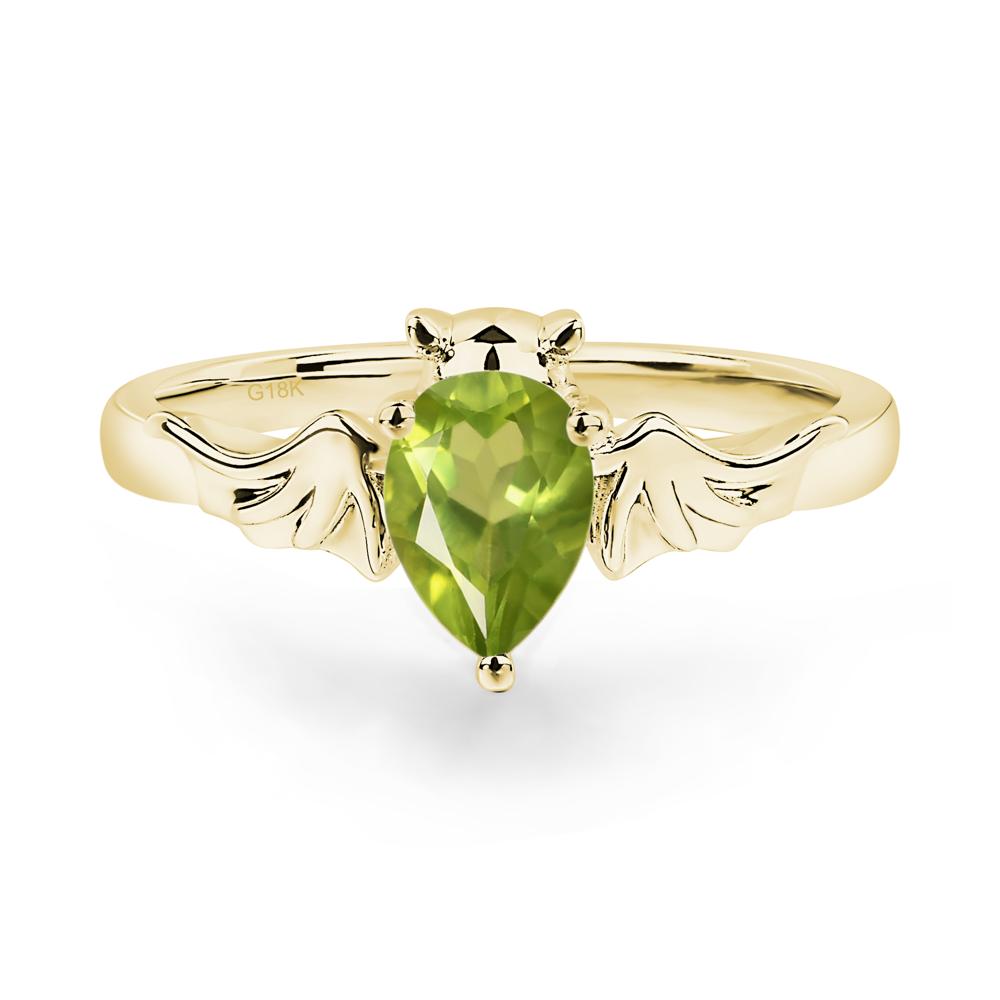
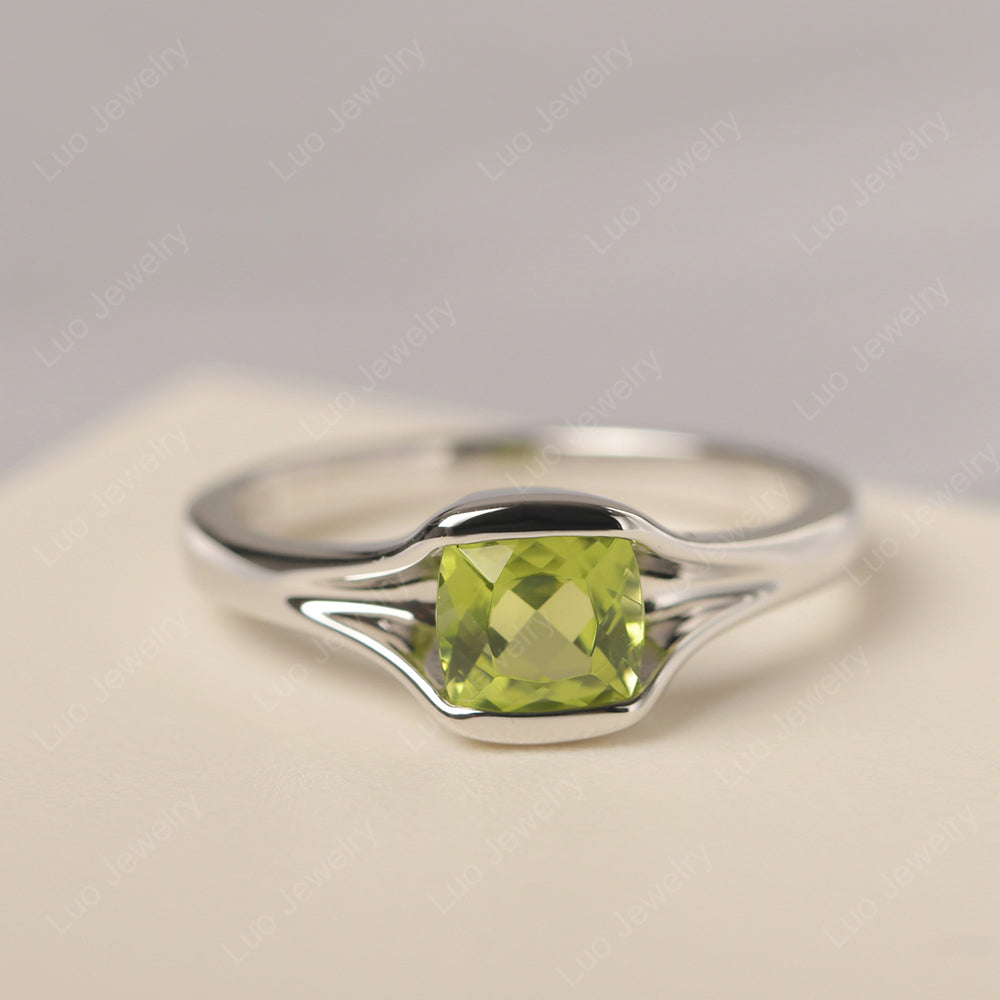
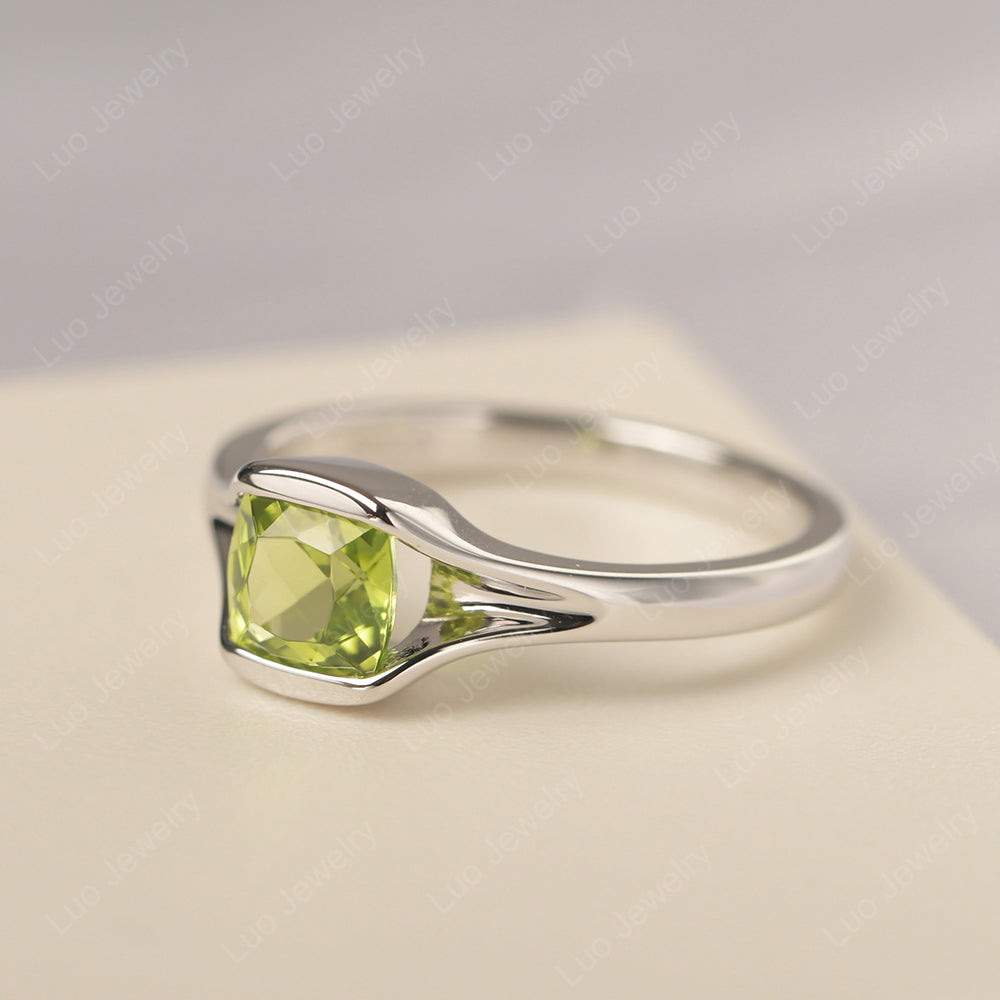
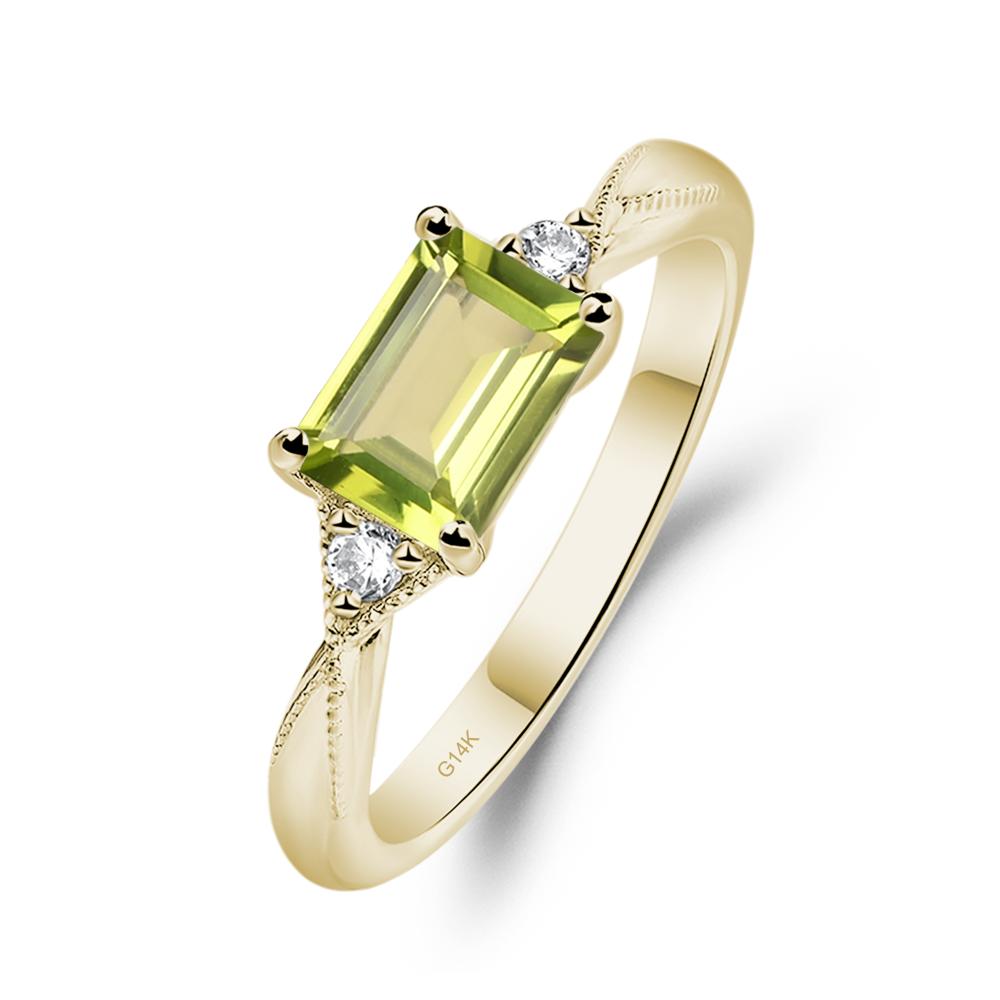
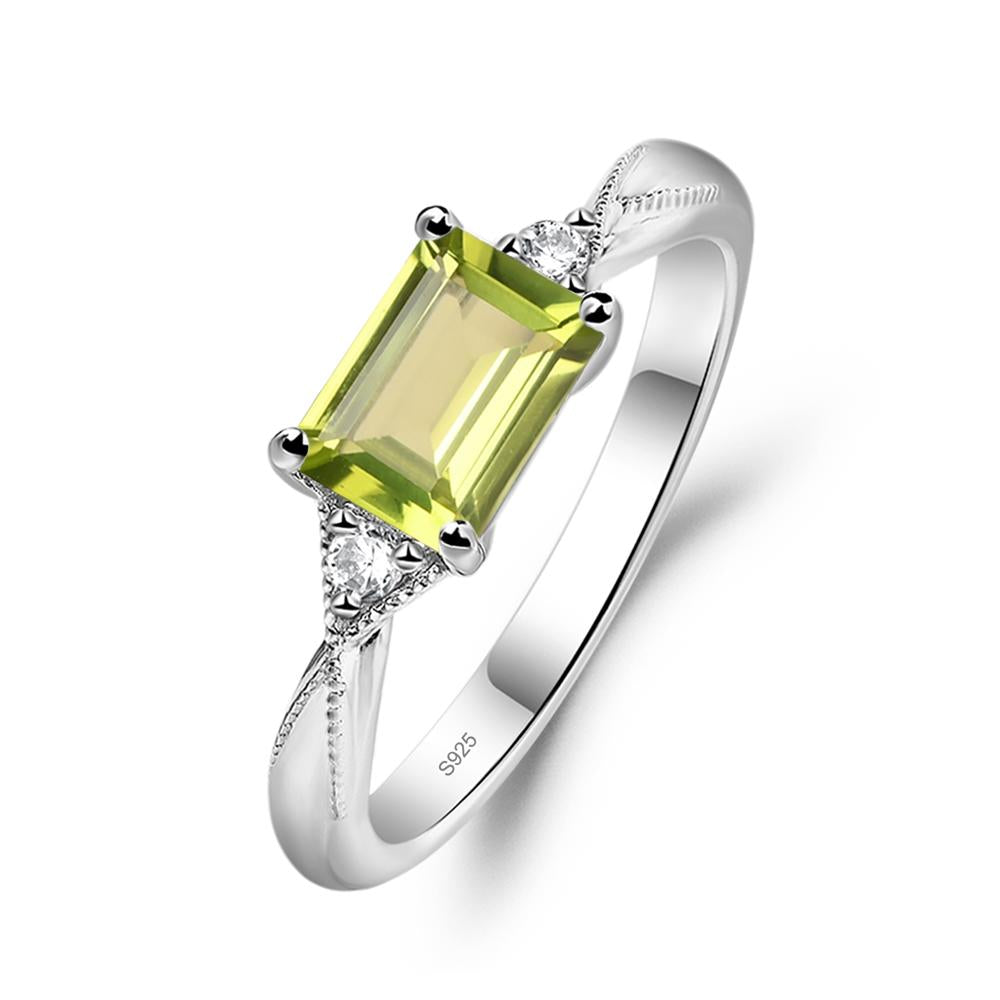
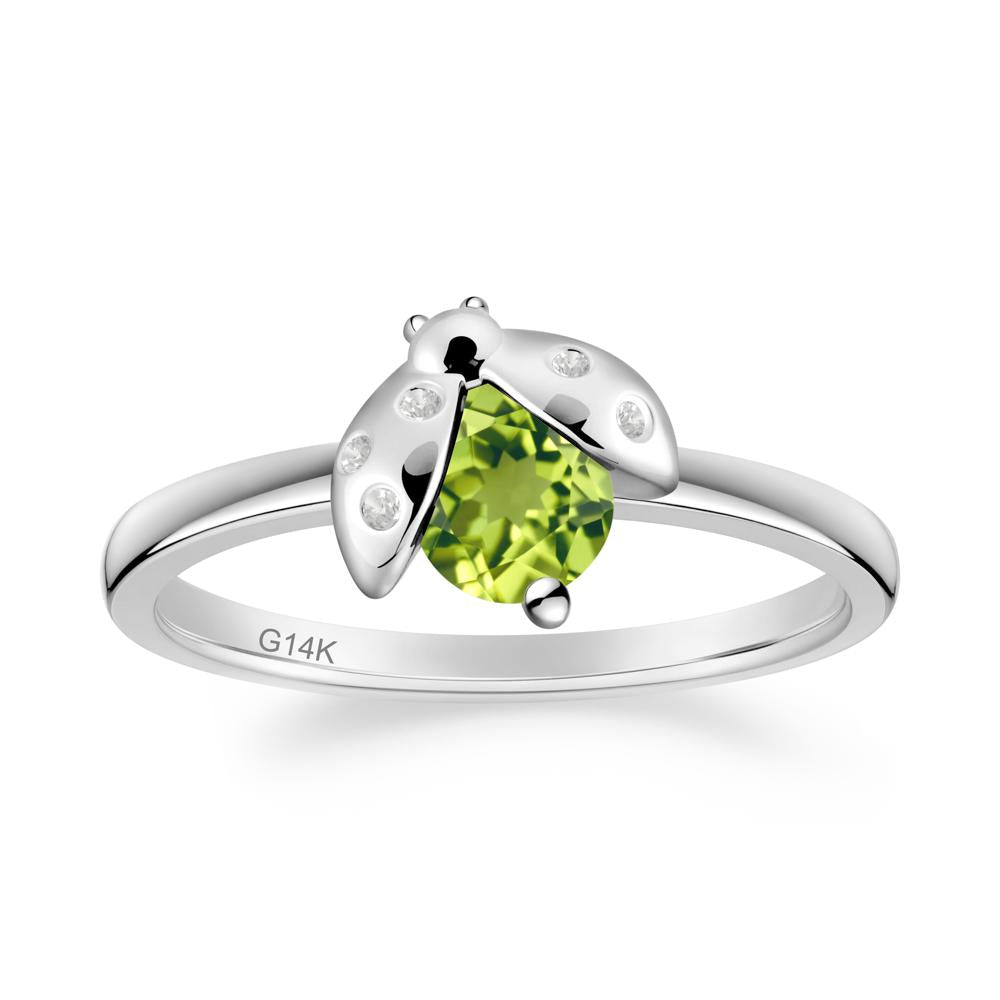
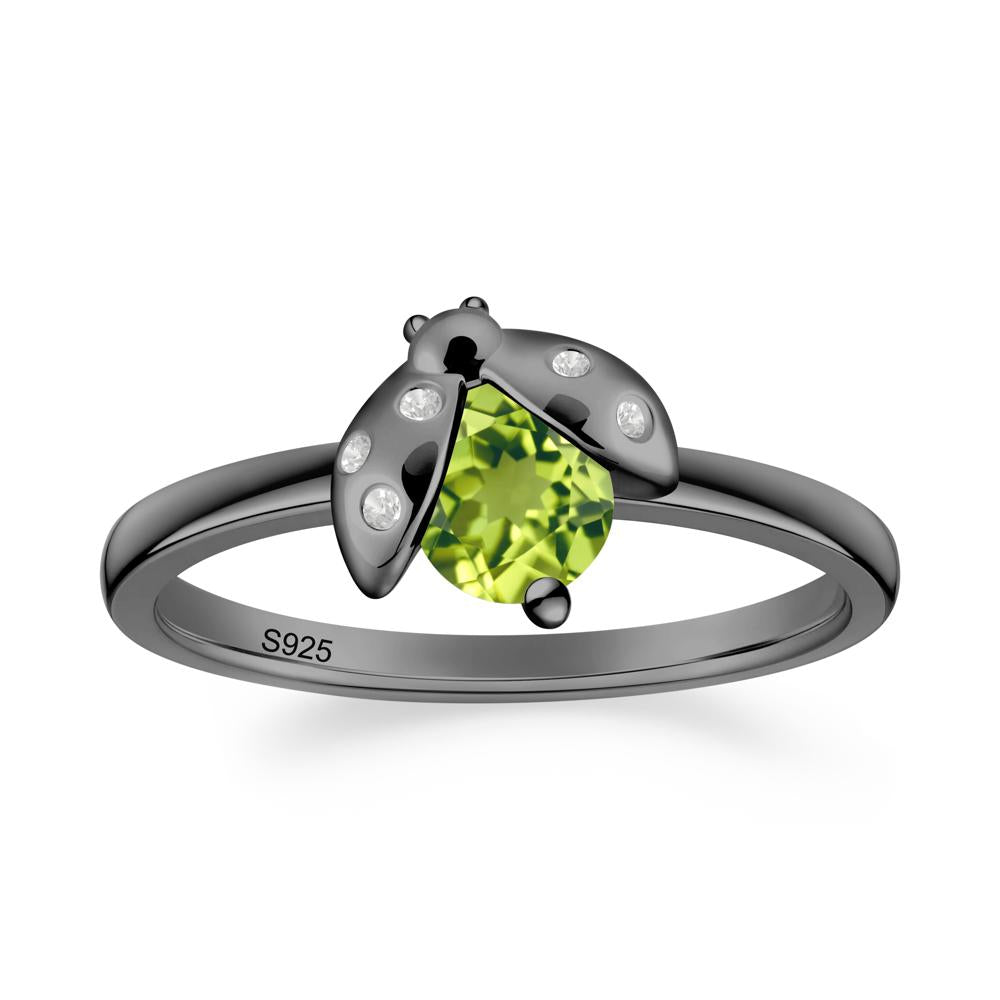
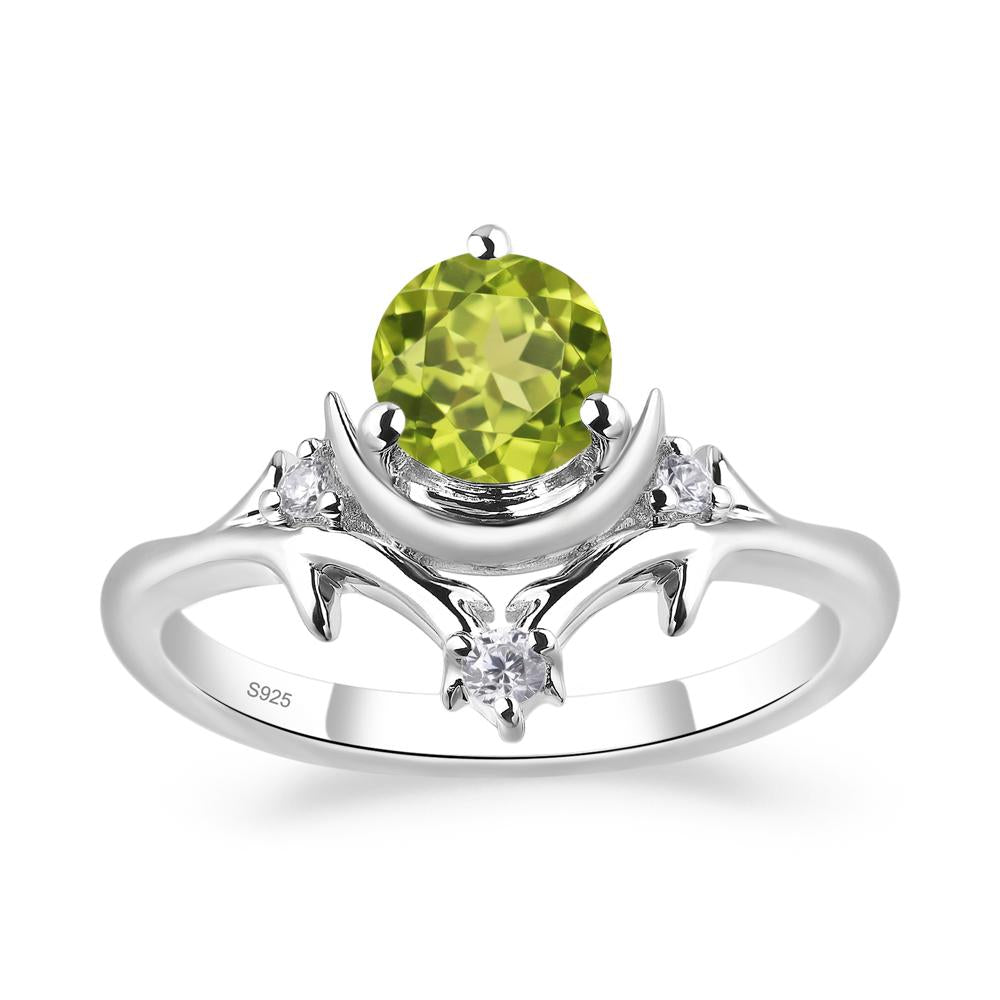
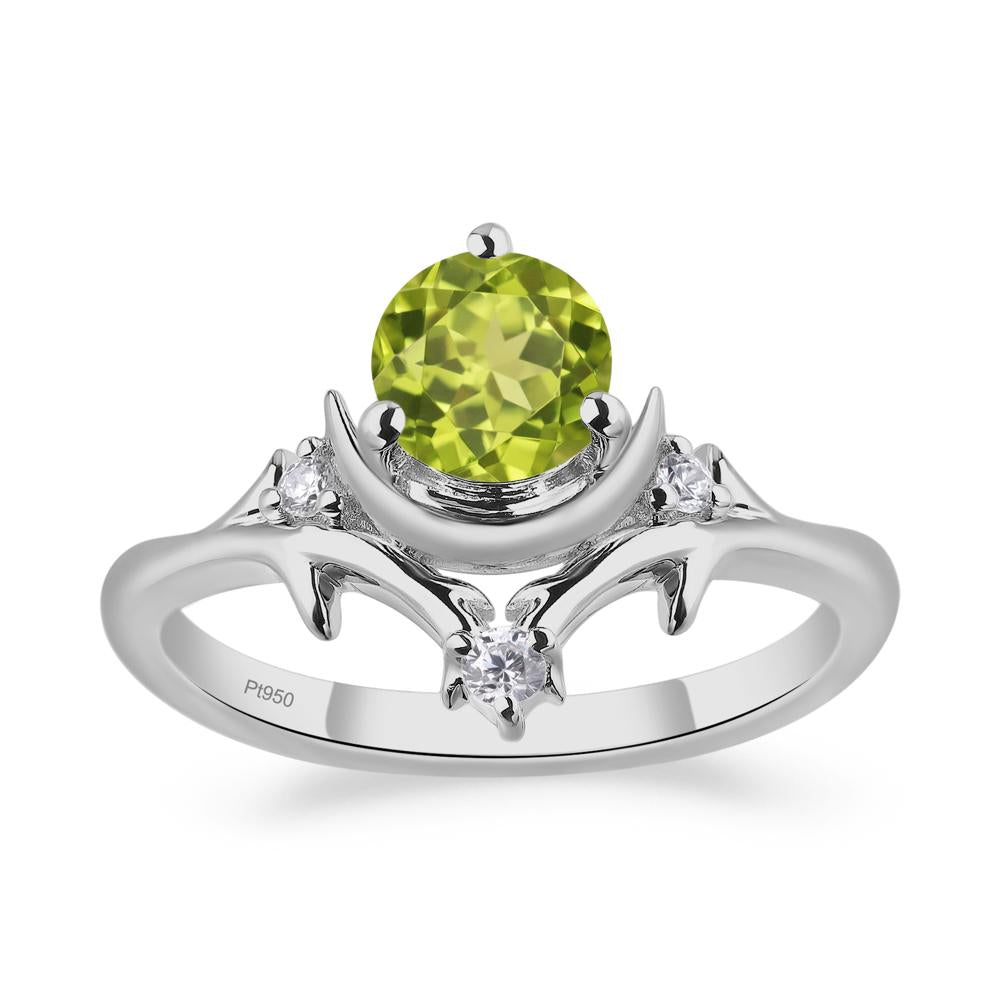
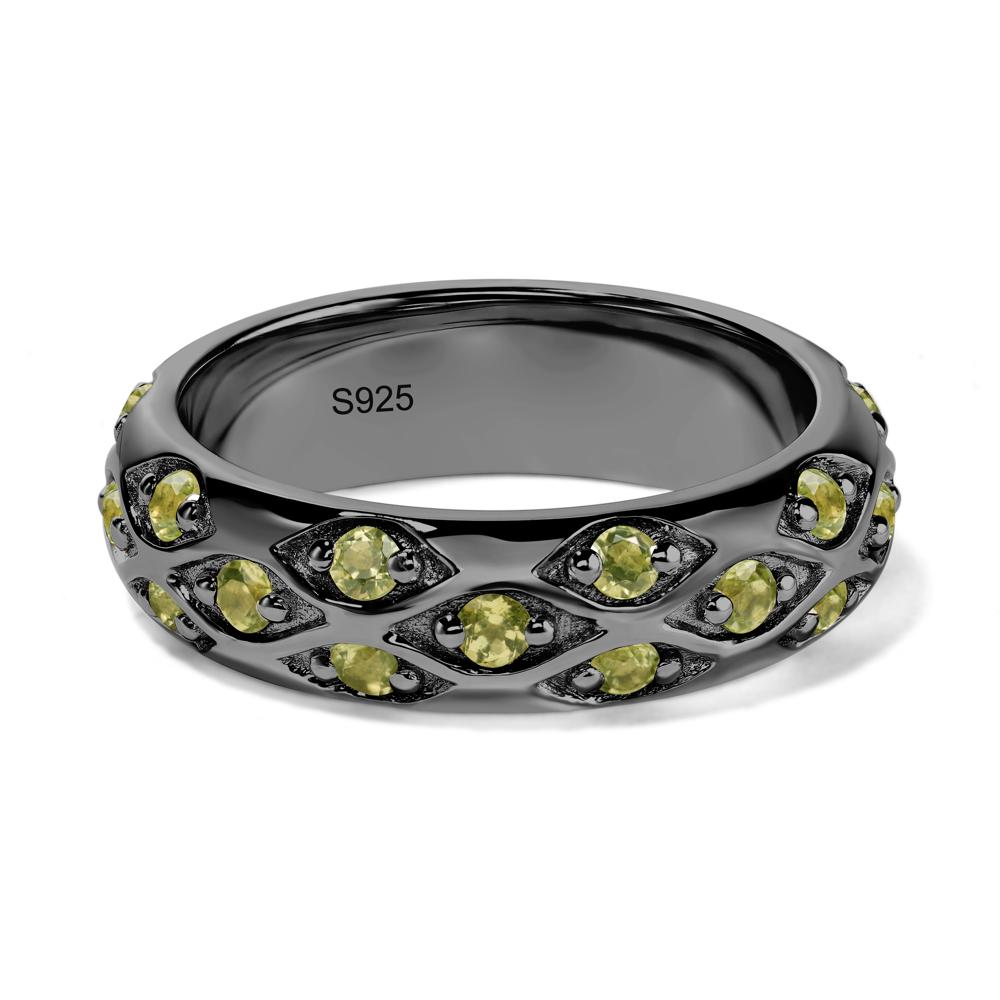
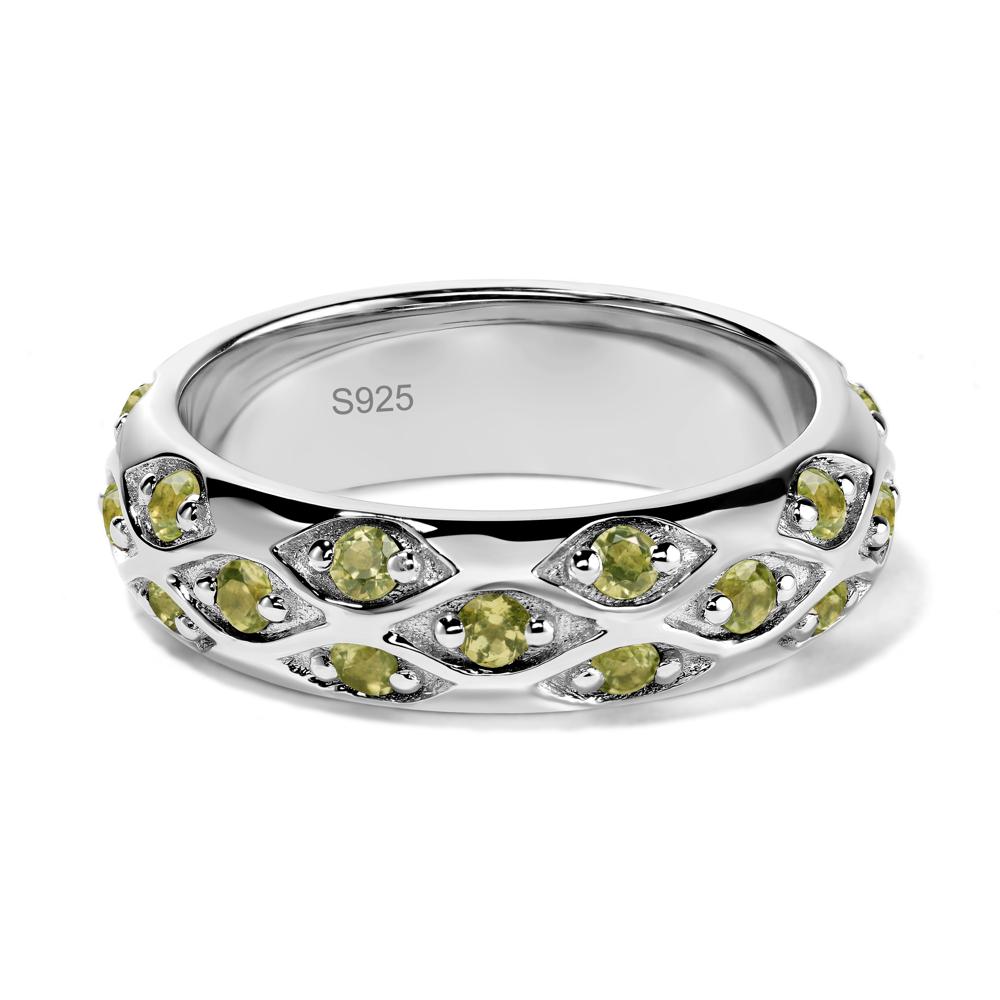
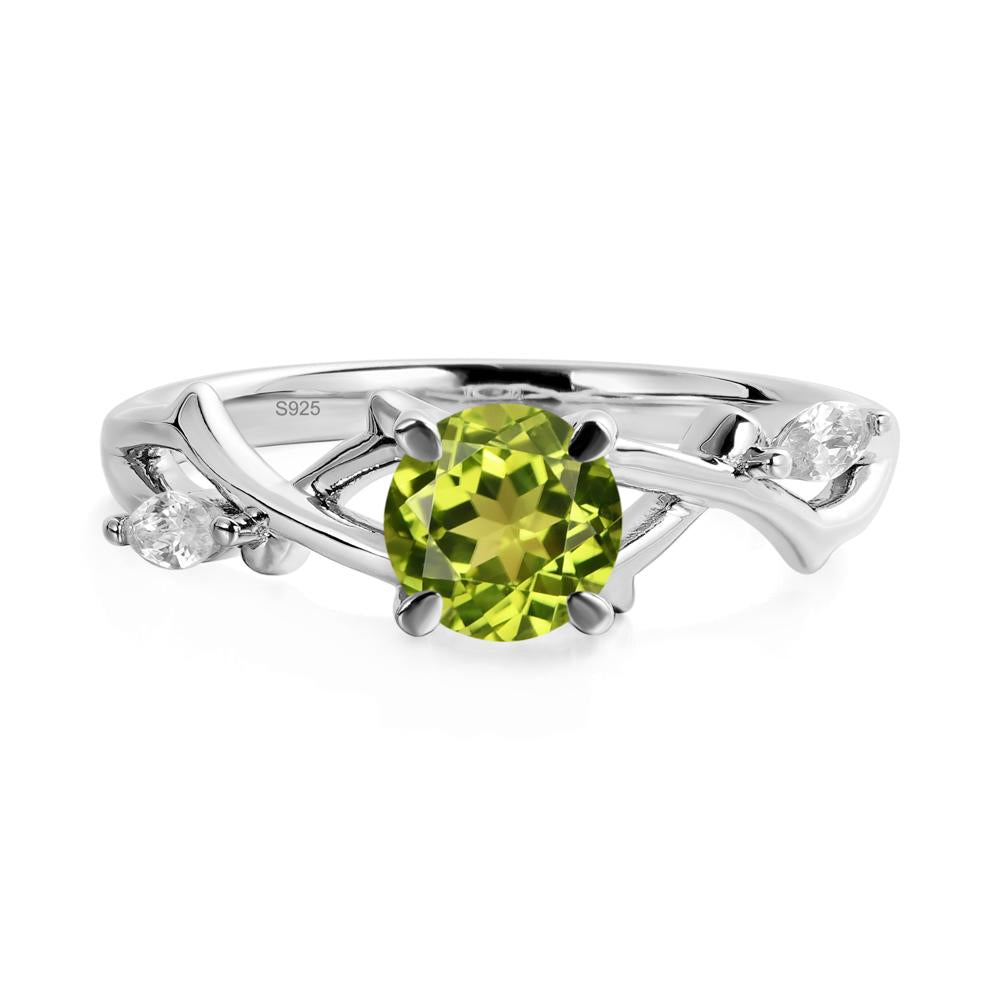
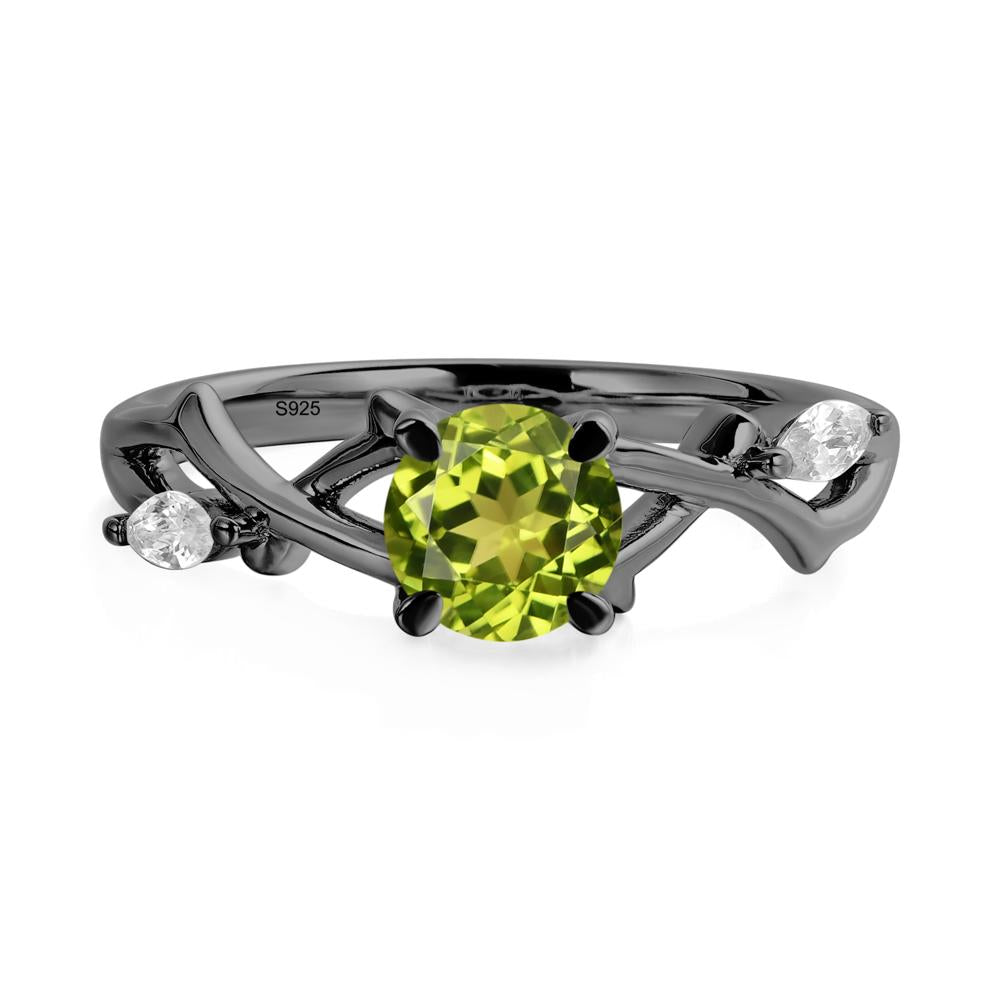
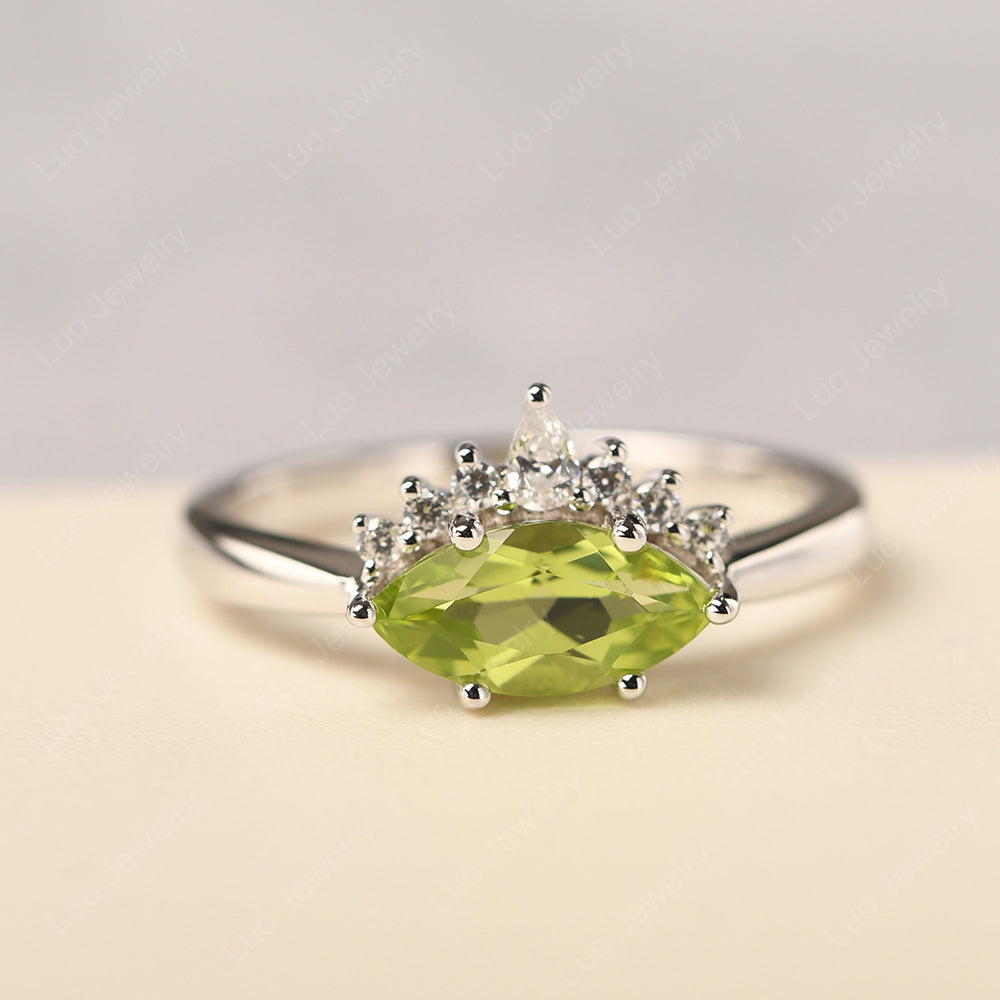
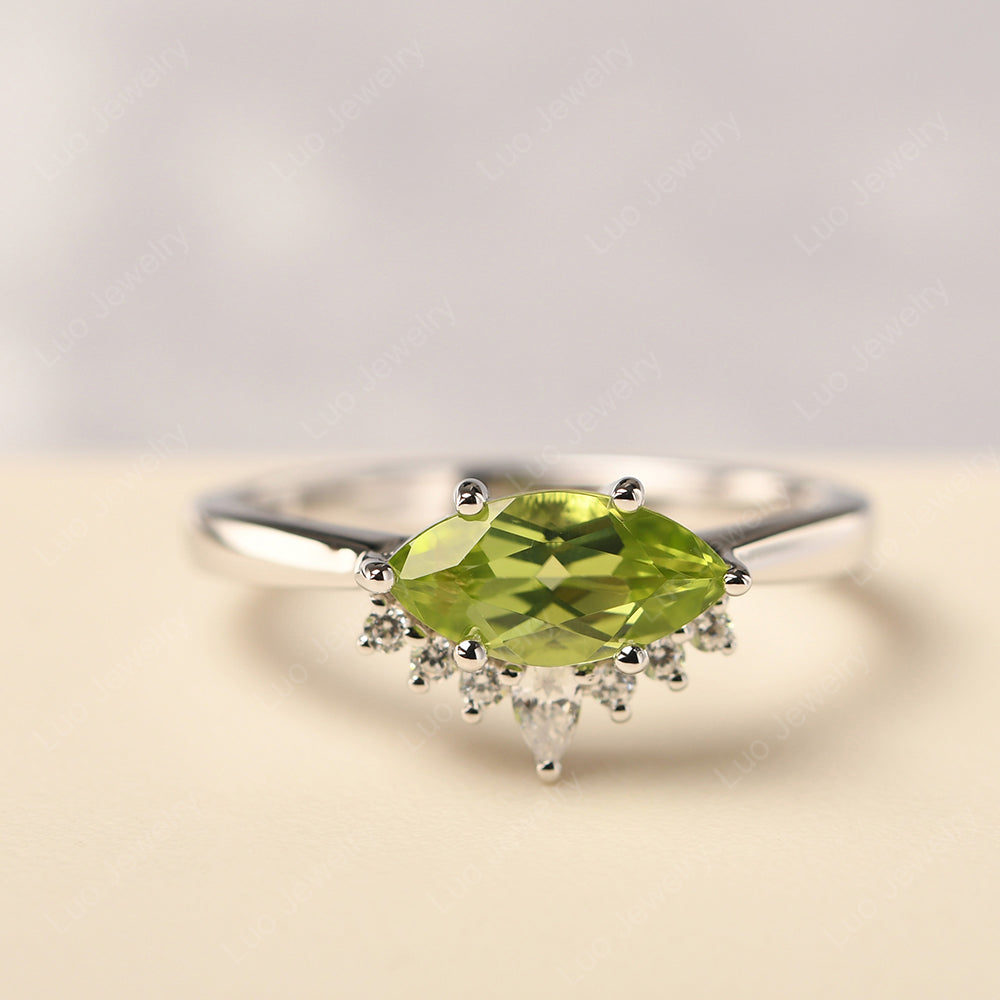
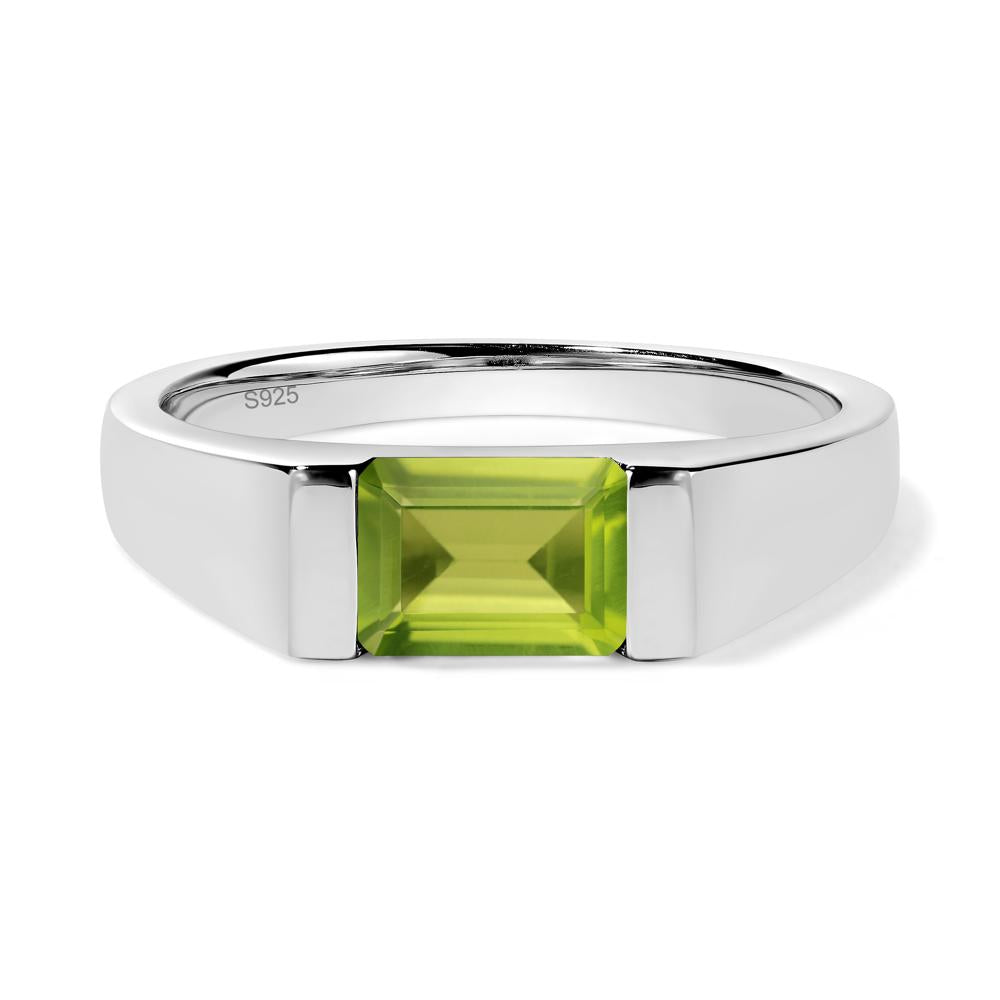
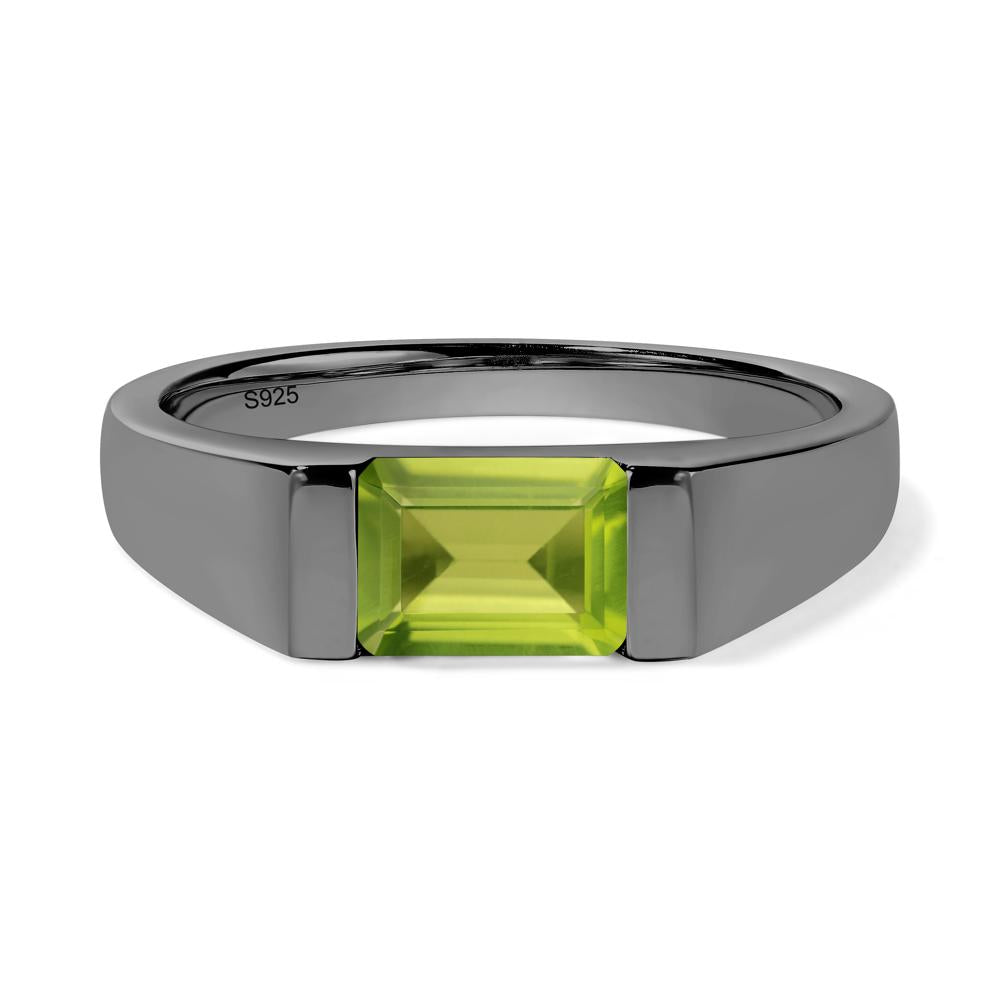
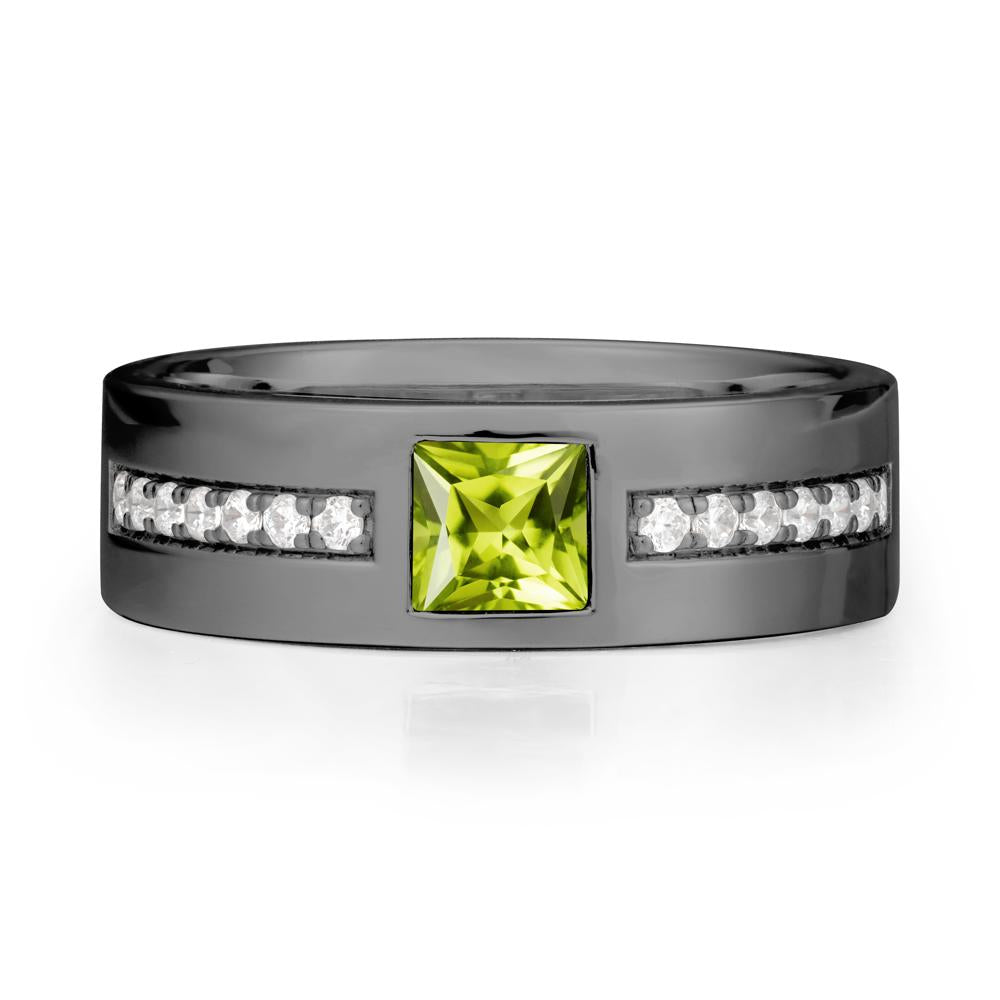
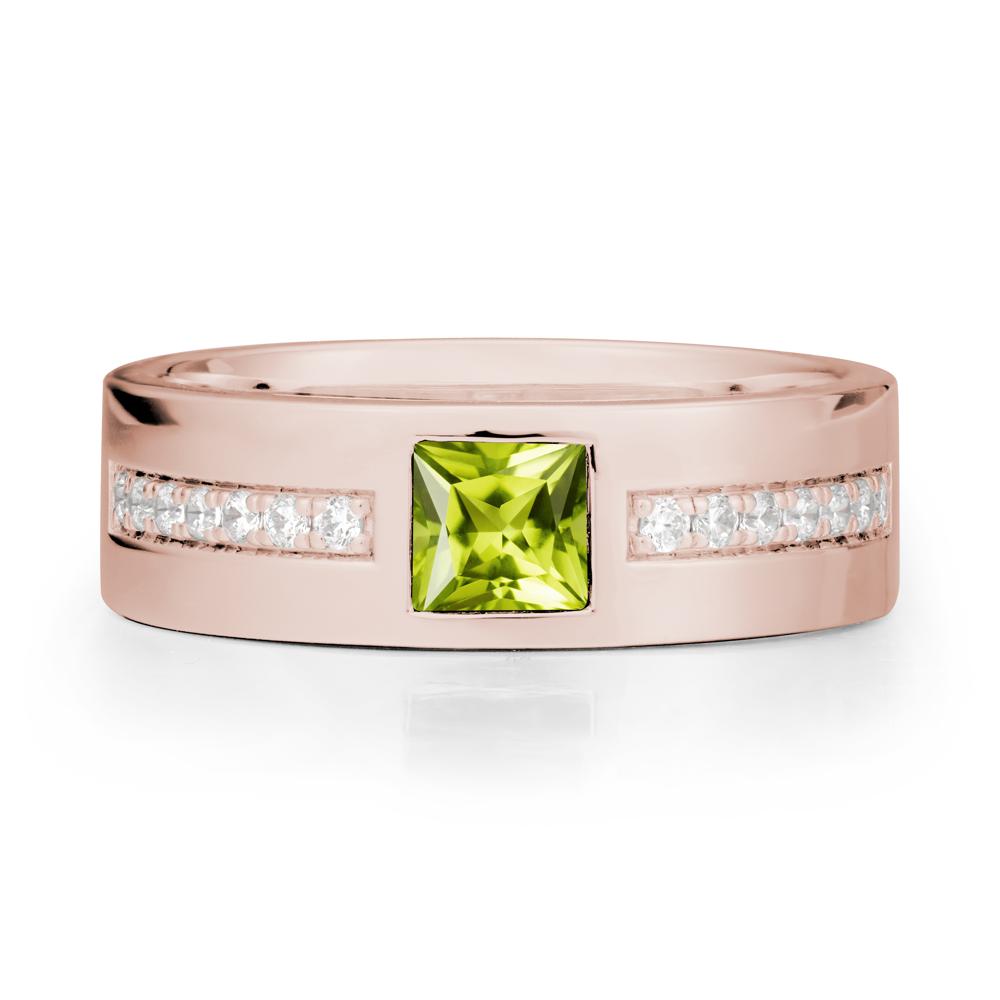
How to Clean Peridot Rings?
✅ Do's
- Safe with mild soap and water
- Gentle brushing is suitable
🚫 Don'ts
- Avoid ultrasonic cleaners
- Avoid boiling water and steam cleaners
- Avoid soaps containing citrus or acidic elements
- Avoid sudden temperature changes
Explore What You May Like
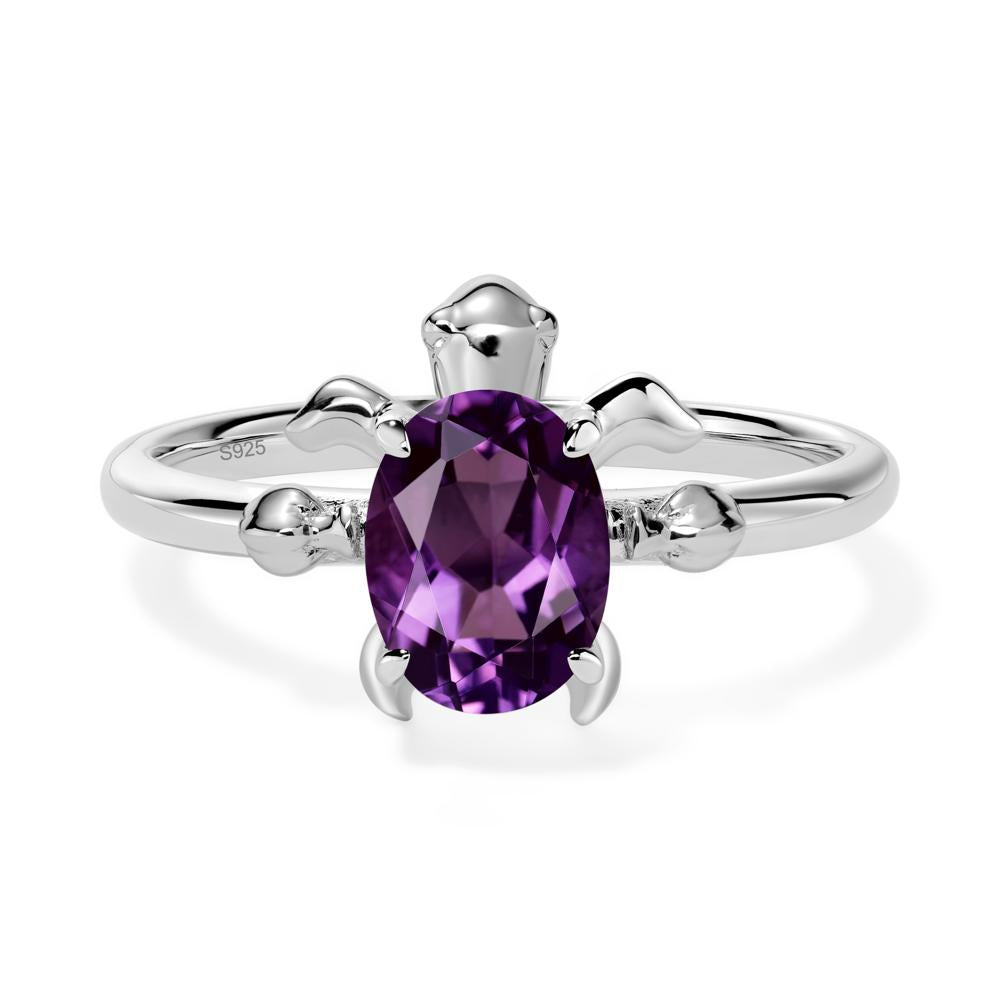
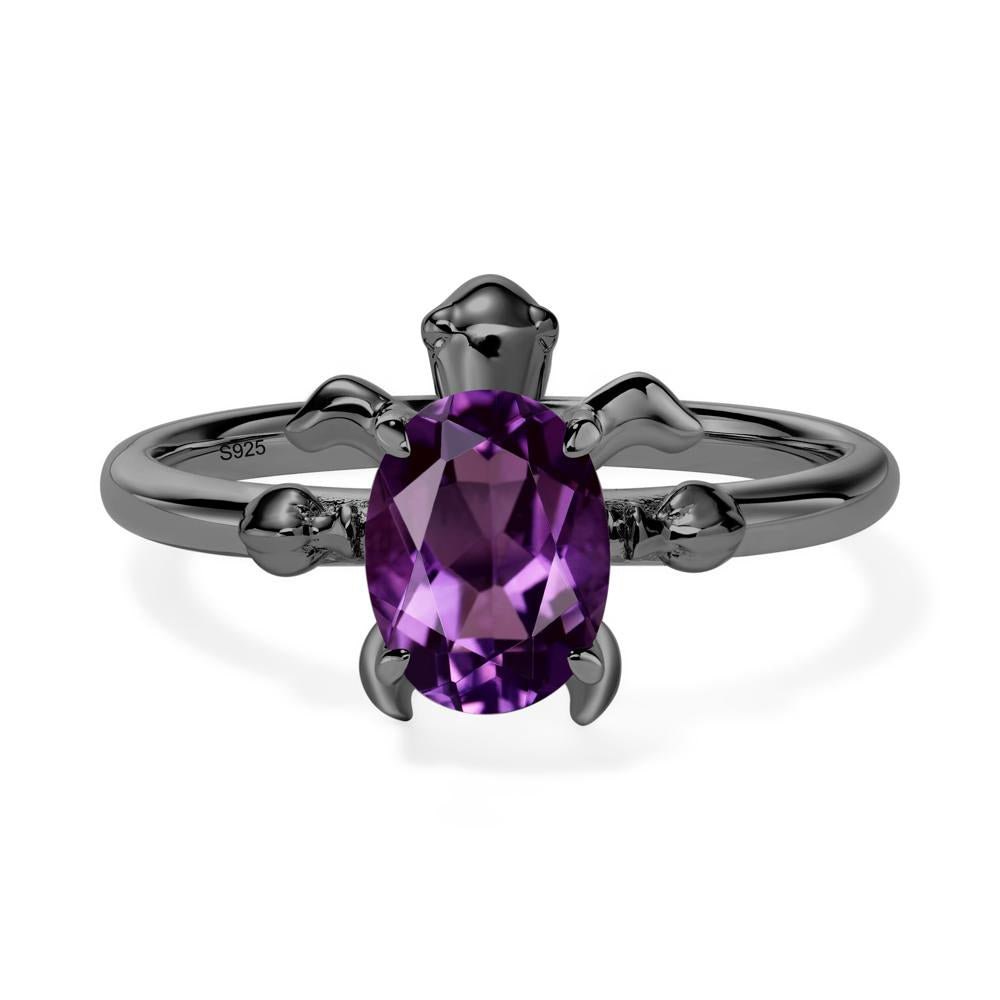
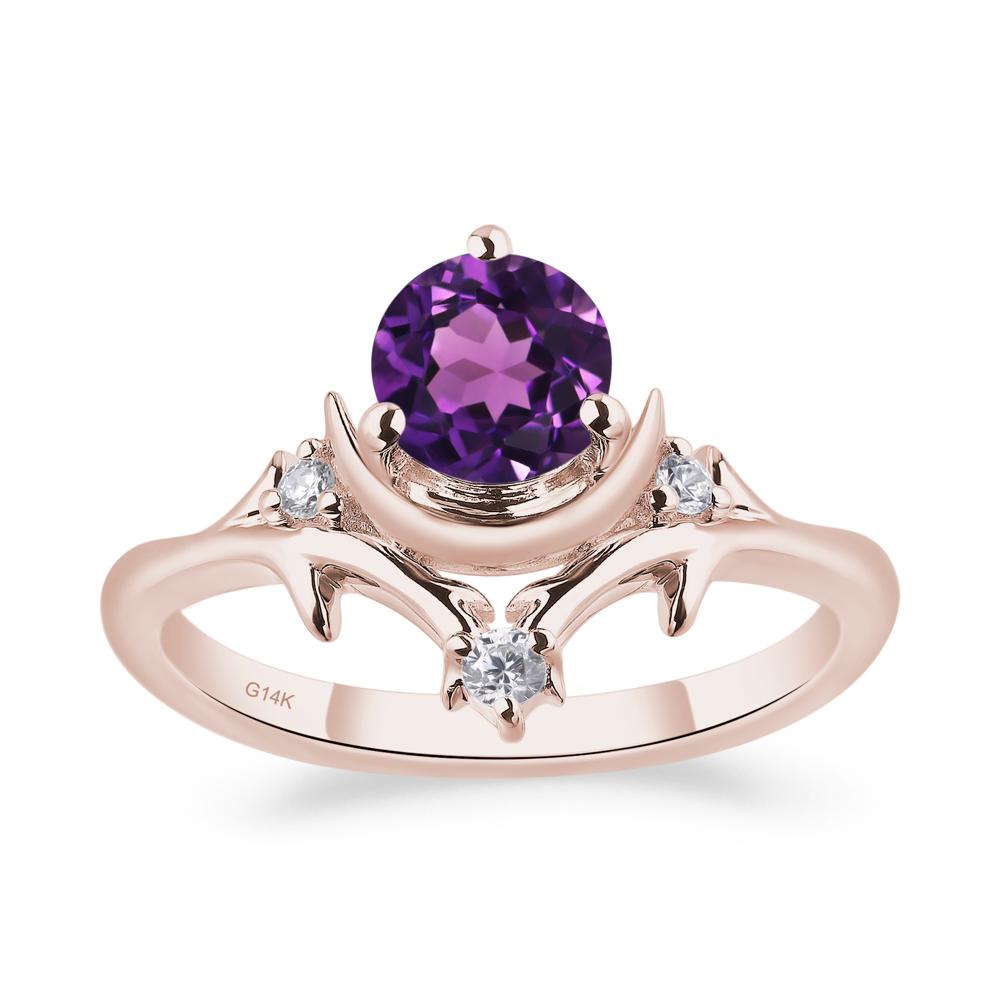
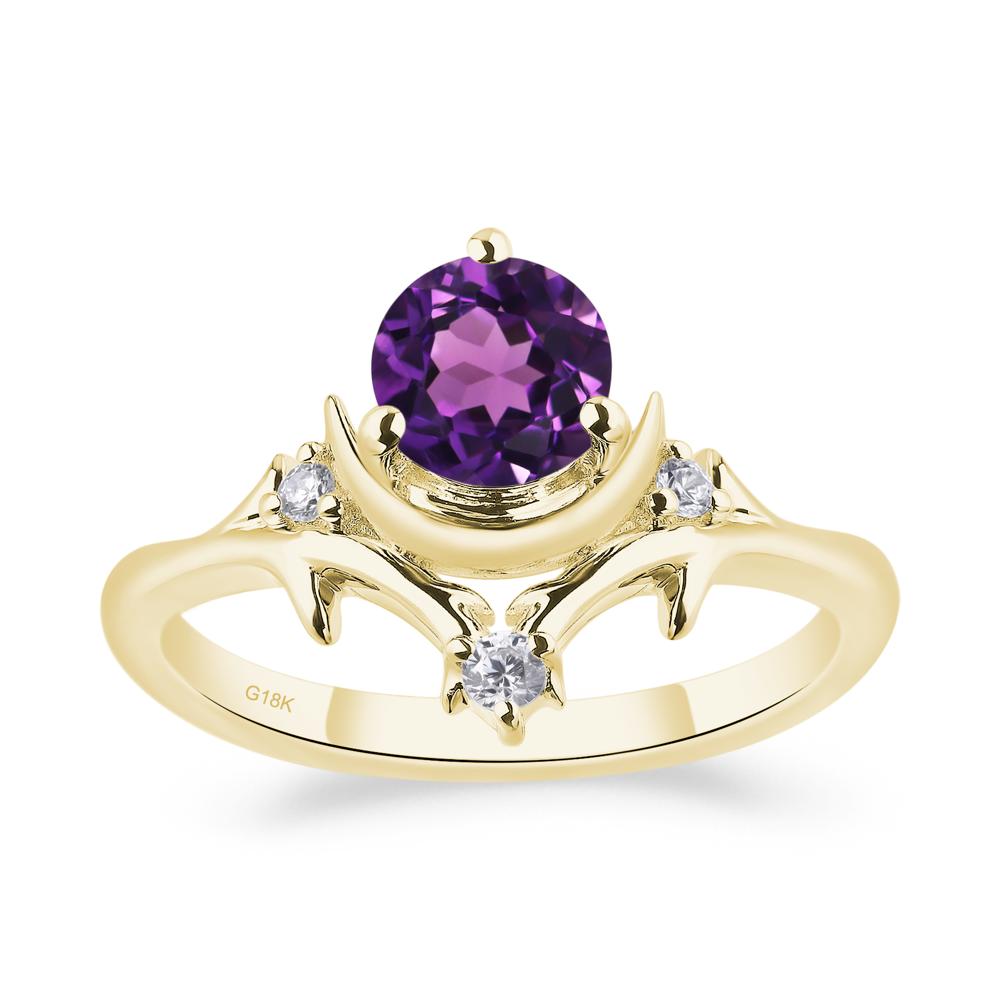
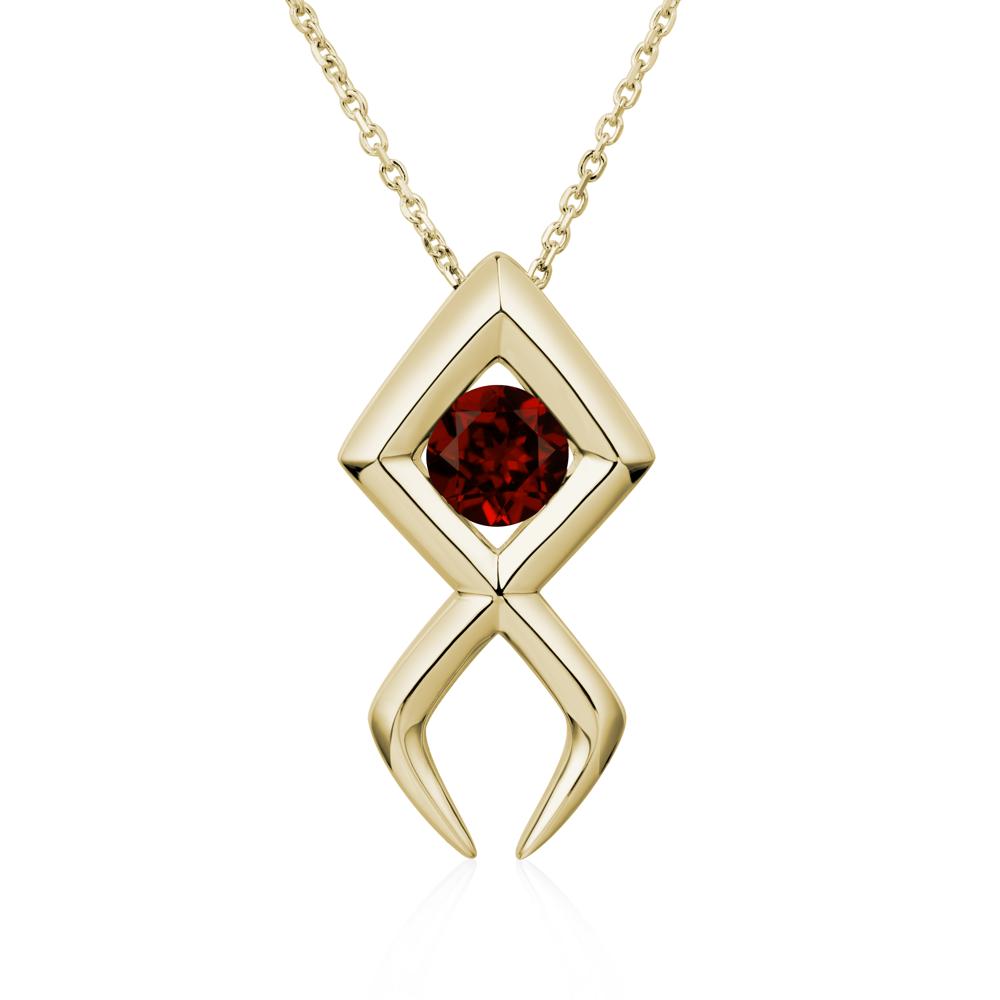
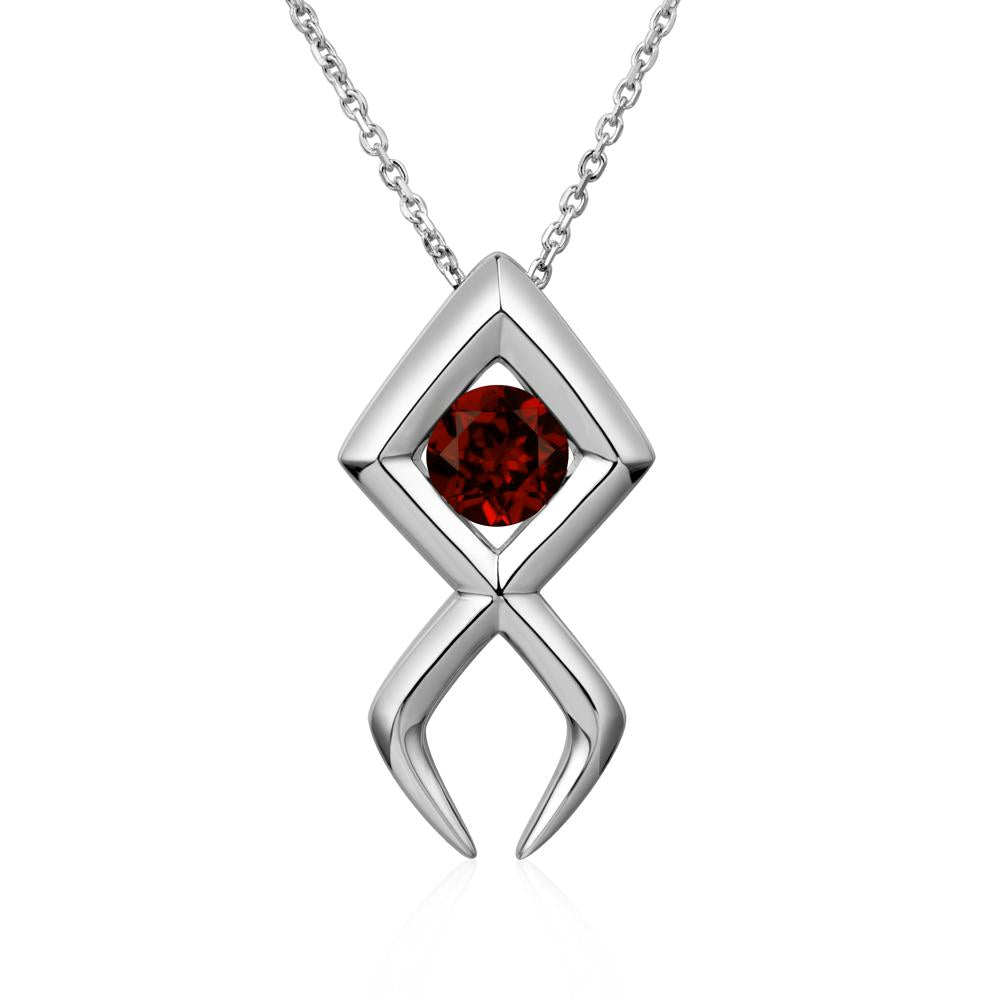
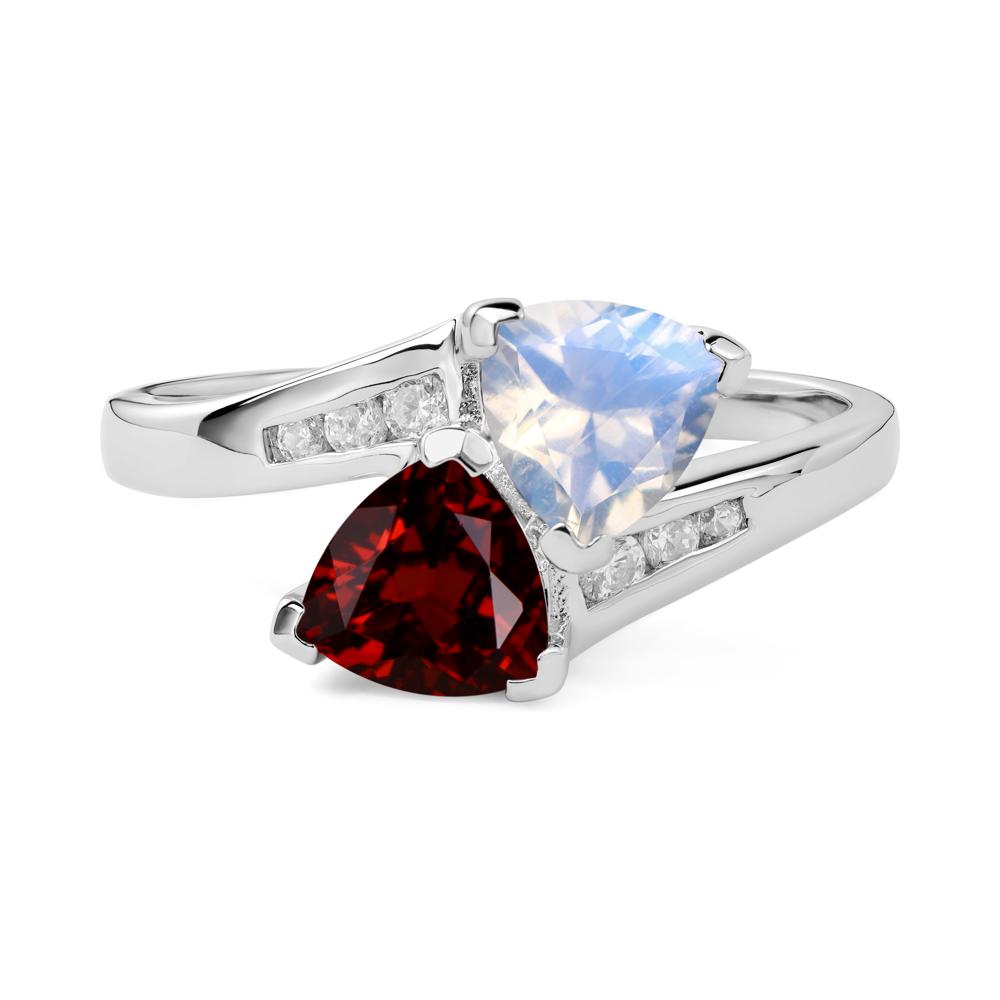
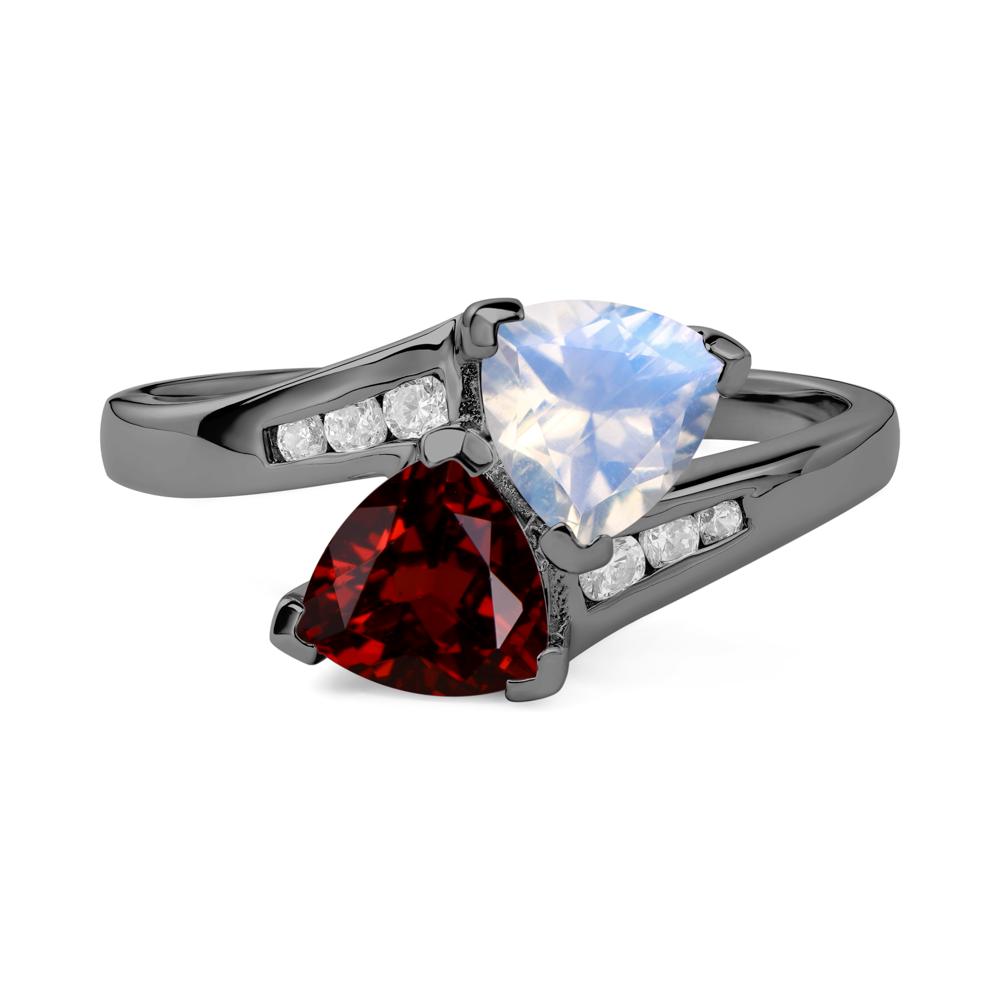





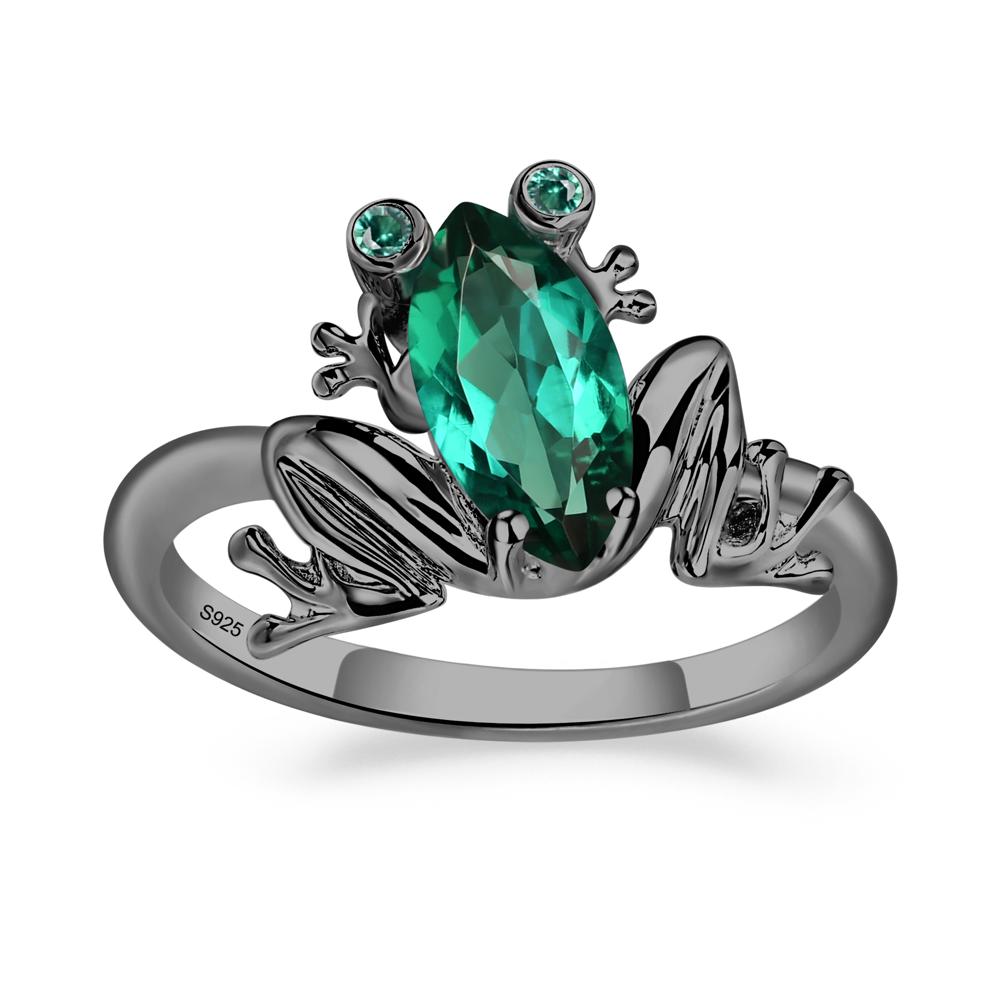
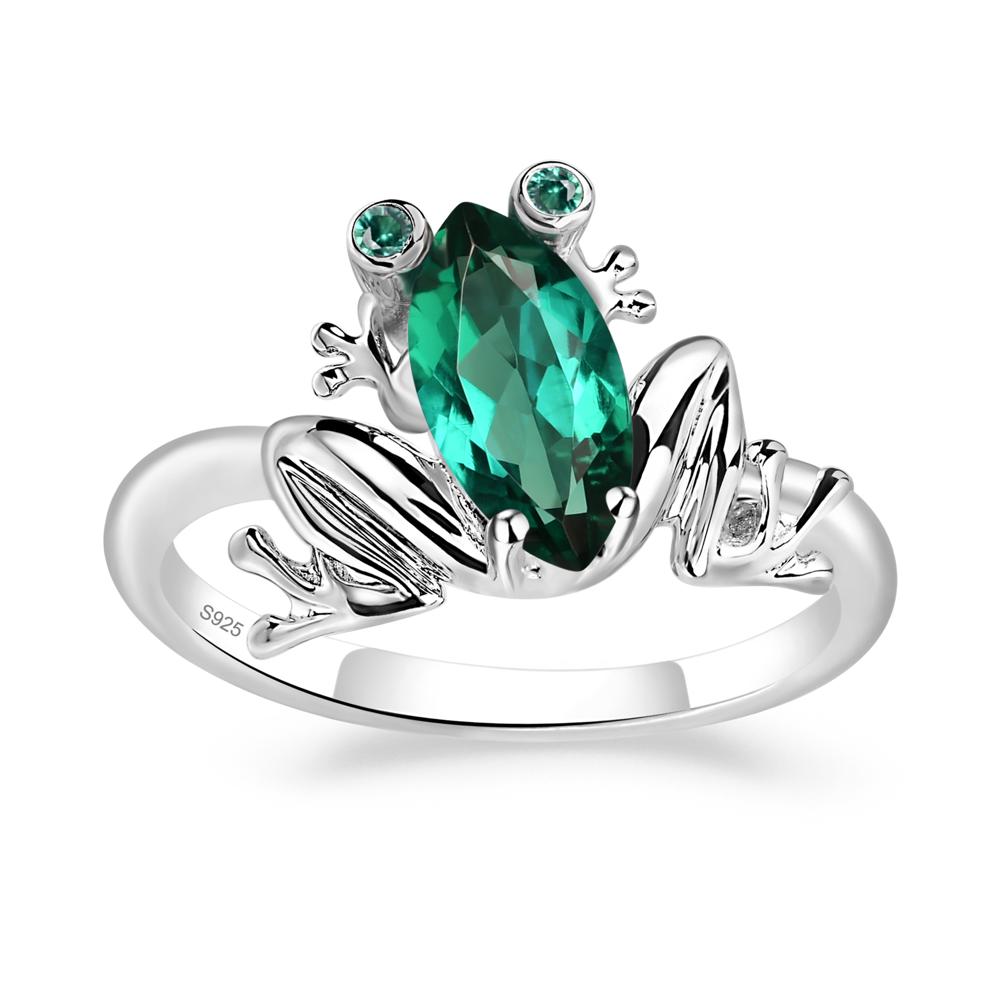
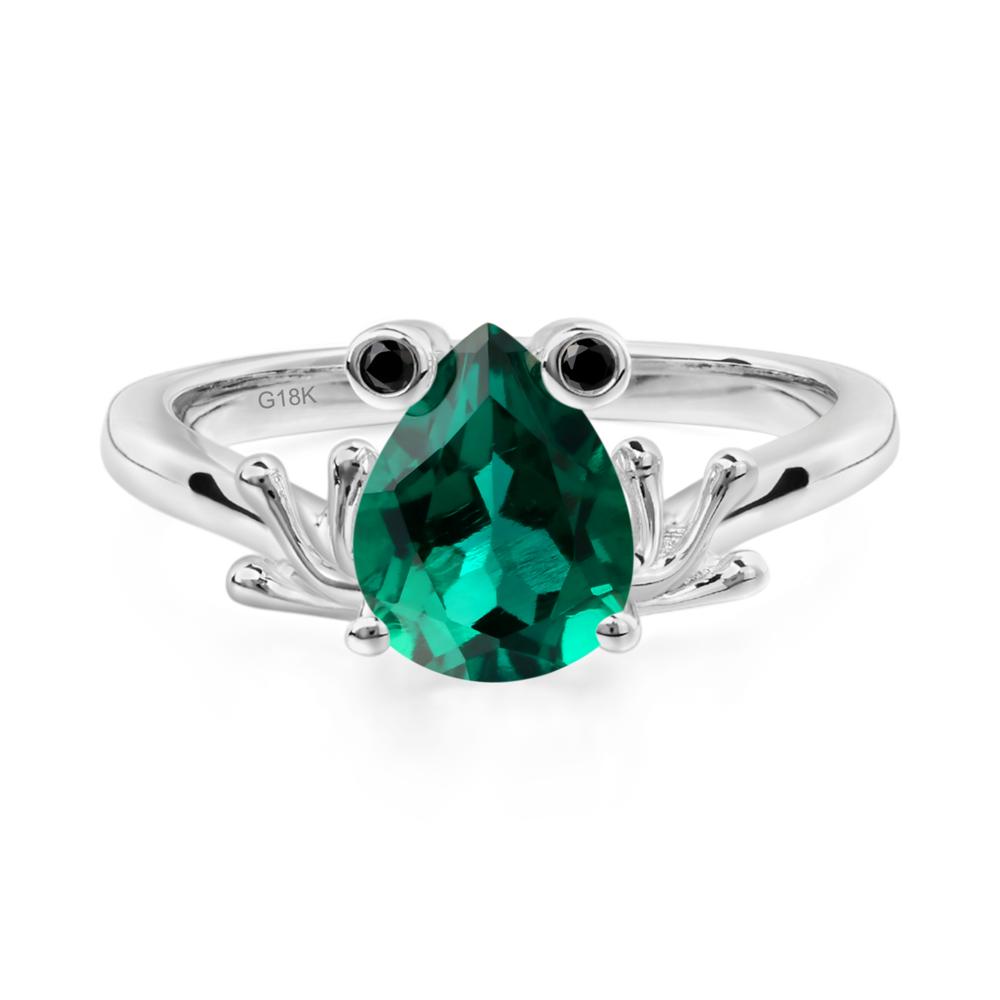
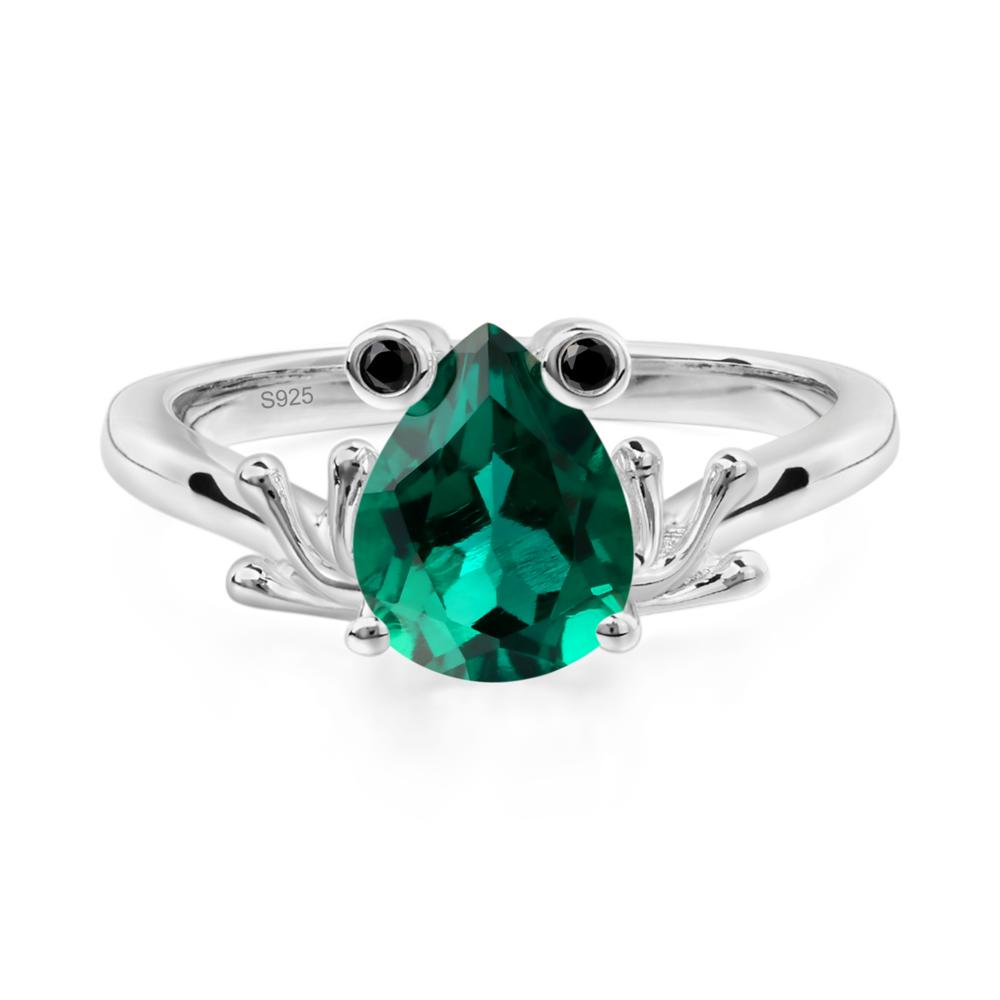
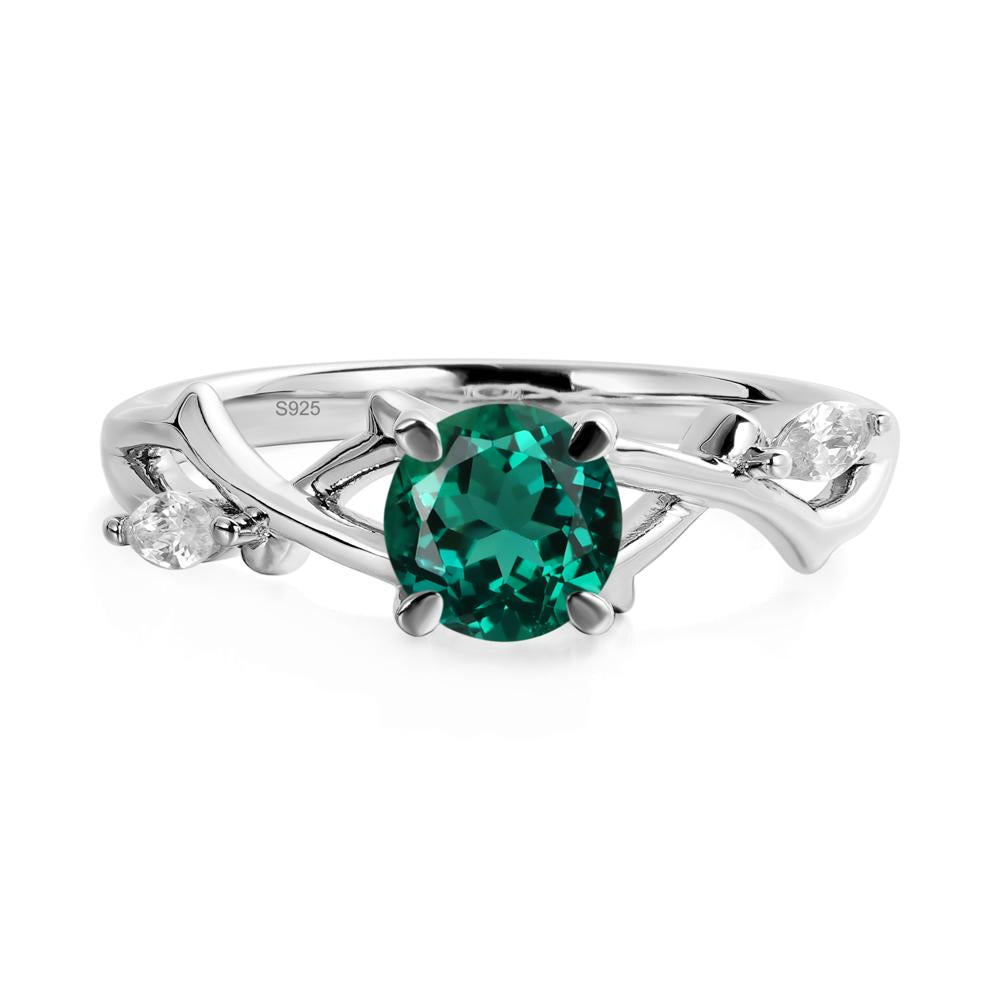
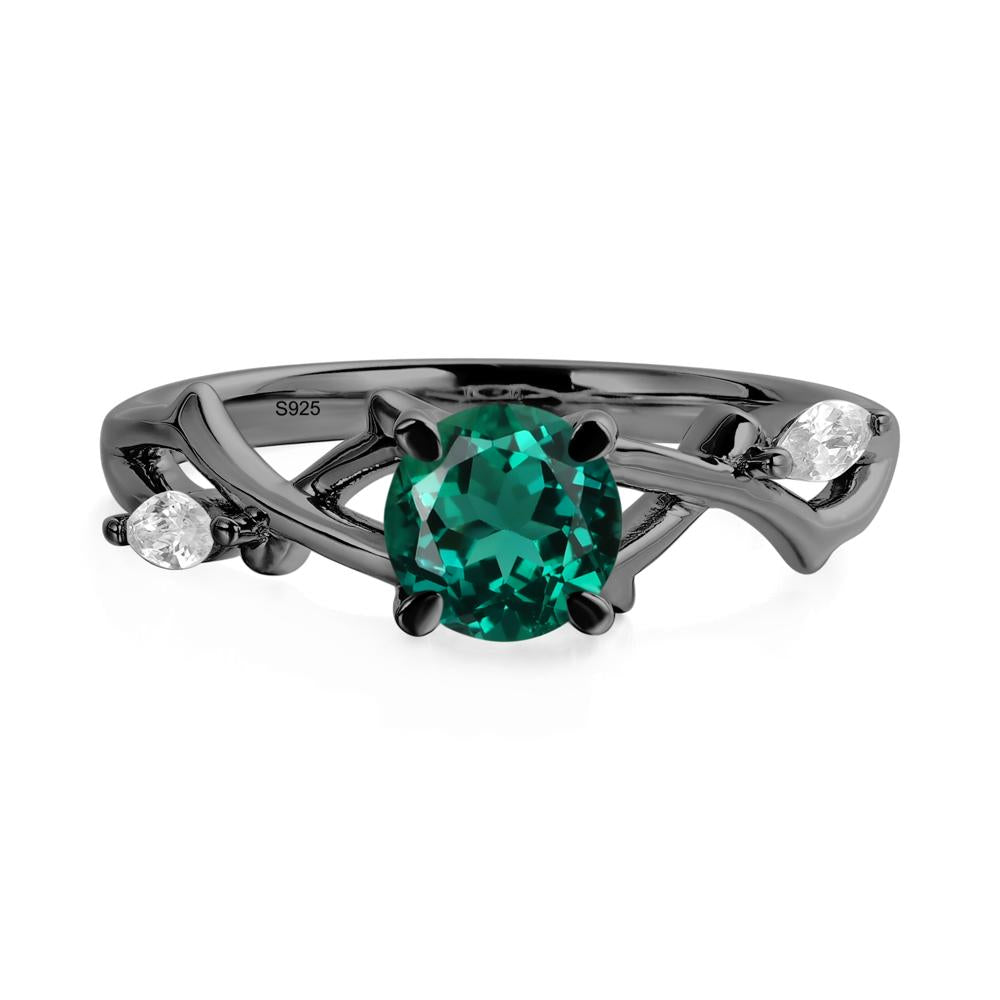
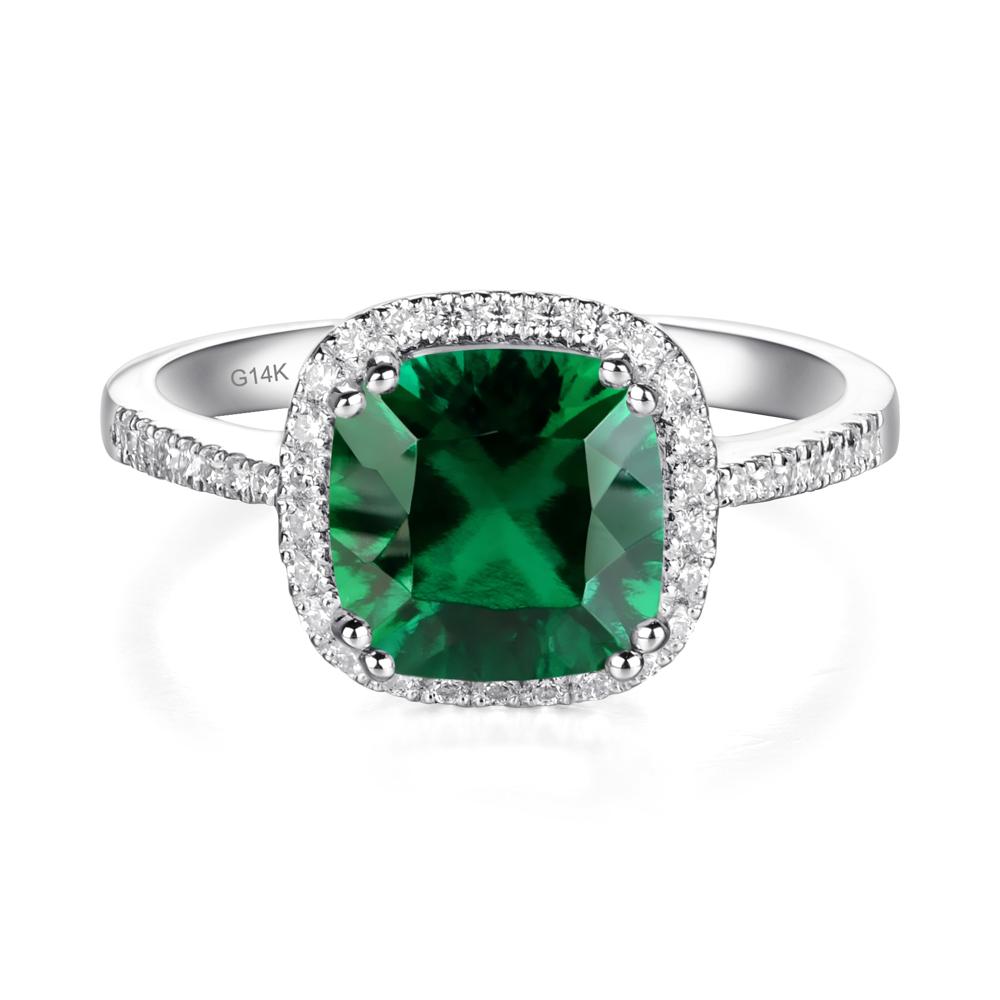
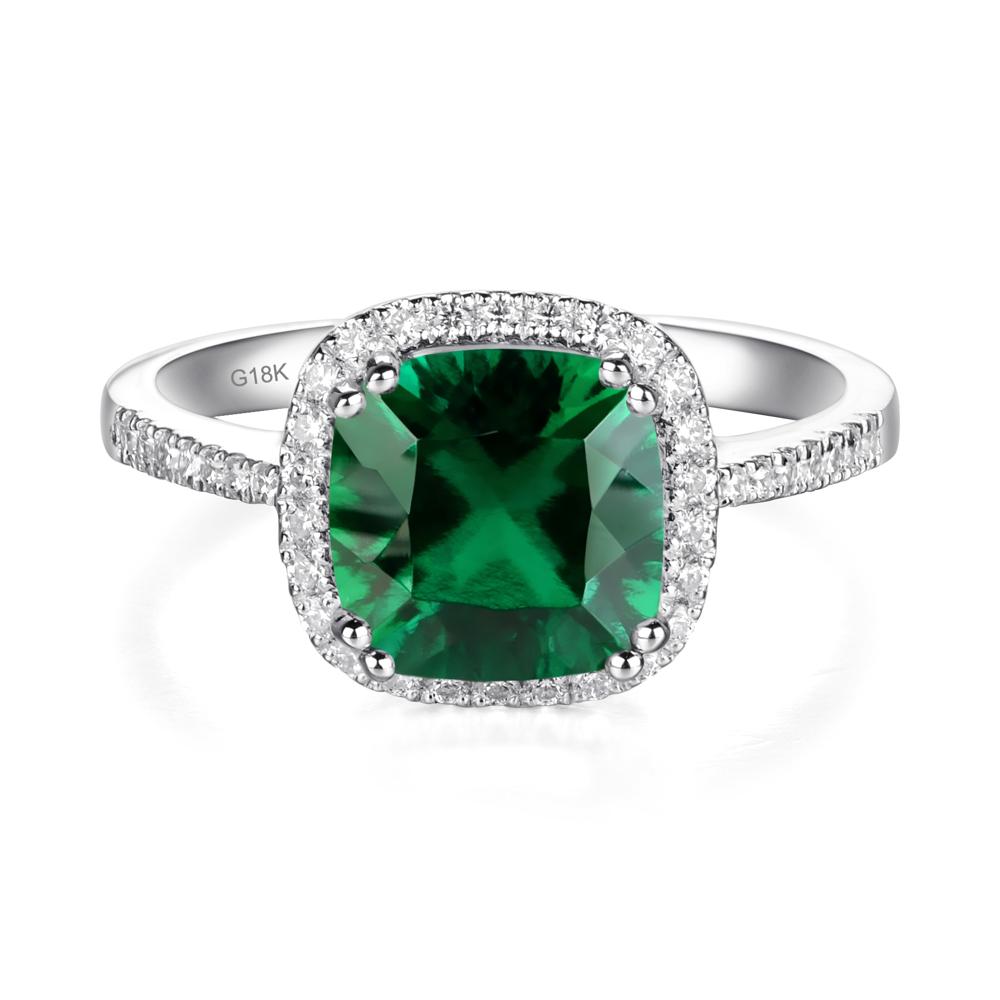
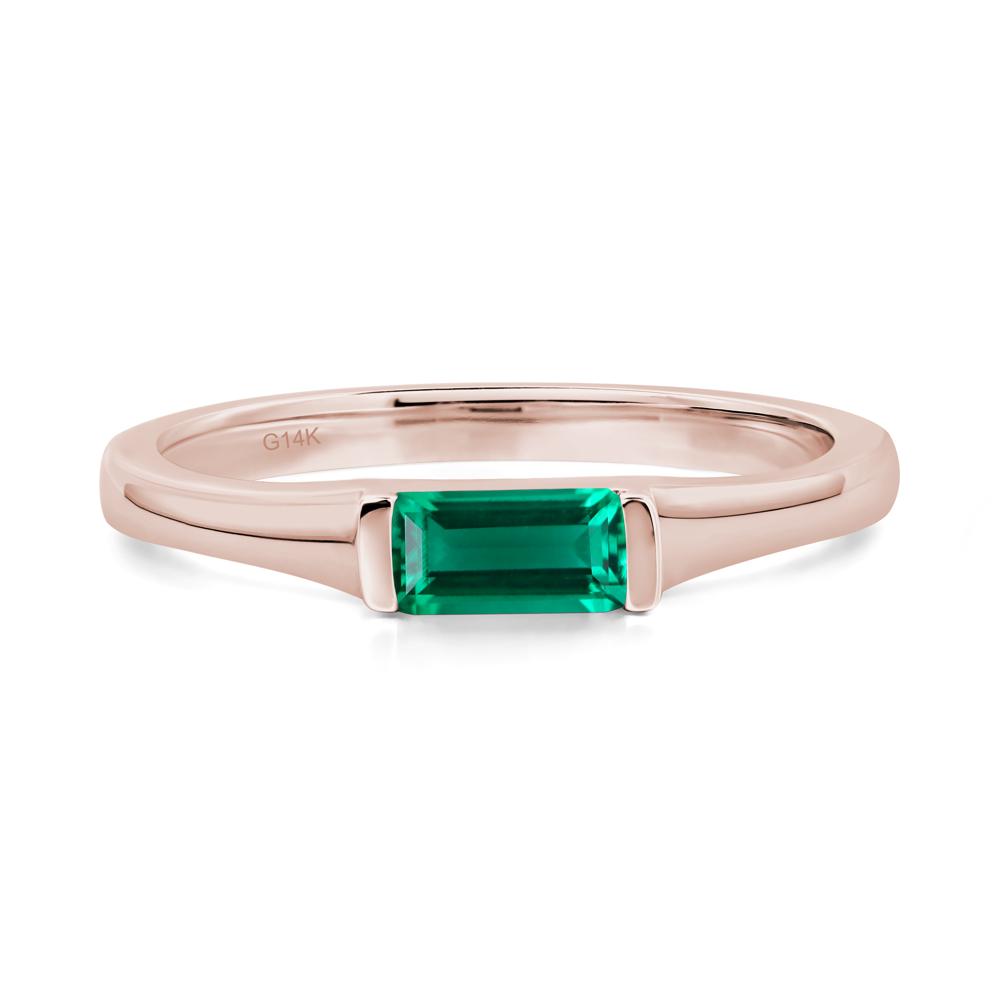
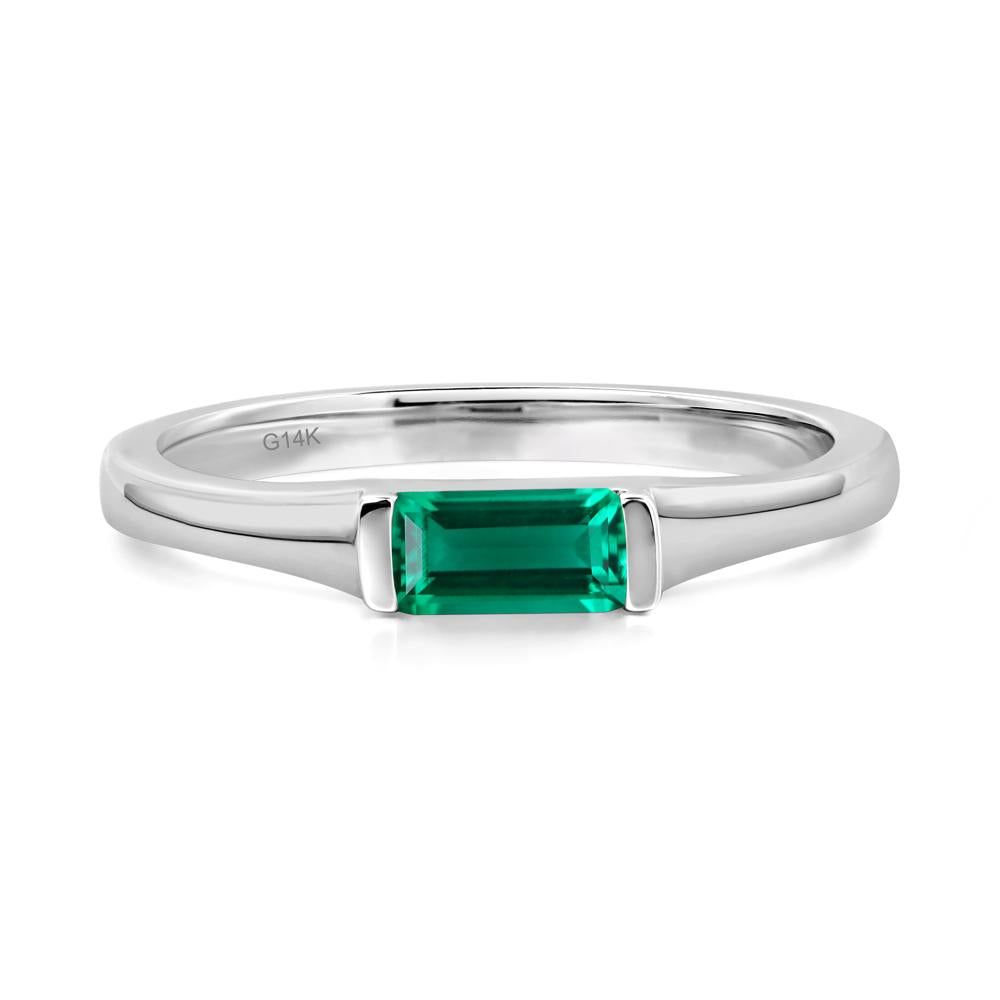
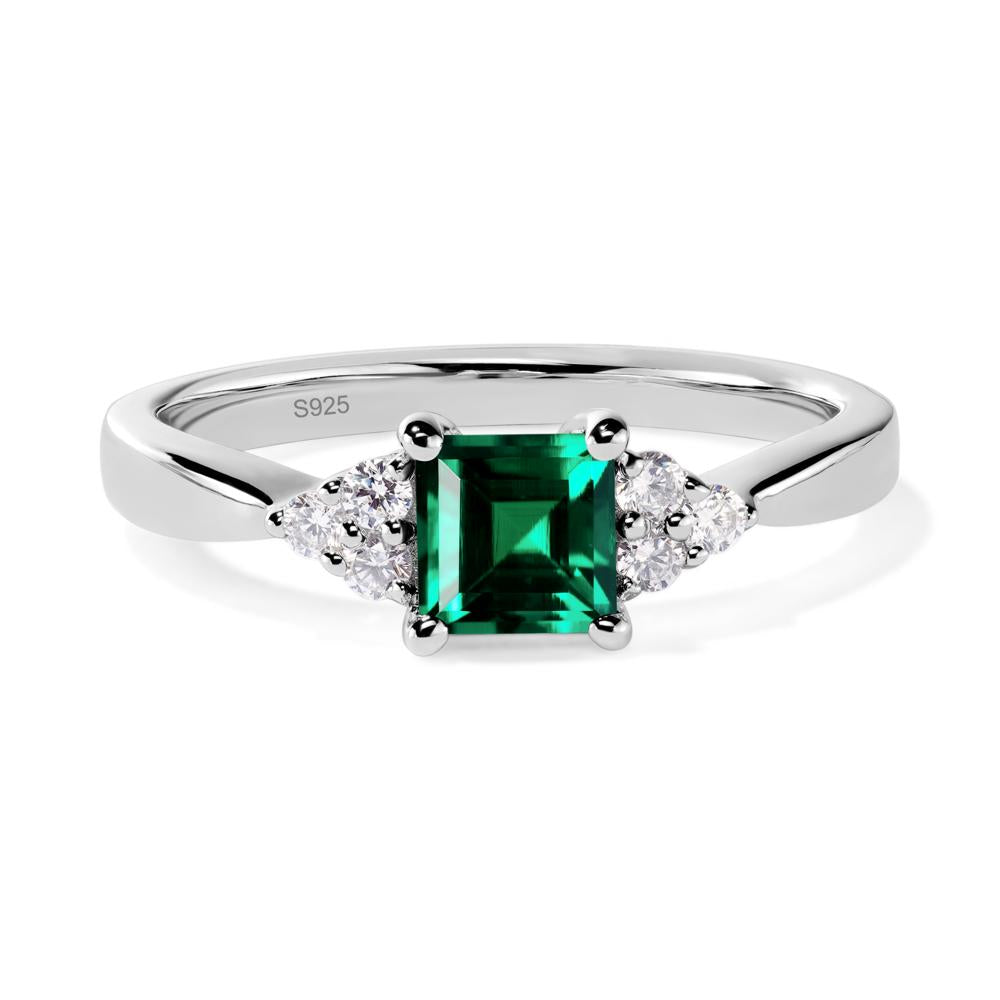
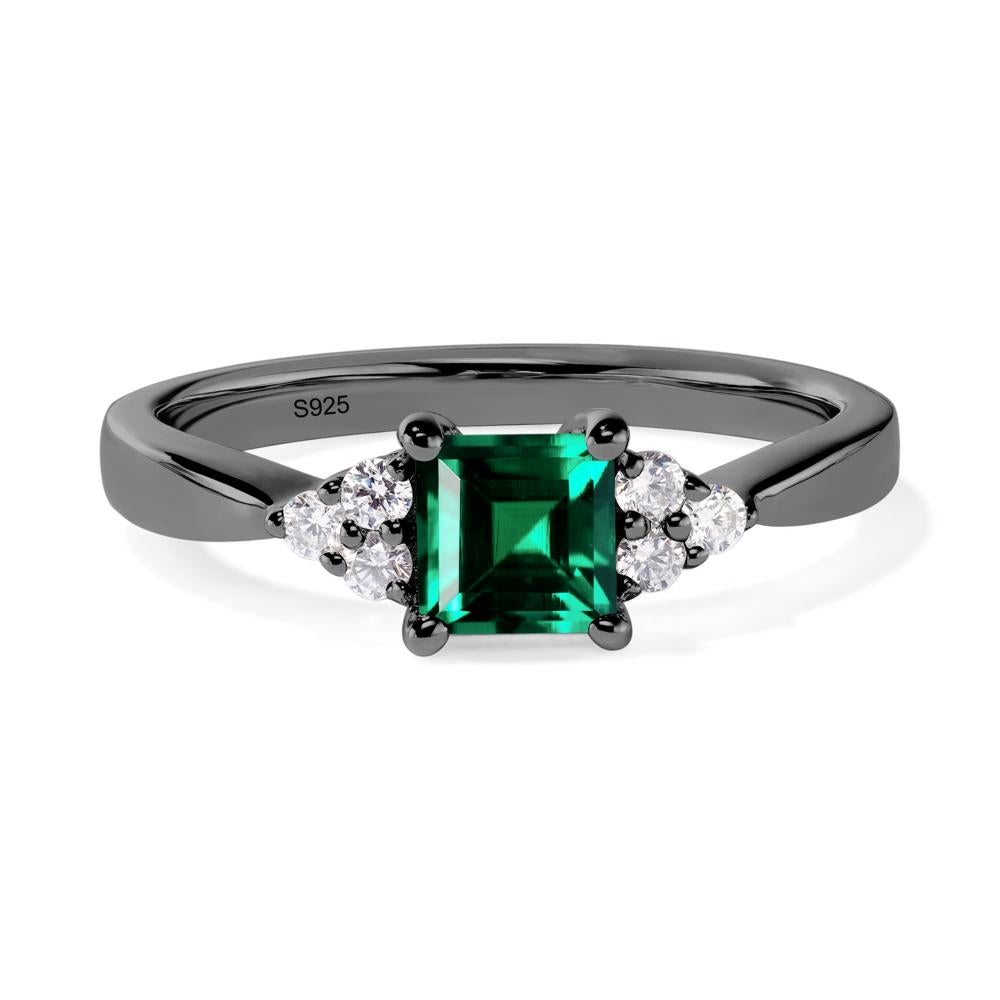
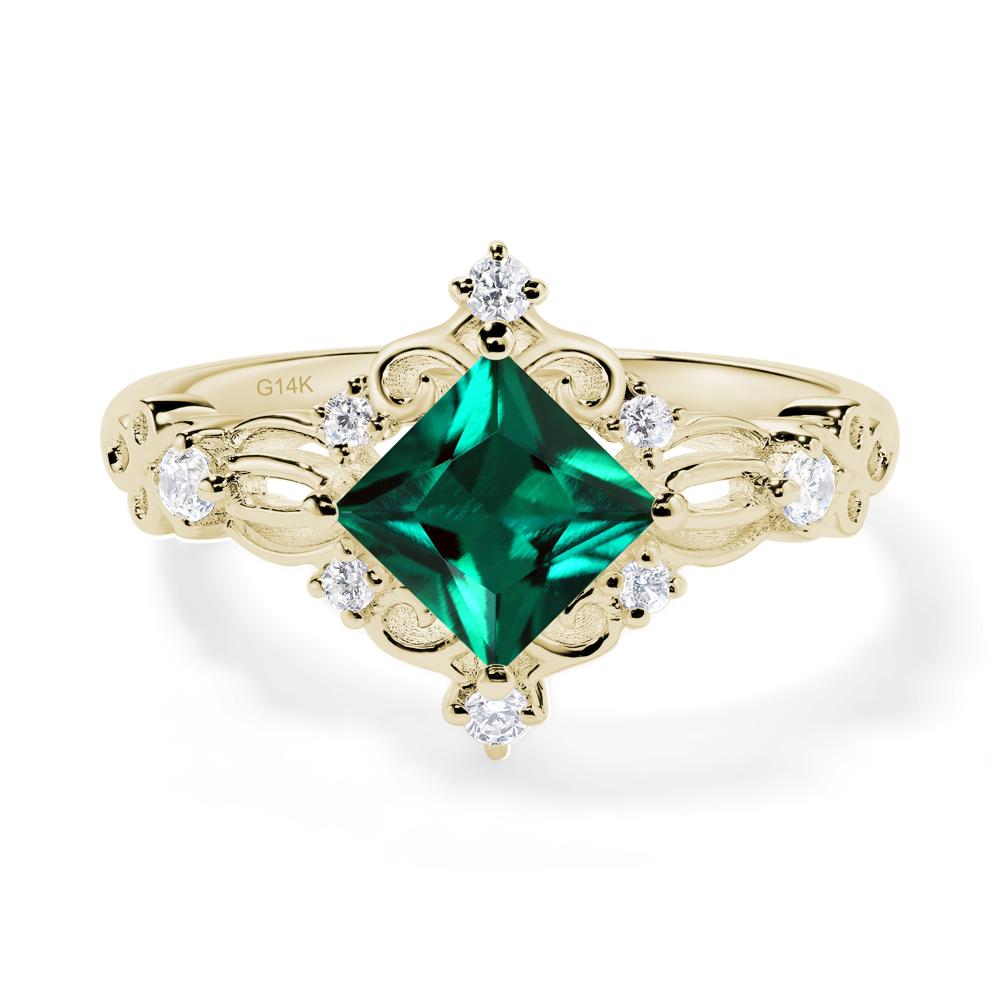
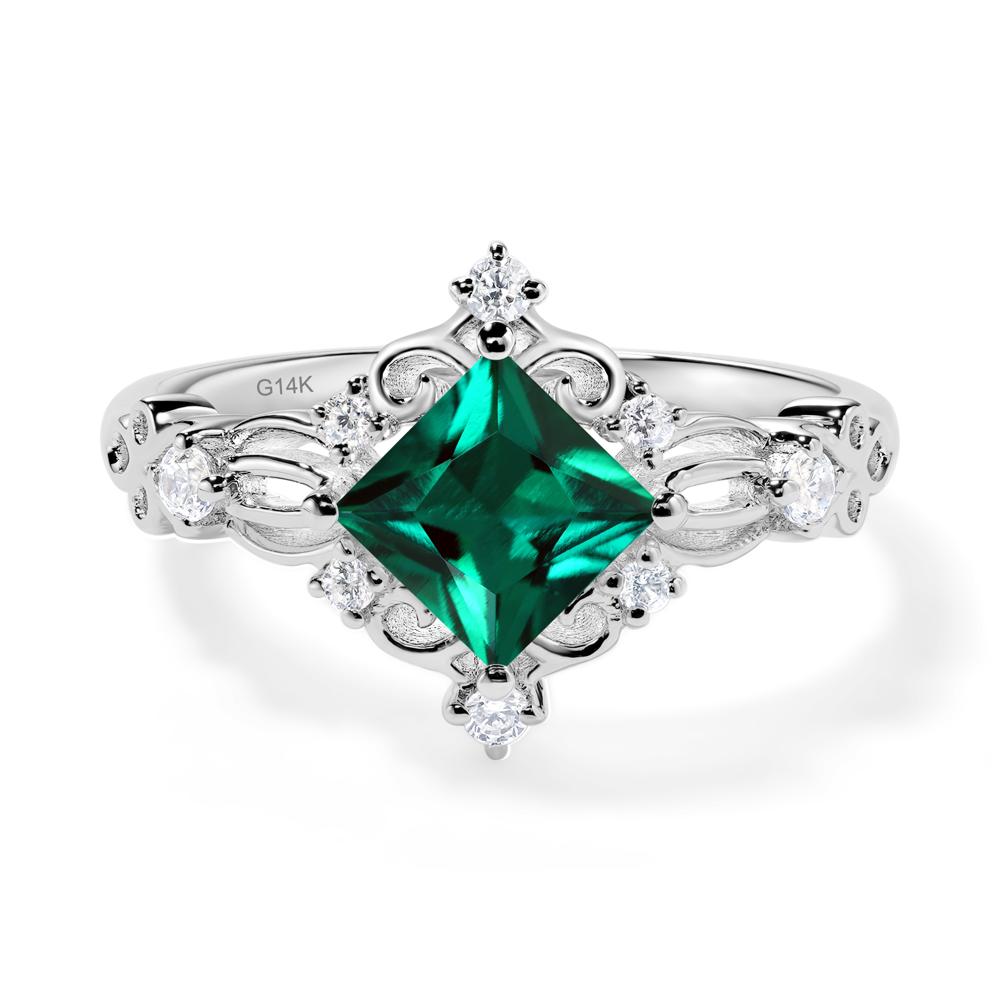
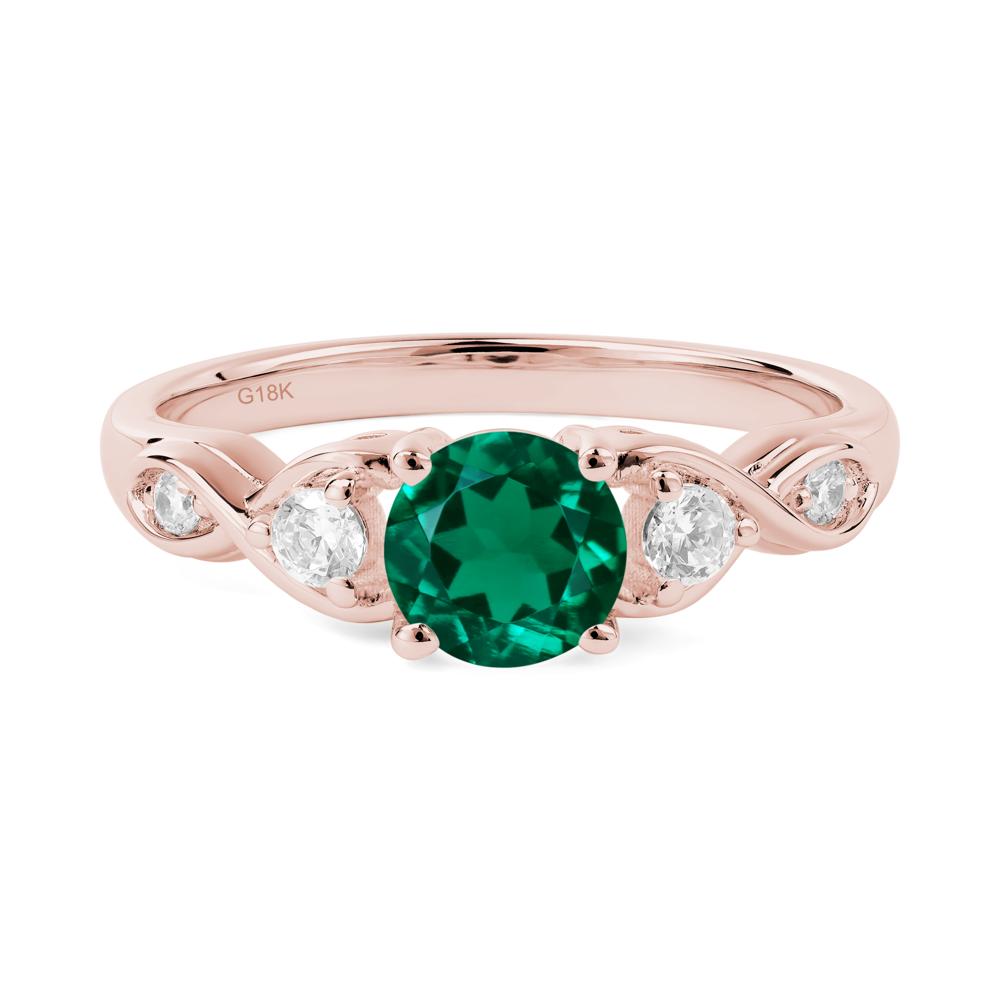
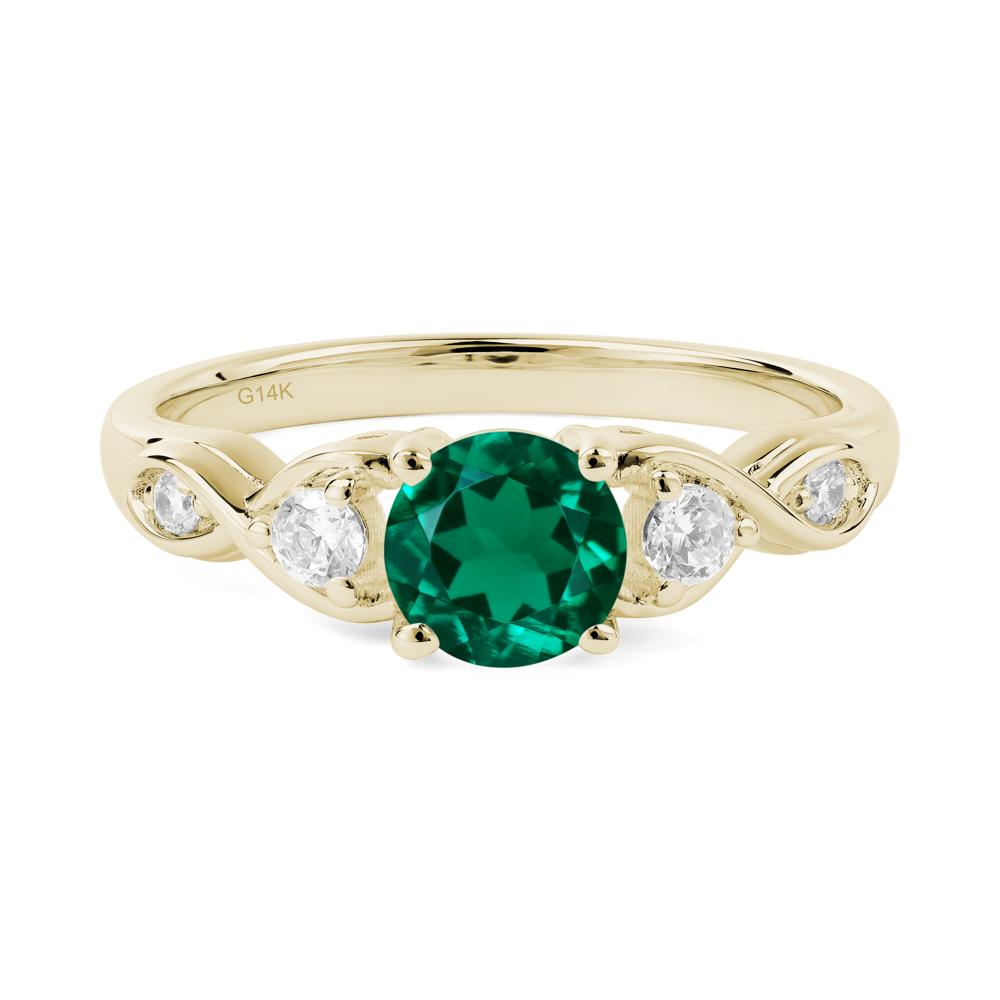
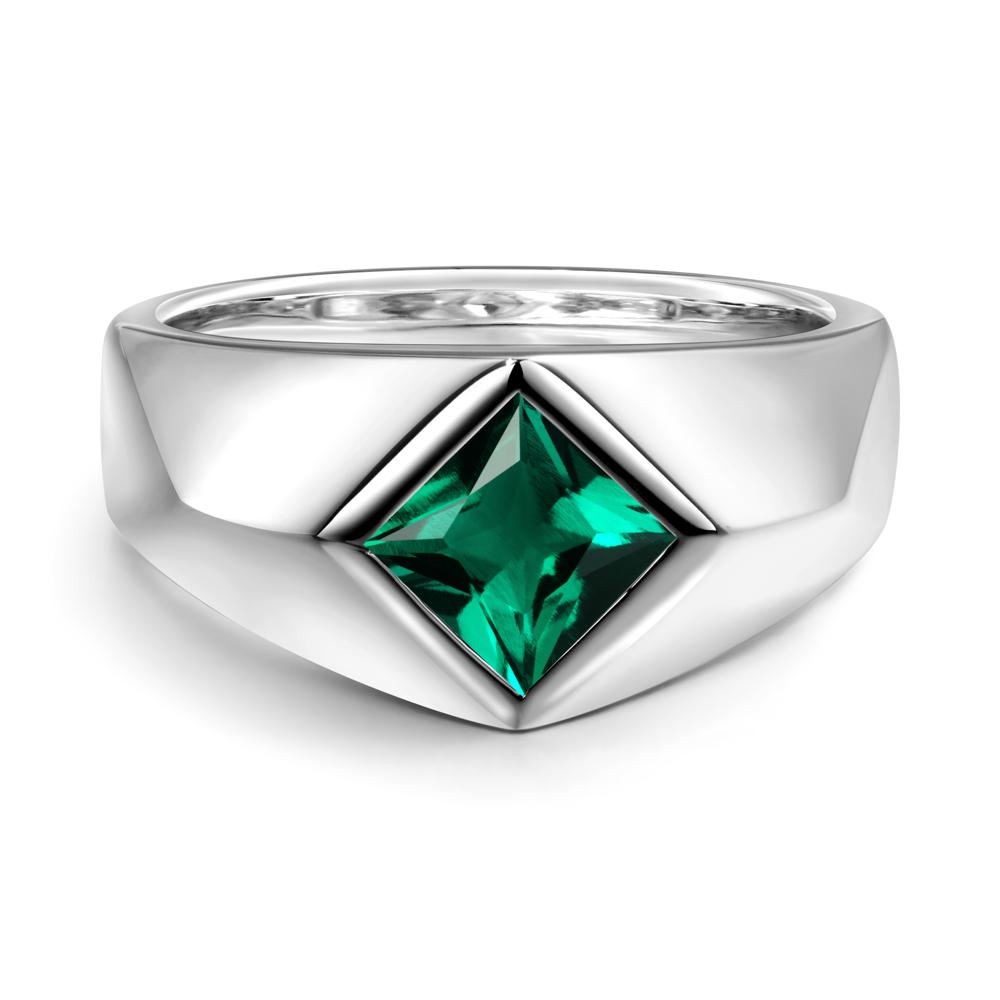
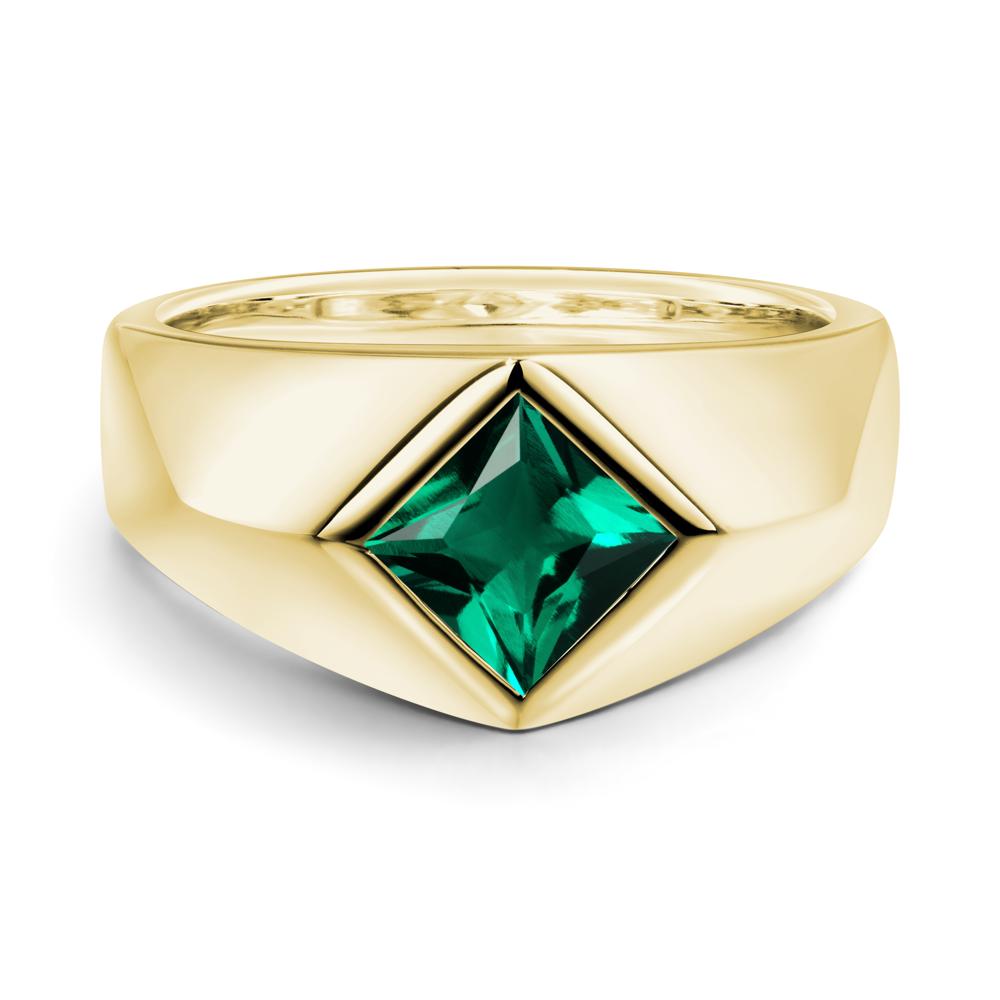
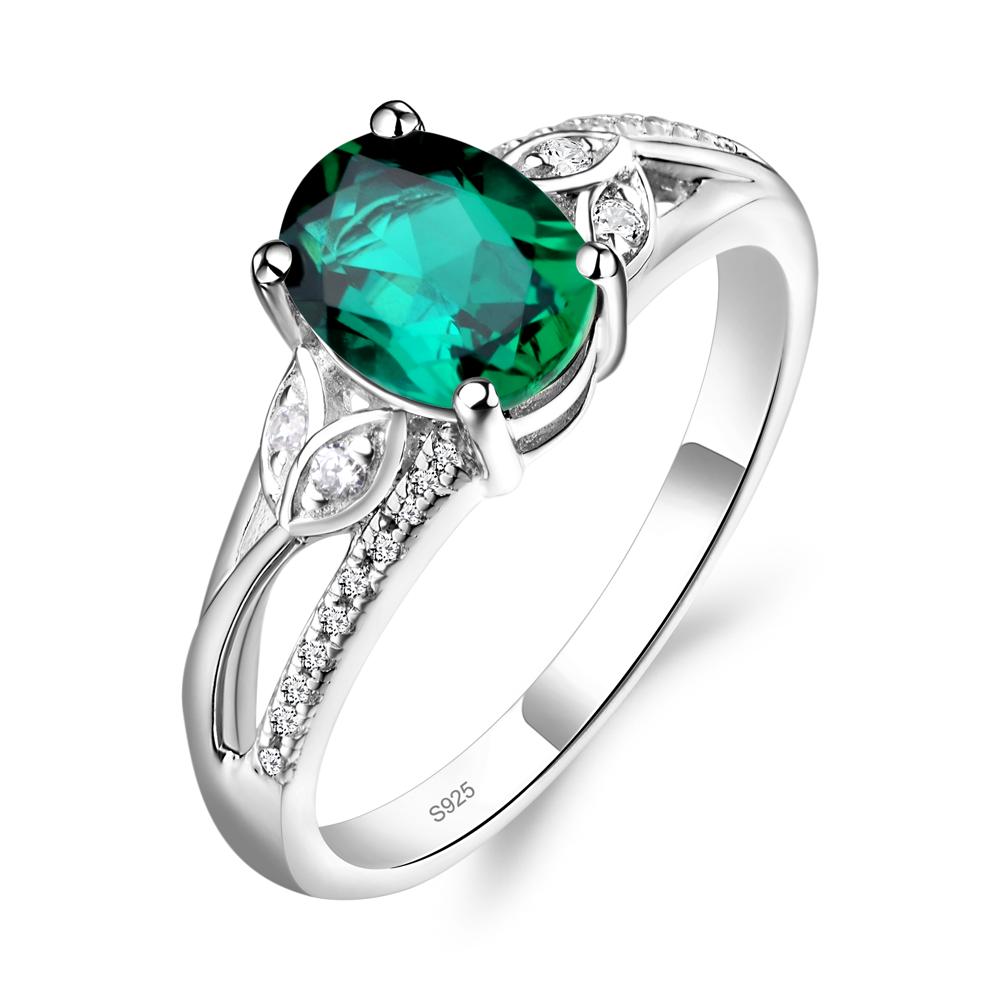
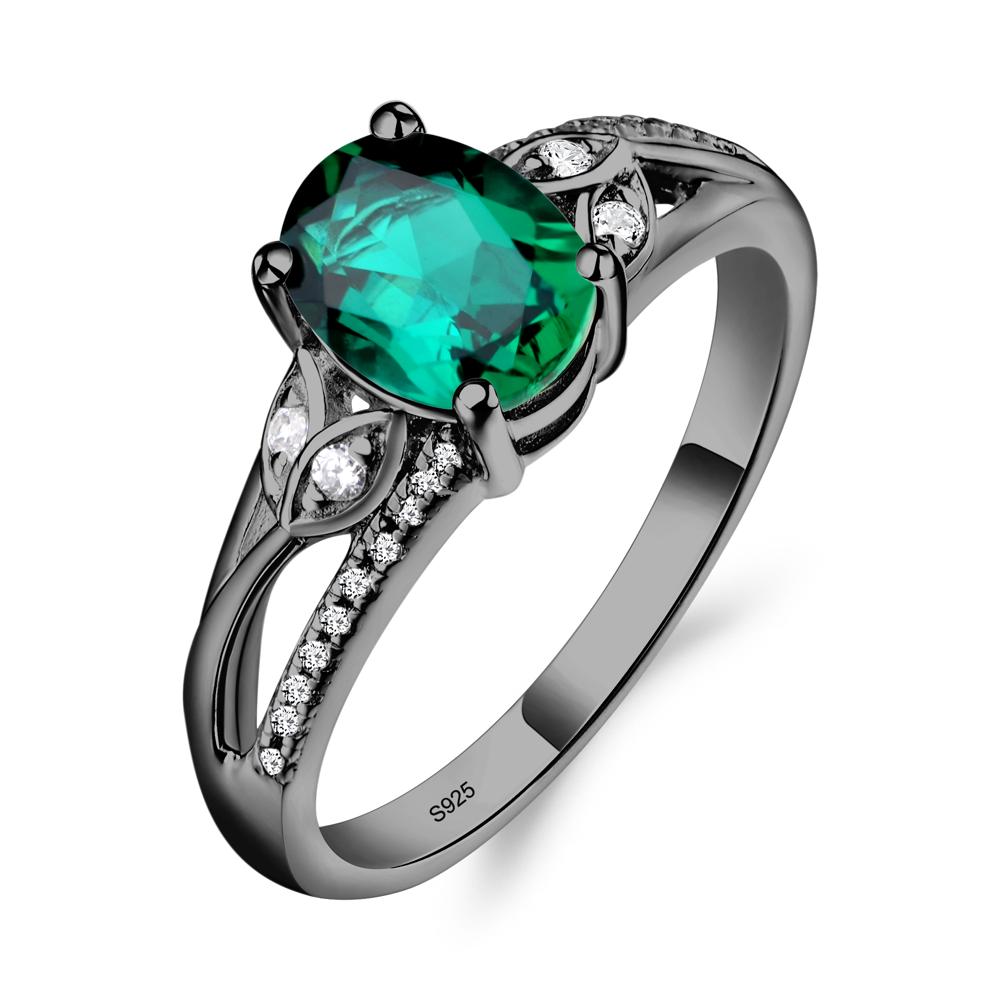
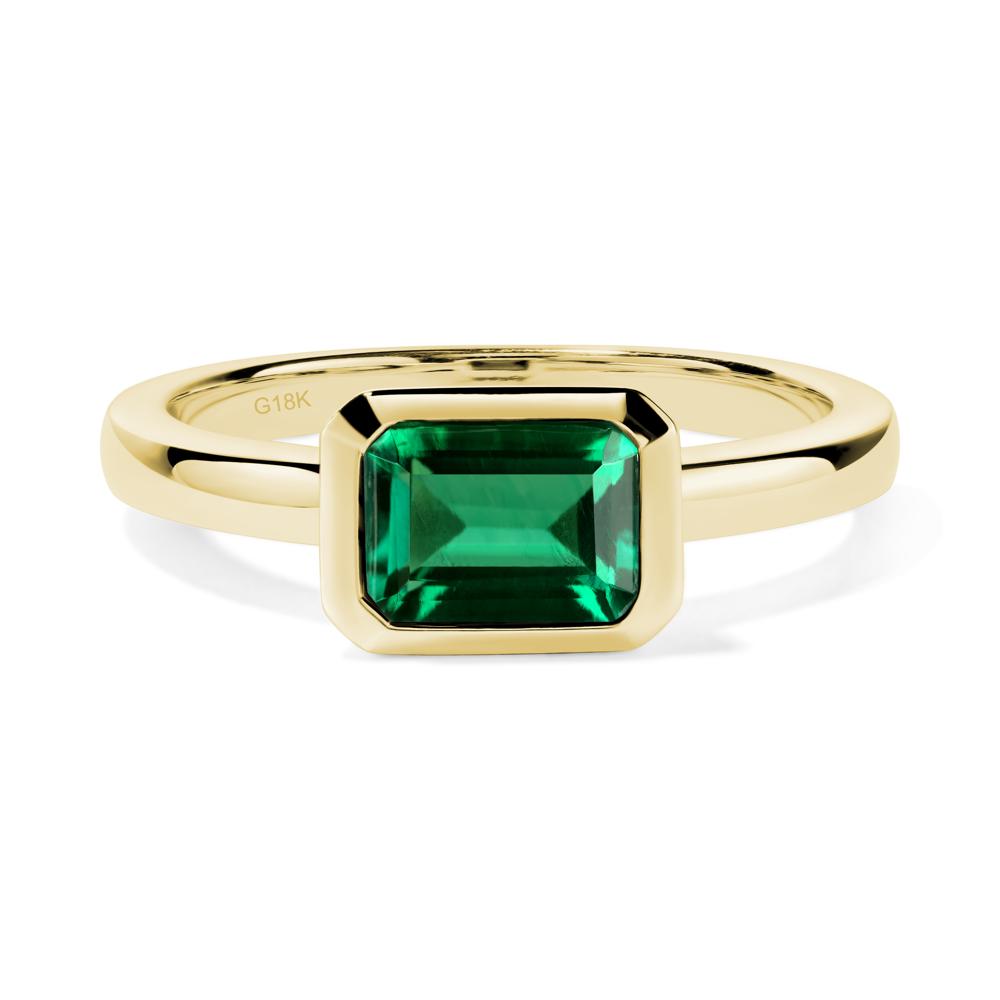
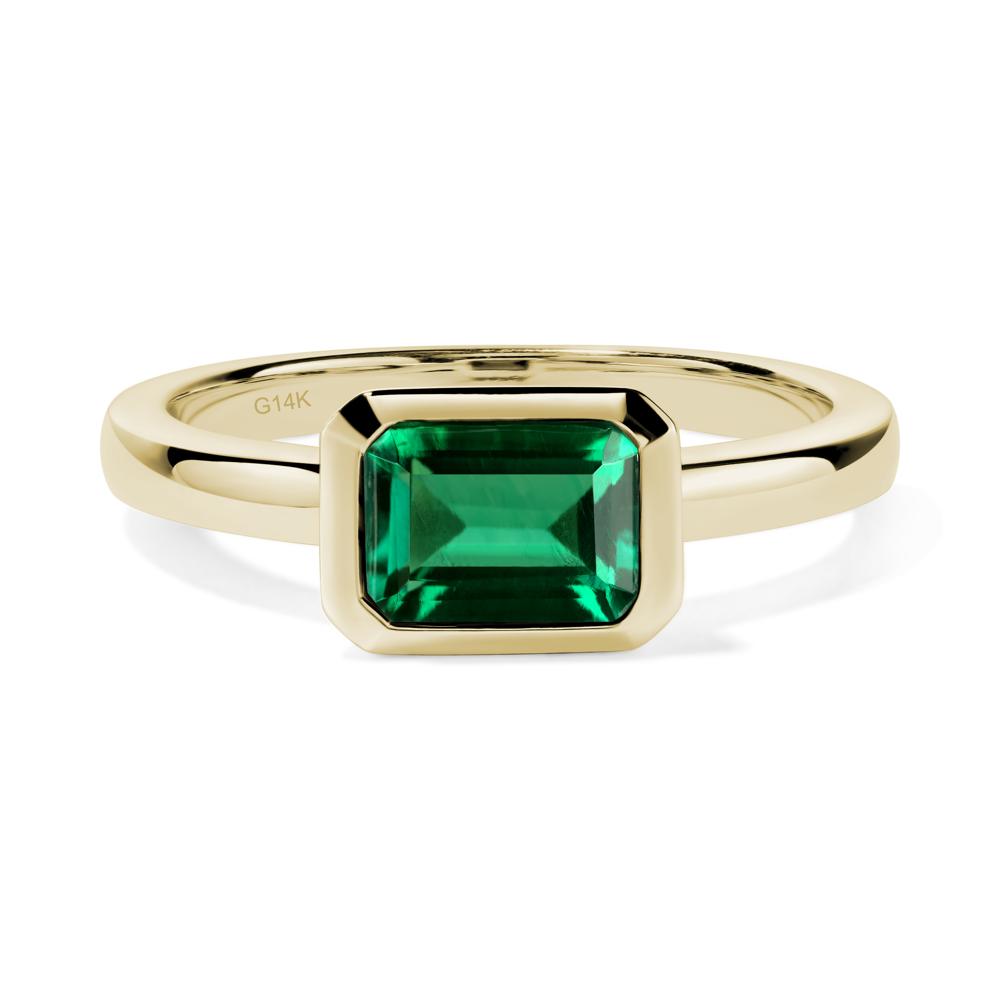
How to Clean Emerald Rings?
✅ Do's
- Clean with a soft cloth only
🚫 Don'ts
- Avoid soaking for long periods
- Avoid brushing aggressively
- Avoid ultrasonic and steam cleaners

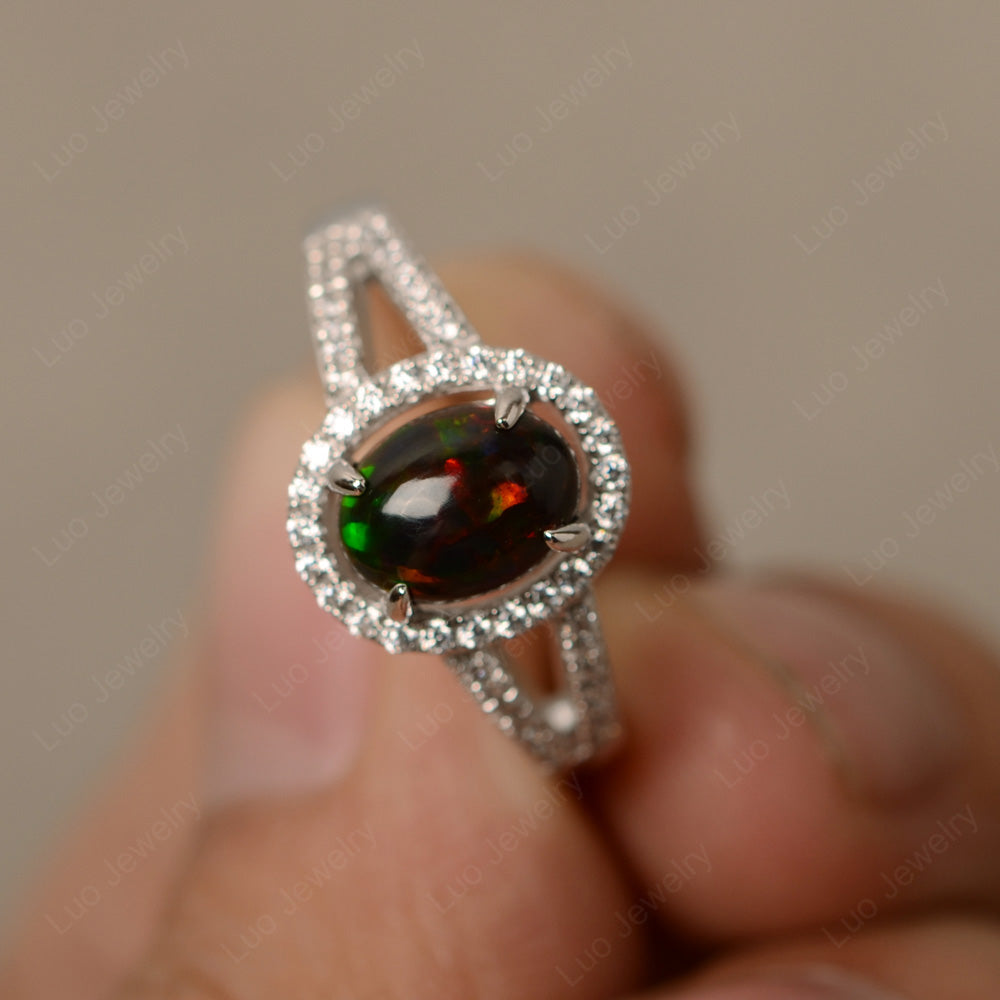
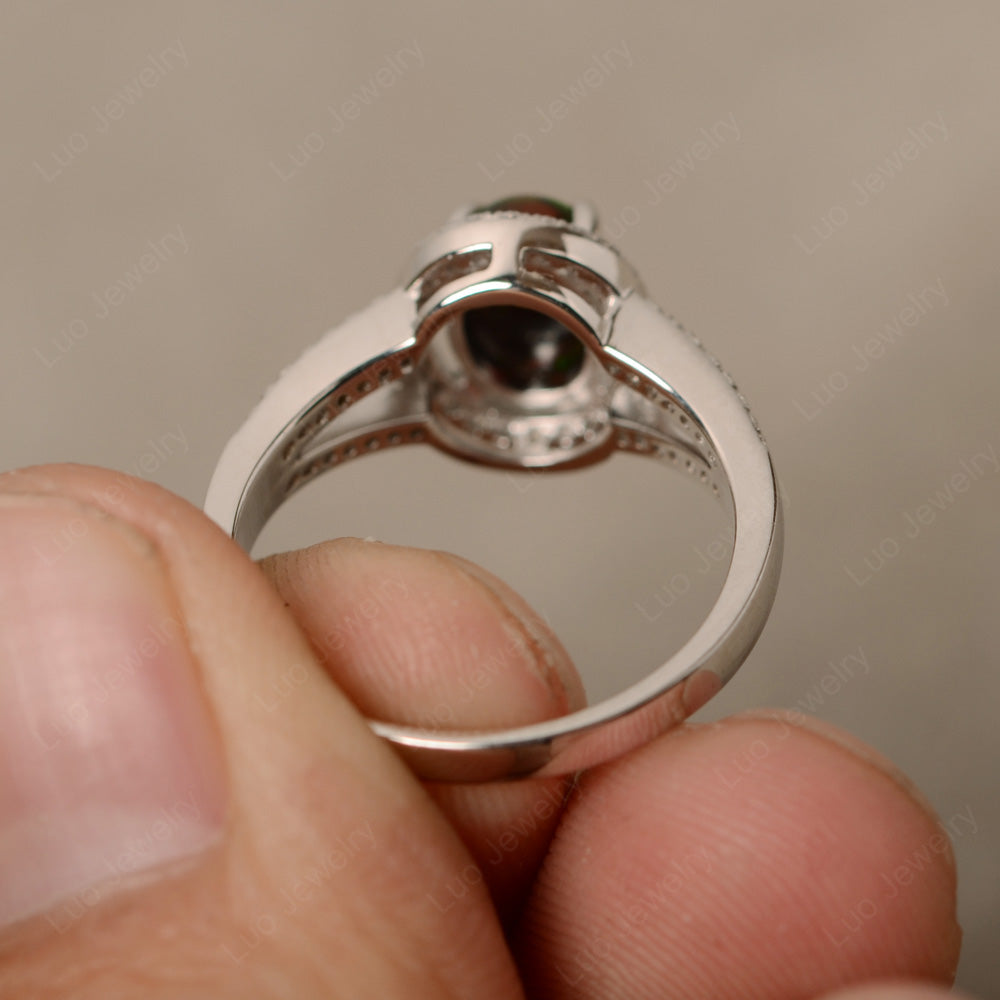
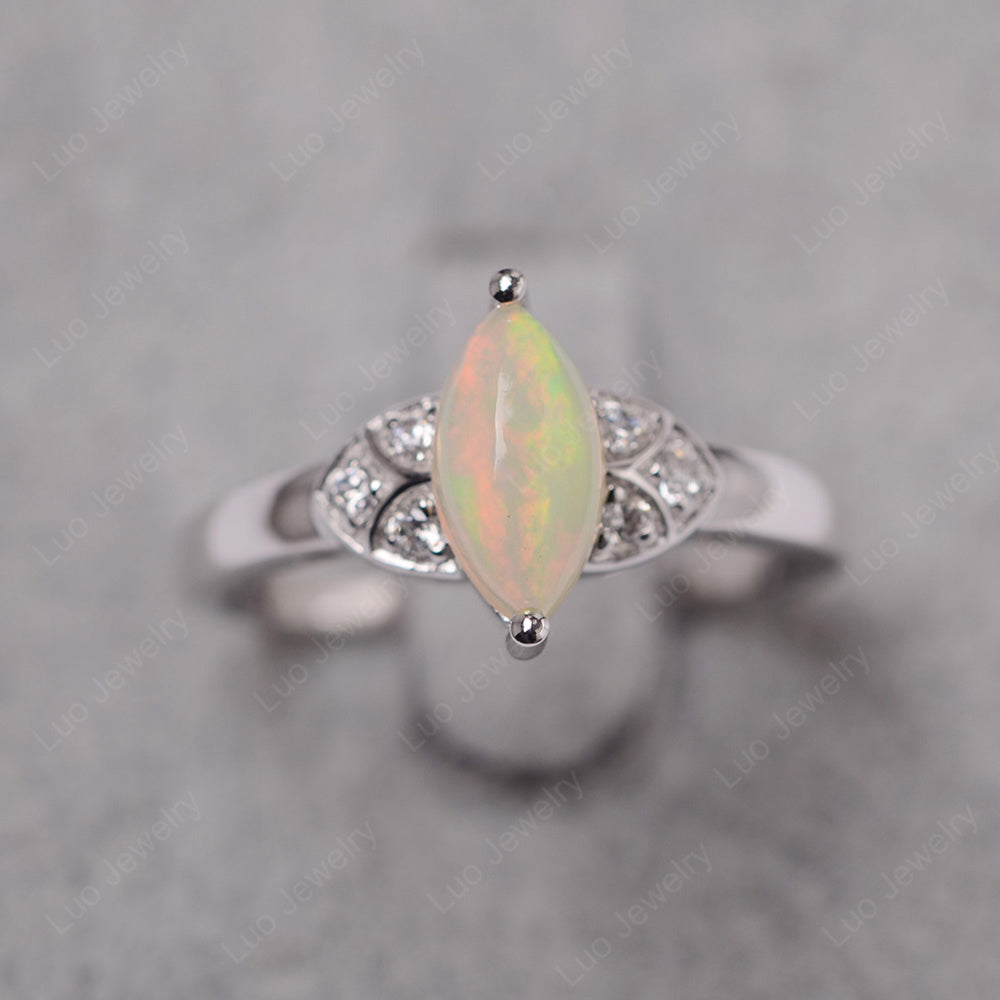
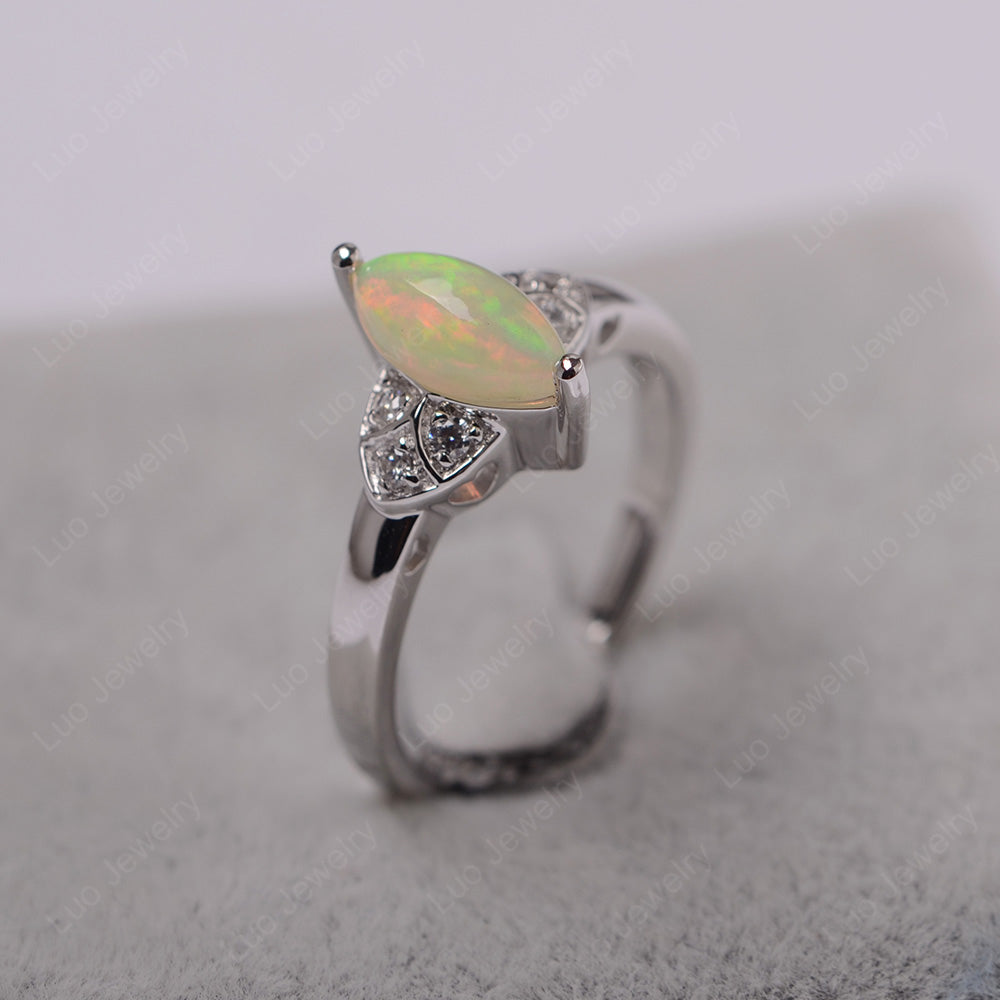
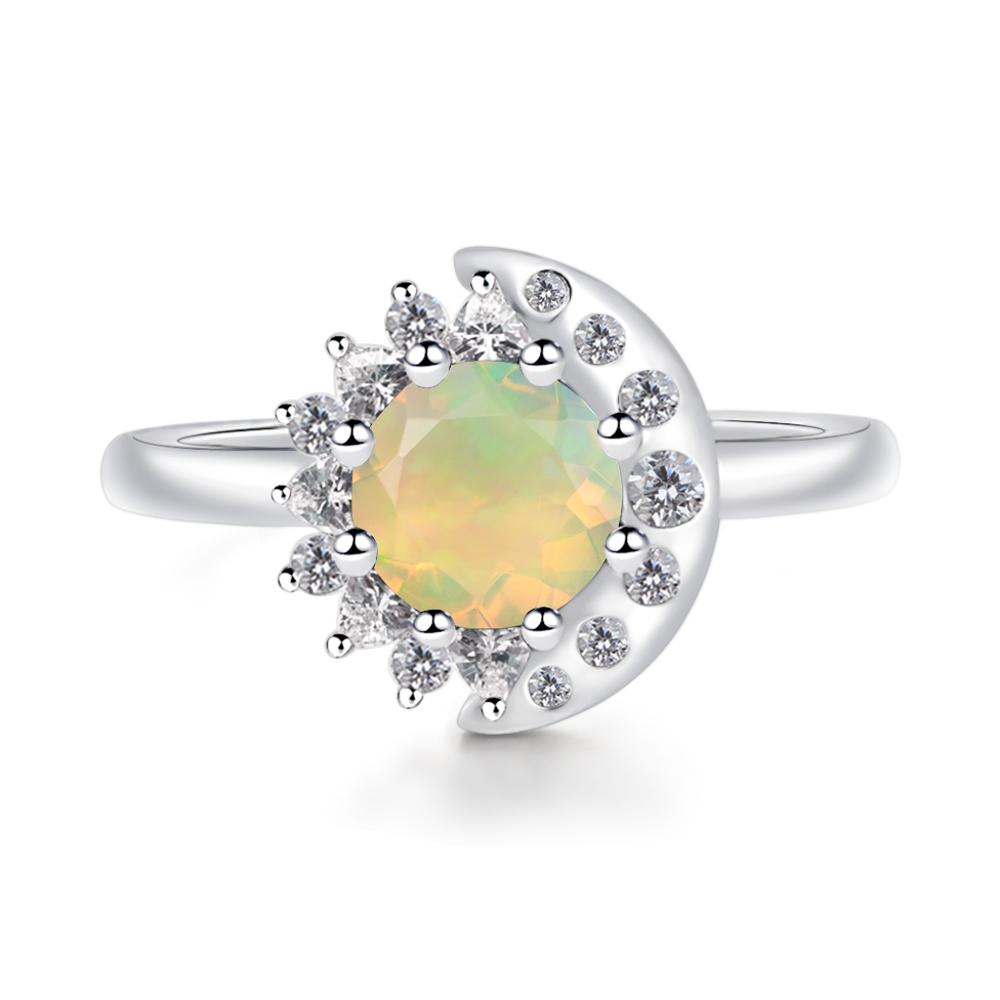
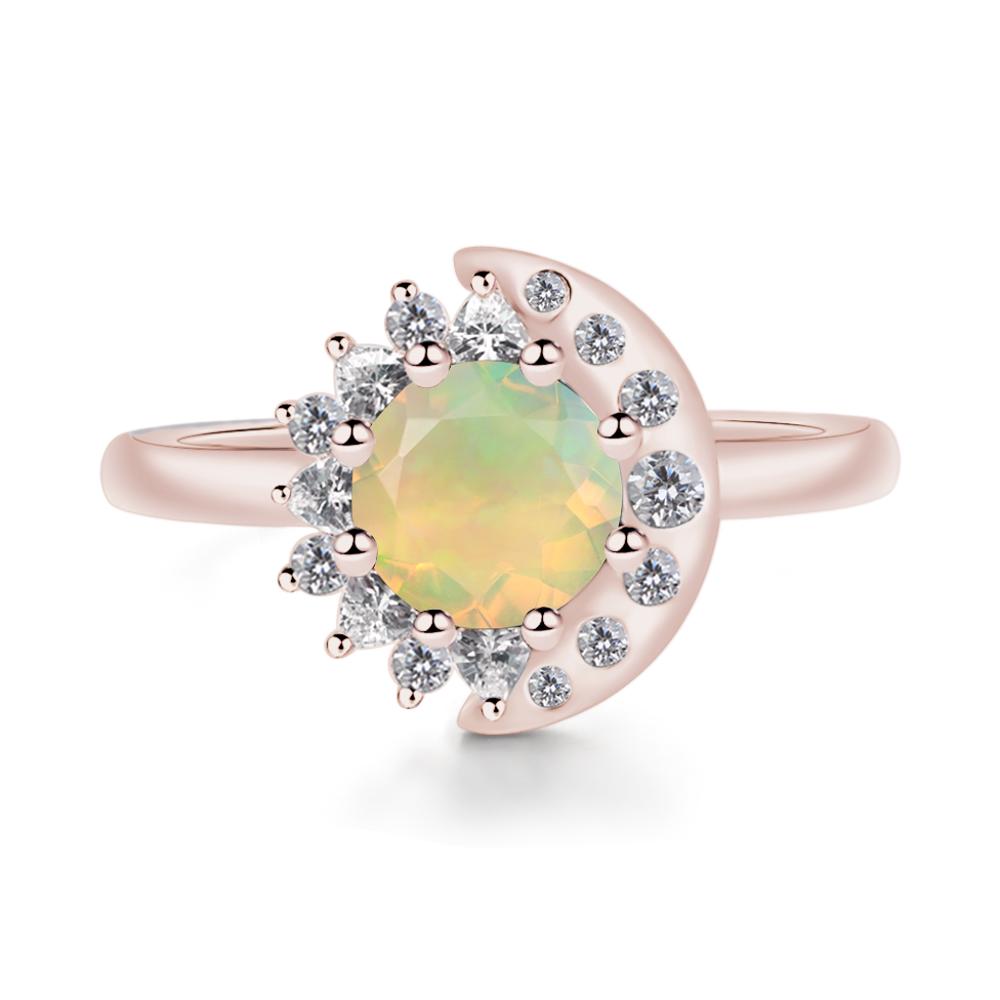
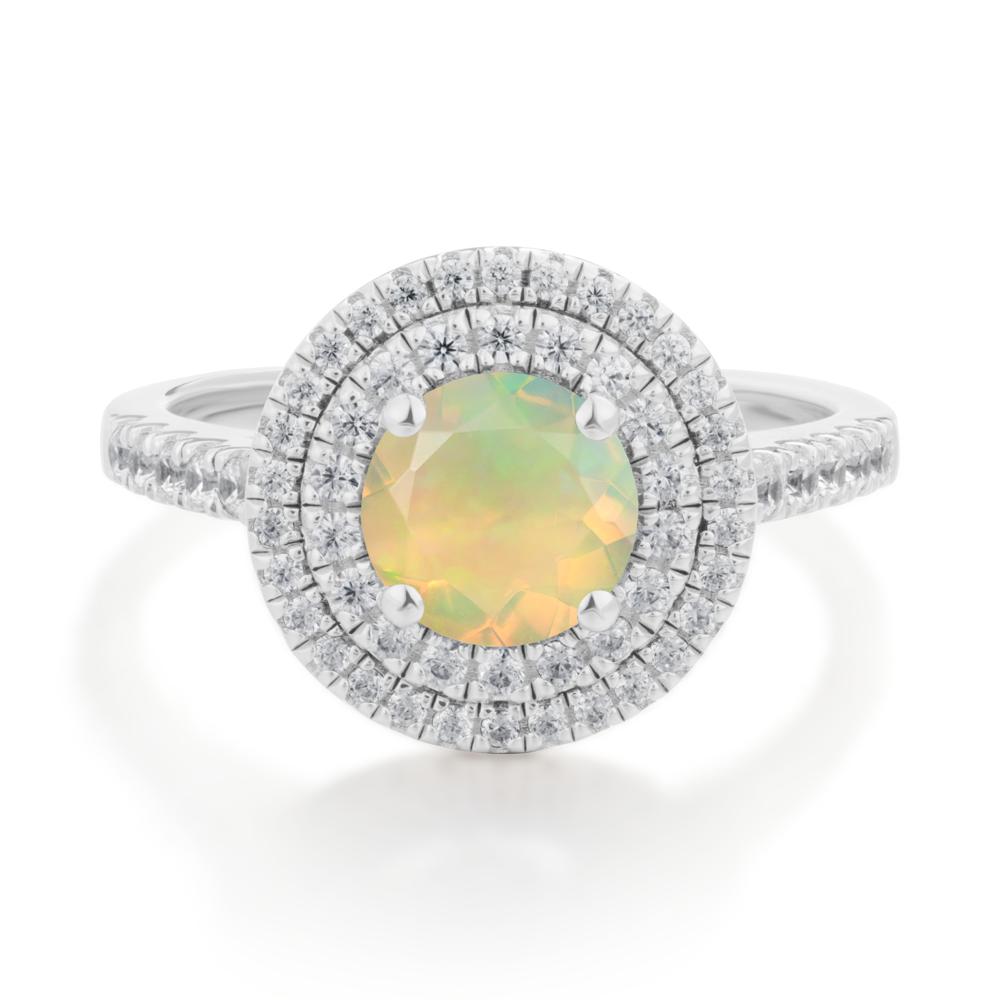
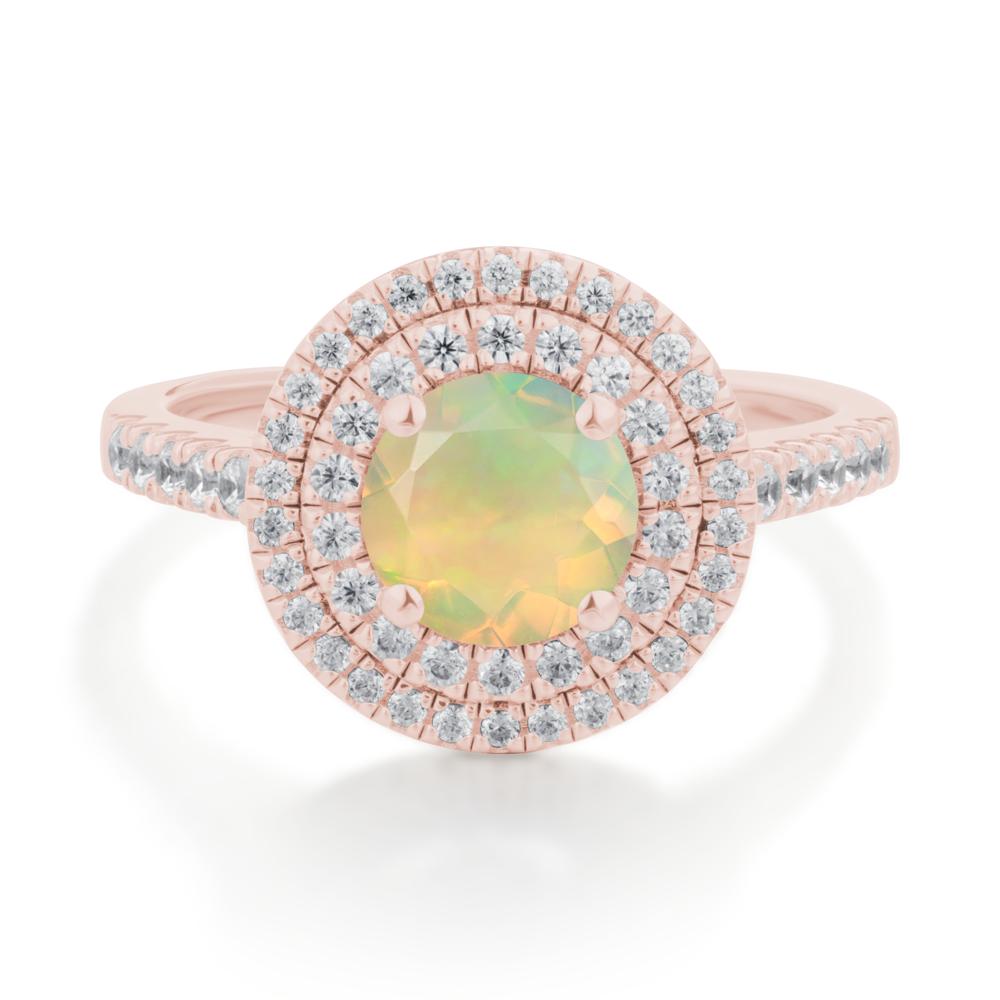
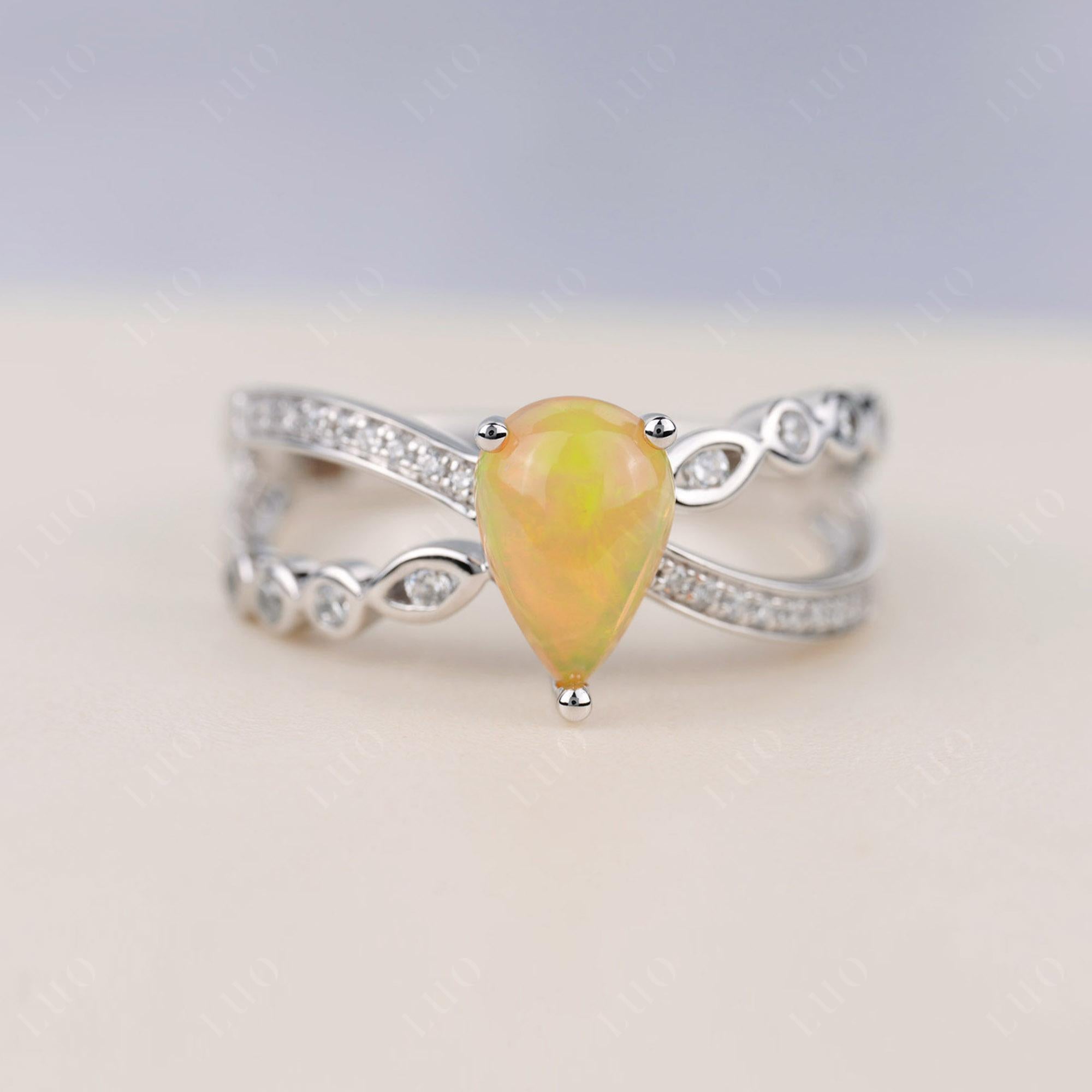
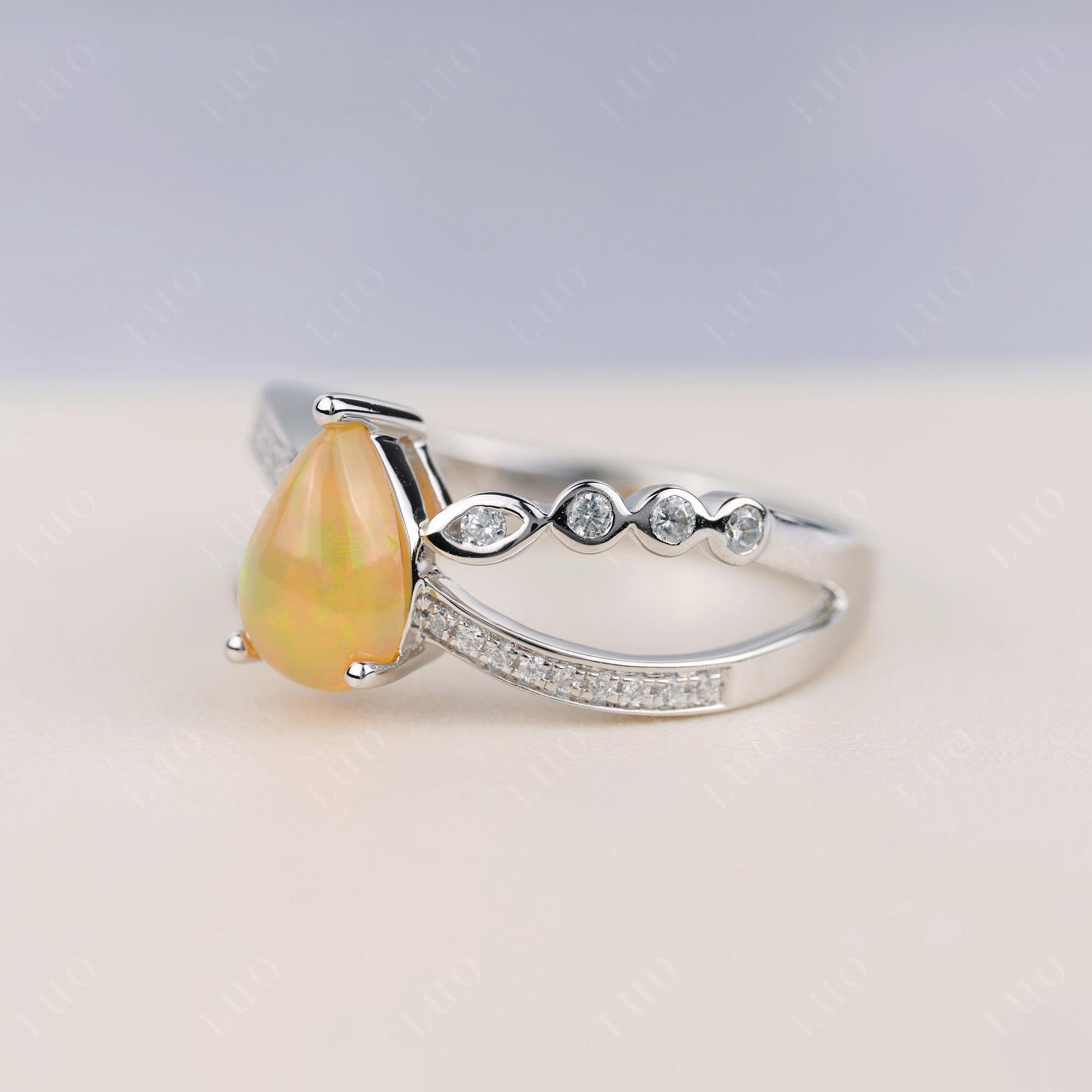
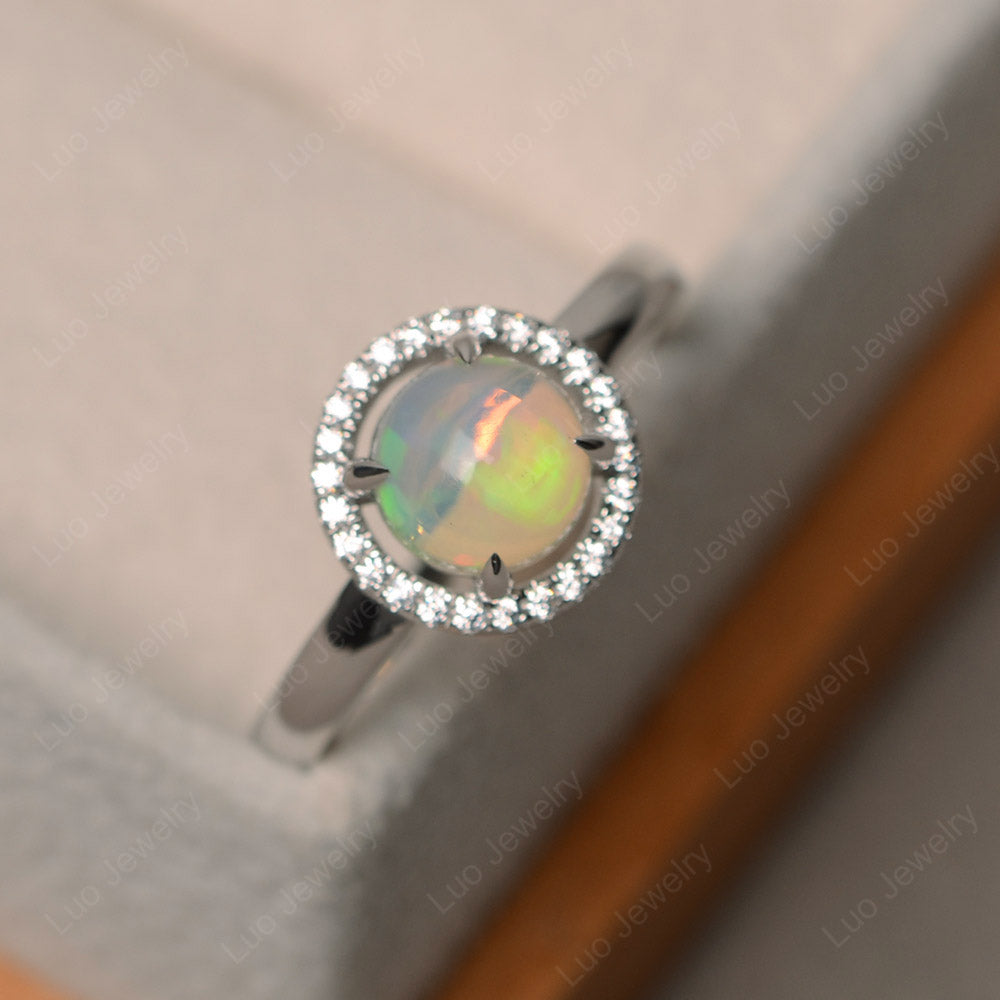
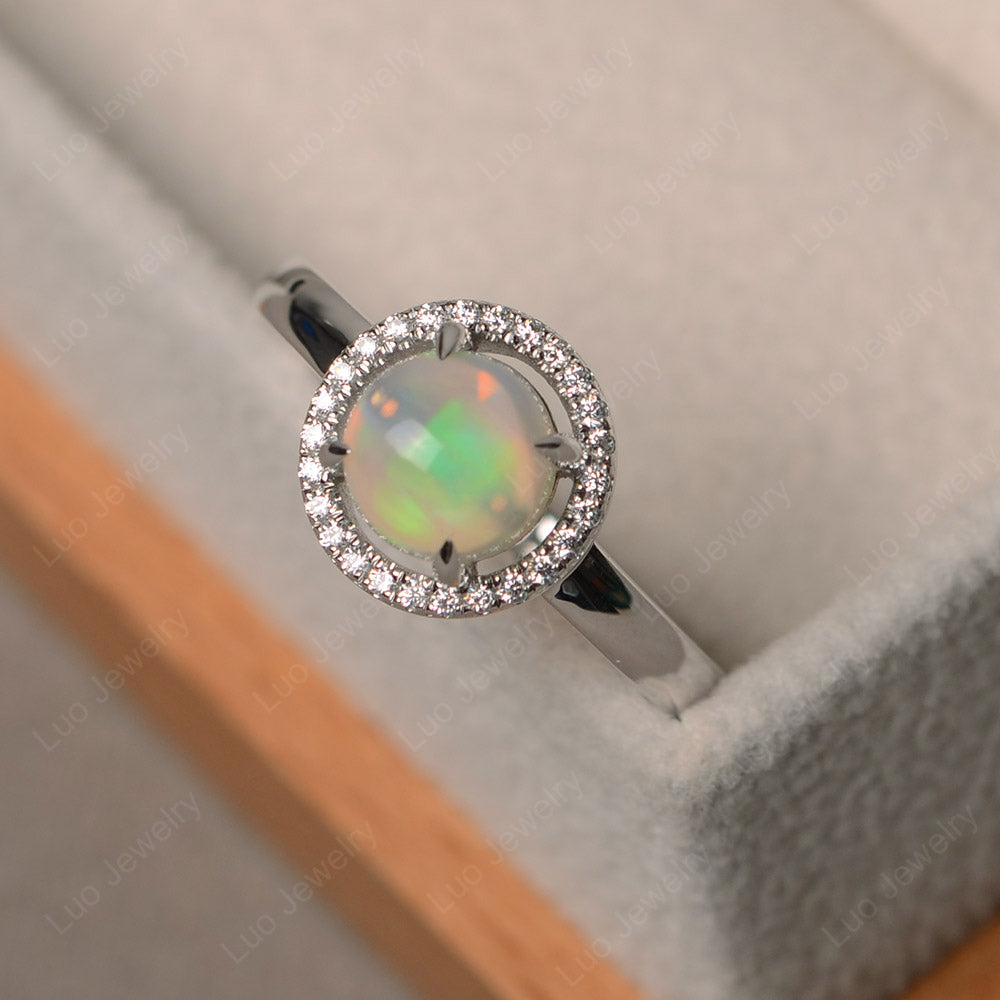
How to Clean Opal Rings?
✅ Do's
- Wipe with a damp soft cloth only
🚫 Don'ts
- Do not use soap frequently
- Avoid soaking for long periods
- Never use ultrasonic or steam cleaners
- Keep away from heat and dry environments

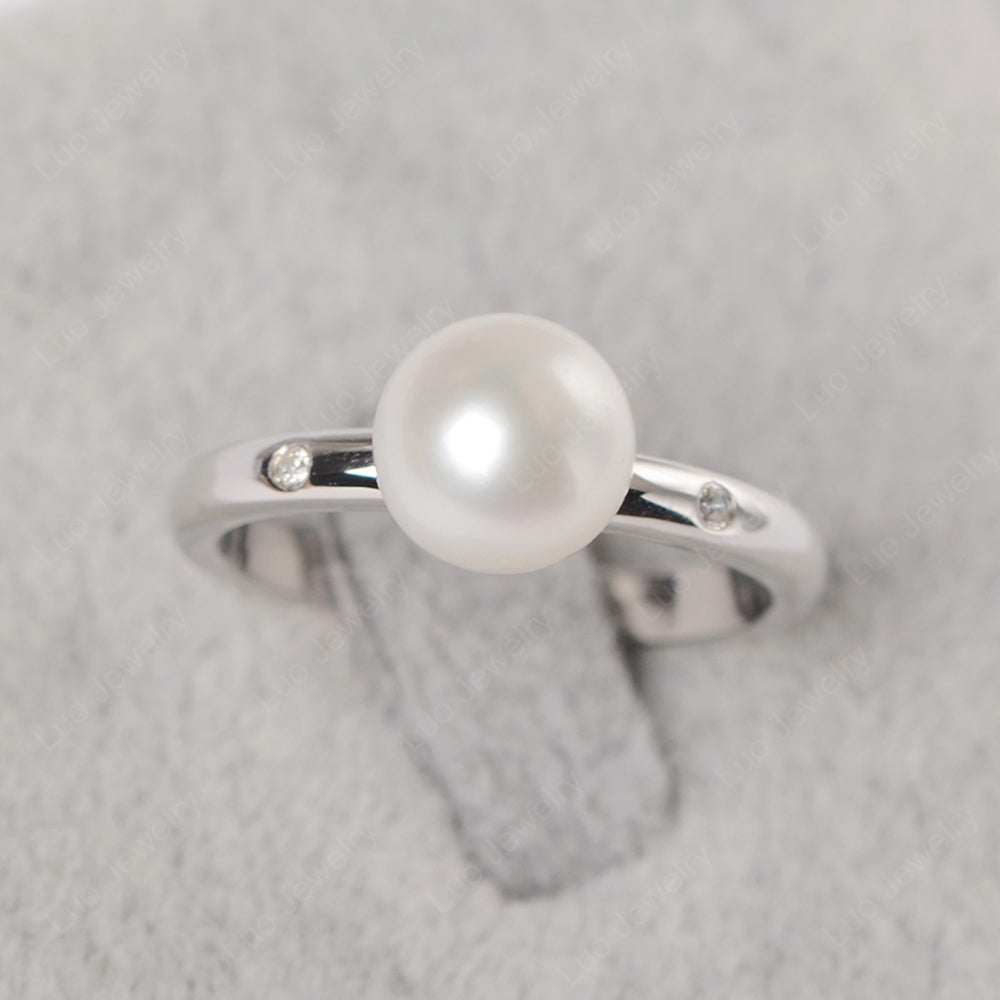
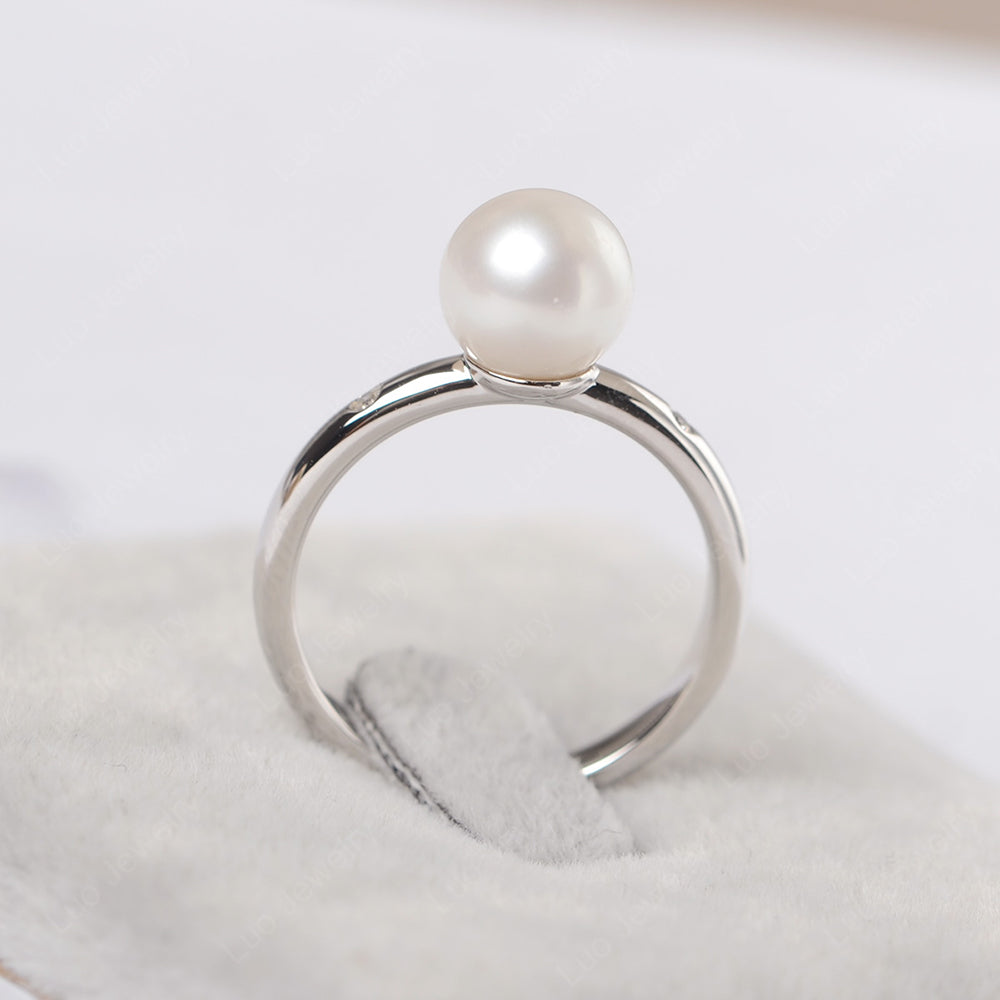
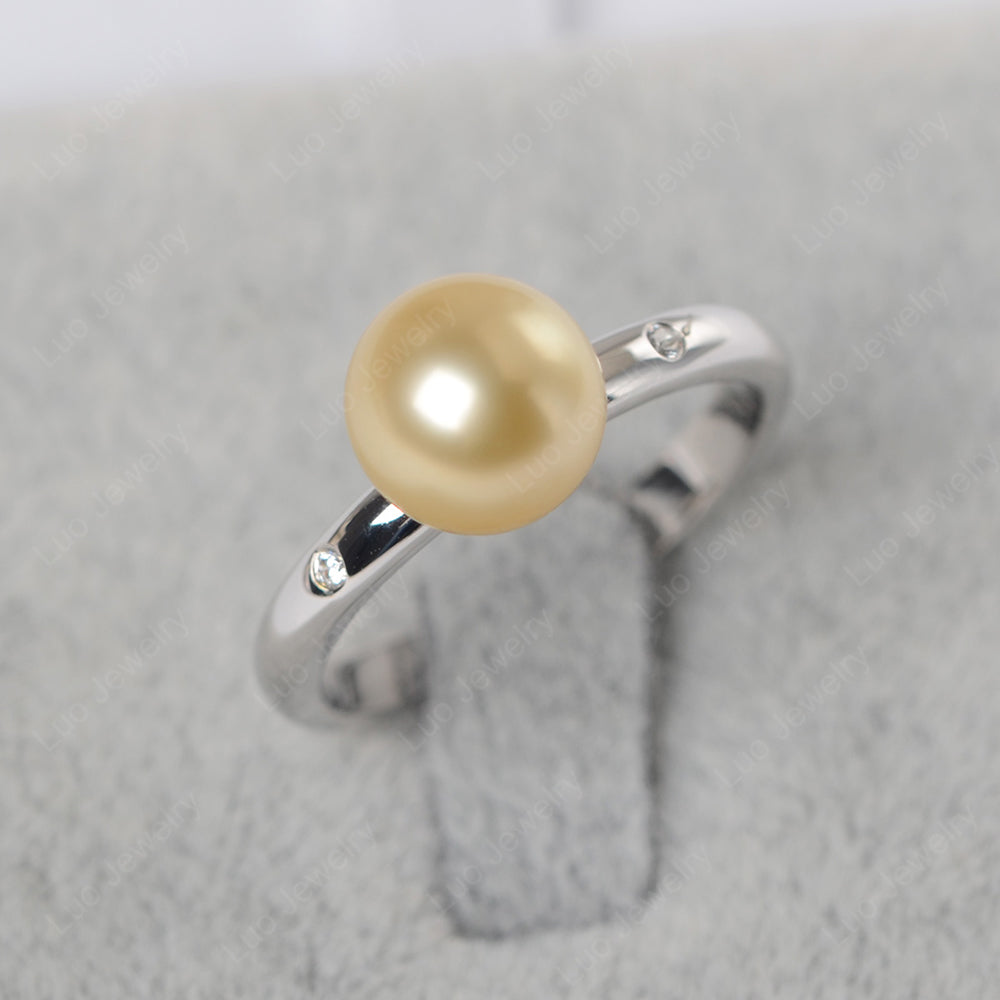
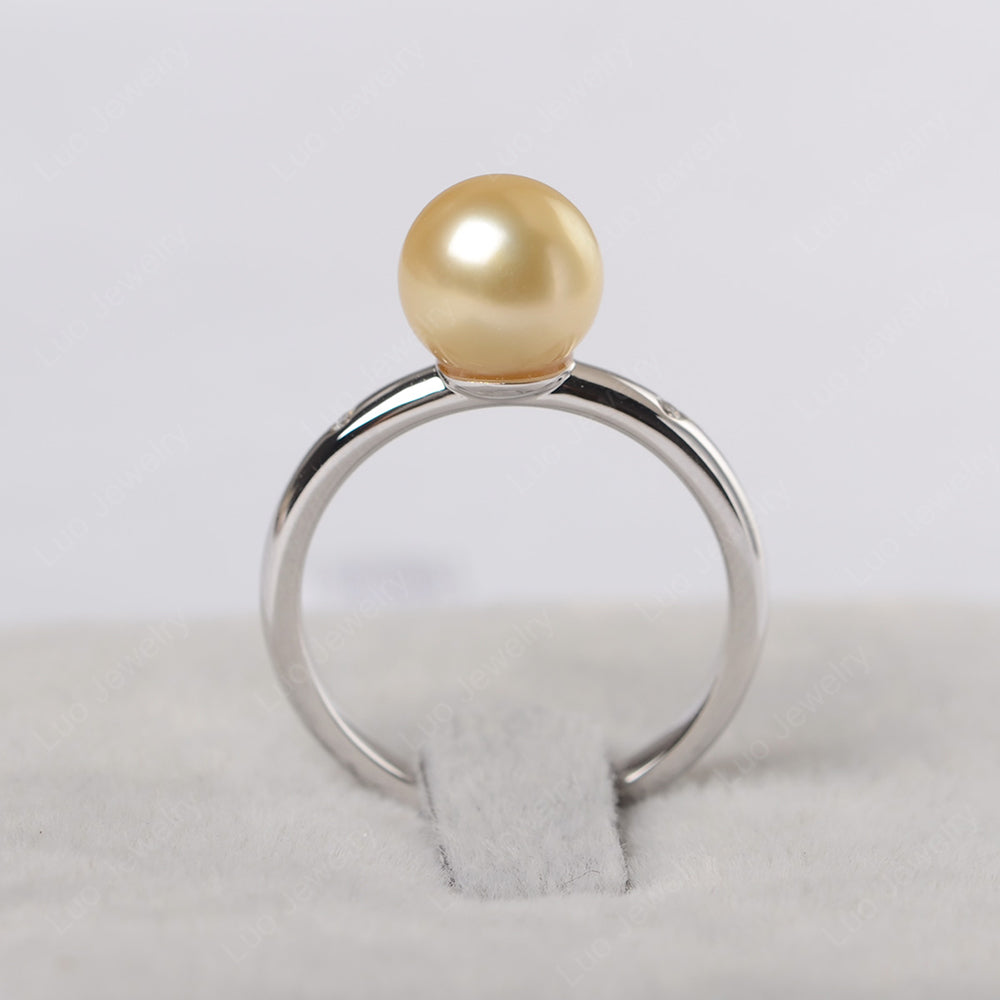
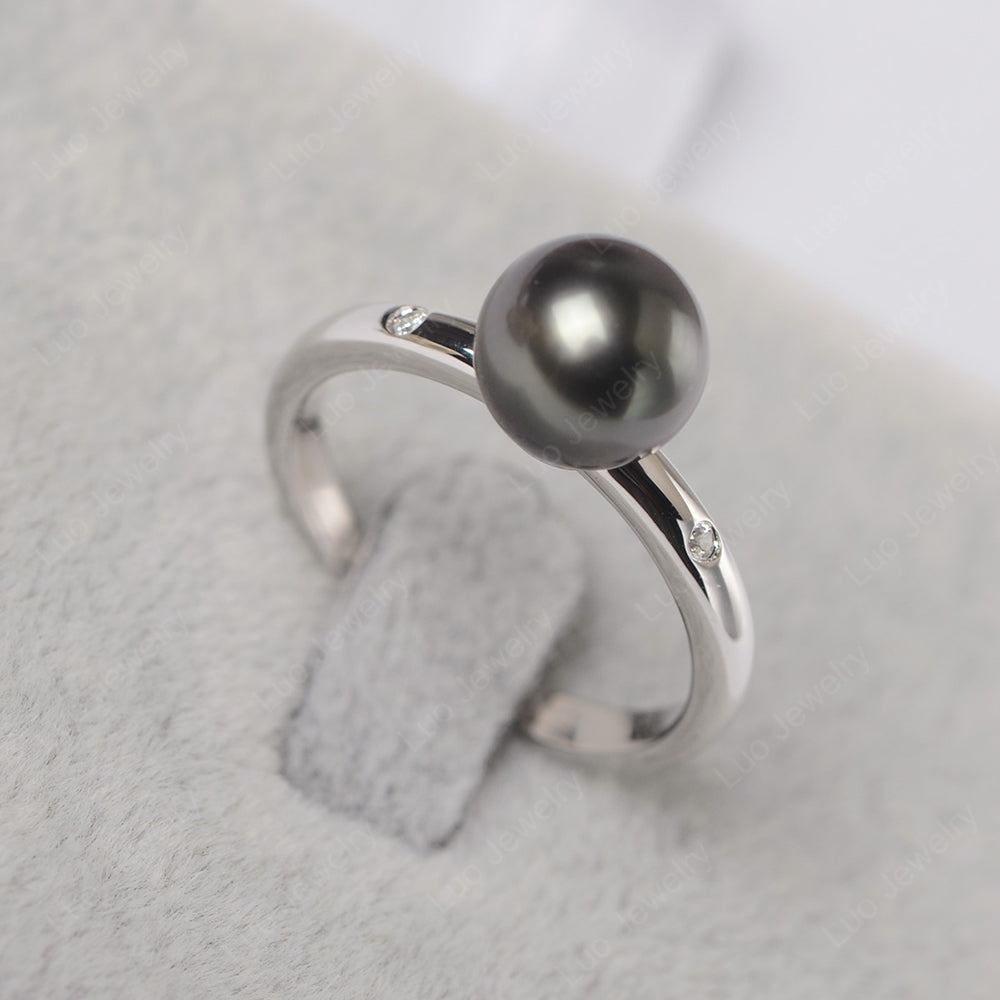
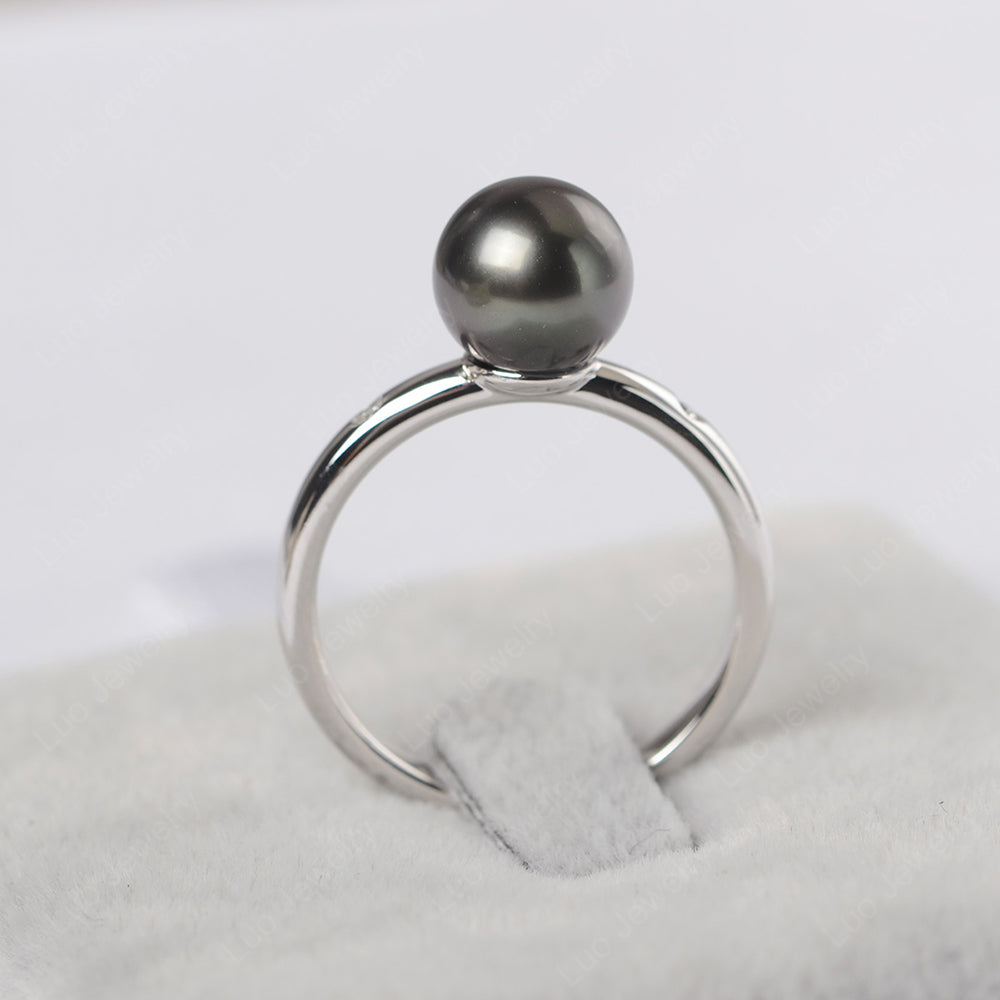
How to Clean Pearl Rings?
✅ Do's
- Wipe with a soft cloth only
- Let dry naturally before storing
- Adhering to the "Last On, First Off" rule
🚫 Don'ts
- Avoid soap, acids, chemicals, and soaking
- Never use ultrasonic or steam cleaners
Explore What You May Like
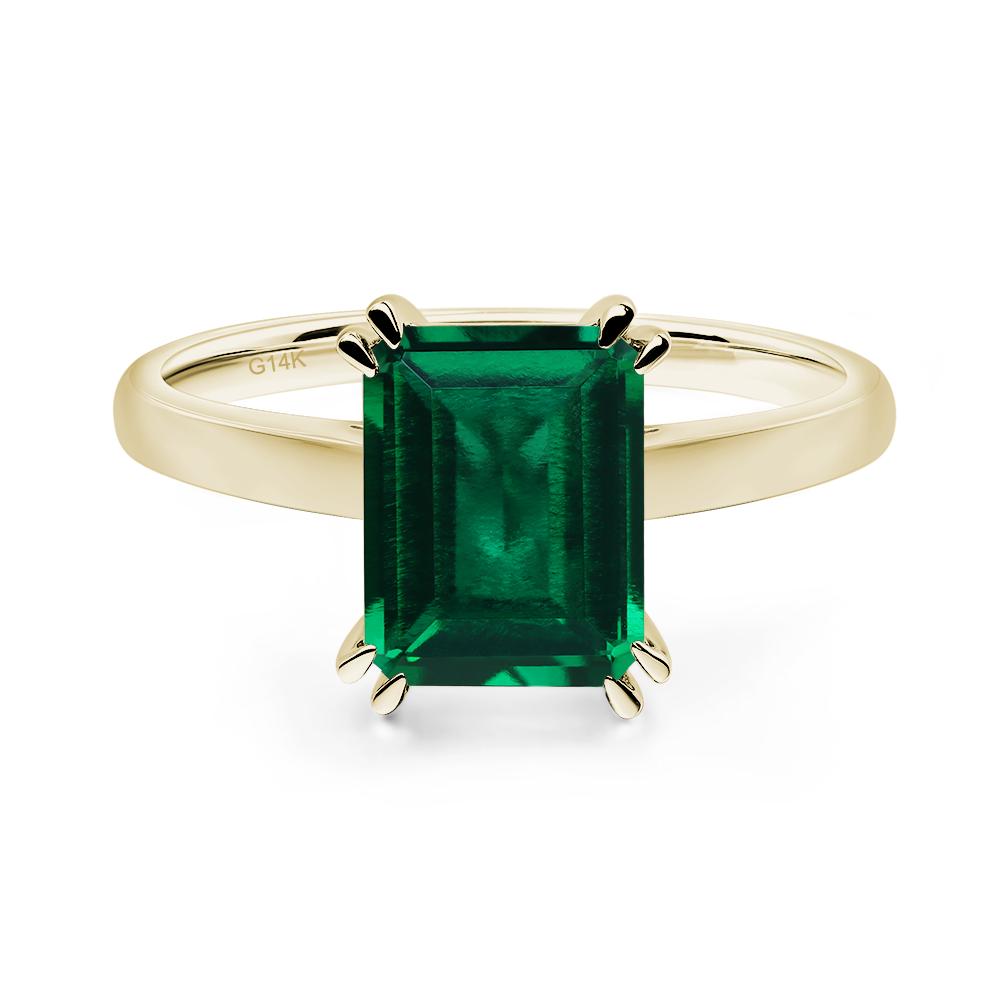
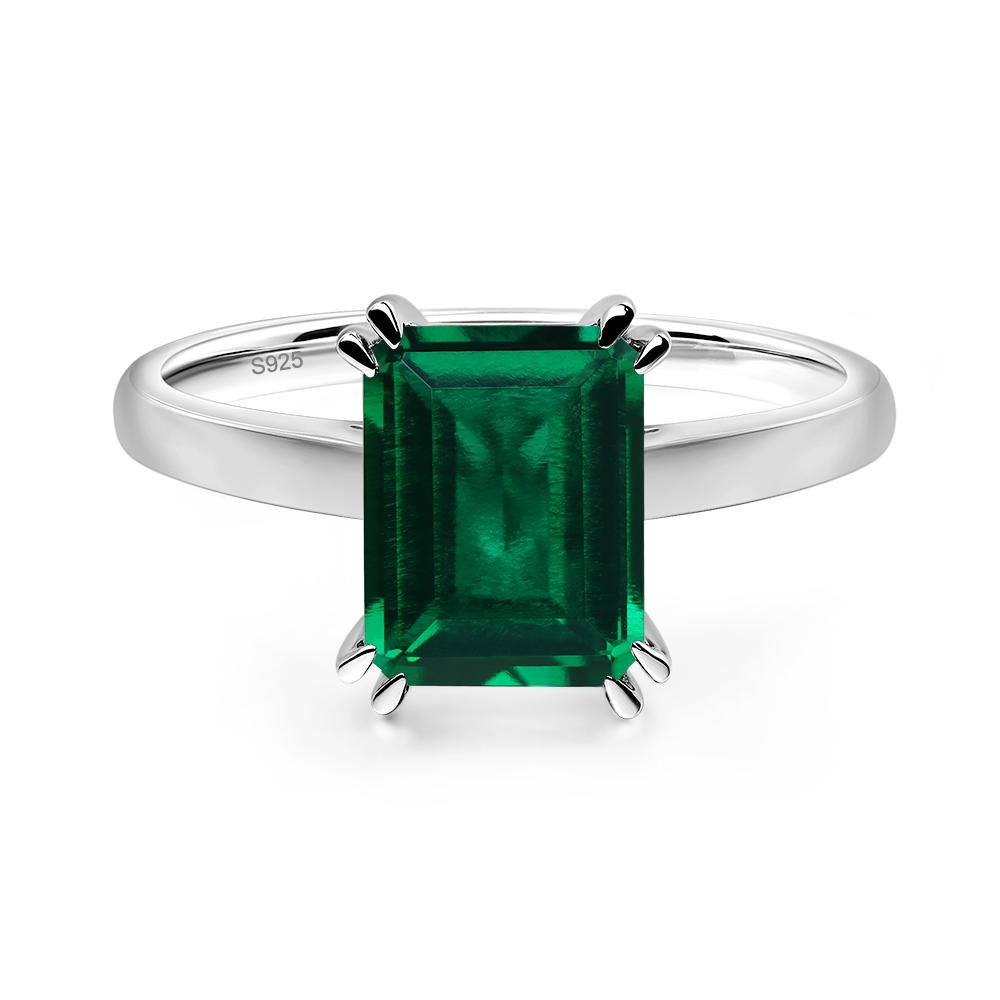
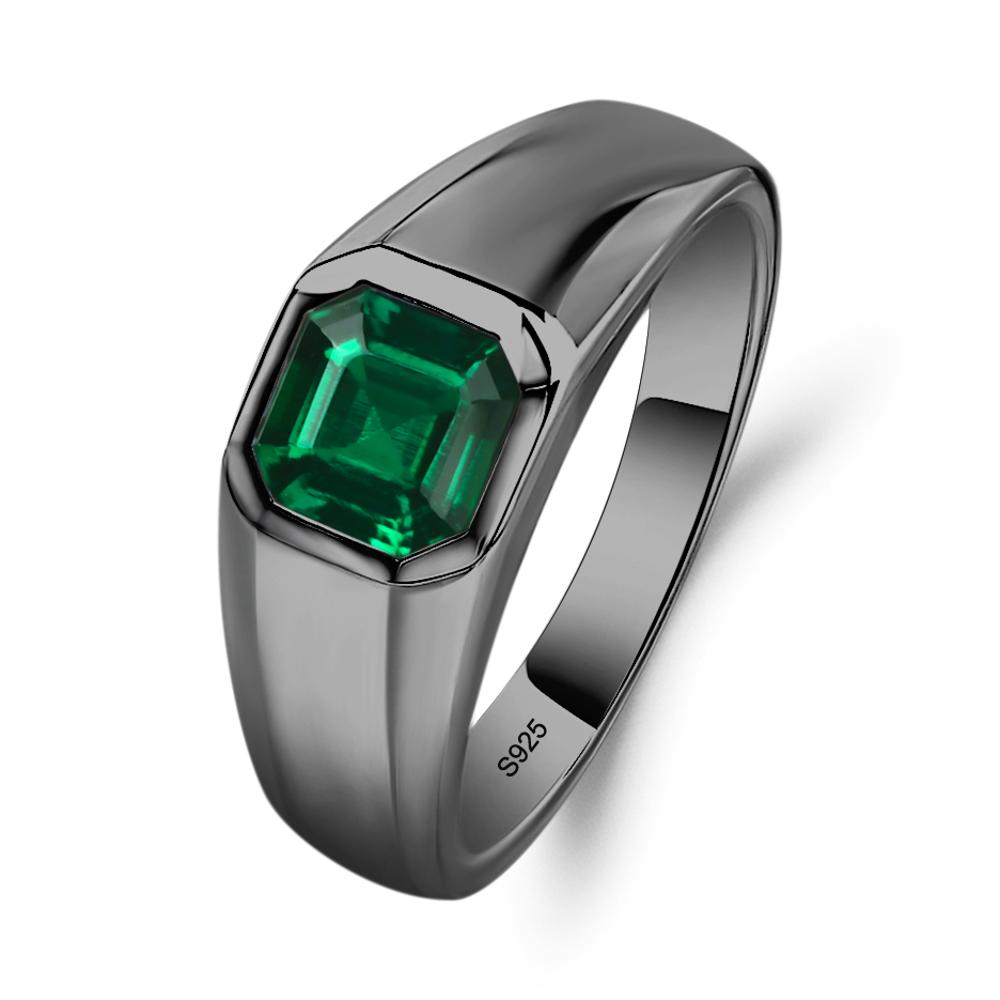
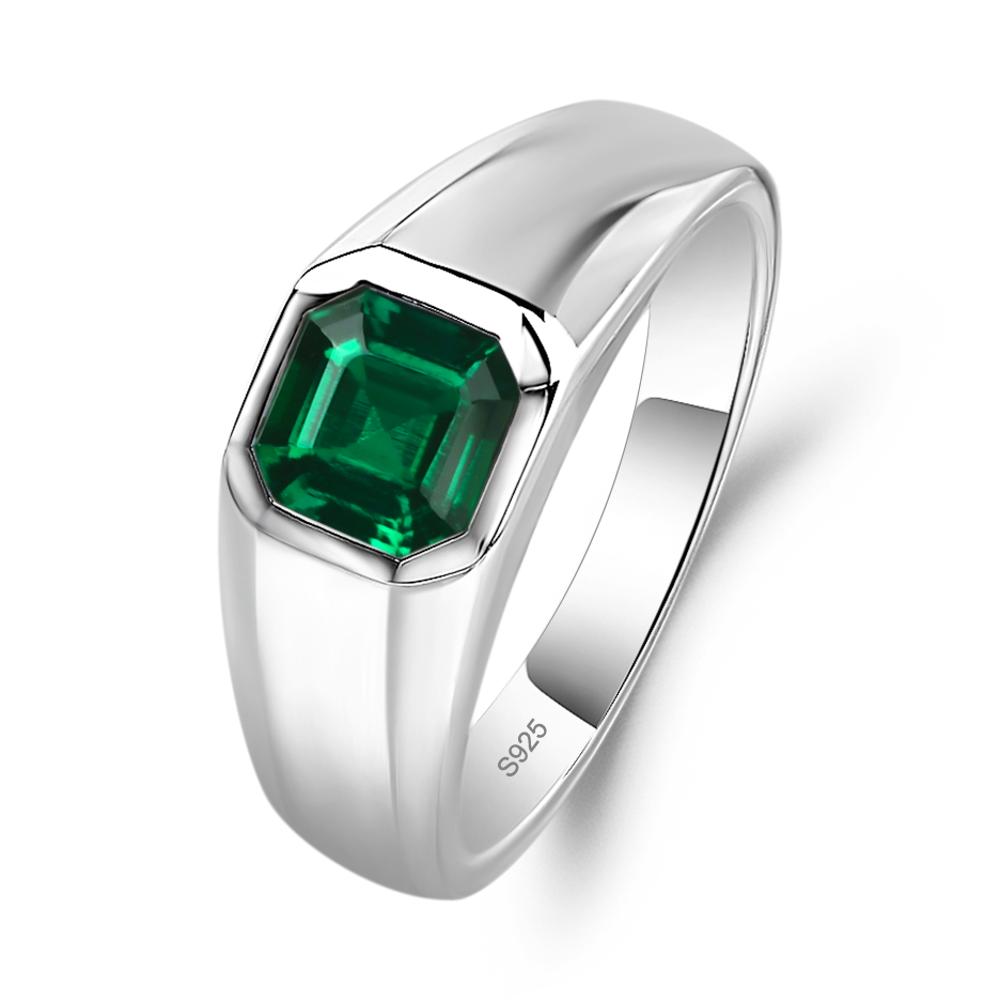
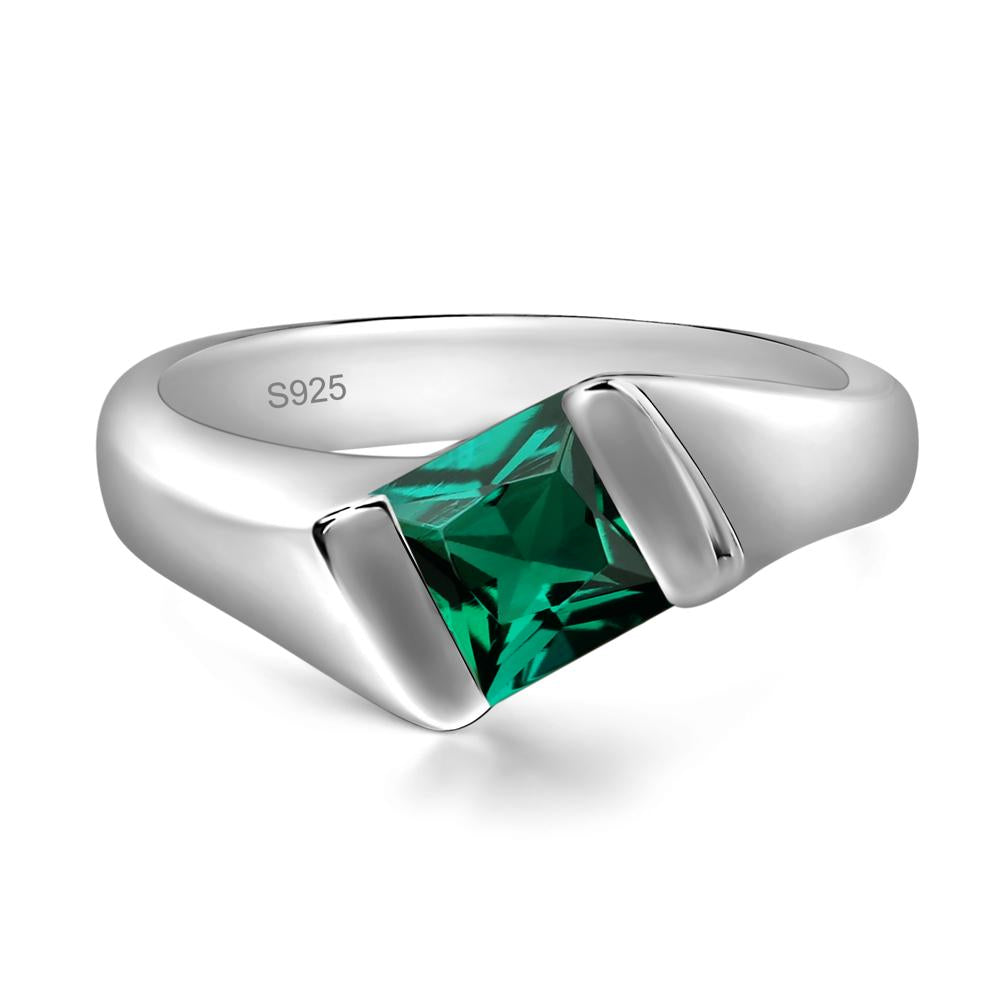
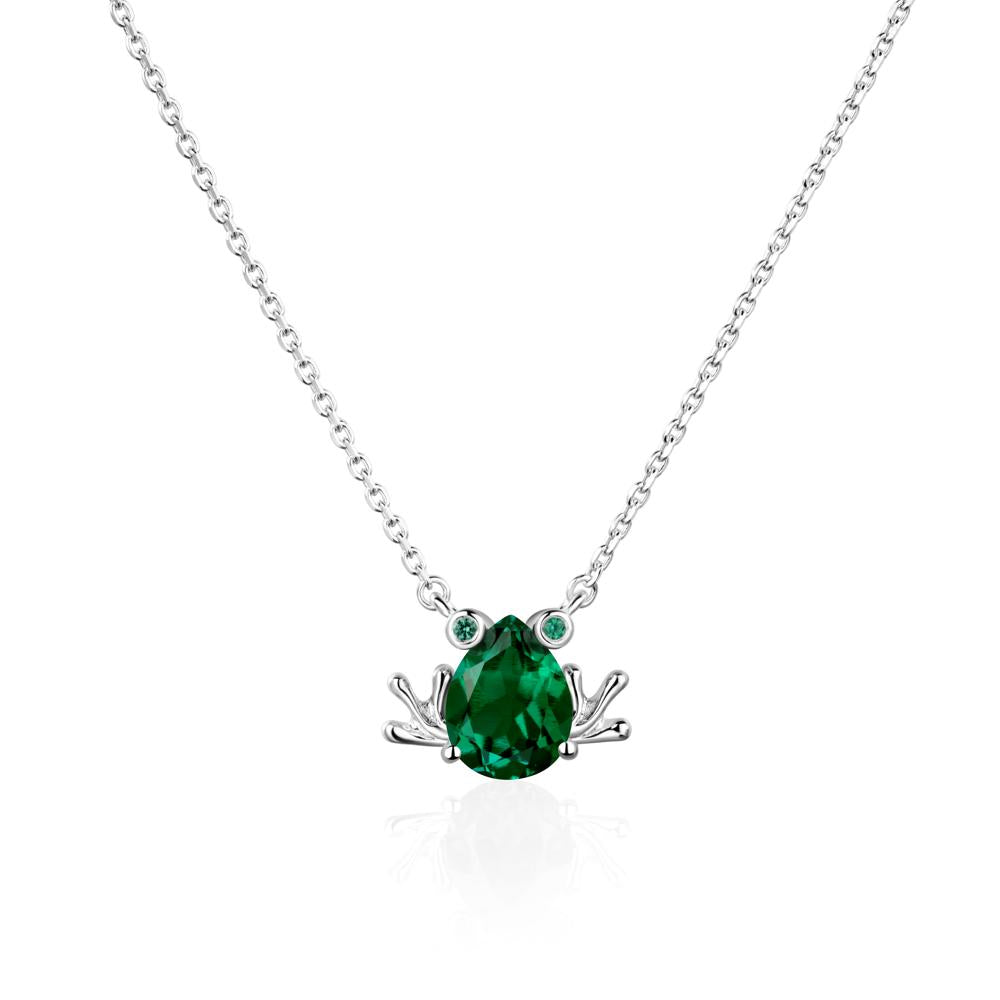
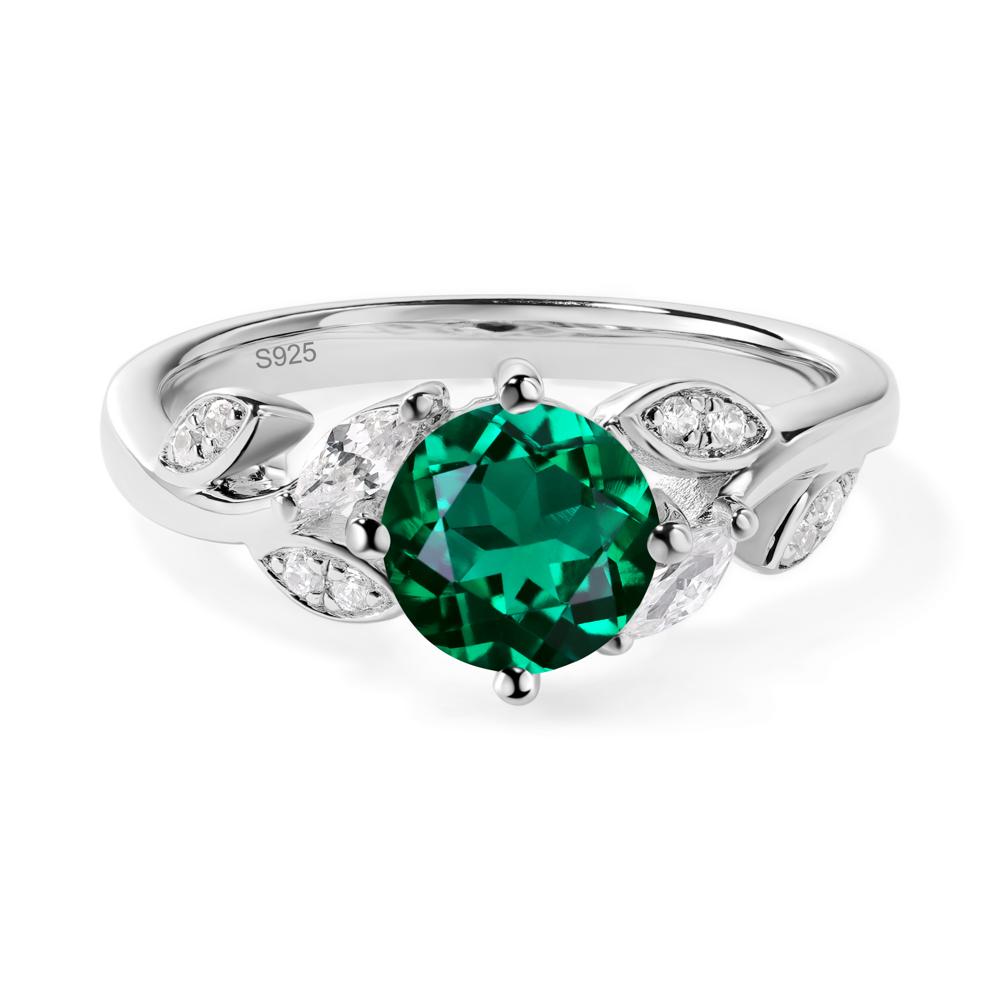
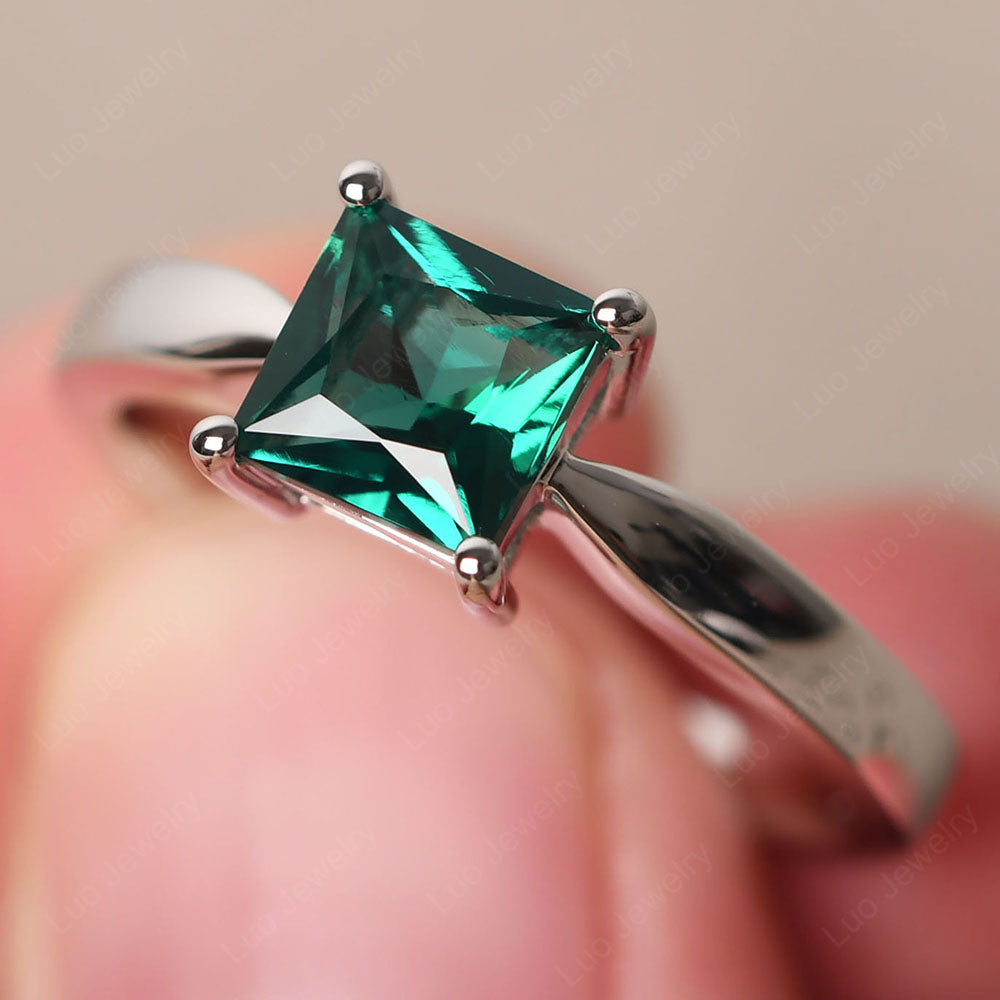
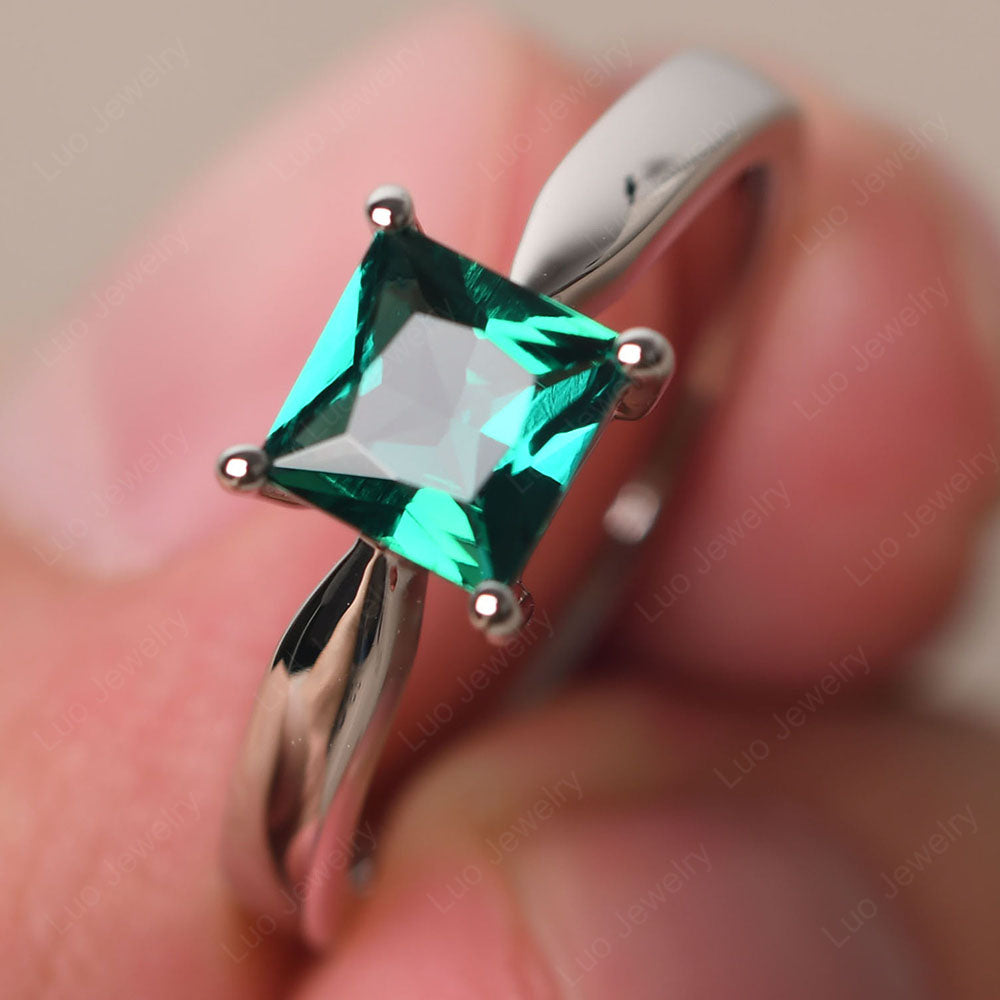
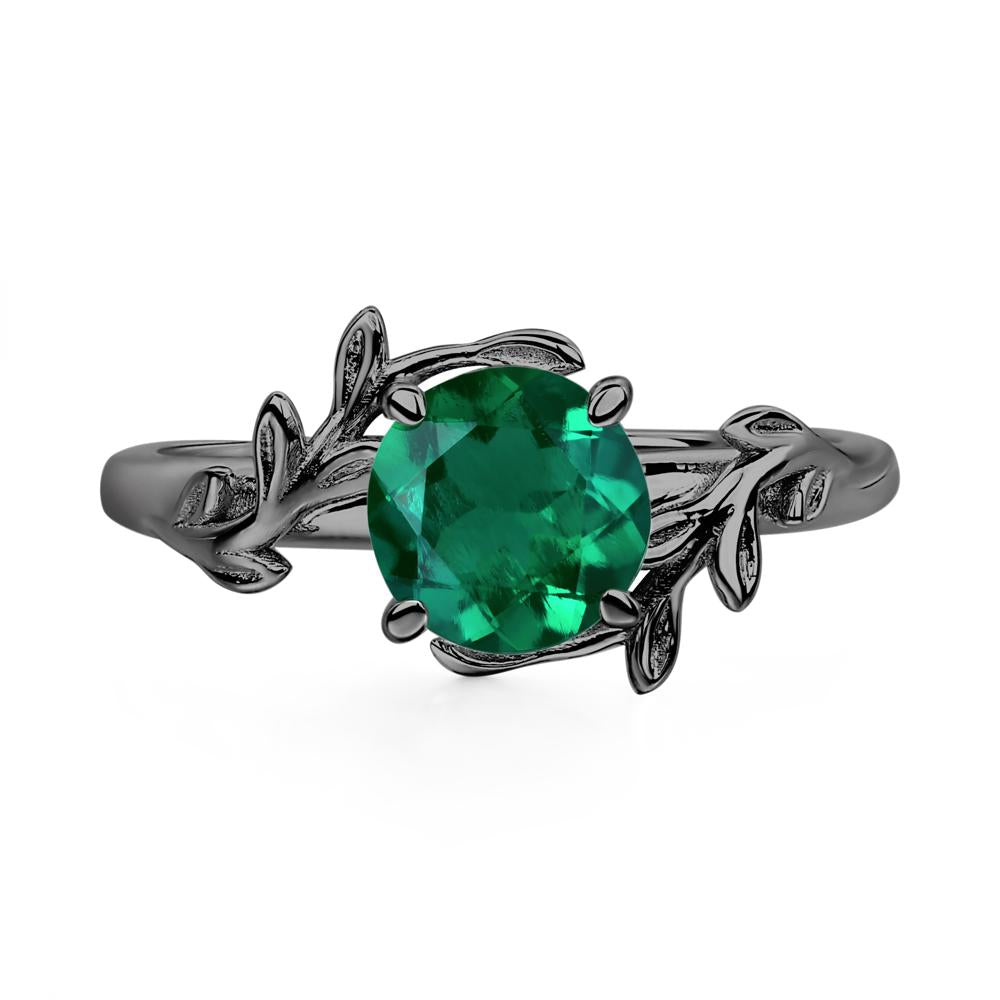
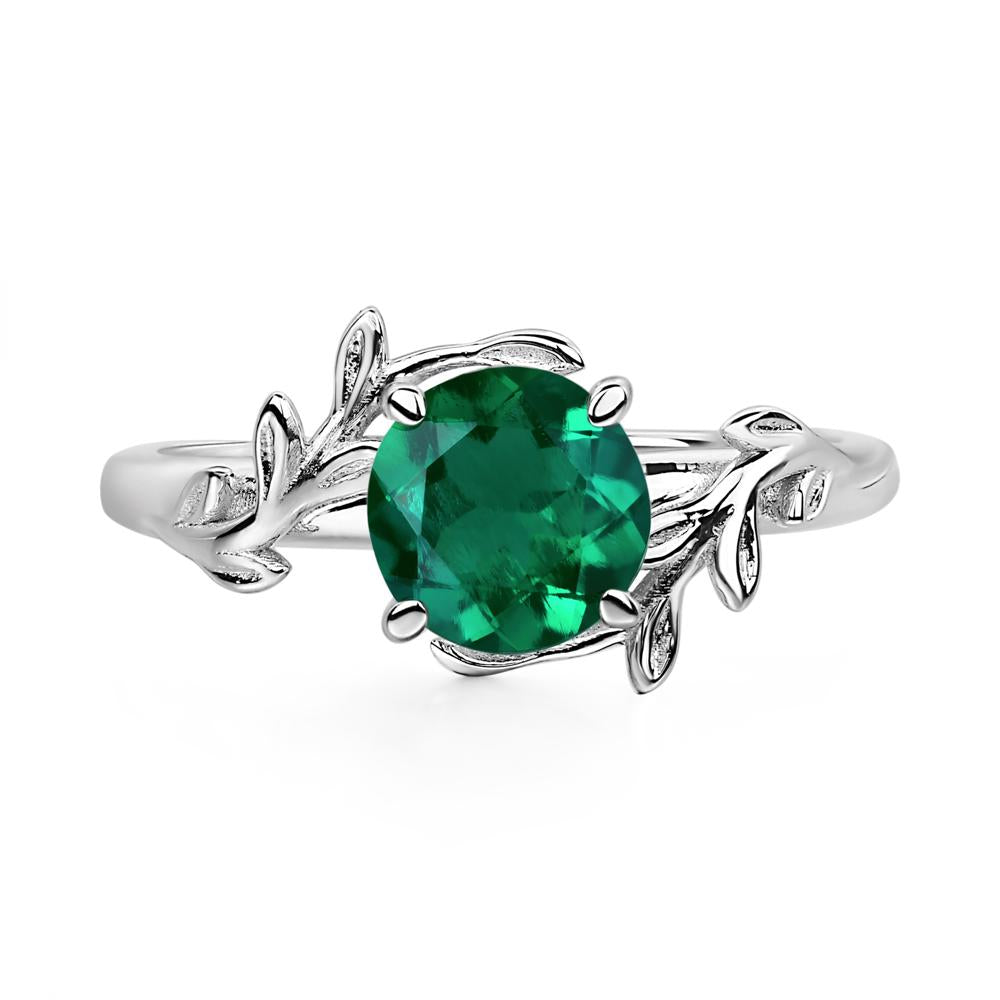


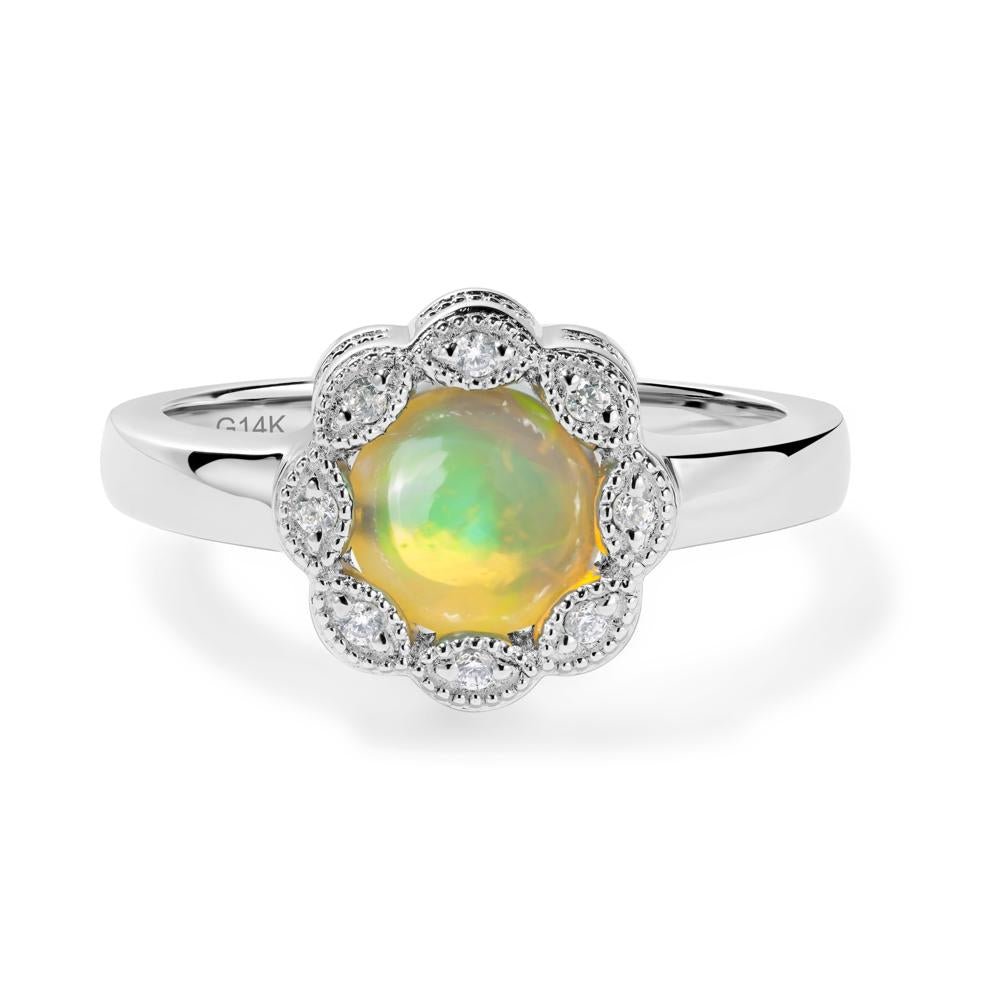
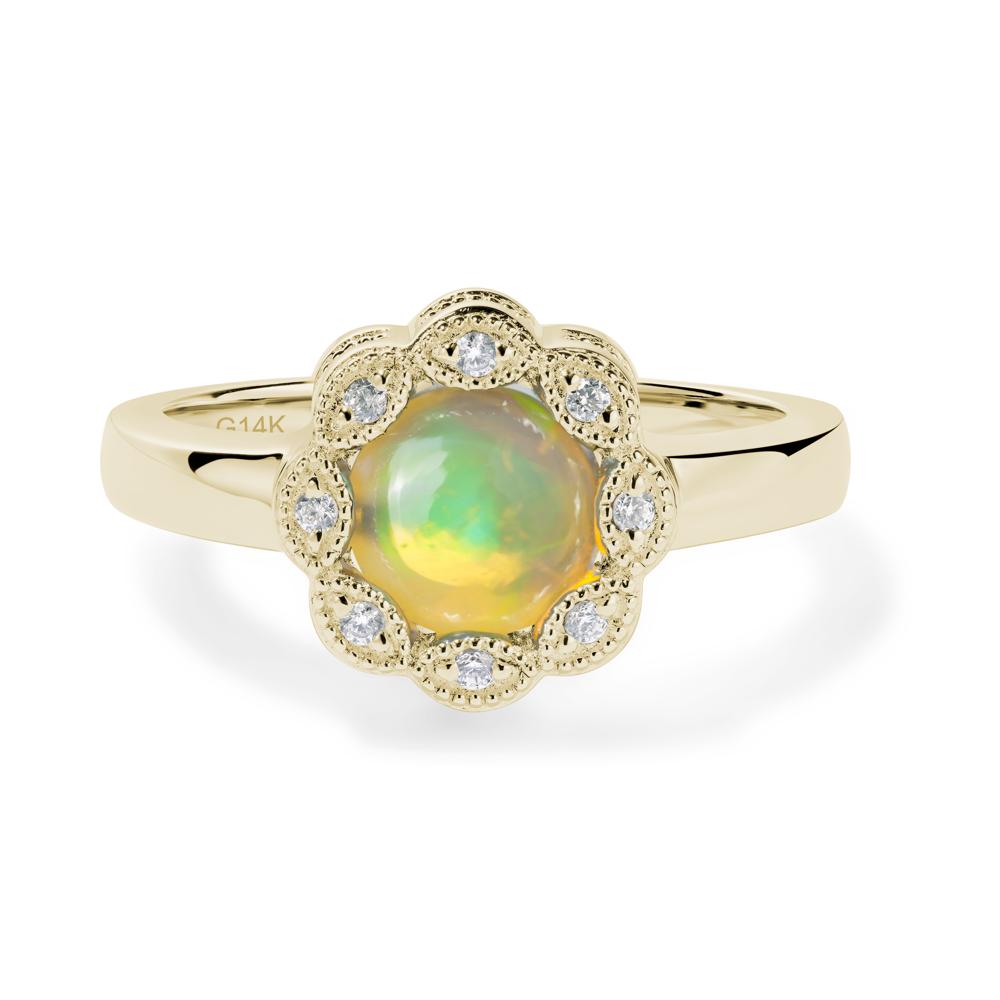






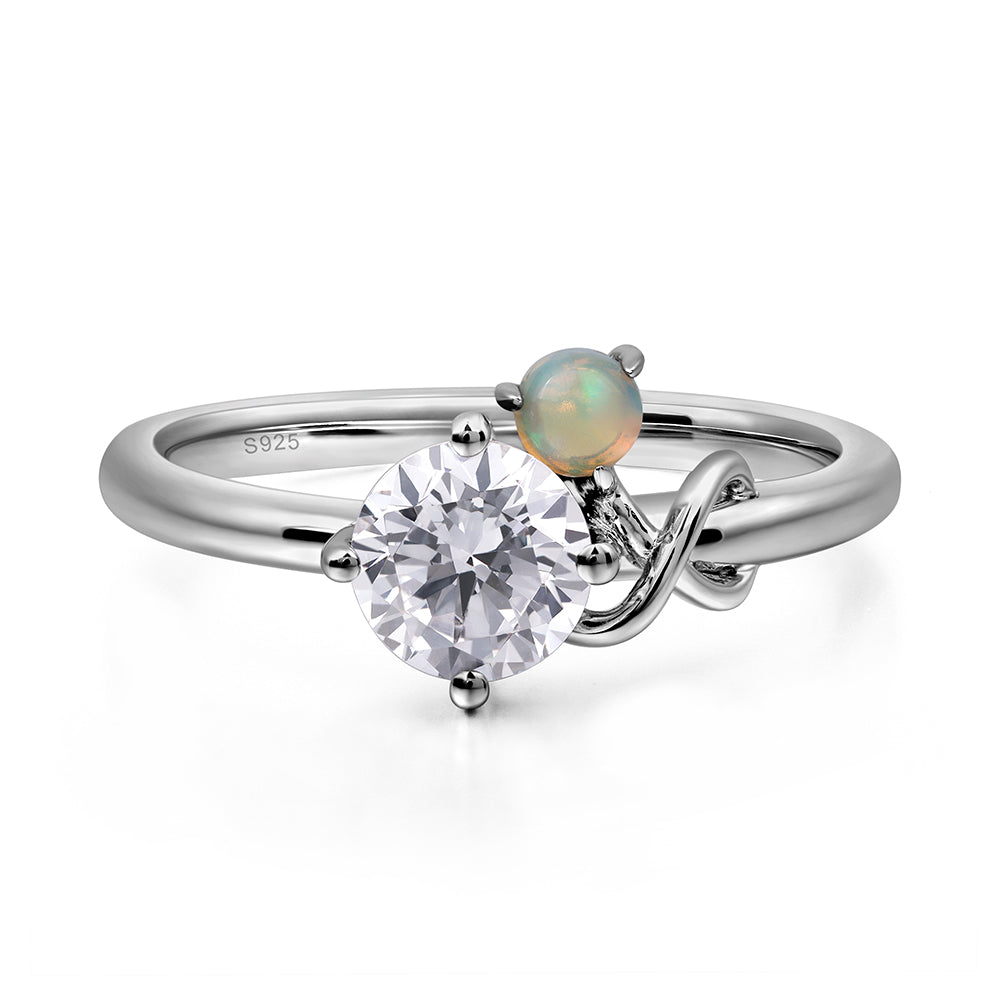
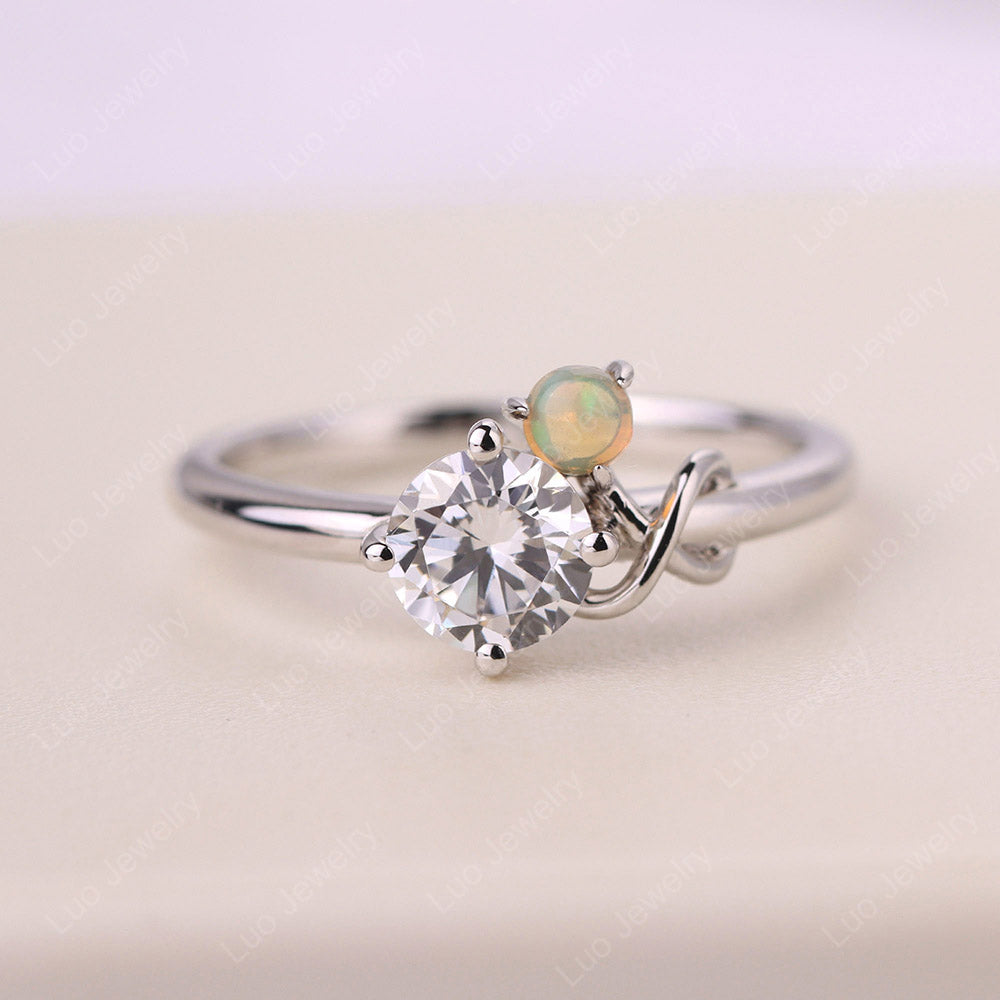
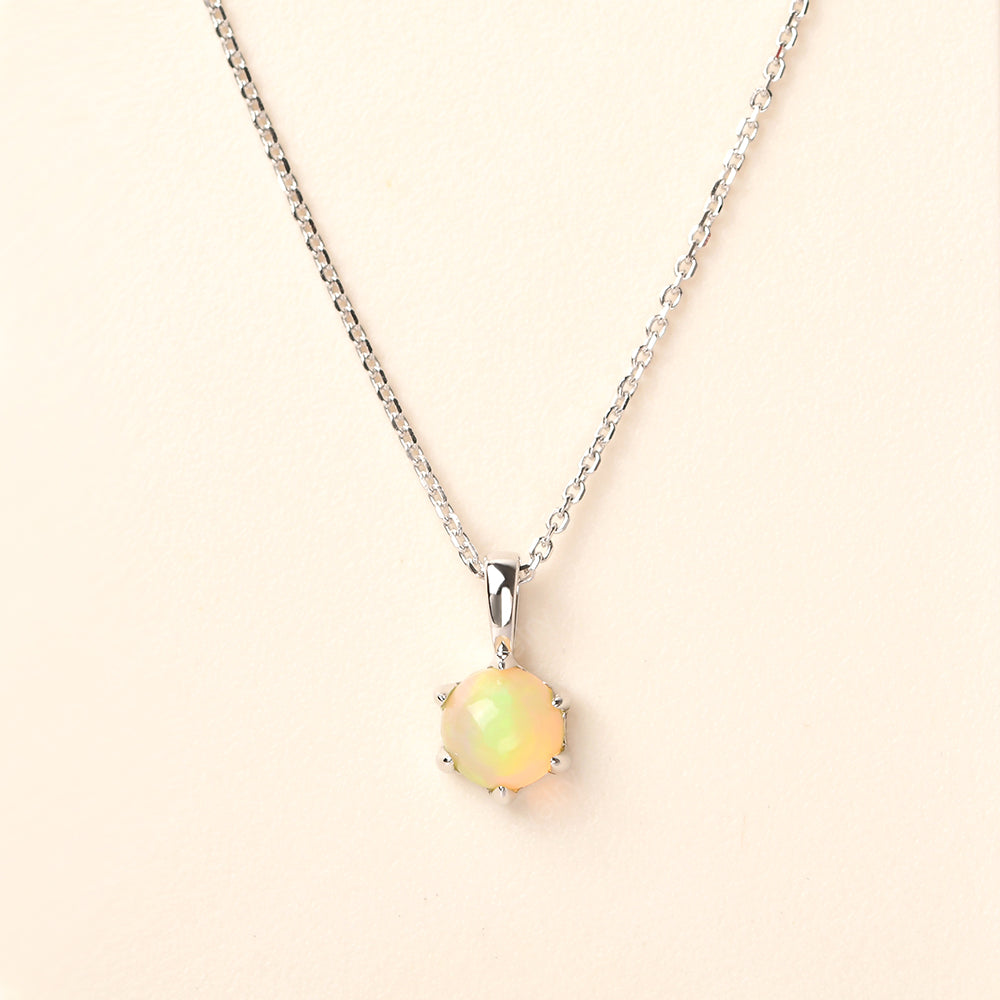
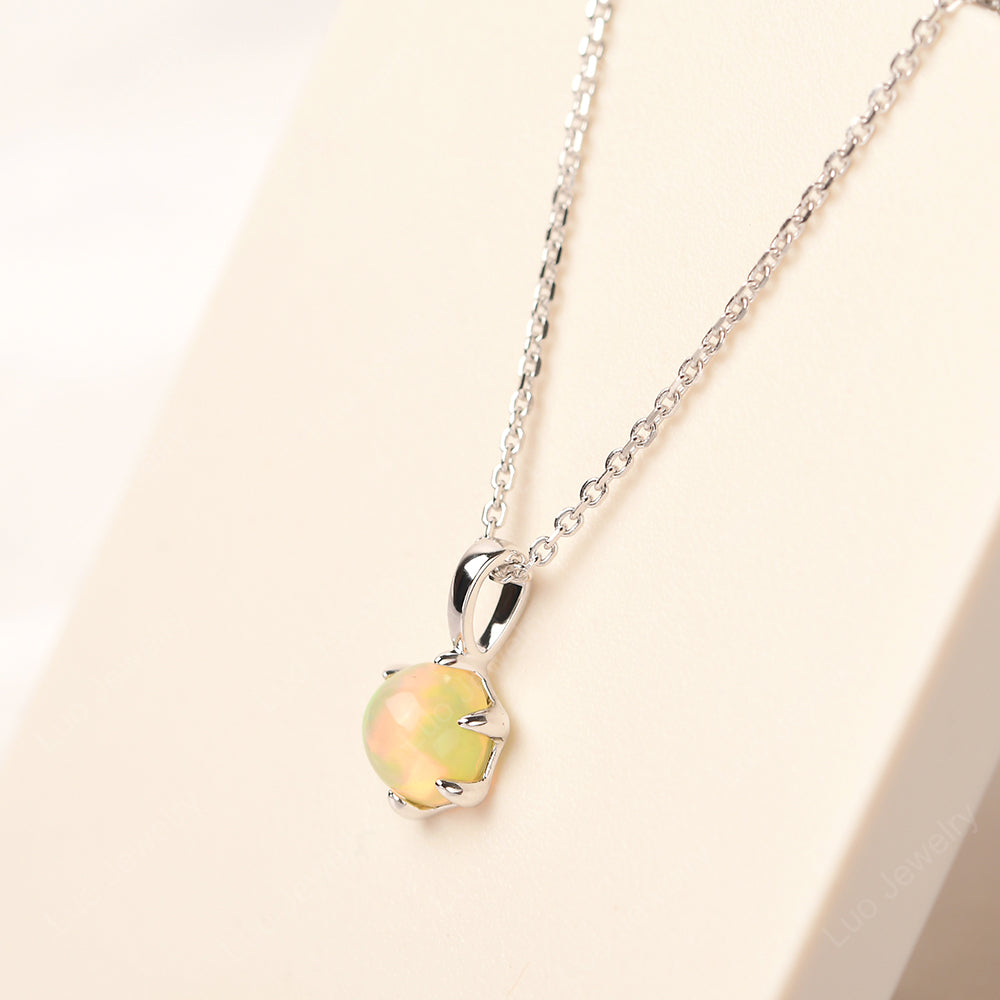
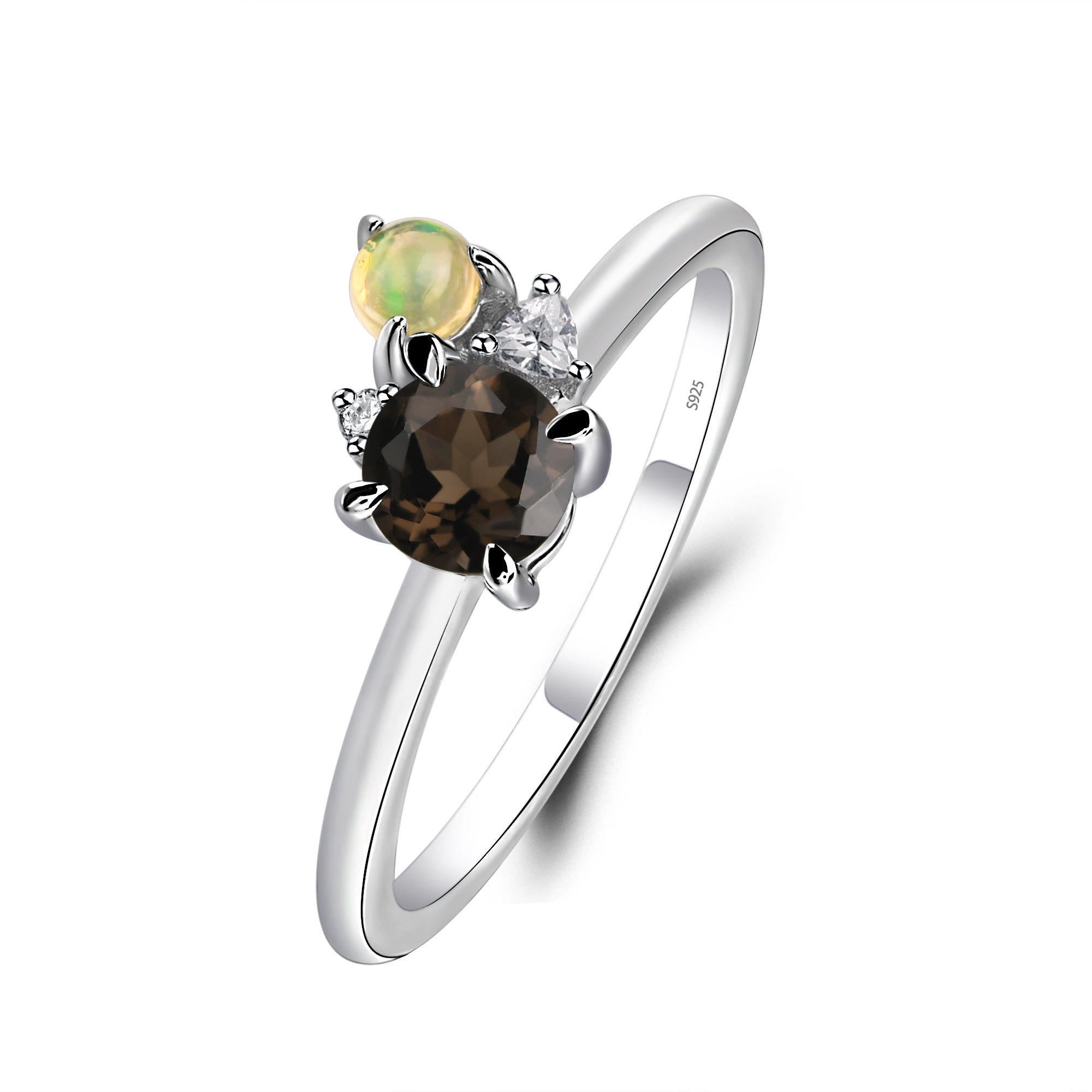
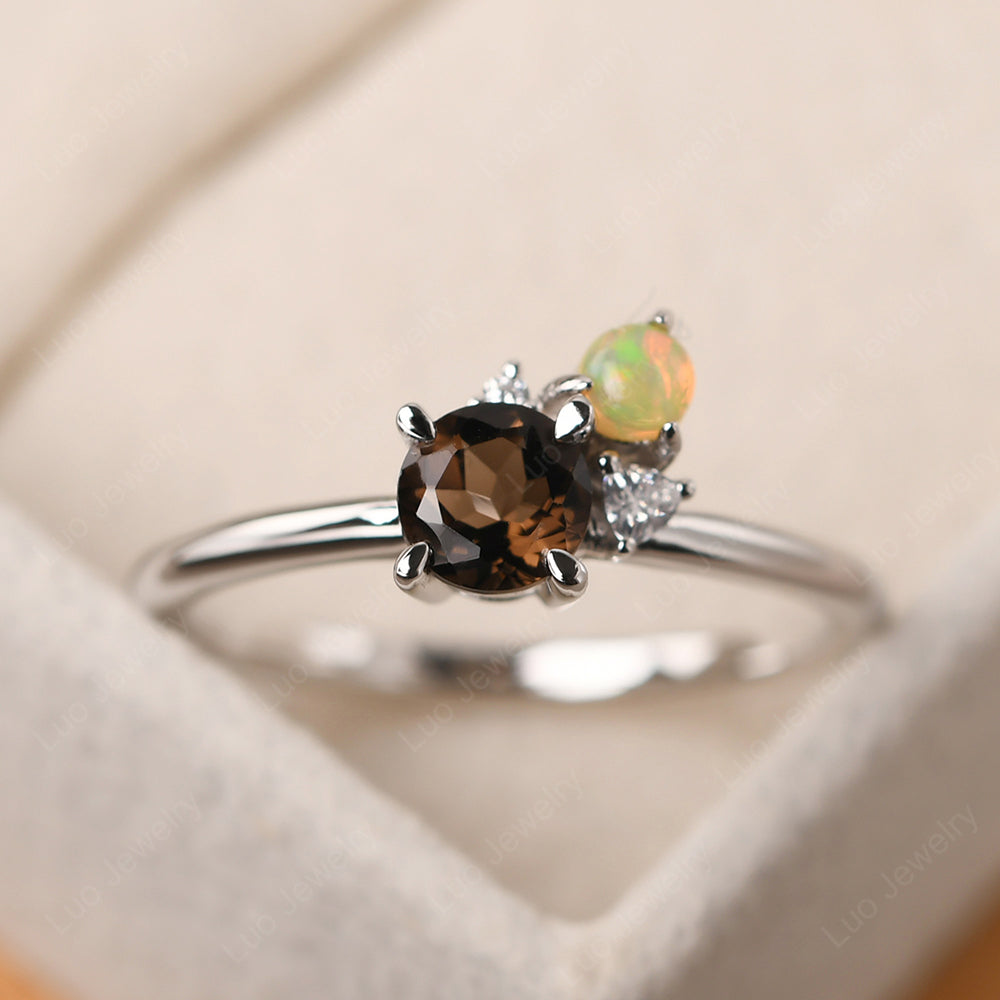
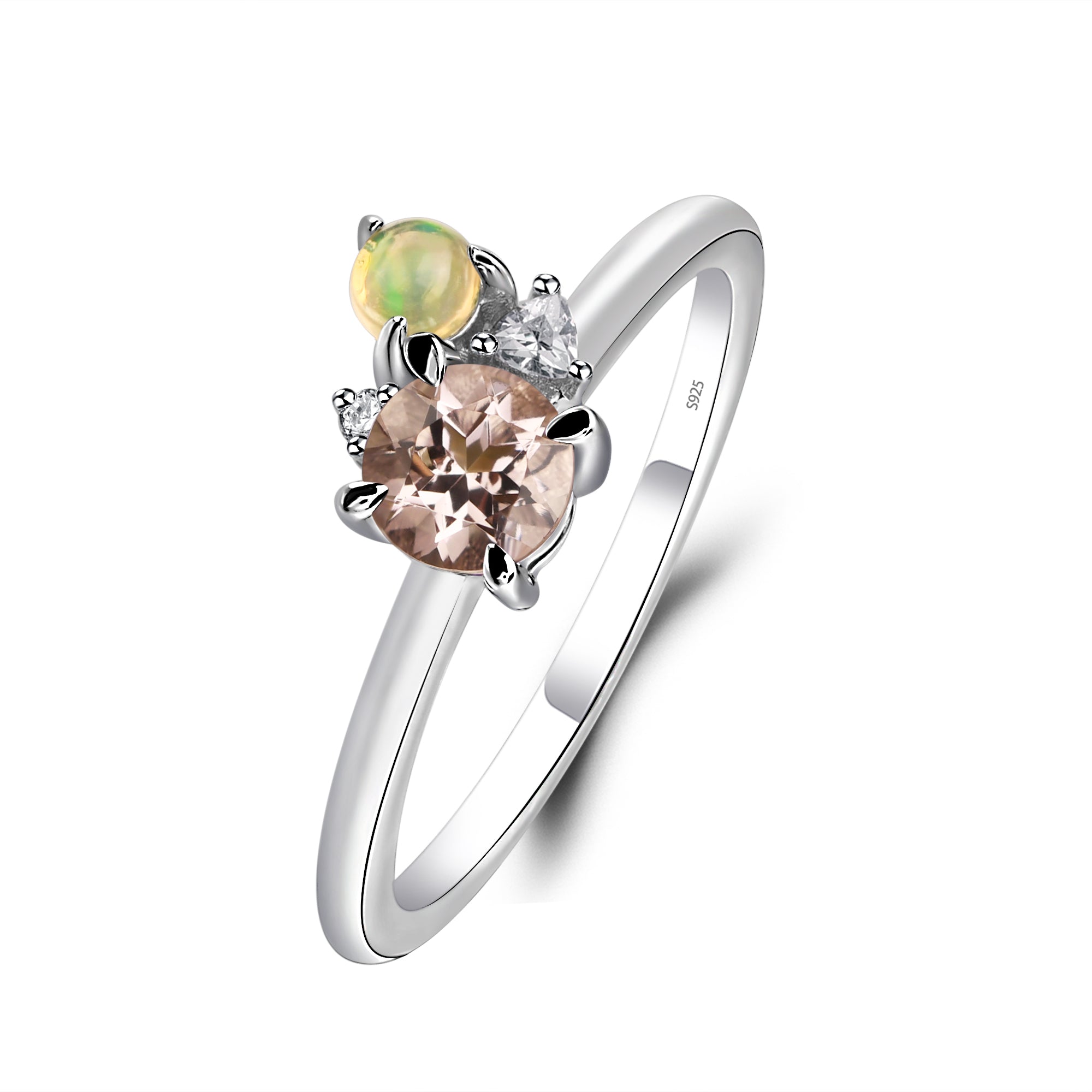
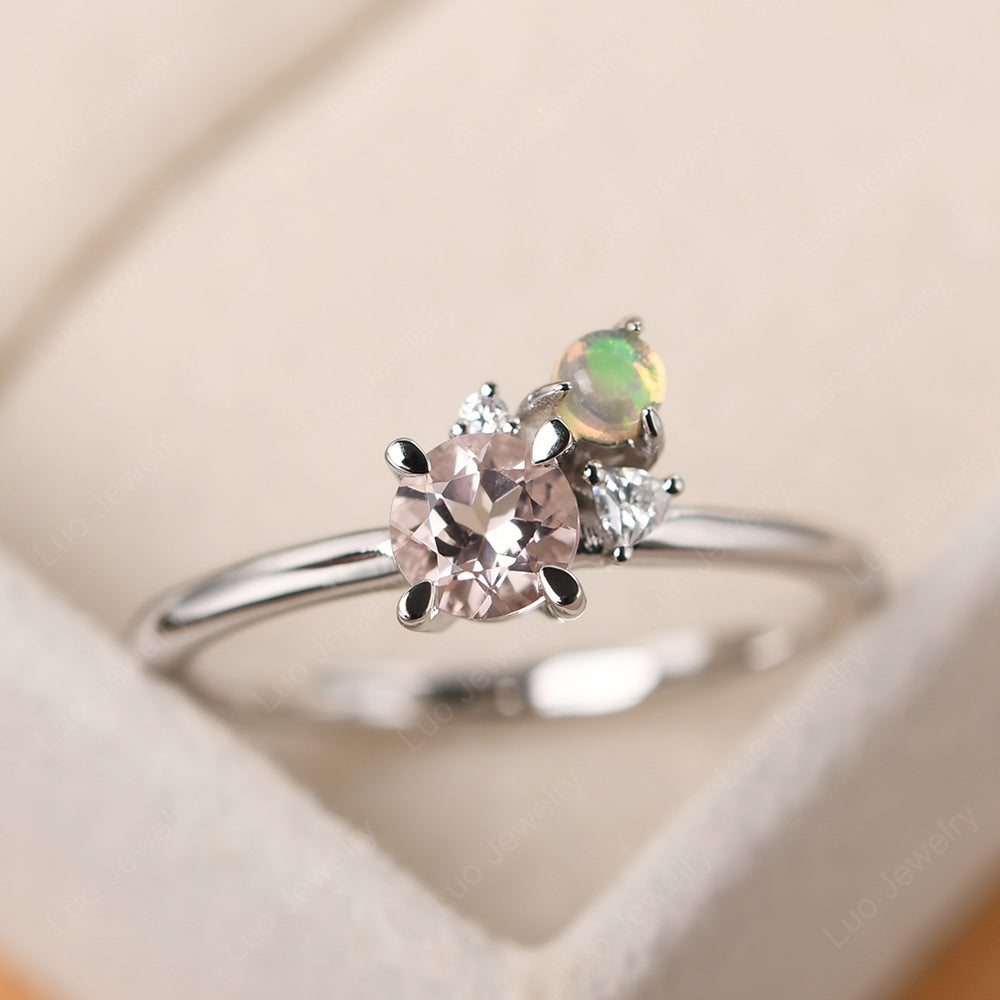
Gemstone Jewelry Care: The Master Protocols
Understanding the elemental DNA of your gemstone jewelry is the ultimate secret to its longevity.
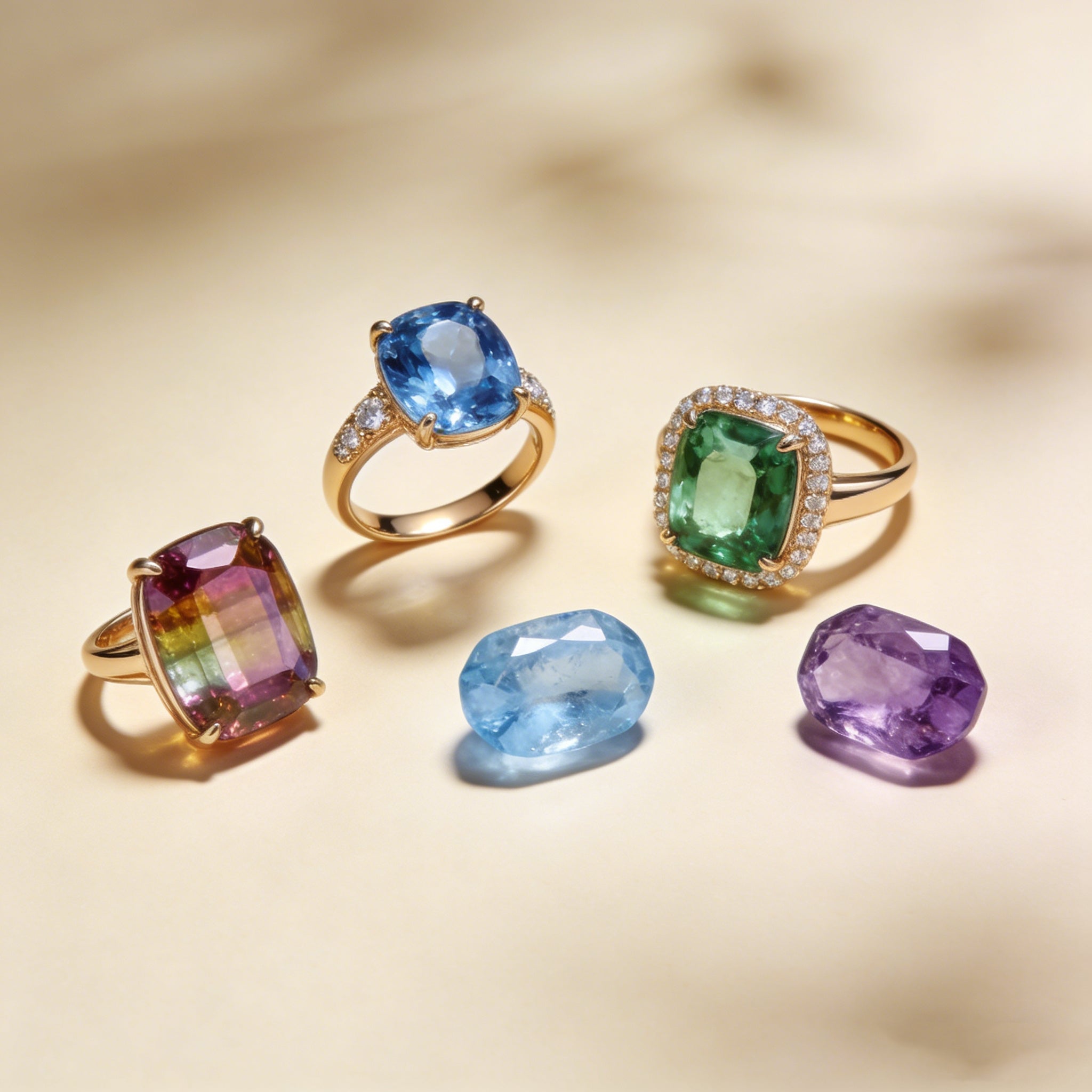
While most stones don't "dissolve", many are porous or organic and should never be submerged.
#1 Water-Sensitive & No-Soak Gemstones
- Pearls and Coral: These are organic. Soaking them can weaken the internal structure or the silk thread they are often strung on.
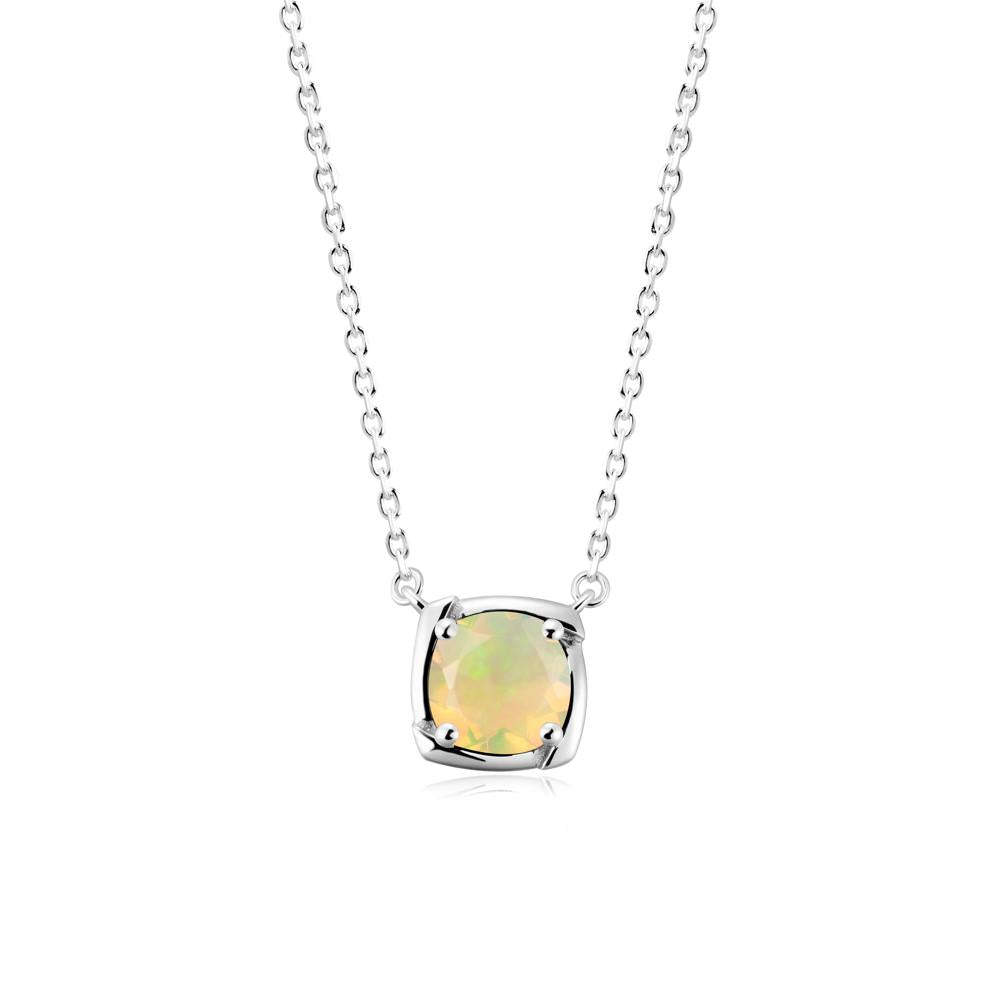
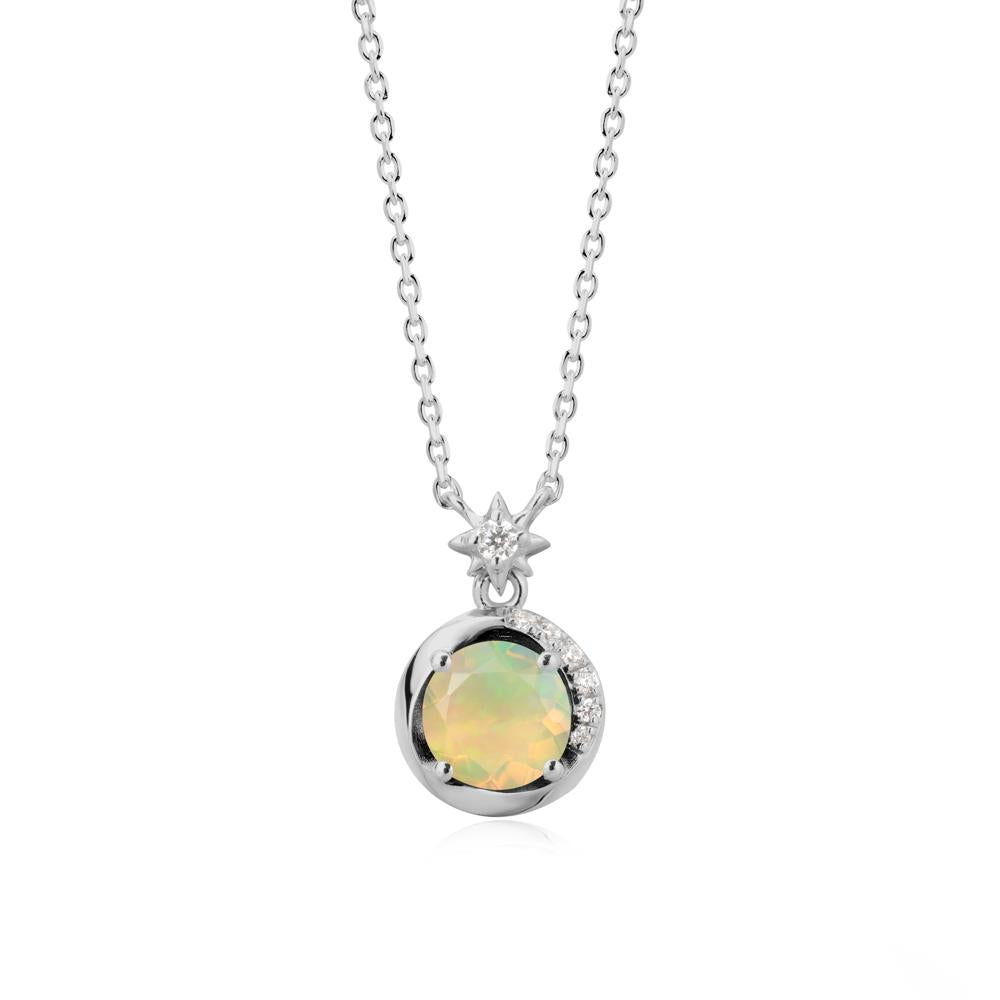
- Opals: Opals contain 5–10% water. Prolonged soaking (especially in treated tap water) can cause "crazing" (fine cracks) or change their color.
- Turquoise: This is a porous stone. It acts like a sponge, absorbing water, oils, and detergents, which can turn the stone from vibrant blue to a dull green over time.
- Malachite: Extremely soft and porous. Water can quickly strip its polish.
Sudden temperature changes (thermal shock) or high heat can cause fractures or permanent color fading.
#2 Heat-Sensitive & No-Steam Gemstones
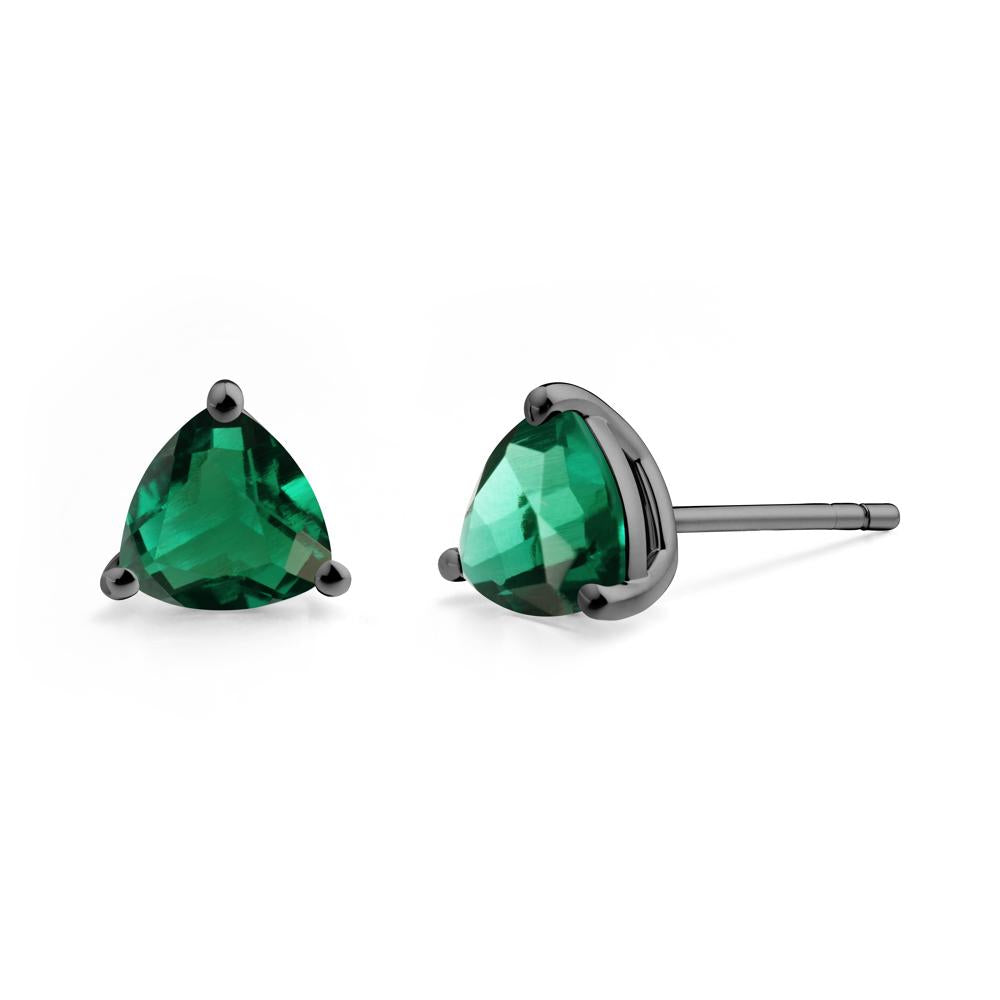
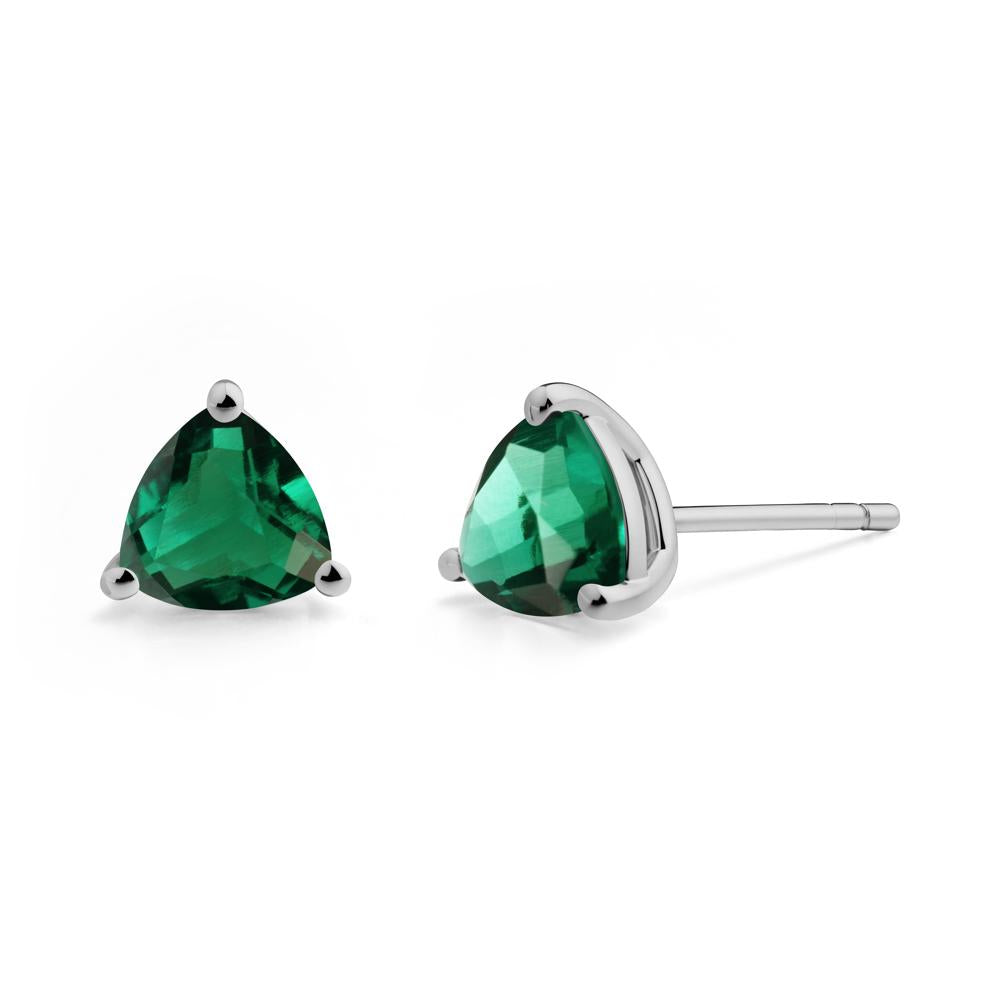
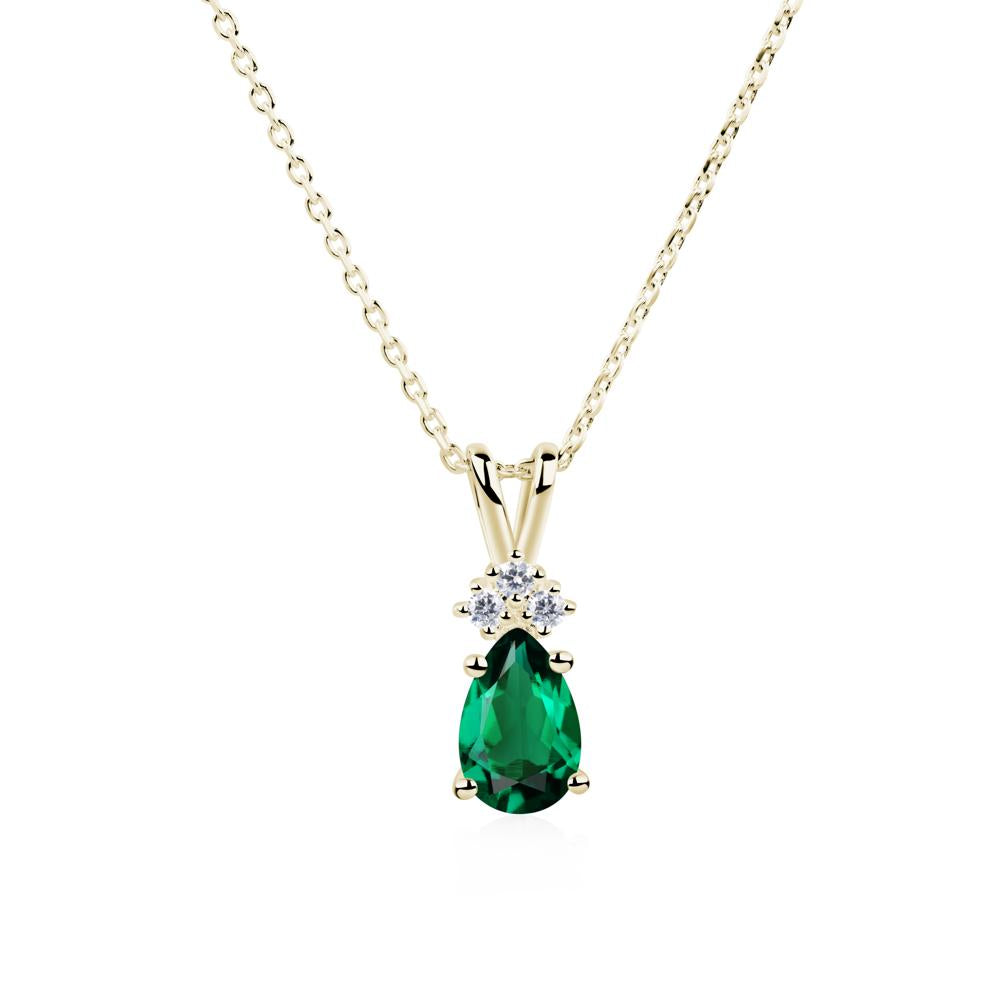
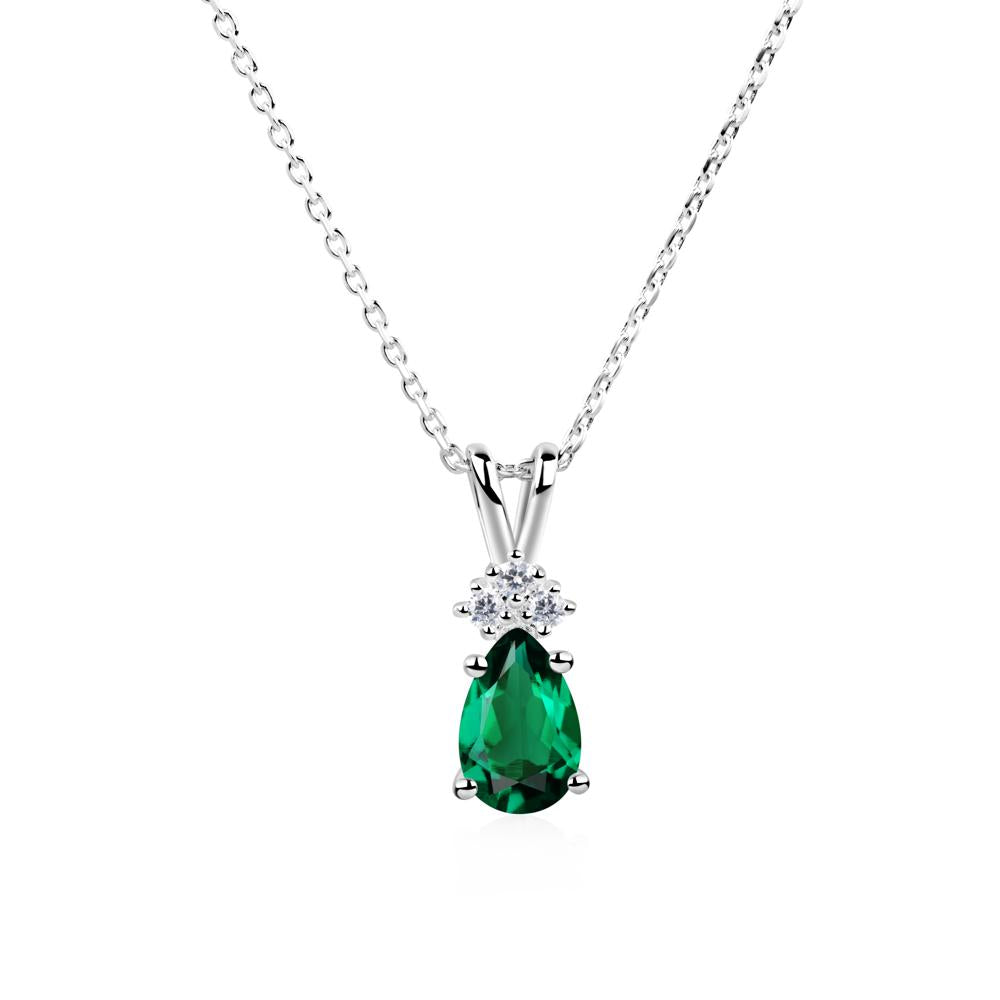
- Emeralds: Almost all emeralds have surface-reaching fissures filled with oil. High-heat steam will strip the oil out, leaving the stone brittle, white, and dull.
- Tanzanite: This stone is notorious for its sensitivity to thermal shock. A steam cleaner can cause it to shatter instantly.
- Amethyst and Citrine: Prolonged heat or steam can cause these quartz varieties to fade or shift in color.
- Kunzit and Rose Quartz: These are "evening stones"—extreme heat or even prolonged direct sunlight can bleach their color.
Common household items like lemon juice, vinegar, hairspray, and perfume are "jewelry killers".
#3 Acid & Chemical-Sensitive Gemstones
- Pearls, Shells, and Coral: These are calcium-based. Acid (even mild vinegar) will literally dissolve the surface, ruining the luster forever.
- Peridot: Surprisingly sensitive to acids. Even certain "natural" citrus cleaners can etch the surface of the stone.
- Turquoise and Lapis Lazuli: Chemicals can seep into the pores and cause permanent discoloration.
The high-frequency vibrations of an ultrasonic cleaner can expand existing internal inclusions or shake stones loose from their settings.
#4 No Ultrasonic Cleaning
- Emeralds: Absolutely never put an emerald in an ultrasonic cleaner.
- Opals and Pearls: Too soft and fragile for the vibrations.
- Tanzanite and Moonstone: Their cleavage planes make them prone to cracking under vibration.
- Fracture-Filled Stones: If a Ruby or Sapphire has been lead-glass filled, the vibrations can shatter the filling.
| Gemstone | Mohs Hardness | Warm Soapy Water | Ultrasonic / Steam | Primary Caution |
|---|---|---|---|---|
| Diamond | 10 | ✅Recommended | ✅Safe | Durable; low risk |
| Sapphire (Blue/Green) | 9 | ✅Recommended | ✅Generally Safe | Harsh acids |
| Ruby | 9 | ✅Recommended | ✅Generally Safe | Harsh acids |
| Alexandrite | 8.5 | ✅Recommended | ✅Generally Safe | Harsh chemicals; extreme heat |
| Topaz (Blue/Mystic) | 8 | ⚠️Gentle Clean | ❌PROHIBITED | High heat; sudden shocks |
| Emerald | 7.5–8 | ⚠️Gentle Wipe Only | ❌PROHIBITED | Heat and vibrations strip protective oils |
| Aquamarine | 7.5–8 | ✅Recommended | ❌Avoid | High risk of thermal shock and cleavage |
| Black Spinel | 8 | ✅Recommended | ✅Generally Safe | Harsh chemicals |
| Quartz (Amethyst/Citrine) | 7 | ✅Recommended | ❌Avoid | High heat; prolonged sunlight |
| Rose/Smoky Quartz | 7 | ✅Recommended | ❌Avoid | High heat; prolonged sunlight |
| Garnet | 6.5–7.5 | ✅Recommended | ⚠️Use Caution | Thermal shock; temperature jumps |
| Moss Agate | 6.5–7 | ✅Recommended | ⚠️Use Caution | Harsh chemicals |
| Peridot | 6.5–7 | ✅Quick Wash Only | ❌PROHIBITED | Extremely acid-sensitive; very brittle |
| Moonstone | 6–6.5 | ✅Quick Wash Only | ❌PROHIBITED | Low toughness; breaks easily along grain |
| Opal | 5.5–6.5 | ❌DO NOT SOAK | ❌PROHIBITED | Dehydration; collision |
| Pearl | 2.5–4.5 | ❌DO NOT SOAK | ❌PROHIBITED | Acids; cosmetics; dryness |
How to Clean Gemstone Rings by Metal?
Every metal has a personality. Here is how to treat yours with the respect it deserves.
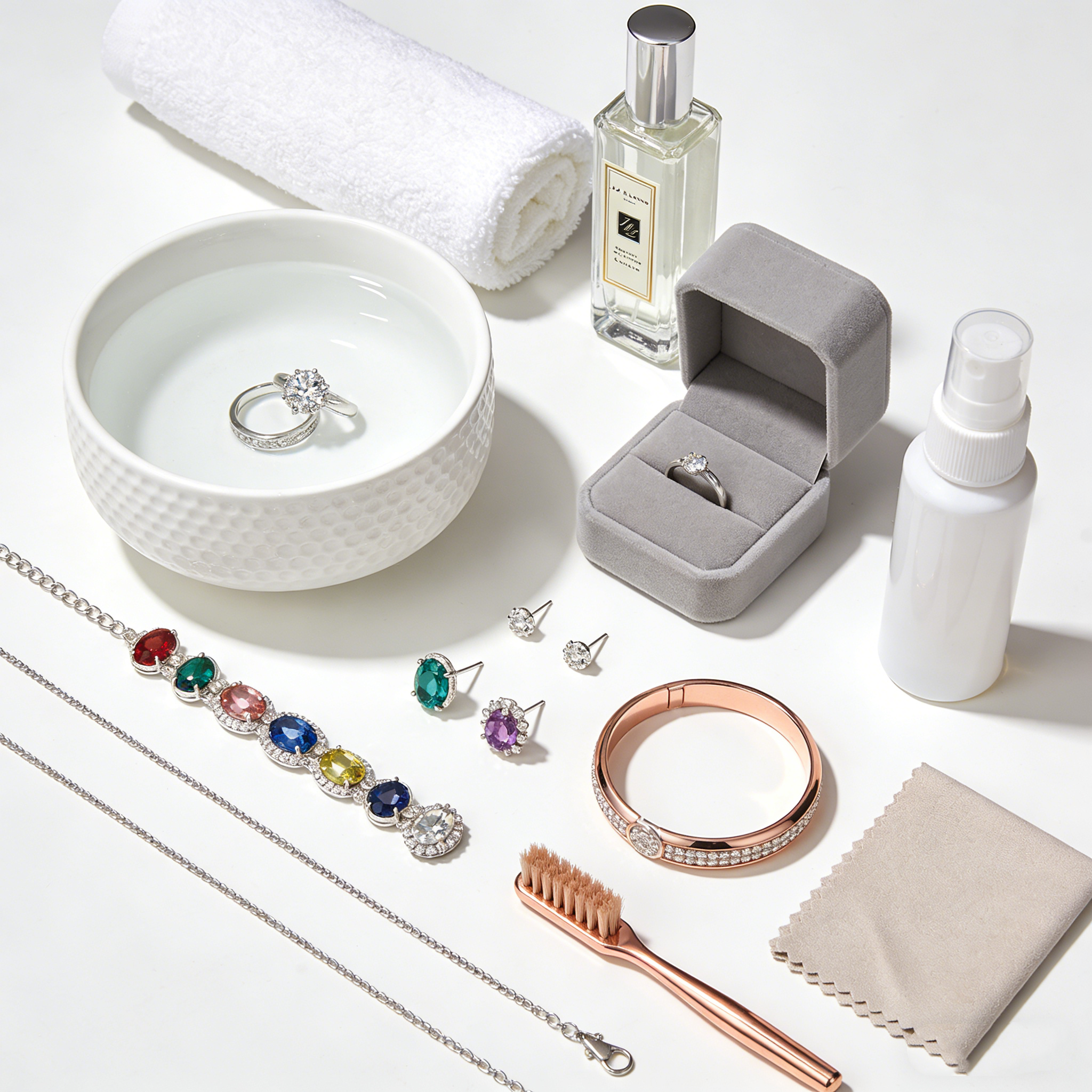
Silver Rings
Silver is beloved for its cool luster but prone to oxidation. Use a specialized jewelry polishing cloth infused with anti-tarnish agents. For deeper cleans, a simple paste of baking soda and water works wonders on plain silver—but keep it away from set gemstones.
Shop Silver Gemstone Rings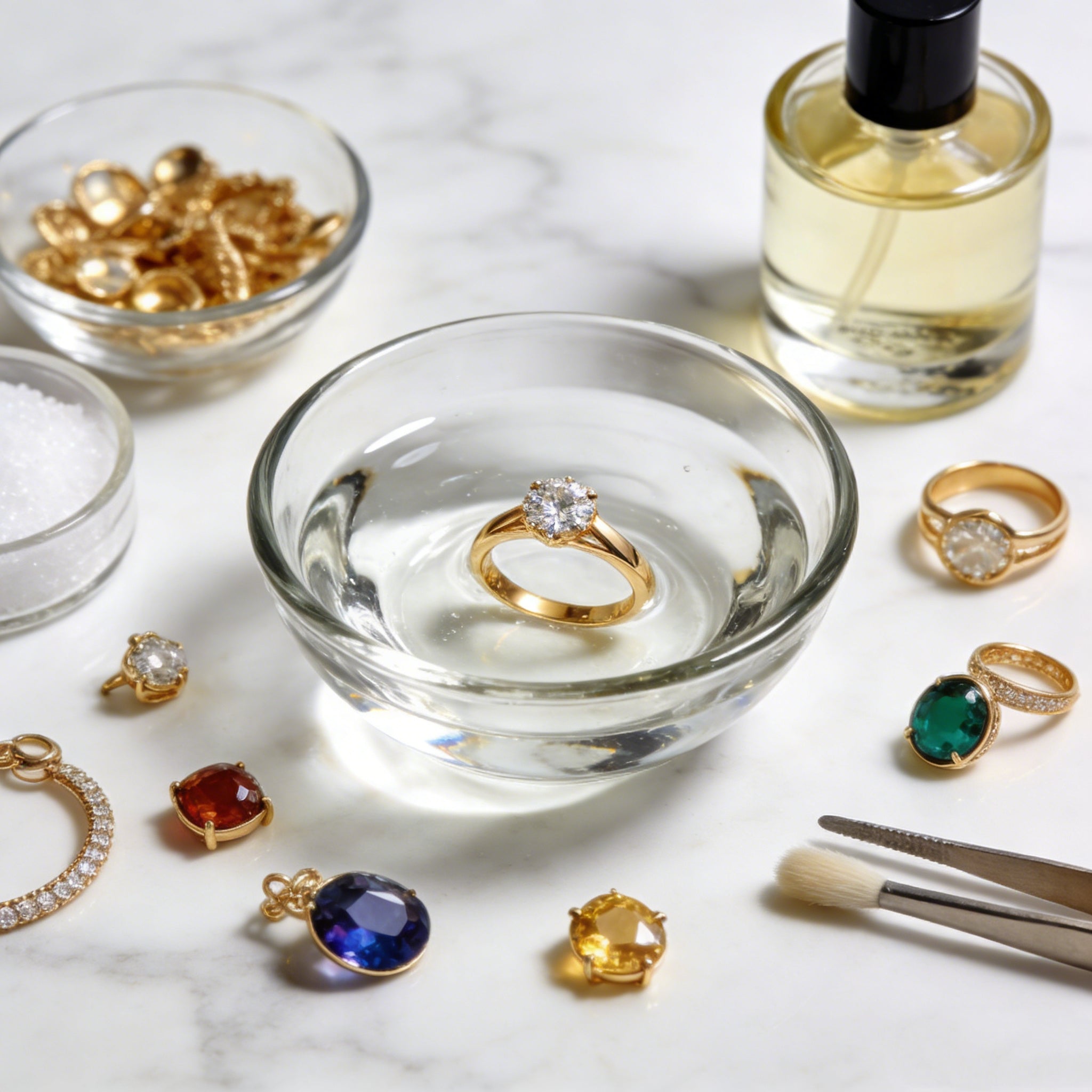
Gold Rings
Gold is timeless but soft, making it susceptible to fine scratches. Soak your gold gemstone rings in a bowl of warm water mixed with a few drops of mild, phosphate-free dish soap for 15 minutes. Use a new, baby-soft toothbrush to gently reach the intricate gallery beneath the stone.
Shop Gold Gemstone Rings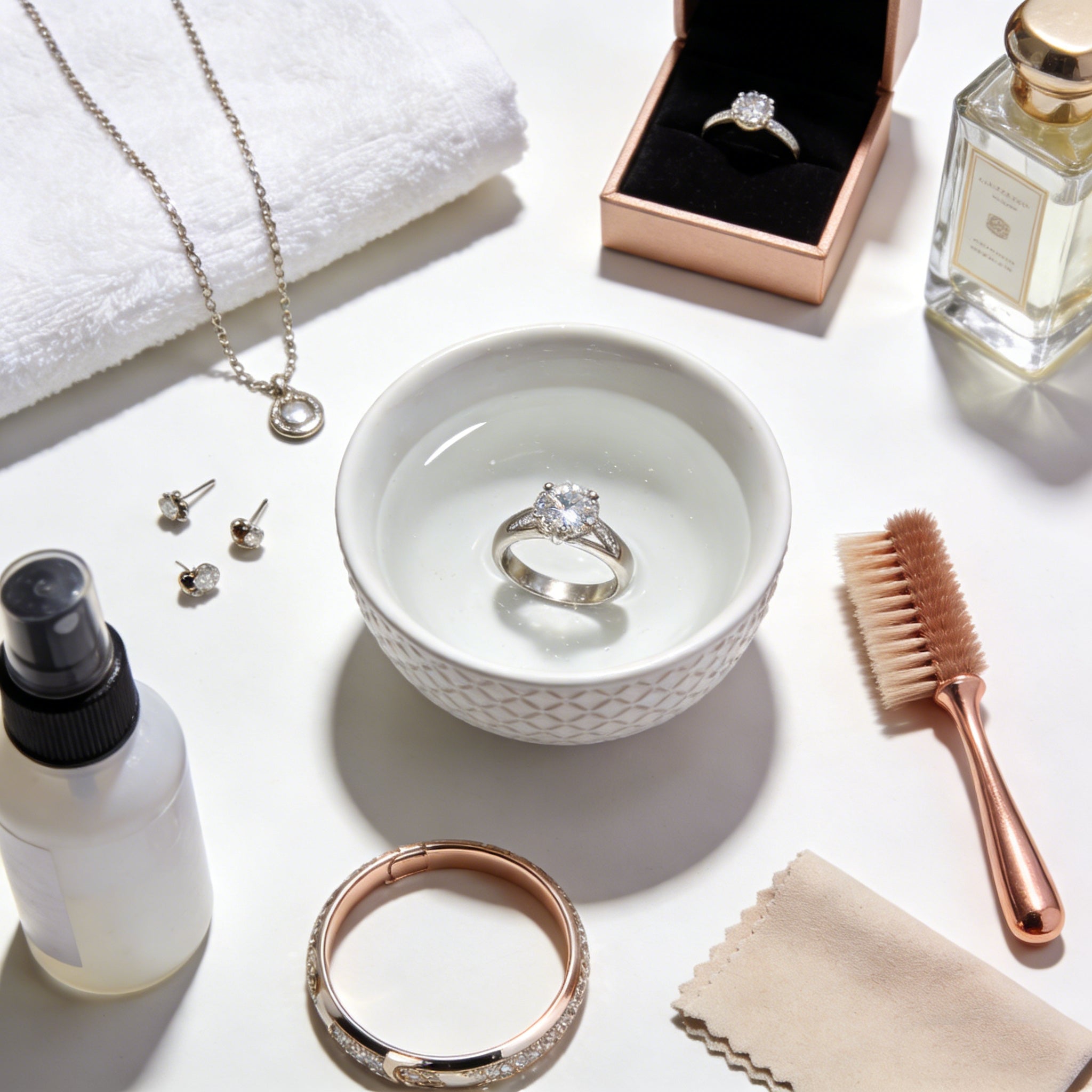
White Gold Rings
White gold is often finished with Rhodium to give it that signature chrome-like shine. Follow the same gentle soap-and-water soak as yellow gold.
Shop White Gold Gemstone Rings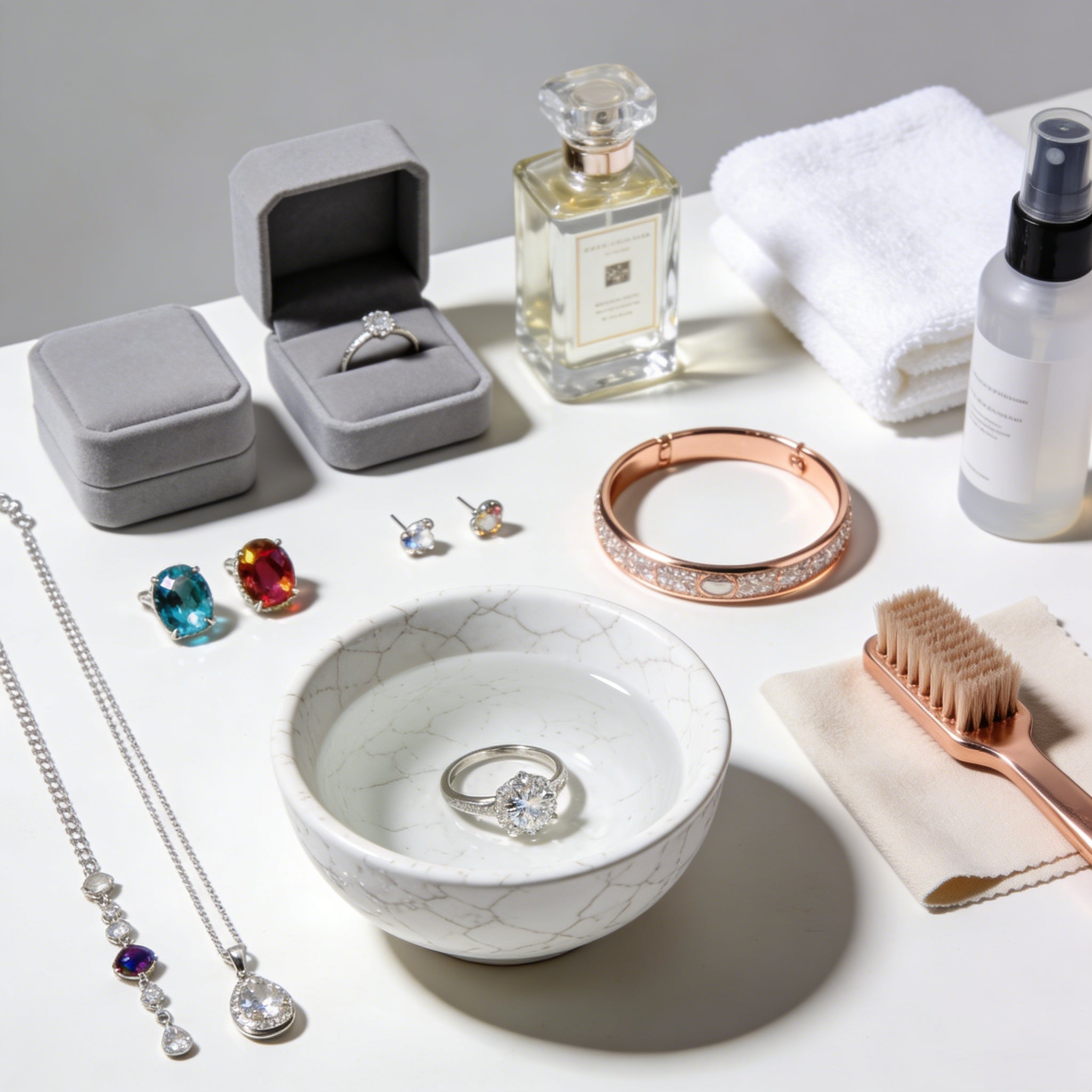
Platinum Rings
Platinum is the densest and most durable of metals, but it develops a "patina" (tiny scratches) over time. Platinum can handle a slightly firmer cleaning. A gentle soak and brush will remove the oils that dull its surface.
Shop Platinum RingsCaring for Gemstone Ring Jewelry in Everyday Life
Mastering the nuances of when to wear and how to preserve your most cherished gemstone pieces.

Gemstone Engagement & Wedding Rings
Your bridal jewelry is a daily witness to your life story, but it isn't invincible. To maintain that engagement ring sparkle, adopt the "Last On, First Off" rule.
- The Gym & Cleaning: Remove your gemstone engagement or wedding rings before heavy lifting or using household chemicals. Chlorine and bleach can microscopically pit gold and weaken the prongs holding your center stone.
- The Beauty Buffer: Apply lotions, perfumes, and hairsprays before putting on your gemstone engagement or wedding rings. These products create a cloudy film on diamonds and gemstones, stealing their fire.

Daily Wear Gemstone Jewelry
Whether it’s a signature sapphire or a stack of gold bands, daily wear gemstone jewelry requires mindful elegance.
- The "Safe Zone": Designate a specific "ring dish" in your kitchen and bathroom. Never leave your gemstone rings near an open drain—security is the first step of maintenance.
- Avoid the Soak: Prolonged exposure to hot tubs or salt water can dull the finish of precious metals and damage porous stones.

Curated Storage for Gemstone Jewelry
Proper jewelry storage is about more than organization; it’s about prevention.
- Individual Housing: Diamonds are the hardest natural substance and will easily scratch your gold, silver, or softer gemstones. Store each jewelry piece in a separate microfiber pouch or a lined jewelry box compartment.
- Climate Control: Keep your jewelry collection in a cool, dry place. Excessive humidity can accelerate tarnishing in sterling silver and 14K gold.
Self-Check List
The Gemstone Jewelry Wellness Audit
Perform this "30-second check" once a month to ensure your gemstones stay where they belong: on your hand.
#1 The Sound Test
Hold your gemstone ring close to your ear and tap the side. Do you hear a faint "clicking" sound? If so, your stone is loose. Stop wearing it immediately and see a jeweler.
#2 The Snag Test
Run your gemstone ring over a fine-knit sweater or a pair of pantyhose. If the prongs snag on the fabric, they may be lifted or thinned out.
#3 The Visual Inspection
Look at your prongs under a bright light. Are your gemstone jewelry pieces all the same length? Do they still cover the corners or edges of the stone?
#4 The Luster Check
Look at the "table" (the top flat surface) of your gemstone. Is it scratched or chipped? Even hard stones like sapphires can suffer abrasions over years of wear.
#5 The Band Integrity
Check the bottom of the gemstone ring (the shank). If it looks dangerously thin or has a visible crack, it’s at risk of snapping.
Need help?
FAQs for Gemstone Jewelry Cleaning & Care
For daily-wear pieces like engagement or wedding rings, a gentle "refresh" once every two weeks is ideal. This prevents the buildup of skin oils, lotions, and soaps that create a dull film on your gemstones. A professional deep clean and prong inspection are recommended every six months.
No. While a common "hack," toothpaste contains abrasive silica particles that can microscopically scratch gold and silver, eventually dulling their mirror-like finish. Always stick to mild, phosphate-free dish soap and a baby-soft toothbrush for a safe, sparkling result.
While baking soda is a celebrated eco-friendly cleaner, it is a mild abrasive. Whether it is safe depends entirely on the material of your ring:
- For Plain Sterling Silver: Yes. A paste of baking soda and water is highly effective at removing heavy oxidation (tarnish) from solid silver bands without stones.
- For Gold and Platinum: No. Gold is a soft metal. Over time, the abrasive grains in baking soda can create tiny scratches that dull the high-polish finish, eventually requiring a professional buffing to restore the shine.
- For Gemstones: Absolutely No. Many gemstones (like Pearls, Turquoise, or Amber) are much softer than the minerals in baking soda. Scrubbing them with a paste can permanently "frost" or scratch the surface of the stone, destroying its luster and value.
We recommend removing your rings before showering. Hard water minerals and the fatty acids found in soaps and body washes can lead to a cloudy residue on gemstones—especially diamonds and sapphires. Over time, this "soap scum" is difficult to remove and hides the stone’s natural brilliance.
Exercise caution. While ultrasonic cleaners are excellent for diamonds, rubies, and sapphires, they can be catastrophic for "fragile" or "treated" stones. Emeralds, Opals, Pearls, and Tanzanite should never be placed in an ultrasonic cleaner, as the vibrations can cause them to crack or lose their essential moisture.
Silver undergoes a natural chemical reaction called tarnishing when exposed to sulfur in the air or on your skin. The best way to prevent this is frequent wear (your skin’s oils actually help!) and storing it in an airtight pouch. To fix it, use a specialized jewelry polishing cloth rather than liquid dips, which can be too harsh.
Yes, significantly. Chlorine is a harsh oxidizing agent that can actually break down the alloys in gold, making your rings brittle and prone to snapping. Always remove your jewelry before entering a pool or hot tub to protect the structural integrity of the metal.
Most likely, it is just dirty. Most "lost sparkle" is caused by a layer of grease (usually from hand cream or cooking oil) trapped underneath the gemstone. A 15-minute soak in warm soapy water and a gentle brush behind the setting will usually restore its original fire.
Yes. Sleeping with rings on can lead to accidental snagging on bedsheets, which can bend prongs and loosen stones. Additionally, fingers often swell slightly overnight, which can restrict circulation and make the ring difficult to remove in the morning.
If you notice a loose stone, a thinning band, or a snagged prong, visit a professional jeweler immediately. Even if your ring looks perfect, a bi-annual professional "spa day" ensures your settings are tightened and your metal is buffed to its original, boutique-quality luster.

LUO Jewelry — Designed to Shine Longer
Discover our colored gemstone rings jewelry that stay beautiful with time