
GOTHIC JEWELRY: Dark Romance Meets Timeless Craftsmanship
Discover gothic promise rings, necklaces, and gemstone designs inspired by mystery, romance, and vintage artistry.
What Is Gothic Jewelry?
Gothic jewelry is a design style rooted in medieval symbolism, architectural structure, and dark romantic expression.
It is not simply “black jewelry”, but a visual language that communicates depth, individuality, and emotional intensity.
Historically, the gothic aesthetic traces back to 12th-century European Gothic architecture, known for pointed arches, ribbed vaults, and intricate stained-glass tracery. These dramatic structural elements later inspired the 19th-century Gothic Revival movement, which reintroduced medieval romanticism into art, literature, and fashion. The emotional tone of dark romantic literature further shaped the aesthetic into something introspective, symbolic, and powerful.
In essence, gothic jewelry blends history, spirituality, and personal identity into wearable art. It speaks to those who see beauty in contrast—light against shadow, delicacy against strength.
Shop Gothic Jewelry by Category
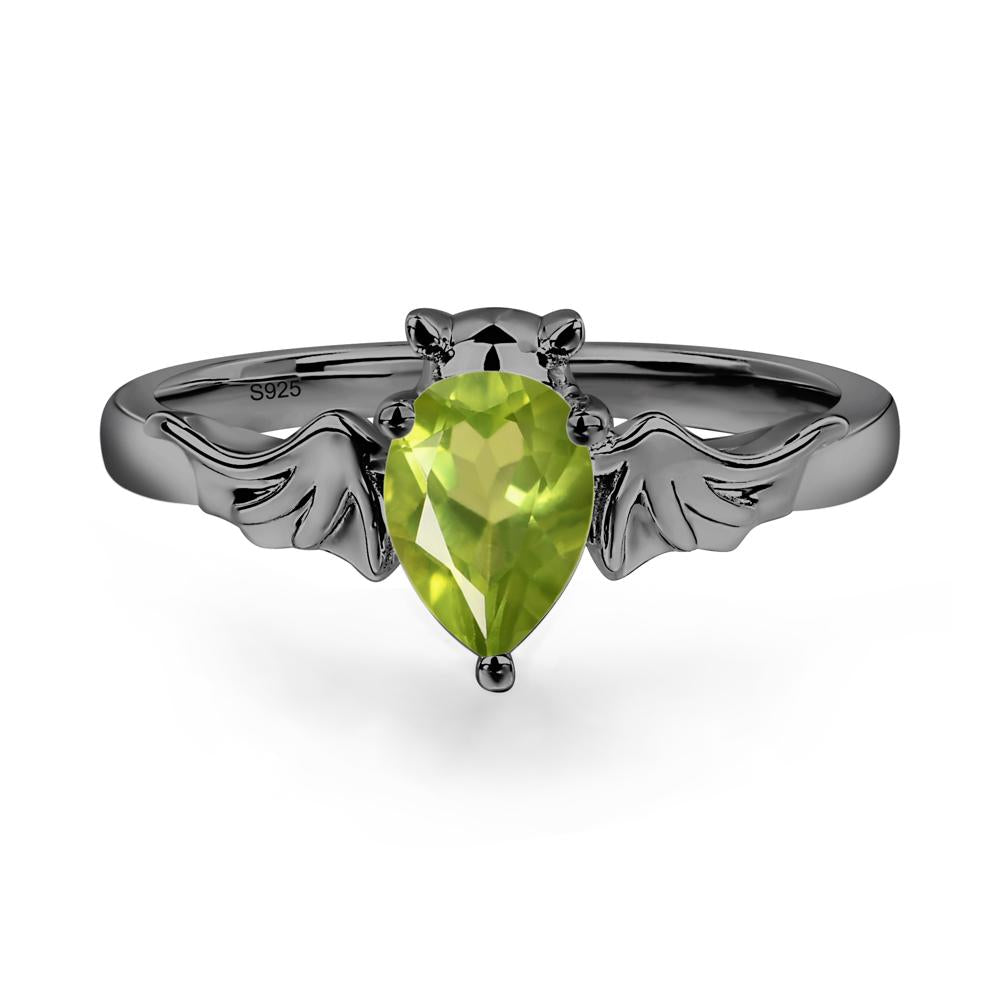
Gothic Promise Rings
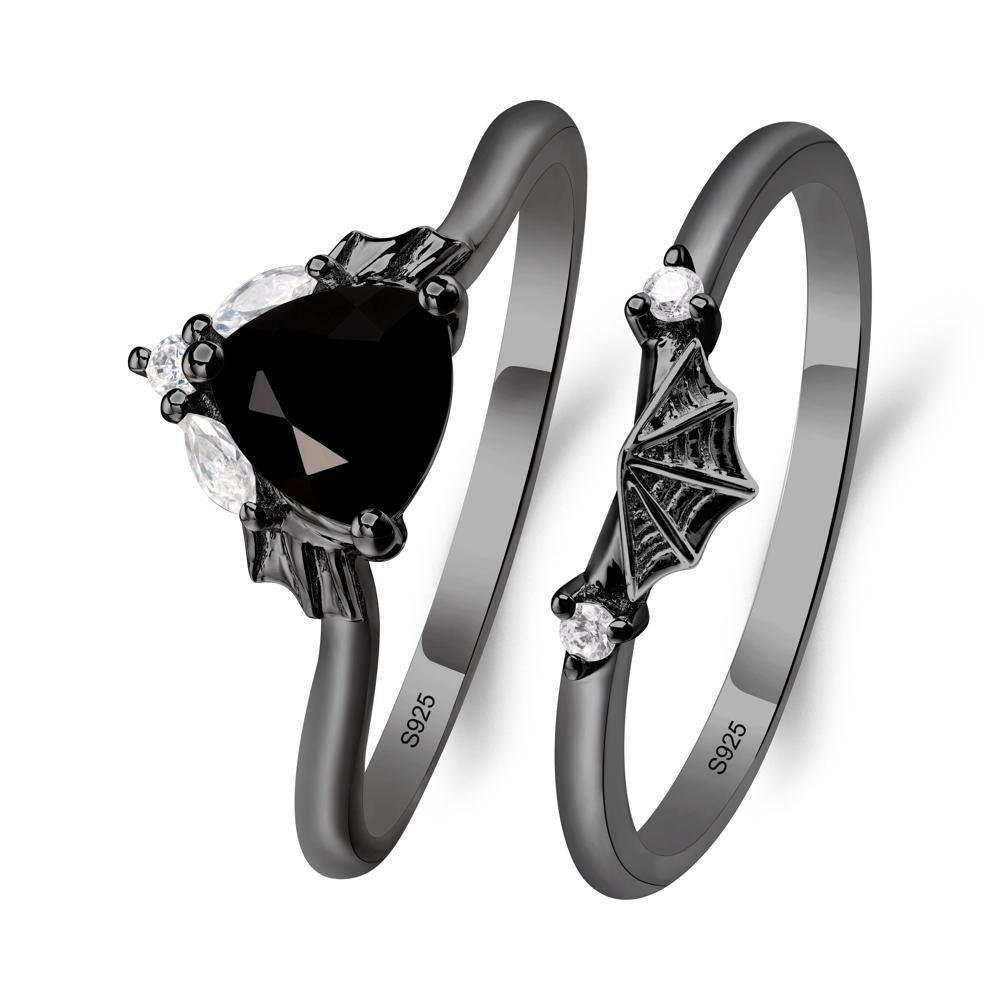
Gothic Wedding Rings
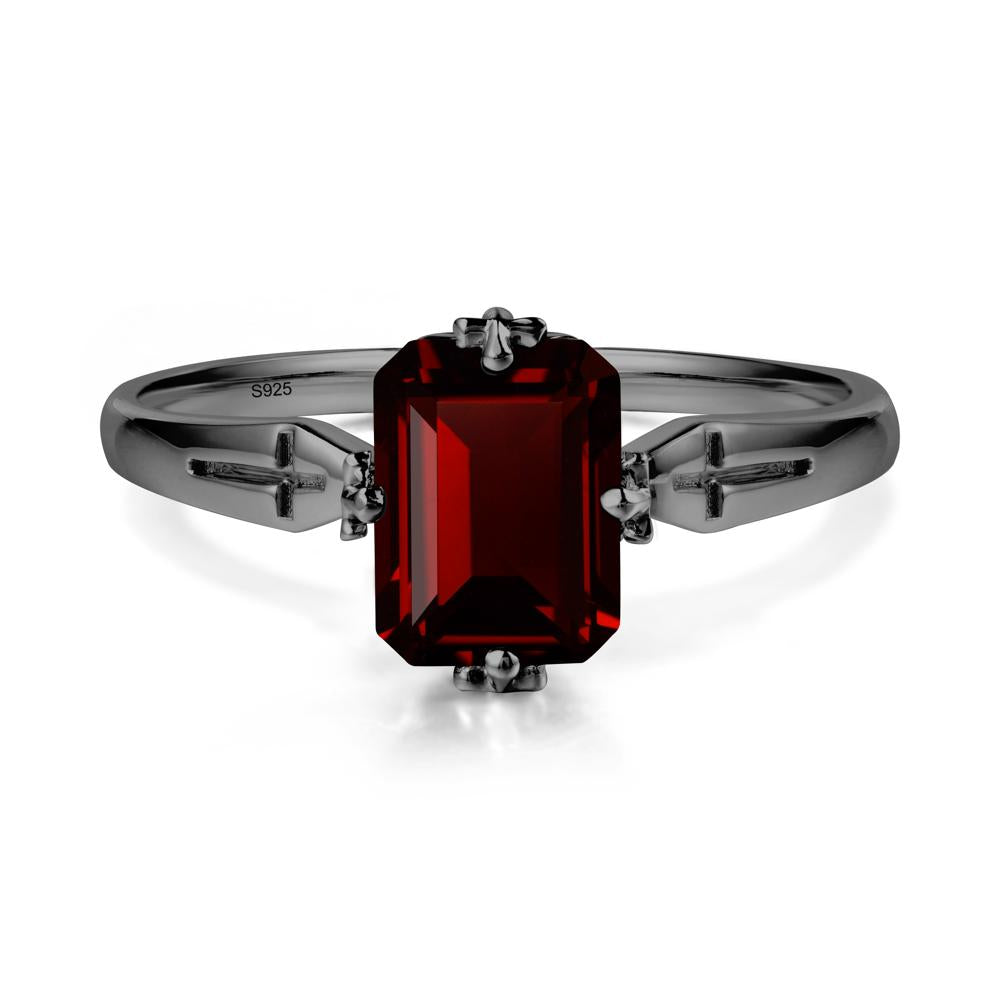
Gothic Engagement Rings
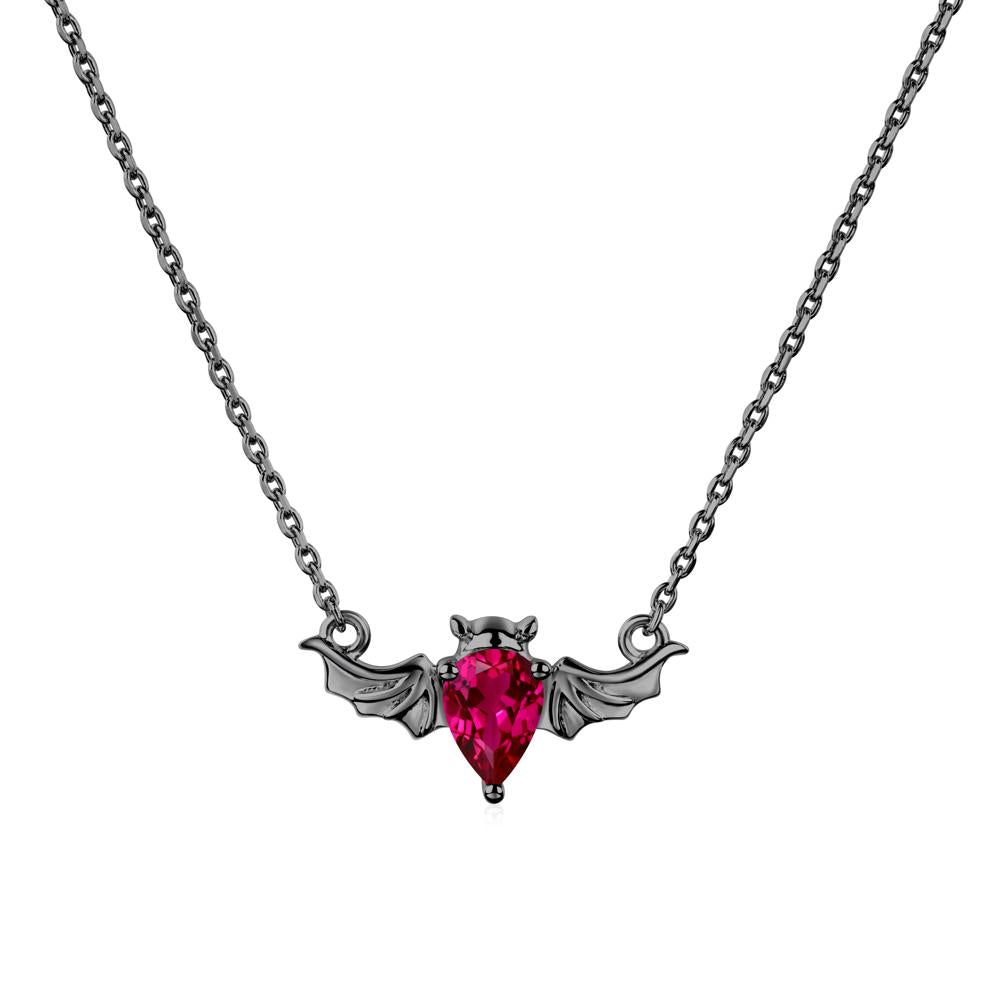
Gothic Necklaces
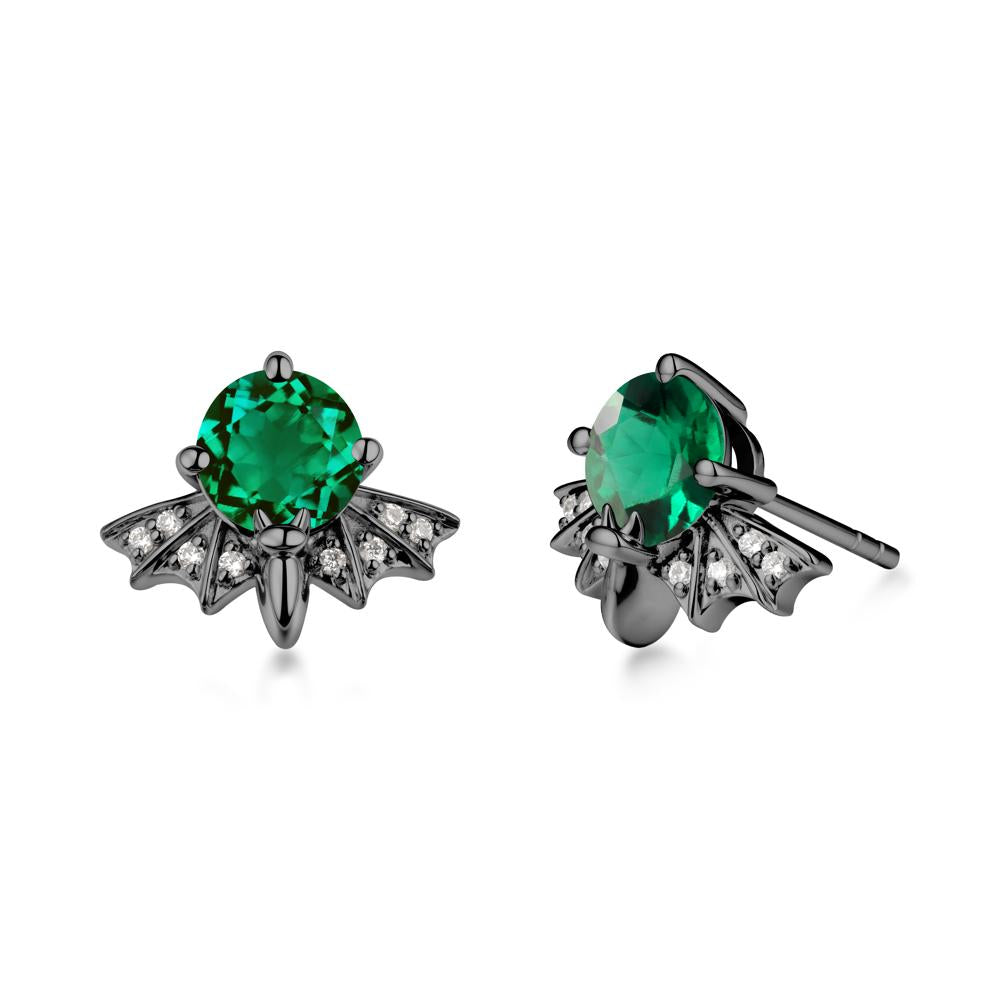
Gothic Earrings
The Gothic Aesthetic
The gothic aesthetic centers on contrast, symbolism, and architectural detail. In jewelry design, this translates into layered metalwork, meaningful motifs, and intentional color choices.

Ornate Engraving and Filigree
Intricate engraving is one of the most recognizable features of gothic jewelry.
Inspired by cathedral windows, iron gates, and medieval scrollwork, these details create visual depth and historical resonance.
Design characteristics often include openwork carving, symmetrical patterns, and dimensional metal layering. The purpose is not decoration alone, but structure—each curve and flourish reinforces the architectural strength of the piece.

Cross Motifs
The cross is both a spiritual symbol and a structural design element in gothic jewelry.
While historically tied to Christianity, in modern gothic design the cross often represents protection, duality, and transformation. Variations may include elongated crosses, Celtic-inspired forms, or ornamental interpretations integrated into rings and pendants.
Its repeated presence reinforces the style’s connection to medieval spirituality and philosophical symbolism.

Black Gemstones
Black gemstones create the visual gravity essential to gothic jewelry.
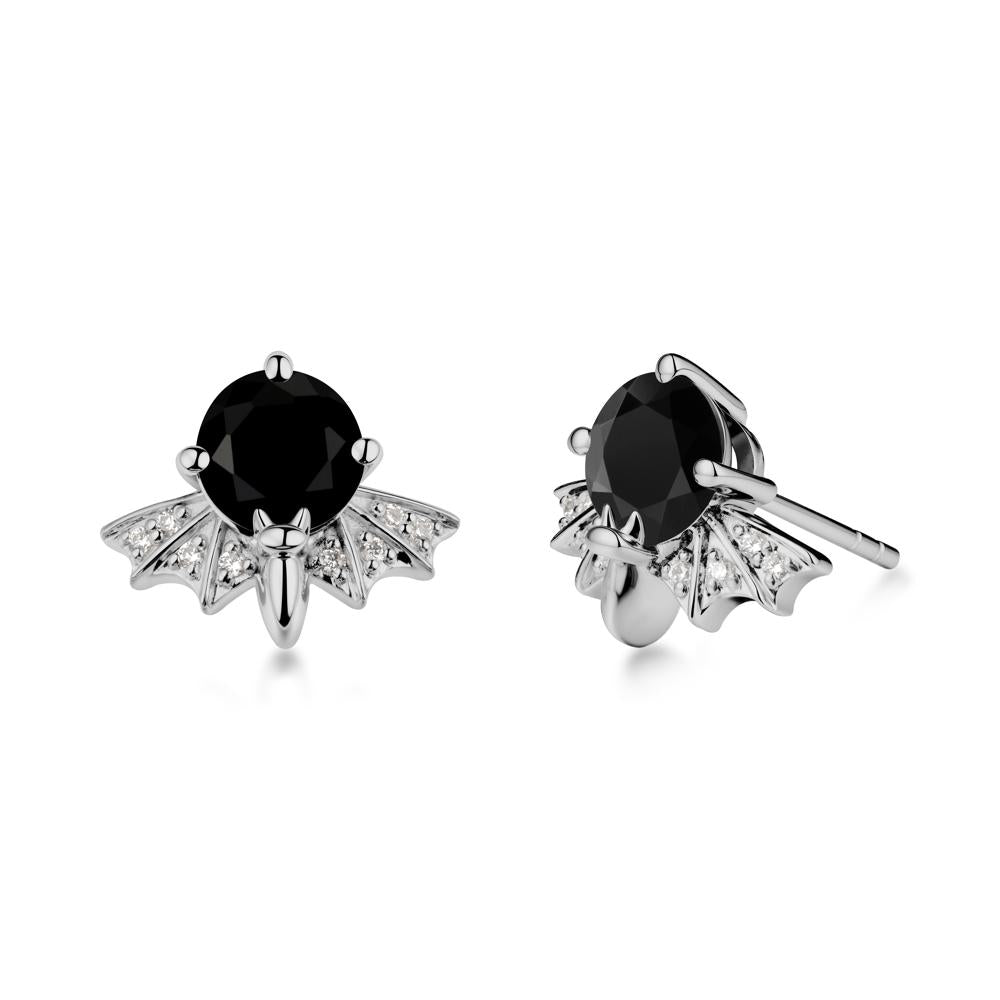
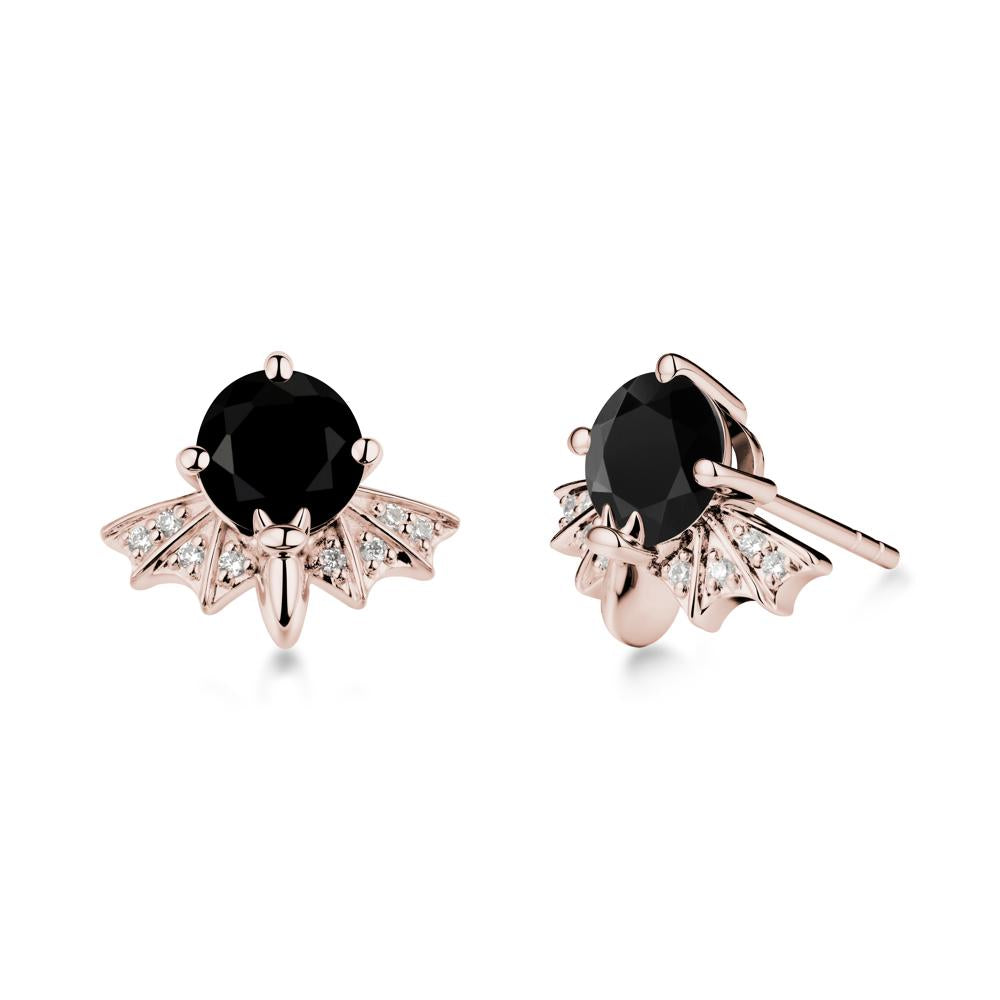
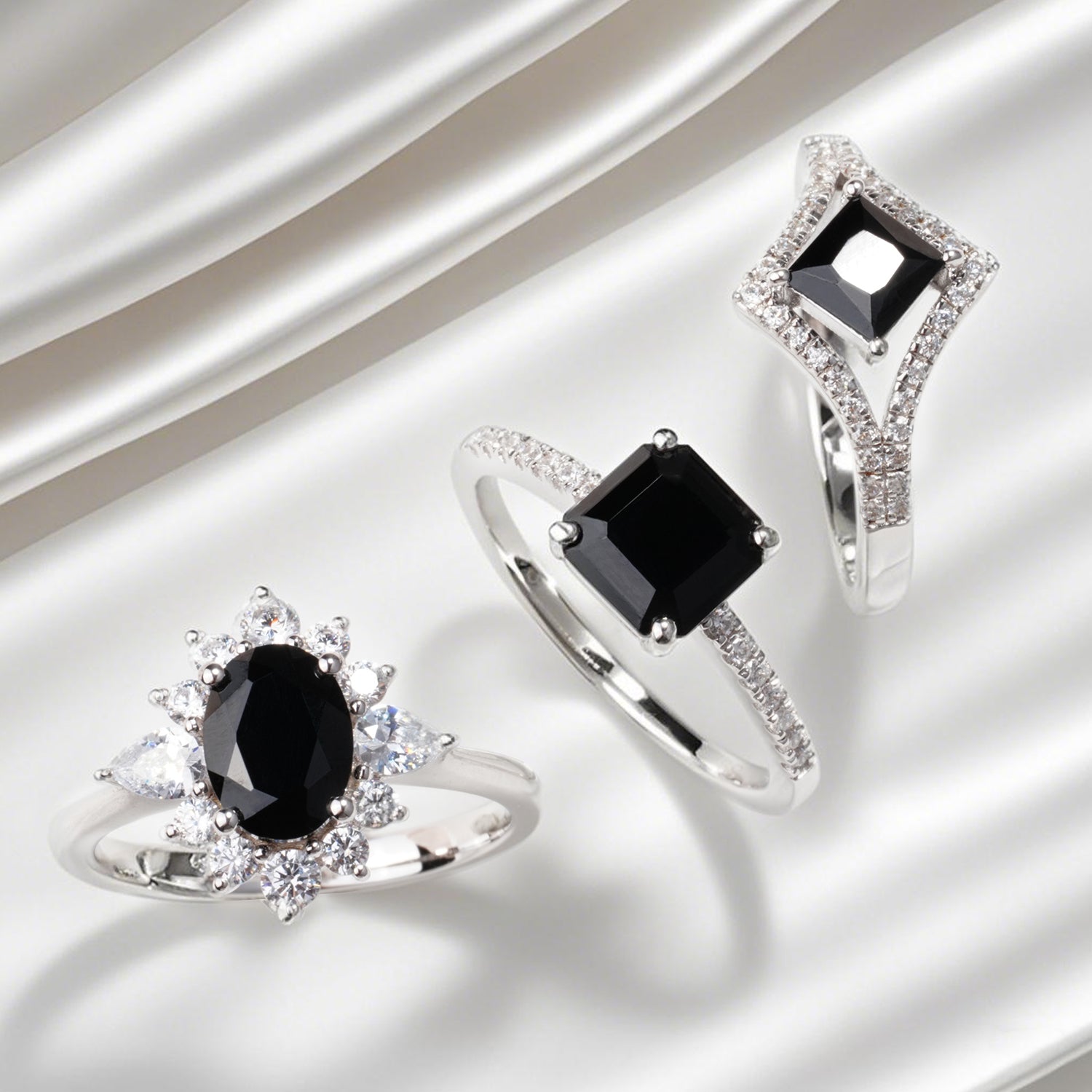
Common choices include black spinel, black onyx, black diamond, and obsidian. Black stones absorb light rather than reflect it, creating a sense of depth and mystery.
This effect allows intricate metalwork to stand out while maintaining a cohesive dark palette. The result feels intentional and powerful rather than decorative.

Dark Metals
Darkened metals enhance the antique and dramatic tone of gothic design.
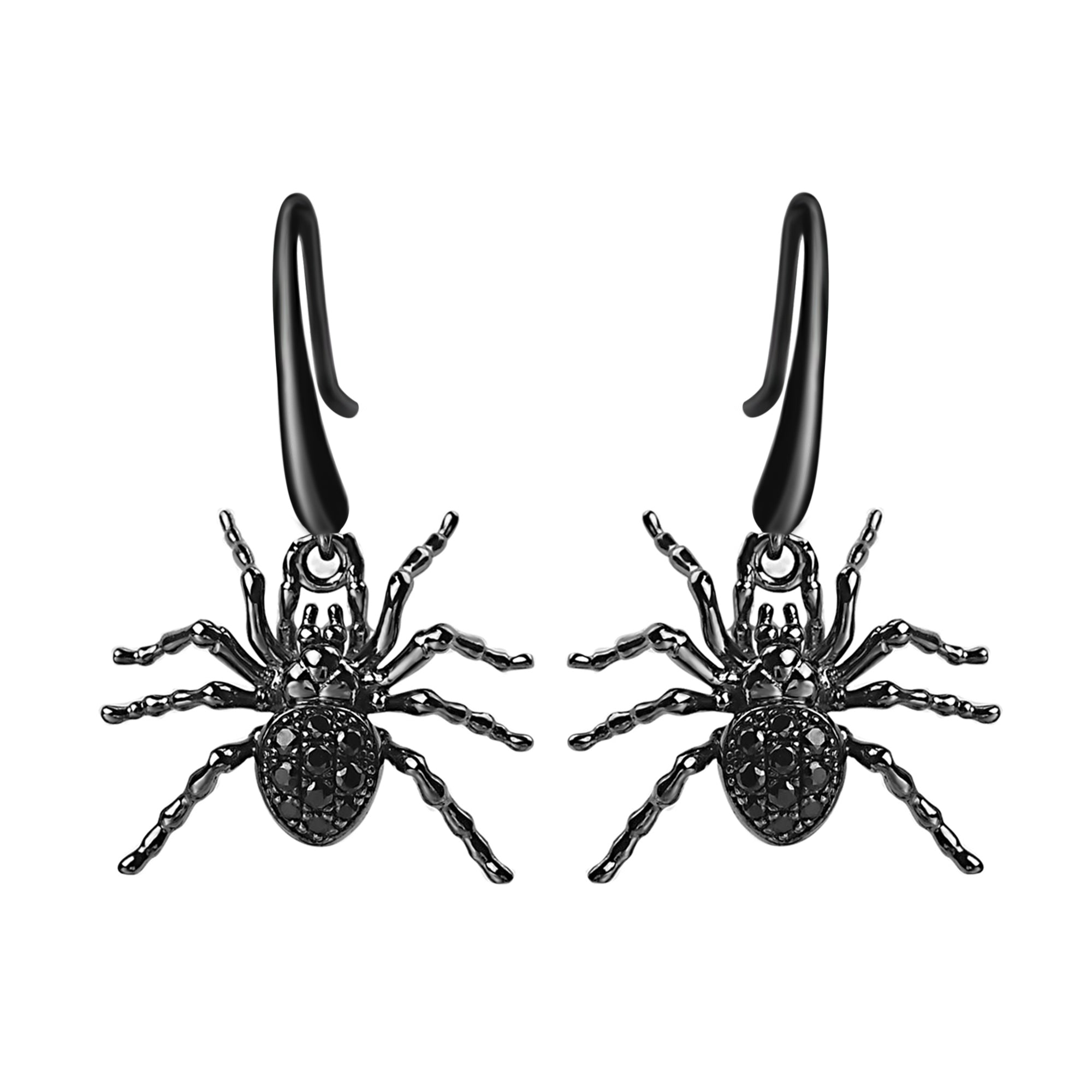
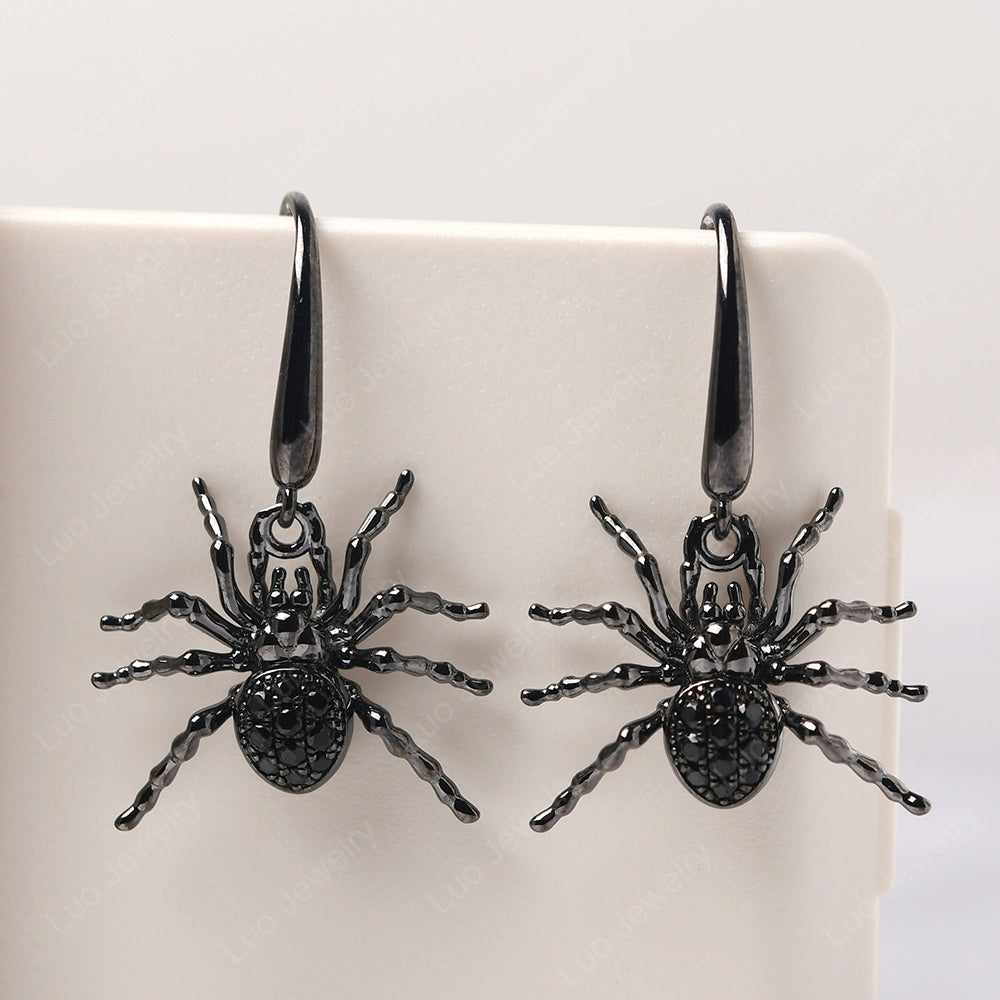
Oxidized sterling silver is frequently used because it emphasizes engraved details and gives jewelry an aged, heirloom-like appearance. Compared to bright white gold or polished platinum, blackened silver creates stronger contrast with gemstones and carved elements.

Prong Settings
Prong settings are also common because they expose more of the gemstone’s edges. This produces a sharper, more dramatic profile, reinforcing the bold character of gothic rings and gothic necklaces. The design philosophy favors definition and presence over softness.
The Best Gothic Jewelry Picks
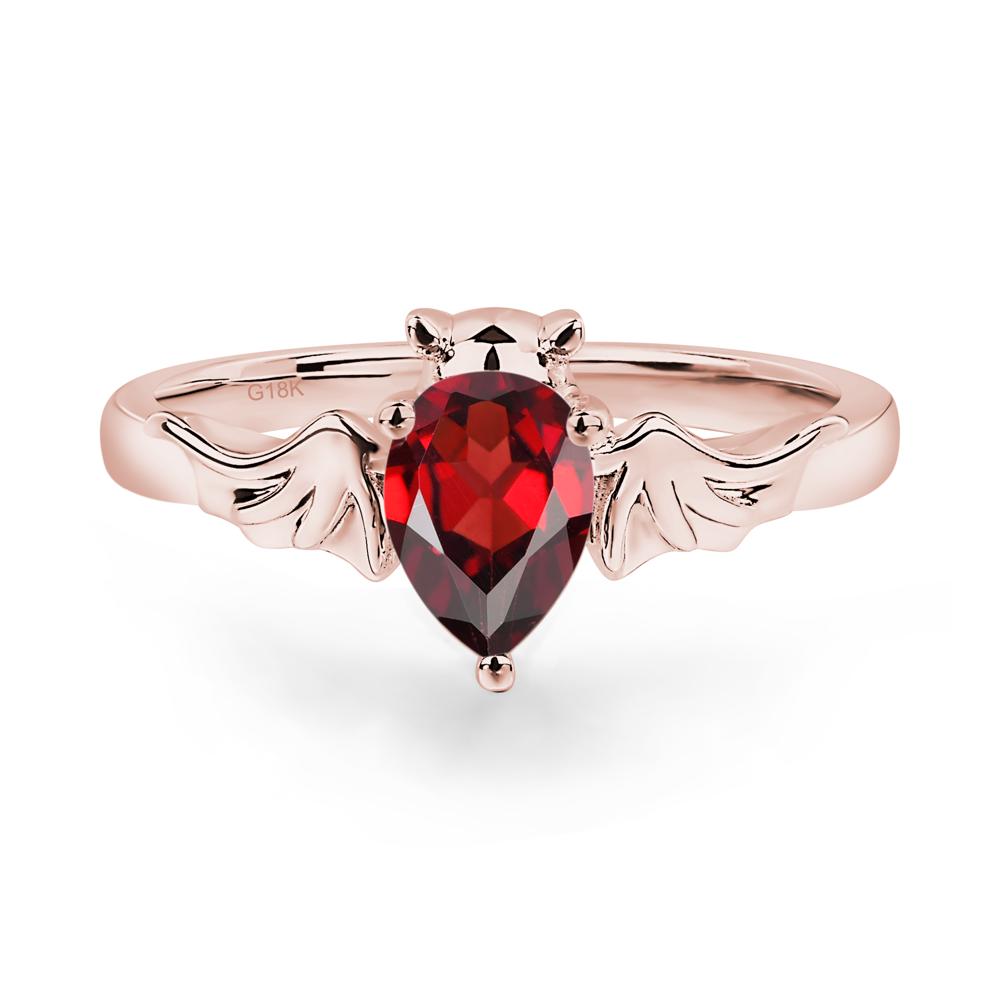
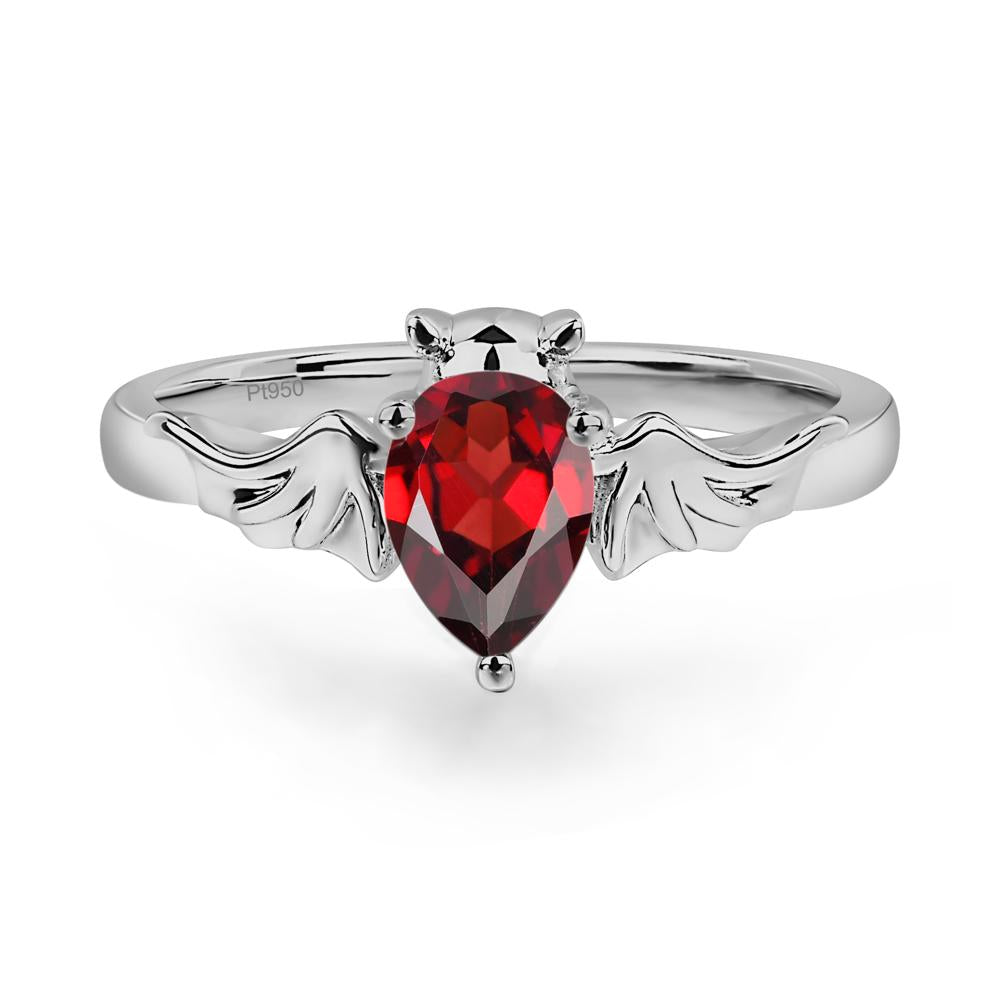


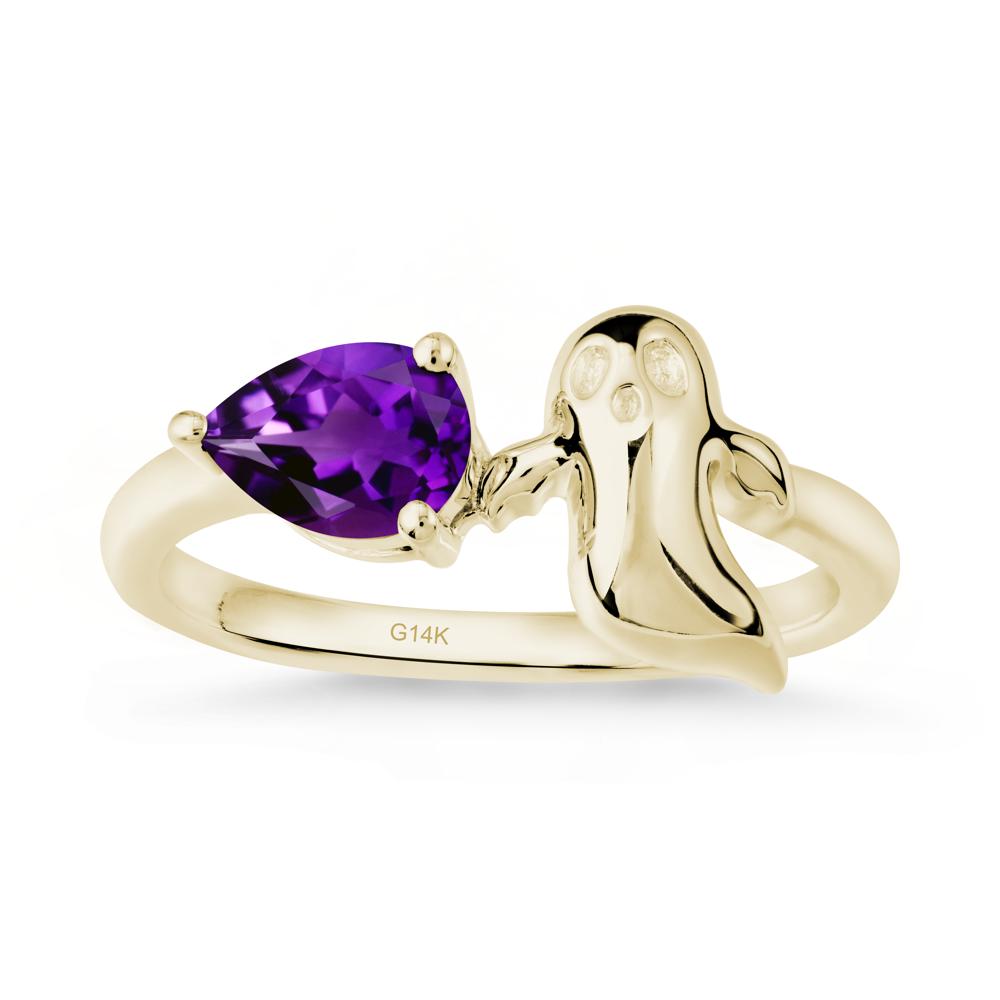
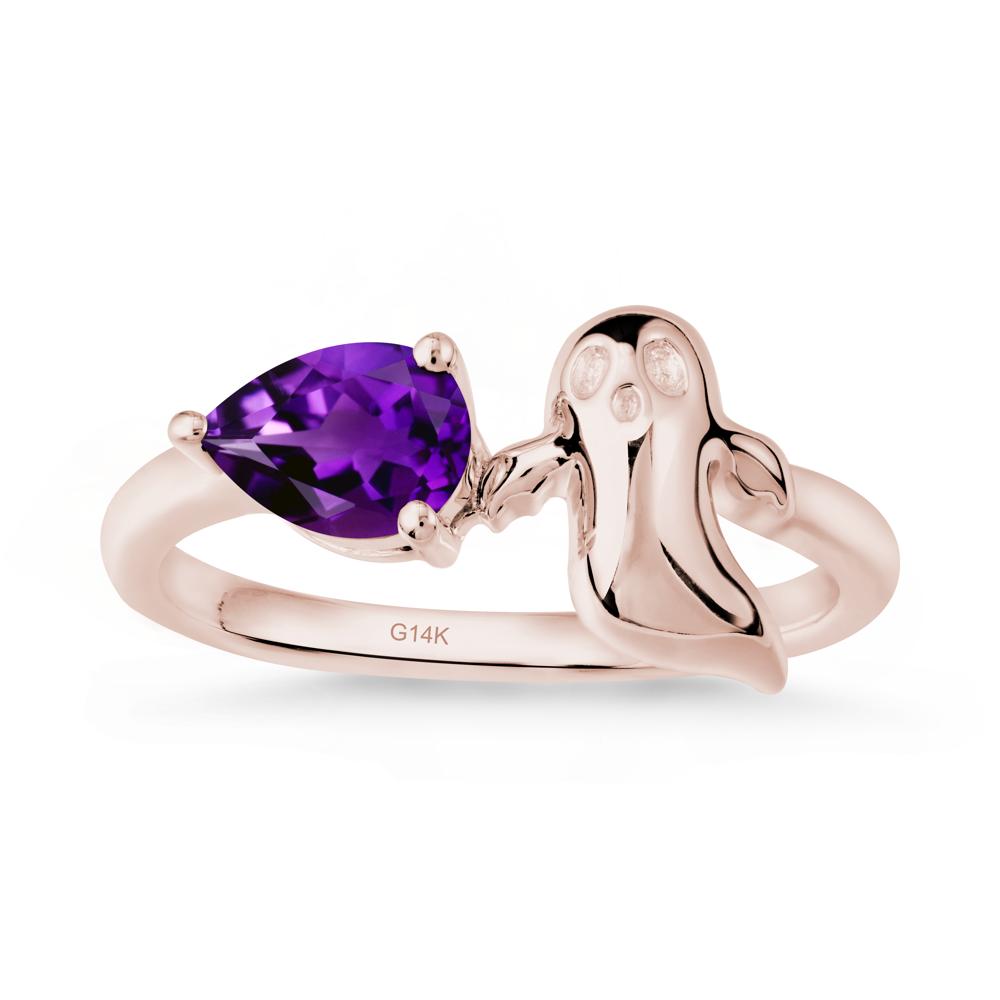
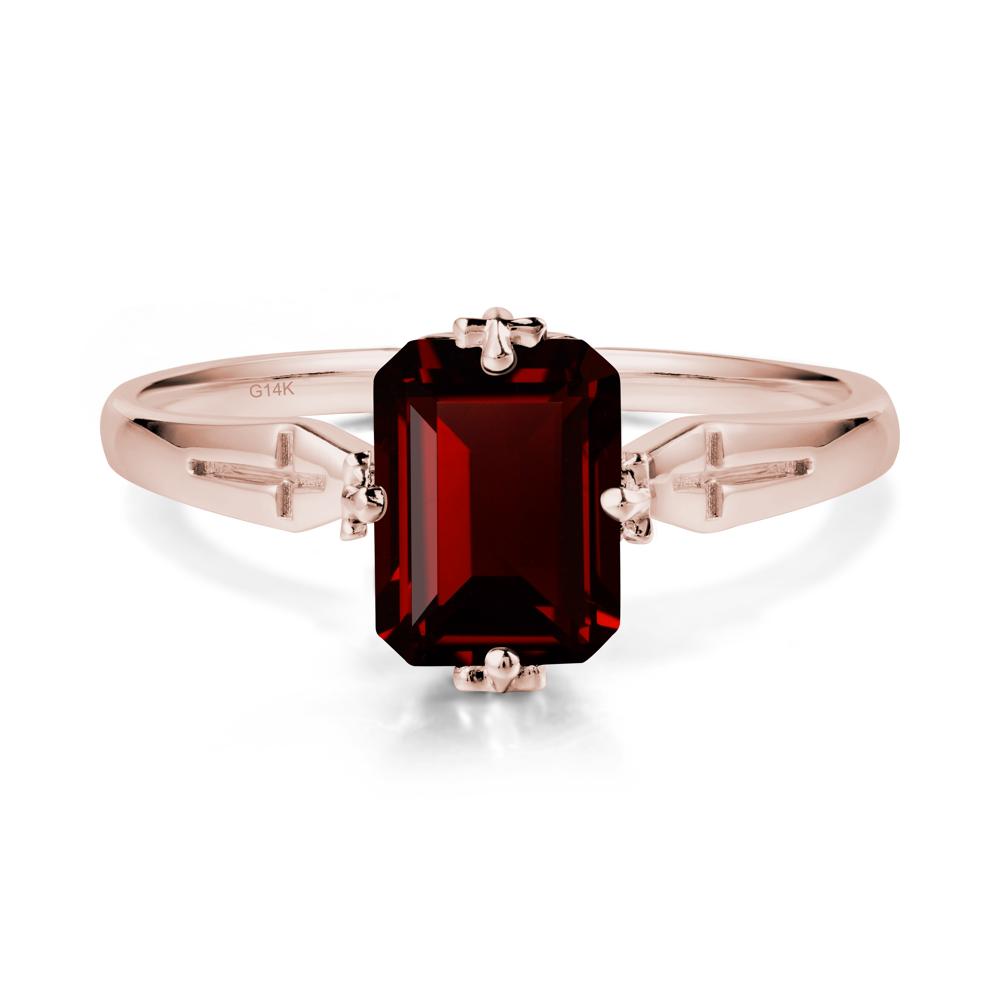
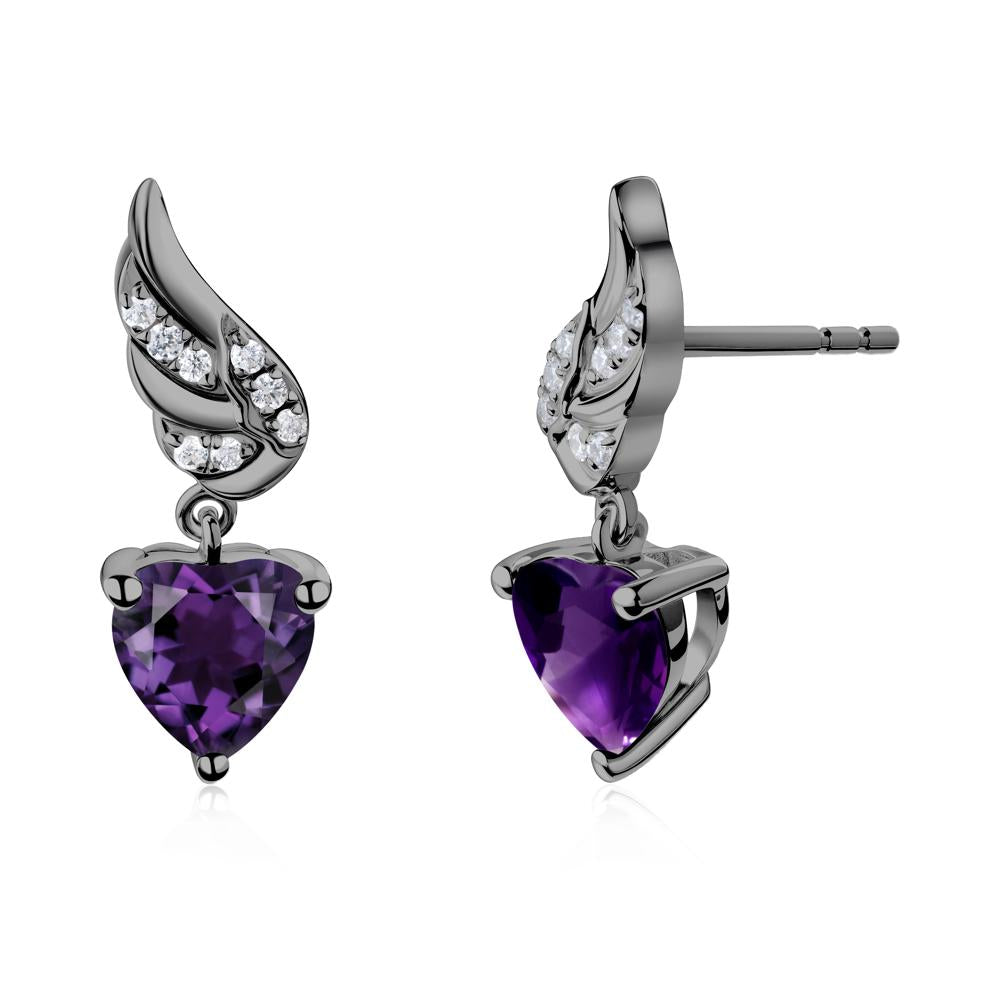
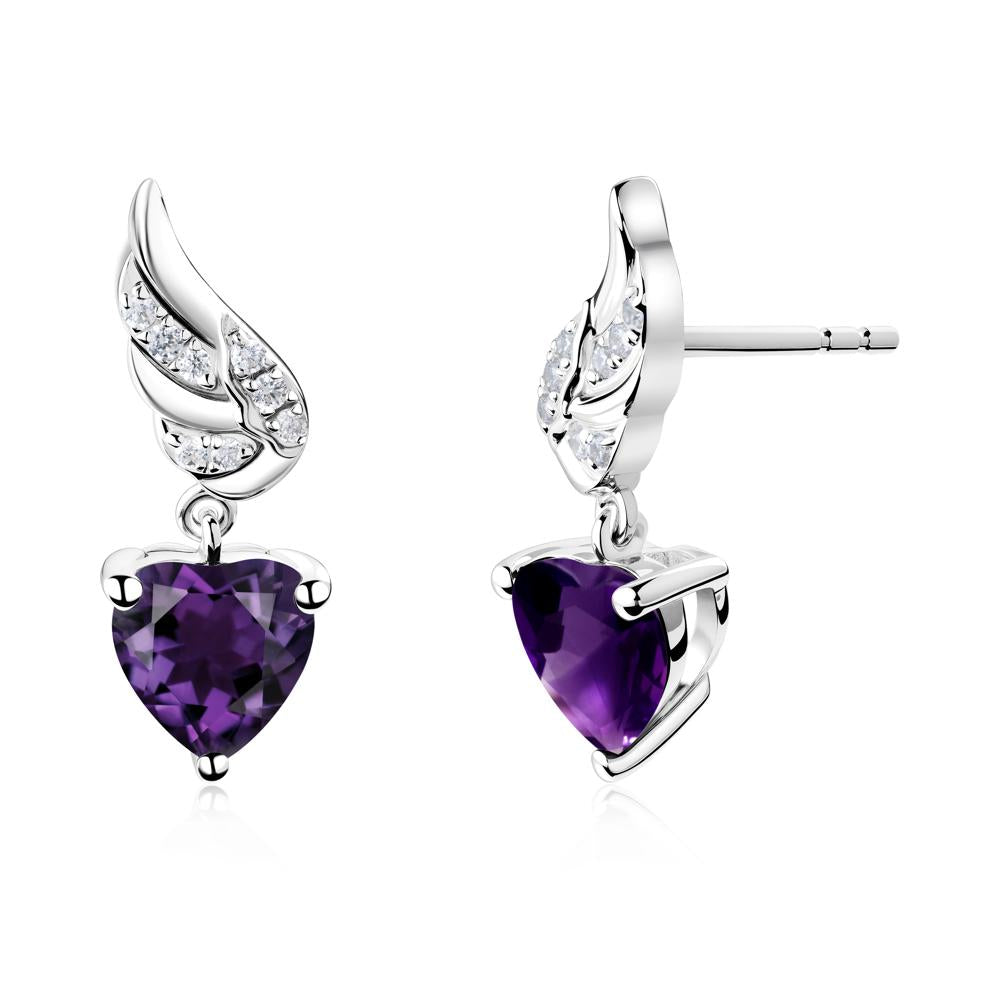
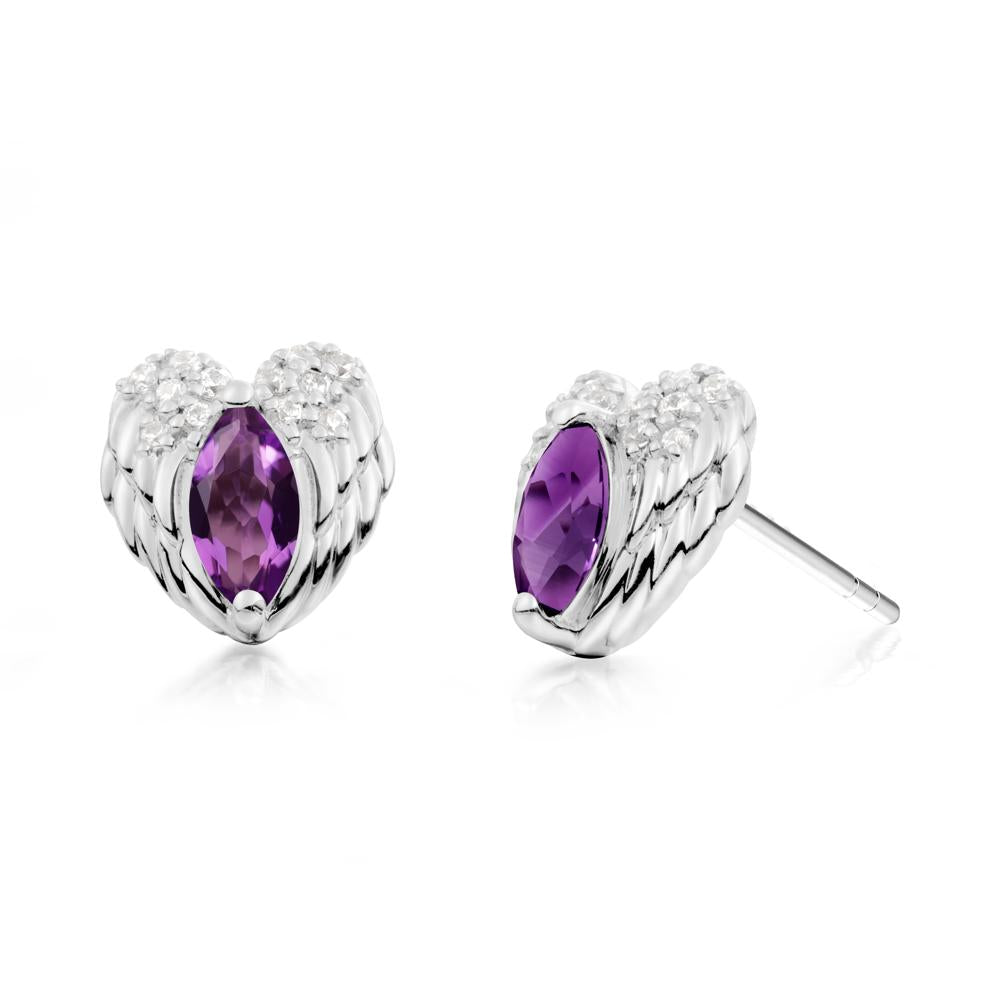
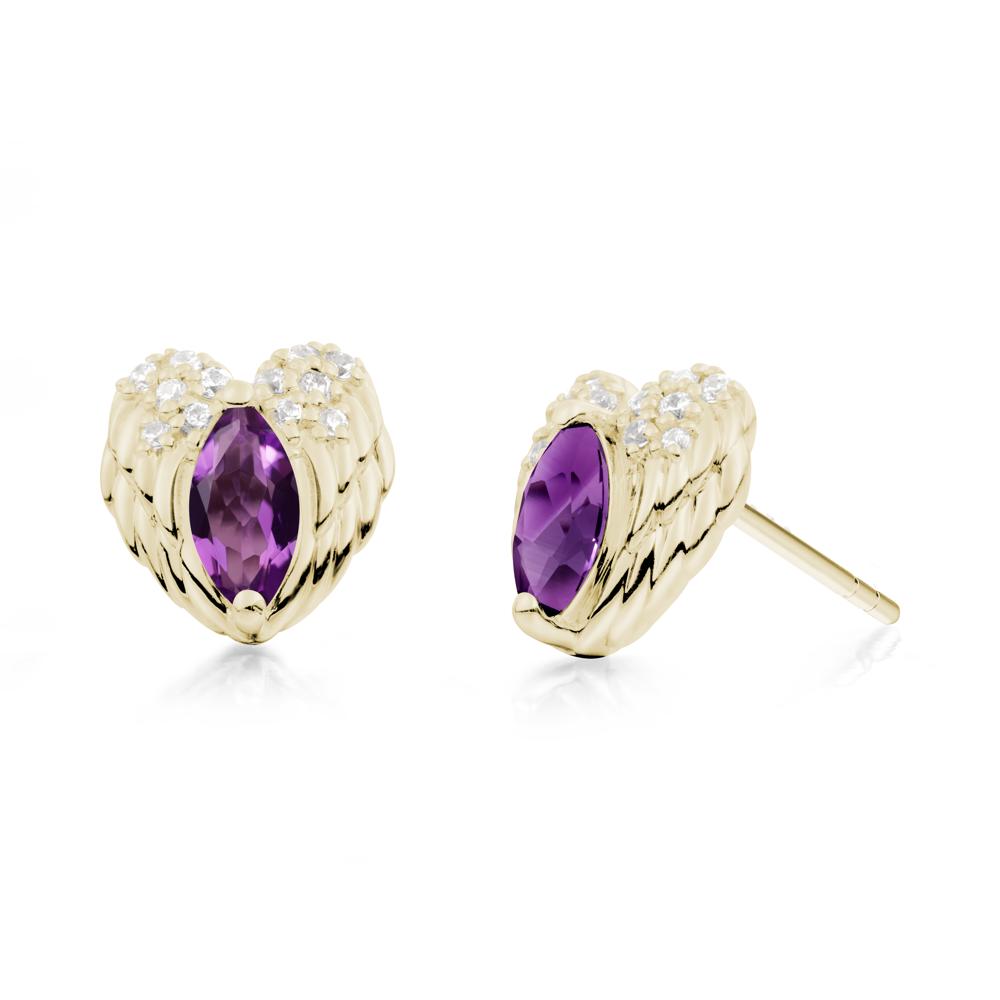
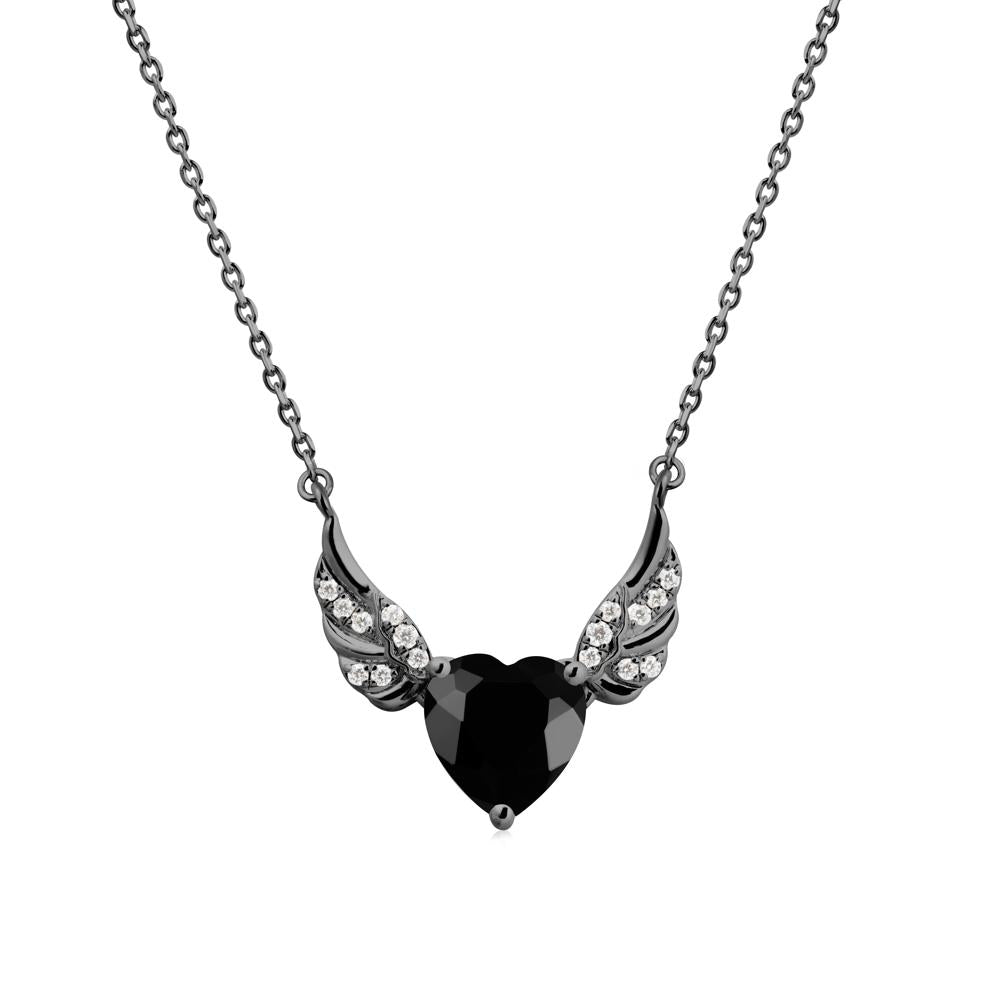
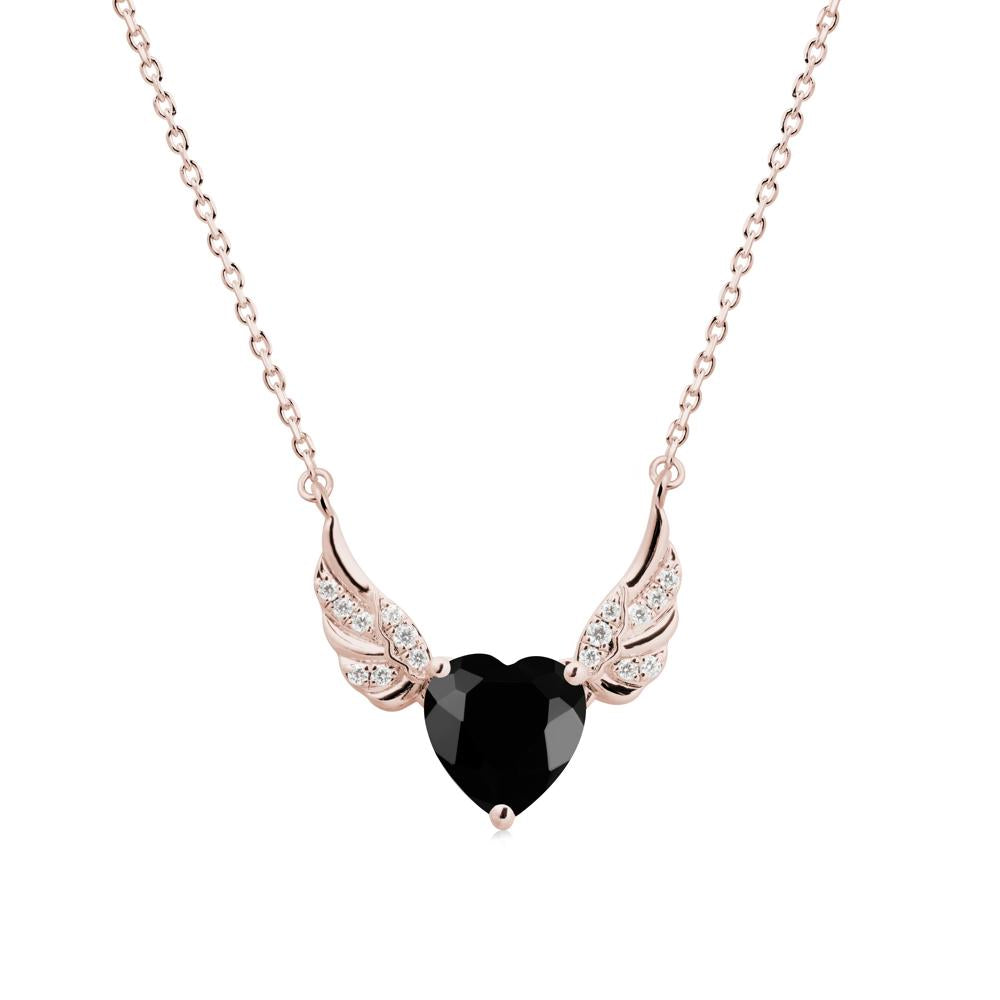
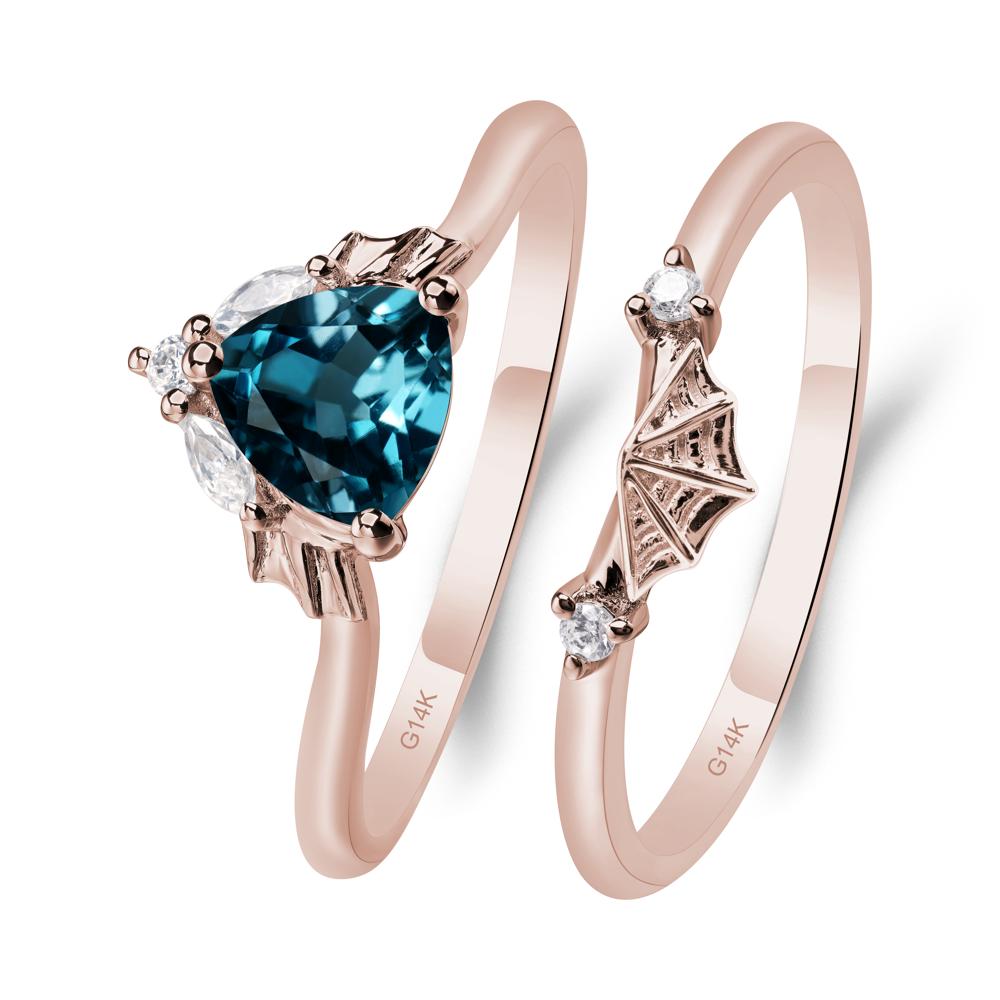
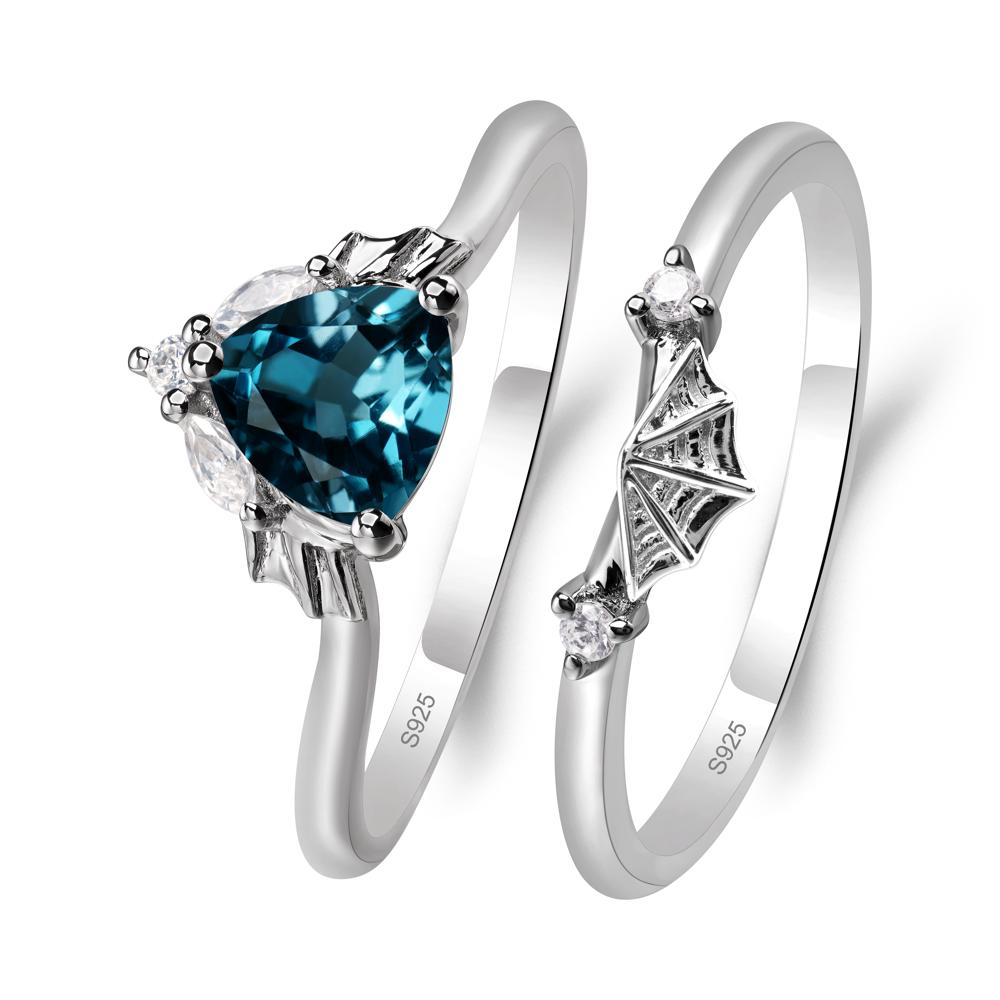
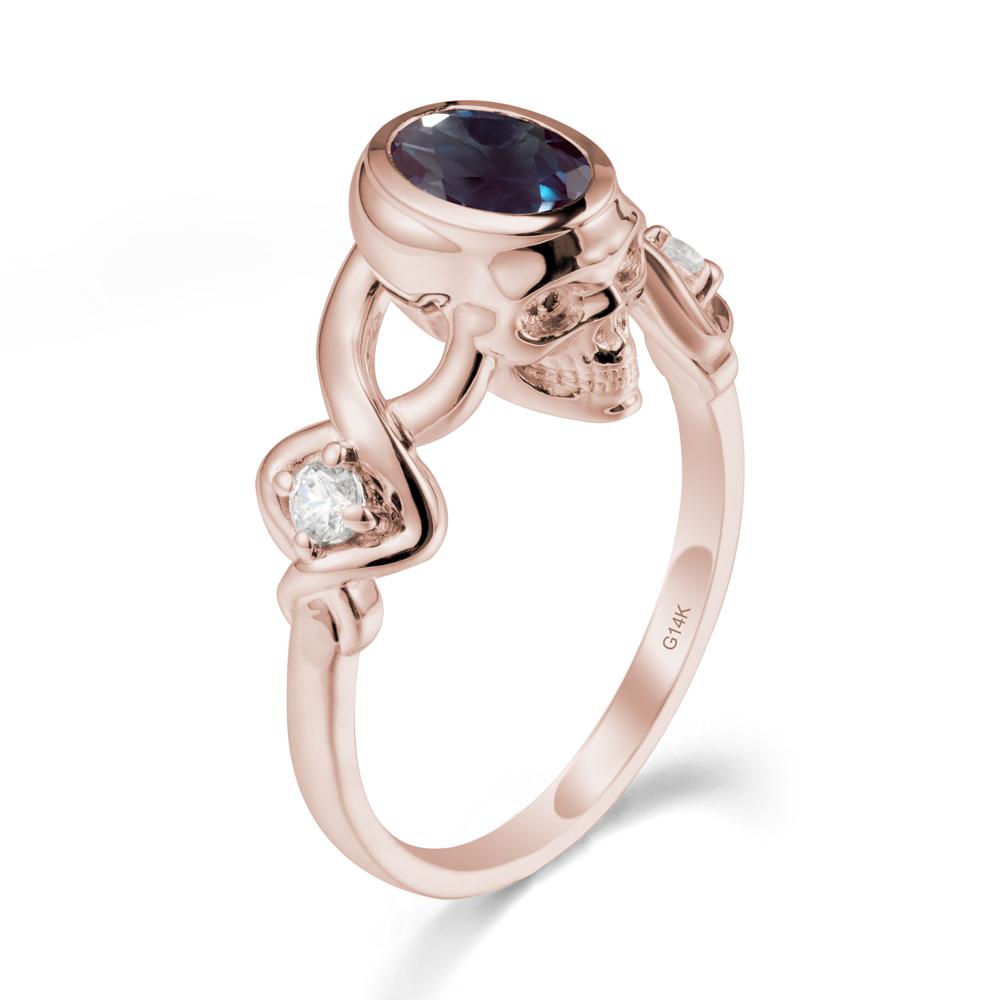
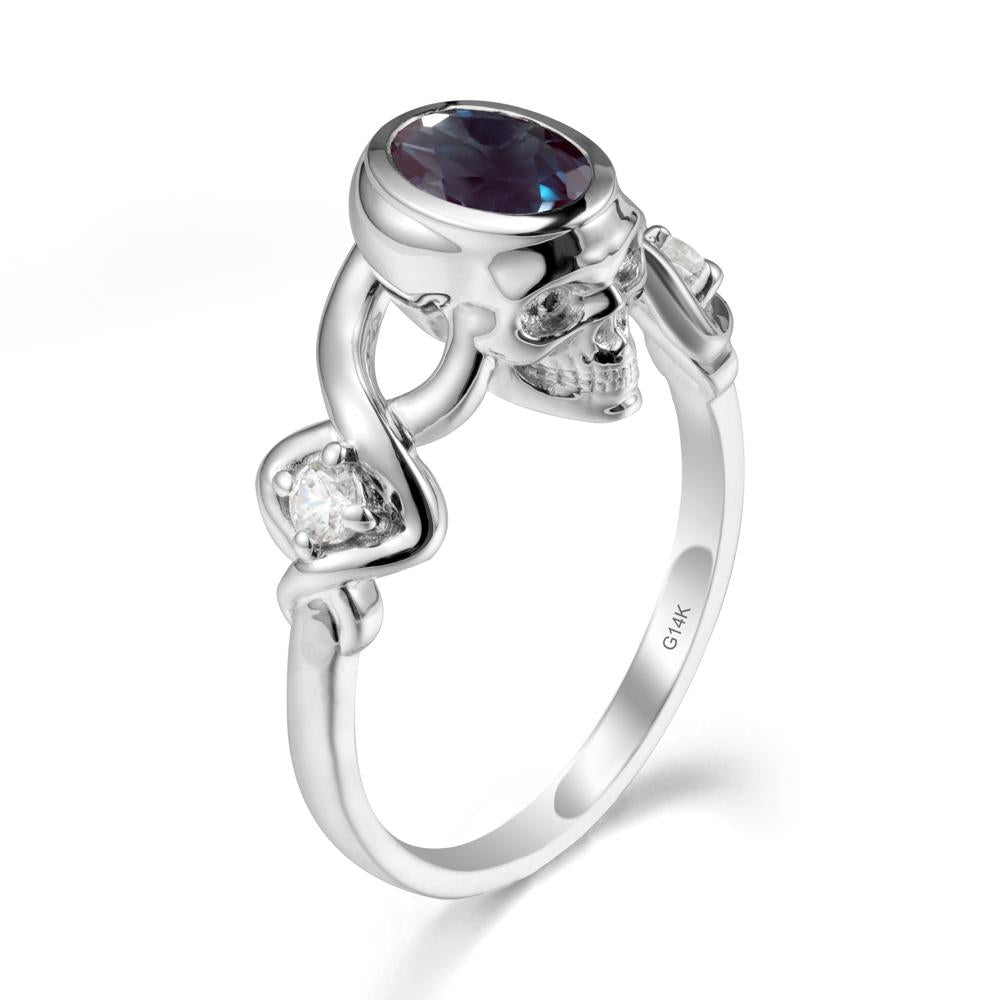
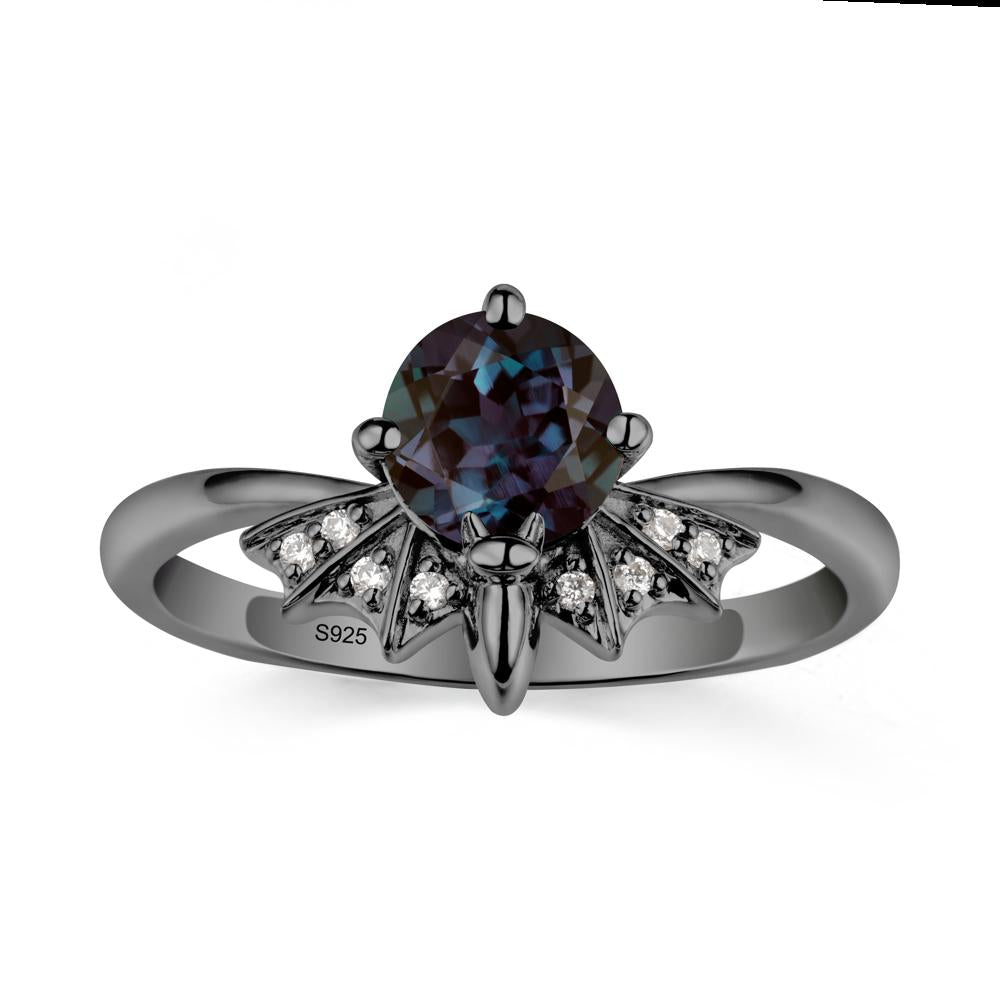
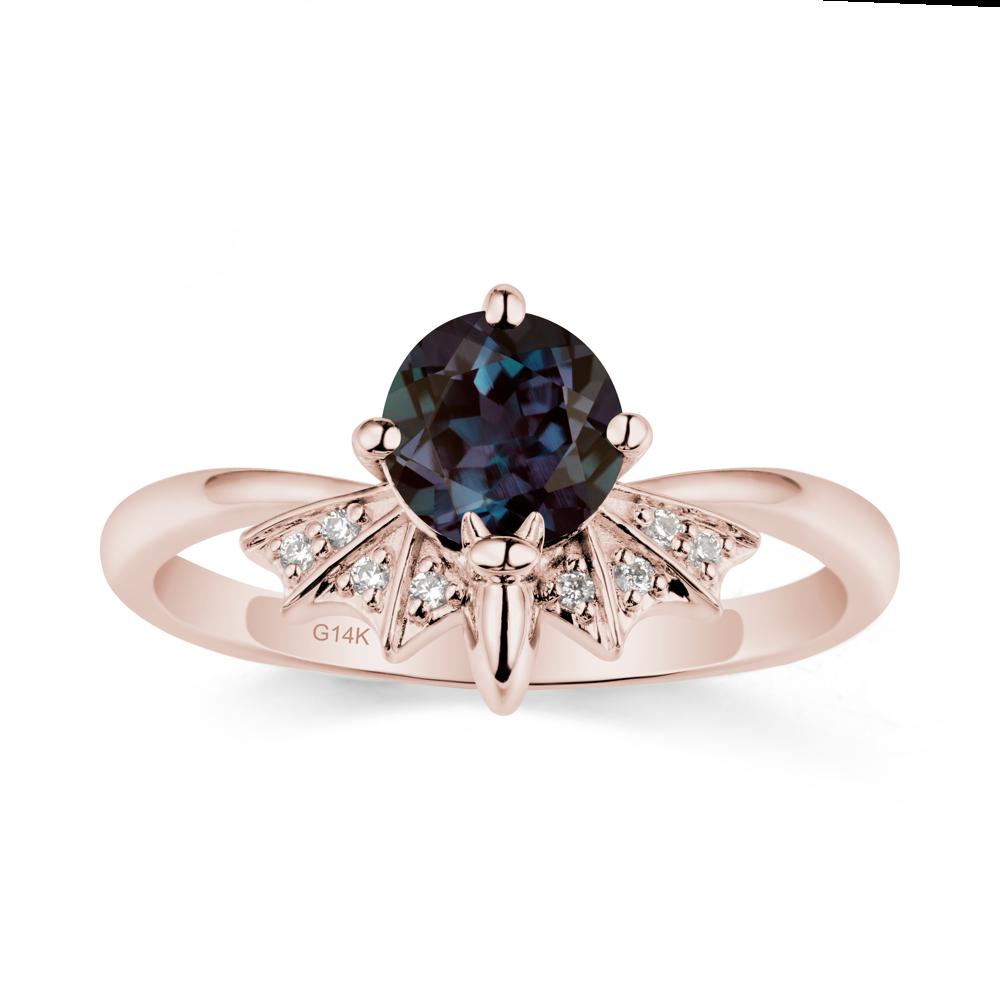
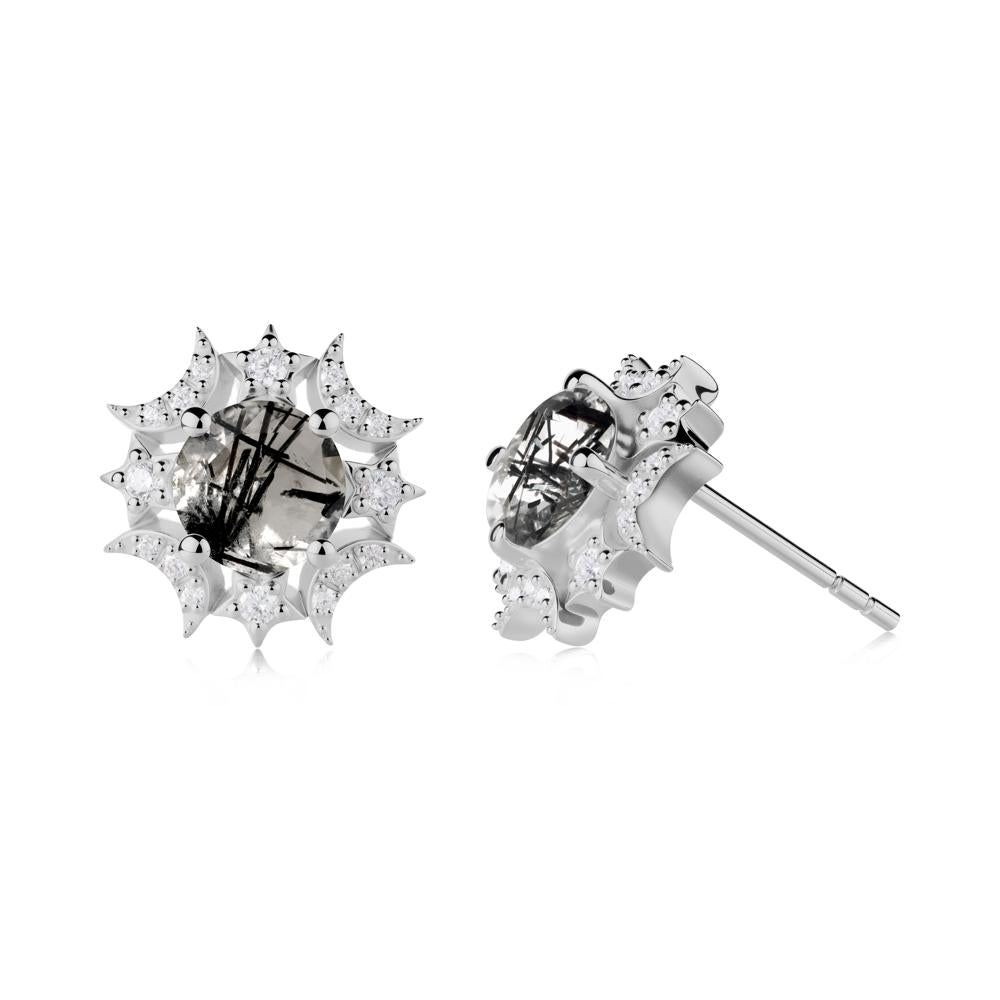
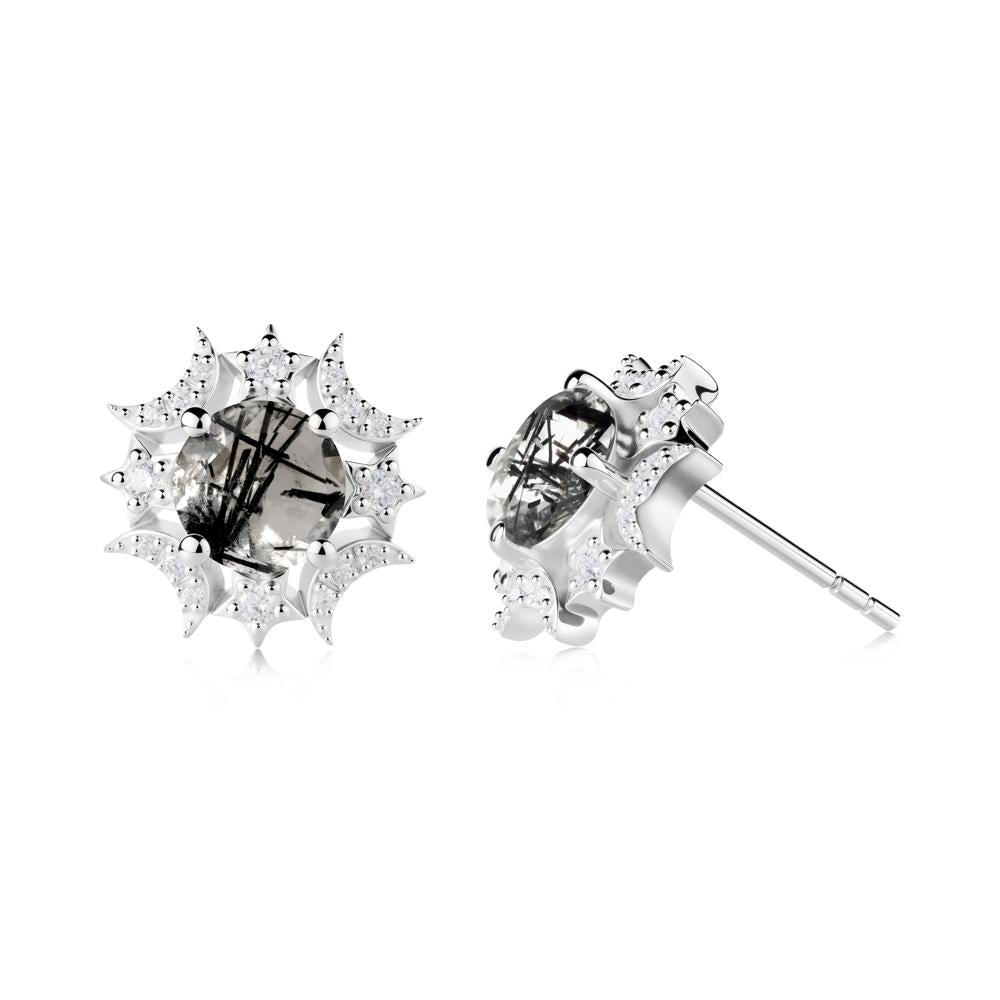
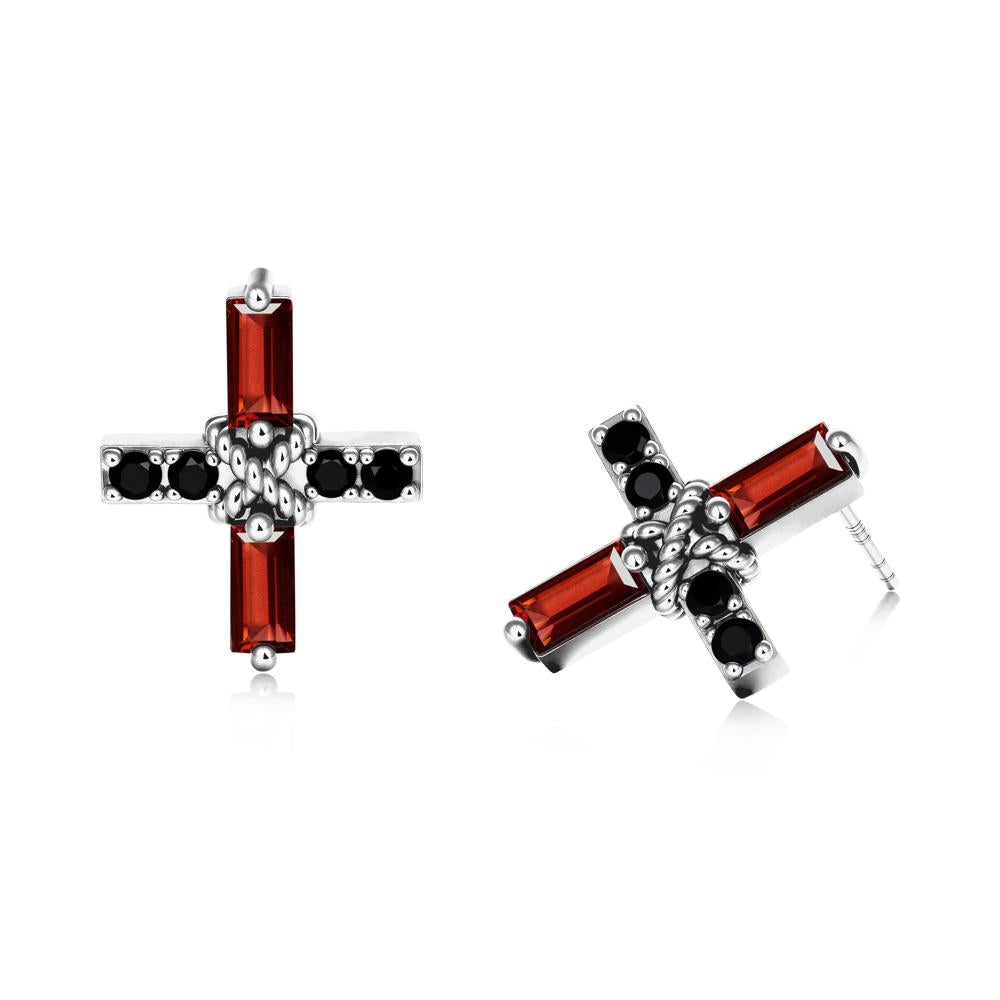
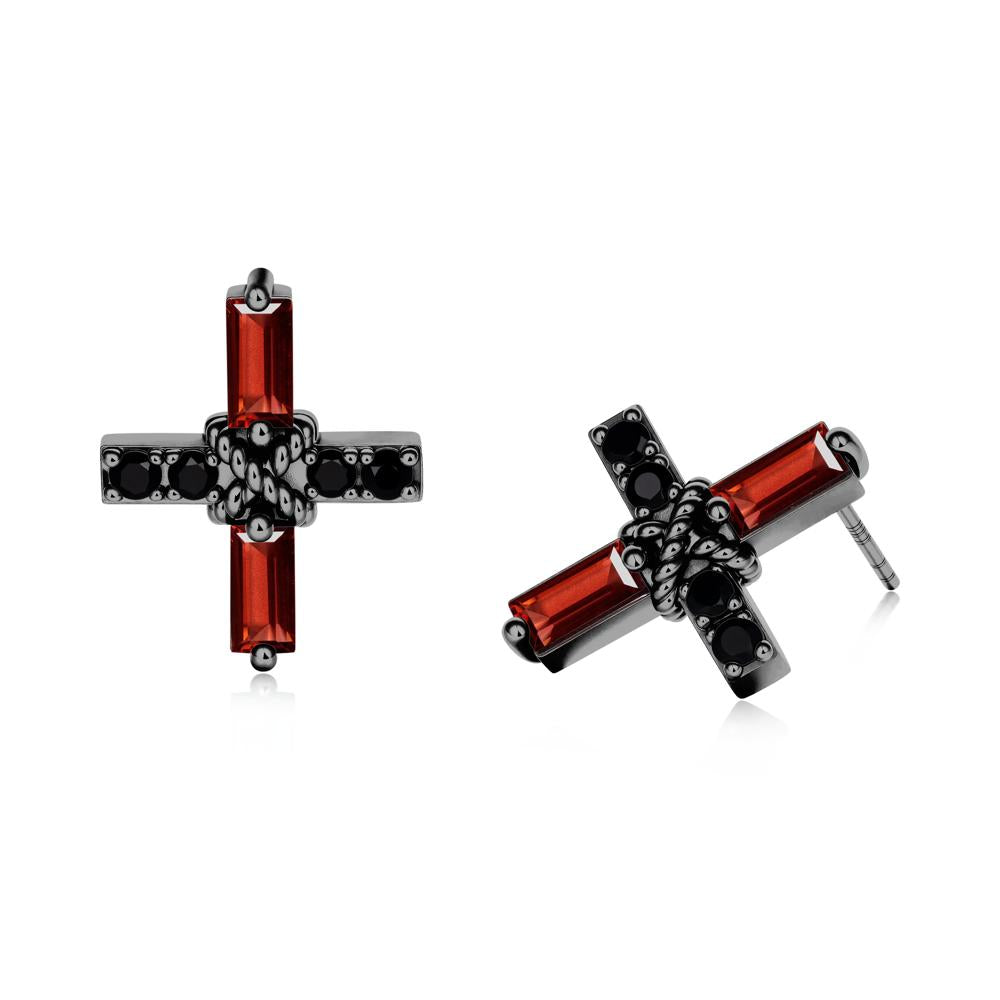
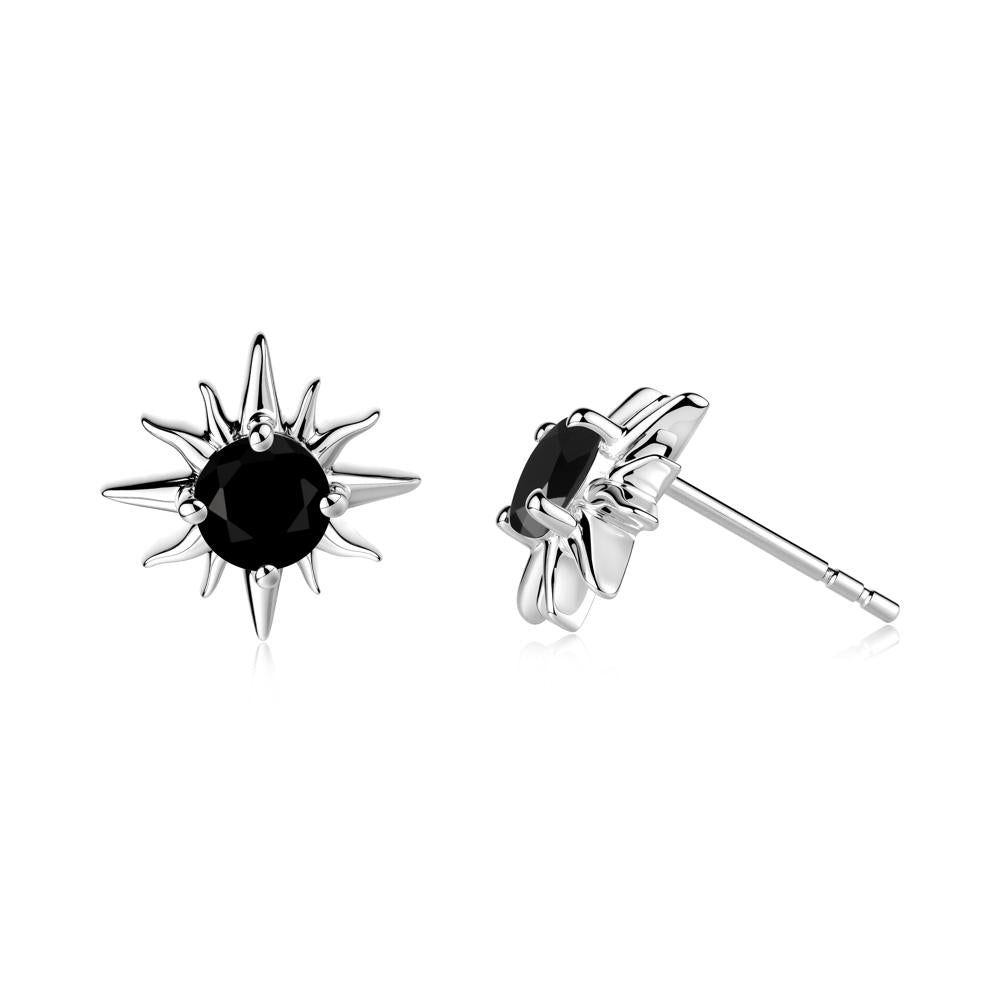

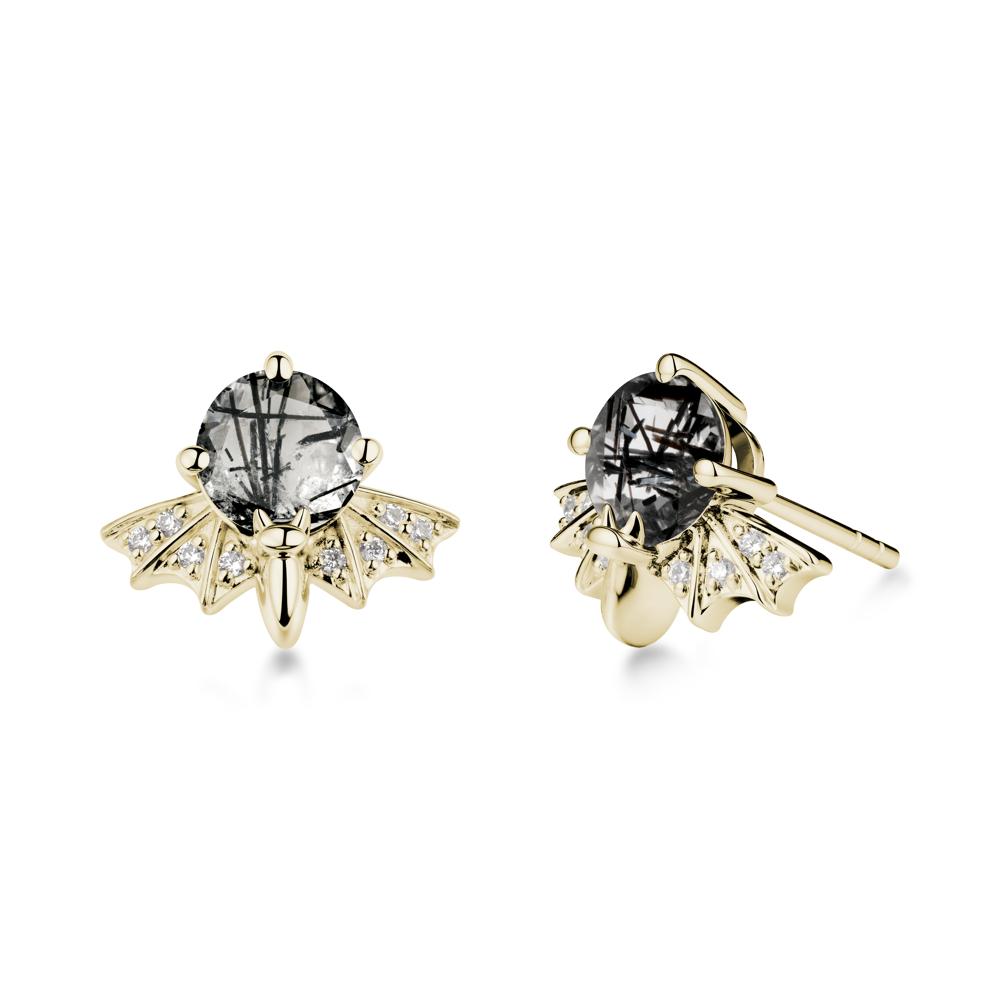

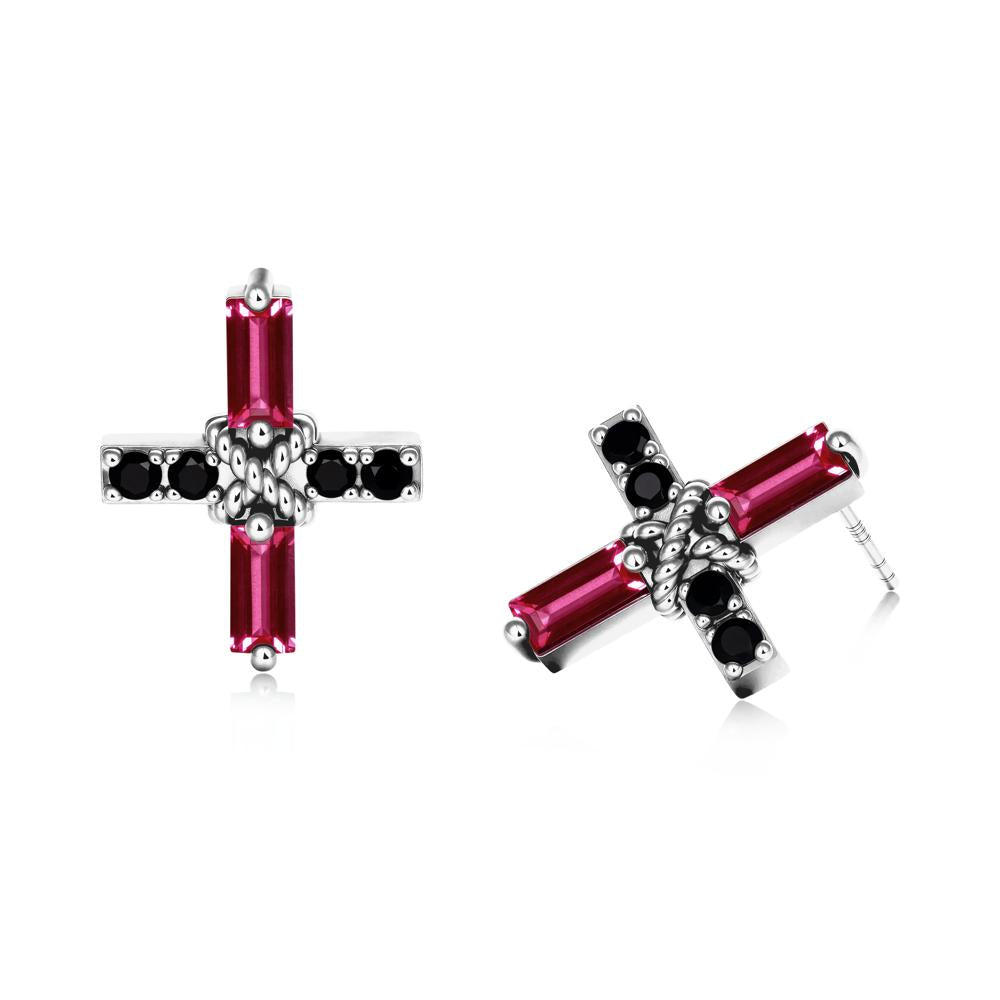
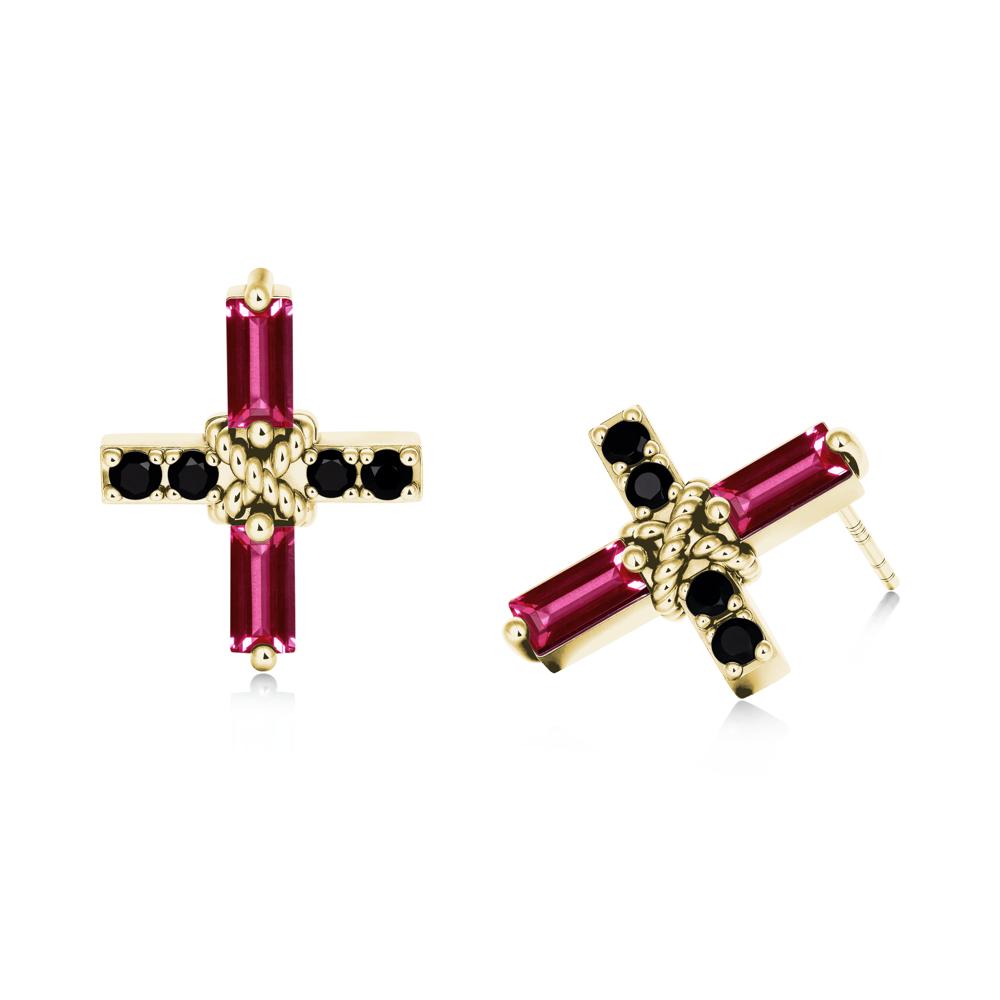


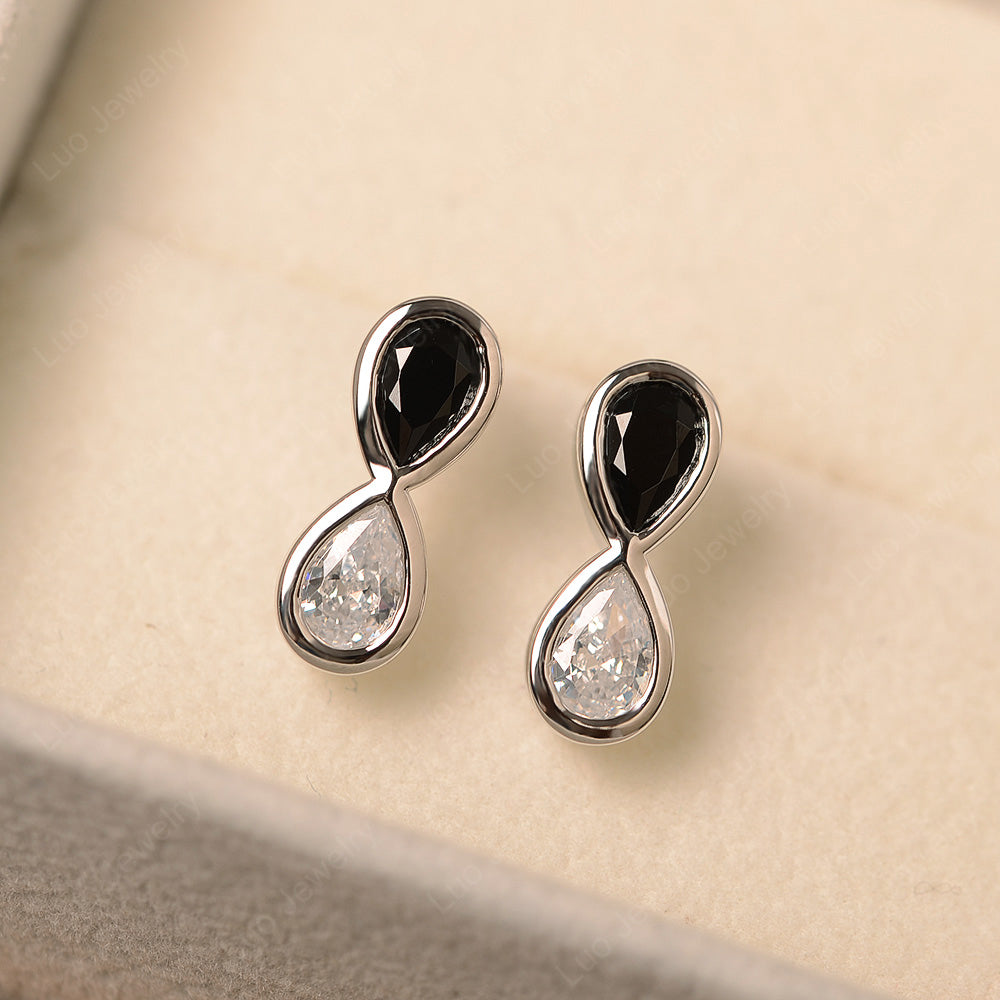
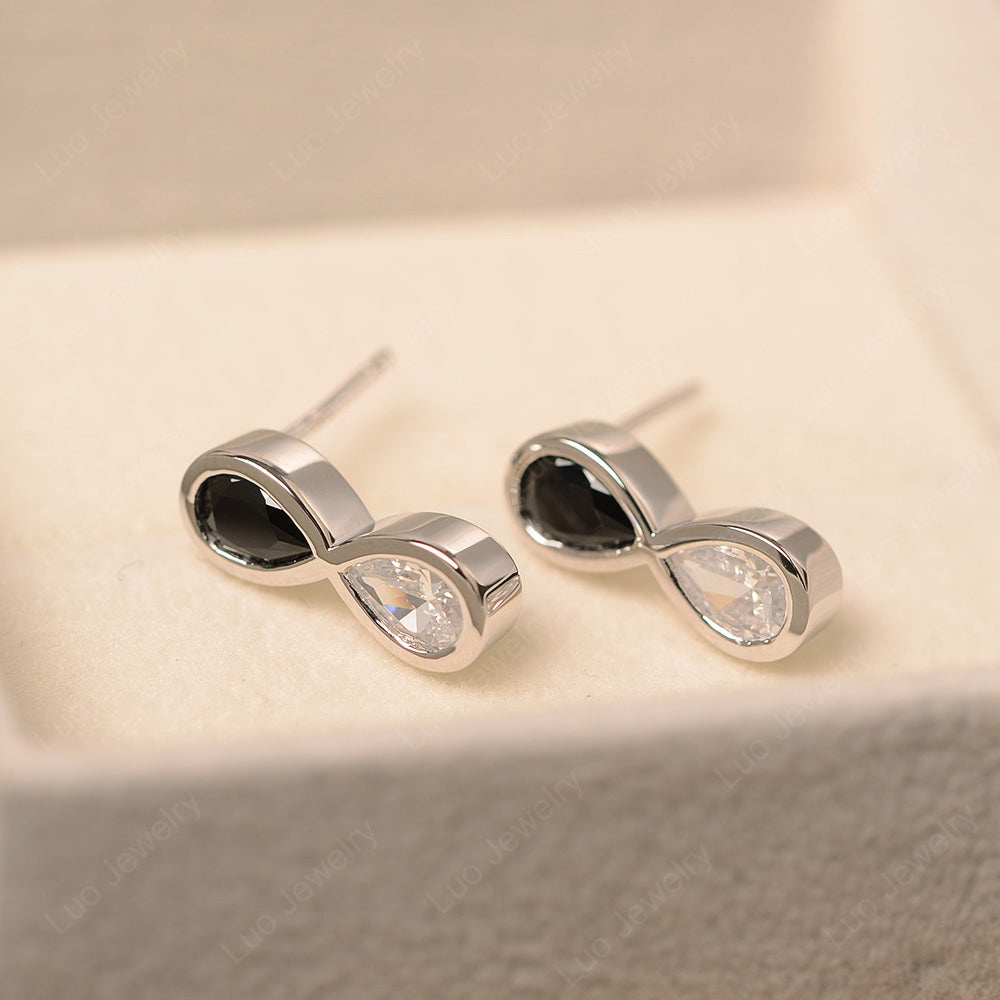
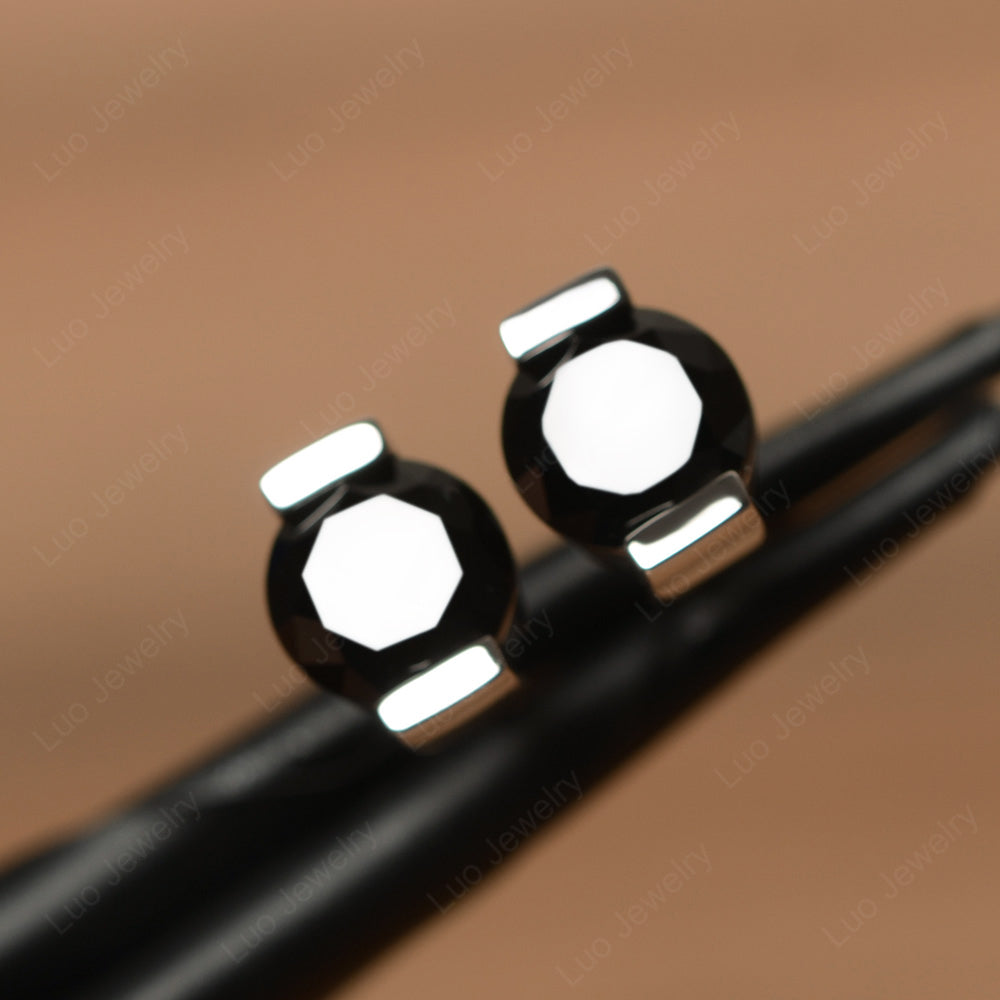
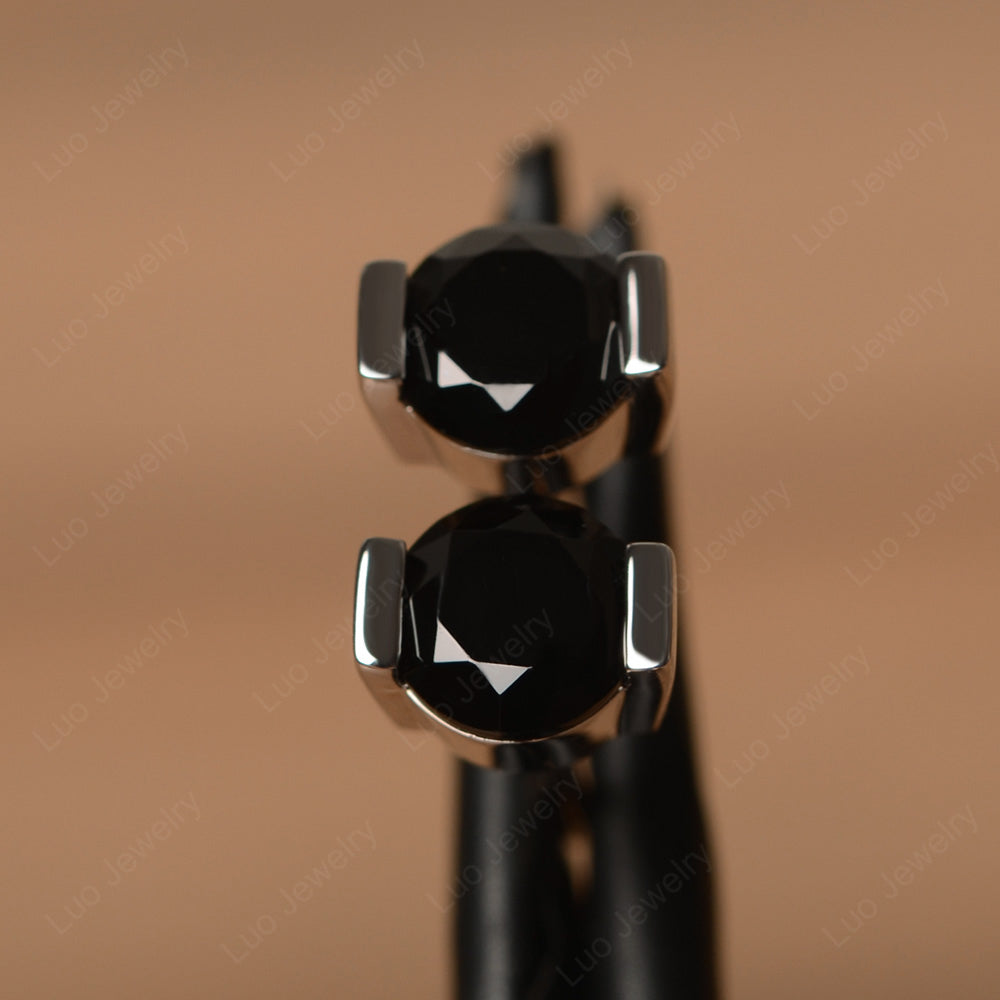
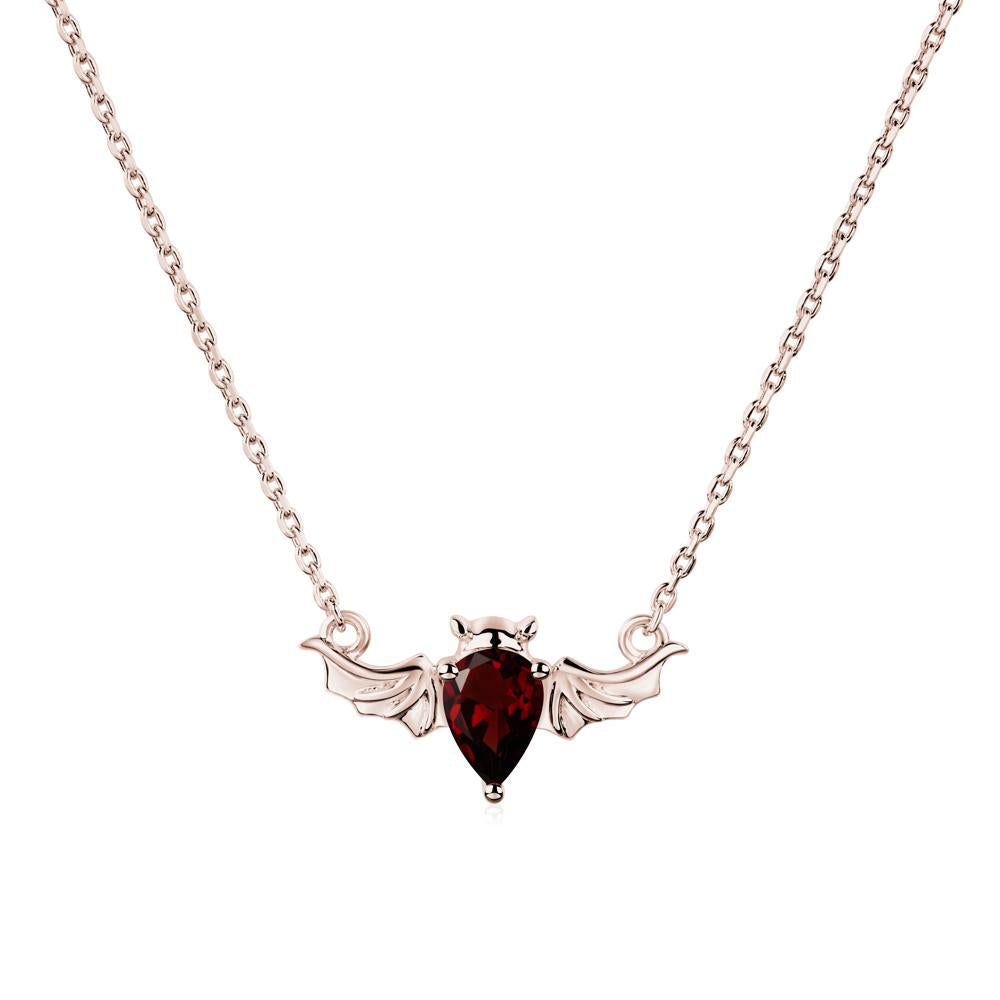
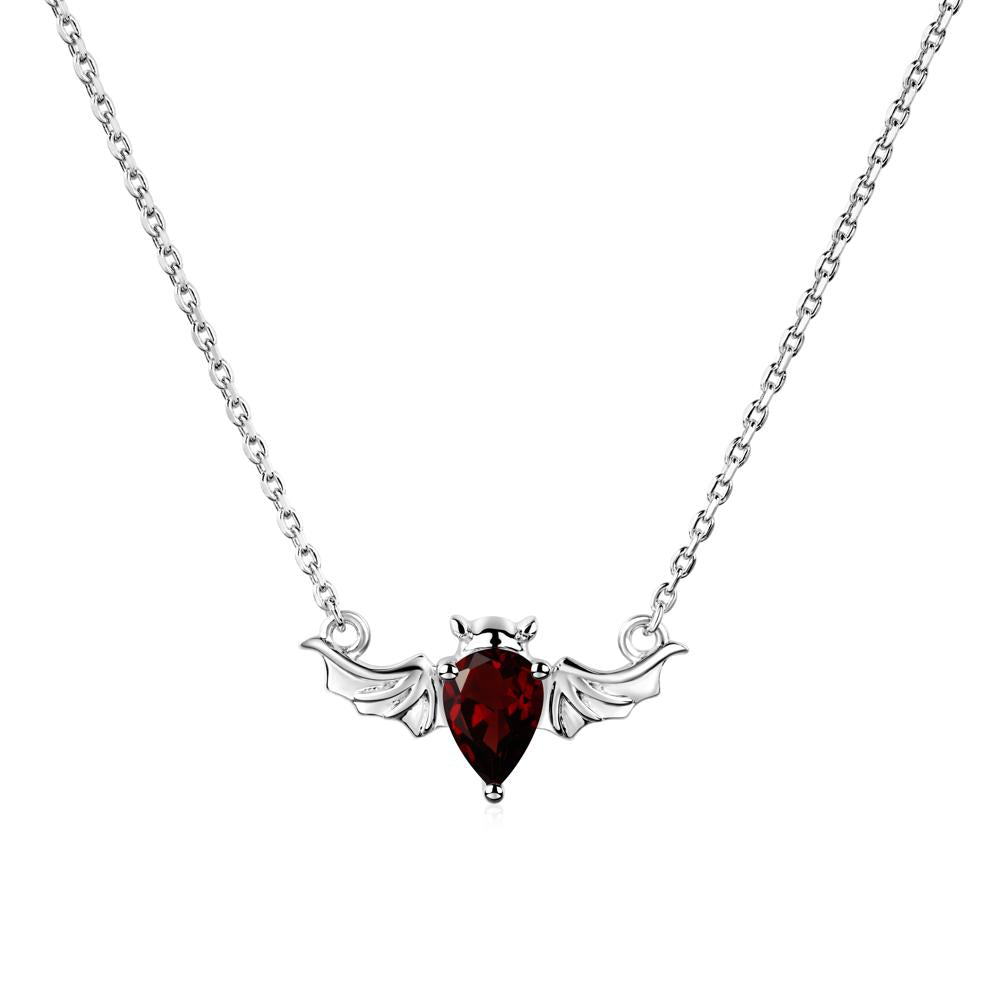
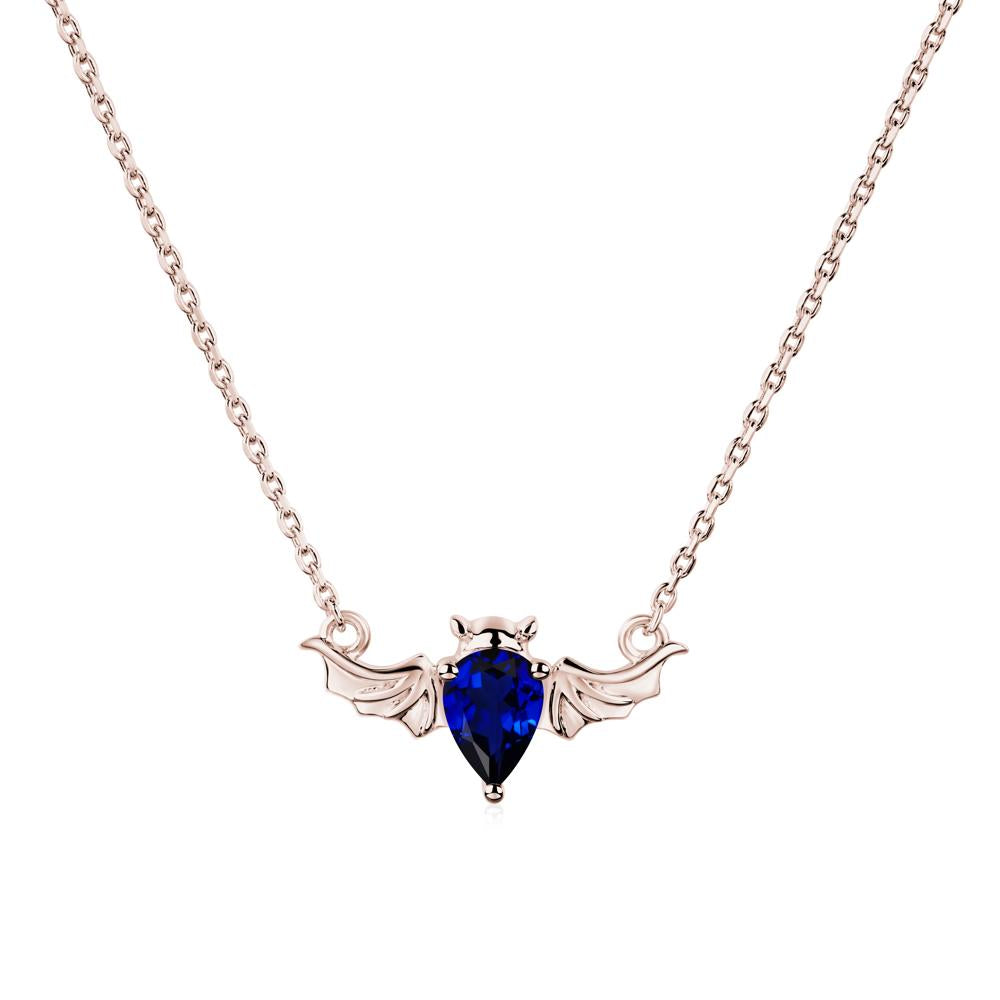
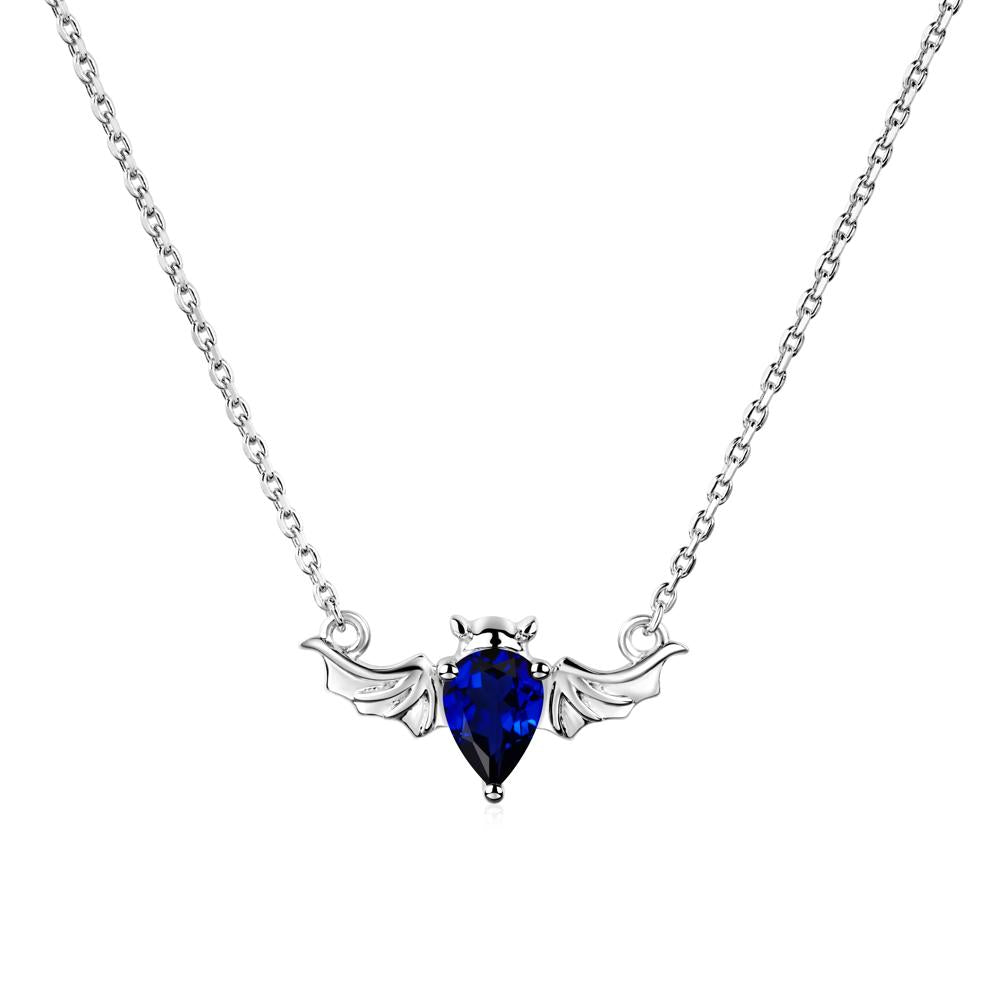
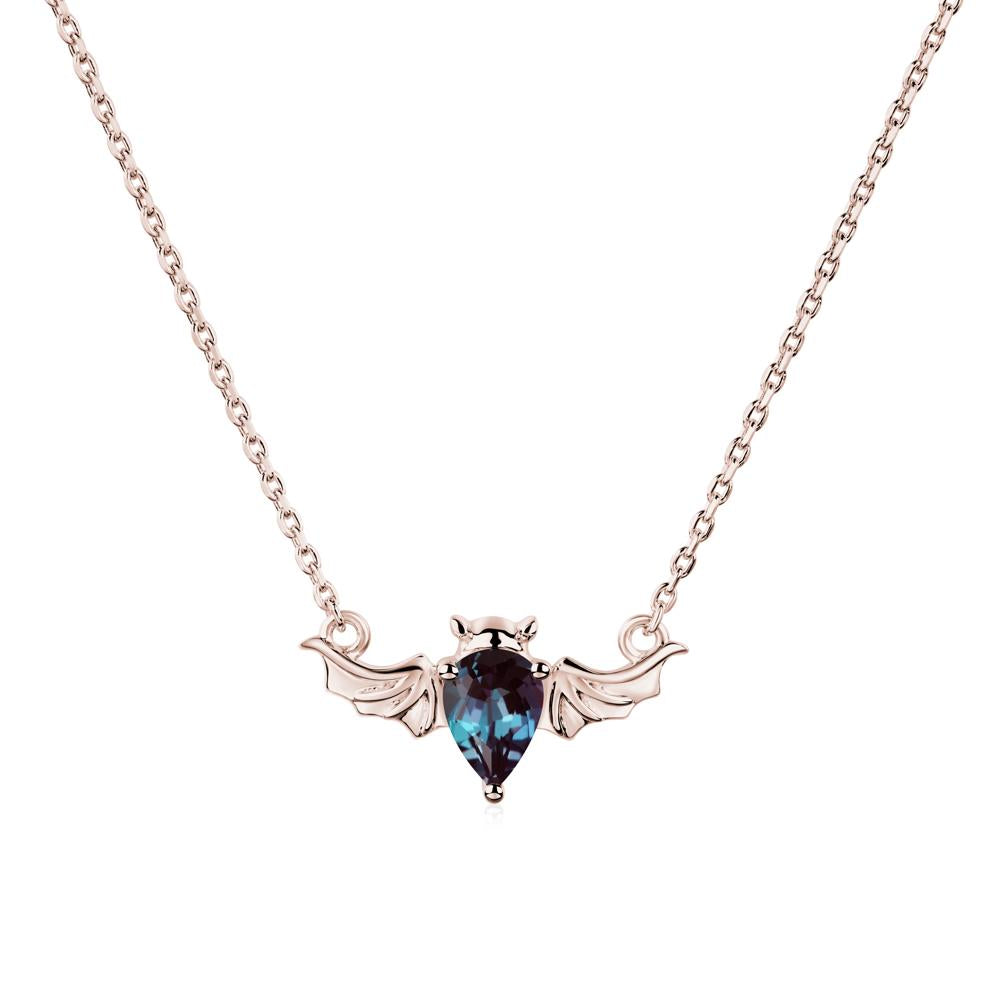
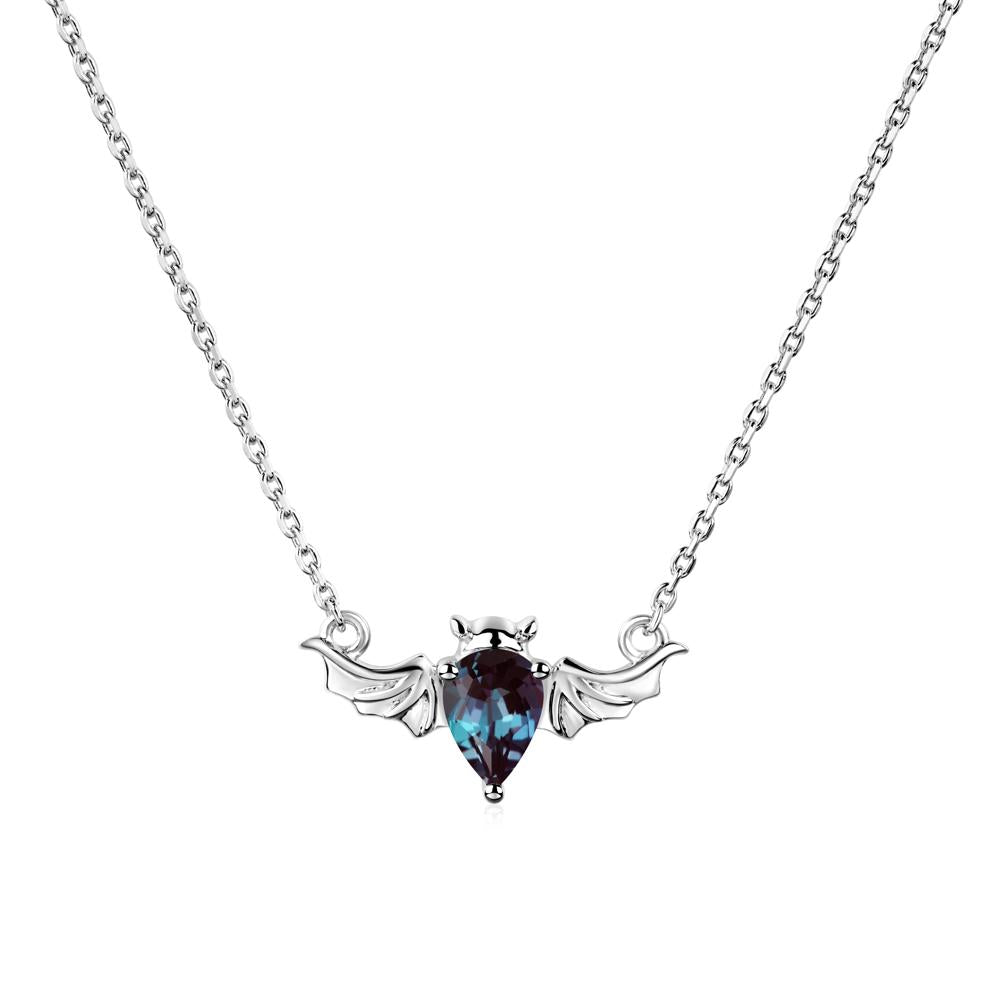
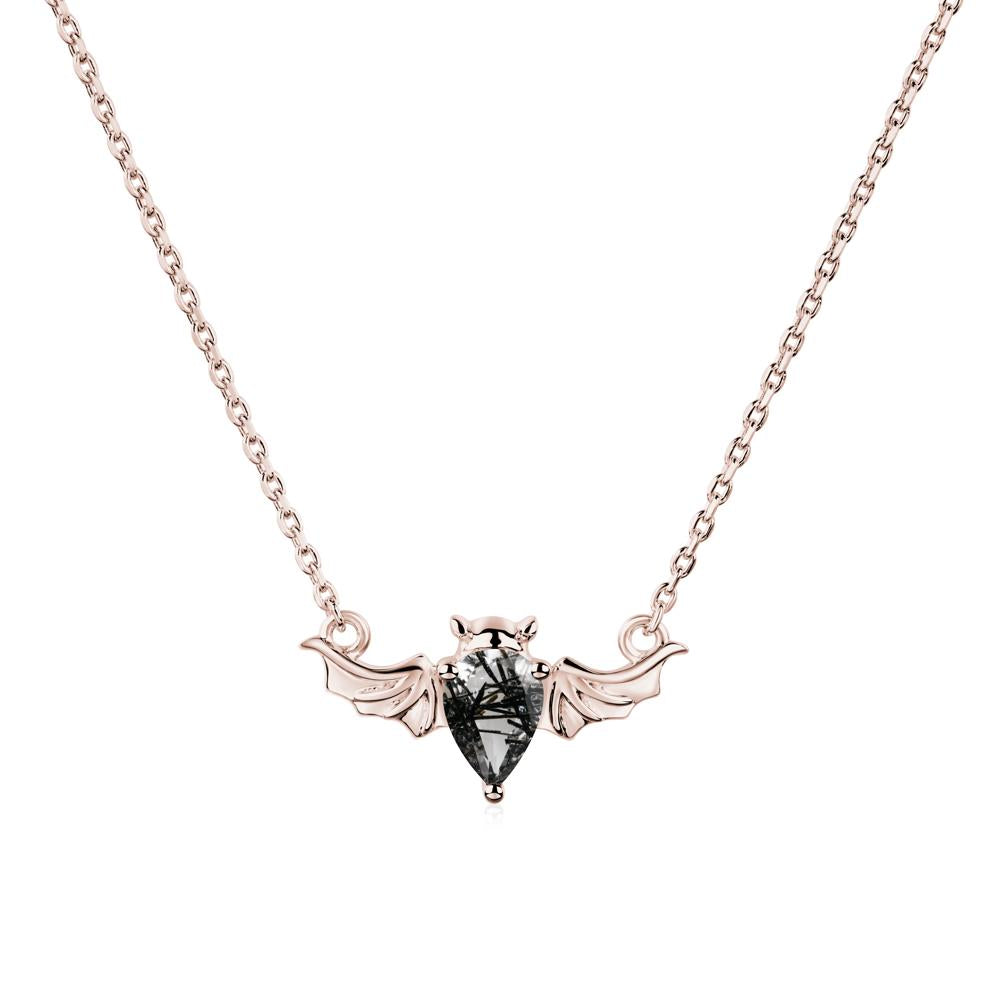
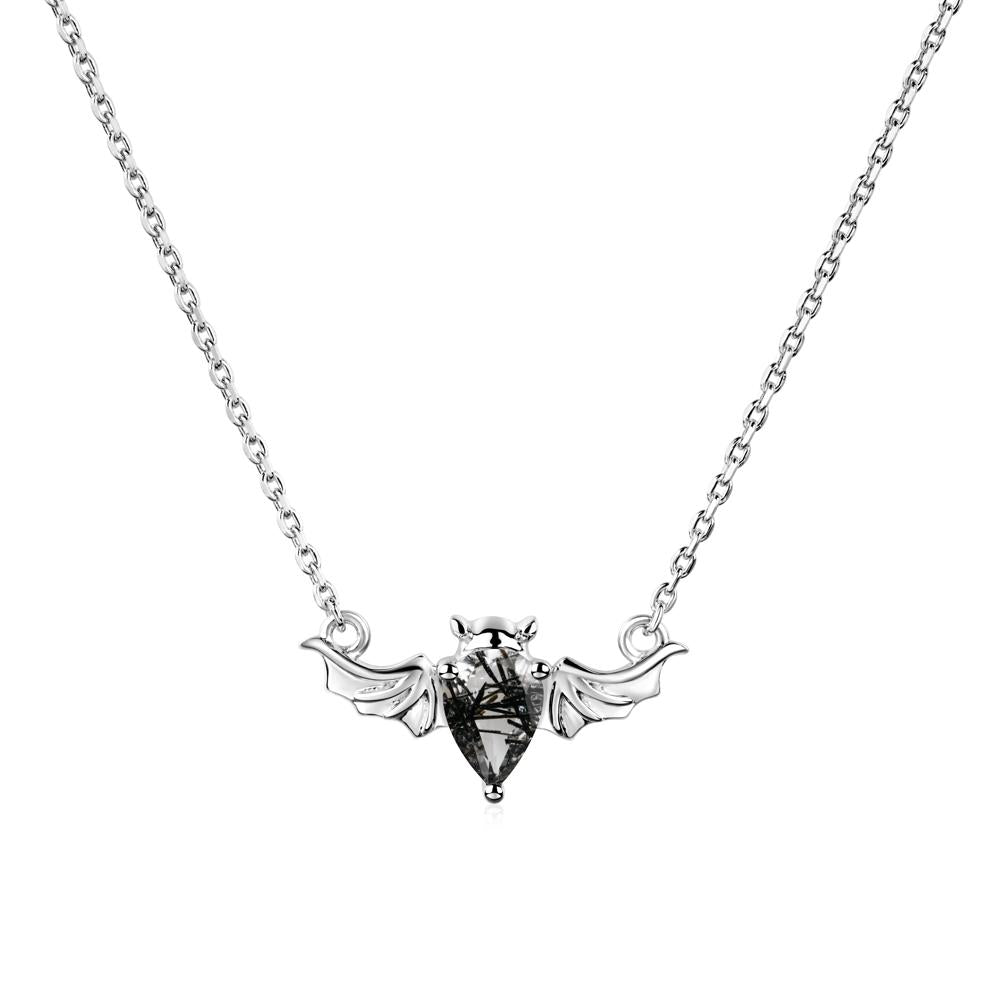
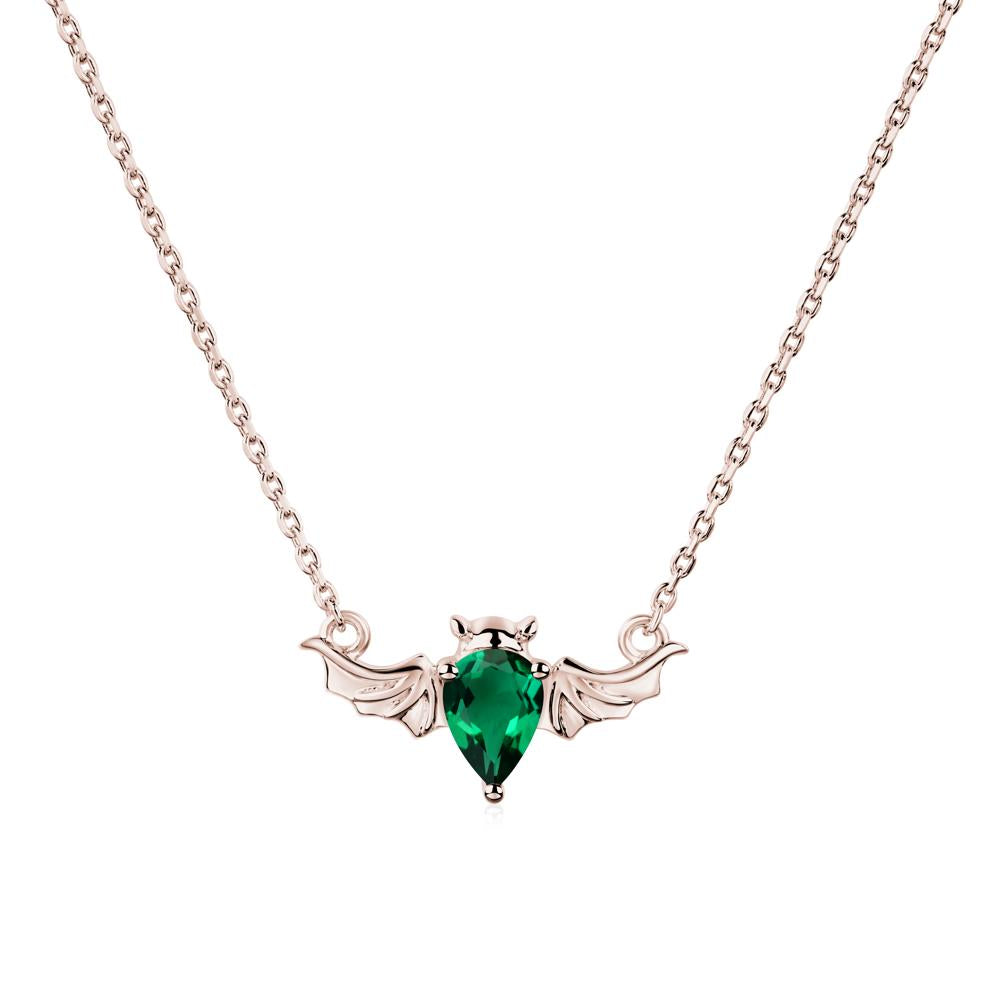
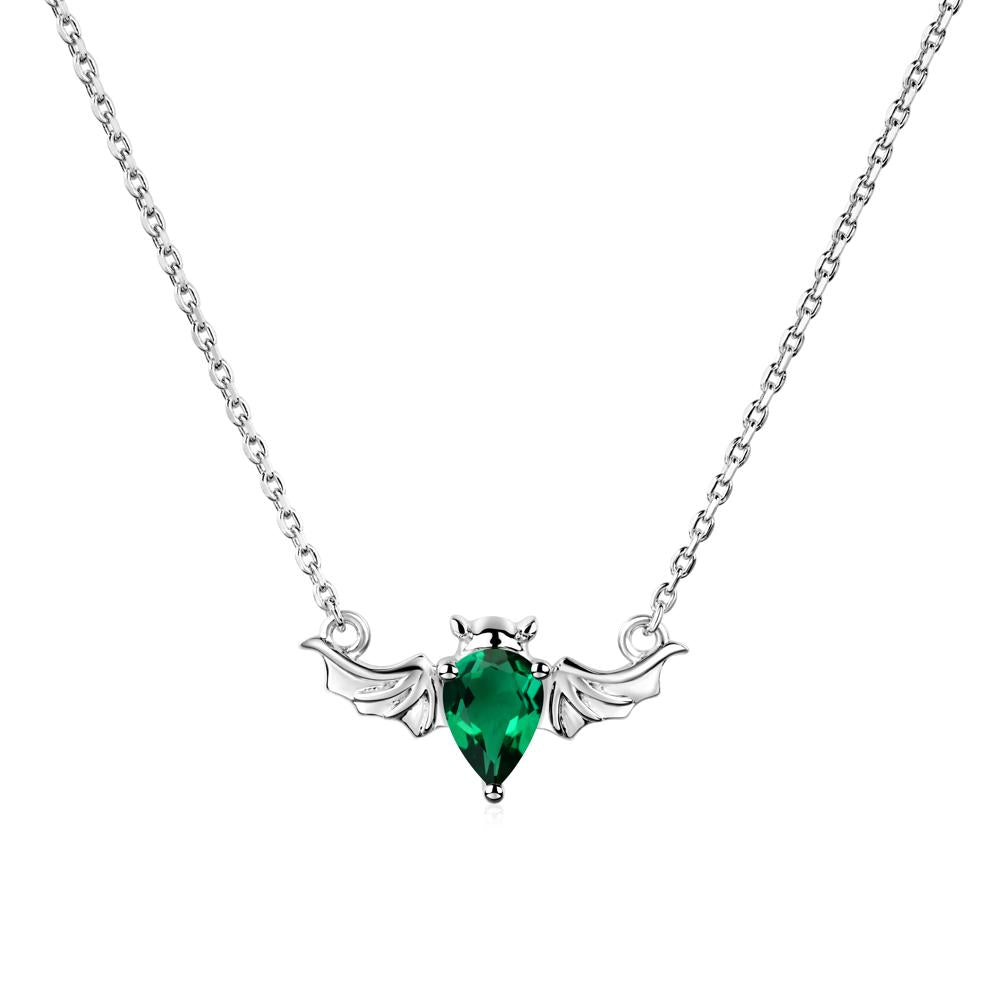
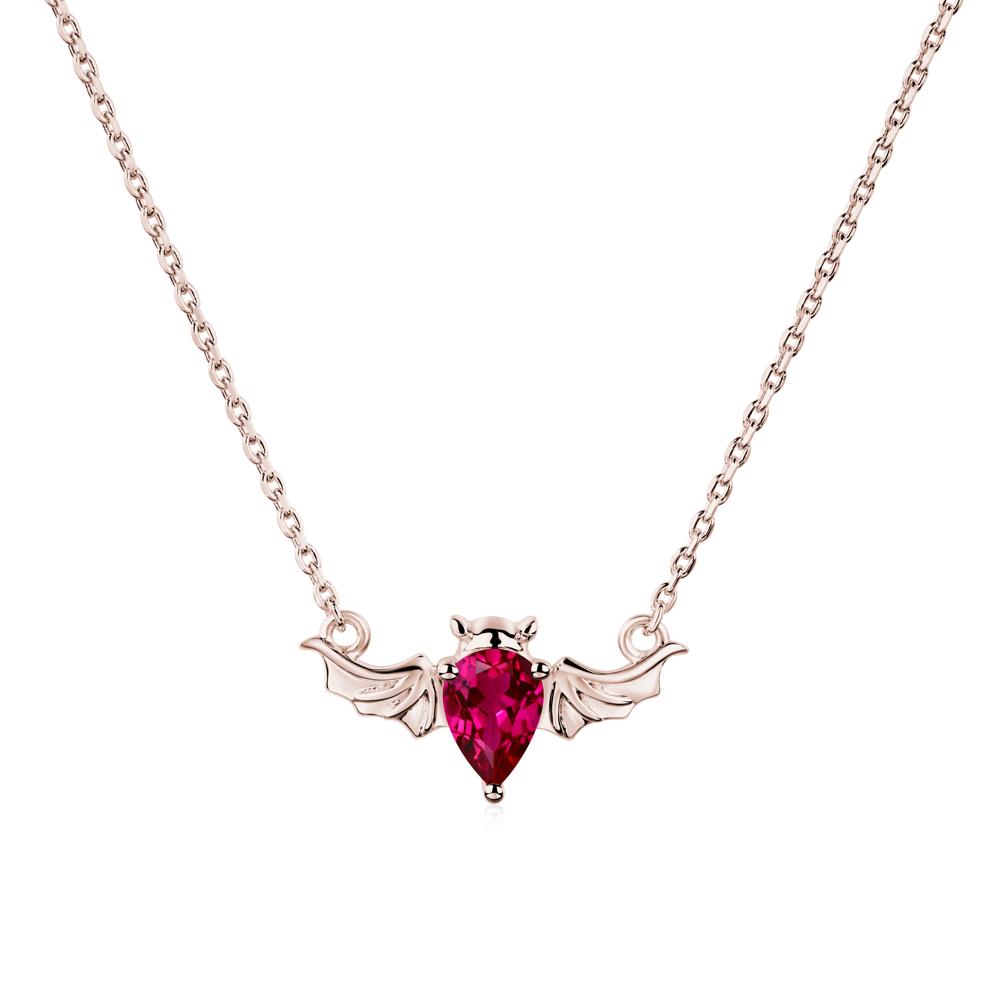
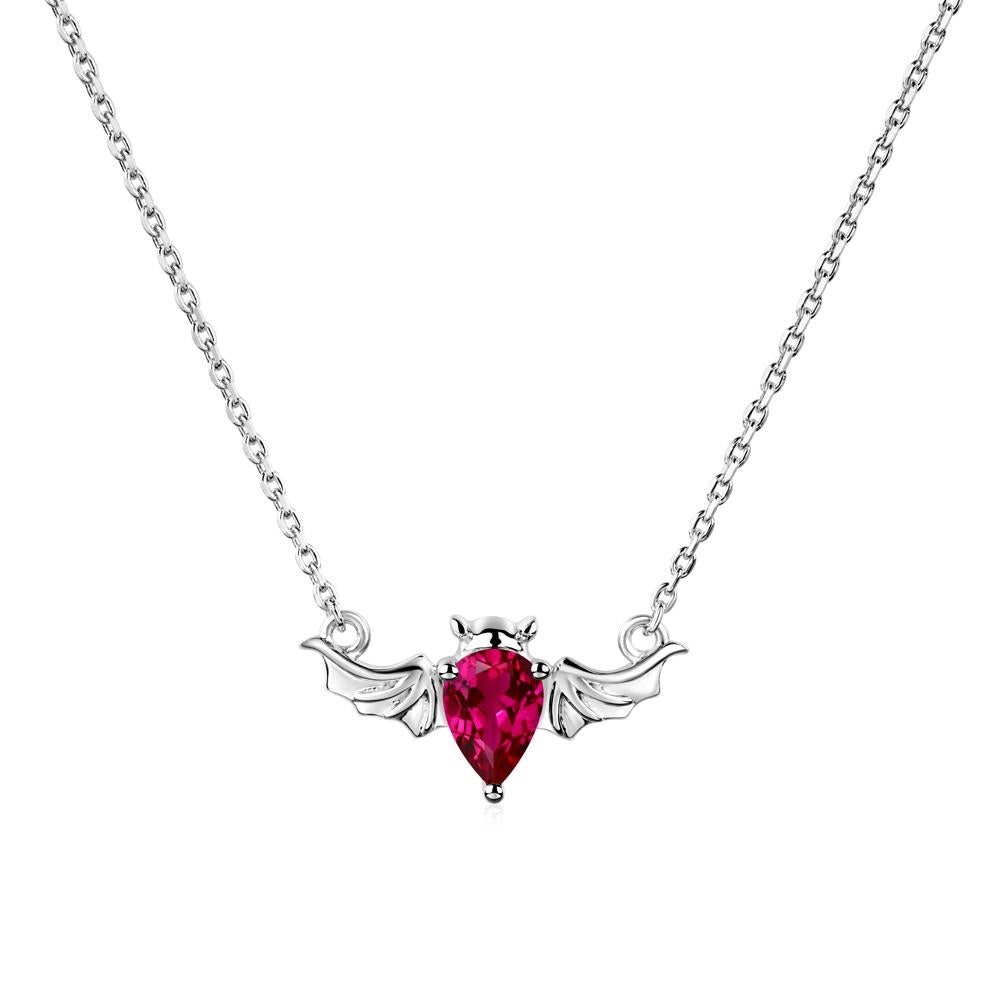
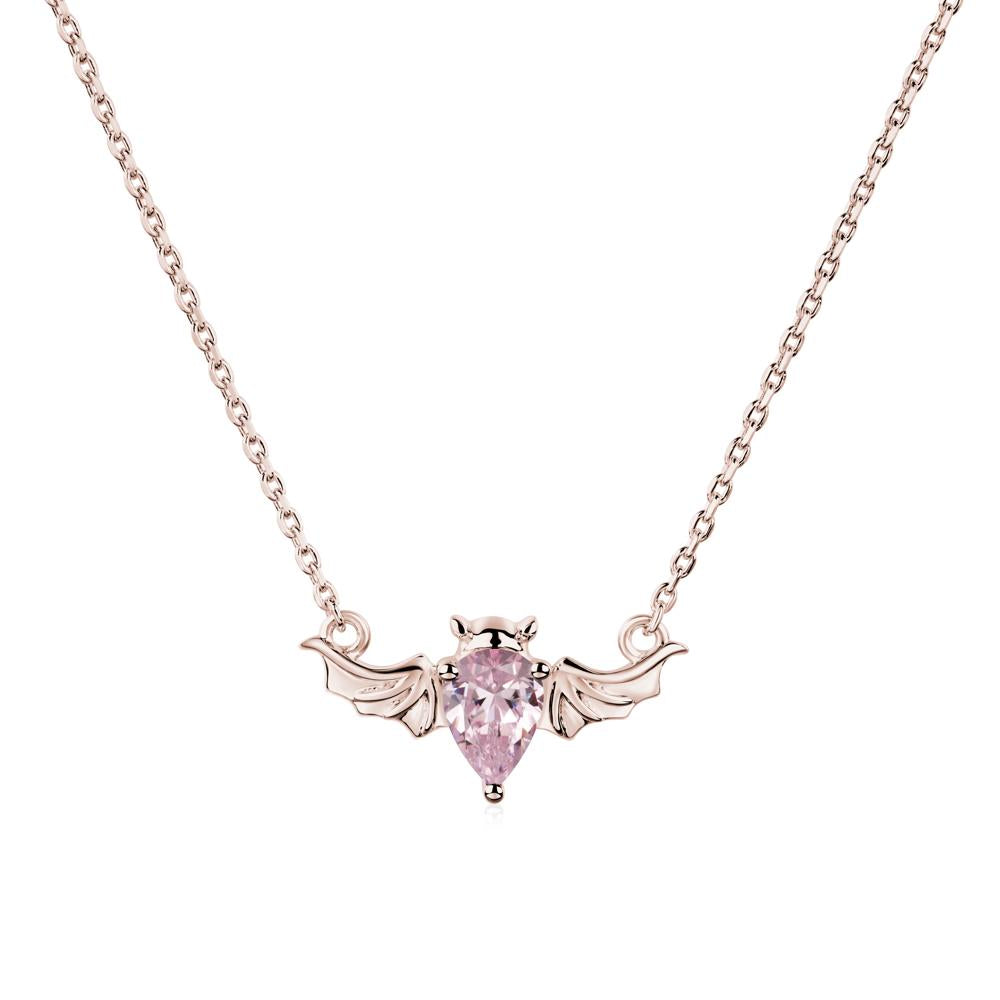
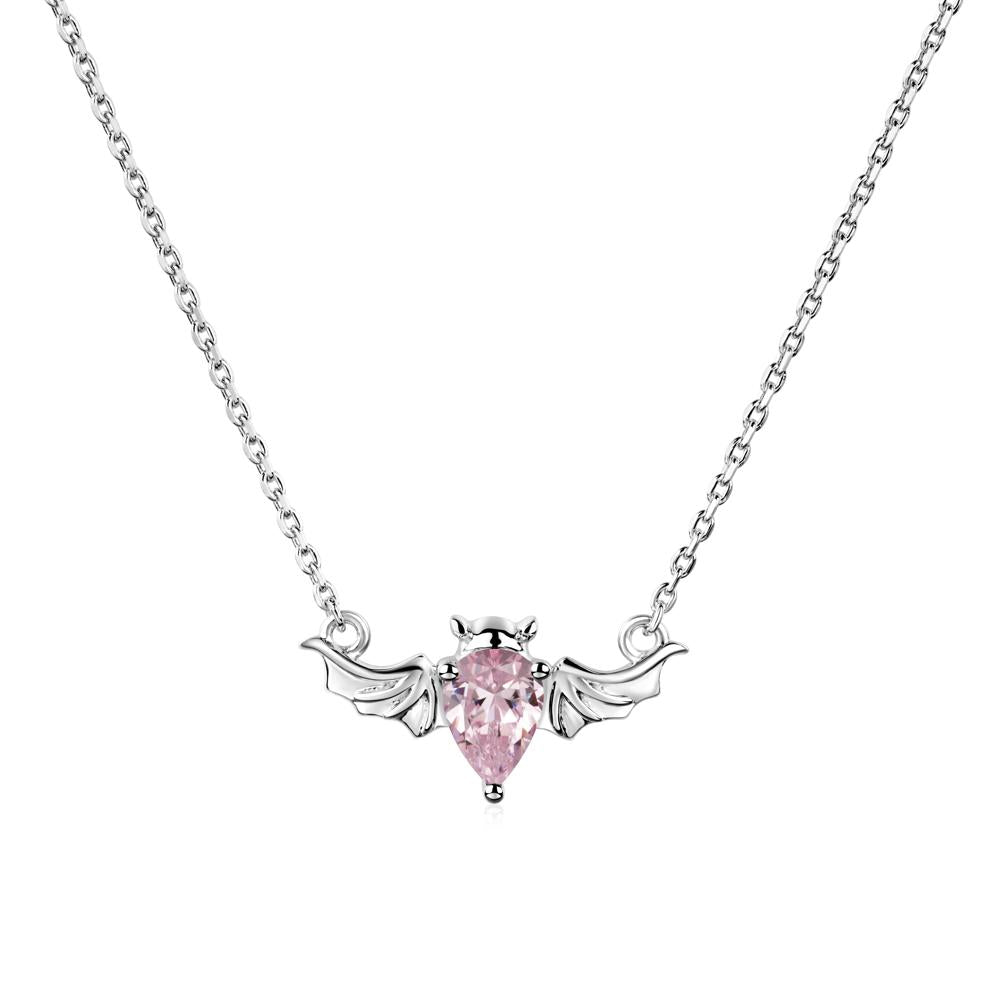
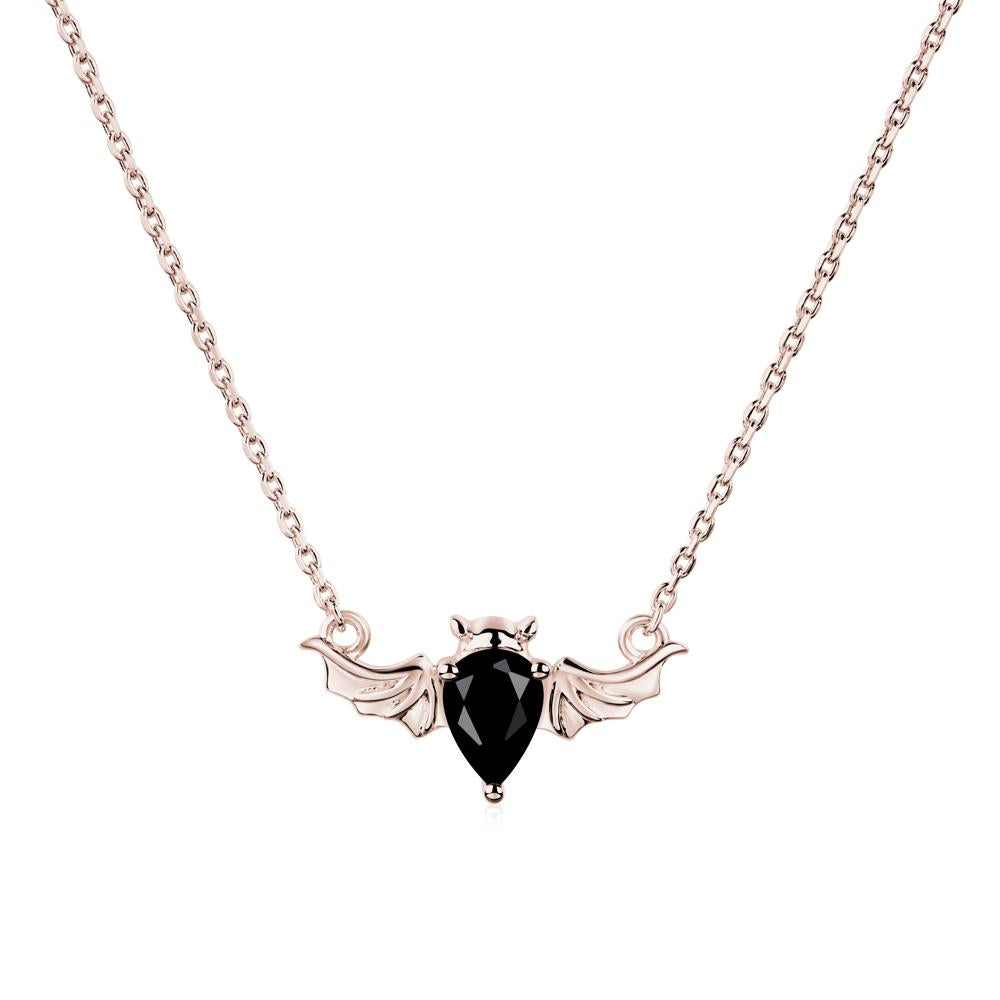
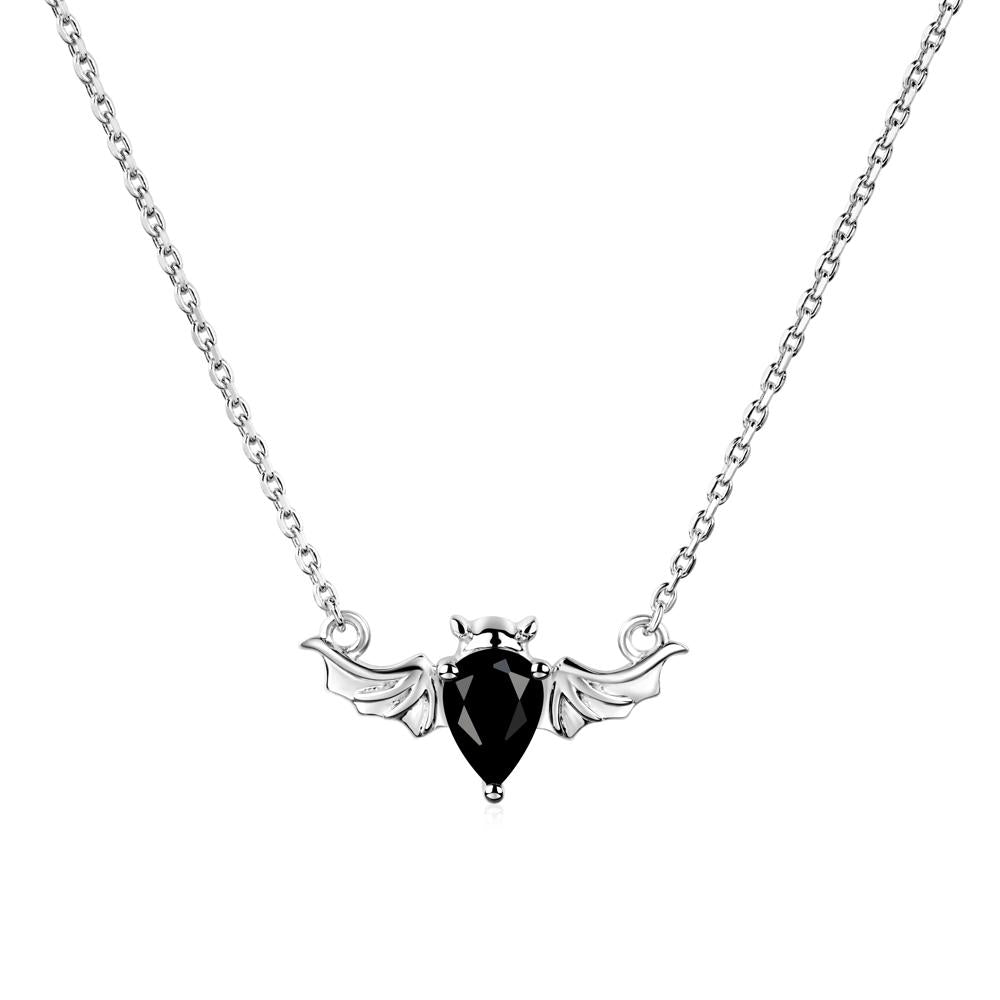
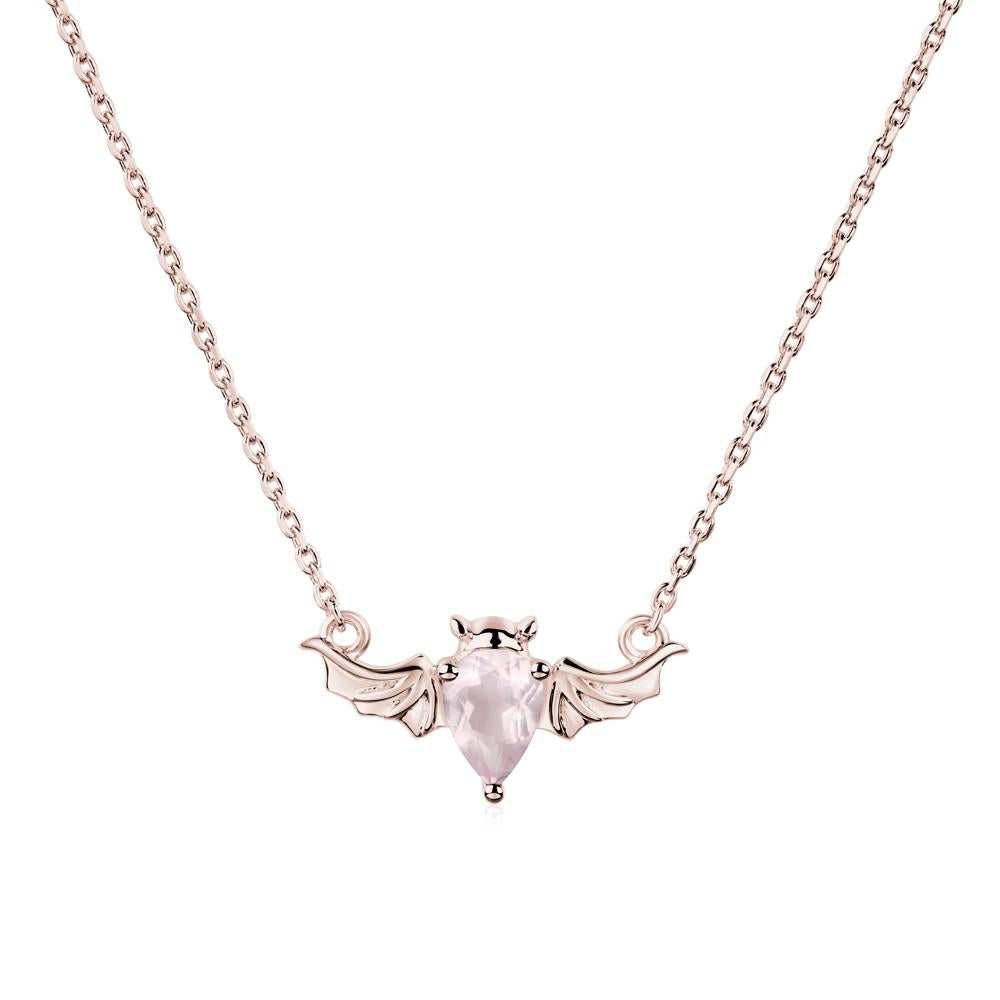
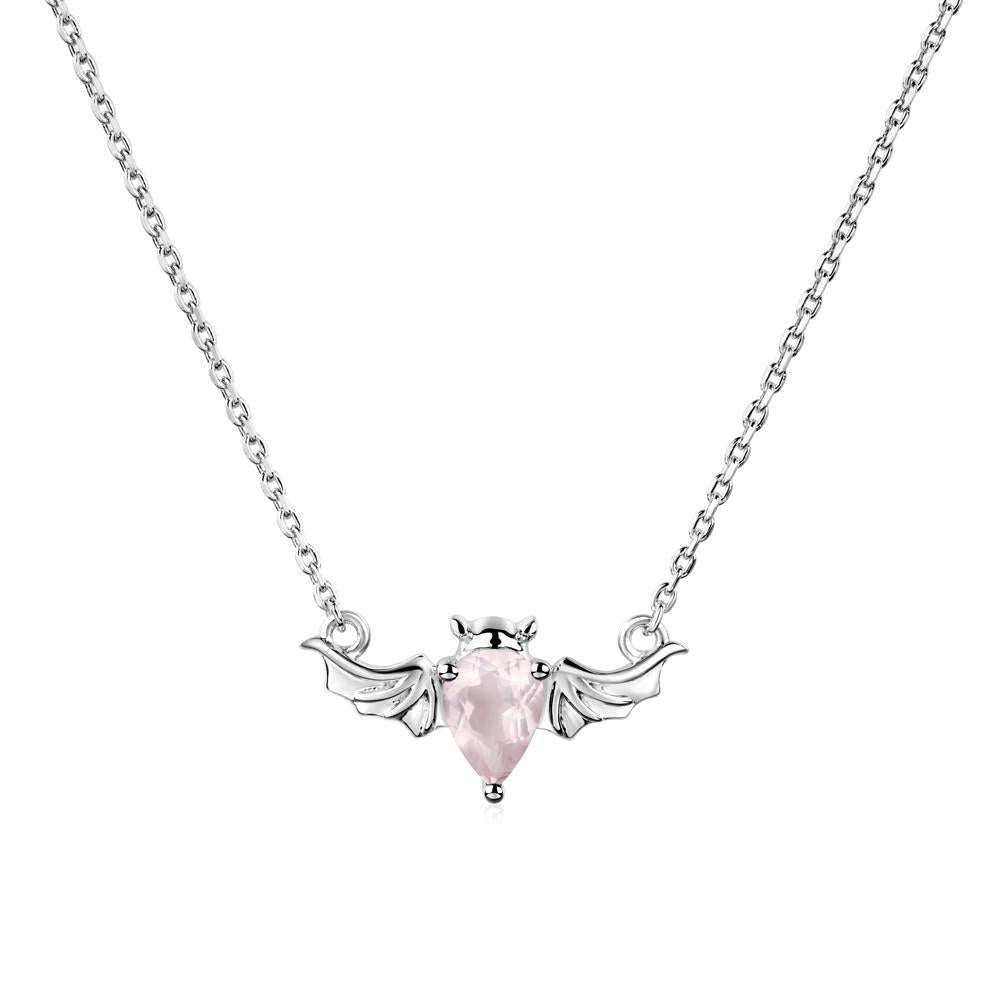
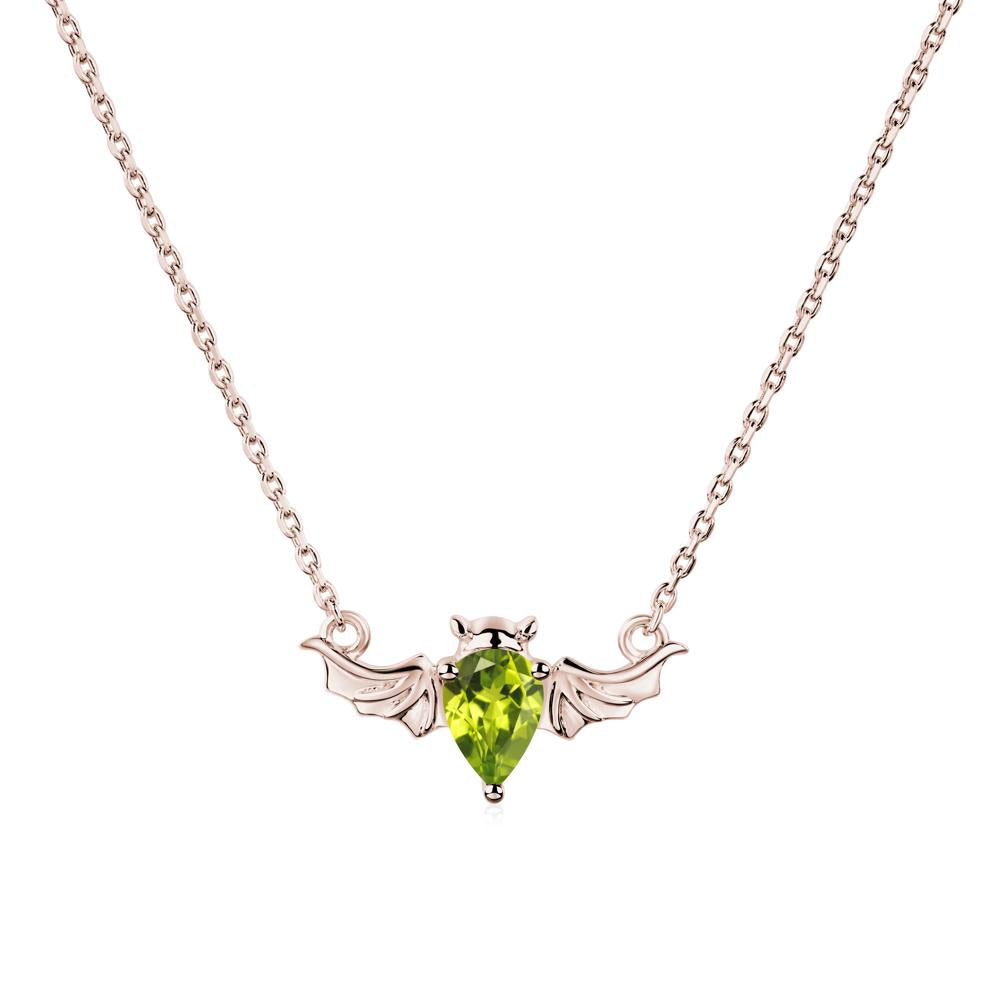
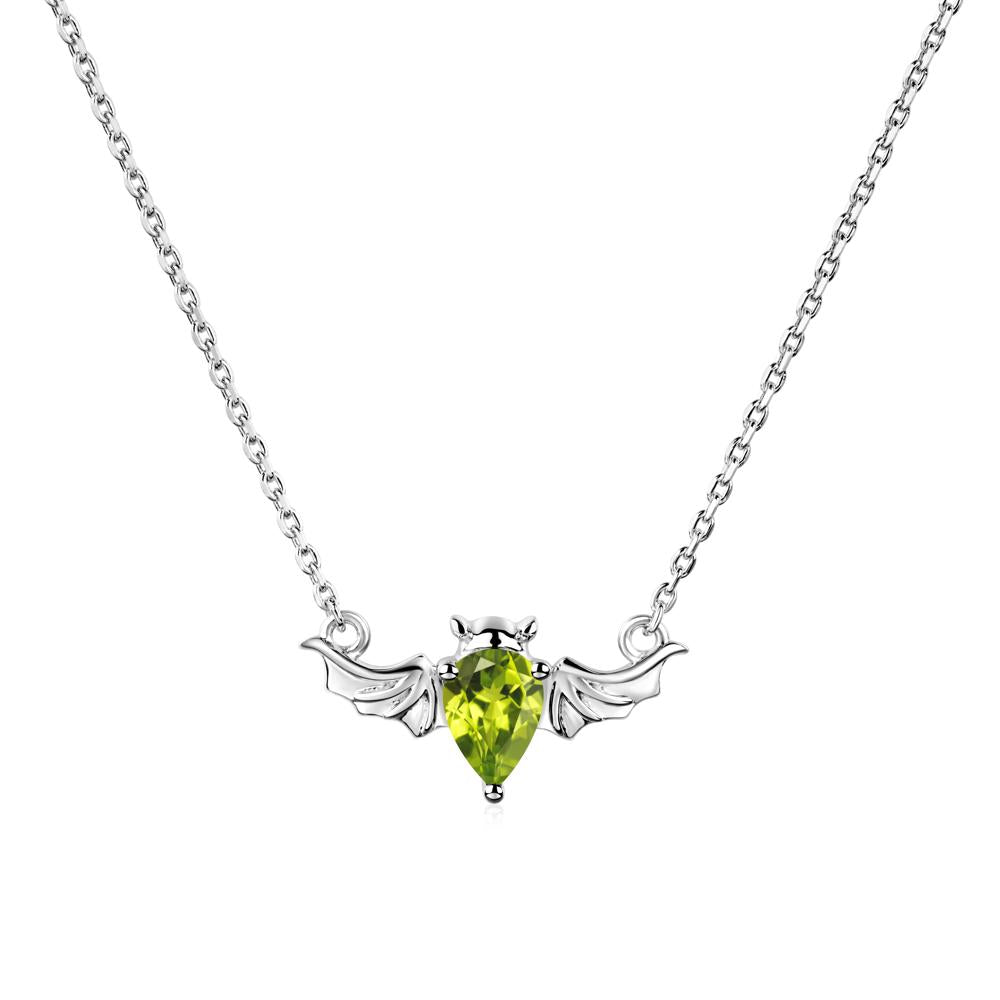
Gemstone Choices in Gothic Jewelry
Gemstone choices in gothic jewelry are guided by symbolism and emotional contrast rather than brightness alone.

Why Rubies Dominate Gothic Jewelry?
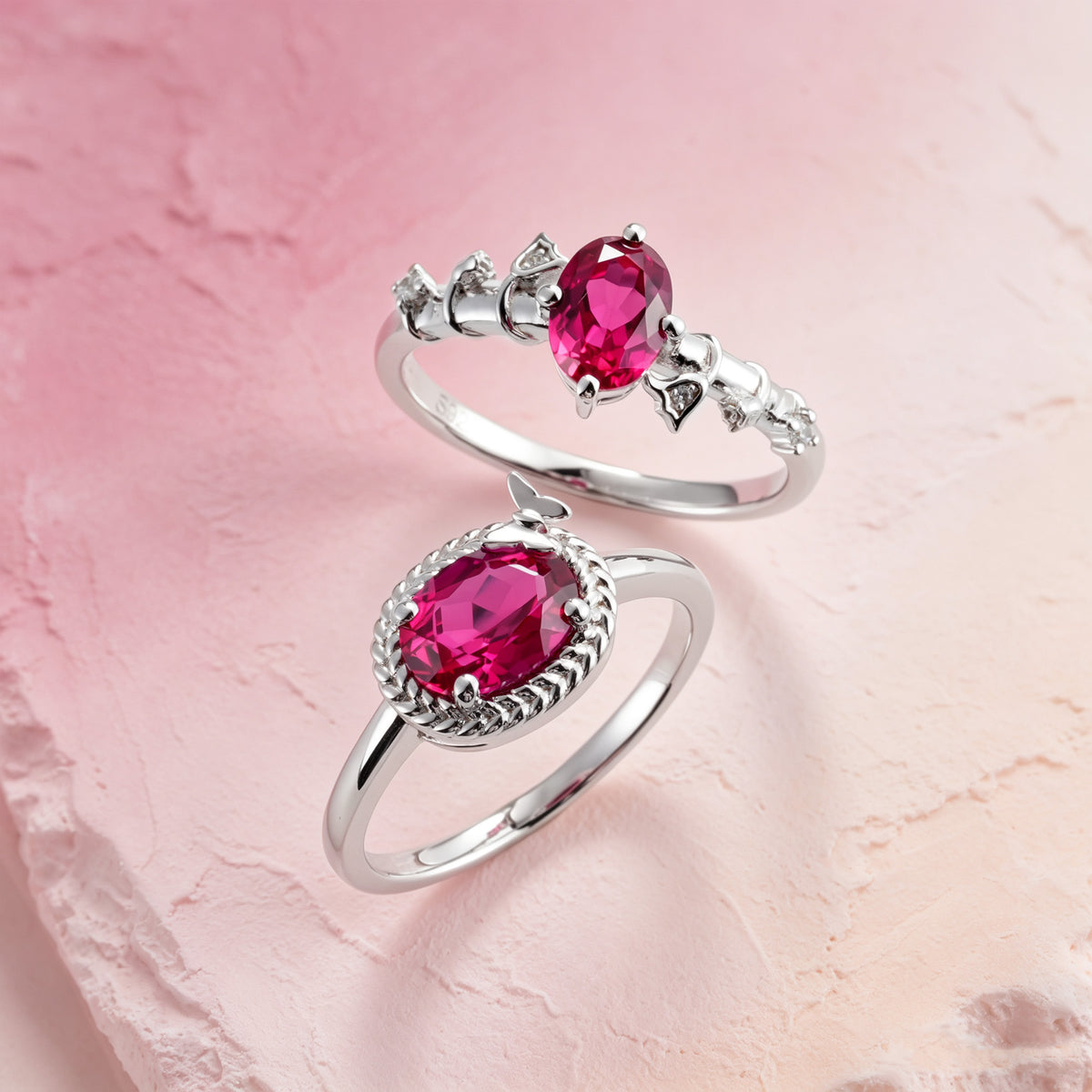
The gothic ruby ring occupies a particularly important place within this tradition.
Ruby’s rich crimson tone evokes themes of passion, vitality, and forbidden romance. Against a darkened silver or blackened metal setting, the gemstone appears almost like a glowing ember in the night. This contrast heightens emotional drama, which is central to the gothic aesthetic.
The color red has long been associated with blood, devotion, and intensity—concepts that resonate strongly with gothic storytelling.
Why Deep-Toned Gemstones Are Preferred?
Deep purple, forest green, burgundy, and midnight blue stones align naturally with gothic aesthetics. These tones evoke mystery and old-world richness.
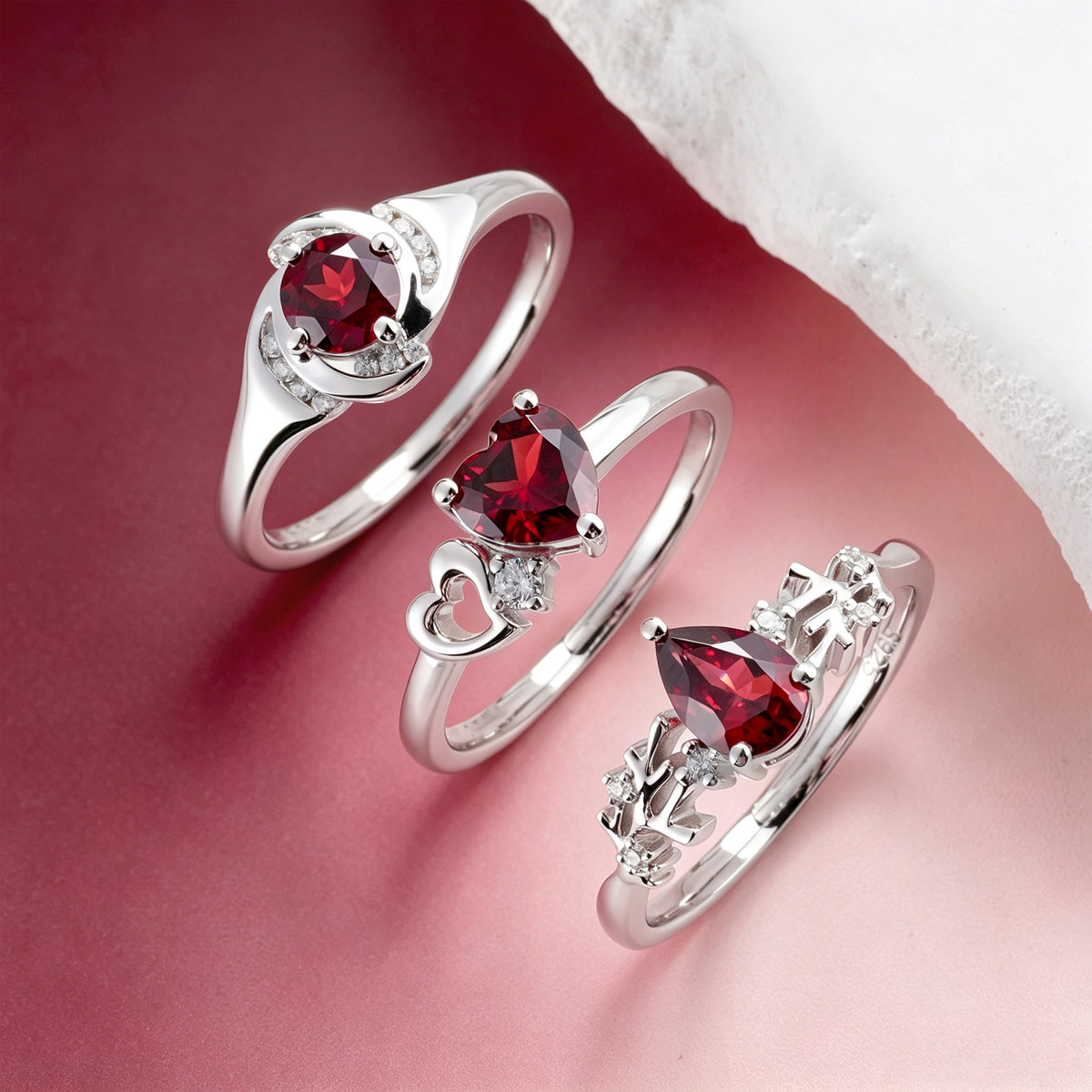
Beyond Ruby, dark garnets, deep amethysts, and black stones complement oxidized metals and intricate detailing without overpowering the design. Unlike pastel or brightly colored stones, darker gemstones maintain visual cohesion with ornate metalwork. They contribute to a mood that feels grounded, symbolic, and timeless.
In gothic jewelry, gemstones are chosen not for sparkle alone, but for narrative weight.
Gothic Jewelry by Gemstones
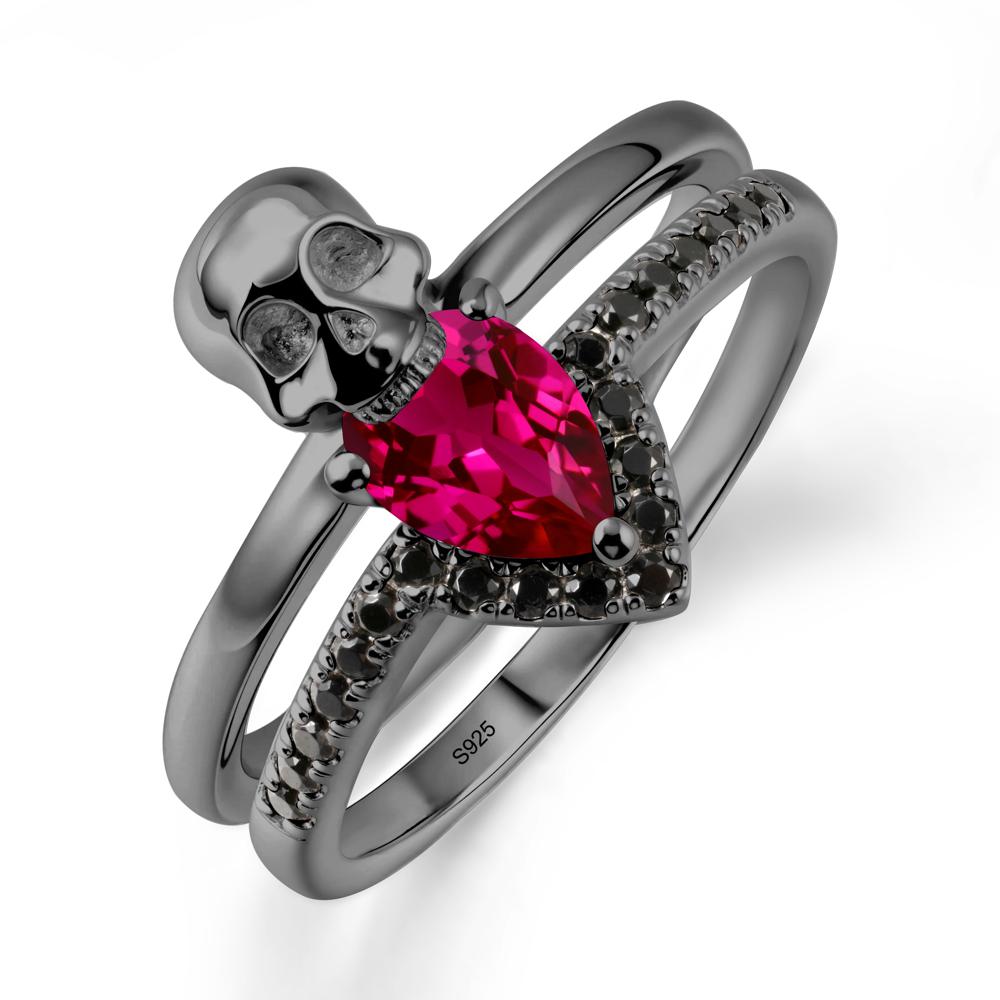
Ruby Gothic Jewelry

Amethyst Gothic Jewelry
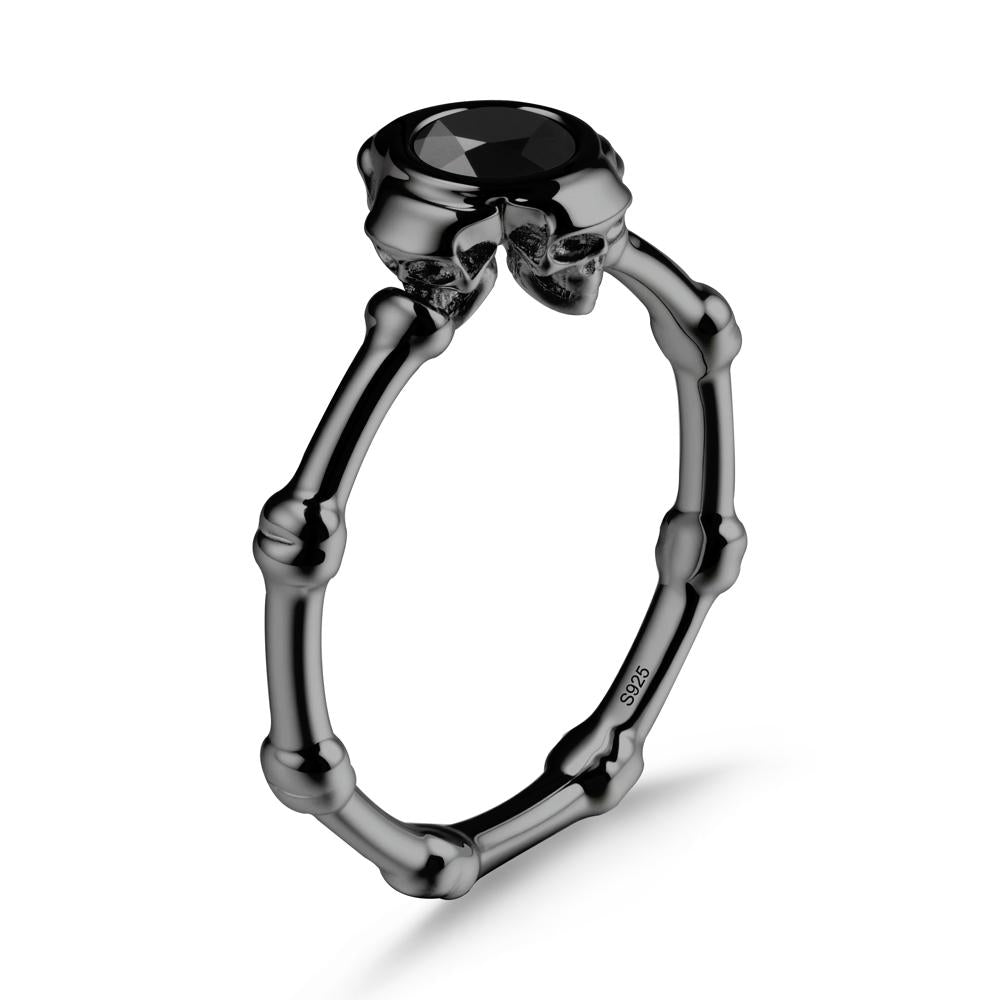
Black Stone Gothic Jewelry
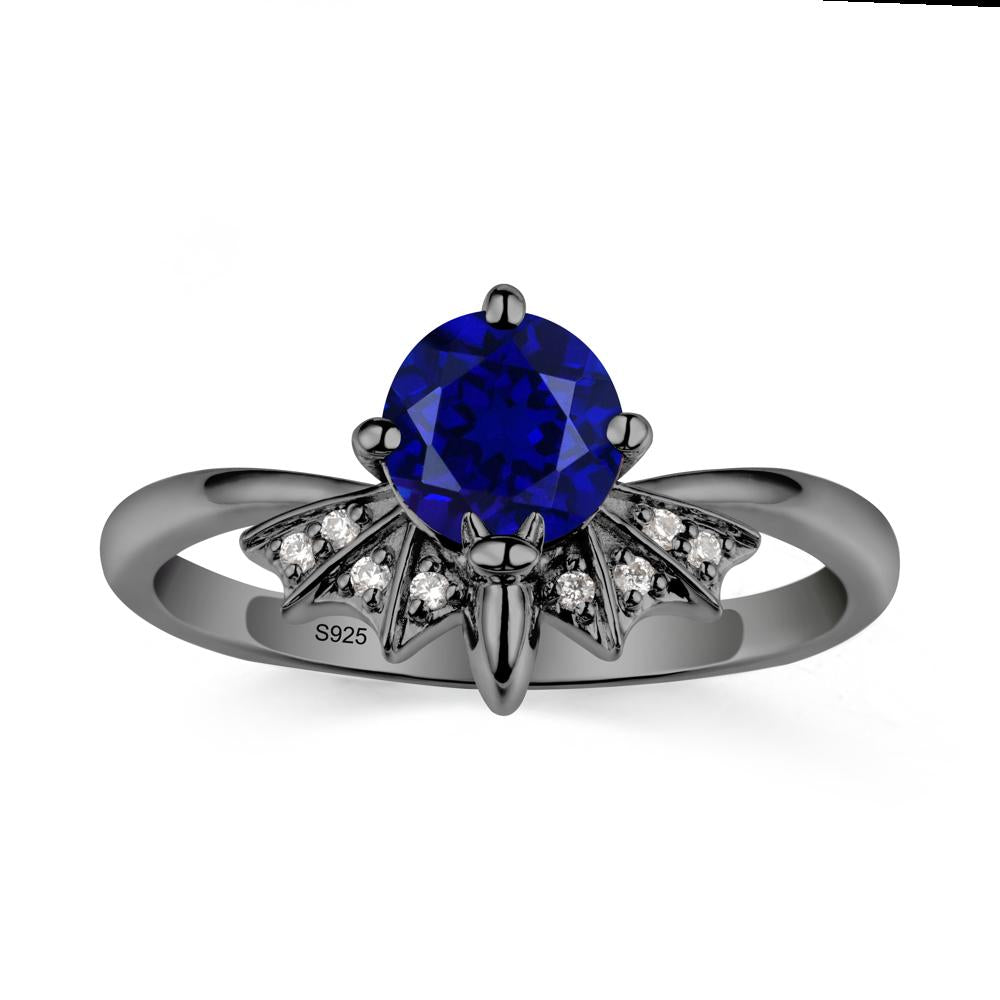
Sapphire Gothic Jewelry

Garnet Gothic Jewelry
Major Gothic Jewelry Style Categories
Gothic jewelry is not a single aesthetic but a spectrum of interpretations. Each sub-style emphasizes different emotional tones and visual priorities.

Dark Romance
Dark Romance centers on passion, intensity, and emotional drama.
Deep red stones, dramatic contrasts, and sculptural settings create pieces that feel expressive and bold. Gothic promise rings and statement gothic rings within this category frequently highlight ruby or garnet center stones to symbolize powerful emotional bonds. The mood is sensual yet refined—love portrayed with strength and depth rather than softness.

Victorian Gothic
Victorian Gothic combines the elegance of the Victorian era with somber romantic undertones.
Designs in this category often feature elaborate engraving, oval-cut stones, and intricate metalwork. A gothic ruby ring in this style may feel heirloom-inspired, refined yet emotionally charged, blending sophistication with depth.

Minimal Gothic
Minimal Gothic combines clean lines with subtle dark elements.
Minimal Gothic presents a more restrained interpretation. Clean silhouettes, subtle dark gemstones, and simplified cross or geometric motifs define the look. Minimal gothic rings maintain the mood of traditional gothic jewelry while offering everyday wearability. The aesthetic is understated but unmistakable.

Witchy Gothic
Witchy Gothic leans toward mysticism and nature-inspired symbolism.
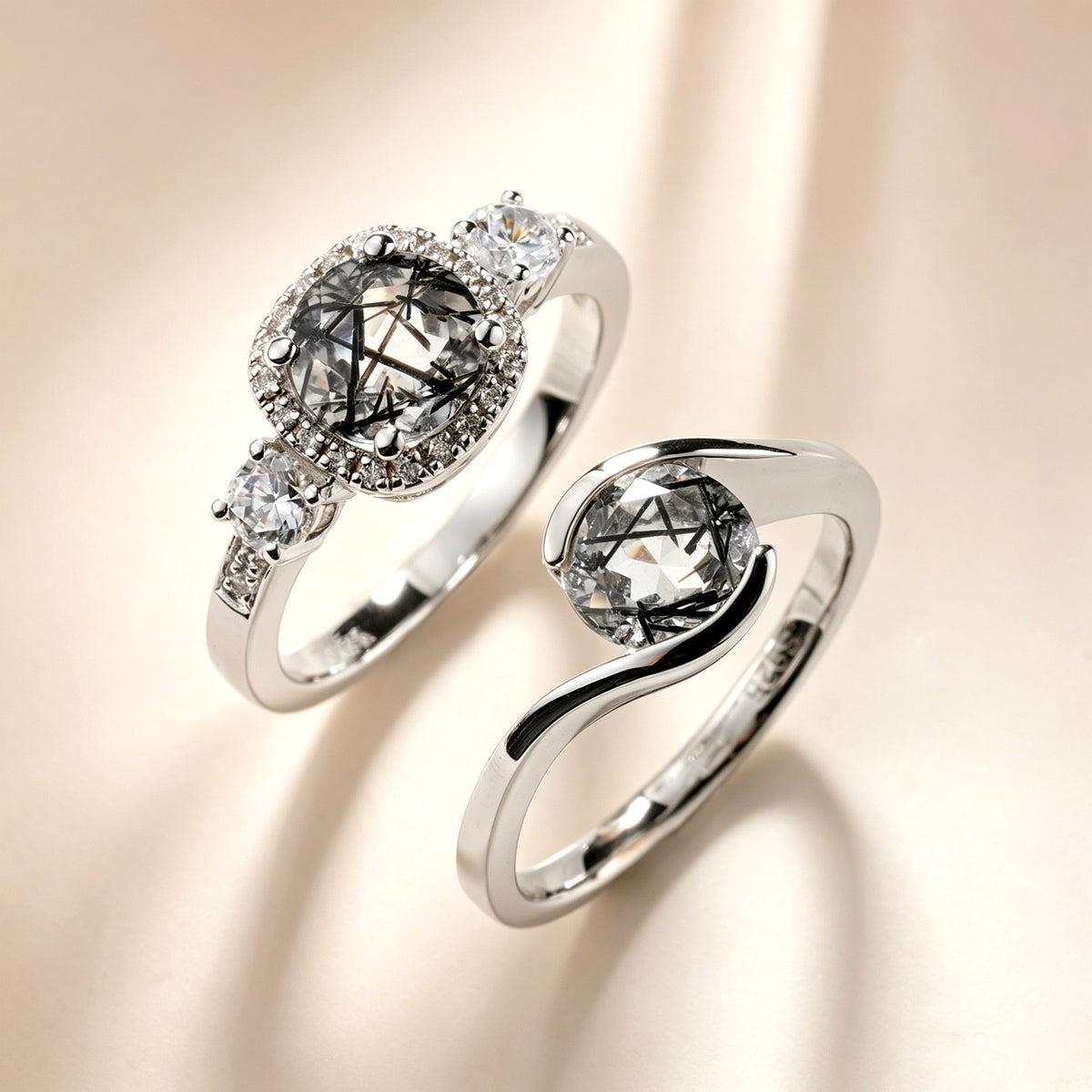
Moon phases, stars, protective talismans, and stones such as amethyst or labradorite are common. Gothic necklaces in this style often highlight pendants that feel ritualistic or symbolic, emphasizing intuition and feminine power.

Medieval Gothic
Medieval Gothic draws directly from knightly symbolism and heraldic structure.
Heavier bands, shield-like shapes, and emblem-inspired engravings evoke knightly imagery and ancestral heritage. These designs often feel substantial in weight and form, reinforcing themes of loyalty and protection.
Who Is Gothic Jewelry For?
Gothic jewelry resonates with individuals who value expressive design and meaningful symbolism.
Alternative Lovers
For those who express their identity through bold, unconventional fashion statements.
Vintage Collectors
Seekers of historical charm, intricate craftsmanship, and timeless artistic value.
Unique Seekers
Couples and individuals looking for engagement rings that tell a different story.
FAQs for Gothic Jewelry
Gothic jewelry is a style characterized by ornate detailing, dramatic gemstone tones, and vintage-inspired design influences.
Yes. Many couples choose gothic engagement rings because they feel distinctive, romantic, and deeply personal.
Yes, gothic rings can absolutely be used as promise rings. A promise ring is defined more by the meaning behind the ring than by a specific design style. While many promise rings are simple bands or delicate gemstone rings, any ring that symbolizes commitment, loyalty, or a shared future can serve as a promise ring—including gothic styles.
Ruby, amethyst, sapphire, garnet, and black gemstones are among the most popular choices due to their rich color intensity.
Not always. While darker tones are common, many gothic designs combine light and dark contrasts for visual depth.
Explore More Unique Jewelry Styles
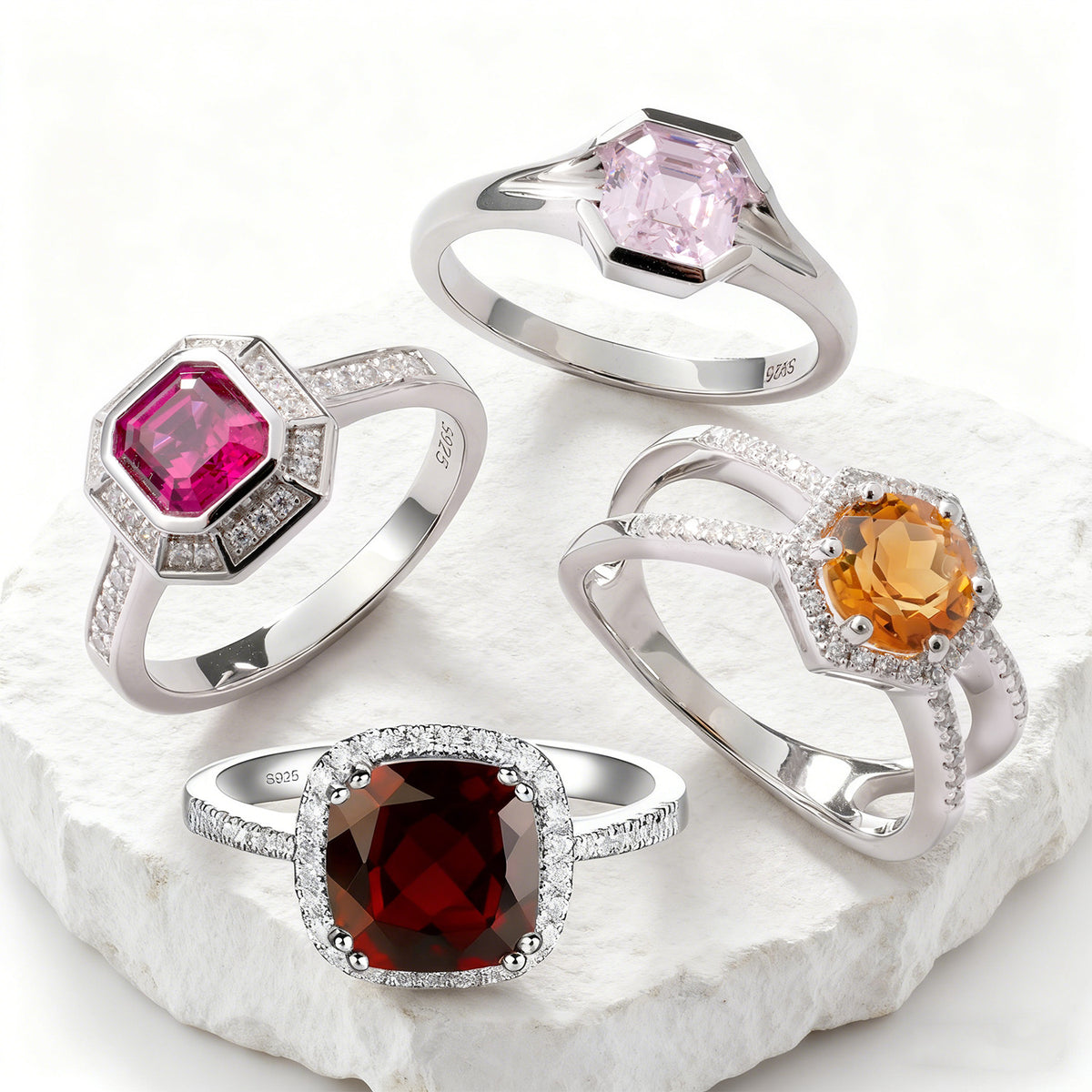

Find Your Dark Signature Piece
Explore designs that celebrate mystery, romance, and bold individuality — and find the piece that speaks to you.