Alexandrite
Amethyst
Aquamarine
Black Rutilated Quartz
Black Spinel
Cubic Zirconia
Citrine
Garnet
Emerald
Lemon Quartz
London Blue Topaz
Green Amethyst
Green Sapphire
Mystic Topaz
Moonstone
Moissanite
Morganite
Moss Agate
Opal
Peridot
Pink Sapphire
Rose Quartz
Ruby
Sapphire
Smoky Quartz
Swiss Blue Topaz
White Topaz
Citrine Rings
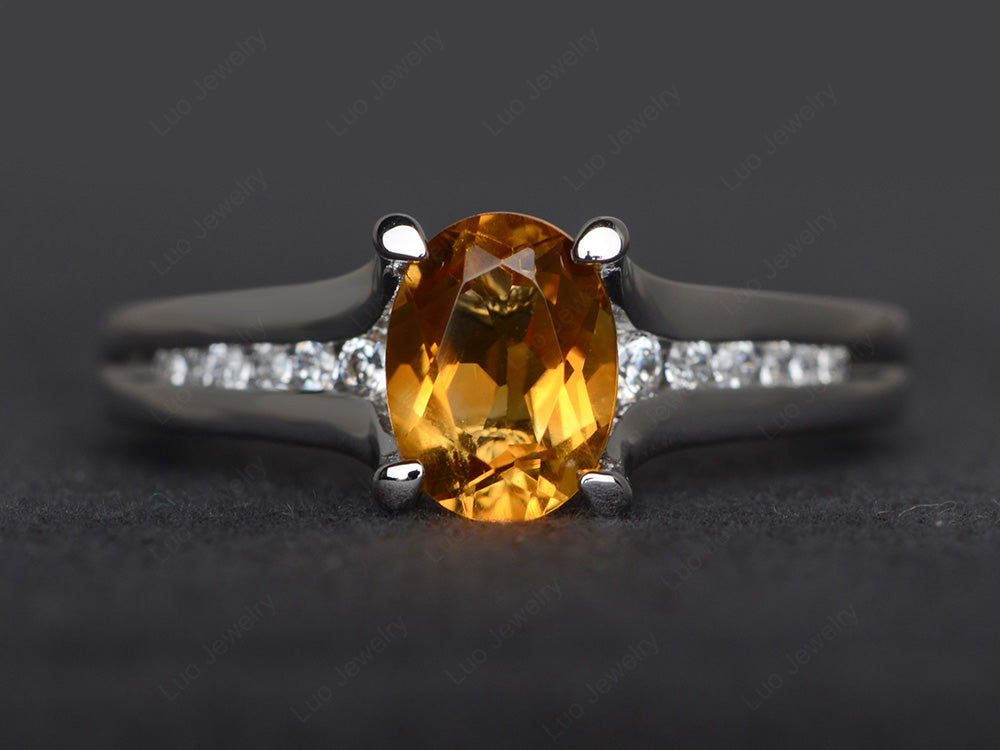
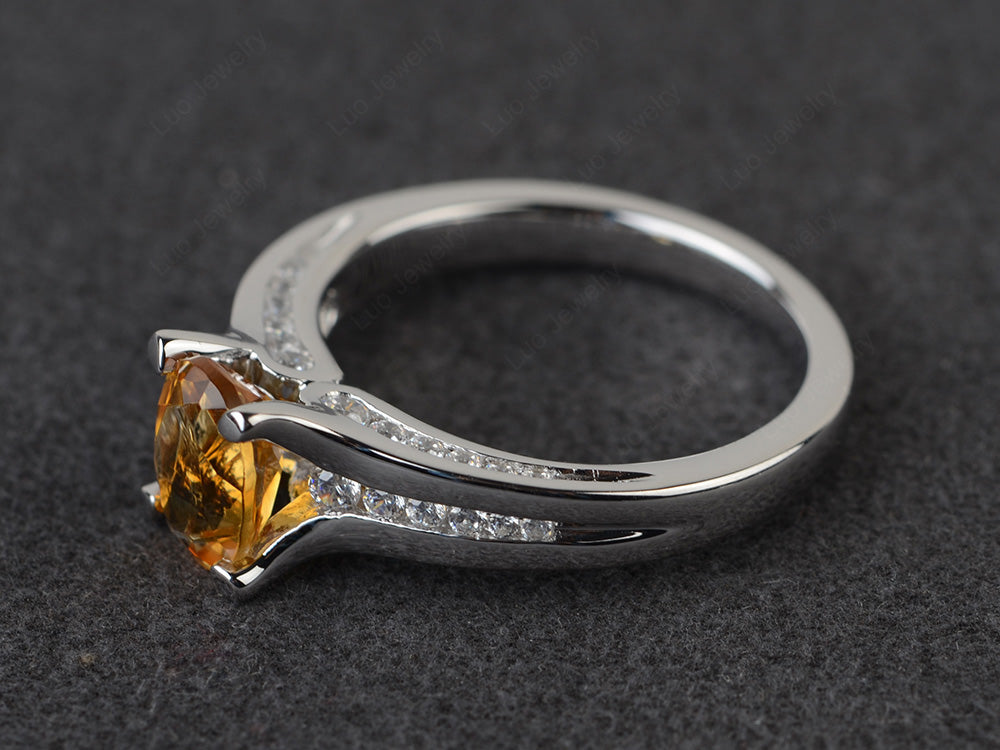
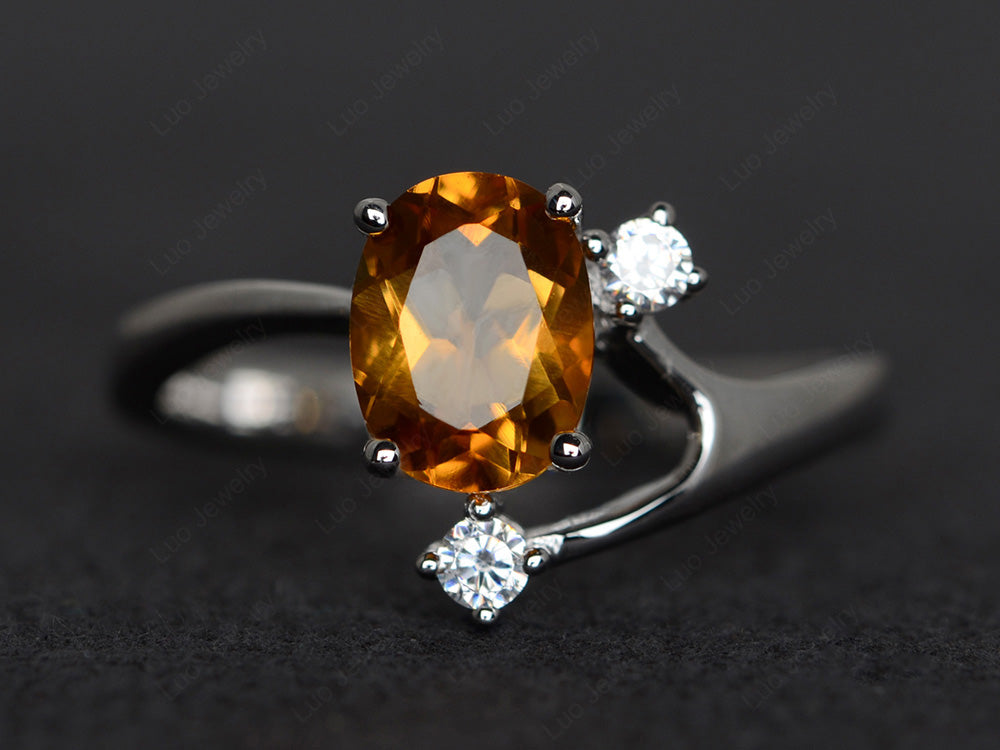
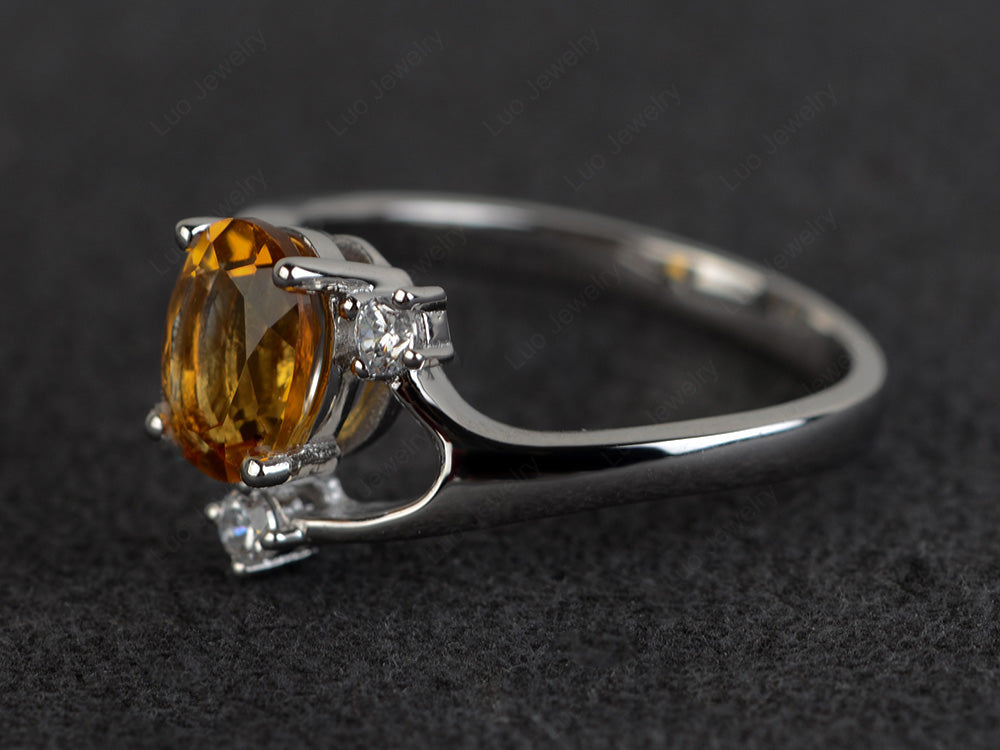
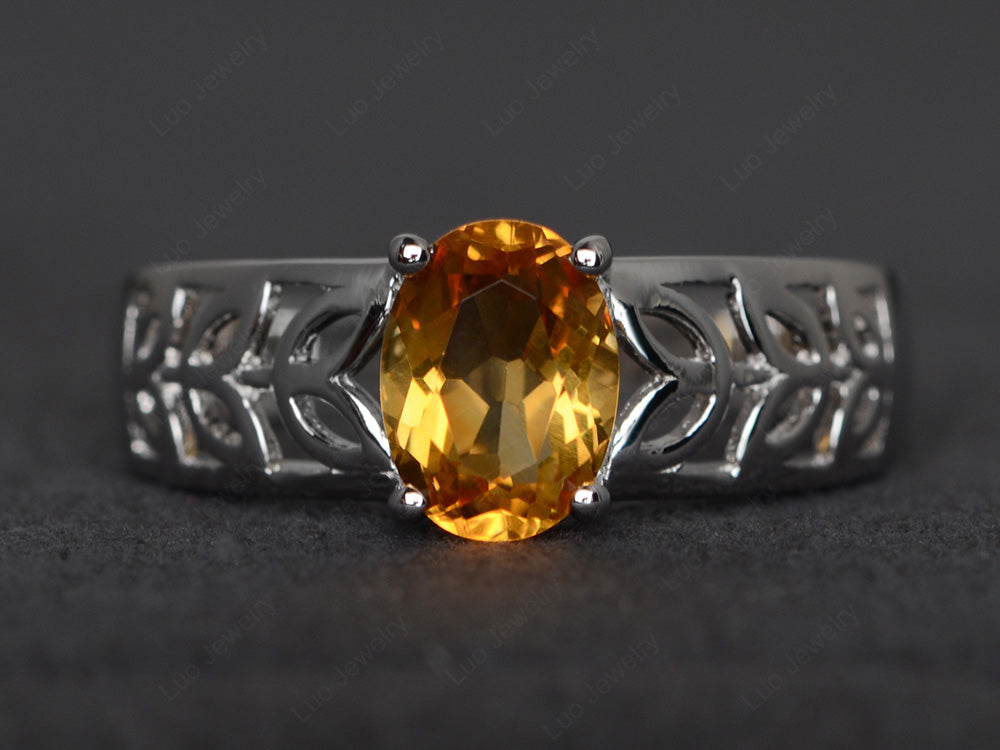
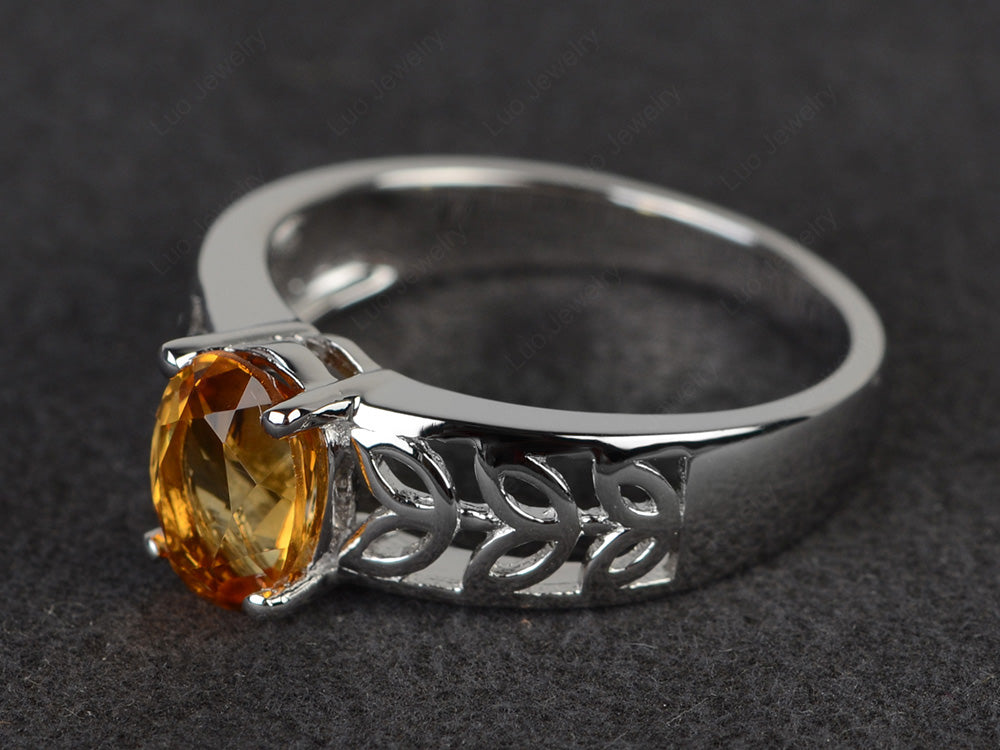
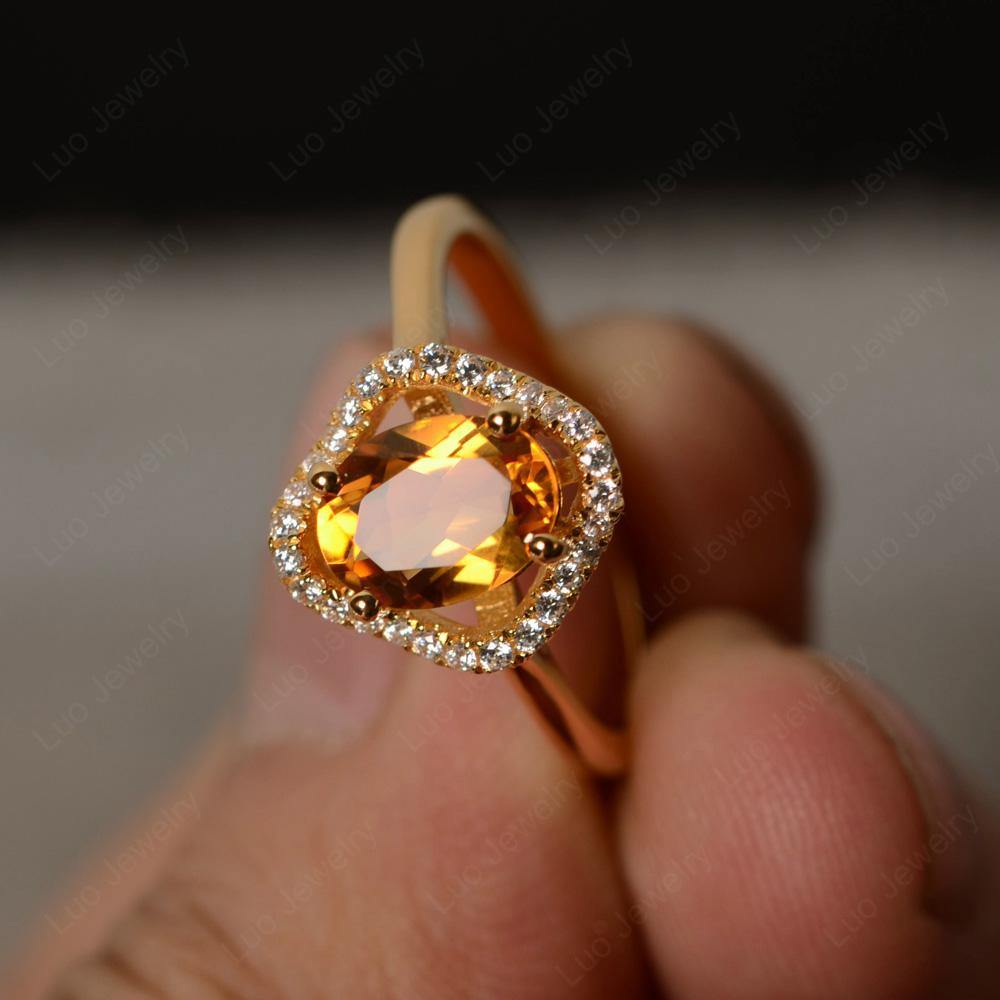
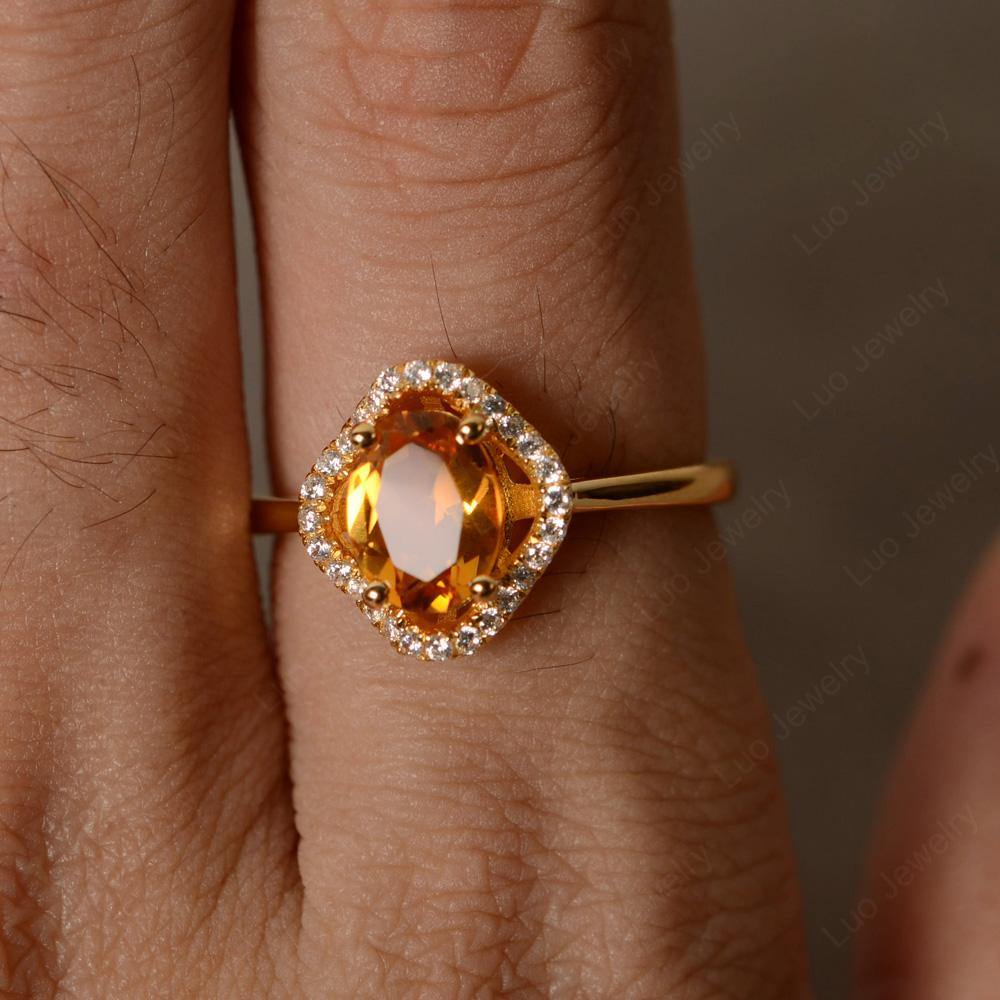
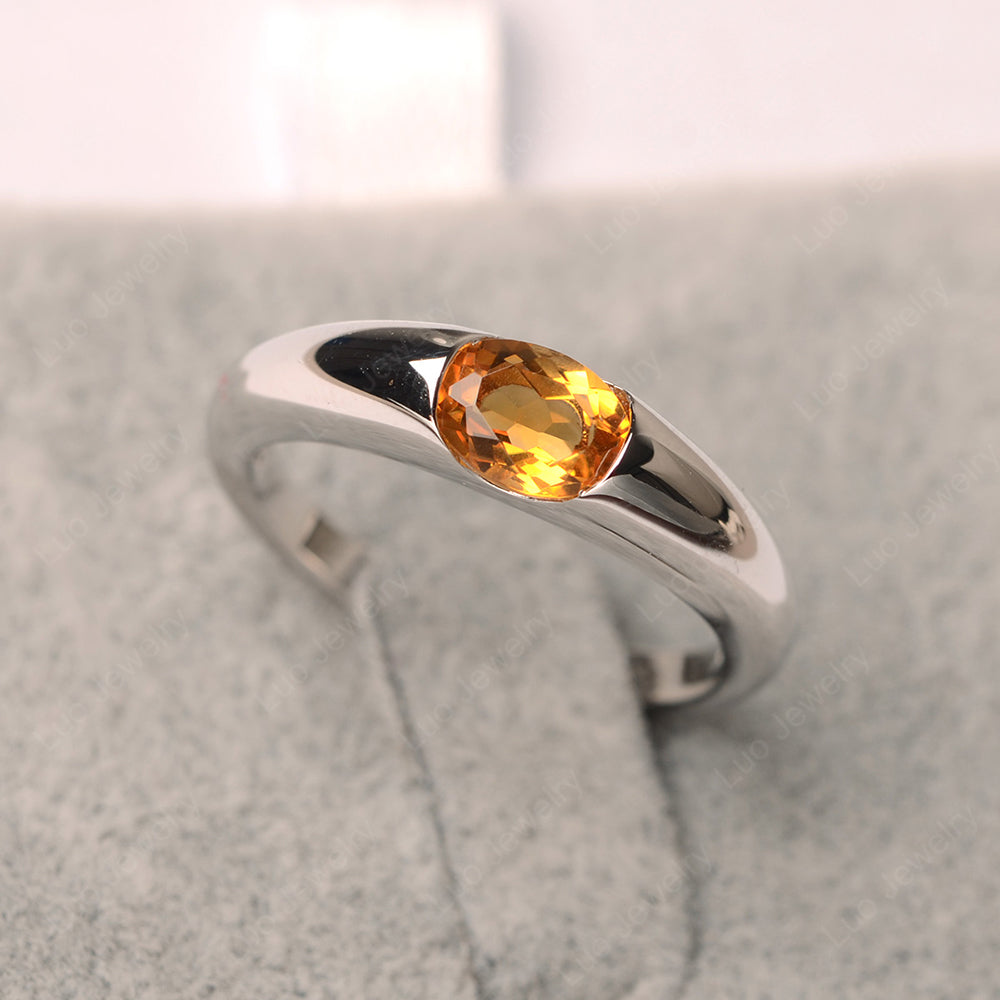
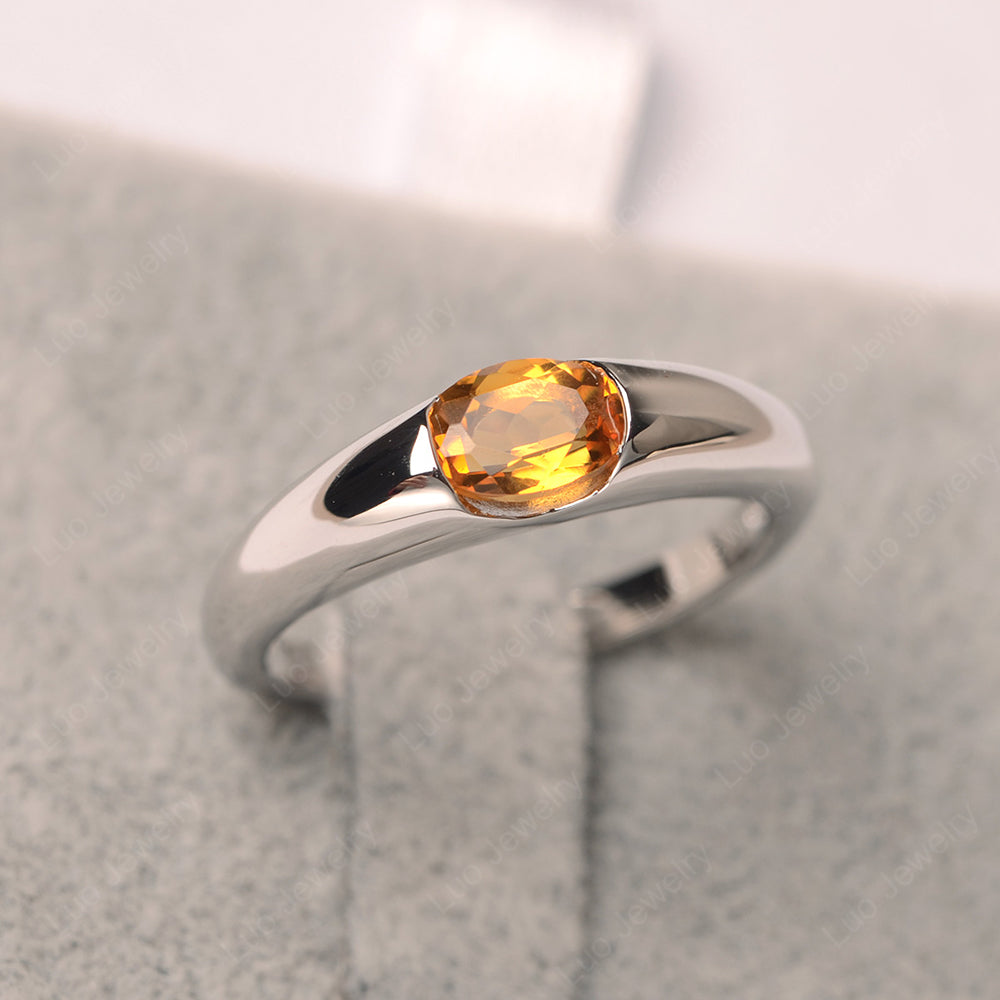
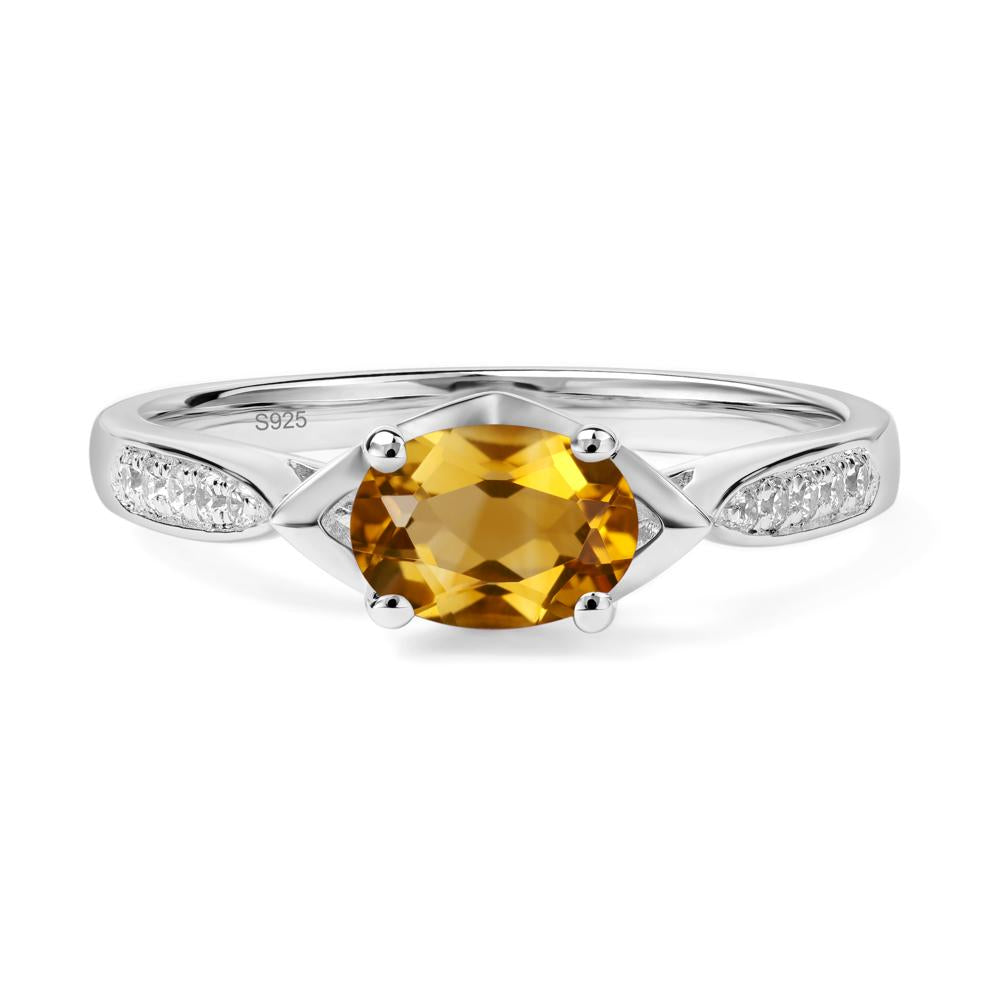
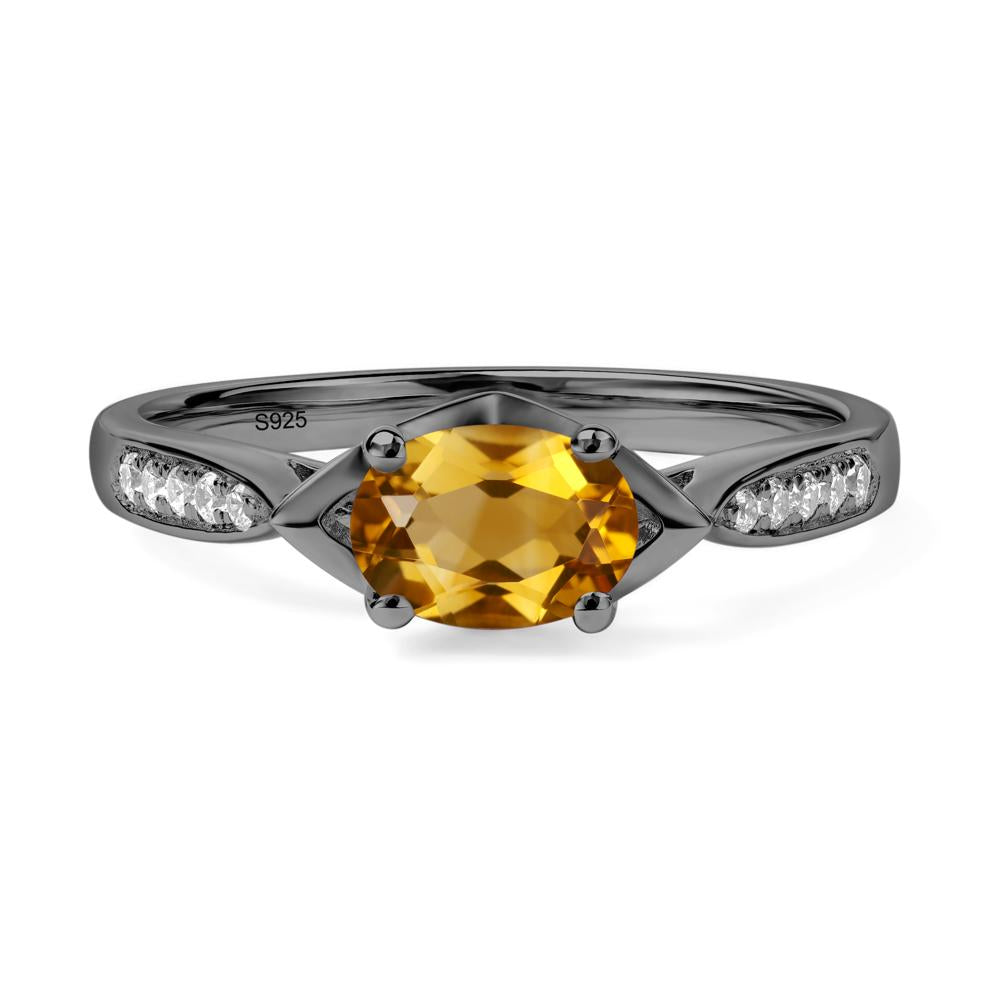
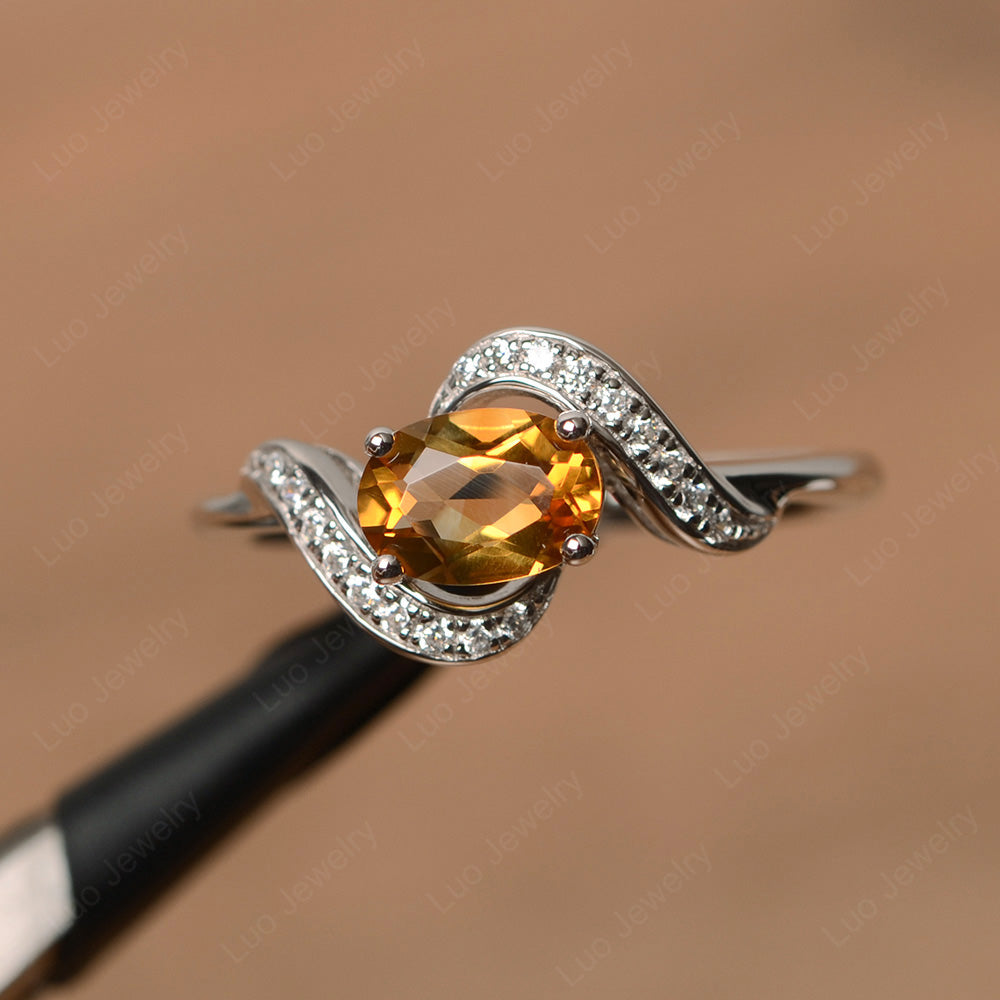
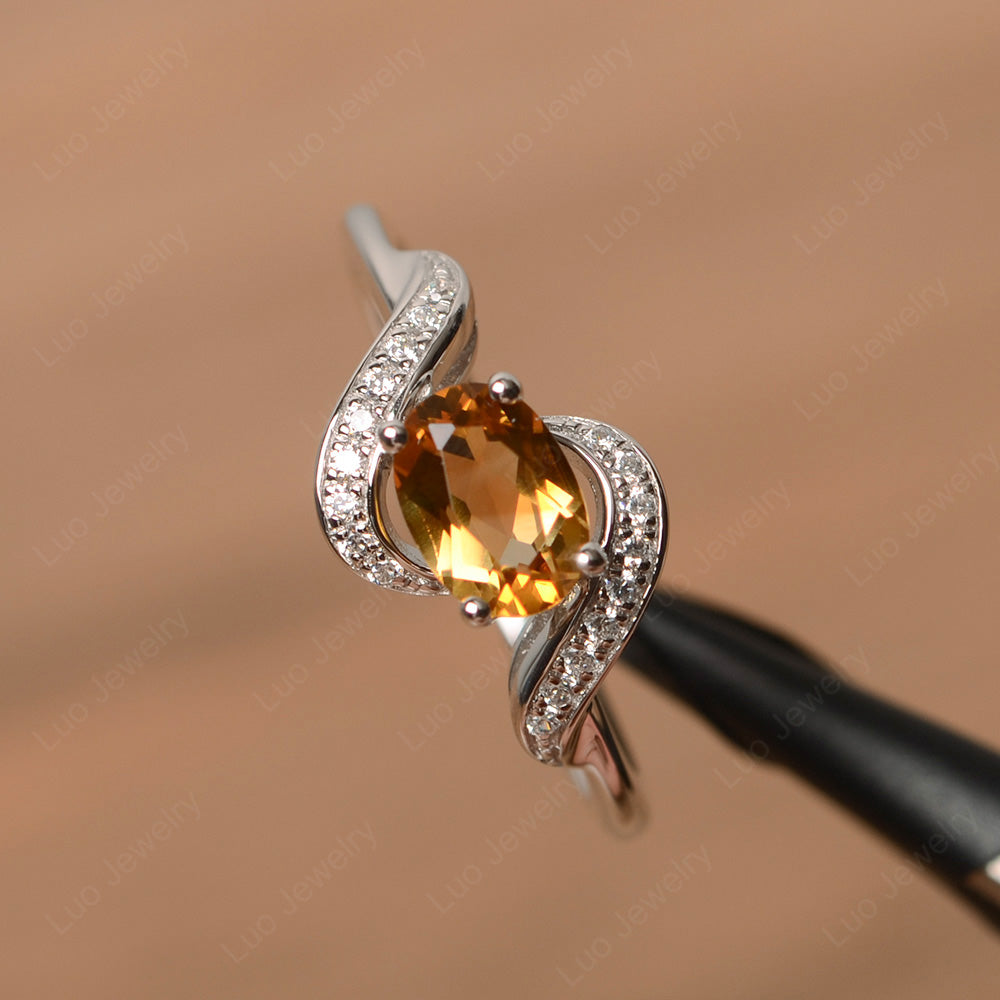
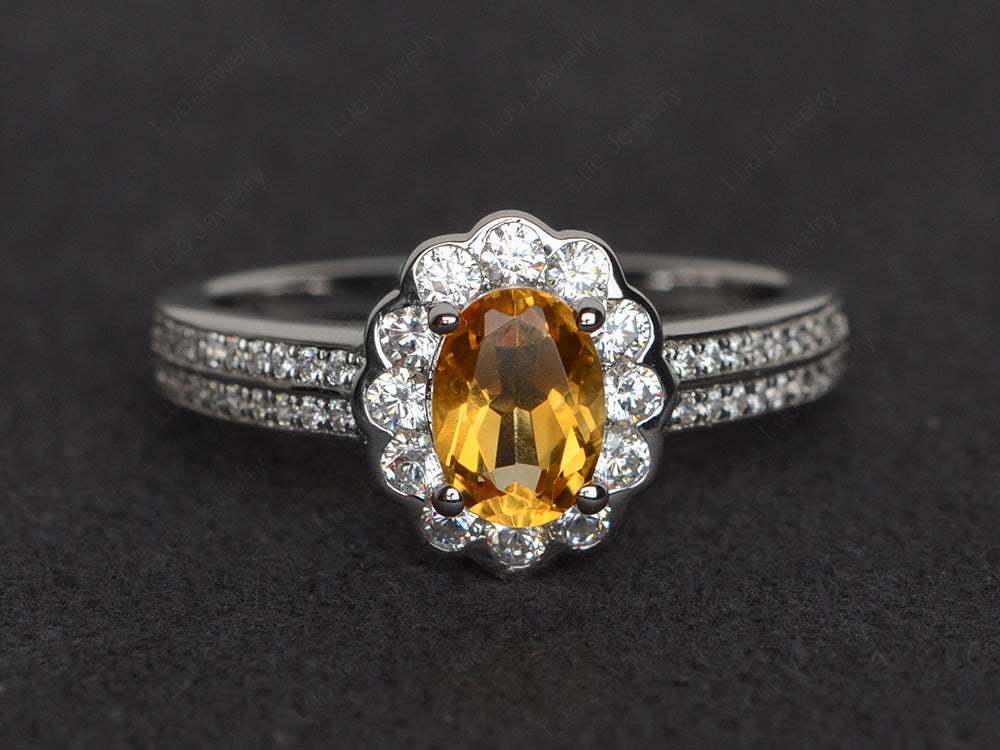
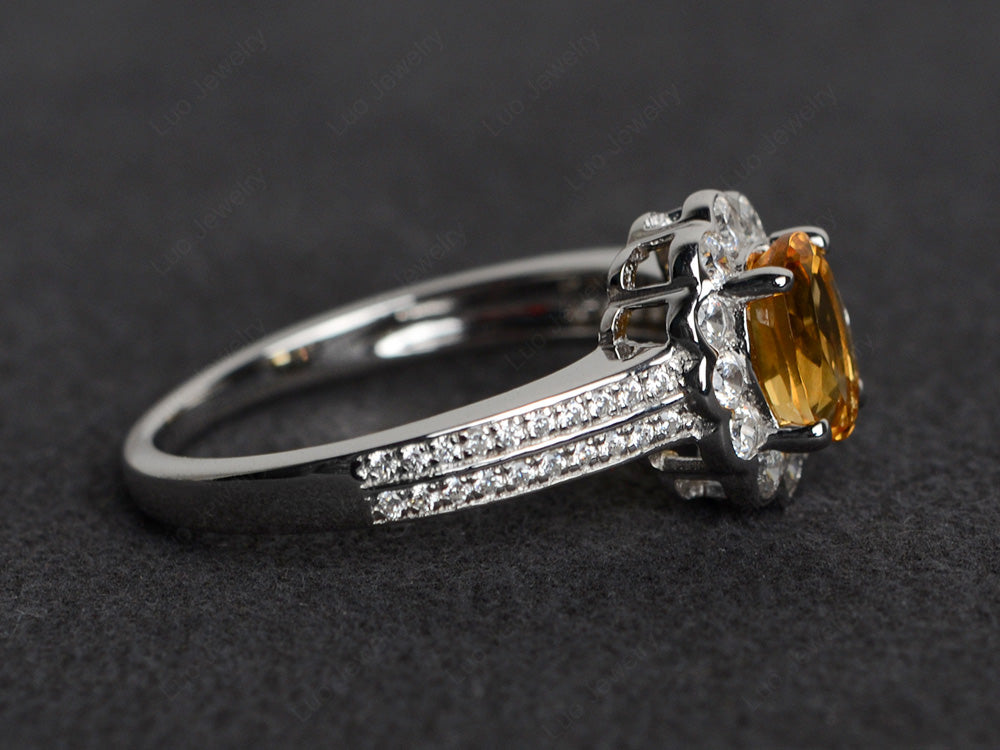
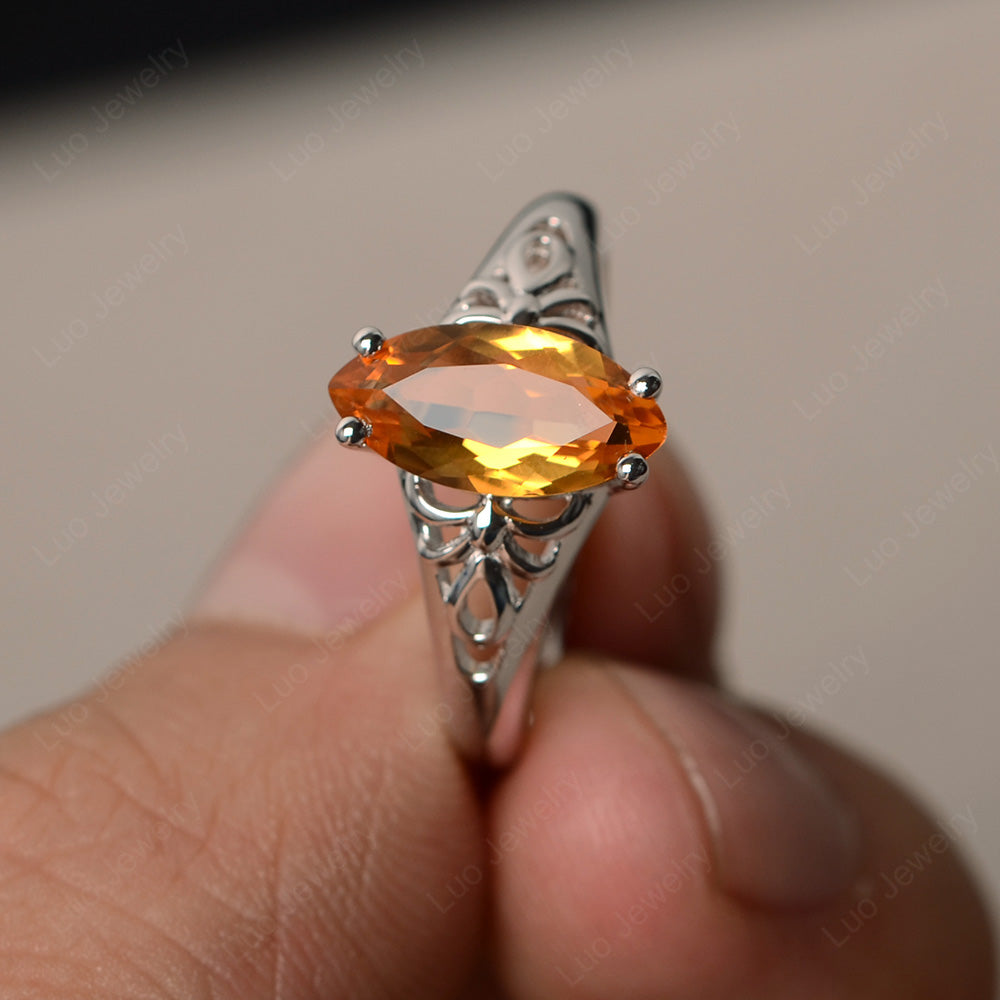
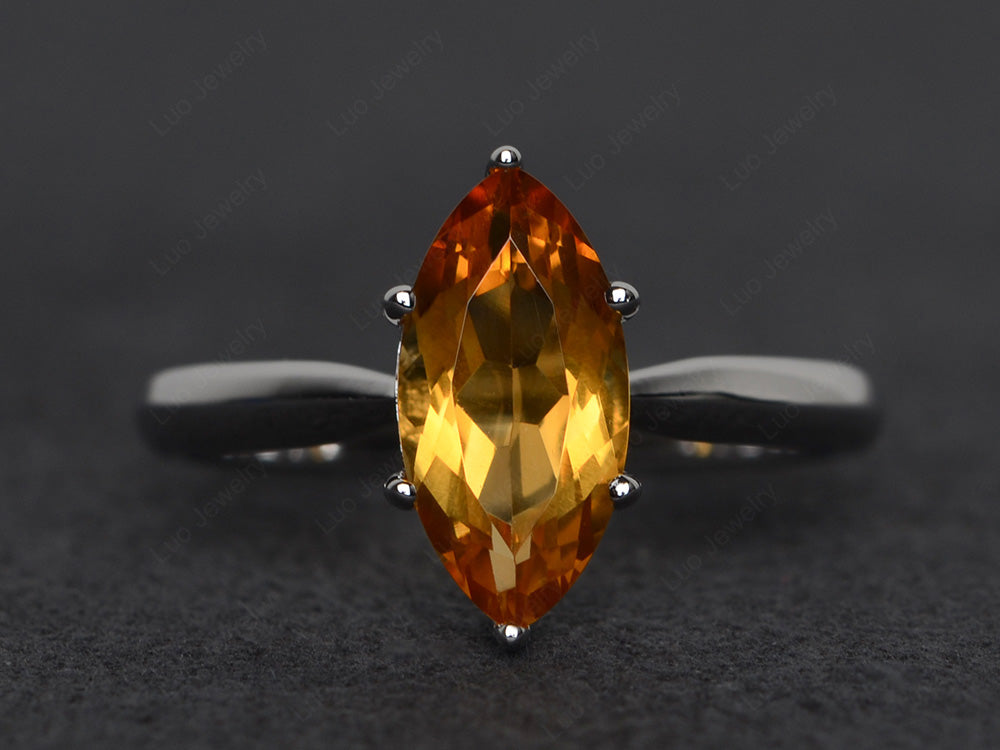
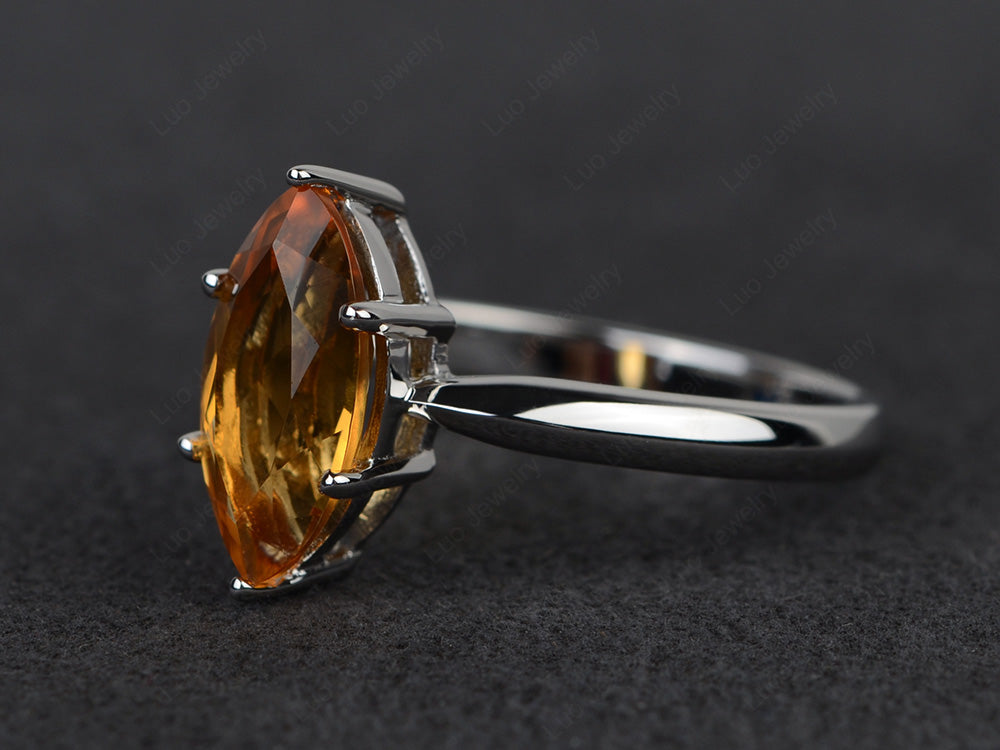
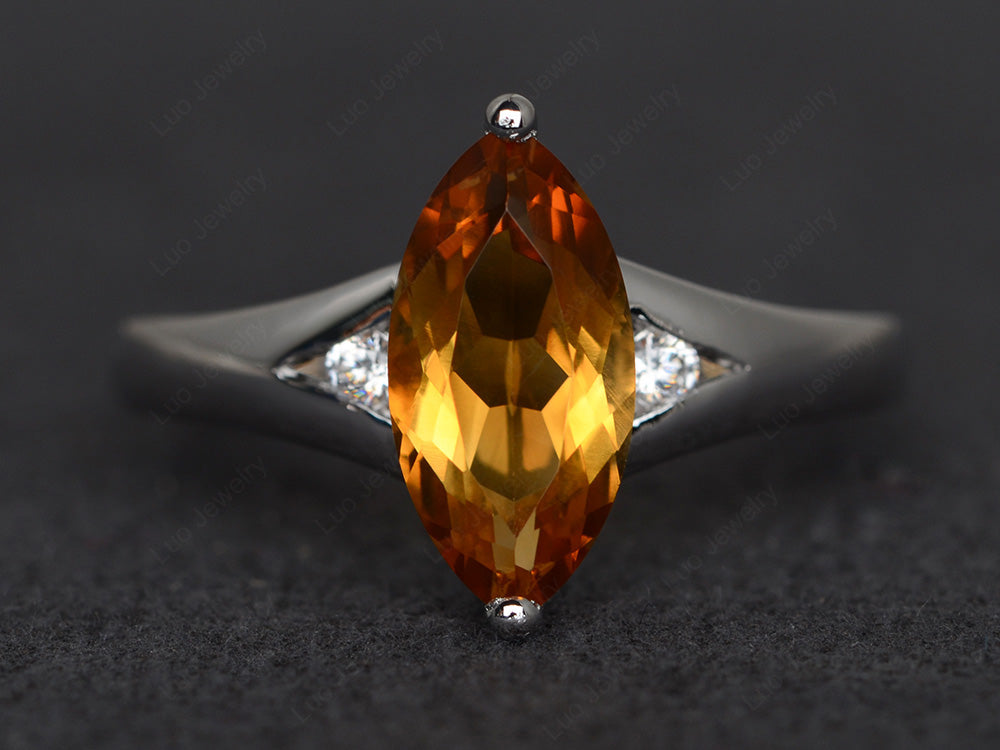
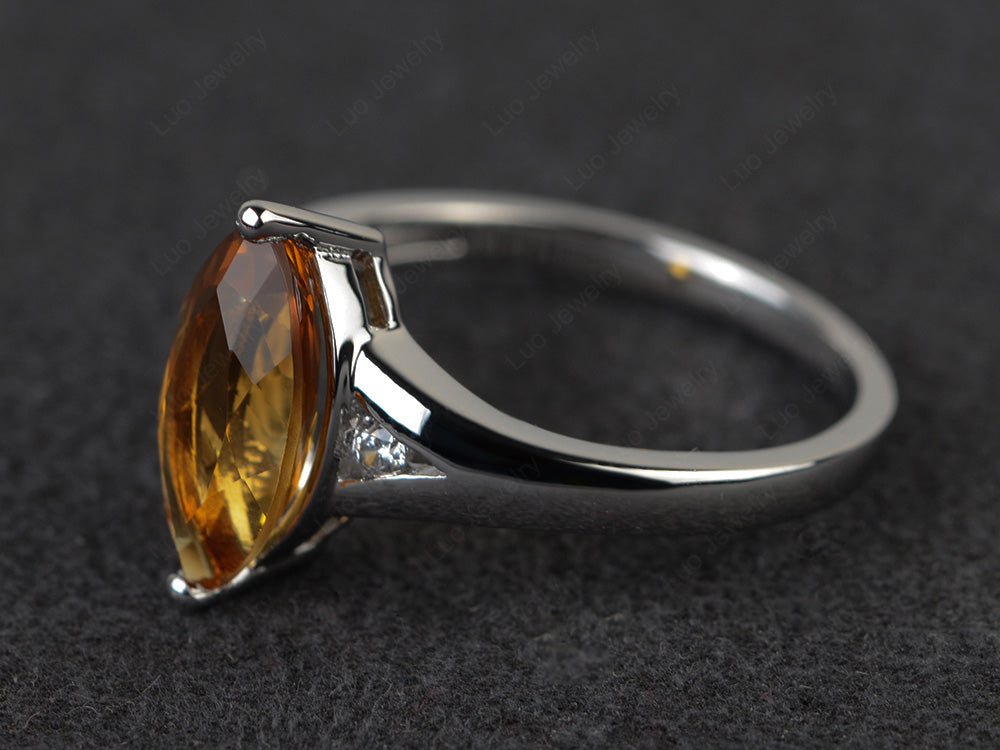
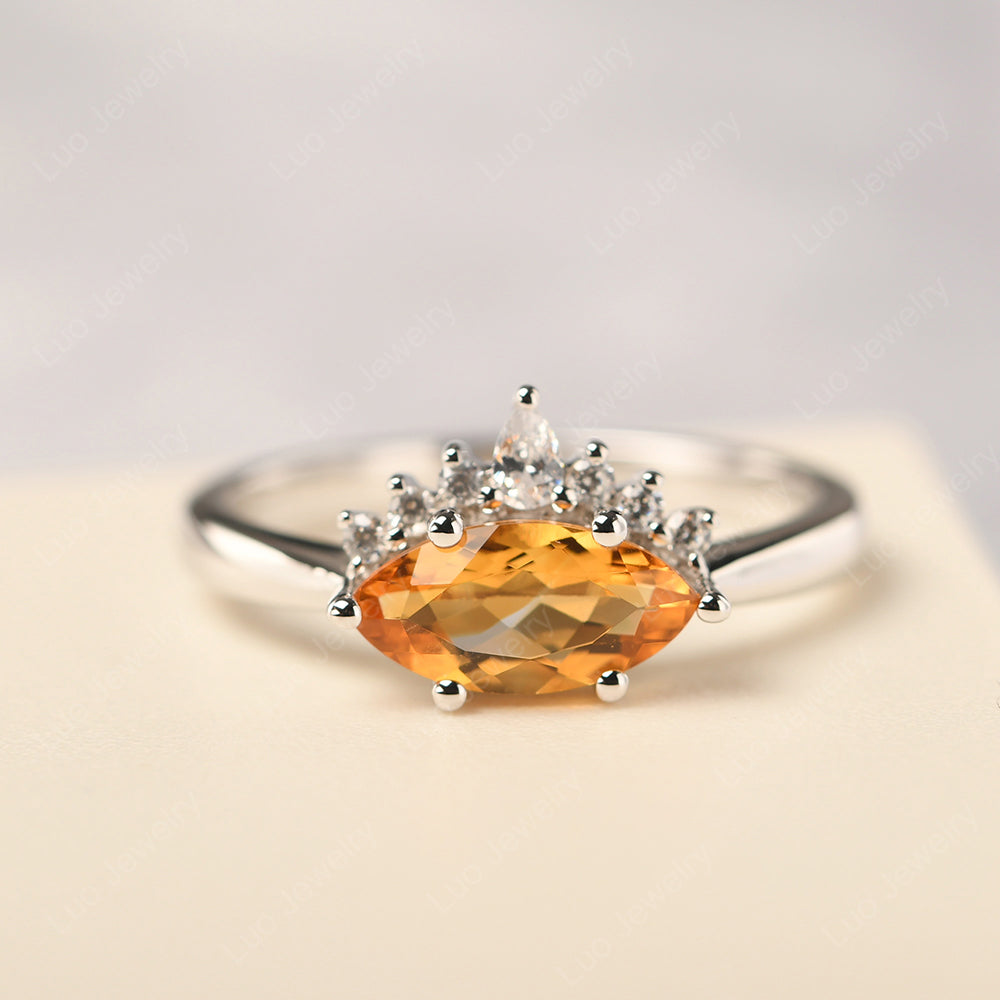
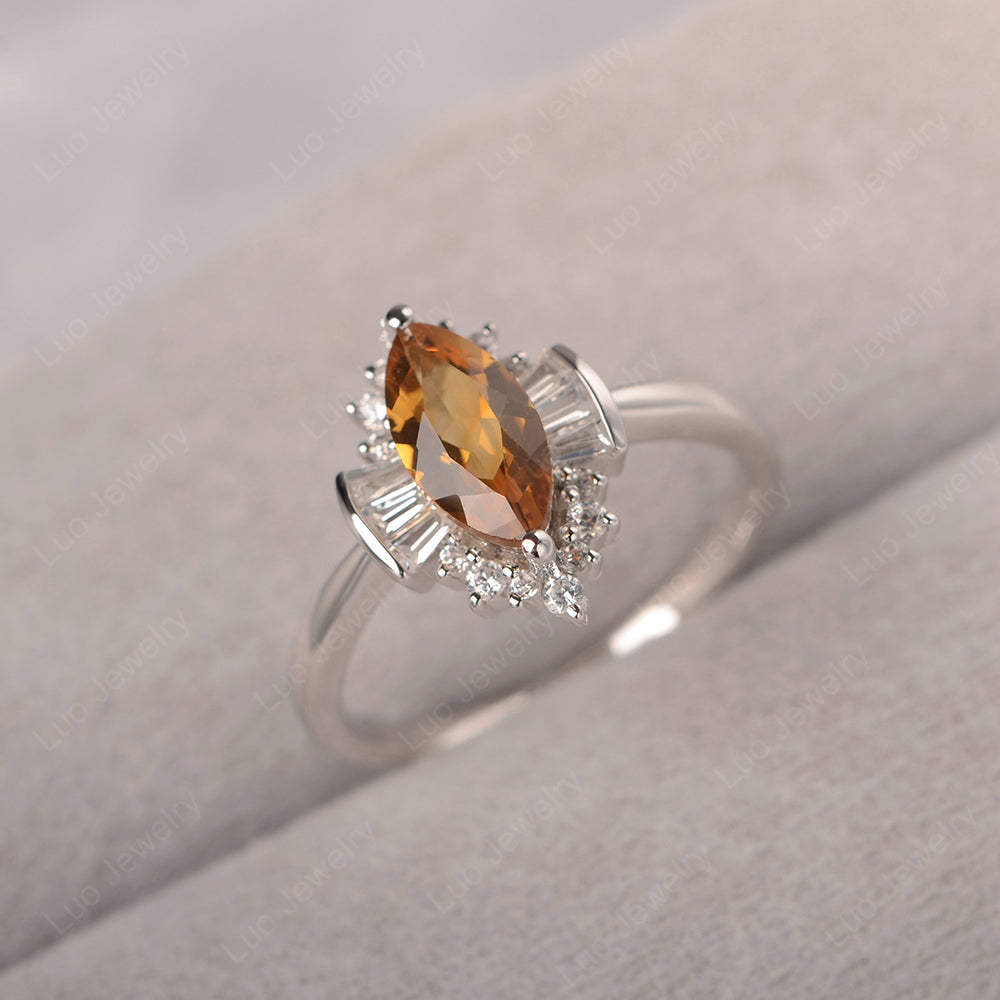
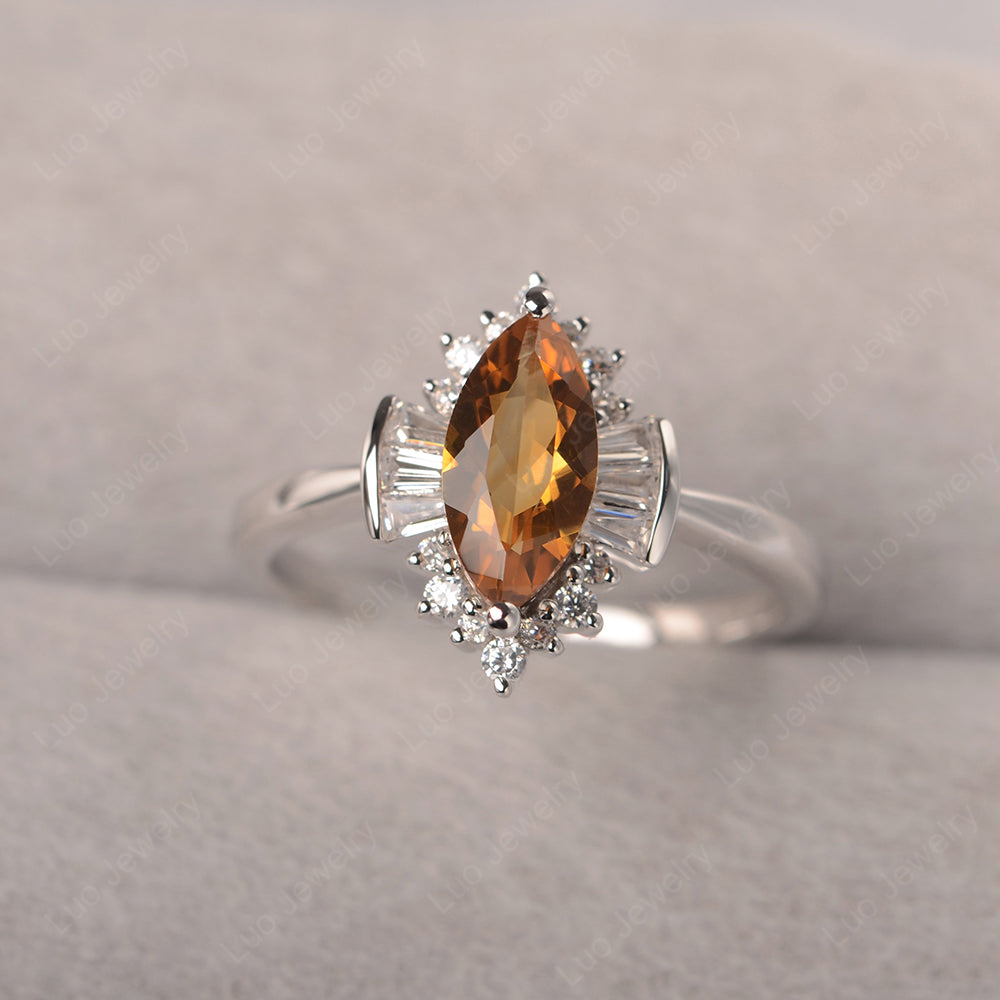
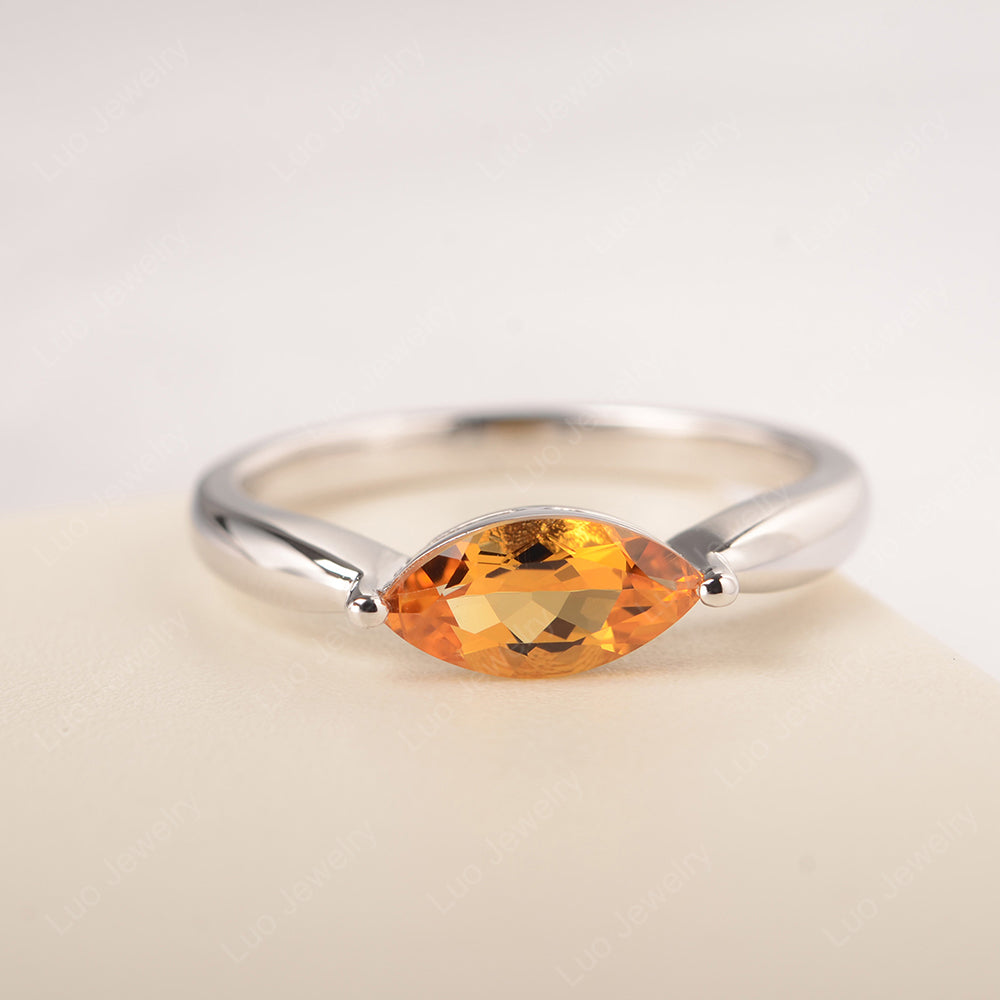
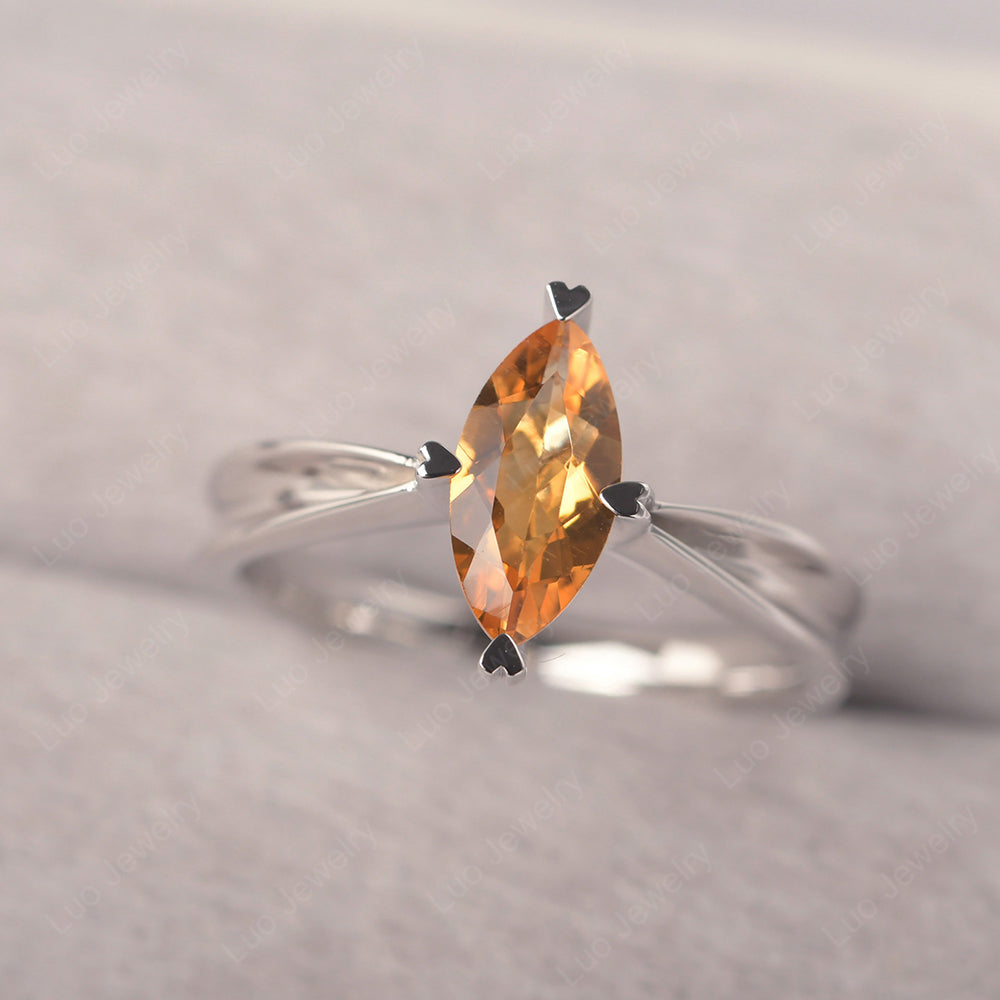
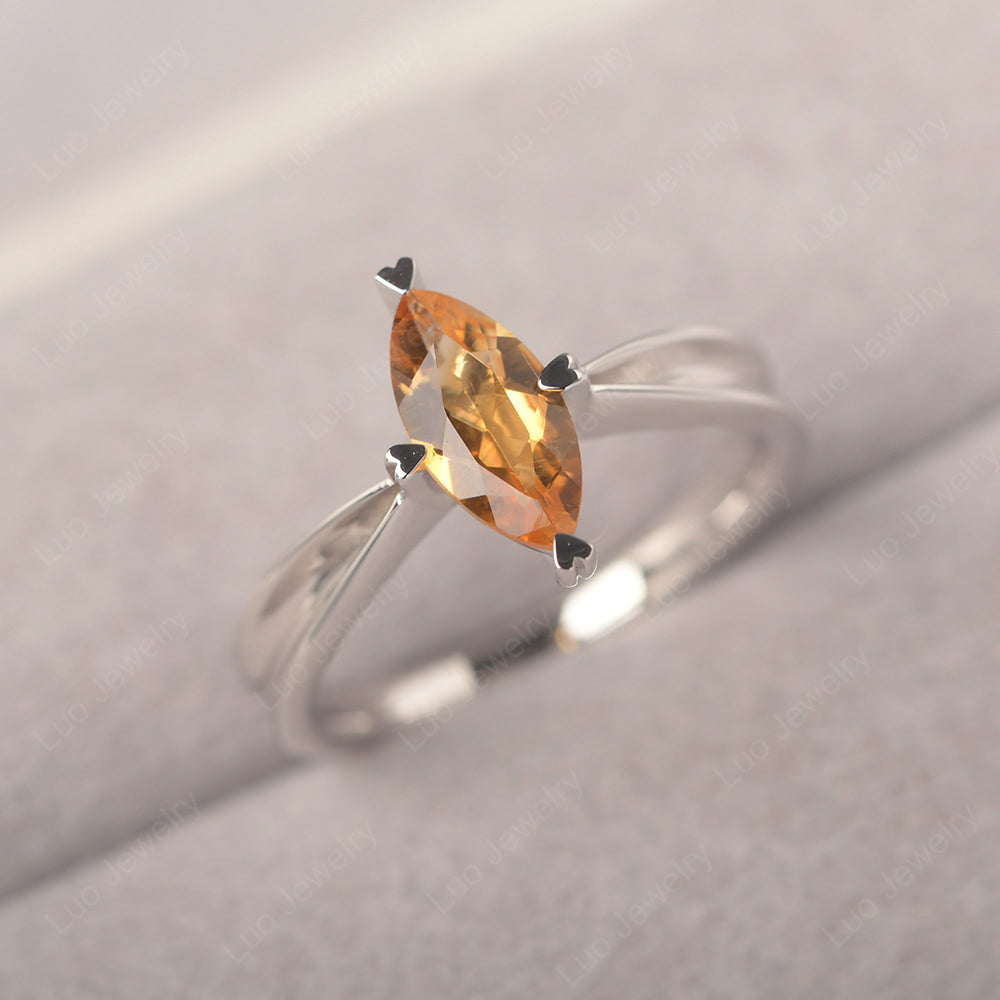
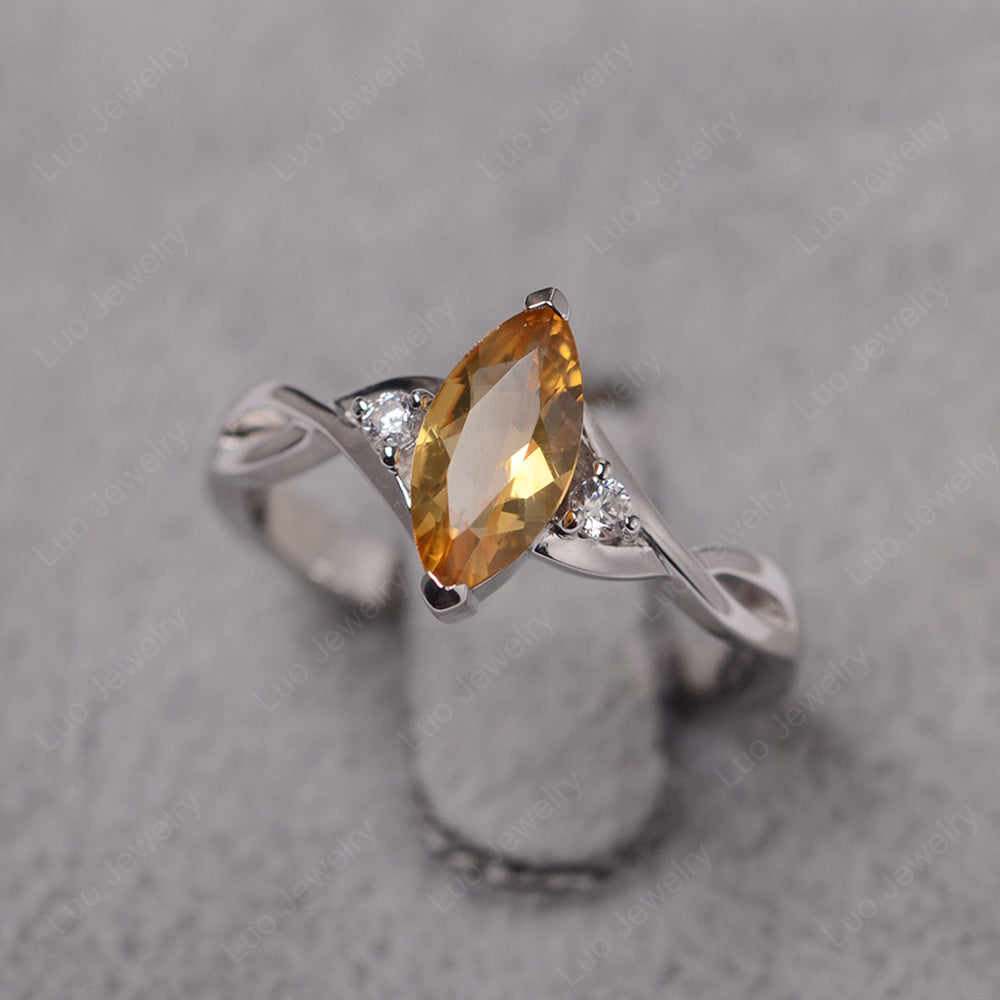
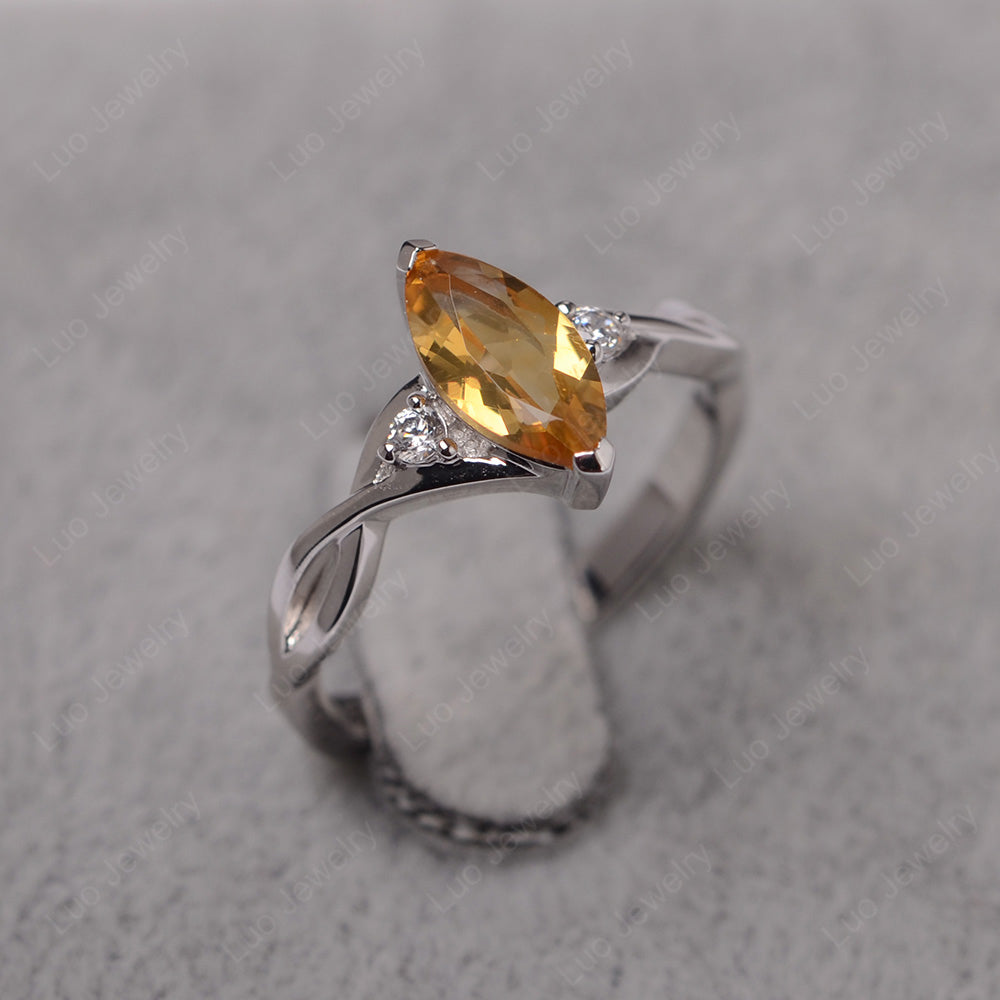
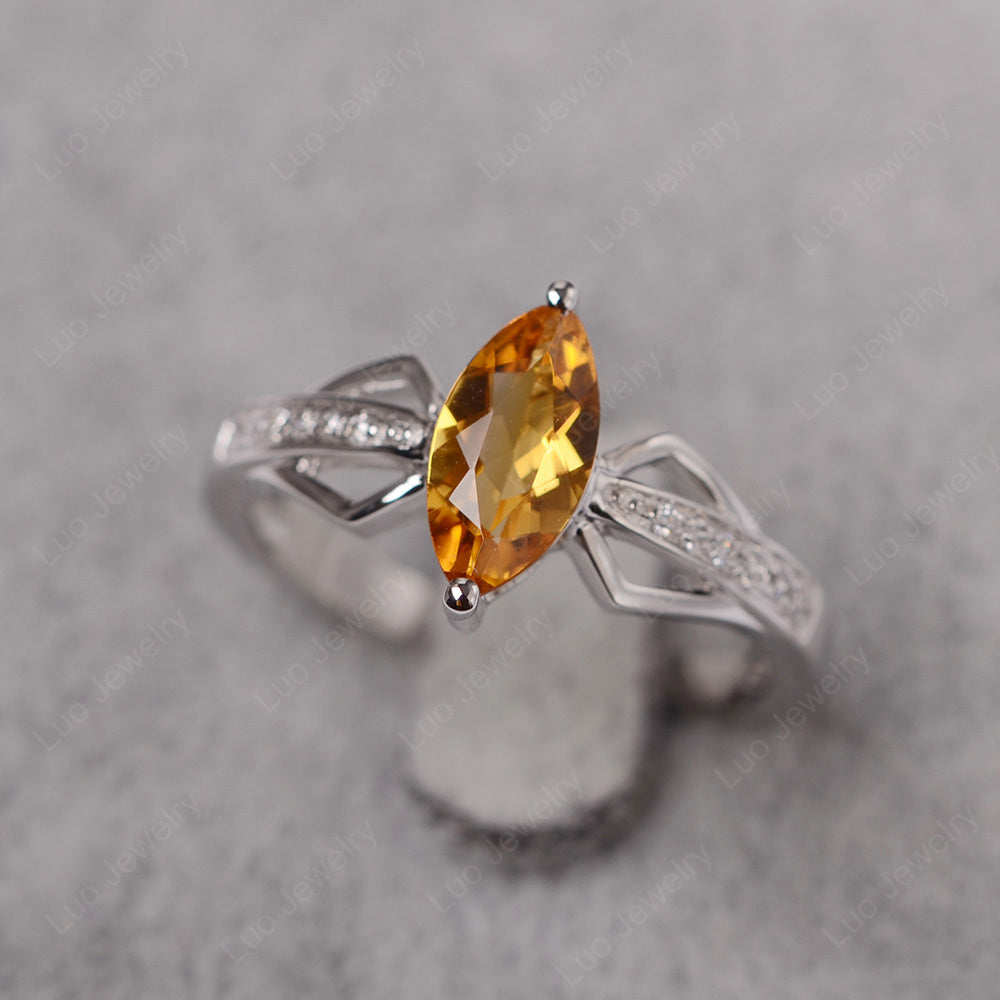
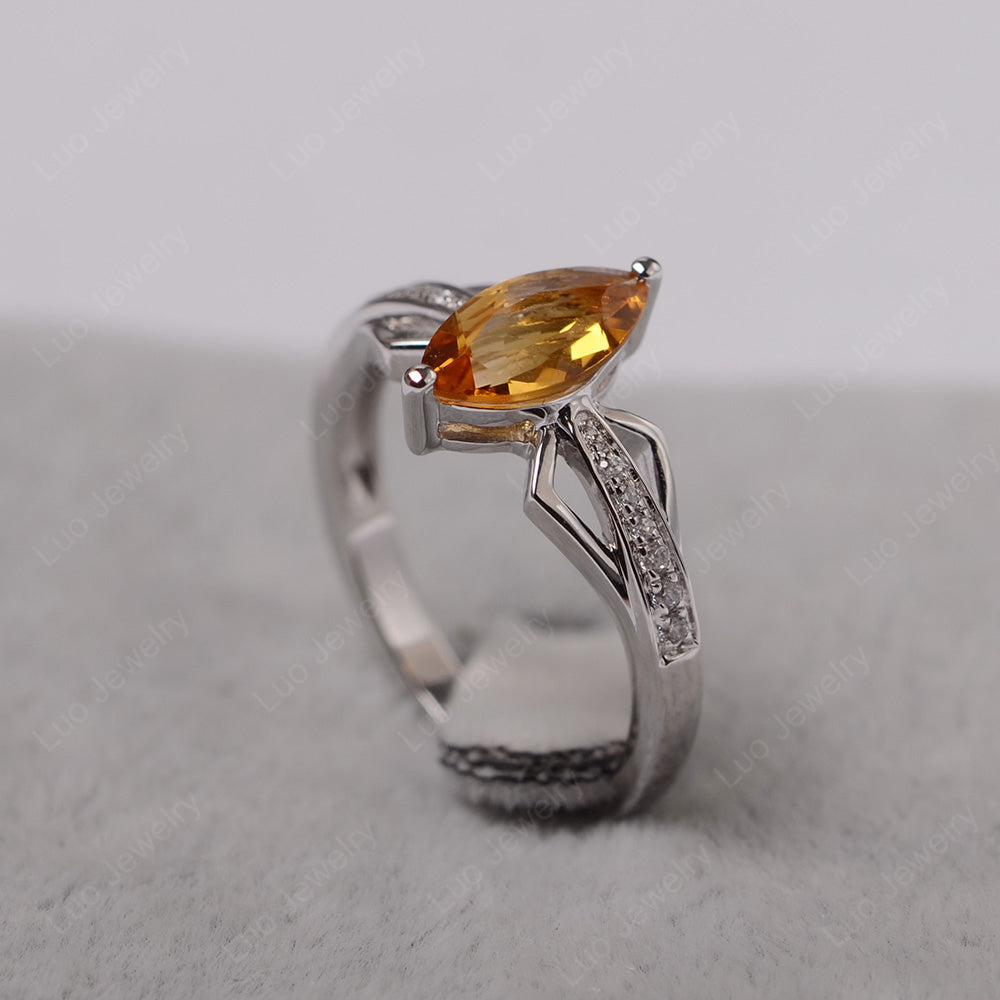
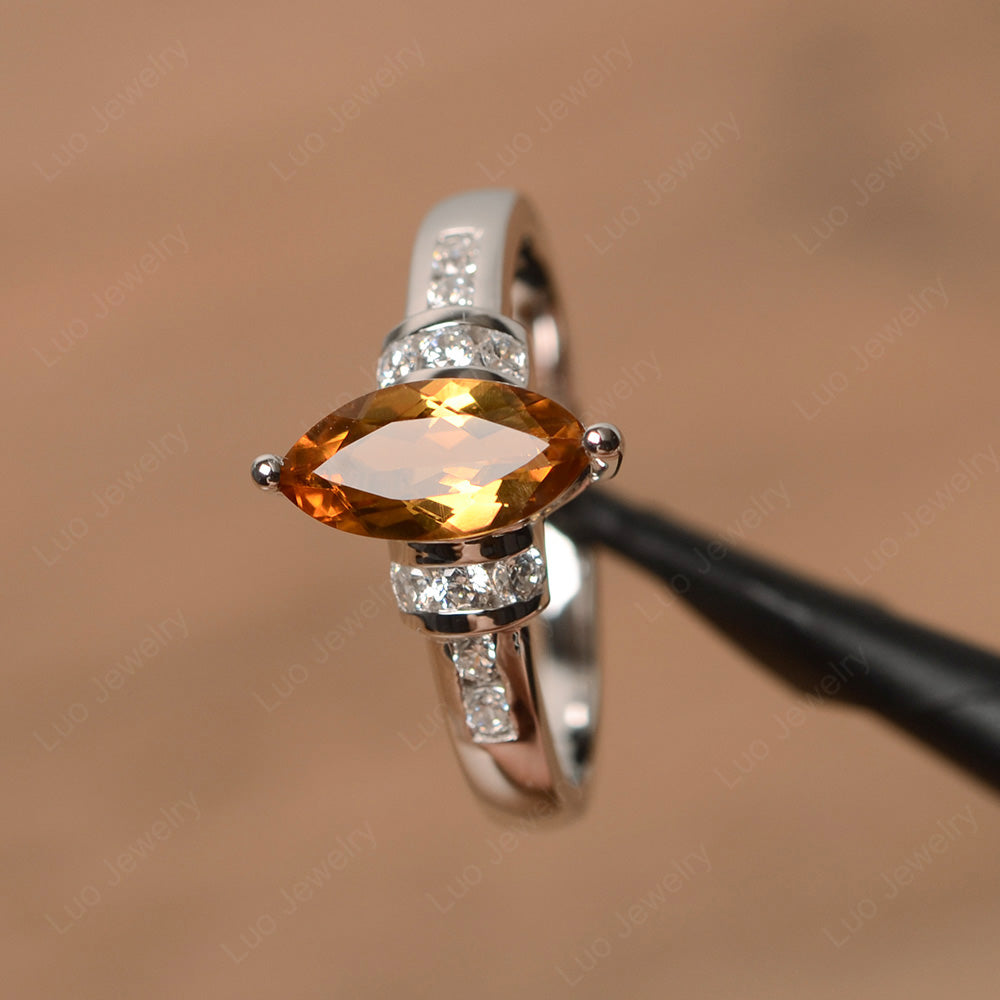
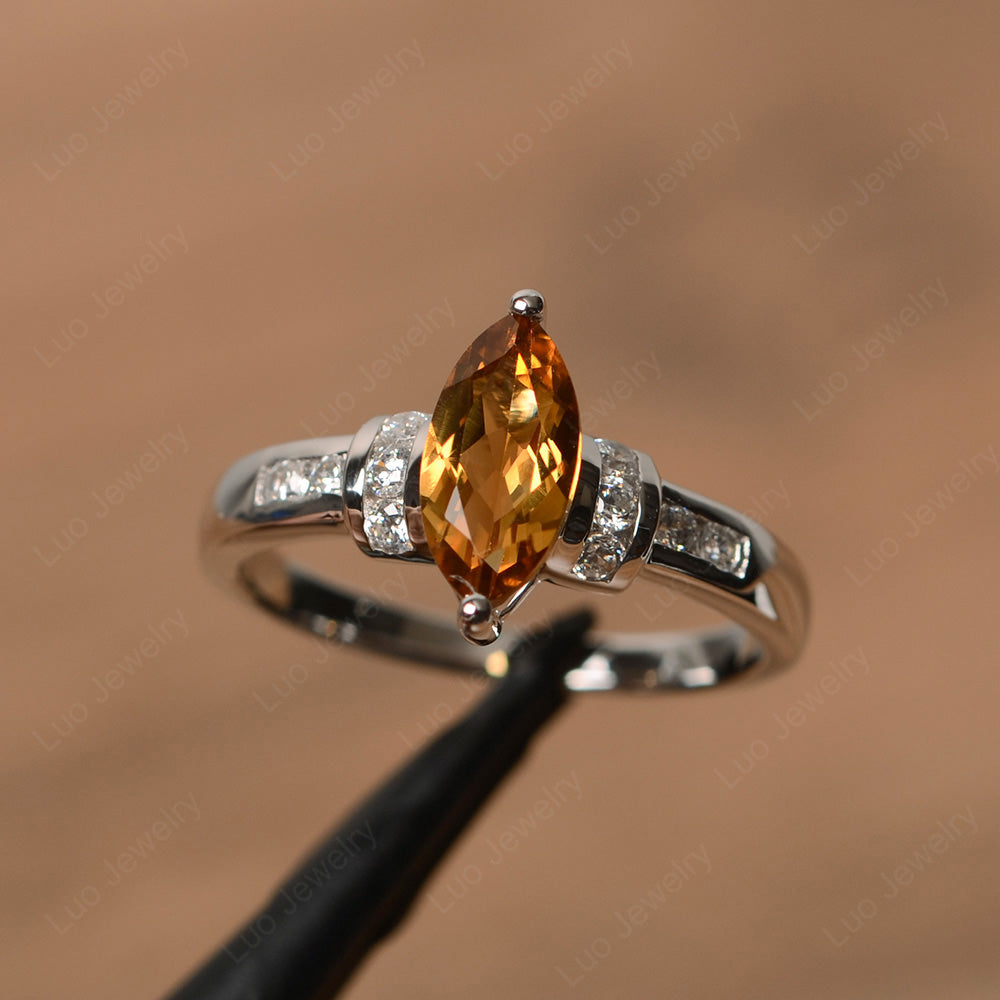
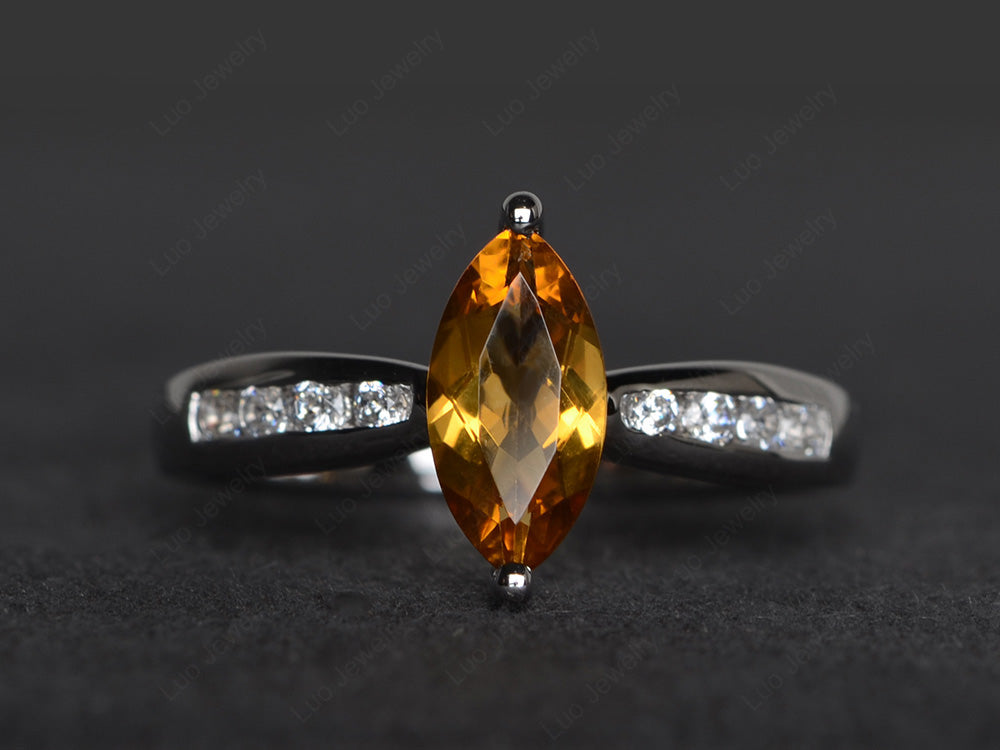
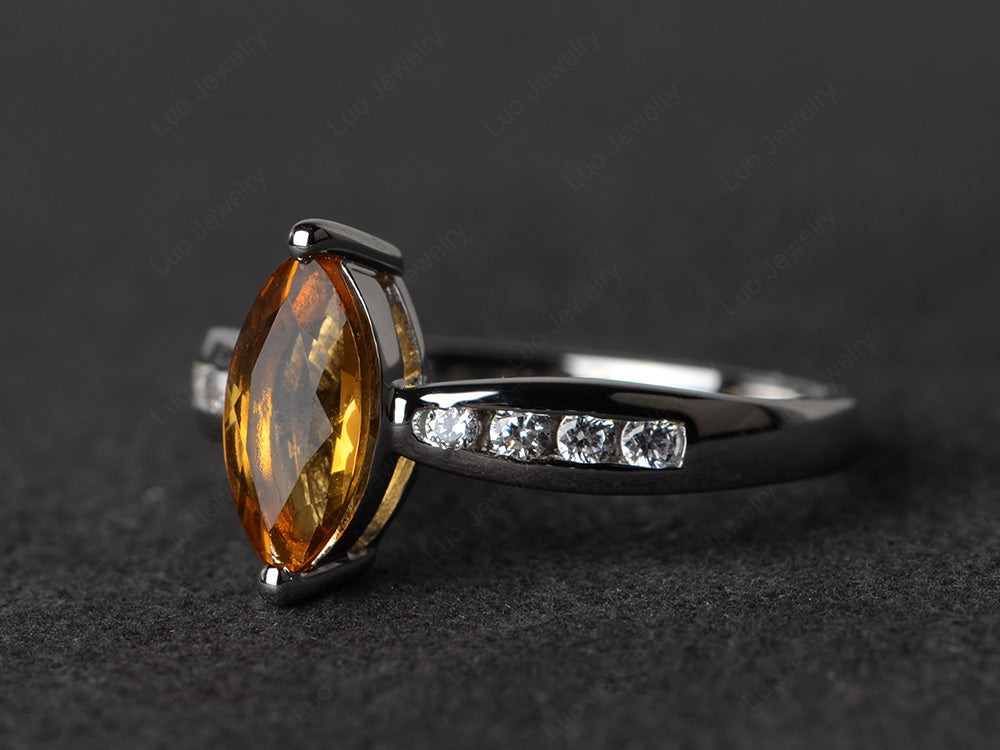
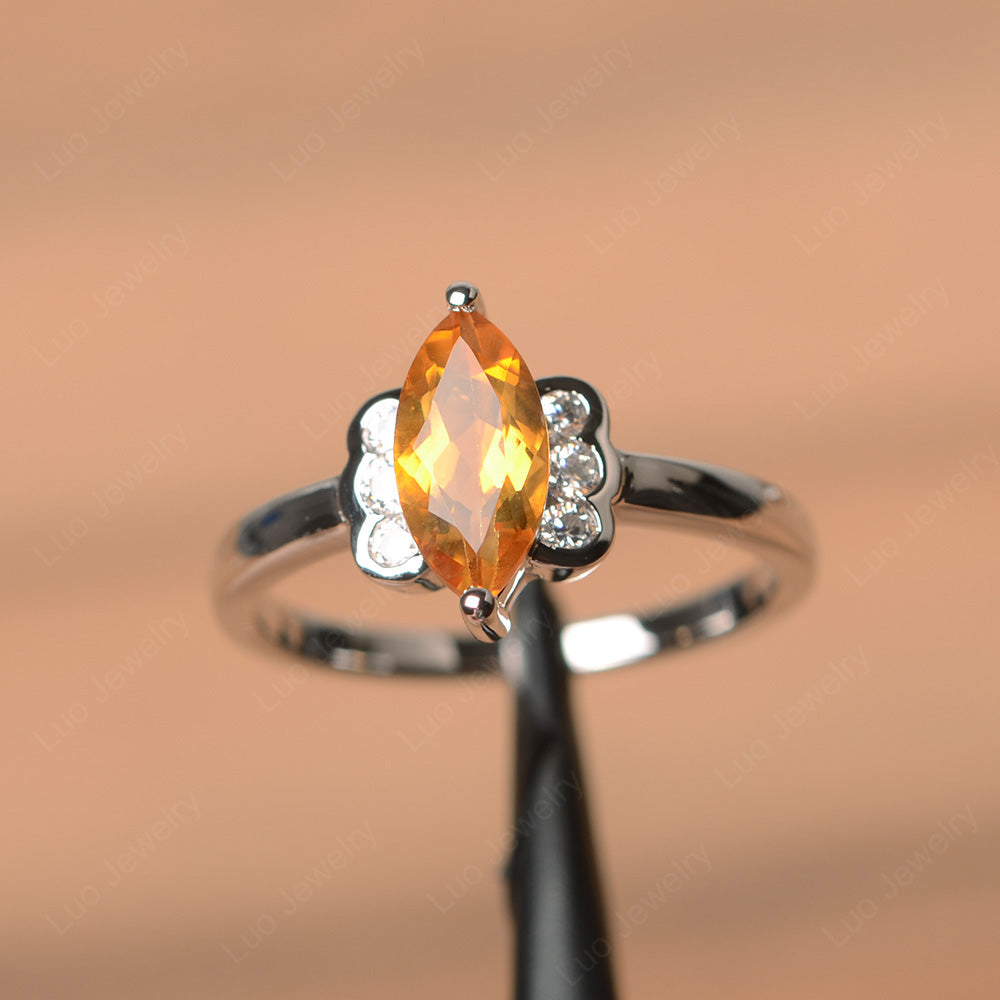
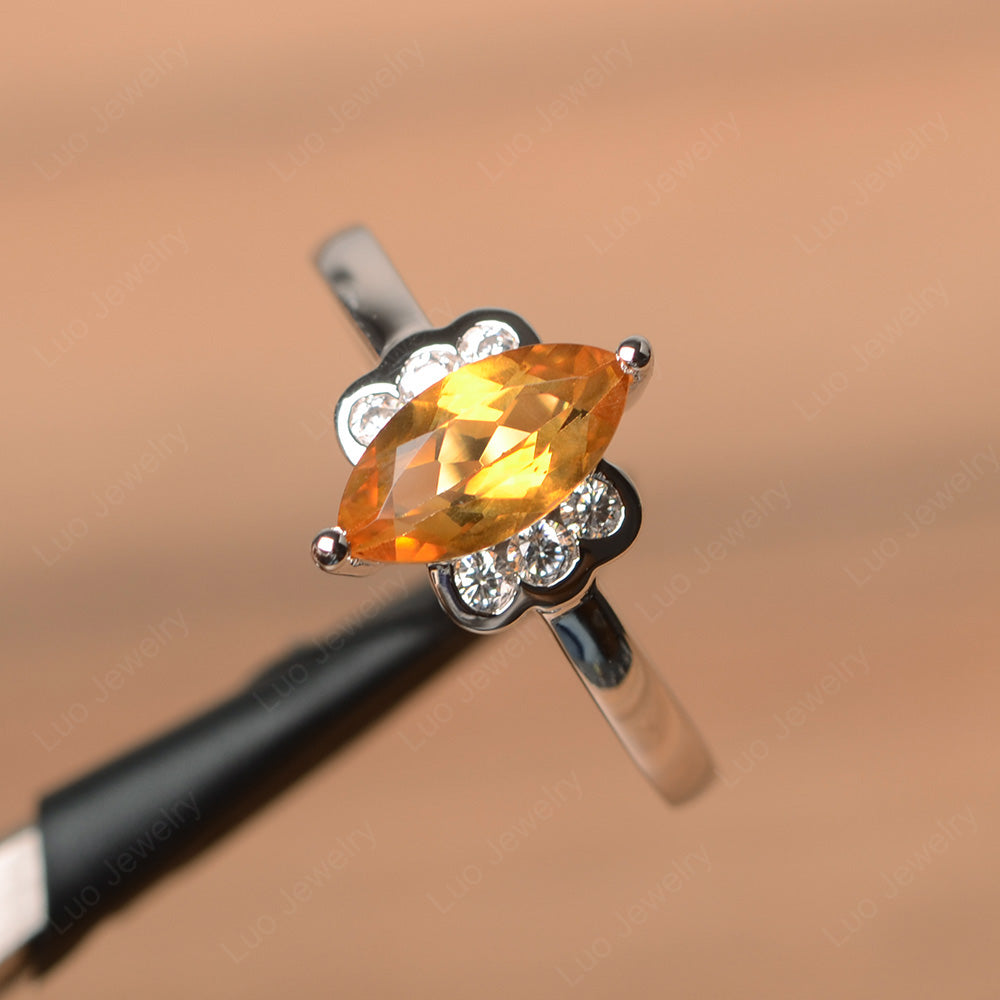
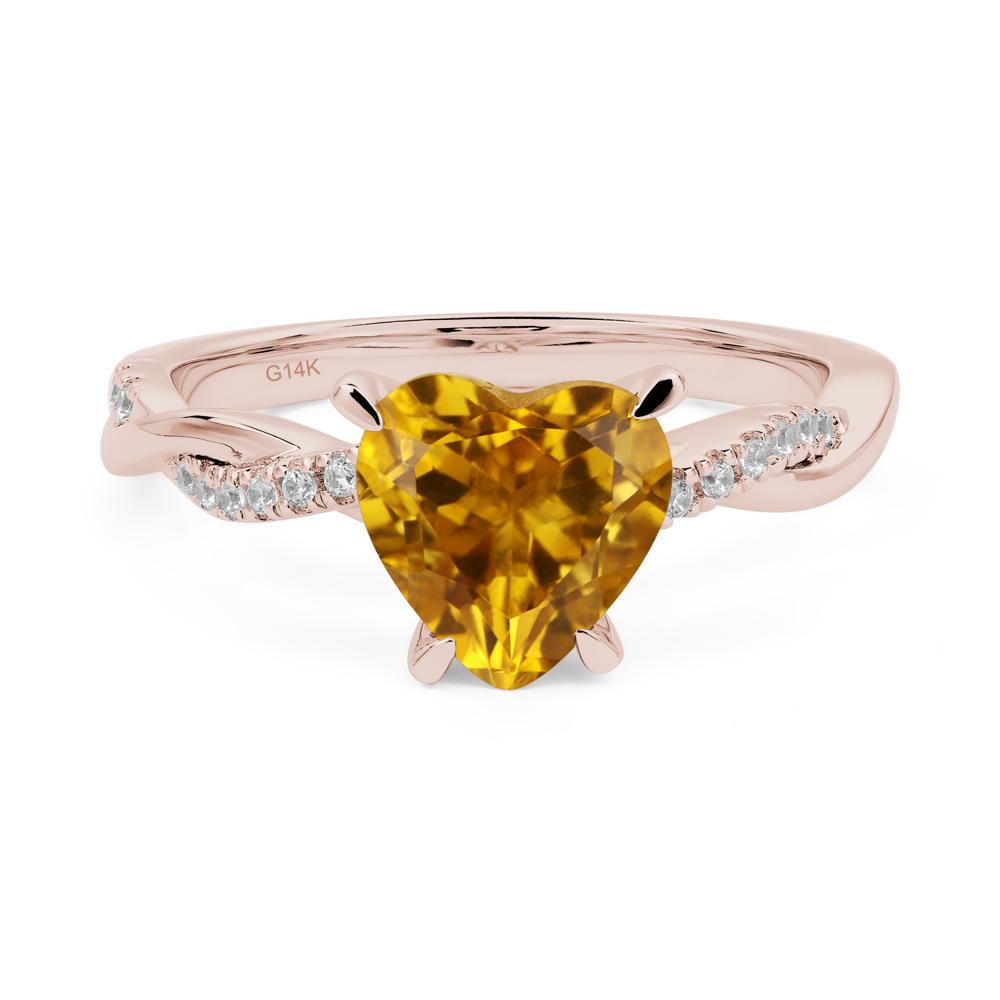
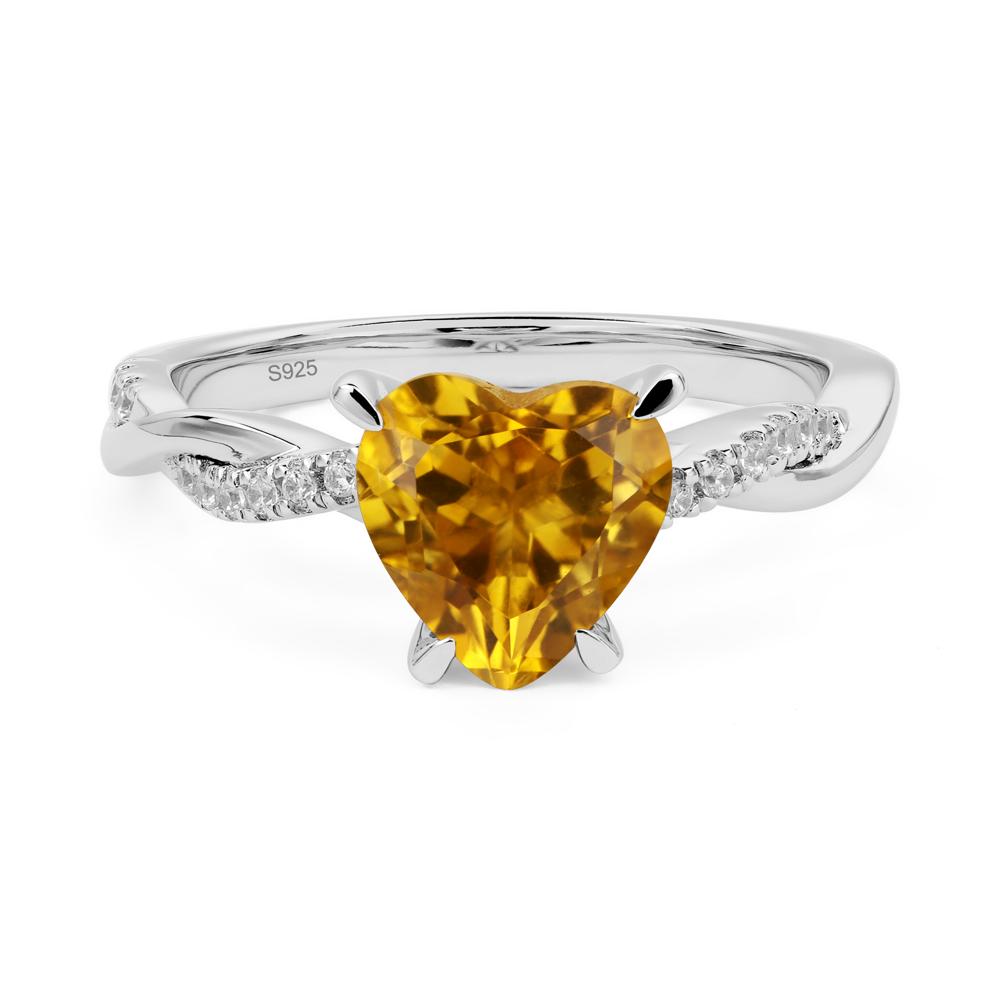
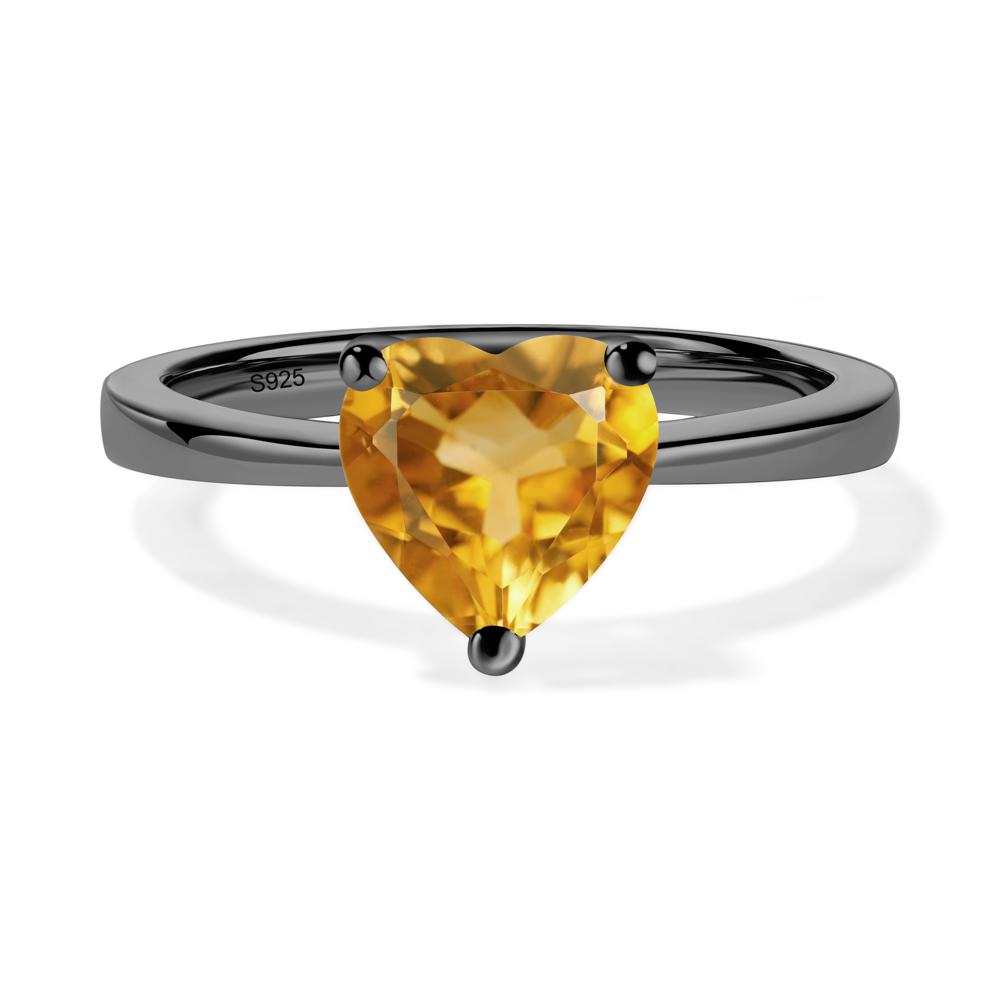
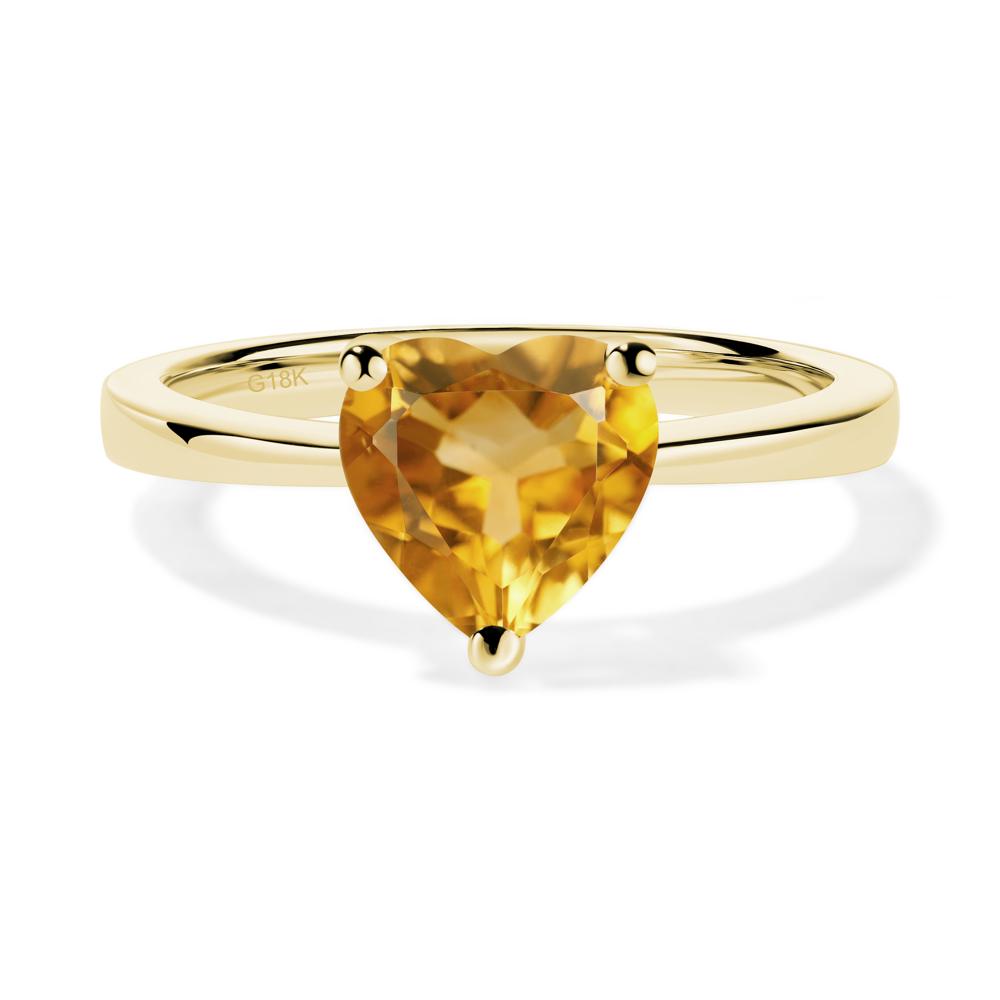
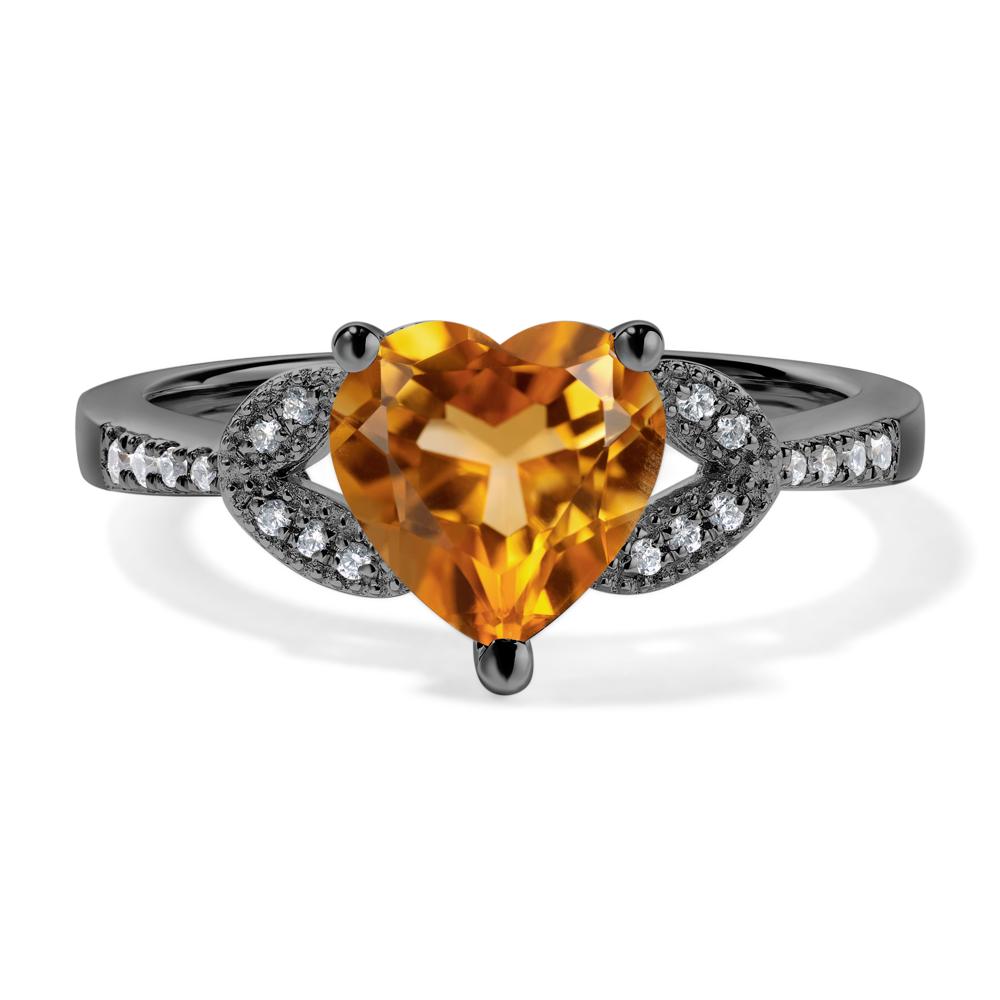
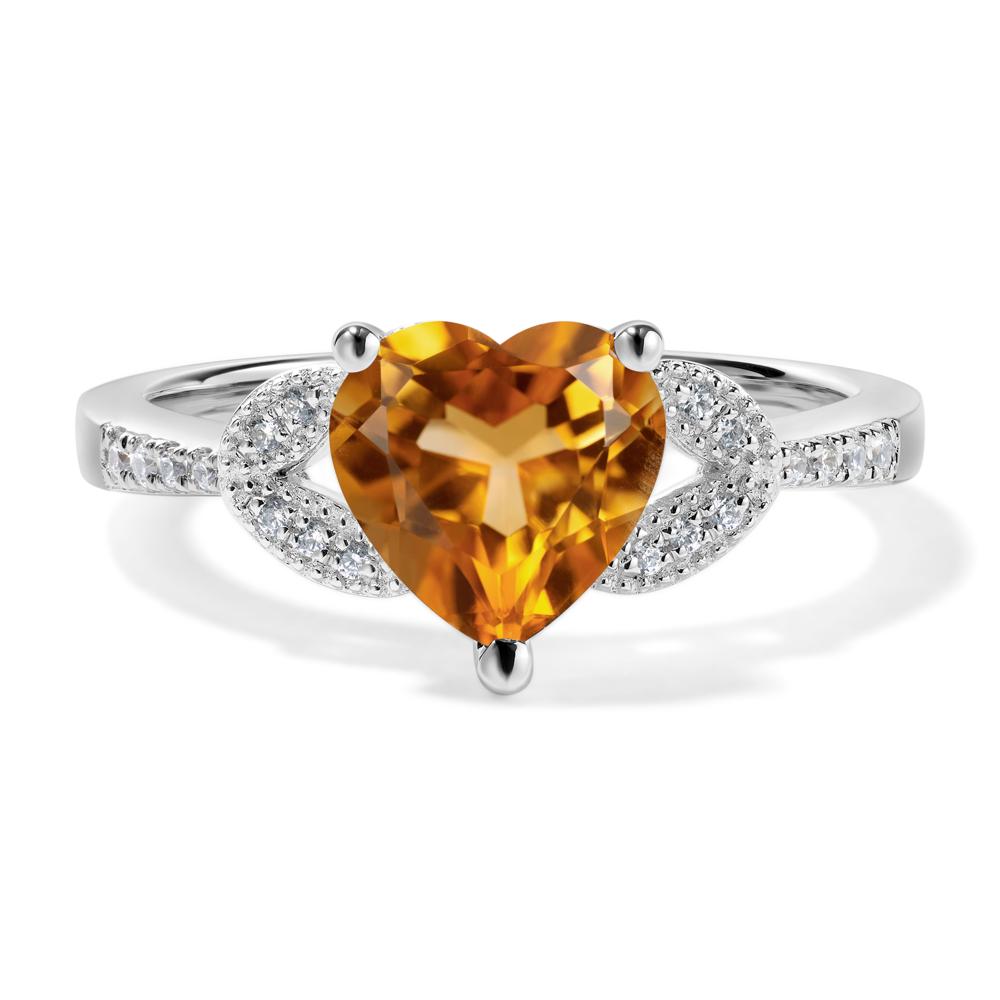
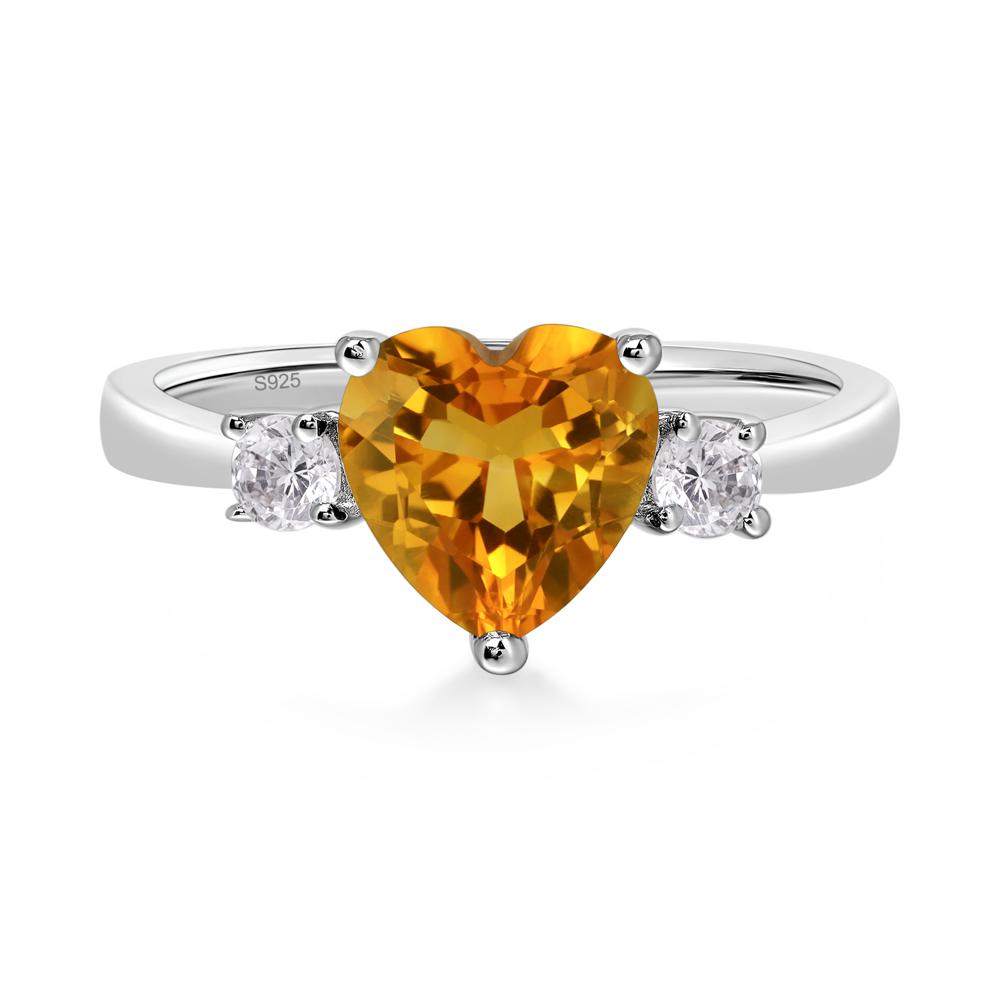
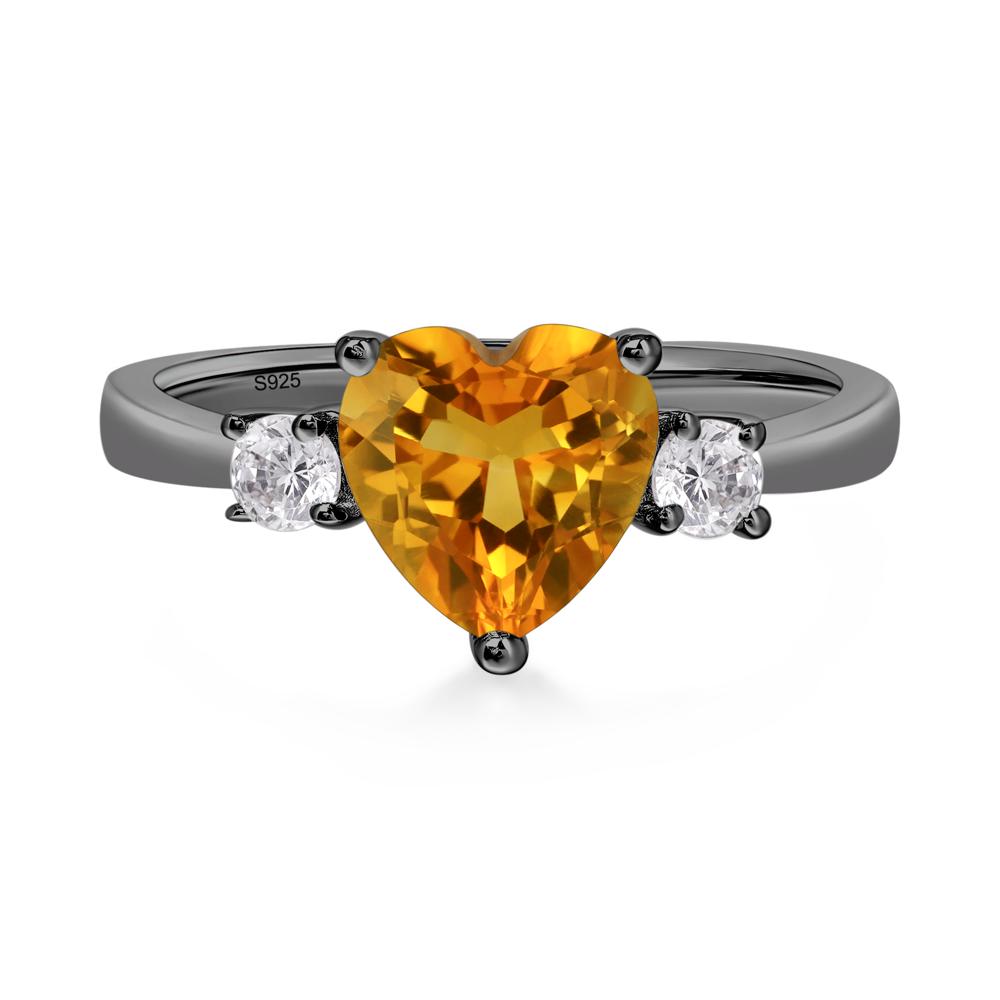
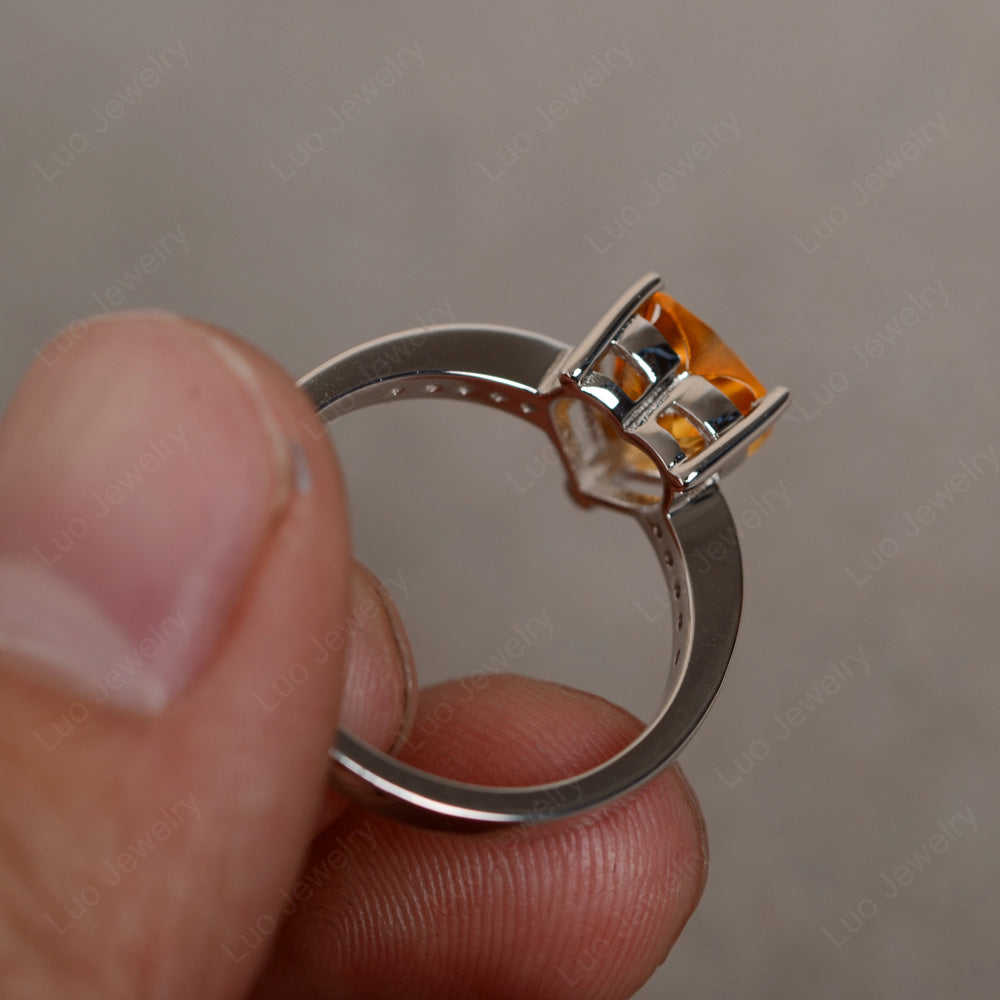
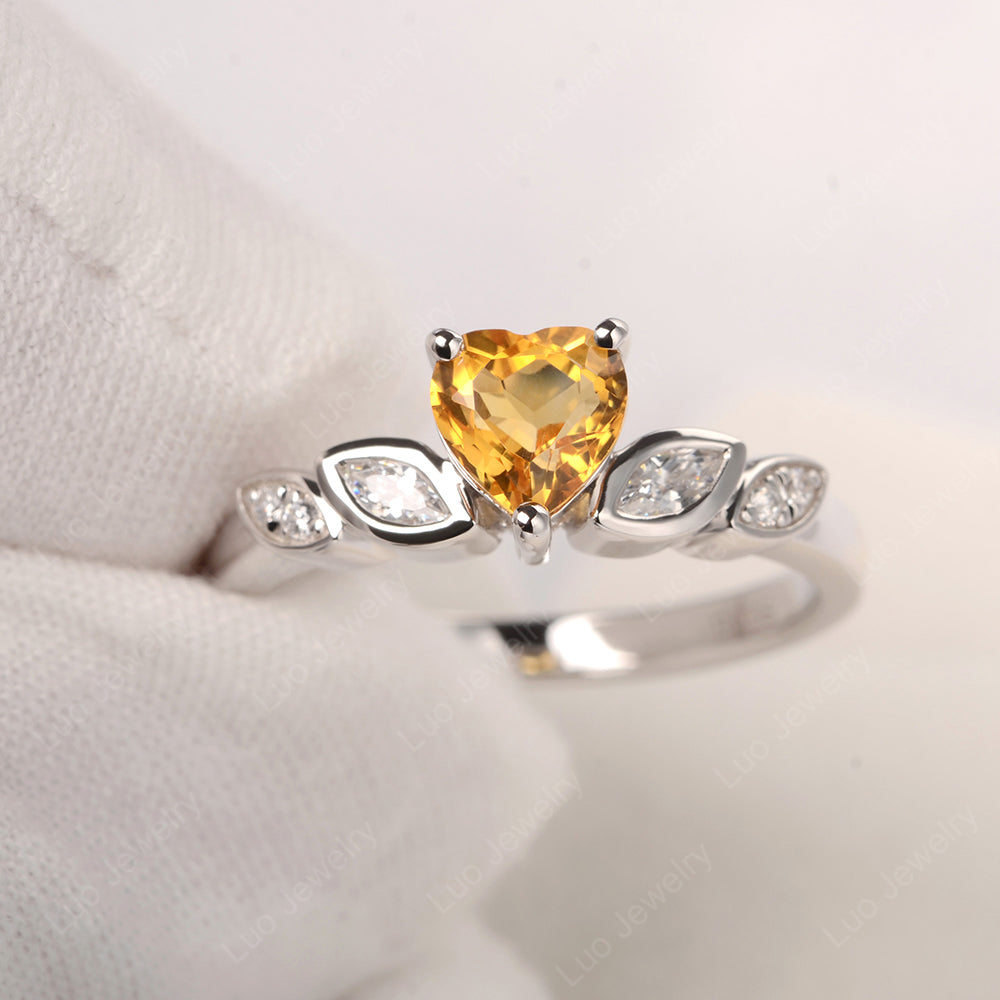
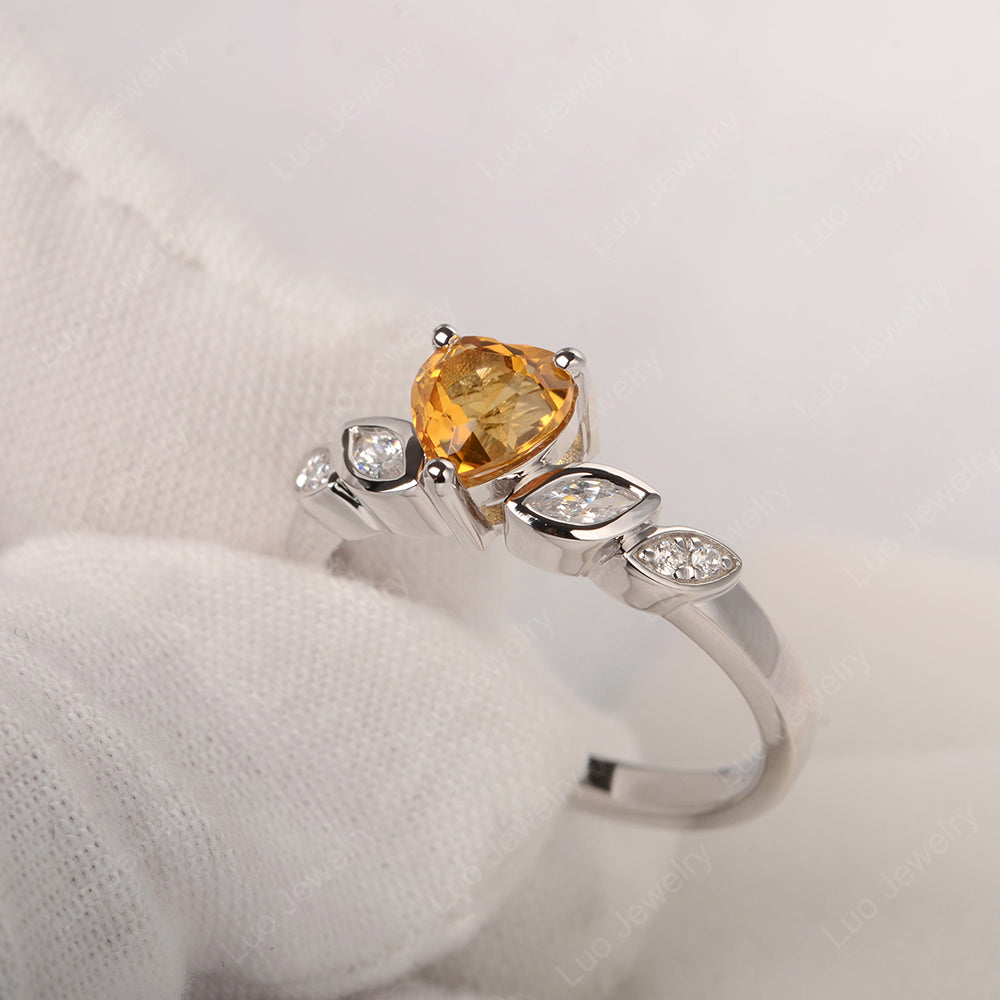
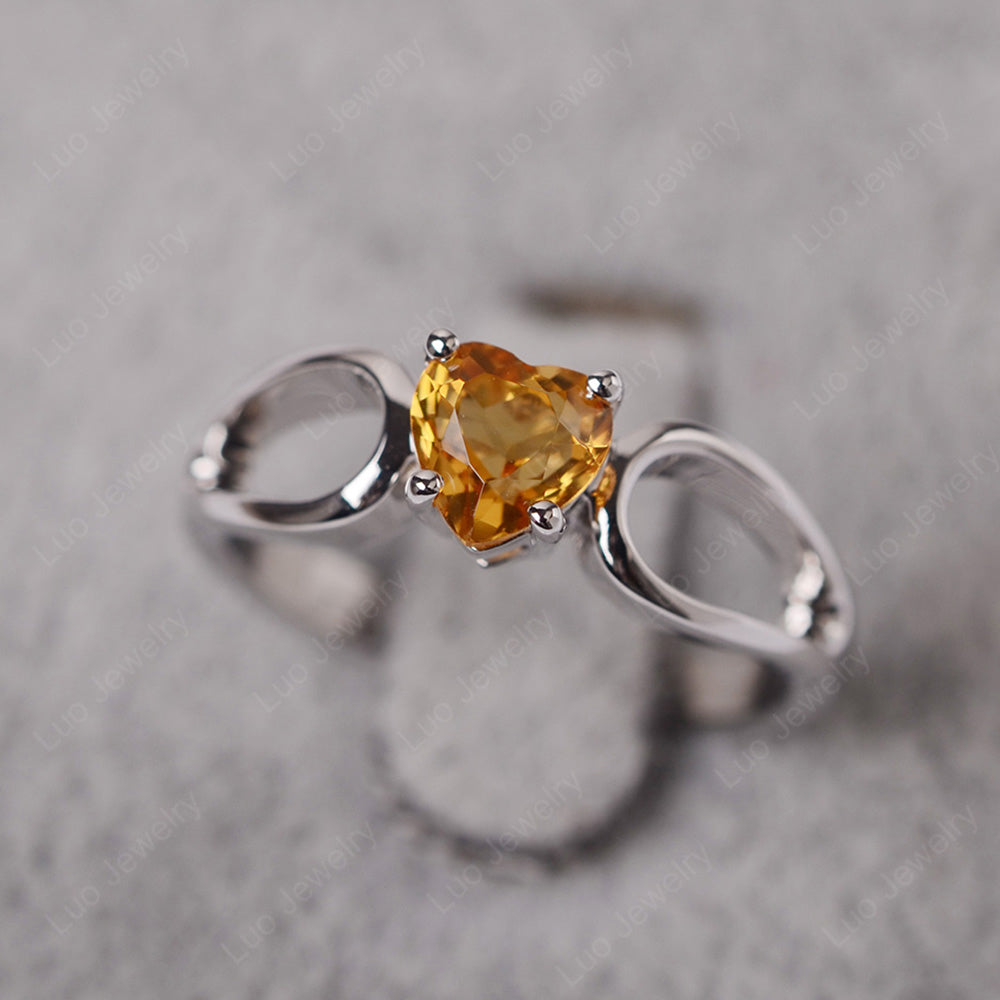
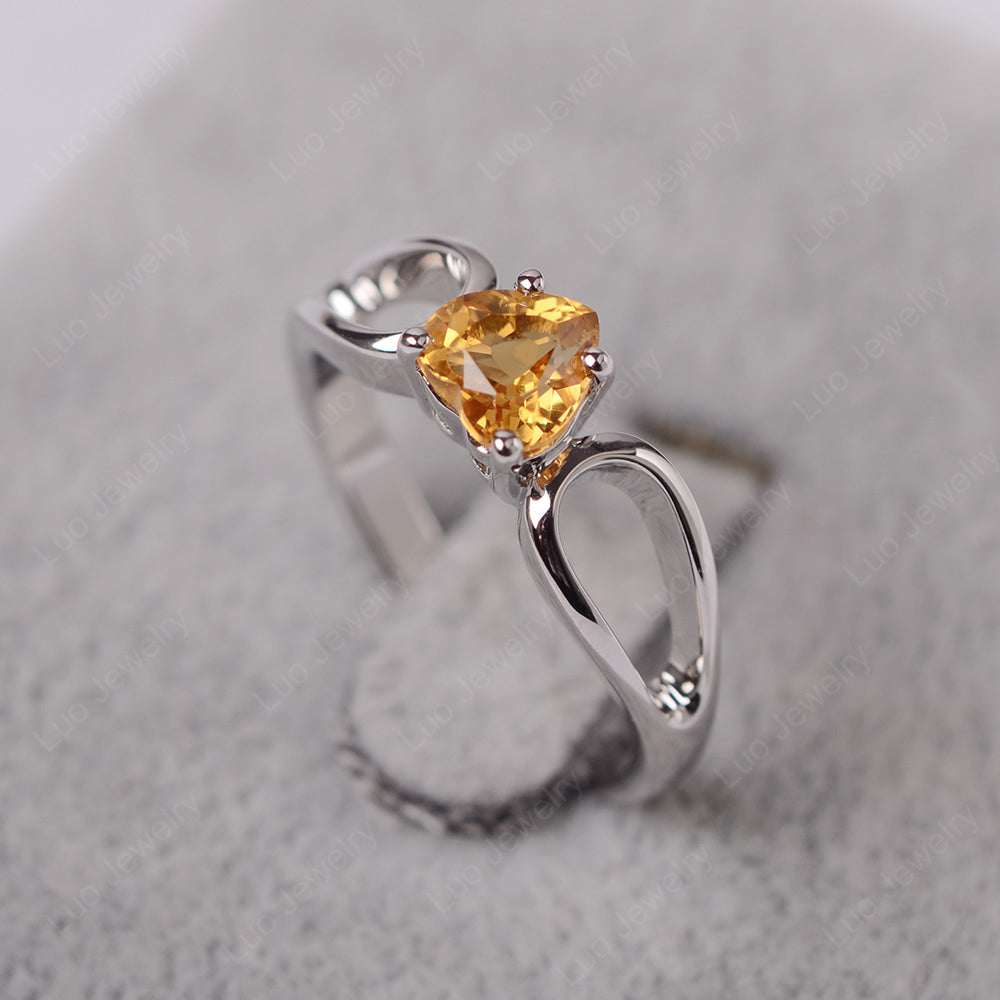
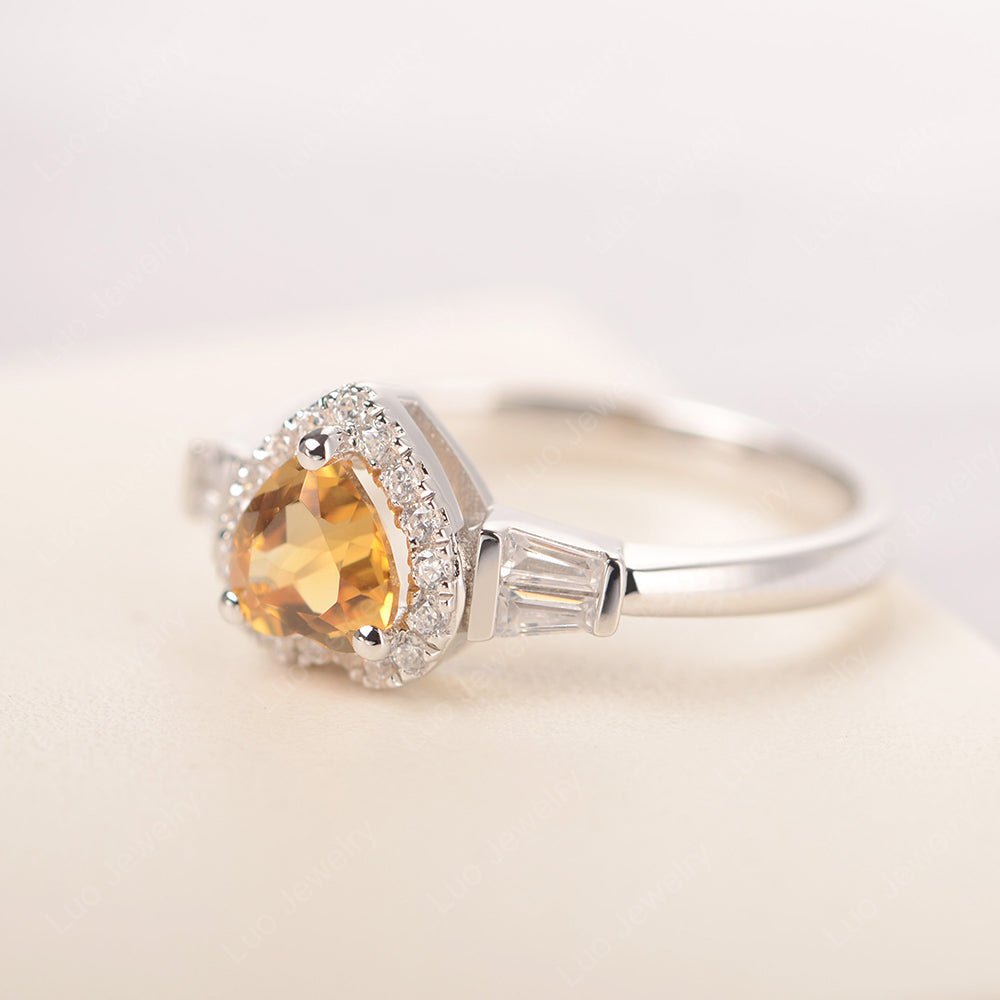
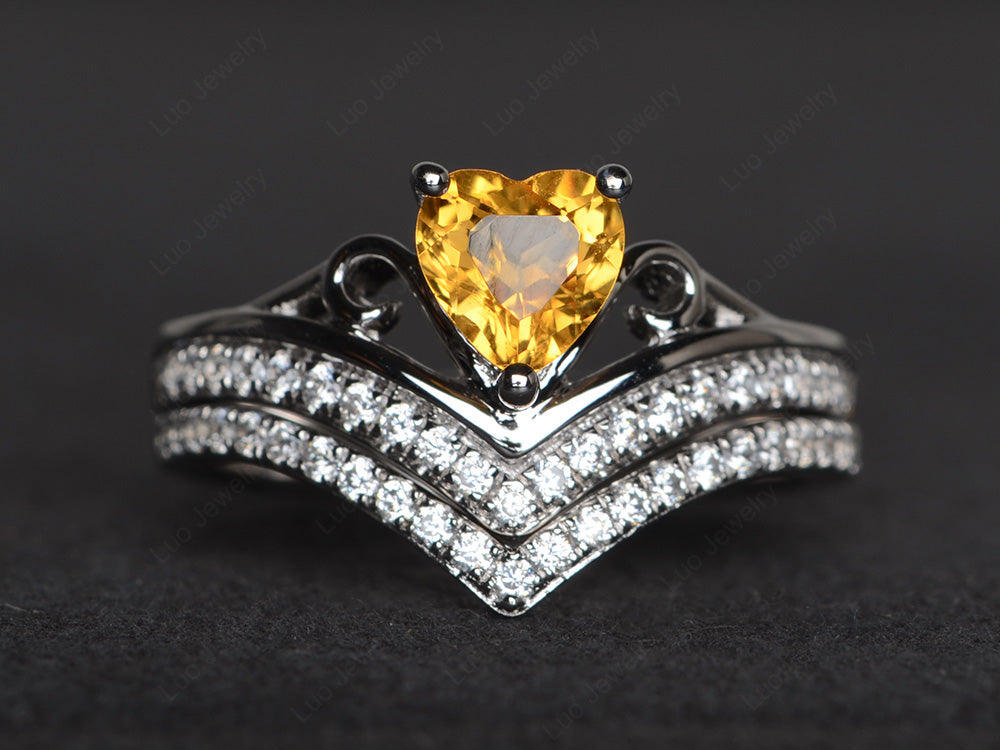
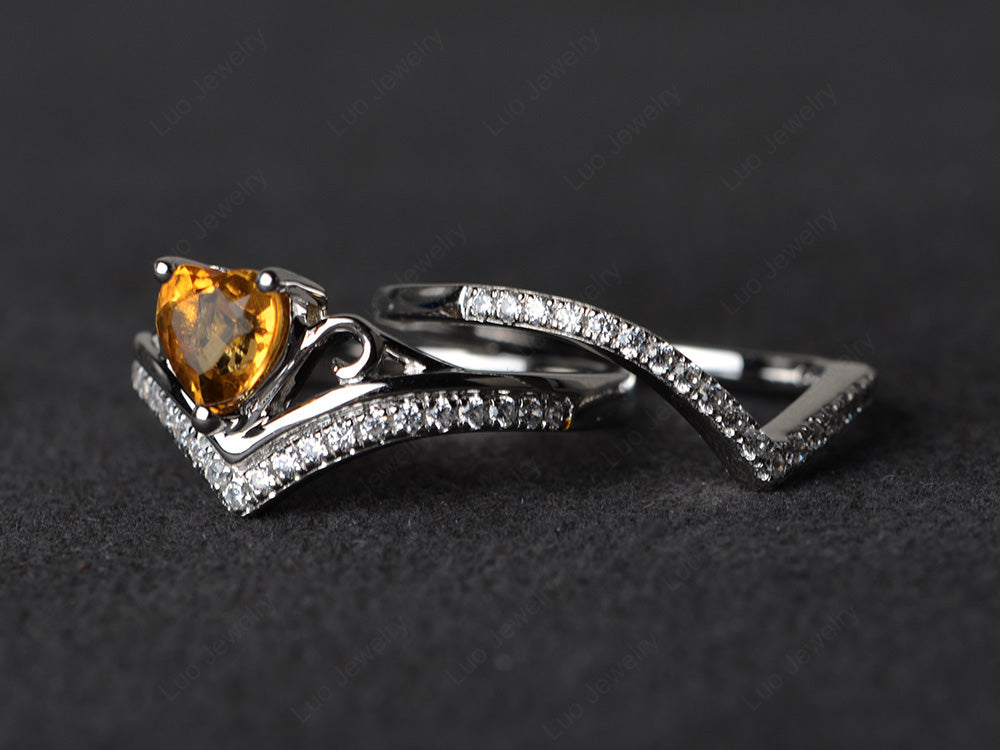
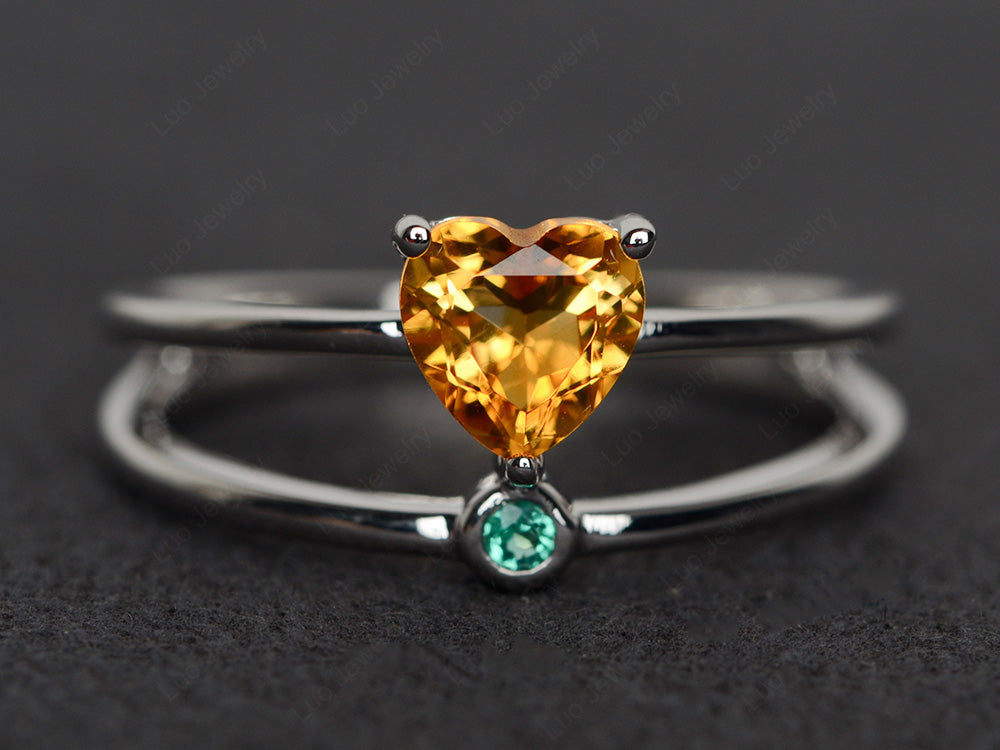
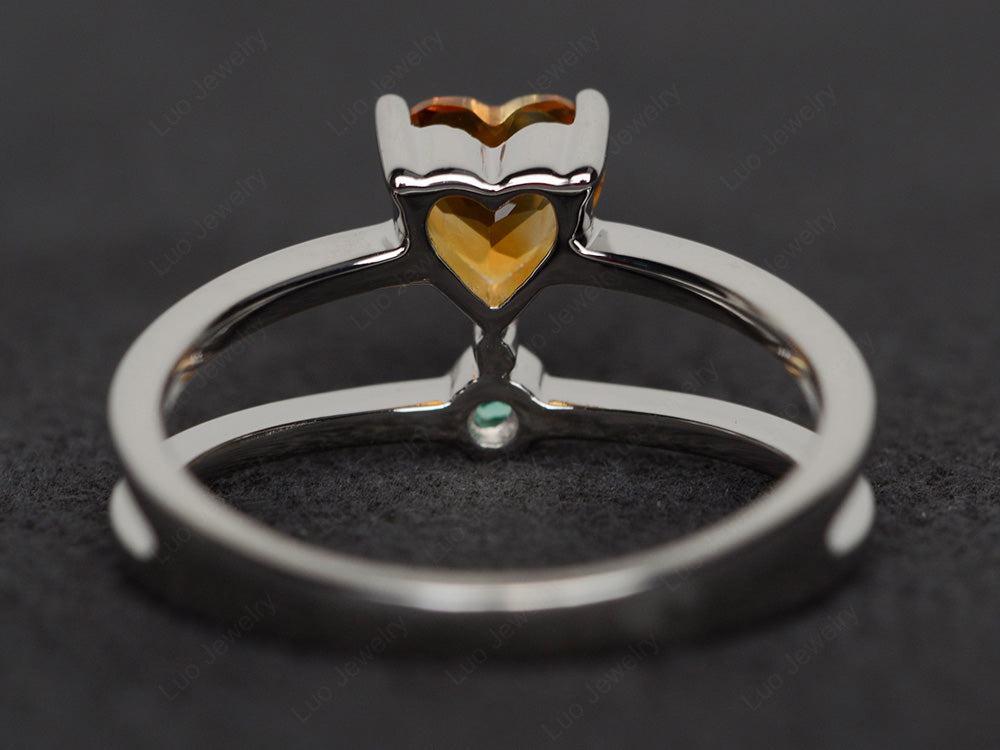
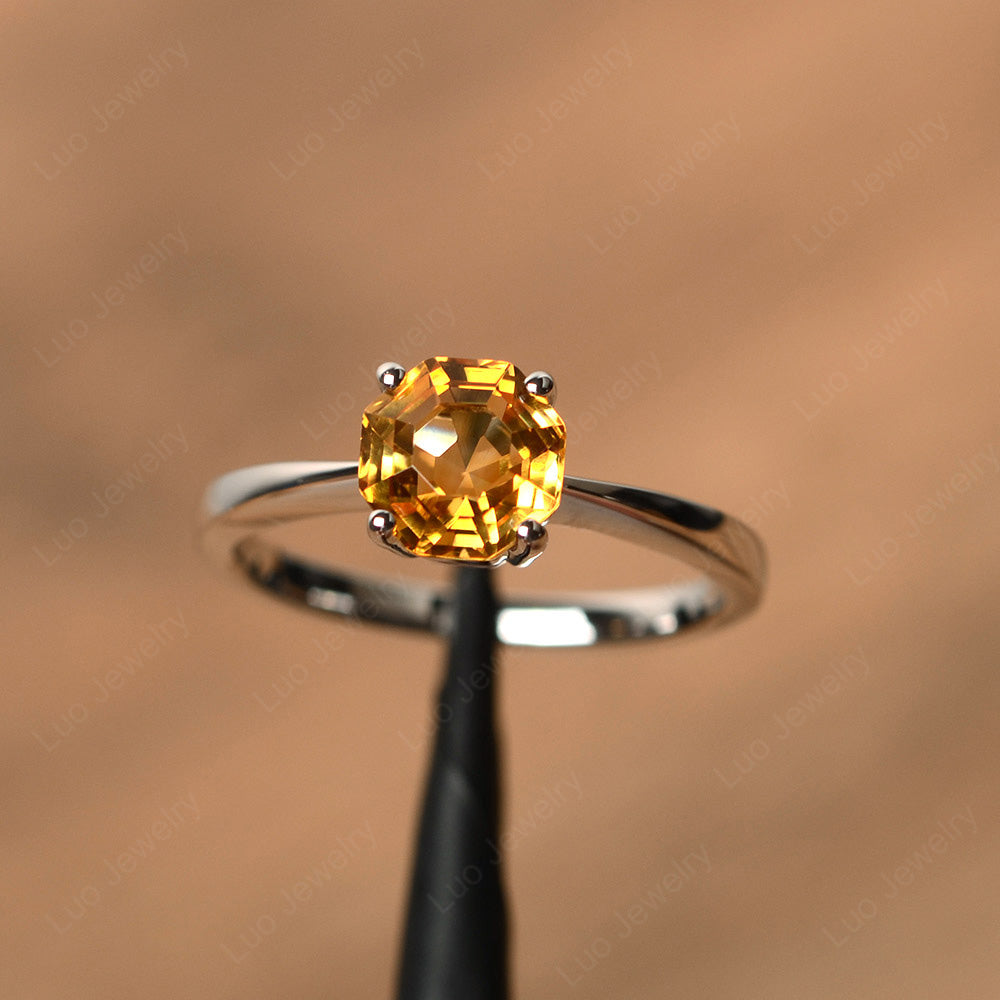
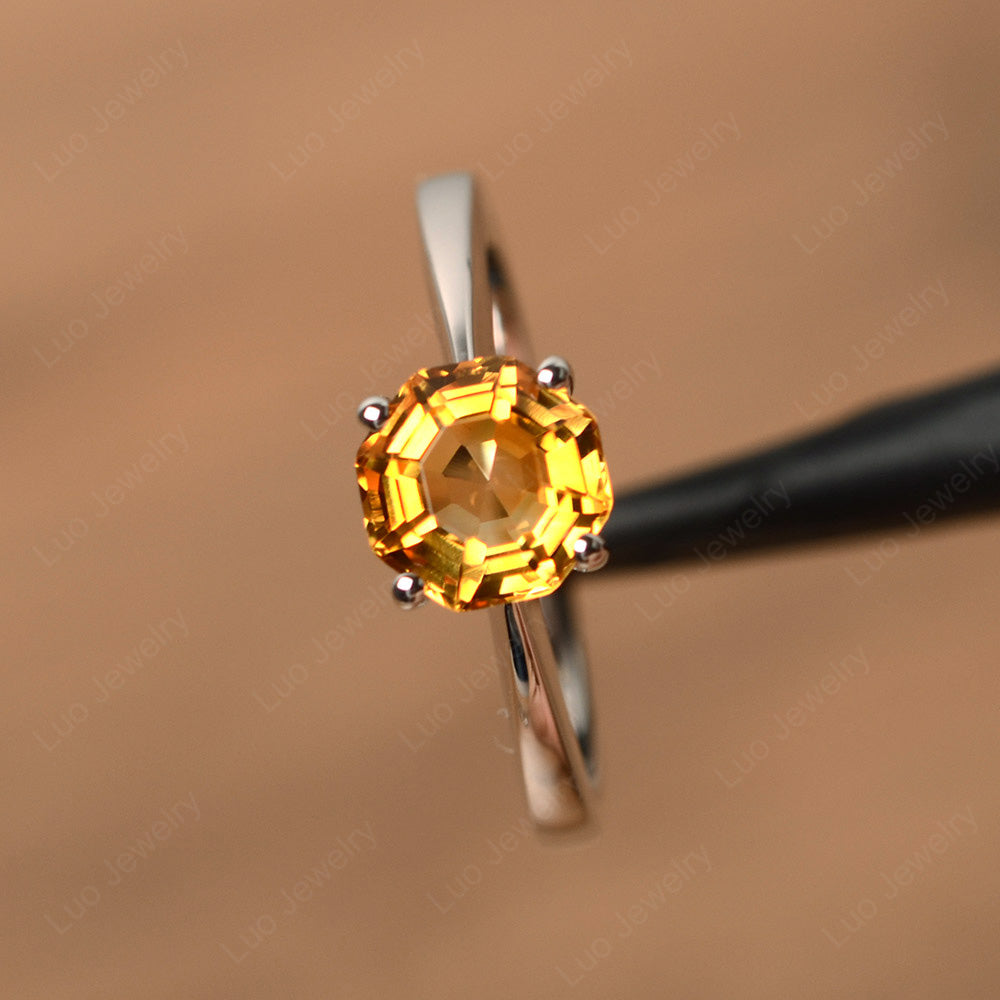
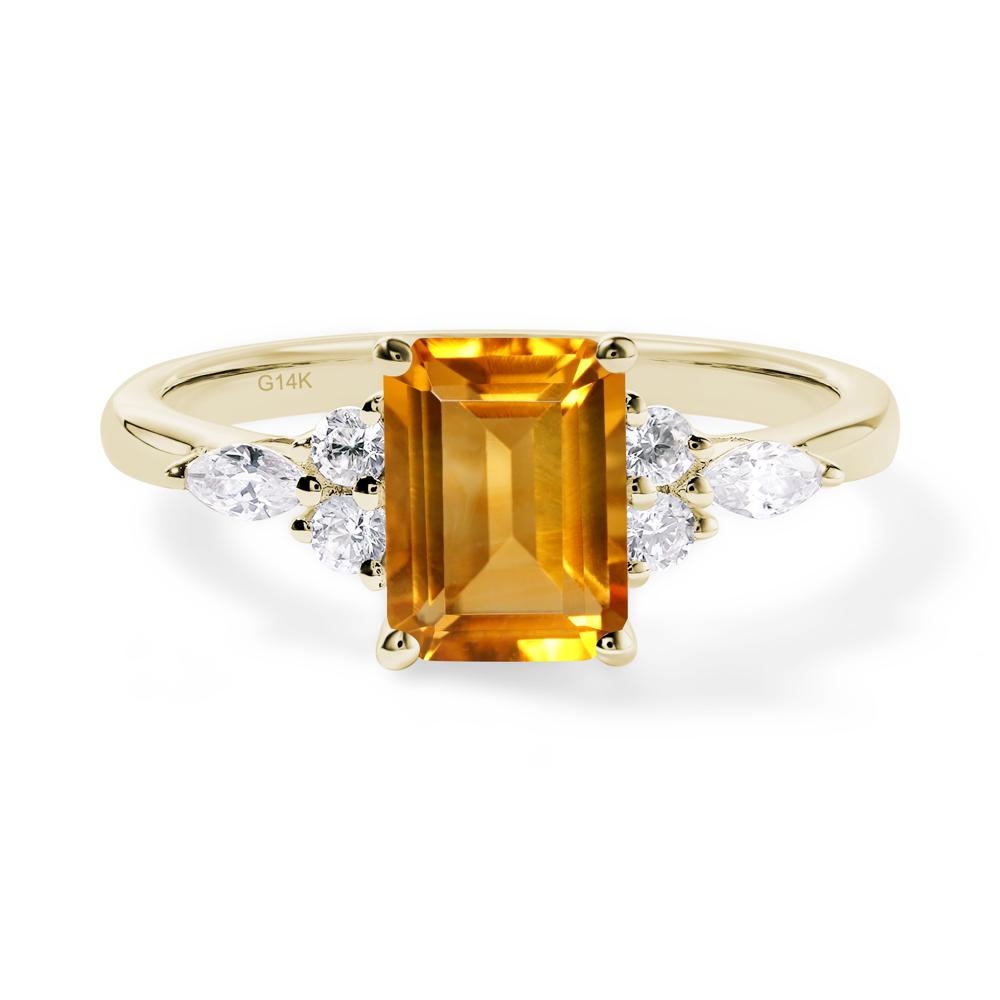
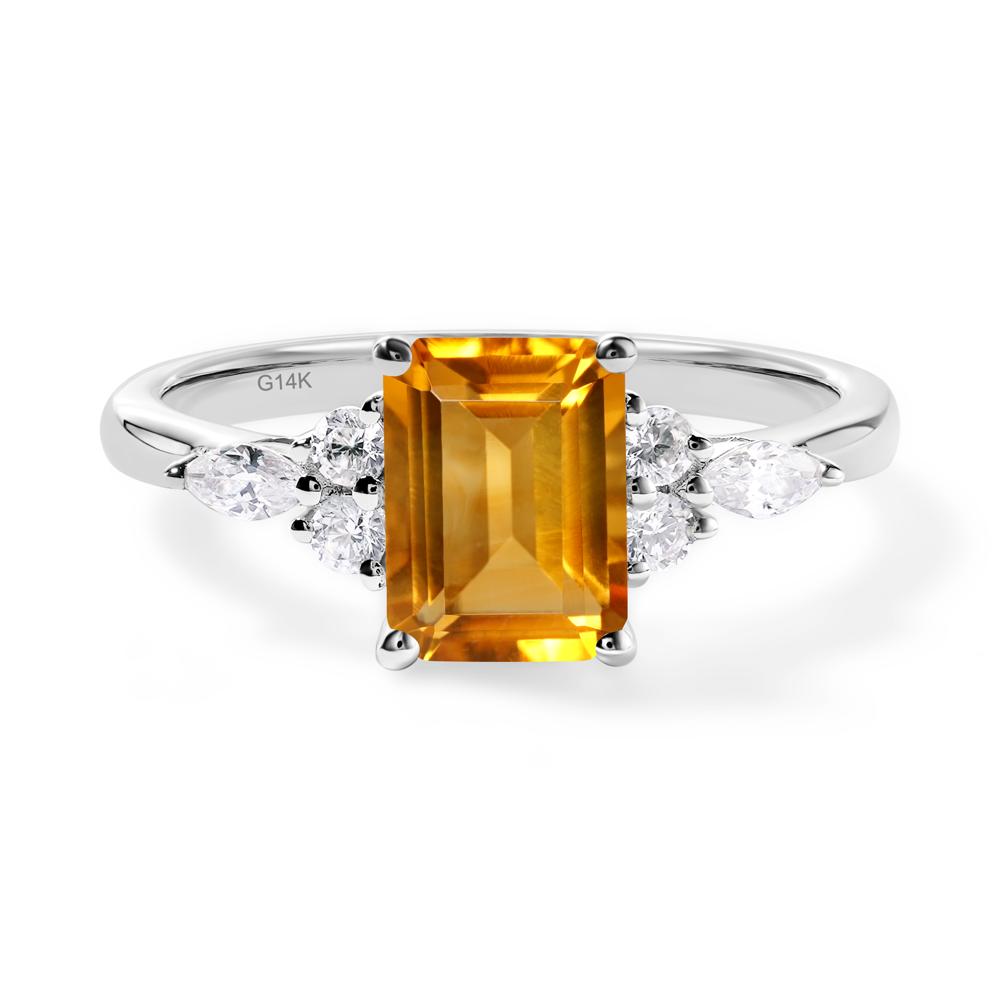
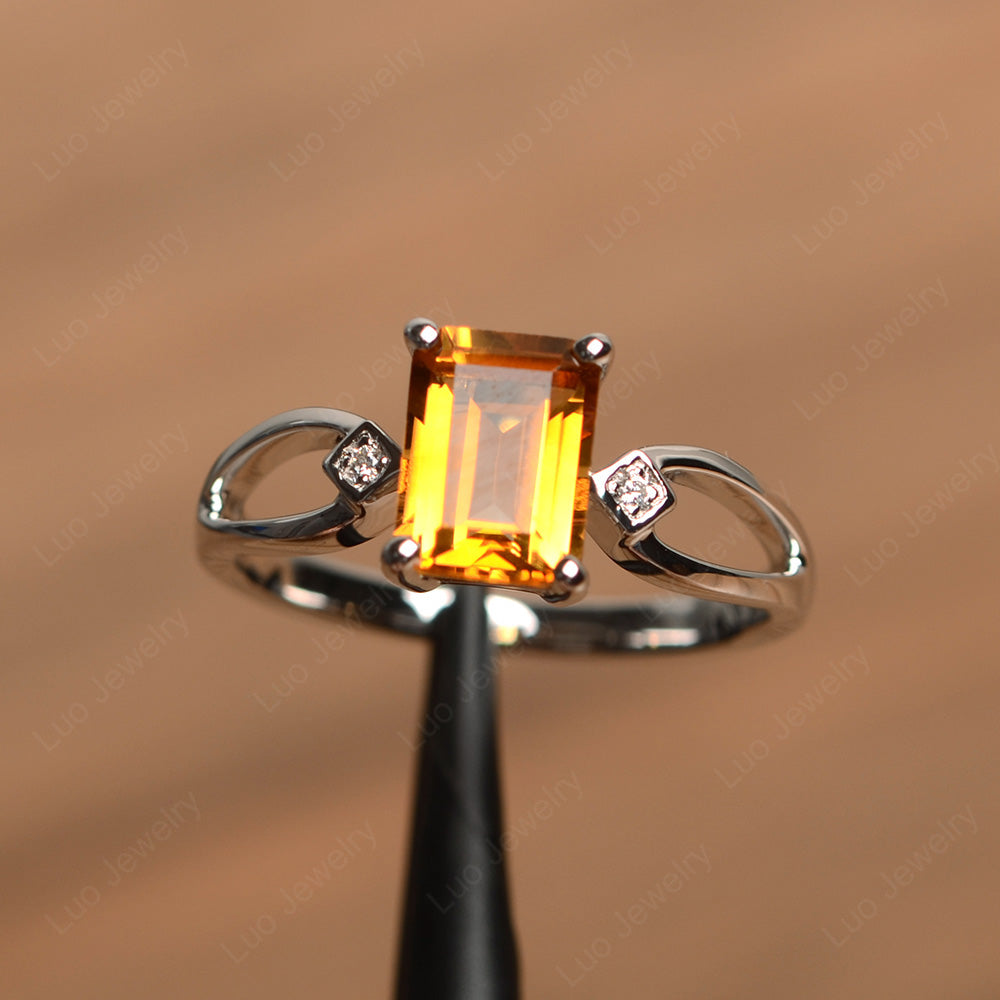
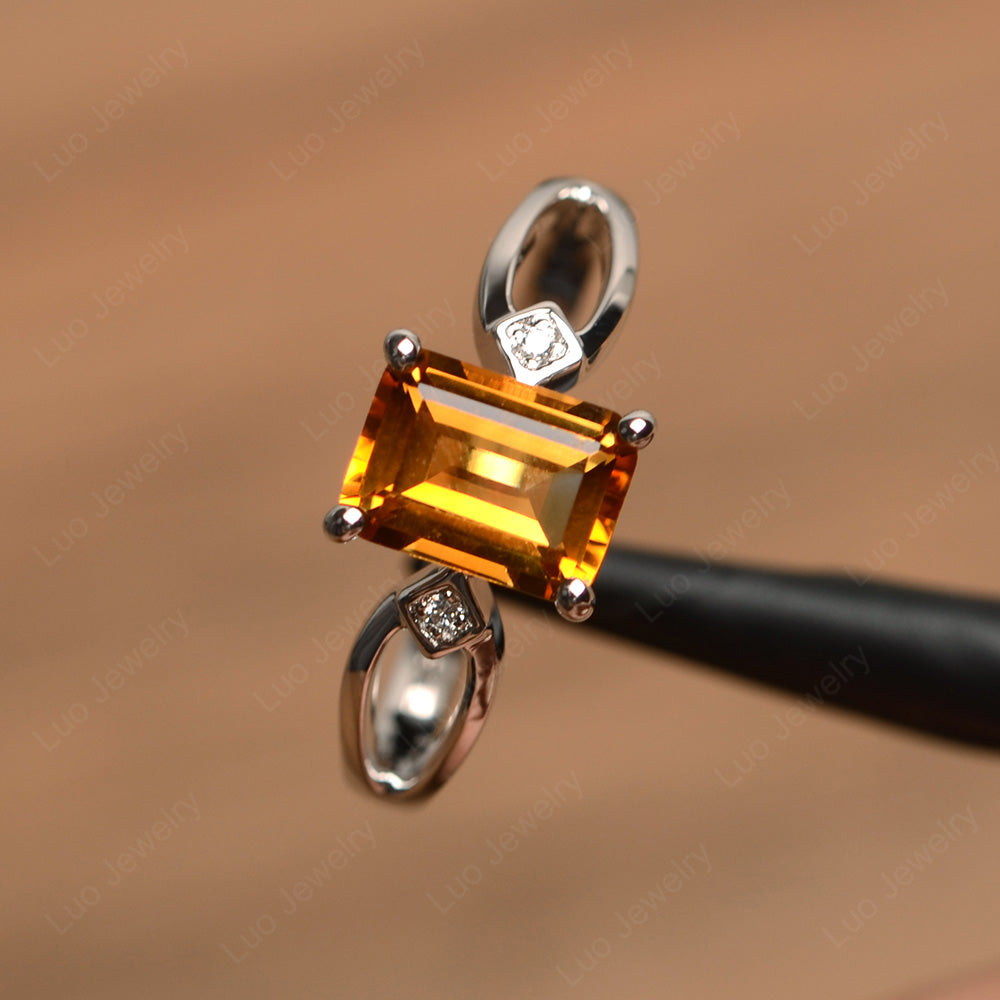
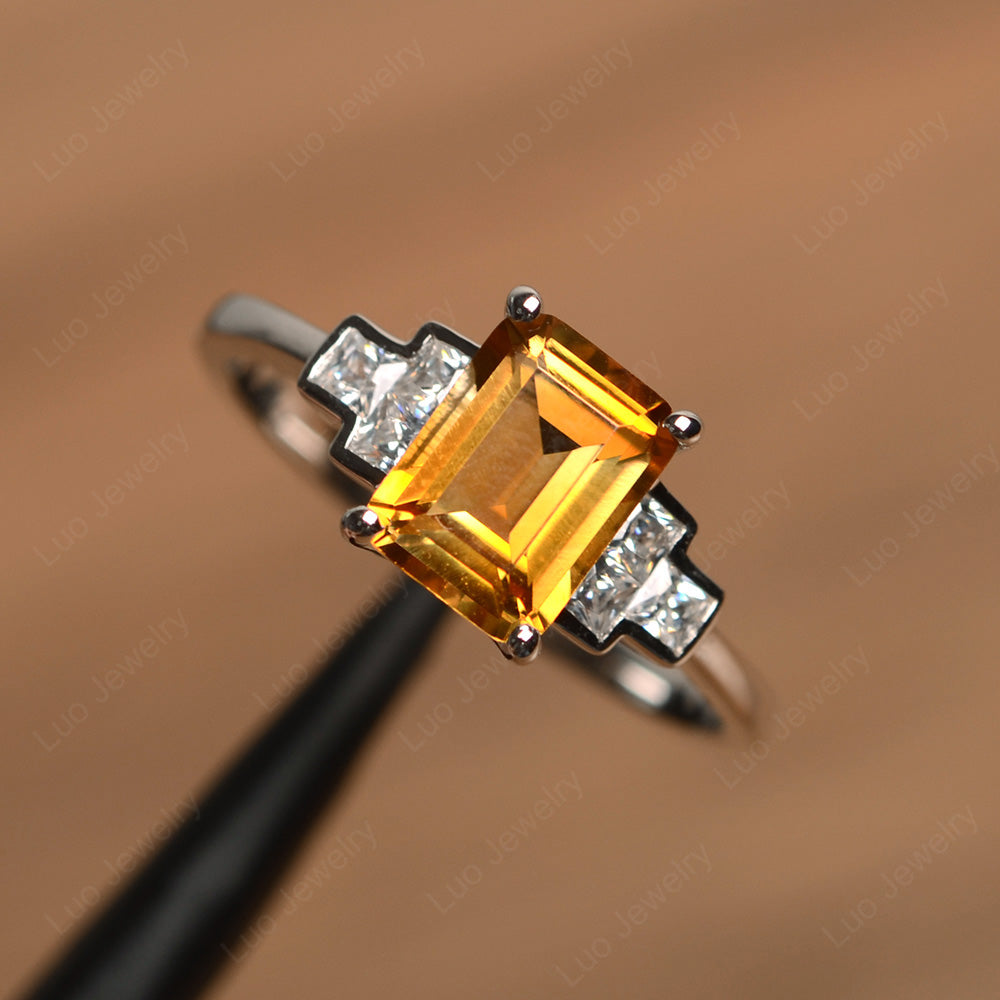
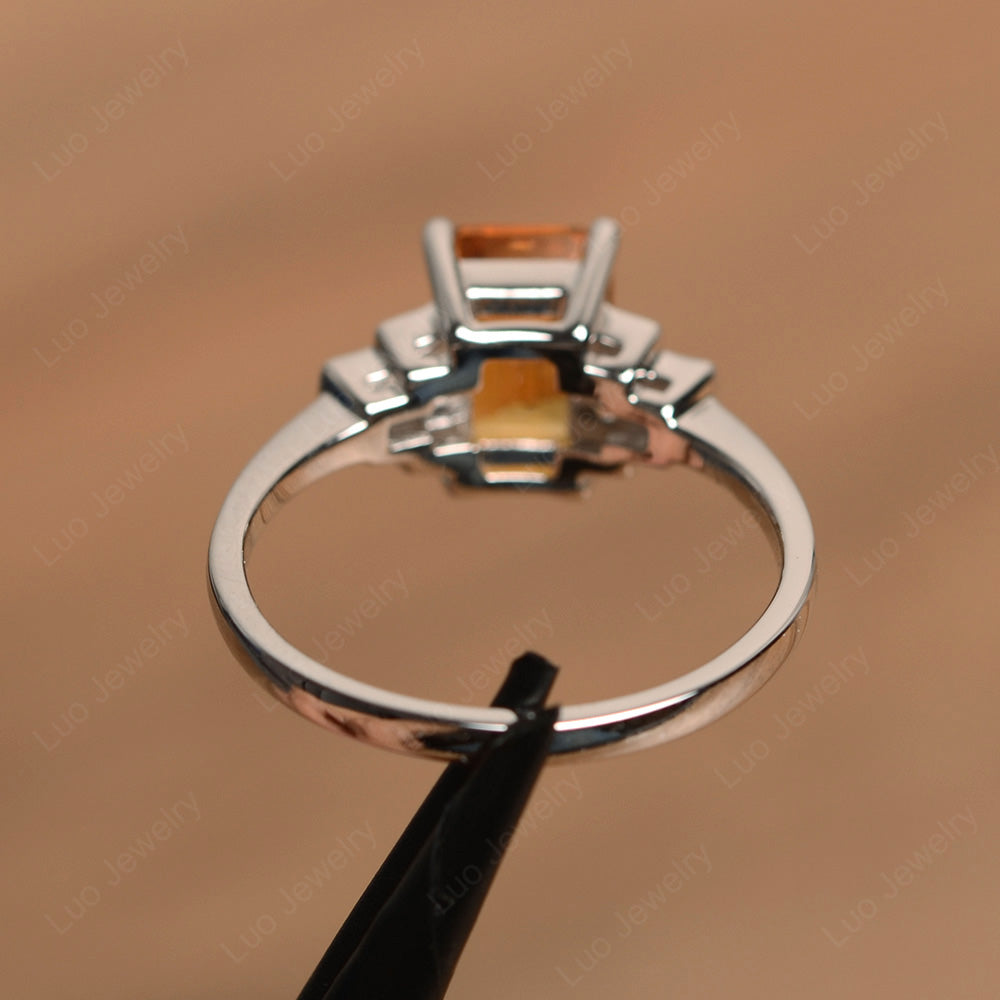
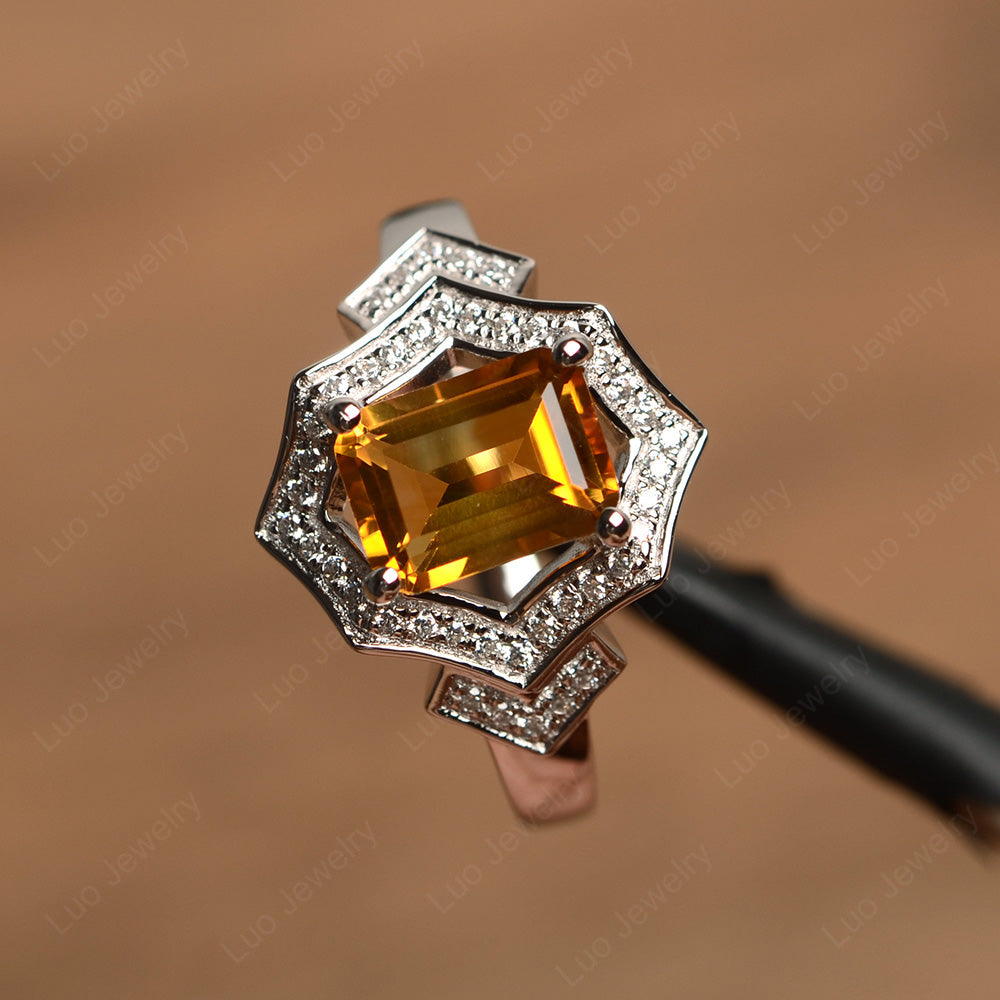
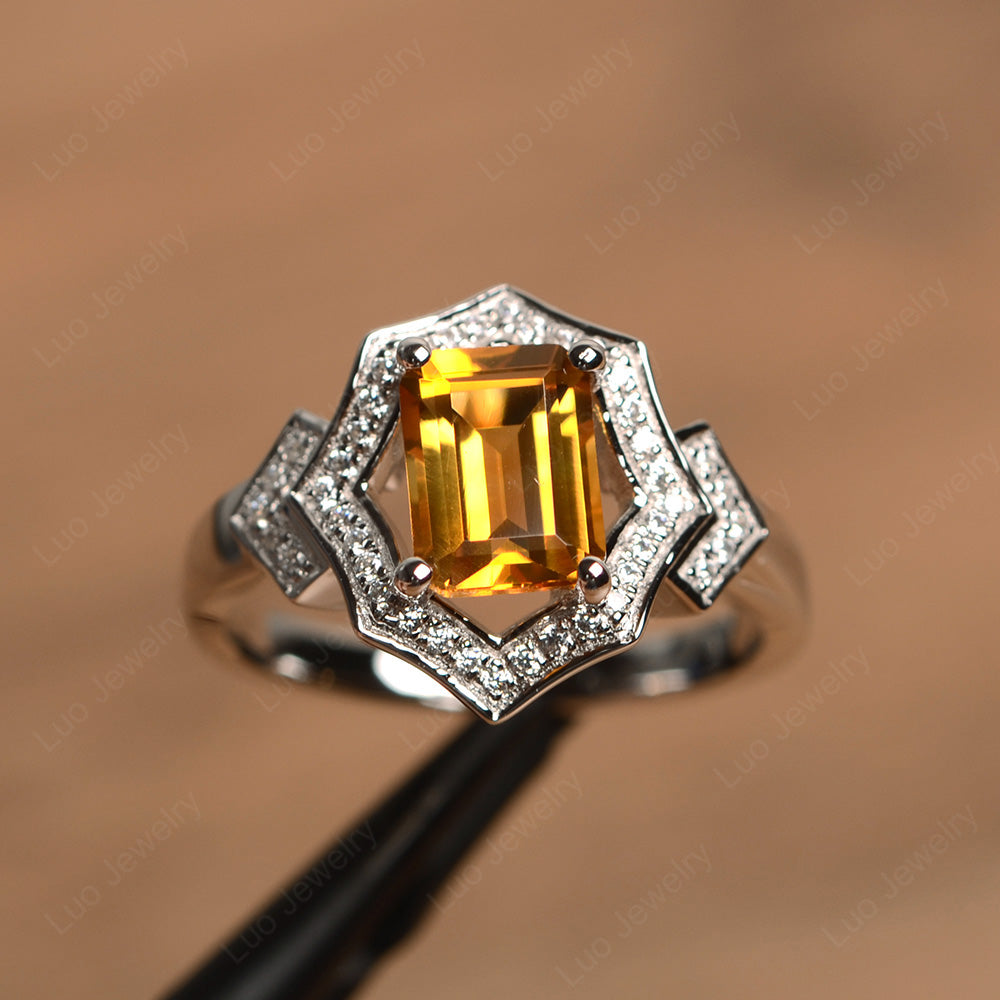
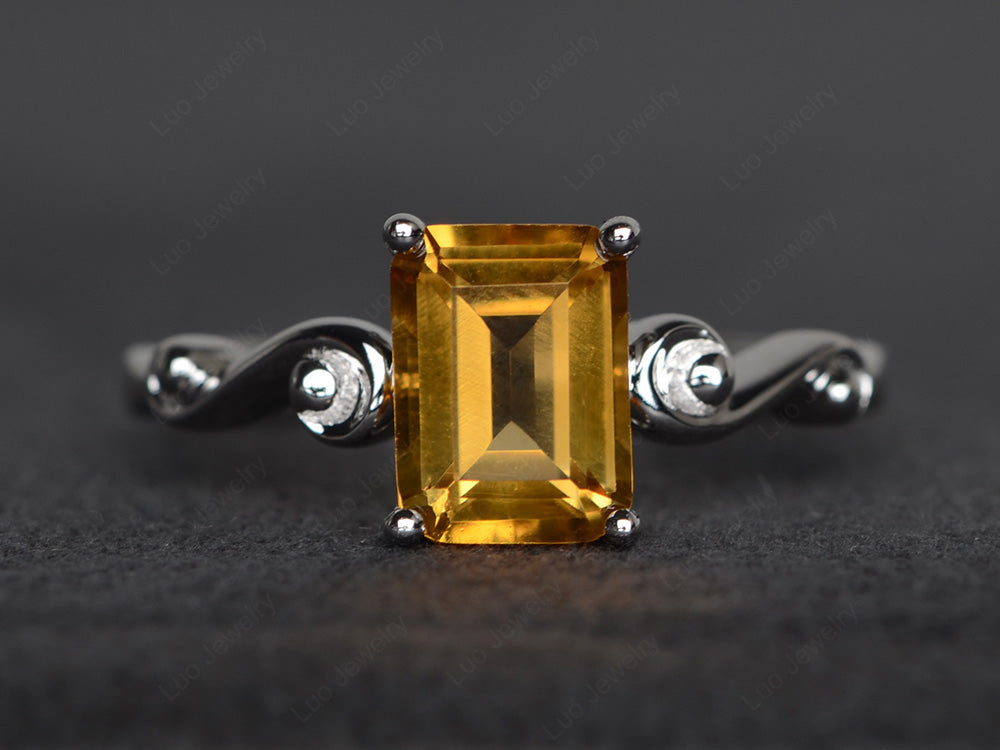
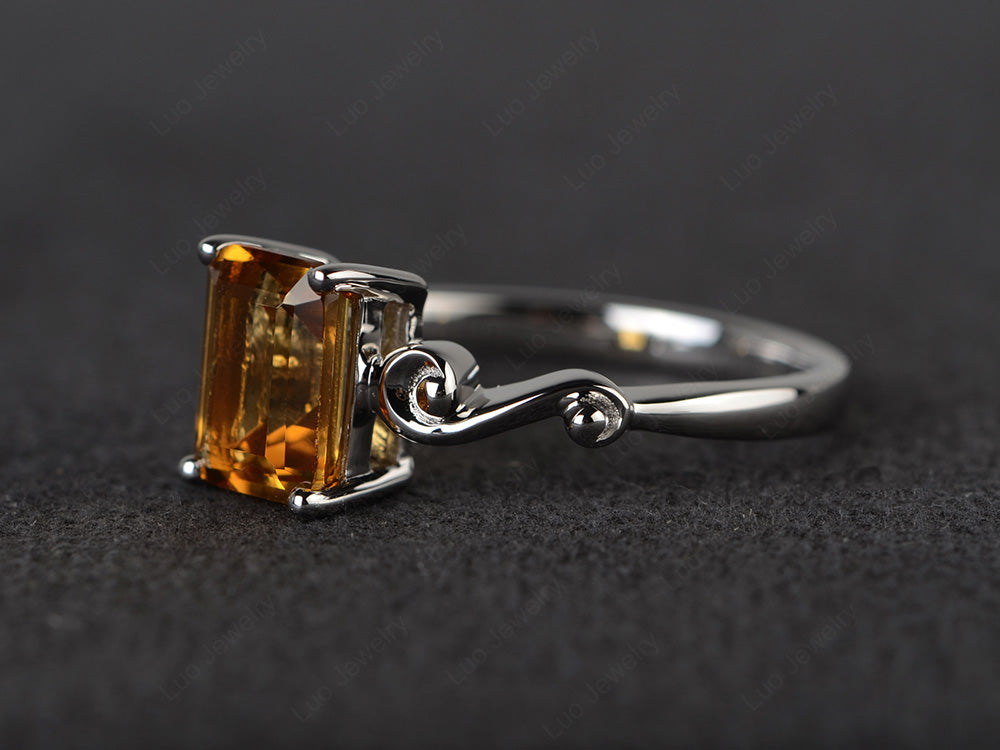
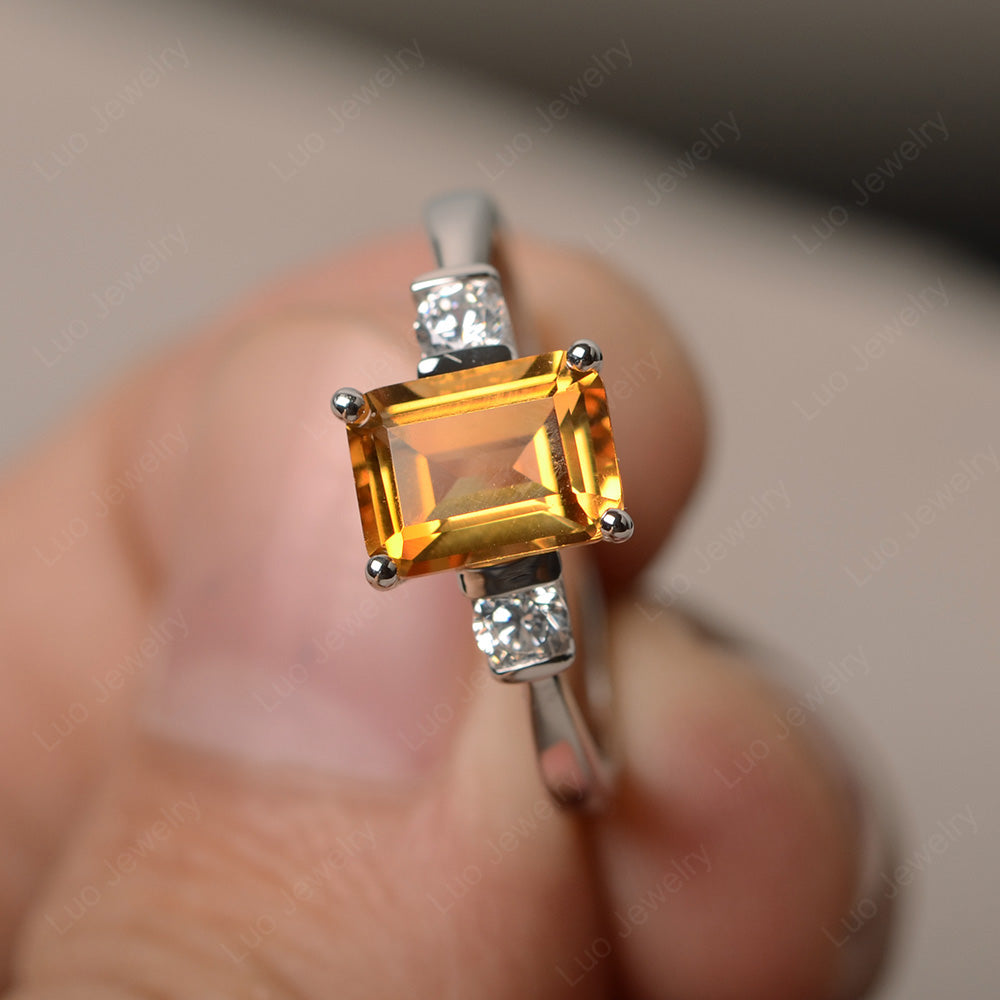
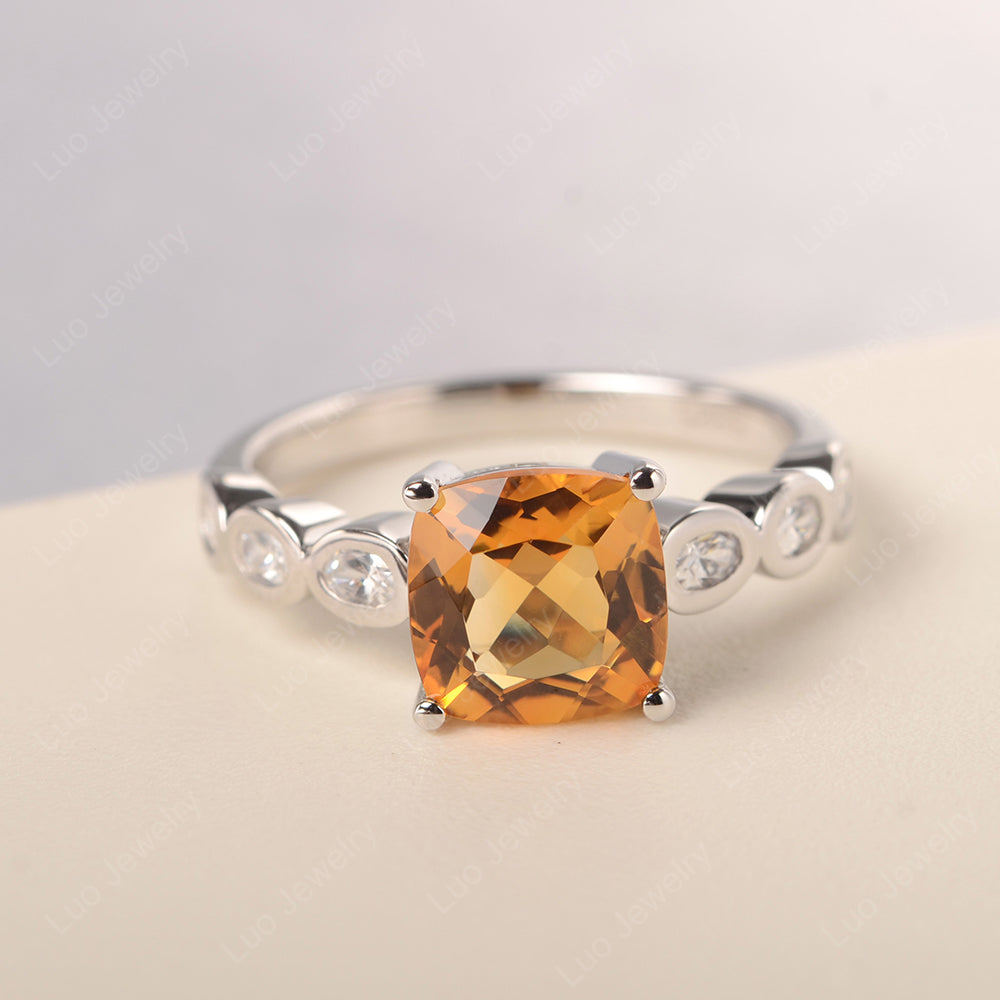
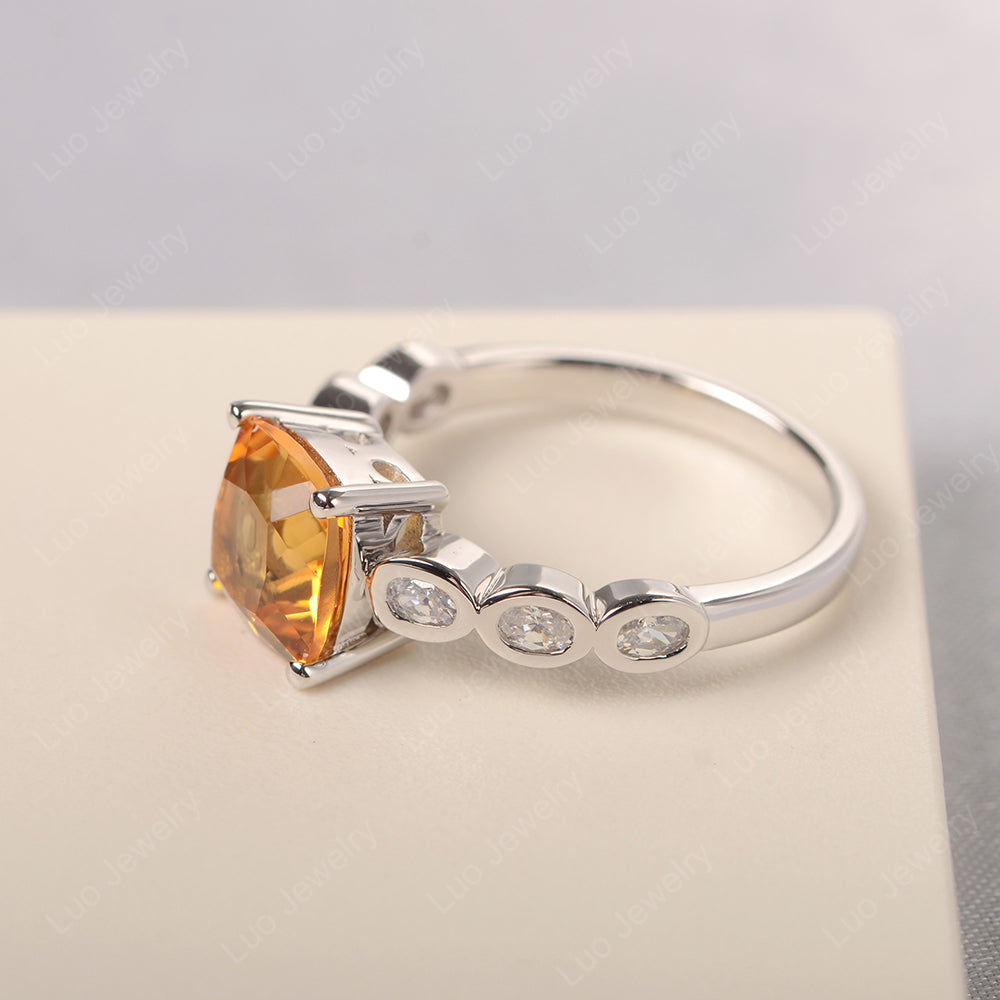
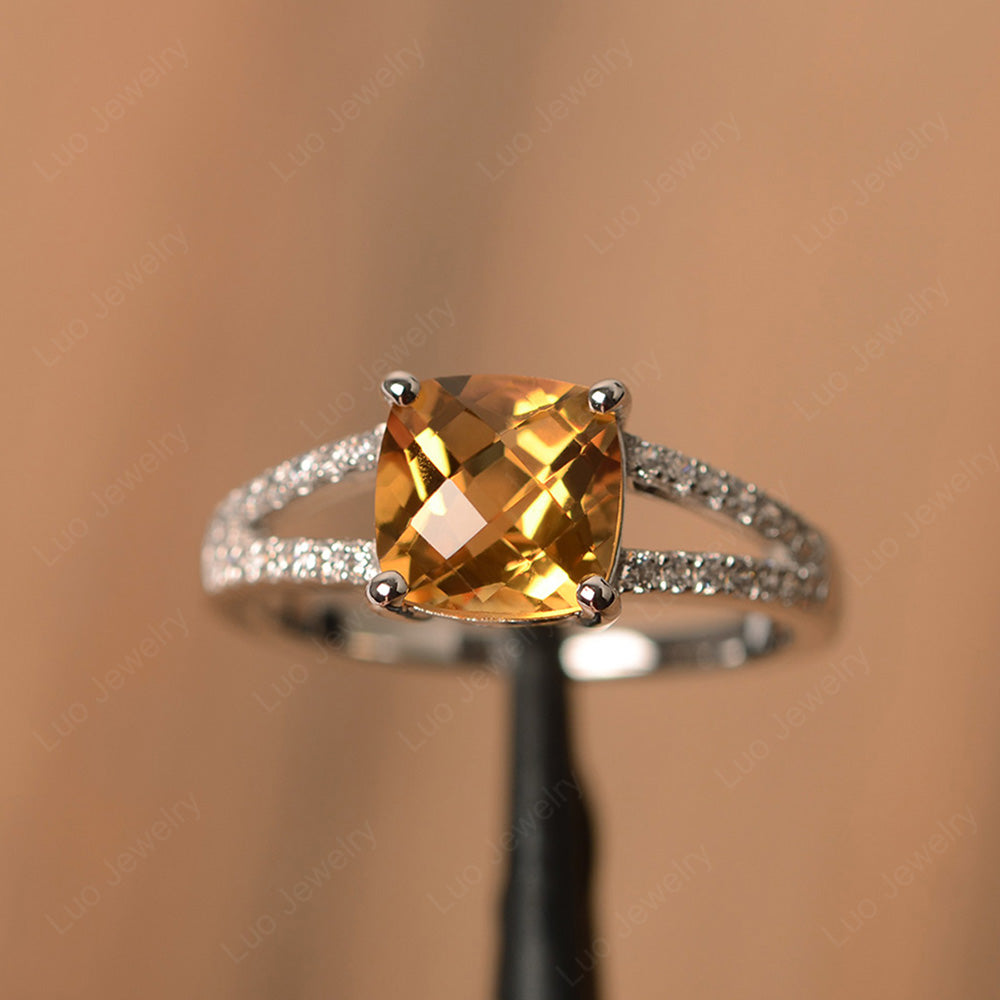
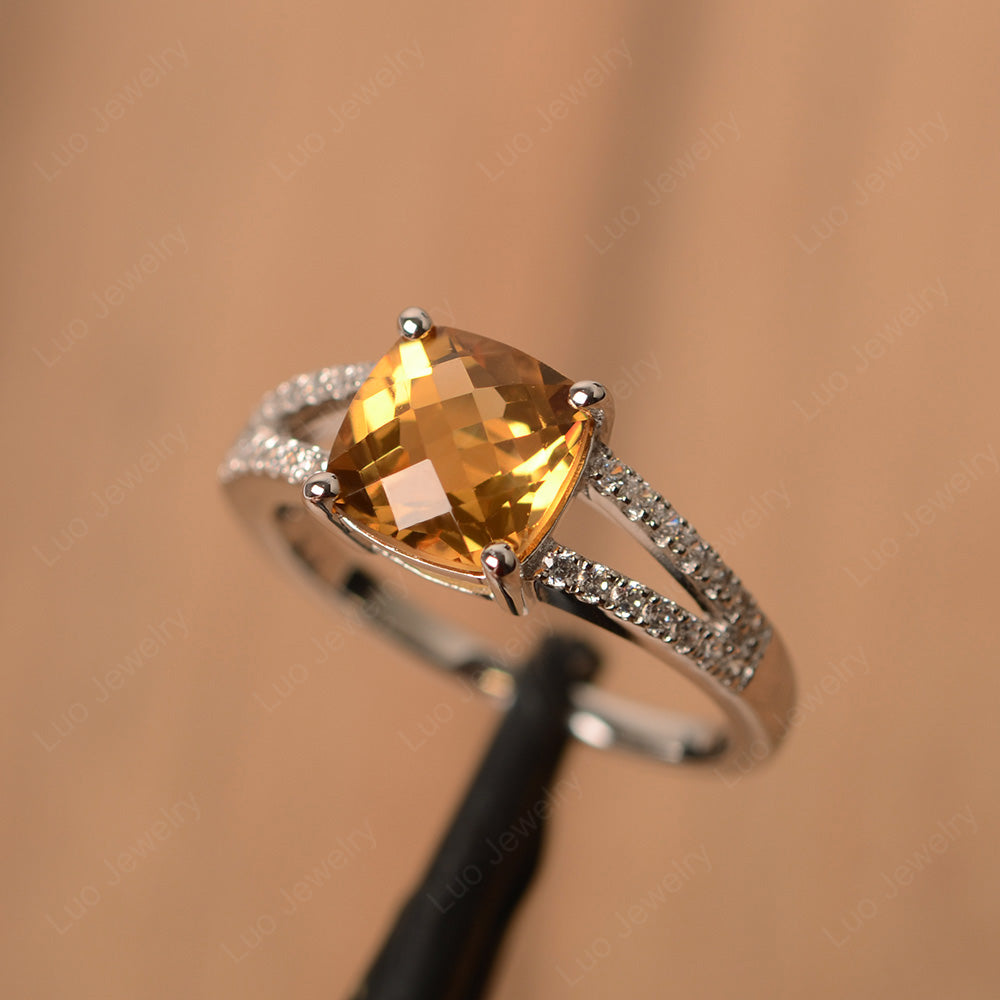
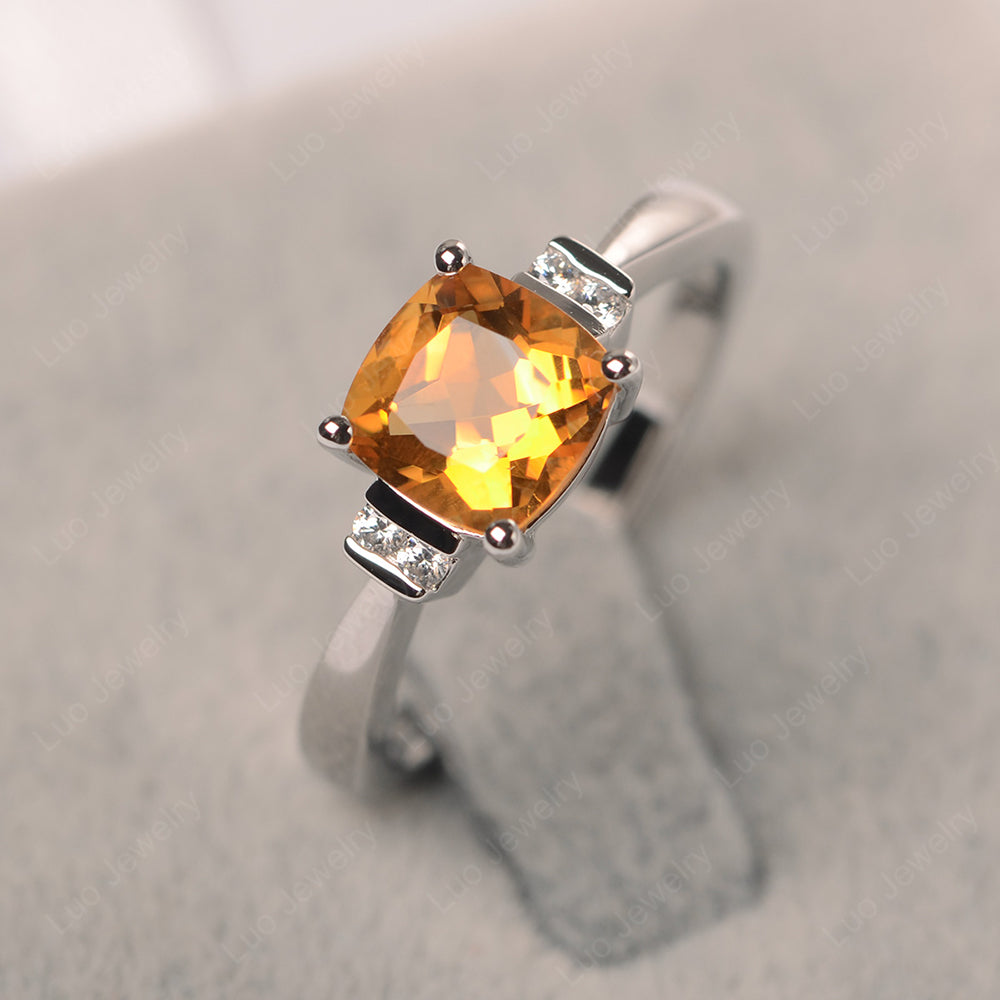
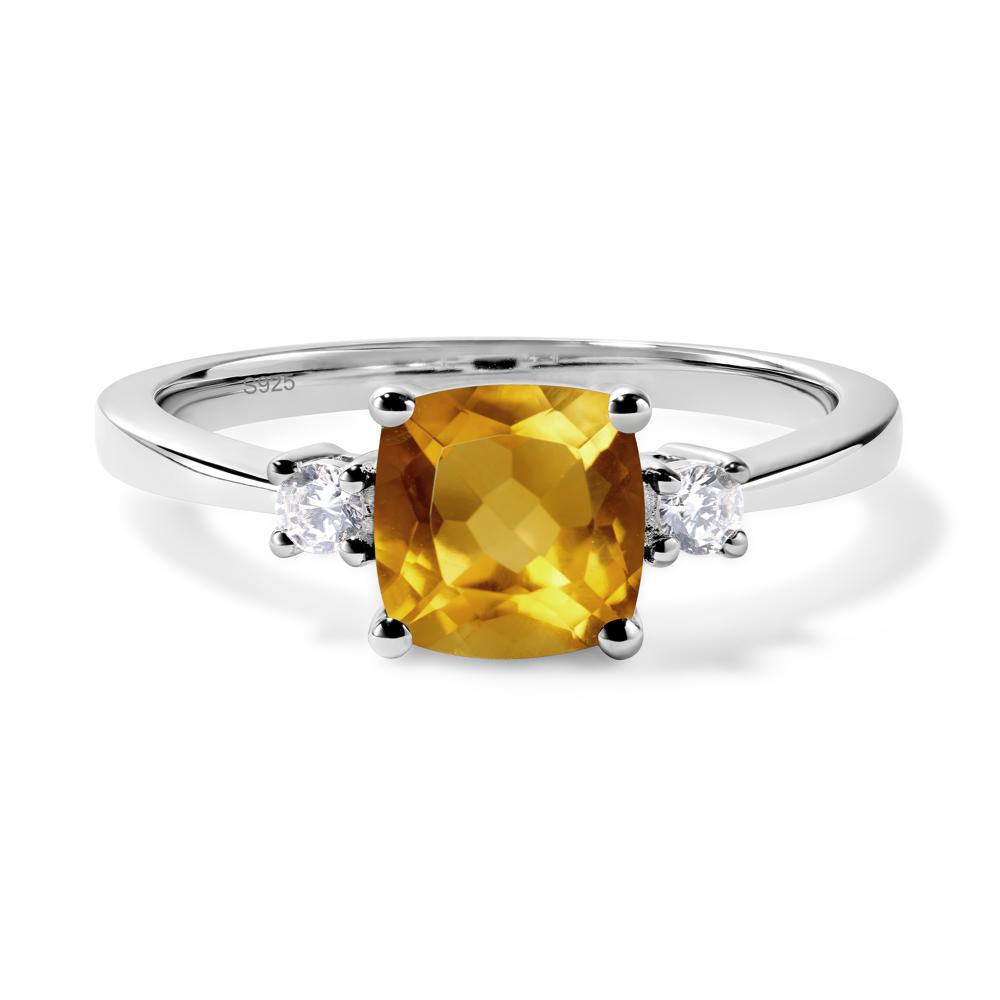
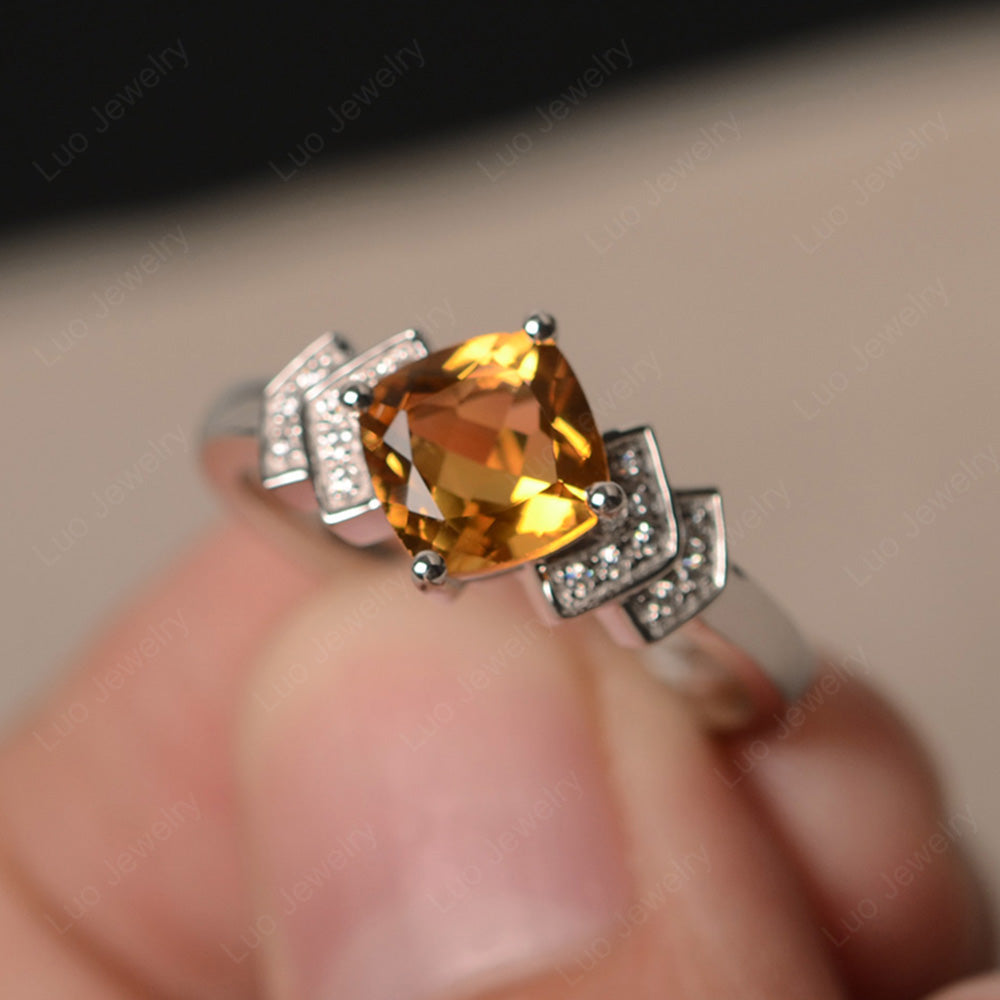
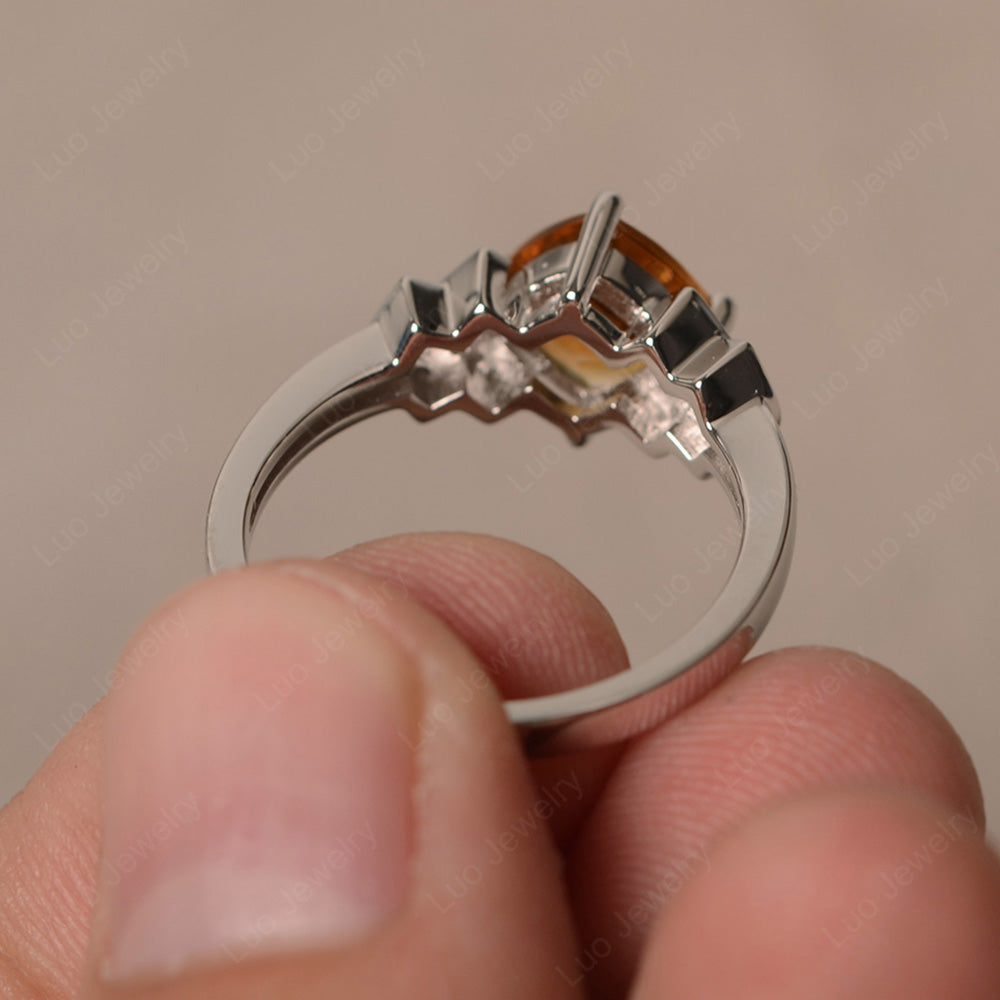
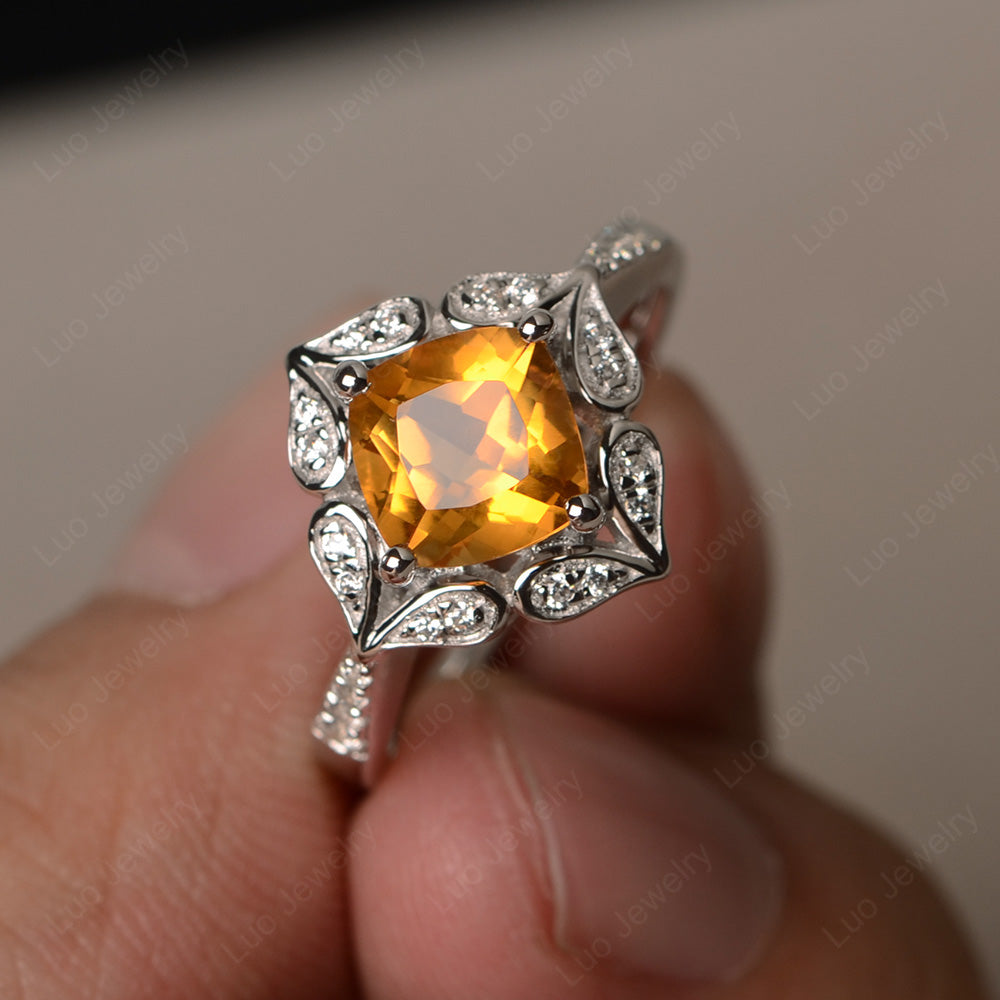
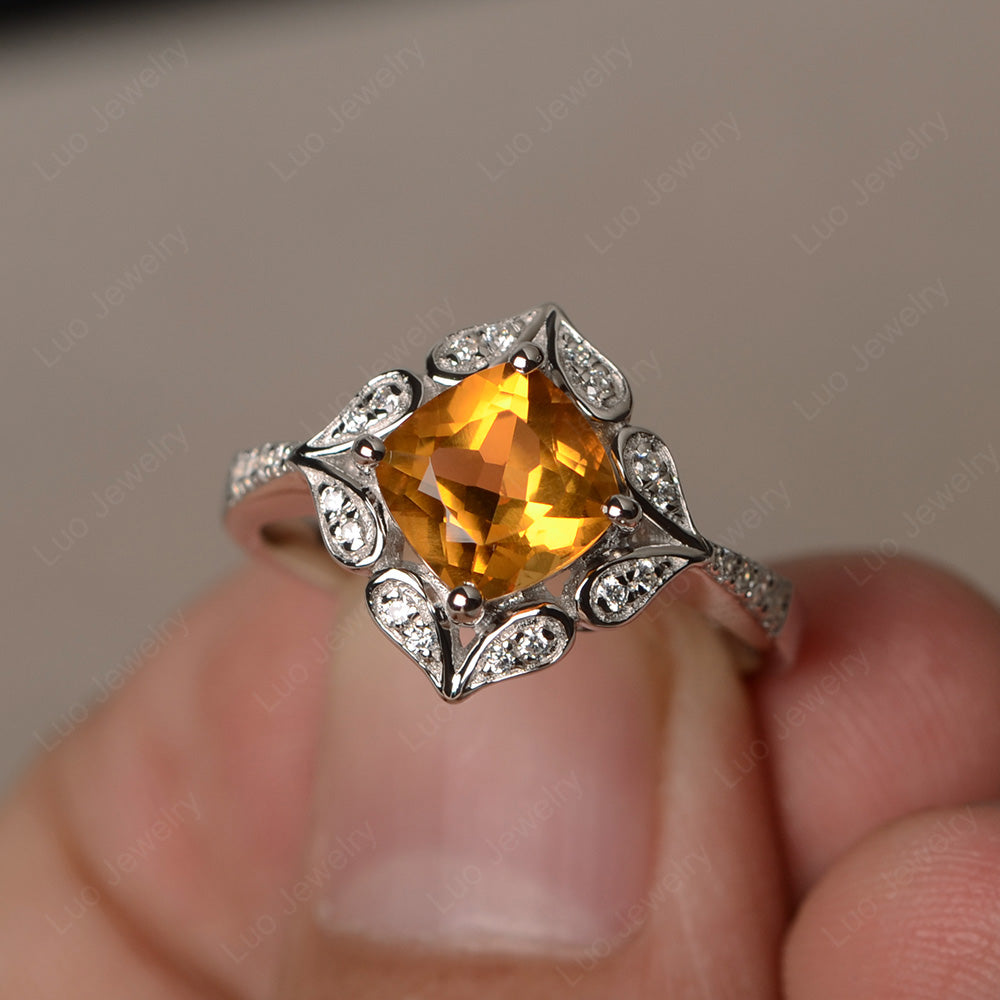
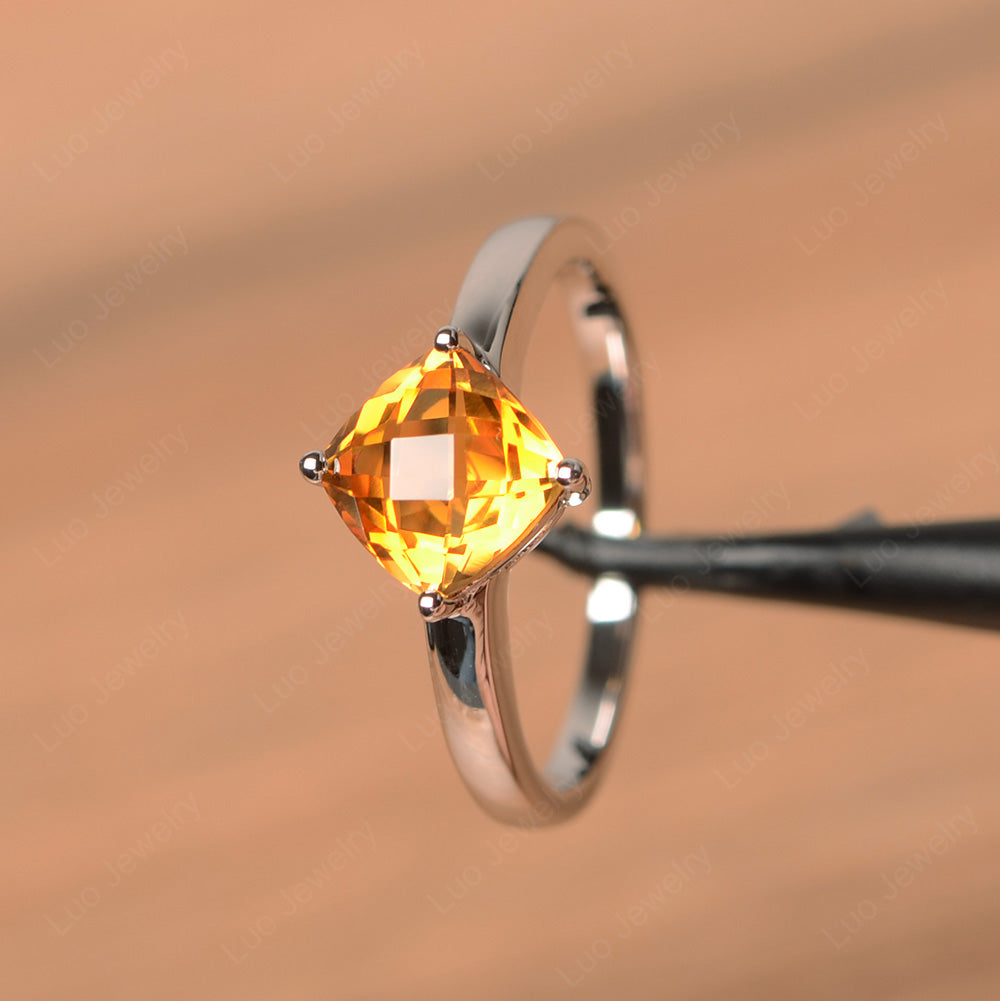
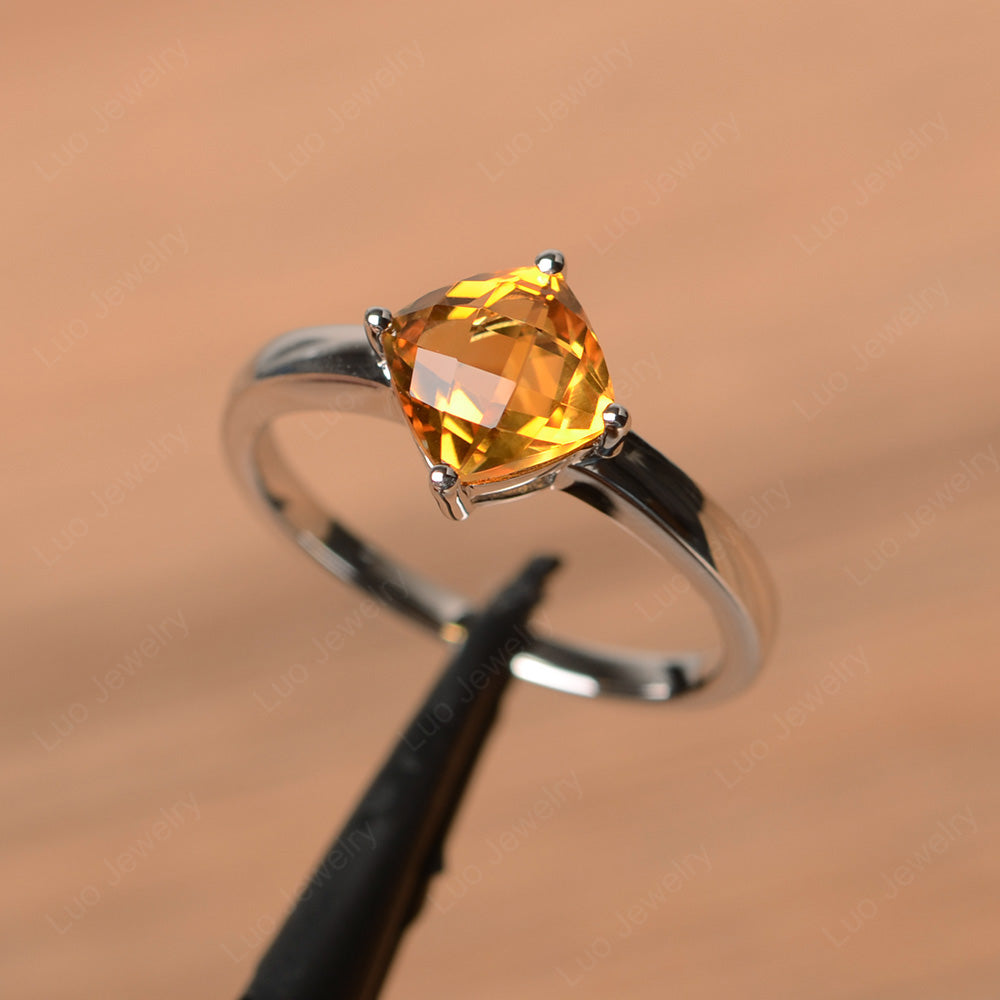
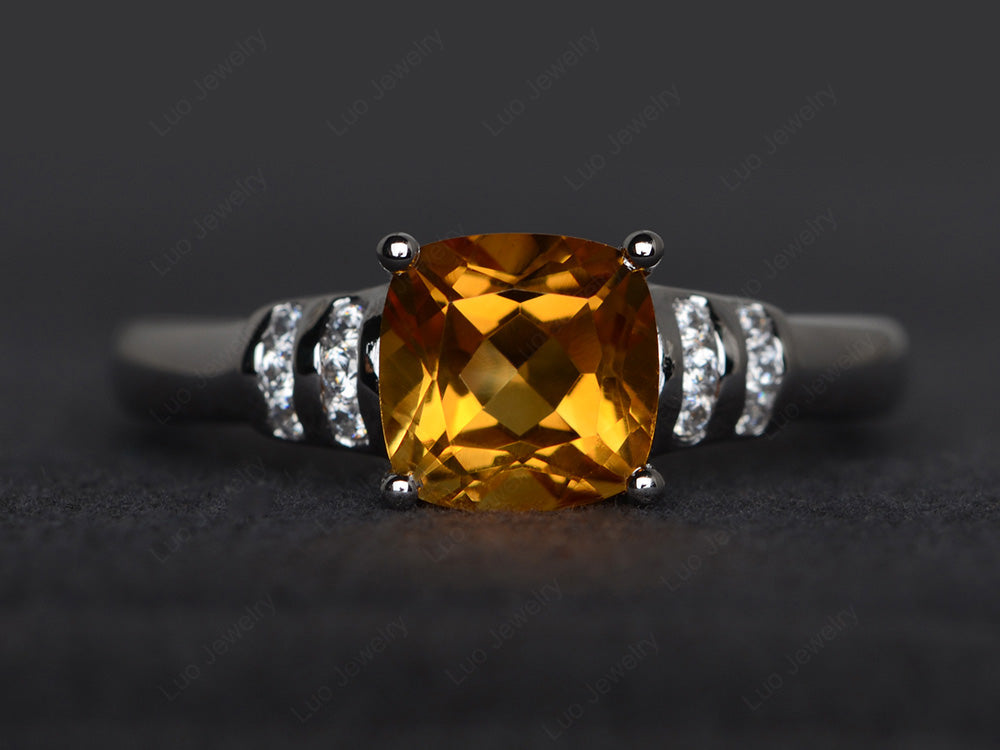
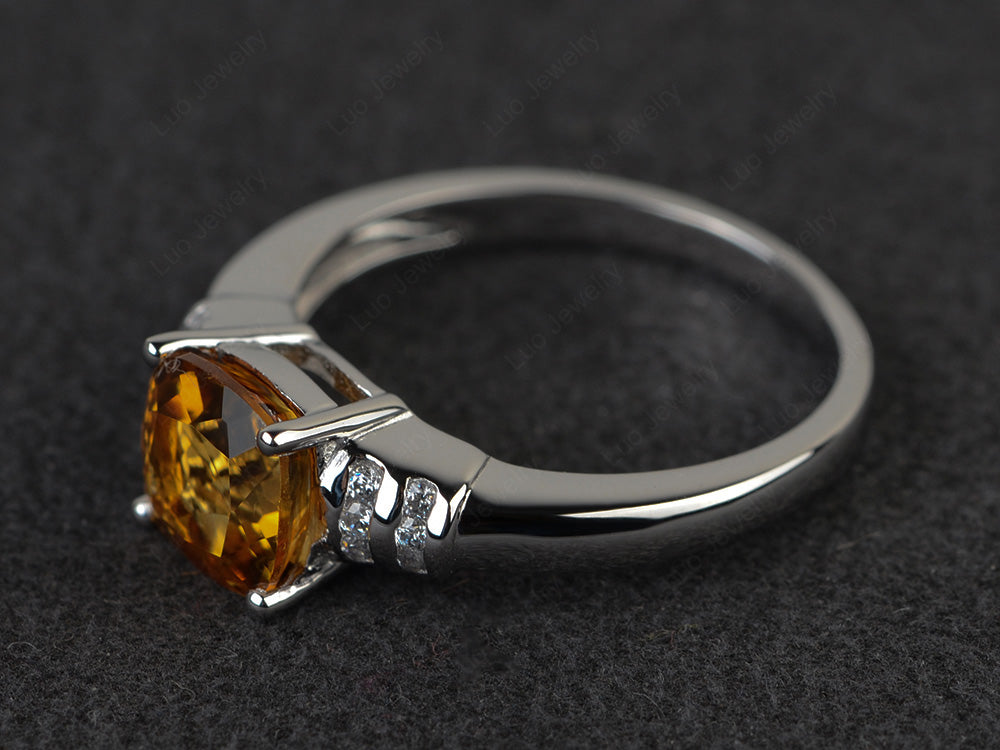
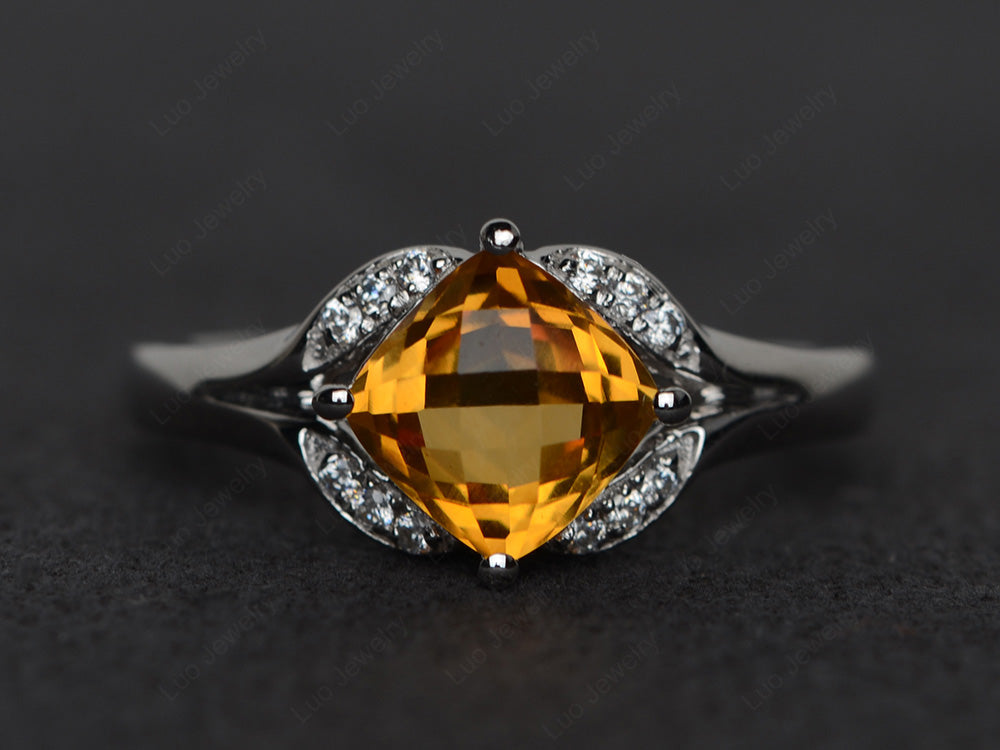
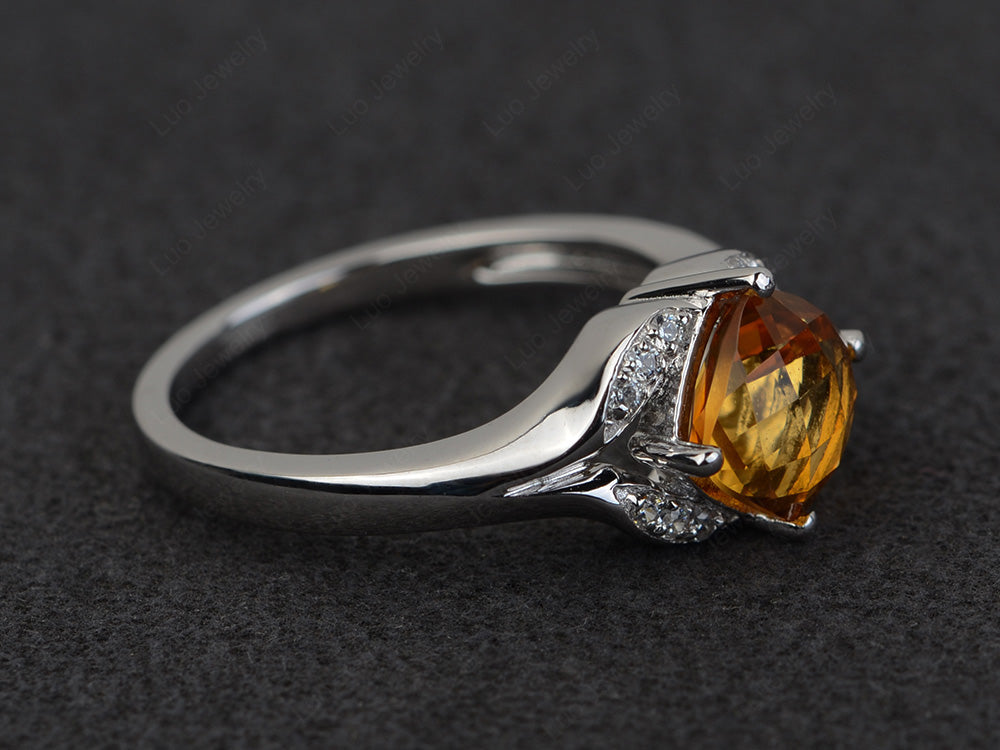
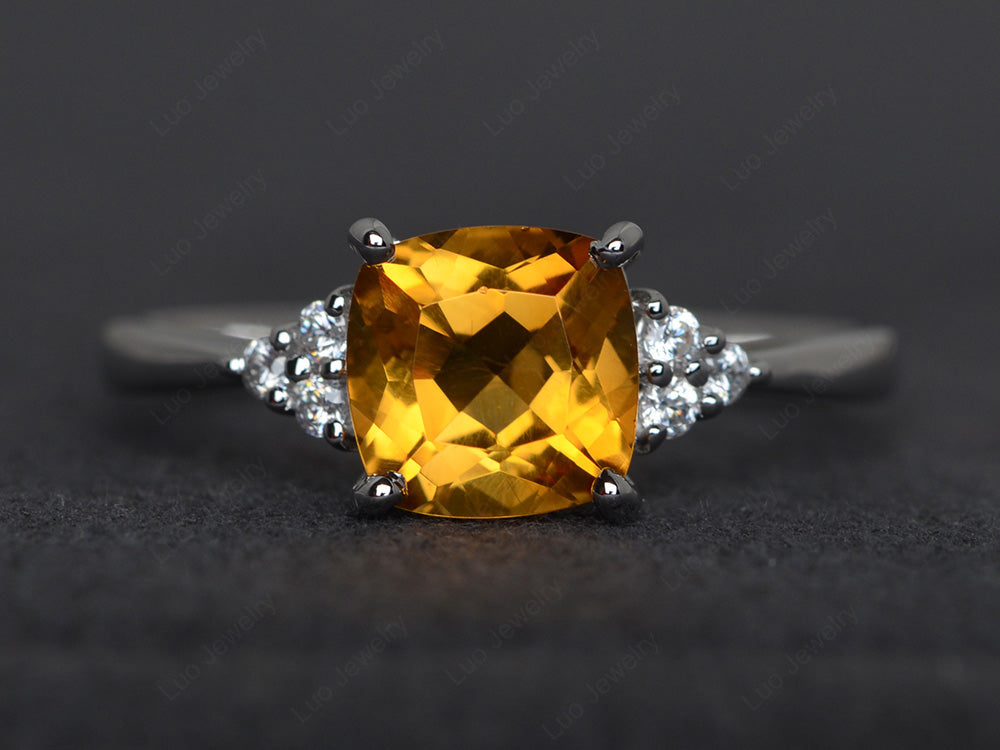
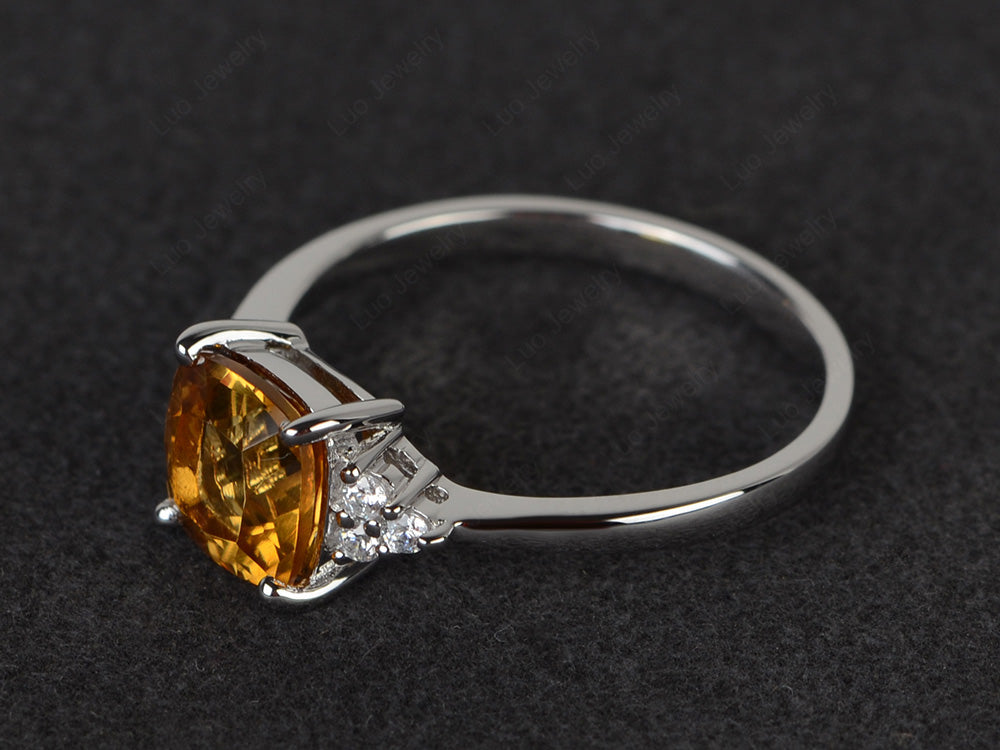
Our citrine rings collection celebrates this golden gemstone's sunny energy. Each citrine gemstone is selected for its warm honey to amber color and exceptional clarity, set in yellow gold and rose gold designs that enhance its natural warmth. From substantial cocktail rings to delicate everyday bands, these rings bring November birthstone significance and abundant energy to your jewelry collection.
Trier par
Filtres
Citrine Rings | A Radiant Symbol of Joy, Prosperity, and Positive Energy
Citrine, the birthstone for November, is celebrated for its golden brilliance and warm, sunlit hues that range from pale honey to deep amber. Known as the “Stone of Success” or “Merchant’s Stone", citrine has long been cherished as a symbol of optimism, abundance, and creative energy. With a Mohs hardness of 7, this resilient gemstone is perfect for everyday wear—making citrine rings an uplifting choice for engagement rings, wedding rings, and meaningful November birthday gifts.
At LUO Jewelry, each citrine gemstone is carefully hand-selected for its vibrant glow and natural clarity. Our designers capture the spirit of sunlight in stone—infusing every piece with warmth, brightness, and modern sophistication. A citrine ring from LUO Jewelry isn’t just an accessory; it’s a radiant reminder of confidence, joy, and the beauty of embracing life with an open heart.
Our citrine ring collection features an array of distinctive designs to match every personality and occasion:
- Solitaire Citrine Engagement Rings: Minimalist yet striking, these rings highlight the gemstone’s natural sparkle, perfect for lovers of refined elegance and sunshine-inspired simplicity.
- Vintage Citrine Rings: Embellished with intricate filigree, milgrain edges, and diamond accents, these pieces evoke old-world glamour and timeless romance.
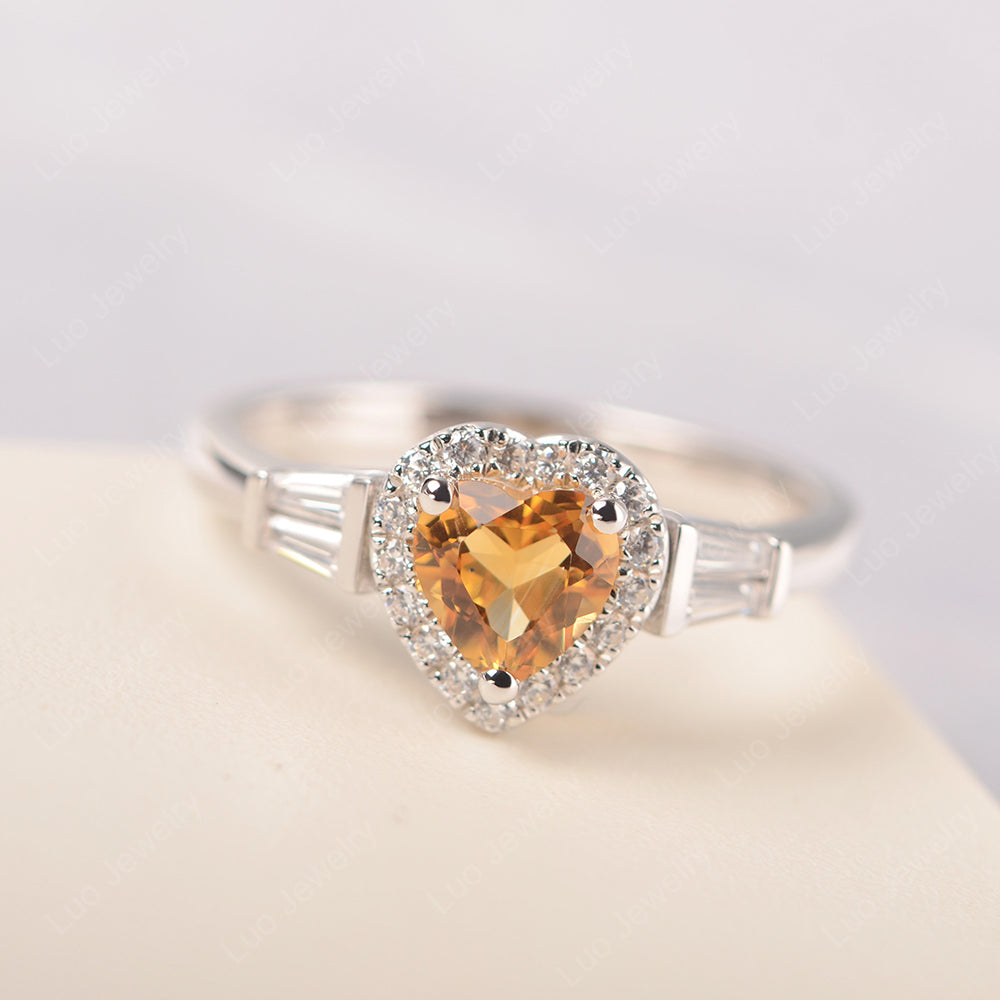
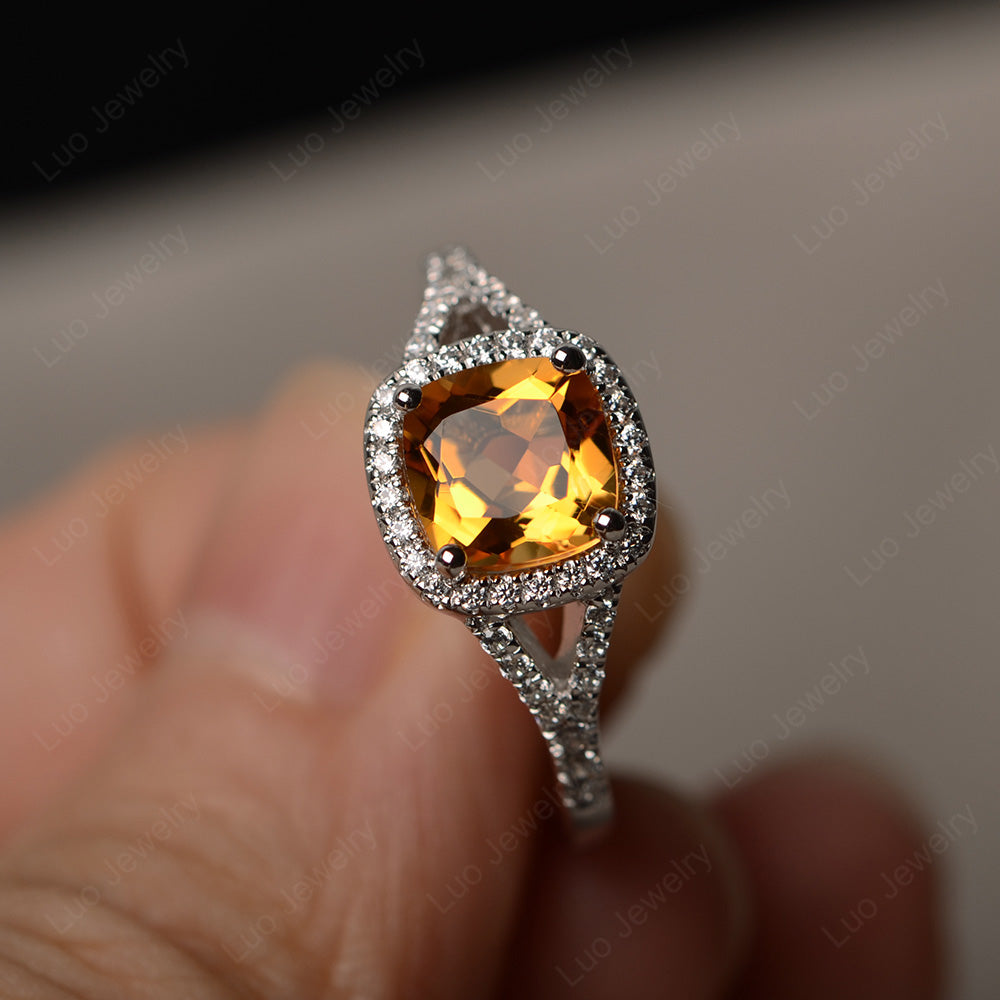
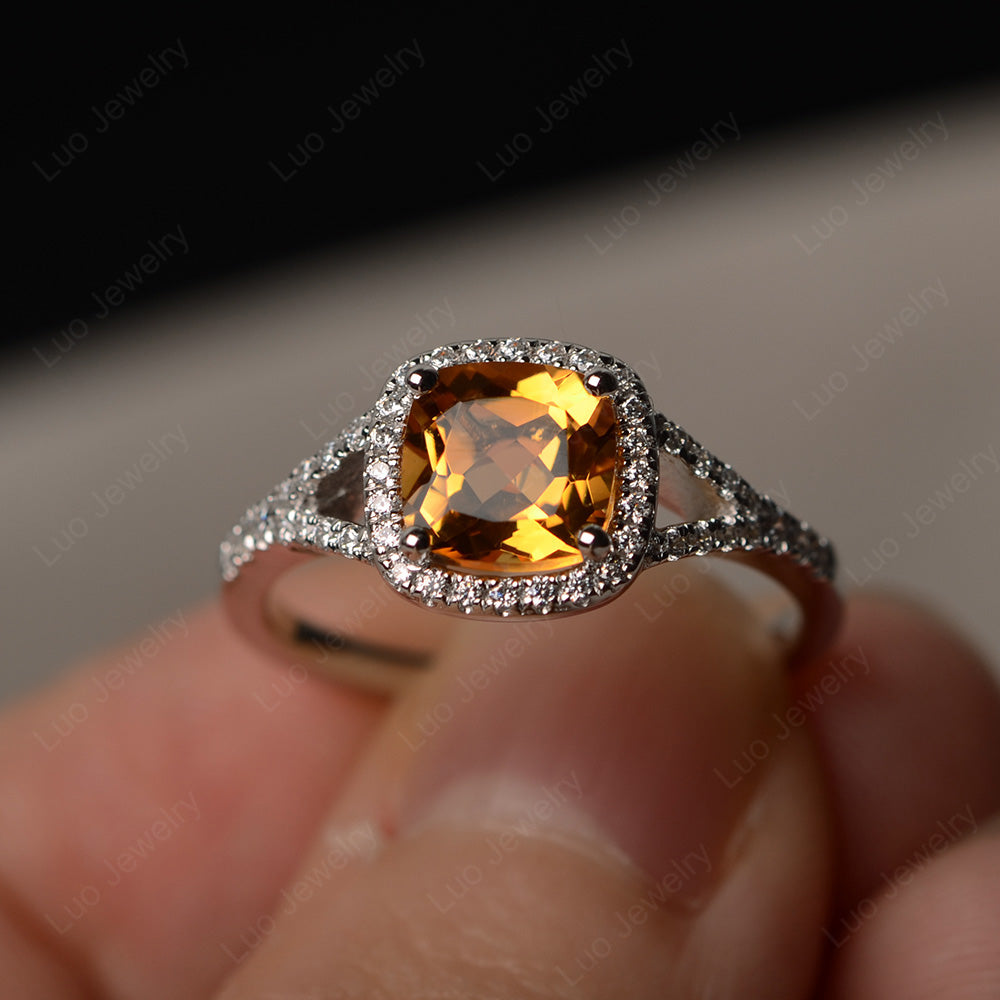
- Halo Citrine Engagement Rings: Surrounded by a shimmering halo of white topaz or diamonds, the citrine’s golden core shines brighter than ever—a radiant symbol of light and love.
- Three-Stone Citrine Rings: Representing the past, present, and future, these meaningful designs blend emotional symbolism with exquisite craftsmanship.
To enhance the allure of your citrine ring, LUO Jewelry offers multiple metal settings:
- 14K / 18K Yellow Gold Citrine Rings: A harmonious match—yellow gold amplifies citrine’s golden glow, creating a luxurious, sun-drenched effect.
- 14K / 18K White Gold Citrine Rings: Modern and sophisticated, white gold provides a crisp contrast that lets the gem’s warmth take center stage.
- 14K / 18K Rose Gold Citrine Rings: Romantic and luminous, rose gold enhances citrine’s honey tones, infusing the piece with femininity and charm.
- 925 Sterling Silver Citrine Rings: Chic and versatile, sterling silver offers a cool balance to citrine’s sunny fire—perfect for effortless, everyday radiance.
At LUO Jewelry, every citrine engagement ring is crafted with precision and passion:
- Expert Cutting: Each stone is faceted to maximize its natural brilliance—whether round, oval, pear, or emerald cut, the sparkle remains irresistible.
- Thoughtful Settings: From prong to bezel to halo, our artisans design settings that ensure both security and striking beauty.
- Polished Finish: Every citrine ring is meticulously polished to achieve a mirror-like shine that enhances both comfort and brilliance.
We also offer customization services, allowing you to personalize every detail—from gemstone shape and metal choice to engraving your own message of love or empowerment.
Explore LUO Jewelry’s citrine ring collection and let the golden warmth of this luminous gemstone illuminate your life with joy.
Explore Related Citrine Jewelry
Frequently Asked Questions
What is Citrine?
Citrine is a yellow to golden-orange variety of quartz, one of the most abundant minerals on Earth. It belongs to the crystalline quartz family and gets its name from the French word "citron", meaning lemon, due to its characteristic sunny color. Natural citrine is relatively rare in nature, which is why most citrine on the market today is actually heat-treated amethyst or smoky quartz that has been transformed to achieve the desired yellow-orange hues.
What Color is Citrine?
Citrine displays a spectrum of warm colors ranging from pale yellow to deep amber. The most common shades include:
Light citrine appears as a pale, lemony yellow with delicate transparency. Golden citrine shows a rich, honey-like golden hue that's highly prized. Madeira citrine, named after the fortified wine, exhibits deep orange to reddish-brown tones and is considered the most valuable. Fire citrine displays vibrant orange-red colors. The intensity of color depends on the amount of iron impurities present in the crystal structure and, in heat-treated stones, the temperature and duration of the heating process.
How is Citrine Formed?
Natural citrine forms deep within the Earth's crust when silicon dioxide (quartz) crystallizes in the presence of trace amounts of iron. The iron impurities combined with natural radiation and heat over millions of years create the yellow to orange coloration. This process occurs in igneous rocks, particularly in granite and other silica-rich formations, at temperatures between 400 and 500 degrees Celsius.
However, most commercial citrine is created through heat treatment. Amethyst (purple quartz) or smoky quartz is heated to temperatures between 400 and 500 degrees Celsius, which alters the oxidation state of the iron impurities and changes the color from purple or brown to the characteristic yellow-orange of citrine. This heat-treated citrine is genuine quartz and possesses the same physical properties as natural citrine.
Citrine vs. Topaz, What is the Difference?
Citrine and topaz look remarkably similar in their yellow to orange color range, but they are completely different minerals with distinct properties.
Citrine is a variety of quartz (silicon dioxide) with a Mohs hardness of 7, while topaz is an aluminum silicate fluoride hydroxide mineral with a Mohs hardness of 8, making it significantly harder and more scratch-resistant than citrine.
Yellow topaz is generally more valuable than citrine and shows a different type of brilliance due to its higher refractive index. Topaz has a more complex crystal structure and displays perfect cleavage in one direction, meaning it can split along certain planes, while citrine has no cleavage and breaks in a conchoidal (shell-like) pattern.
What is Citrine Good for?
Prosperity and abundance are citrine's most celebrated associations. Often called the "Merchant's Stone" or "Success Stone", it's believed to attract wealth, success, and prosperity. Energy and vitality are said to flow from citrine, as its sunny color is thought to energize and invigorate the wearer, dispelling negativity and fatigue while promoting joy and optimism.
Mental clarity and manifestation are associated with citrine's connection to the solar plexus chakra. Practitioners believe it enhances concentration, creativity, and personal willpower, helping individuals manifest their goals and desires. Emotional healing is another claimed benefit, with citrine purportedly helping to overcome depression, fears, and phobias while promoting self-confidence and emotional balance.
What Month is Citrine Birthstone?
Citrine is one of the official birthstones for November, which makes citrine birthstone jewelry an excellent gift for those born in November. The warm, golden hues of citrine gemstone are particularly fitting for the autumn month of November, reflecting the colors of fall leaves and harvest celebrations.
Citrine is also recognized as the traditional gift for the 13th wedding anniversary, symbolizing prosperity and happiness in marriage.
How to Tell If a Citrine is Real?
Determining whether citrine is genuine requires understanding that most "real" citrine on the market is heat-treated quartz, which is still authentic quartz and acceptable in the gem trade. The real concern is distinguishing citrine from glass or other imitations.
Here are a few tips:
- Natural citrine often has subtle color zoning; fake ones can appear unnaturally uniform.
- Real gemstones feel cool to the touch and warm up slowly.
- Natural citrine may show minor inclusions; synthetic quartz tends to look overly perfect.
- A professional jeweler can confirm authenticity using tools like a refractometer or spectroscope.
Is Citrine Good for an Engagement Ring?
Yes — citrine makes a stunning and meaningful choice for an engagement ring.
Its golden glow symbolizes happiness, vitality, and a bright future together. However, citrine’s hardness of 7 means it’s durable but not indestructible; it’s best suited for careful everyday wear. LUO Jewelry often pairs citrine with protective bezel or halo settings to balance beauty and practicality.
What Does a Citrine Ring Symbolize?
Abundance and prosperity form the cornerstone of citrine's symbolism, with the stone long associated with merchants, traders, and success in business ventures. Wearing a citrine ring is thought to attract financial success and good fortune.
Joy and positivity are reflected in citrine's sunny, warm color, which symbolizes happiness, optimism, and life energy.
New beginnings are symbolized by citrine's bright, energizing quality, making citrine rings popular gifts for graduations, new jobs, or significant life transitions.
Lasting love and commitment apply when citrine rings are chosen for engagements or anniversaries, with the stone's durability and enduring beauty representing the lasting nature of the relationship.
How Much is a Citrine Ring Worth?
Citrine is one of the most affordable gemstones, though its value depends on several factors:
- Color – Rich golden-orange (“Madeira”) hues are most prized.
- Clarity and Cut – Eye-clean stones with brilliant cuts hold higher value.
- Setting and metal – Gold settings enhance the gem’s warm tones and increase overall price.
At LUO Jewelry, a typical citrine ring ranges from $50 to $500, though designer or custom pieces may cost more due to design, craftsmanship, and metal type.
How to Wear a Citrine Ring?
Traditionally, citrine is worn on the index or ring finger of the right hand, depending on cultural belief systems.
In Vedic astrology, it’s associated with Jupiter, the planet of prosperity, so it’s often worn on the index finger to enhance wealth and wisdom.
Spiritually, wearing citrine on your dominant hand channels its energy outward — perfect for manifesting success.
Of course, modern jewelry lovers wear citrine on any finger that feels right — there are no strict rules when style meets symbolism.
How to Clean a Citrine Ring?
Citrine gemstone can go in water safely for cleaning purposes. When clean a citrine ring, use warm soapy water and a soft brush to gently clean the gemstone and rinse thoroughly and dry with a lint-free cloth. Avoid harsh chemicals, ultrasonic cleaners, or steam cleaning.