


Pearl Rings
Our selection includes classic white pearls, exotic black pearls, and golden pearls, each chosen for superior nacre quality and perfect roundness. Innovative settings blend traditional mounting techniques with modern design elements, creating rings that honor pearl's ancient symbolism of wisdom and purity while appealing to contemporary tastes.
Trier par
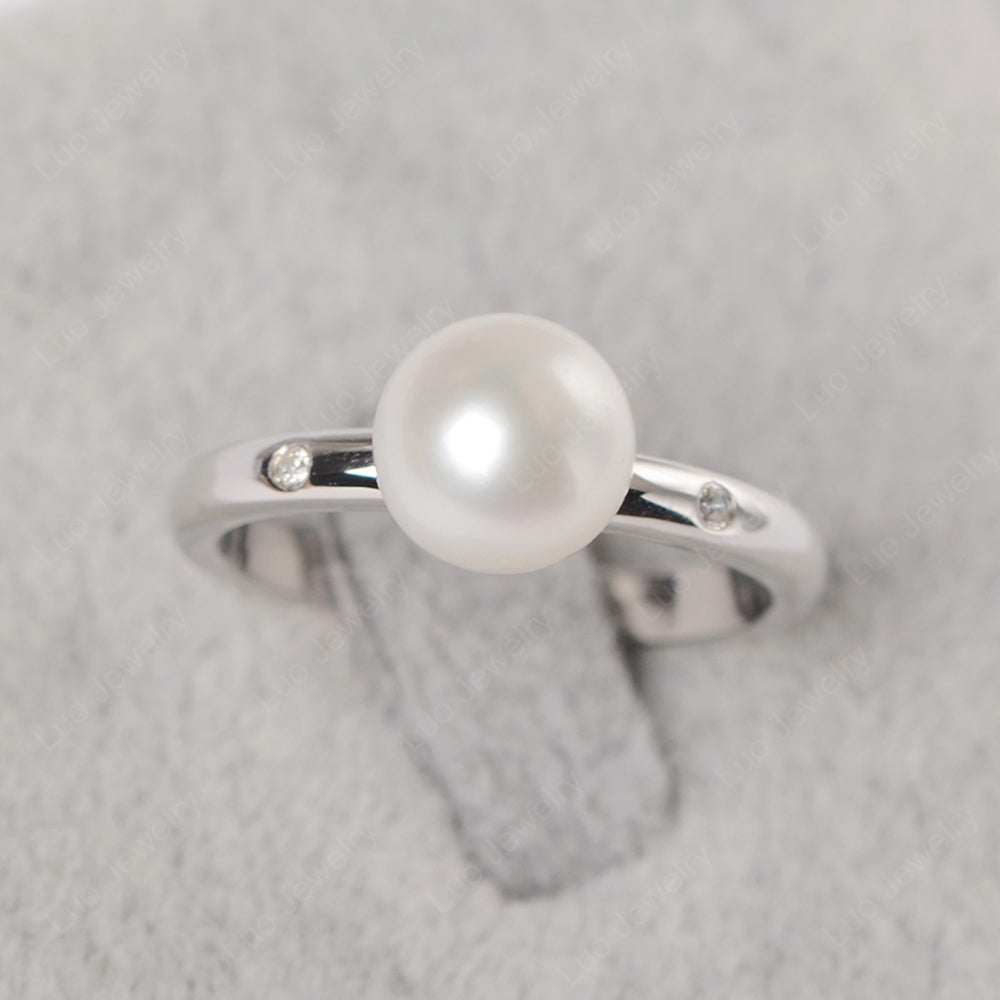
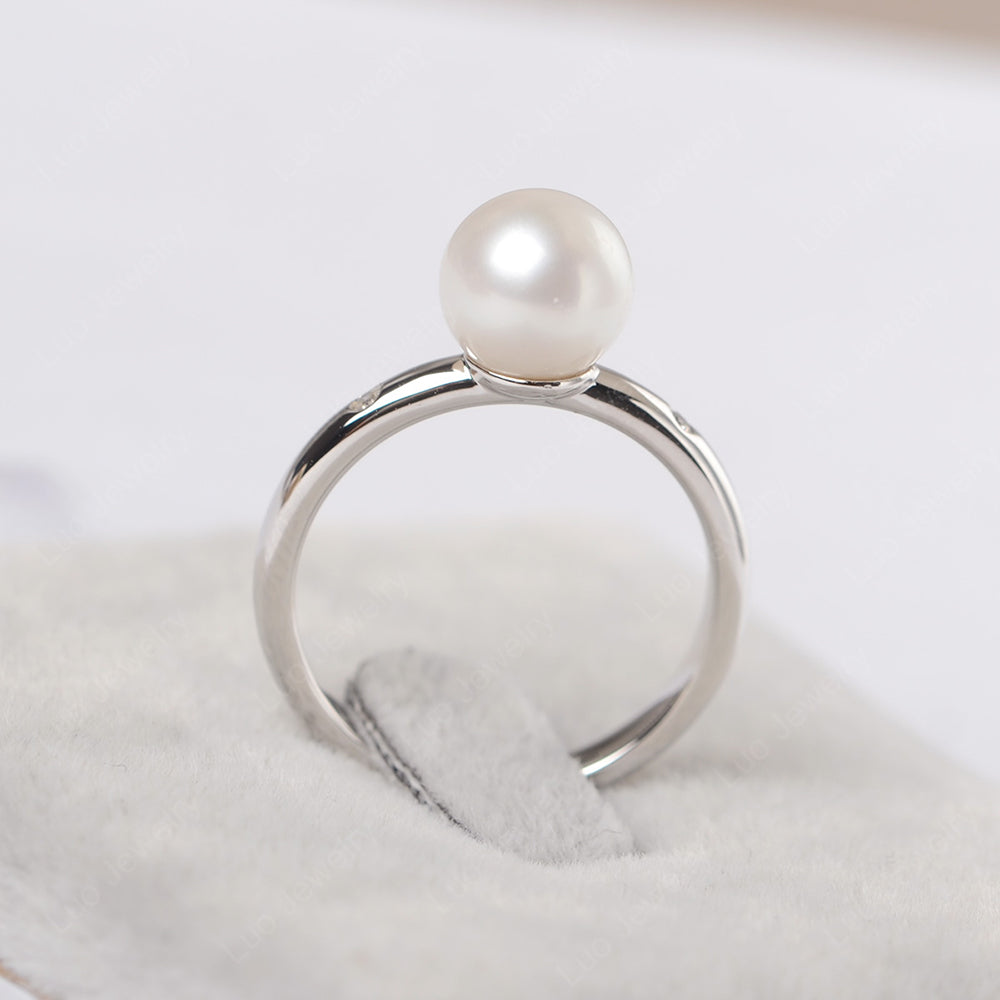
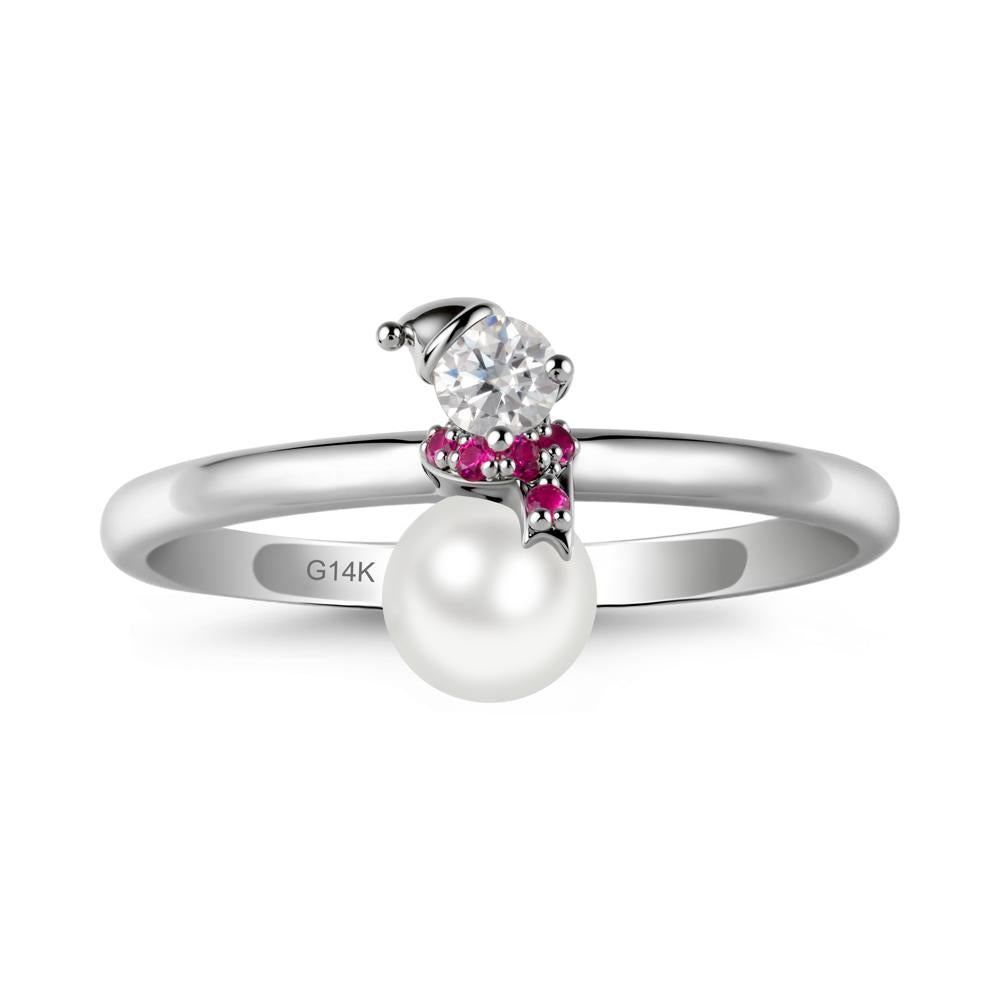
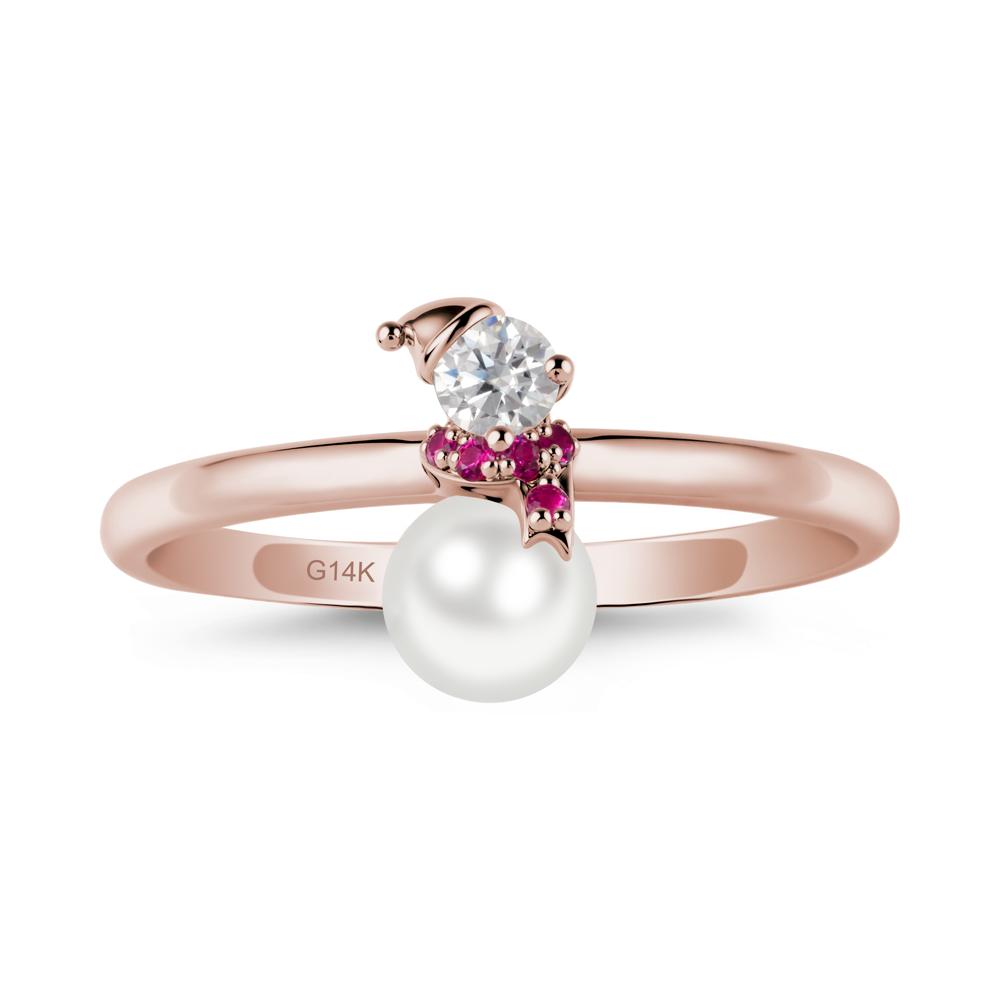
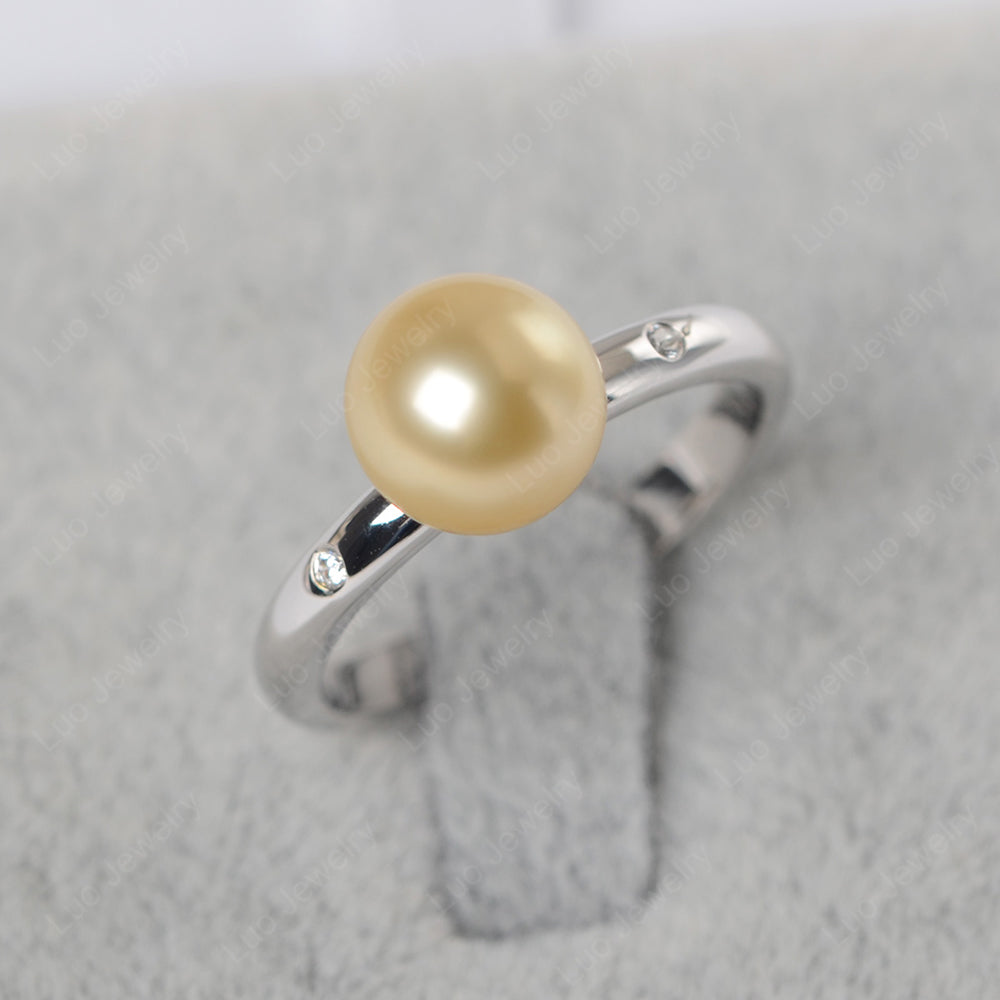
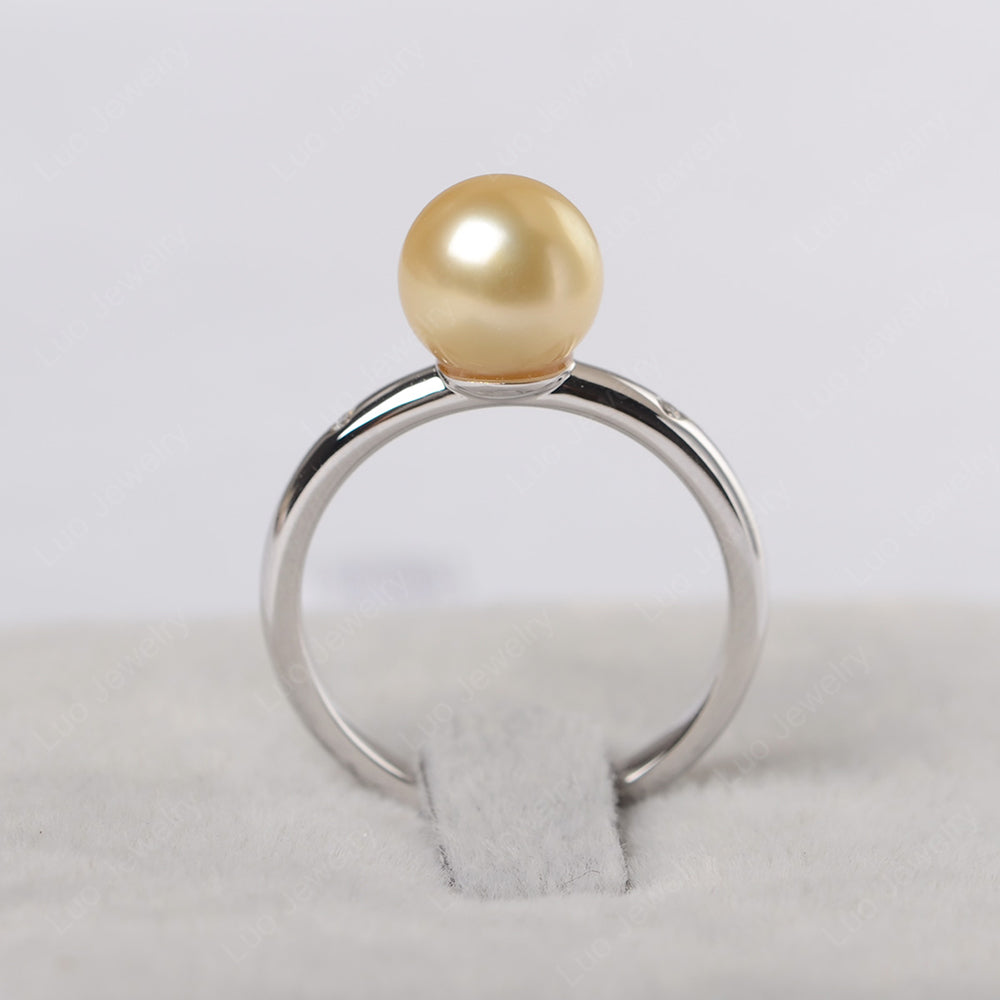
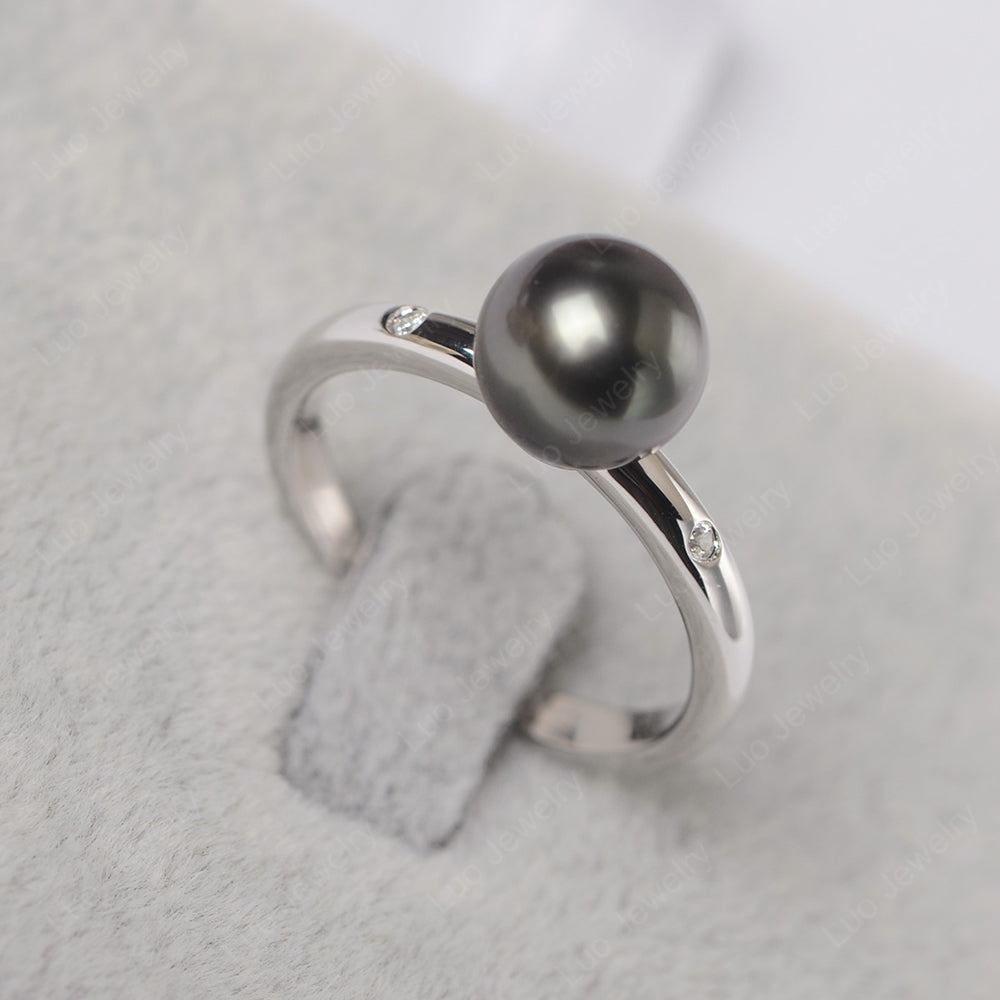
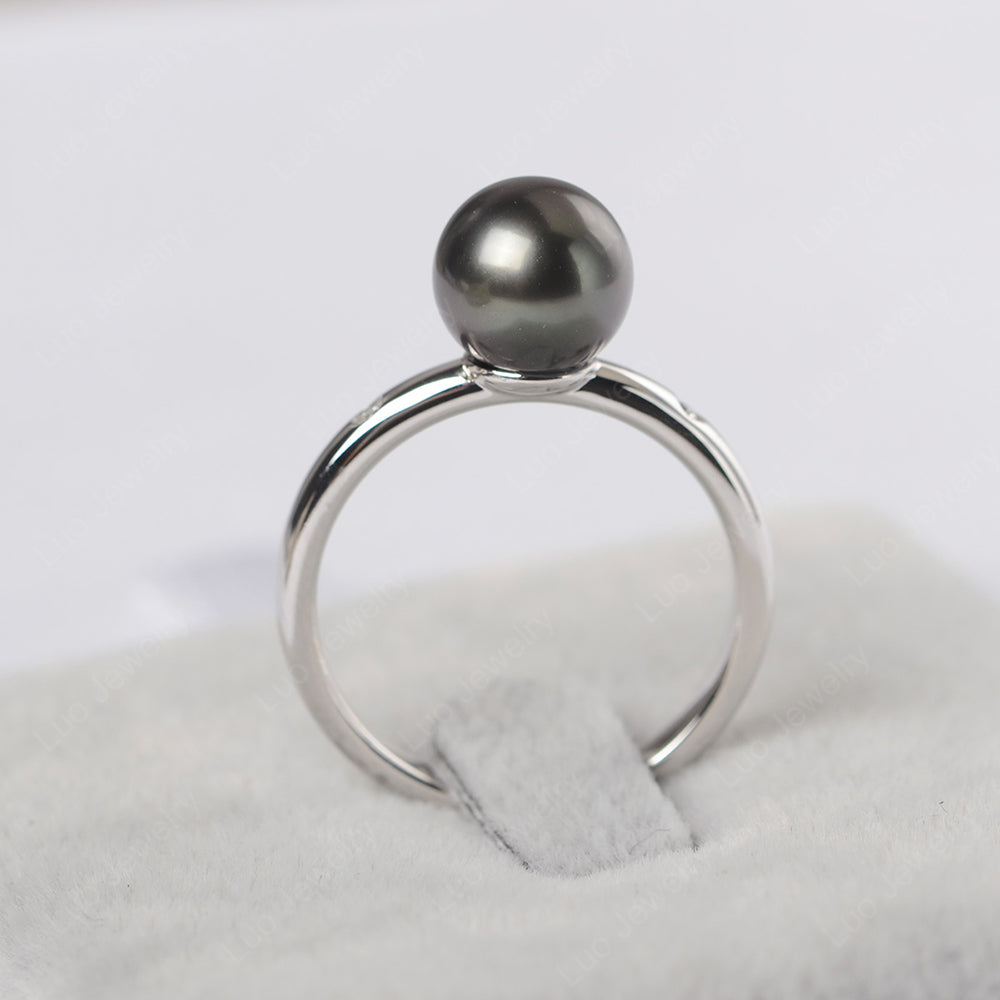
Pearl Rings | A Luminous Symbol of Purity, Grace, and Wisdom
Pearl, often called the "Queen of Gems", is renowned for its soft, natural luster, symbolizing purity, grace, and enduring wisdom. Unlike other gemstones mined from the earth, pearls are organic gems cultivated in the sea, embodying the mystery and tranquility of the ocean. With a Mohs hardness of 2.5 to 4.5, pearl jewelry is delicate and should be worn with care, making it an ideal and classic token for engagement rings, anniversary gifts, and June birthday celebrations.
At LUO Jewelry, each natural pearl we select boasts a unique, milky radiance. Their hues range from the classic pristine white to exotic shades of gold and black, possessing a subtle iridescence (orient) that shifts with the light. Our designers infuse this distinctive, serene beauty into every ring, blending timeless sophistication with romantic elegance.
Each natural pearl ring at LUO Jewelry shines with its own unique energy—not just a piece of jewelry but a heartfelt promise symbolizing enduring beauty and steadfastness
Pearl Rings FAQs
What are Pearls?
Pearls are organic gemstones created by mollusks, primarily oysters and mussels. Unlike traditional gemstones that are mined from the earth, pearls are produced by living organisms in water. They're composed of nacre, a crystalline substance made of calcium carbonate that the mollusk secretes in layers. Pearls are valued for their lustrous appearance, smooth texture, and range of colors from classic white and cream to pink, gold, black, and even blue or green.
What is Mother of Pearl?
Mother of pearl, also called nacre, is the iridescent inner layer of a mollusk's shell. It's the same material that forms pearls. This lustrous substance is secreted by the mollusk to line the interior of its shell, creating a smooth, protective coating.
Mother of pearl displays a beautiful rainbow-like play of colors and is often used in jewelry, buttons, and decorative inlays. While it comes from the same source as pearls, mother of pearl is harvested from the shell itself rather than being a separate formation.
How are Pearls Formed?
Pearls form when an irritant, such as a grain of sand or parasite, enters a mollusk's shell. As a defense mechanism, the mollusk begins coating the irritant with layers of nacre. Over time, these layers build up to create a pearl.
Natural pearls form spontaneously in the wild, but they're extremely rare. Cultured pearls are created through human intervention, where technicians carefully insert a nucleus into the mollusk to initiate the process. The mollusk is then returned to water where it continues to coat the nucleus with nacre over months or years.
Cultured pearls account for nearly all pearls sold today and can be just as beautiful and valuable as natural pearls.
How to Tell If Pearls are Real?
There are several methods to authenticate pearls. The tooth test is the most common: gently rub the pearl against your front teeth. Real pearls feel slightly gritty or sandy due to their layered nacre structure, while fake pearls feel smooth like glass.
You can also examine the surface closely. Real pearls have slight imperfections, variations in color, and a deep luster, whereas imitation pearls look too perfect and have a uniform, sometimes shiny appearance.
The drill hole test works for strung pearls: real pearls have clean, precise drill holes, while fake pearls may show chipping or peeling around the hole.
Weight is another indicator, as real pearls feel heavier than plastic imitations.
Finally, the temperature test can help: real pearls feel cool to the touch initially and warm up gradually, while fake pearls quickly assume room temperature.
Is Pearl a Birthstone?
Yes, pearl is one of the birthstones for June, along with alexandrite and moonstone. Pearls have been associated with June for centuries and are particularly meaningful for those born in this month. They symbolize purity, innocence, and new beginnings, making them popular gifts for June birthdays, graduations, and other milestone celebrations.
Are Pearl Engagement Rings a Good Idea?
Pearl engagement rings can be a beautiful and meaningful choice, but they require careful consideration. Pearls offer a unique, vintage-inspired aesthetic and carry symbolism of purity and wisdom. They're also often more affordable than diamond rings.
However, pearls are relatively soft gemstones, ranking only 2.5 to 4.5 on the Mohs hardness scale, which makes them susceptible to scratching, chipping, and damage from chemicals, cosmetics, and everyday wear.
Are Pearl Rings Durable?
Pearl rings are not as durable as rings featuring harder gemstones like diamonds, sapphires, or rubies.
Pearls are organic and porous, making them vulnerable to acids, chemicals, heat, and physical impact. They can be scratched by harder materials, cracked by sudden temperature changes, and damaged by substances like perfume, hairspray, chlorine, and household cleaners. The nacre coating can wear away over time with frequent contact against hard surfaces.
Despite these vulnerabilities, with proper care and gentle handling, pearl rings can last for generations. The key is treating them delicately, removing them during physical activities, and storing them carefully when not in use.
What Does a Pearl Ring Symbolize?
Pearl rings carry rich symbolism across cultures. They traditionally represent purity, innocence, and integrity, which is why pearls have long been associated with weddings and brides.
Pearls also symbolize wisdom gained through experience, as they're created through the mollusk's response to irritation over time. Pearl rings can signify new beginnings, making them popular for graduations or career milestones.
They're also associated with calmness, balance, and faith. In relationships, pearl engagement rings can symbolize a pure and enduring love, while also representing the uniqueness of the partnership, since no two pearls are exactly alike.
How to Buy a Pearl Engagement Rings?
1. When purchasing a pearl engagement ring, start by understanding the different types of pearls: Akoya pearls are classic and lustrous, freshwater pearls offer variety and value, Tahitian pearls provide exotic dark colors, and South Sea pearls are the largest and most luxurious.
2. Evaluate quality based on luster (the pearl's reflective quality and glow), surface quality (fewer blemishes is better), shape (round is most valuable, but baroque shapes offer unique character), size (larger pearls are rarer and more expensive), and color (choose what appeals to you, though some colors command premium prices).
3. Select a protective setting that cups or surrounds the pearl to guard against impacts. Consider a bezel or halo setting rather than prong settings.
4. Choose a reputable jeweler who can provide authentication and information about the pearl's origin. Ask about treatment (most pearls are untreated, but some are bleached or dyed).
How Much are Pearl Rings Worth?
The pearl's type, size, luster, surface quality, color, and shape all affect value, as does the setting's metal and any accompanying diamonds or gemstones. Natural pearls are significantly more valuable than cultured pearls due to their rarity.
Simple freshwater pearl rings in sterling silver might cost between $50 to $300, making them an accessible option. Mid-range Akoya pearl rings in gold settings typically range from $500 to $3,000. High-end Tahitian or South Sea pearl rings with quality settings can cost $2,000 to $10,000 or more. Exceptional vintage or designer pearl rings, especially those featuring rare natural pearls or exceptional specimens, can command prices exceeding $20,000.
Which Finger to Wear Pearl Ring?
There's no strict rule about which finger should wear a pearl ring, as it largely depends on personal preference, cultural traditions, and the ring's purpose.
Engagement rings traditionally go on the left ring finger in Western cultures. For fashion or statement rings, many people choose the right ring finger or middle finger for prominence. The index finger works well for bold pearl cocktail rings. Some Eastern traditions suggest wearing pearl rings on the little finger of the right hand for astrological benefits.
How to Clean a Pearl Ring?
Cleaning pearl rings requires gentle care to avoid damage. After each wearing, wipe the pearl with a soft, slightly damp cloth to remove oils, dirt, and residue. This simple habit prevents buildup and maintains luster.
For deeper cleaning, use only lukewarm water (never hot or cold, as temperature extremes can crack pearls) and a mild soap specifically designed for pearls or a very gentle dish soap. Dip a soft cloth in the soapy water and gently wipe the pearl. Rinse with a clean, damp cloth and immediately dry with a soft towel. Never soak pearl rings in water, as this can weaken the string or adhesive if the pearl is glued.