
Bagues en platine
Crafted for eternity, our platinum gemstone rings blend strength with rare beauty. The cool luster of platinum enhances the gemstone’s fire while ensuring lasting durability. Every ring is meticulously designed to capture timeless sophistication—an ideal choice for engagement, milestones, and heirloom-worthy elegance.
Trier par
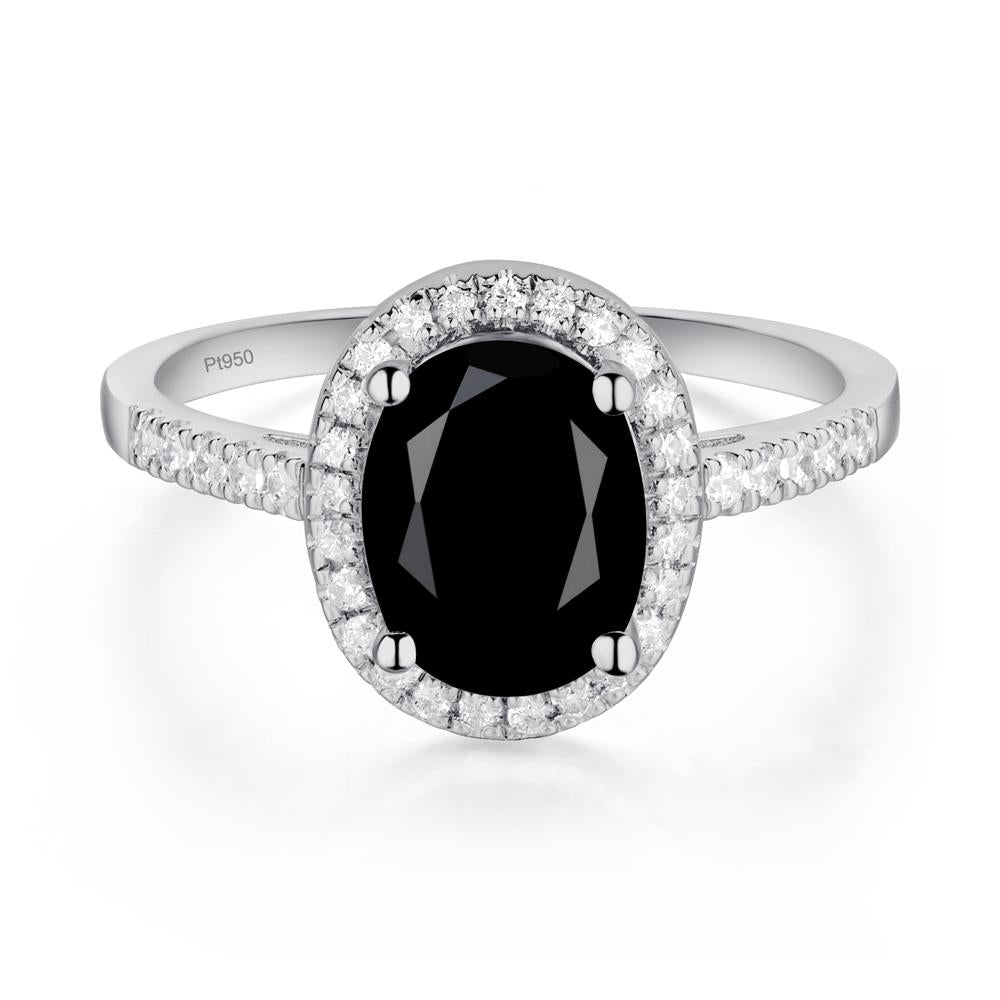
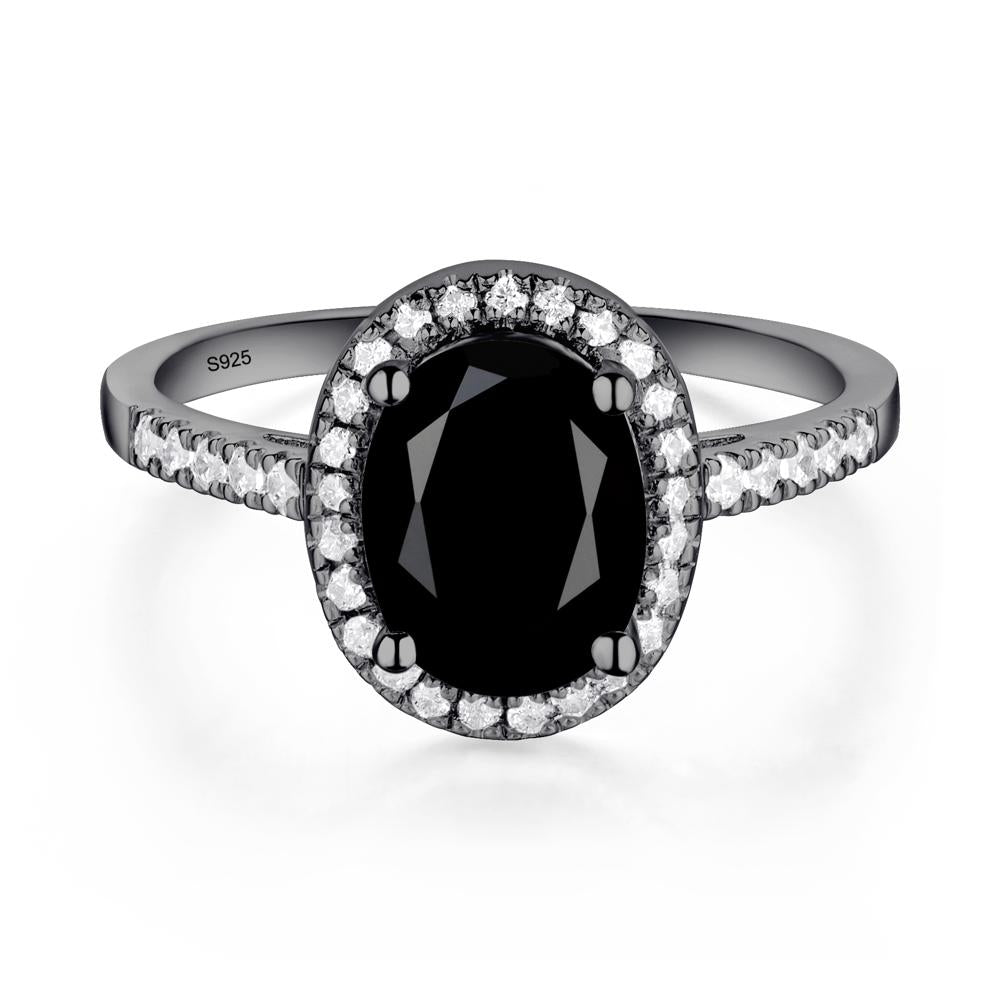
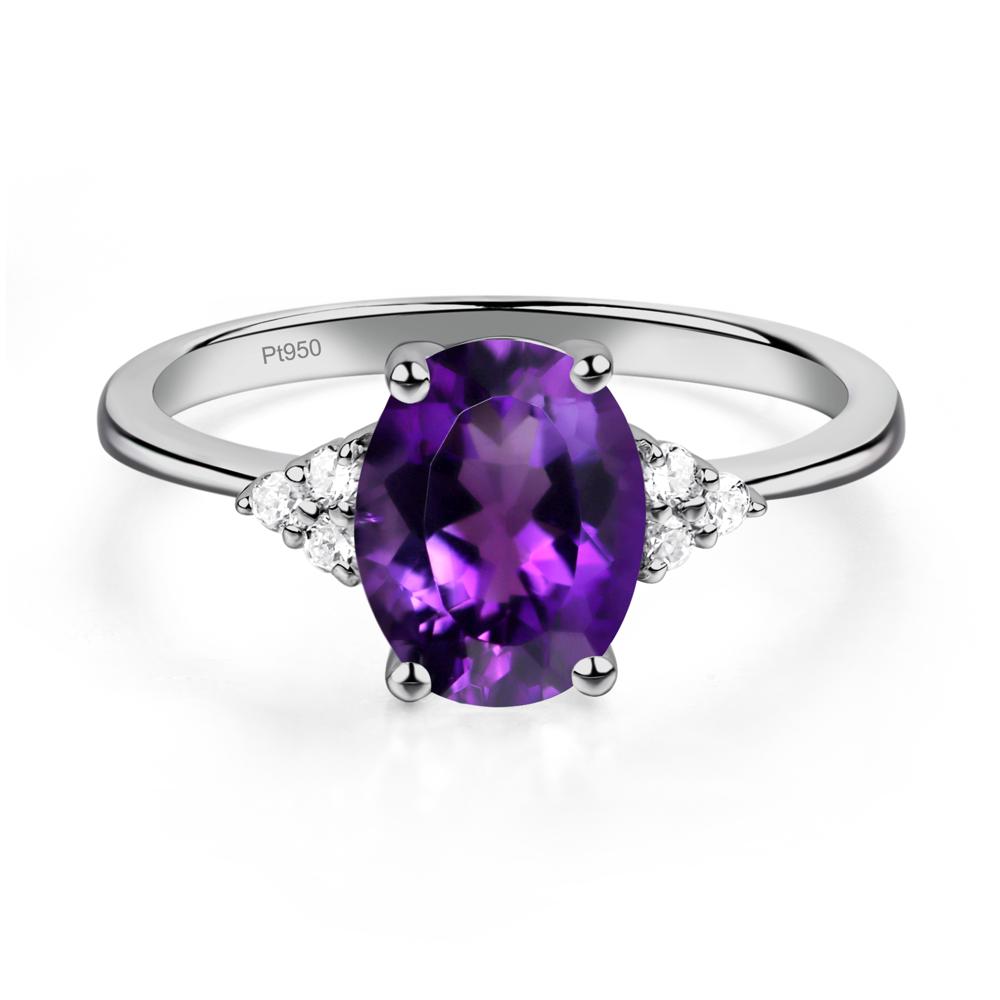
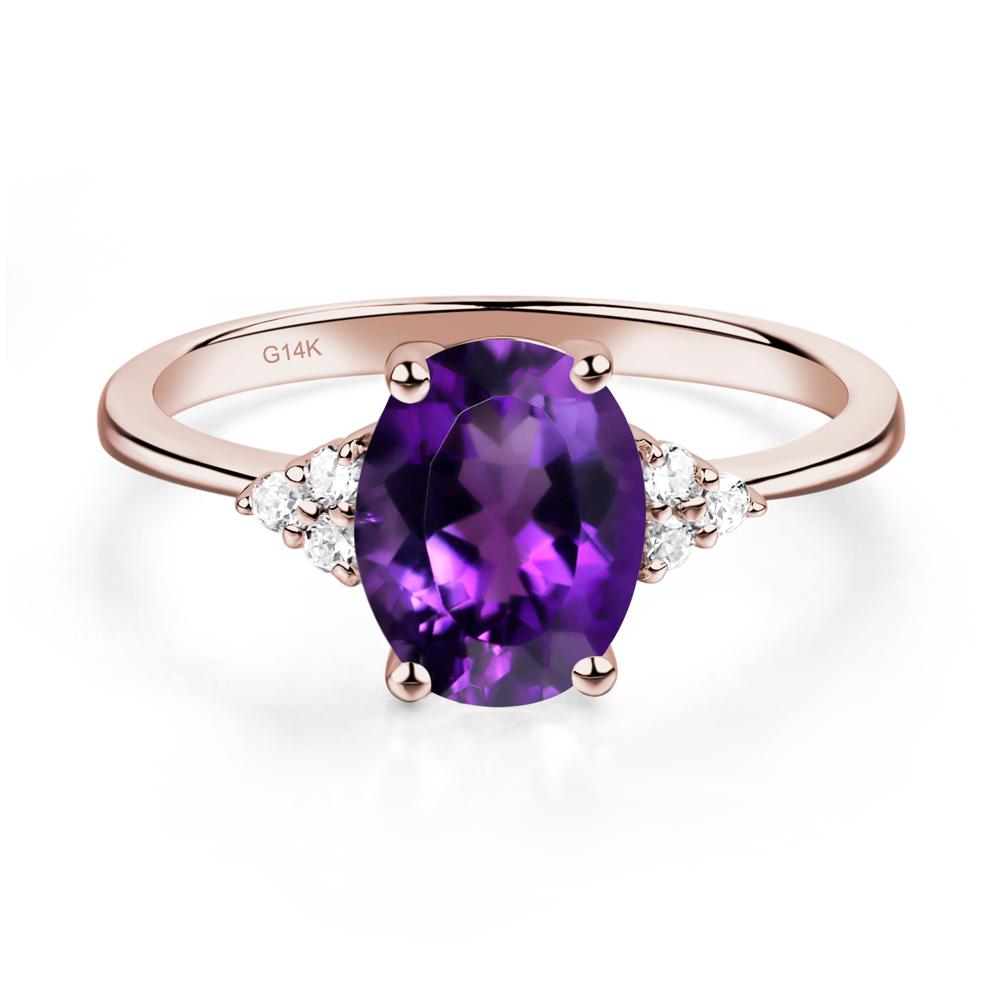
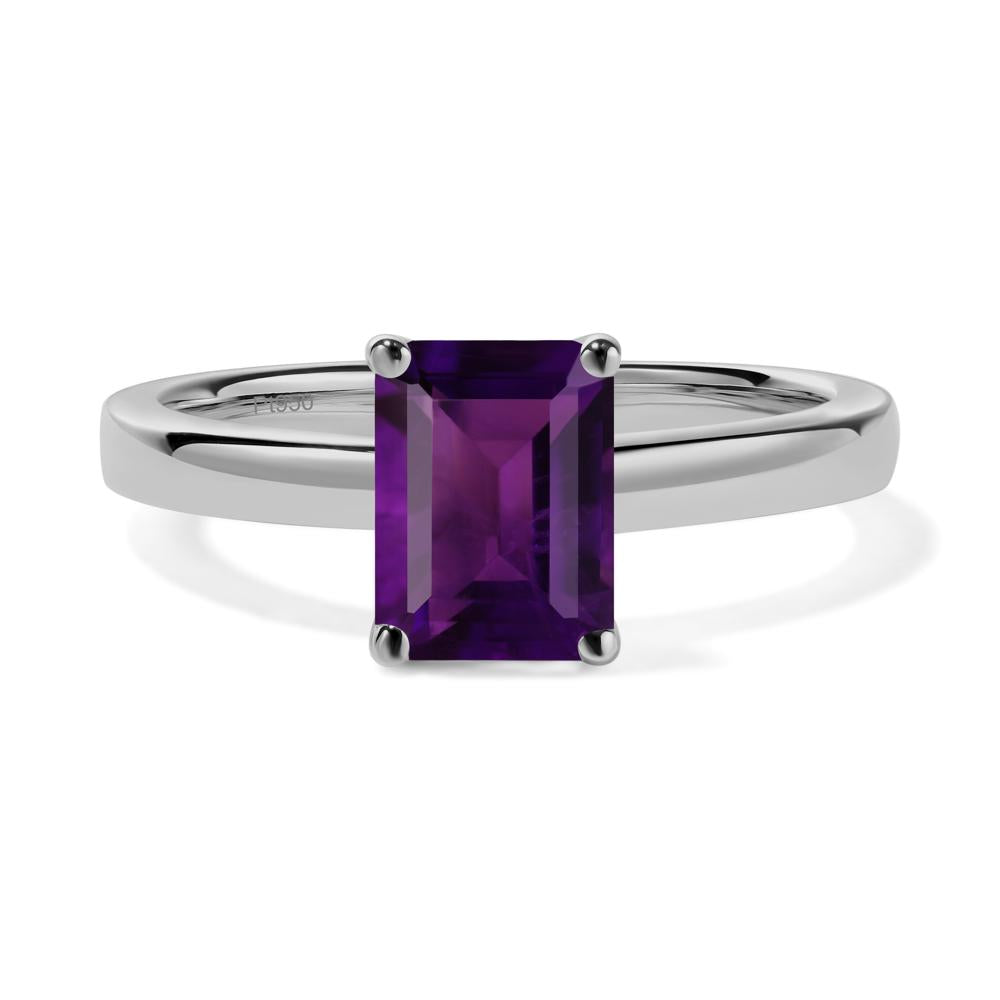
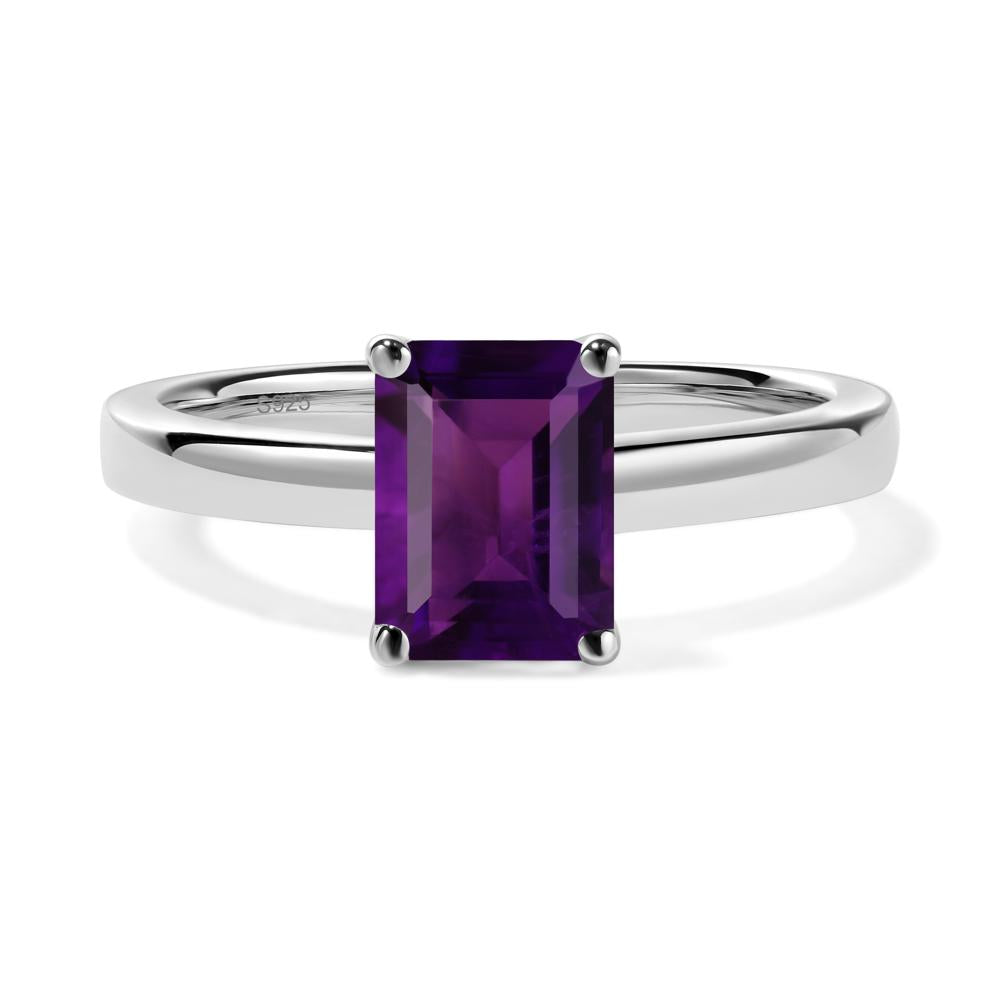
Platinum Rings | Pure Luxury, Enduring Brilliance
Experience the ultimate expression of refinement with our exquisite collection of platinum gemstone rings, where rare precious metal meets captivating natural stones. Celebrated for its strength, purity, and luminous white sheen, platinum enhances the brilliance and color of gemstones like sapphires, emeralds, rubies, and moissanite—creating rings that feel as luxurious as they look. Whether you’re searching for timeless heirlooms or unforgettable platinum engagement rings, this collection delivers exceptional beauty designed to last a lifetime.
From sleek contemporary solitaires to intricate vintage-inspired masterpieces, our platinum rings are expertly crafted to highlight every facet, sparkle, and detail. Platinum’s naturally white tone never fades or tarnishes, making it one of the most durable and prestigious metals for fine jewelry—perfect for daily wear and once-in-a-lifetime moments alike.
Ideal for engagements, anniversaries, or meaningful milestones, LUO Jewelry’s platinum gemstone rings embody elegance, strength, and individuality. Discover designs that radiate confidence, romance, and lasting brilliance—because your most important moments deserve nothing less than platinum perfection.
Bagues en platine FAQs
What is Platinum?
Platinum is a naturally white precious metal, highly valued for its rarity, durability, and hypoallergenic properties. It's denser and heavier than gold, making it ideal for securing gemstones in jewelry. Platinum is 95% pure in most jewelry (marked 950 Pt), compared to 14K or 18K gold alloys. Its strength and resistance to wear make it perfect for everyday wear, especially in engagement rings.
What Color is Platinum?
Platinum is naturally white with a silvery-gray appearance. Unlike white gold, which requires rhodium plating to achieve its white color, platinum maintains its white tone throughout its life without plating. Over time, platinum develops a soft, lustrous patina that gives it a matte finish rather than a bright shine. This natural color won't fade or change, making it ideal for those who prefer a consistent white metal appearance in their jewelry.
Platinum Vs. White Gold, What is the Difference?
Platinum is naturally white and 95% pure, while white gold is yellow gold mixed with white metals and coated with rhodium plating to appear white. Platinum is denser, heavier, and more durable, making it hypoallergenic and ideal for sensitive skin. White gold requires periodic re-plating as the rhodium wears off, revealing a yellowish tint underneath. Platinum develops a patina but doesn't need replating. Platinum is typically more expensive but requires less maintenance over time.
Platinum Vs. Gold, What is the Difference?
Platinum is denser, rarer, and more durable than gold, with rings containing 95% pure platinum versus 58-75% gold in 14-18K pieces. Platinum is hypoallergenic and naturally white, while gold comes in yellow, white, and rose colors. Neither is objectively "better"—platinum offers superior durability and purity, while gold provides more color options and is lighter. Platinum is generally more expensive due to its rarity, density (more metal needed per ring), and complex crafting process, though gold prices fluctuate with market conditions.
Platinum Vs. Silver, What is the Difference?
Platinum is much denser, rarer, and more valuable than silver. Platinum is highly durable and doesn't tarnish, while silver tarnishes easily and is softer, making it prone to scratches and wear. Platinum jewelry is 95% pure, whereas sterling silver is 92.5% pure. Platinum's weight is noticeably heavier, and it's hypoallergenic, unlike silver which can cause reactions in some people. Platinum costs significantly more—often 10-20 times the price of silver—making it a true precious metal for fine jewelry.
How Much is a Platinum Gemstone Ring Worth?
A platinum gemstone ring's value depends on the gemstone type, quality, size, platinum weight, and craftsmanship. Simple platinum bands start around $500-1,000, while engagement rings with quality diamonds or precious gemstones range from $2,000-$10,000+. Platinum itself costs approximately $30-35 per gram. Factors affecting price include the 4Cs of gemstones (cut, clarity, color, carat), setting complexity, designer brand, and current platinum market prices. Custom designs and rare gemstones significantly increase value.
How Do I Choose the Right Platinum Engagement Ring?
Consider your partner's style preferences—classic solitaire, vintage-inspired, or modern designs. Choose a setting that securely holds and showcases the center stone, such as prong, bezel, or halo settings. Determine your budget, factoring in both the platinum band and gemstone costs. Select a reputable diamond or gemstone with proper certification (GIA, AGS). Ensure the ring fits her lifestyle—delicate designs for office work, sturdy settings for active lifestyles. Consider band width and comfort fit. Verify the jeweler's craftsmanship quality and warranty. Platinum's durability makes it ideal for daily wear and protecting precious stones.
Can Platinum Rings be Resized?
Yes, platinum rings can be resized, but it requires a skilled jeweler experienced with platinum due to its high melting point (1,768°C). Resizing is more complex and expensive than gold because platinum requires specialized equipment and expertise. Most rings can be sized up or down 1-2 sizes safely. Rings with intricate designs, channel-set stones, or eternity bands may be difficult or impossible to resize.
Does Platinum Ring Tarnish?
No, platinum does not tarnish. Unlike silver, platinum is highly resistant to corrosion and oxidation, maintaining its white color permanently. However, platinum develops a patina—a soft, frosted surface texture from daily wear that many find desirable for its vintage appeal. This patina is simply metal displacement, not tarnish or damage. The ring remains the same color but loses its high polish. If you prefer the original shine, we can easily re-polish platinum to restore its brilliant luster.
How to Polish Platinum Ring?
For home polishing, use a soft jewelry cloth or non-abrasive platinum polishing cloth, gently rubbing in circular motions to restore shine. For deeper scratches or to remove patina completely, take your ring to a professional jeweler who will use specialized platinum buffing compounds and wheels. Professional polishing costs $25-75 and should be done every 1-2 years. Avoid harsh chemicals or abrasive materials. Regular cleaning maintains appearance, but only professional polishing truly removes the patina and restores original mirror-like brilliance.
How to Clean a Platinum Gemstone Ring?
Soak the ring in warm water with mild dish soap for 20-30 minutes. Gently scrub with a soft-bristled toothbrush, paying attention to behind the gemstone and setting crevices where dirt accumulates. Rinse thoroughly under warm running water and pat dry with a lint-free cloth. For deeper cleaning, use jewelry cleaning solutions safe for both platinum and your specific gemstone. Avoid ultrasonic cleaners with delicate stones like emeralds or opals. Professional cleaning twice yearly is recommended.
How to Tell If a Ring is Platinum?
Check for hallmarks inside the band: "PLAT", "PT", "950 Pt", or "950 PLAT" indicating 95% platinum purity. Platinum is noticeably heavier than white gold or silver of similar size. It has a naturally white color without yellowing, unlike white gold's underlying yellow tone. Platinum doesn't attract magnets (gold and silver don't either, but some alloys might). For certainty, visit a jeweler for acid testing or X-ray fluorescence analysis. Authentic platinum jewelry will have clear quality stamps from reputable manufacturers.