
Your Ultimate Guide to Sterling Silver Jewelry(Part 2)
Sterling silver, prized for its moonlike luster, high malleability, and affordable price, is a favorite among modern consumers. Today, silver jewelry crosses class and cultural boundaries with its unique appeal, becoming one of the most popular jewelry materials. In current fashion trends, silver plays a pivotal role. From minimalist everyday pieces to avant-garde art designs, silver jewelry is more than an accessory—it’s a quiet declaration of personal style. No matter how trends shift, sterling silver maintains strong vitality through its versatility and distinctive texture.
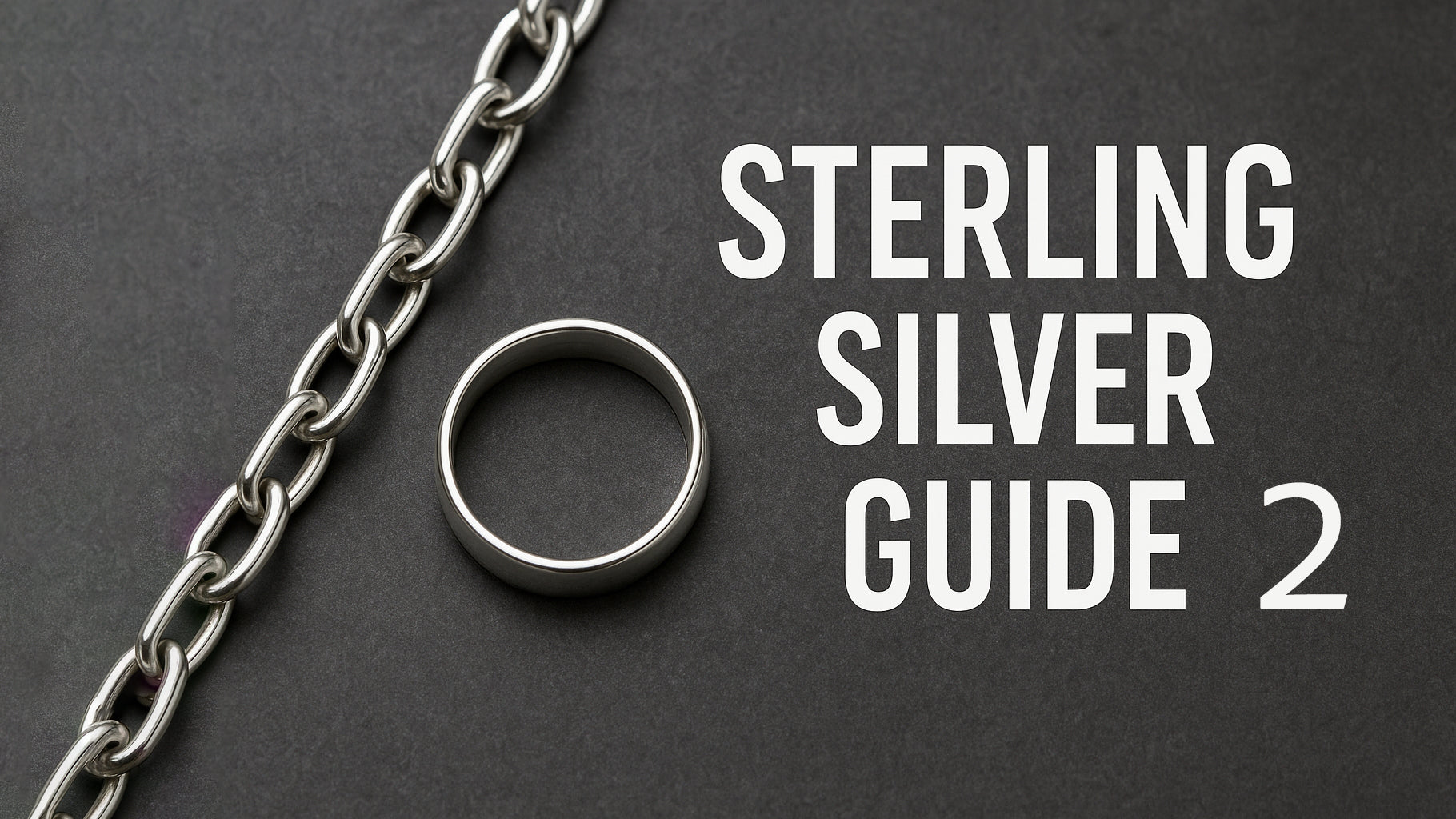
Following the basic primer in Part 1, this article offers a more detailed, comprehensive look at other aspects of silver jewelry—covering material composition, crafting techniques, fashion trends, and buying tips—to help you better understand the true value of silver jewelry.
What is Sterling Silver?
As explained in the previous article Your Ultimate Guide to Sterling Silver (Part 1), what we commonly call pure silver in the jewelry market is sterling silver, or 925 silver, which contains at least 92.5% pure silver and 7.5% other metals. It is widely used in modern jewelry making. Besides this, there are other types of silver as well.
Different Types of Silver
1. 925 Sterling Silver (Mainstream)
925 sterling silver is the clear mainstream in the jewelry industry and occupies the vast majority of the market. This composition standard is widely recognized and followed worldwide, ensuring consistent product quality. Whether international big brands or independent designers, most choose 925 silver as their base material. It strikes a perfect balance of purity, hardness, price, and workability, making it the most mature and reliable choice.
925 silver has a wide range of applications, from simple everyday accessories to high-end jewelry set with precious stones, and from modern designs to traditional craftsmanship. Most silver jewelry on the market follows the 925 standard, offering consumers abundant choices. For first-time silver buyers, 925 sterling silver is the safest and least error-prone option.
2. Argentium Silver (Oxidation-Resistant Silver)
Argentium silver is a modified silver alloy with silver content between 93.5% and 96%, higher than traditional 925 silver. Its major innovation is replacing some copper with germanium, which significantly improves oxidation resistance. Argentium tarnishes much more slowly than ordinary 925 silver and stays bright longer, greatly reducing cleaning and maintenance needs.
Besides being oxidation-resistant, Argentium is harder and more ductile, better suited for fine work and daily wear. It’s less likely to show fire stains when soldered, yielding higher-quality finished pieces. For consumers seeking low maintenance and high quality, Argentium is ideal—though slightly more expensive than standard 925, it’s worth it.
Argentium is not yet as widespread as 925, so style options are relatively limited. Some buyers report its color is slightly whiter and less warm than traditional silver. Still, as the technology and awareness grow, Argentium’s market share is steadily increasing and it represents one direction for the future of fine silver jewelry.
3. Thai Silver
Thai silver represents Southeast Asia’s distinctive silver traditions, typically containing 95% to 99% silver—higher than the 925 standard. Its hallmark is strong ethnic style and handcrafting, often finished with oxidation to highlight carved details and give a vintage look. Common motifs include flowers, animals, and Buddhist symbols, full of exotic character.
Thai silver production still relies heavily on traditional hand skills: artisans hammer, carve, and solder using old tools and methods, so each piece bears hand-made marks and unique personality. This slow, meticulous process gives Thai silver special artistic value and cultural meaning. Fans of bohemian or ethnic styles or those seeking unique pieces particularly love Thai silver.
Because of its higher silver content, Thai silver is relatively soft and requires more careful care. Oxidized finishes create a vintage feel but mean regular upkeep is needed to maintain it. Prices vary with the level of workmanship, ranging from tens to hundreds of yuan. When buying, be cautious and choose reputable sellers, since low-quality alloys are sometimes passed off as Thai silver.
4. Mexican Silver
Mexican silver jewelry has a long heritage that traces back to pre-Columbian indigenous civilizations. Modern Mexican silver centers around the town of Taxco, home to many skilled silversmith families. Mexican silver usually adheres to the 925 standard but places greater emphasis on artistic design and handcraft traditions.
Mexican silver has a distinctive style, blending indigenous patterns with influences from the Spanish colonial era. Common elements include Aztec symbols, Mayan totems, cacti, and skulls. Crafts are exquisite, often using relief, inlay, and enamel techniques; pieces tend to be bold and substantial with strong visual impact. Many Mexican silver items are true artworks and have collector value.
Authentic Mexican silver will be stamped with marks like "Taxco," "925," or "Sterling," and sometimes the artisan’s personal mark. Because of the high degree of handcraftsmanship, prices are usually higher than ordinary 925 silver. In recent years Mexican silver has gained popularity internationally, especially among young people seeking individuality and ethnic styles. Be careful to avoid mass-produced imitations.
5. Bali Silver
Bali silver comes from Bali, Indonesia, and is famous for delicate handmade silver beads and unique decorative techniques. Bali silver typically contains 92.5% to 95% silver and is made using traditional lost-wax casting and hand-carving methods. Its signature technique is granulation—soldering tiny silver beads onto surfaces to form patterns—which demands great skill and patience.
Bali designs often combine Hindu elements, natural motifs, and geometric patterns, producing an elegant, spiritual aesthetic. Silver beads, spacer beads, and pendants are popular with handmade jewelry makers and pair well with gemstones and wooden beads for personalized creations. Bali silver is refined without being heavy, suitable for daily wear and gifting.
Genuine Bali handmade silver is not cheap because it is time-consuming to produce. Many machine-made "Bali-style" pieces exist—cheaper but lacking the liveliness and detail of handwork. To tell the real from the imitation, inspect details closely; true handmade pieces show slight asymmetry and tool marks, which are part of their charm.
6. Fine Silver (999 Fine)
Fine silver refers to 999 or 999.9 pure silver—virtually the purest form of silver. This material shows the cleanest silvery-white luster and is the least likely to cause allergic reactions, making it the safest choice for people with sensitivities. Pure silver also resists oxidation slightly better than 925 sterling because it contains no copper, which oxidizes more easily.
However, the fatal drawback of 999 fine silver is its softness: it deforms, scratches, and wears easily. Therefore it’s mainly used for decorative, non-load-bearing art pieces, such as pendant or earring decorative elements, or high-end custom collectibles. It’s rarely used for rings or bracelets that require strength. Some silverware and commemorative coins use 999 fine silver, but its application in jewelry is limited.
Pure silver is slightly more expensive than 925 sterling, mainly due to material cost. But because of its low hardness, intricate and detailed designs are difficult to achieve, and style options are less varied than with 925 silver. For ordinary consumers, unless there are special allergy concerns or collector needs, 925 sterling remains the more practical choice. Still, 999 fine silver holds a unique place in art jewelry and the custom market.
How is Sterling Silver Made into Jewelry?
1. Mining and Refining
The journey of fine silver begins deep underground in ore veins. Silver ores are usually found with lead, copper, zinc, and other metals rather than as native silver. Major silver-producing countries include Mexico, Peru, China, Australia, and Poland. Mining methods include open-pit and underground mining, depending on the depth and distribution of the veins.
Refining is complex and precise. After crushing and grinding, the ore undergoes flotation to separate silver-bearing minerals. Then pyrometallurgical or hydrometallurgical techniques further purify the silver. Pyrometallurgy uses high-temperature smelting to separate silver from other metals, while hydrometallurgy uses chemical solutions to dissolve and precipitate silver. After multiple refinements, bullion with purity above 99.9% is produced.
Notably, about one-third of modern silver comes from recycling. Silver from old jewelry, silverware, and industrial waste can be reclaimed and reused, lowering costs and improving environmental sustainability. Many jewelry brands now use recycled silver as raw material; its quality matches that of mined silver.
2. Alloying and Smelting
Turning fine silver into 925 sterling requires precise alloying. Jewelers combine 92.5% silver with 7.5% copper (or other alloys), heating the metals in a crucible to around 961°C (silver’s melting point) or higher until everything melts and mixes evenly. This process requires strict control of temperature and timing to ensure consistent alloy composition.
The molten silver is poured into molds to form bars or plates, or cast continuously into standard wire or sheet. After cooling, the silver is rolled, drawn, and otherwise processed into various thicknesses and shapes for jewelry making. High-quality silver materials should have smooth, uniform surfaces without pores, cracks, or impurities.
3. Sterling Silver Jewelry-making Techniques
Casting: the most common method for mass production. Designers first make a wax model, then encase it in a refractory material to form a mold. When heated, the wax melts out, leaving a cavity into which molten silver is poured. After cooling, the mold is broken to reveal the cast silver piece. This method suits complex shapes and mass production and can accurately reproduce design details.
Handcrafted silver: represents the artistic peak of jewelry. Artisans start from silver sheet or wire and shape unique pieces through hammering, filing, bending, soldering, carving, and other traditional tools and techniques. Handcrafted silver often shows slight irregularities and tool marks—part of its charm—making each piece one-of-a-kind. Traditional styles like Thai silver, Balinese silver, and Mexican silver especially emphasize handcraftsmanship.
Stone setting secures gemstones. Prong setting uses metal prongs to hold gems and shows the maximum sparkle, common in rings and studs. Bezel setting surrounds the gem fully or partially with metal for greater security and everyday wear. Pavé setting arranges small stones closely and fixes them with tiny beads of metal to create a dazzling effect. Each setting method requires skill and careful, patient work.
Carving and texture work add character to silver pieces. Hammered texture is created by small hammer strikes to form irregular dimples, conveying a handcrafted feel. Engraving uses tools to cut lines or patterns into the silver surface—geometric designs, text, or intricate scenes. Brushing (brushed finish) uses fine sandpaper or wire brushes to create parallel fine lines for a soft matte look. These techniques enrich a simple silver material and make it visually diverse.
4. Sterling Silver Surface Treatments
High Polish is the classic surface treatment. Using polishing wheels and compounds, the jeweler repeatedly buffs the silver until it achieves a mirror-like shine. Highly polished silver reflects strongly and gleams brightly; it’s the most common and popular finish and suits a wide range of styles and occasions.
Oxidized Silver intentionally forms a black or dark gray sulfide layer on the silver to create a vintage or dramatic effect. Craftspeople immerse the piece in a sulfide solution, then selectively polish away the oxidation on raised areas while leaving the darker tones in recesses. This contrast emphasizes carved details and three-dimensionality. Oxidized silver is especially favored by those who seek a distinctive, retro look.
Matte Finish produces a soft, non-reflective surface via sandblasting or chemical treatment. Matte silver is understated and avoids harsh reflections, appealing to fans of minimalist style. This finish also hides minor scratches better, making it more wearable for everyday use.
Brushed Silver creates fine directional scratches on the surface, yielding a silky sheen. This effect falls between high polish and matte—offering metallic texture without being flashy—and is commonly used in modern, minimalist jewelry designs.
Rhodium Plating is an important process for enhancing sterling silver performance. Rhodium, a platinum-group metal, is hard, highly lustrous, and very oxidation-resistant. Electroplating a thin rhodium layer onto 925 silver greatly improves tarnish resistance, extends the time the piece stays bright, and increases hardness to reduce scratches. Rhodium-plated silver appears whiter and brighter—similar to white gold—and is better suited for sensitive skin. Most high-end 925 silver jewelry receives rhodium plating.
Gold Plating contains two methods: Gold vermeil vs. Gold Plated, both of which give silver a gold appearance. Gold vermeil is the premium method, requiring at least a 2.5-micron gold layer over a 925 silver base, typically in 14K or 18K gold, producing a stable, long-lasting color. Ordinary gold-plated pieces may have less than 1 micron of gold, which wears away more easily to reveal the silver underneath. When buying gold-plated silver, check the plating thickness and gold purity to assess value and durability.
Sterling Silver Jewelry
Basic styles form the foundation of a look, focusing on thoughtful details to elevate everyday outfits.
1. Sterling Silver Necklaces
Necklaces are the most common silver jewelry category. Choices range from simple sterling chains to delicate pendant necklaces. Snake chains are soft and close-fitting, ideal for daily wear; rope chains are sturdy and durable, with a distinctive woven texture; box chains are square and neat, offering a strong modern feel; Cuban link chains are bold and chunky, popular among streetwear fans.
A recommended “length-mixing” approach pairs a 40 cm (collarbone) chain (which flatters the neck) with a 55–60 cm Y-shaped chain to visually lengthen the neck and enrich the overall look.
2. Sterling Silver Rings
Rings carry deep emotional and symbolic meaning. From plain bands to gem-set ornate styles, and from thin everyday rings to bold statement rings, sterling silver rings fit various needs and budgets. A simple band gains a handcrafted warmth when given a hammered or brushed finish. The signet ring evolved from historical family crests into a modern personal emblem; contemporary designs often combine it with micro-pave stones or relief carving to create an “old money” elegance. Stacking multiple silver rings can also produce a fashionable effect.
3. Sterling Silver Earrings
Earrings come in many forms: tiny studs to dramatic drop earrings, classic hoops to romantic tassels—suiting different occasions. Non-pierced wearers can opt for clip-on or cuff styles. Silver earrings are generally lightweight, so they don’t strain earlobes even with long wear.
4. Sterling Silver Bracelets
Bracelets and bangles adorn the wrist and add elegance. Chain bracelets are light and fluid, great for stacking; bangles come as open or closed styles—open designs are easier to put on, while closed ones are more secure. Charm bracelets, popular in recent years, allow adding pendants to mark life moments and are highly personal and commemorative.
5. Sterling Silver Anklets
Anklets have returned to fashion recently and are perfect for summer beachwear or vacations. Delicate silver anklets paired with sandals or bare feet convey a relaxed, leisurely charm.
Popular Sterling Silver Jewelry Styles
1. Minimalist Sterling Silver Jewelry
Minimalist is one of the most popular styles today. Thin-line rings, simple geometric pendants, and delicate chains use clean lines and pure forms to express the "less is more" philosophy. This style rejects excessive decoration and emphasizes the beauty of the silver material itself. High-polish finishes give silver a mirror-like quality, pairing perfectly with business suits or silk dresses to convey a calm, thoughtful strength.
2. Bohemian Sterling Silver Jewelry
Bohemian (Boho) embraces freedom, nature, and ethnic elements. Thai silver, Balinese silver, and Mexican silver suit this style particularly well. It features abundant use of feathers, tassels, turquoise, malachite, and layered necklaces and bracelets to create a relaxed, free-spirited vibe. Boho suits people with strong artistic sensibilities and a desire for individuality, and is especially popular at music festivals and vacations.
3. Vintage Oxidized Silver Jewelry
Vintage Oxidized deliberately creates the beauty of aged patina. Darkened silver surfaces combined with relief and engraving evoke an antique charm. This style is common in gothic and punk jewelry and appeals to vintage and artsy enthusiasts. Oxidized silver pairs especially well with distressed denim and leather, expressing a rebellious or nostalgic mood.
4. Geometric Modern Sterling Silver Jewelry
Geometric Modern uses circles, triangles, squares, and other geometric elements with strong, defined lines and a solid sense of structure. Influenced by architectural aesthetics and modern art, it suits those who appreciate avant-garde, rational beauty. Geometric silver pieces often feature matte or brushed finishes to emphasize shape over shine.
5. Personal Engraving Silver Jewelry
Personal Engraving lets customers customize jewelry with names, dates, coordinates, meaningful symbols, or short phrases, turning pieces into unique personal expressions. This personalized service is increasingly popular, especially in the gift market. From simple initials to intricate handwritten scripts, engraving techniques deeply connect emotion with jewelry.
Popular Themed Sterling Jewelry
Moon and Star themes symbolize dreams, romance, and mystery and consistently rank among favorites. From tiny crescent stud earrings to star necklaces set with small diamonds, these pieces evoke a longing for the cosmos and night sky—both elegant and imaginative.
Heart themes are an eternal symbol of love, suitable for couple rings, mother-daughter heirlooms, or self-love treats. From minimalist heart outlines to lavish gemstone-encrusted styles, heart jewelry conveys warmth and care.
Signet rings originated as ancient seal rings; modern versions are often engraved with initials, family crests, or personal symbols. These rings are substantial and tactile, expressing personality and attitude. They’re increasingly popular with young people as a vehicle for identity.
Open rings are flexible in design and don’t require an exact size, making them easy to wear and adjust. From simple C-shaped bands to intricately designed animal or floral forms, open rings combine practicality and beauty, suitable for gifts and everyday rotation.
Collarbones chains, about 40–45 cm long, sit at the collarbone and beautifully frame the neck. Thin chains with small pendants look delicate and elegant, working with many necklines. Collarbone chains can be worn alone or layered with longer necklaces to create dimension.
Layering necklace sets include multiple necklaces of different lengths and styles that create rich layering when worn together. These sets simplify coordination and ensure a harmonious look, a common style among fashion influencers and celebrities.
Gemstone-set styles combine sterling silver with colorful gems to boost visual appeal and perceived value. Common pairings include silver with white topaz (a diamond alternative), black onyx (mysterious elegance), pearls (classic sophistication), moonstone (soft and dreamy), and more. The cool tone of silver perfectly complements gemstone colors and offers much better value compared with gold-set gems.
Gemstone Silver Jewelry Styles
White topaz is an affordable diamond alternative with good refractive index and sparkle. Set in silver, it appears brilliant—close to a diamond in look but wallet-friendly—popular with budget-conscious buyers.
Cubic zirconia (CZ) is a lab-created gem that’s flawless, with sparkle that can even surpass natural diamonds, at a very low price. While it lacks the rarity of natural stones, it’s widely used in everyday jewelry for its unmatched value in appearance.
Black onyx is deep and mysterious, creating strong contrast with silver’s cool white—especially suitable for men’s jewelry or bold styles. Black onyx is also thought to offer protective and stabilizing energy, favored by crystal enthusiasts.
Pearls are the epitome of classic elegance. Silver paired with pearls keeps a traditional feel without being overly expensive. White pearls convey purity and grace; black pearls feel more mysterious and luxurious. Pearl necklaces and earrings with silver chains or clasps are reliable choices for commuting and formal occasions.
Moonstone shows a soft blue-white sheen like moonlight and is beloved by many women, symbolizing love and intuition. Moonstone rings or pendants set in silver give off a gentle charm, ideal for romantics.
Aquamarine’s clear blue resembles the sea, bringing calm and freshness. Silver with aquamarine is perfect for spring and summer—light and elegant. As March’s birthstone, it has commemorative significance.
Amethyst’s purple hues are mysterious and regal; shades from pale to deep each have their charm. Amethyst is thought to aid meditation and spiritual growth; silver-set amethyst is popular in New Age and crystal-healing communities.
Turquoise’s vivid blue-green is highly distinctive and indispensable in Bohemian and ethnic styles. Silver paired with turquoise is a traditional combination in the American Southwest and Mexico, full of exotic character and natural appeal.
Why is Sterling Silver Suitable for Setting Gemstones?
Silver’s cool tone naturally enhances gemstone colors. Its neutral, silvery-white hue won’t clash with a gem’s color; instead it can bring out the stone’s saturation and sparkle. Cool-toned gems like blue, green, and purple harmonize especially well with silver, while warm-toned gems gain striking contrast. Compared with gold’s warm tone, silver better showcases a gemstone’s true color.
The metal’s strength suits many setting techniques, making silver an ideal material for mounting. The hardness of 925 silver is sufficient for prong, bezel, and channel settings, securely holding stones while remaining easier to work than some harder metals. Silversmiths can precisely shape prongs and frames to keep gems safe and attractive.
Silver’s price advantage allows more luxurious designs. Because the metal is less costly, designers can allocate more budget to higher-quality stones and intricate workmanship without compromising on metal cost. This makes gemstone jewelry in silver deliver a luxurious feel at a relatively affordable price, so more people can enjoy gemstone pieces.
For everyday wear, many gemstones pair more reasonably with silver. High-value rare gems are often set in gold or platinum, while everyday stones like garnet, peridot, and pearls suit silver better. These combinations are moderately priced and low-pressure to wear—if lost or damaged, you’re less likely to be heartbroken—making them ideal as daily accessories rather than investment pieces.
How to Choose Sterling Silver Jewelry?
1. Check Silver Content and Markings
The first step in buying sterling silver is confirming the material is genuine. Look carefully for marks like "925", "S925", or "Sterling Silver", usually stamped on the inside, back, or clasp. Use a magnifying glass or your phone's macro mode to inspect—authentic stamps should be clear, neat, and flush with the metal, not just surface-etched.
Besides the stamp, ask the seller for a material certificate or test report; reputable brands usually provide one. For higher-value pieces, consider sending them to a jewelry-testing lab for analysis. Although there’s a testing fee, it ensures your investment is secure.
Be wary of "925" items that are suspiciously cheap. True 925 silver has a base material cost; if a price is far below market, it could be plated or counterfeit. Also note that a stamp doesn’t guarantee the entire piece is 925—some low-quality items may have only parts made of silver while other parts are alloys.
2. Judge Craftsmanship
Examining solder joints is key to assessing workmanship. High-quality silver jewelry will have smooth, nearly invisible soldering without blobs, cracks, or discoloration. Lightly run a fingernail over the joint to feel for roughness or bumps. Poorly made jewelry often has rough joints that can break easily.
Check surface polishing: a well-polished piece should have an even mirror-like shine with no scratches, pitting, or uneven polishing marks. Matte or brushed finishes should show consistent texture without random scratches. Oxidation treatments should be appropriately shaded and transition naturally—avoid pieces with blotches or uneven dark spots.
Inspect gemstone settings to ensure stones are secure and properly aligned. Gently shake or press the stone; it should not be loose. Prongs should be evenly bent and hold the stone tightly; bezel settings should sit flush and fully cover the stone edge. Look for cracks, chips, or obvious inclusions—while natural stones often have some flaws, serious defects affect durability and appearance.
Overall design coordination and attention to detail matter. Chains should move smoothly without kinks; clasps should open and close easily and latch securely; posts should have appropriate thickness and backs should fit snugly; ring interiors should be smooth and free of burs for comfortable wear. These details reflect the maker’s standards and skill.
3. Compare Different Types of Silver
Know the characteristics of various silver types and choose based on your needs.
- 925 silver vs. Argentium: if you want lower maintenance and longer-lasting shine and can pay a bit more, Argentium is a better choice; if your budget is limited and you don’t mind periodic cleaning, traditional 925 is sufficient.
- 925 silver vs. 999 silver: if you have severe metal allergies or are buying art-collector pieces, 999 fine silver may be more suitable; but for everyday-wear items like rings and bracelets that need strength, 925 is more practical. Some jewelry mixes types—e.g., a 925 base with 999 accents—to balance strength and purity.
- Handmade silver vs. mass-produced: handmade Thai, Balinese, or Mexican silver carries unique artistic value and cultural meaning, suited to those seeking individuality and collectible pieces. Industrially produced 925 silver offers precise design, consistent quality, and affordability—good for those prioritizing value and modern styles.
- Plating options: rhodium-plated silver resists tarnish and appears brighter, good for long-term wear; unplated silver retains a warm natural tone and will develop a patina over time that some find attractive. Gold-plated silver gives a gold appearance at a lower cost than solid gold, but plating wears off—check plating thickness and gold purity.
4. Consider Wearing Habits and Style
Those with sensitive skin should prioritize rhodium-plated 925 silver or 999 silver and avoid cheap alloys that may contain nickel. Ask about alloy composition before buying and choose items labeled "low nickel" or "hypoallergenic." Try small pieces like studs first to confirm no allergic reaction before buying larger items.
If you prefer a vintage look, choose oxidized or intentionally antiqued pieces—oxidation is part of their aesthetic, so you don’t need to worry about tarnish. Thai, Mexican, and Balinese silver are especially suited to this style.
For modern minimalist tastes, pick high-polish, clean-lined 925 or Argentium pieces; rhodium plating helps keep them bright longer. Geometric shapes, ultra-thin rings, and simple pendants are good choices.
For daily heavy wear, prioritize durability: rhodium plating and solid craftsmanship. Avoid overly delicate designs; choose sturdier chains and consider bezel settings over prongs for more secure stones.
If you work out or have a harsh work environment, consider whether silver is practical—pick simple designs to avoid snags and damage, or opt for more durable metals like titanium or stainless steel.
When buying a gift, consider the recipient’s style, metal sensitivities, and size. Choose adjustable designs like open rings or adjustable bracelets, or learn the recipient’s preferences and measurements in advance. Custom engraving adds personalization and meaning, making a gift more valuable.
How to Tell If Sterling Silver Jewelry Real?
1. Smell Test
Pure silver has no smell and shouldn’t emit any odor. Hold the piece close to your nose—if you detect a strong metallic, plastic, or other unusual smell, it’s likely not real silver or contains a large amount of other metals. This method is simple but not foolproof: some alloys are odorless and people’s scent sensitivity varies. Still, an obvious bad smell is a clear warning sign.
2. Rubbing Test
Rub the silver piece vigorously with a white soft cloth. If black marks appear on the cloth, it indicates real silver (the black is oxide or polishing residue). Interpret this cautiously: some silver-plated items may pass briefly, and only extended rubbing will reveal the base metal. Excessive rubbing can damage the surface, so don’t rely on this as your main test.
3. Mark Identification
This is the most direct method, but as noted, marks can be forged. Beyond checking for stamps like “925,” pay attention to the mark’s location, depth, and clarity. Genuine silver marks are usually placed in unobtrusive but accessible areas, with neat, clear lettering and a noticeable indentation that blends into the metal surface. Fake marks often appear in random spots, look blurred, or are only shallow surface etchings you can feel with your fingernail.
4. Weight Assessment
Silver’s density is 10.49 g/cm³—heavier than many common metals (like aluminum, iron, copper), but lighter than lead and much lighter than gold or platinum. Experienced people can judge by heft; real silver should feel appropriately substantial. If a “silver” piece feels too light, it might be aluminum or another light metal. This takes experience, and ordinary buyers may find it hard to judge—small silver items are naturally light and hard to differentiate.
5. Magnet Test
Pure silver is non-magnetic and won’t be attracted to a magnet. Bring a strong magnet close to the piece—if it’s noticeably pulled, it’s definitely not pure silver but likely iron, nickel, or another magnetic metal. Note that not being attracted to a magnet doesn’t guarantee it’s silver, since aluminum, copper, and some stainless steels are also non-magnetic. This test can only rule out magnetic metals, not confirm silver.
6. Nitric Acid Test (Professional Method)
Jewelers sometimes use a nitric acid test: a small drop of nitric acid on an inconspicuous spot will turn true silver milky white, while fake or low-purity silver may turn green or another color. This test is accurate but destructive—it leaves marks—and nitric acid is hazardous. If you are an ordinary consumer, it is not recommended that you perform it yourselves; instead, ask a professional to test it in a hidden spot.
7. Price and Brand Judgment
This is the most practical rule of thumb. Genuine 925 silver has base-material and craftsmanship costs; extremely cheap “silver” is very often problematic. If a complex silver necklace sells for a few dollars or a large ring costs only a little, it’s likely not real silver. High price isn’t an absolute guarantee, but reputable brands and trusted sellers are much less likely to sell fakes. When buying, choose well-known brands or reputable jewelry stores, like LUO Jewelry, and ask for a receipt and material certificate—these provide protection.
Conclusion
From the definition and types of sterling silver to cleaning and care, and from its use in jewelry to style trends, our comprehensive sterling silver guide aims to help you become a confident “sterling silver jewelry expert". It covers deep techniques for distinguishing real silver jewelry and helps you find unique pieces that suit you.
Silver’s warm luster, elegant design potential, and high value-for-money remove the distance of expensive jewels, letting anyone who loves life enjoy the refinement and confidence precious metals bring in everyday moments.
As we discuss in this guide, choosing a high-quality sterling piece requires both an eye for materials and appreciation for craftsmanship. LUO Jewelry’s design philosophy for sterling silver is “Simplicity That Reveals Depth, Craftsmanship Shown In Detail". Our silver jewelry designs range from minimalist modern to romantic vintage, always maintaining consistent refinement and quality.
We believe true beauty doesn’t need excessive decoration; it comes from balanced proportions, smooth lines, and perfect details. Whether a simple silver ring or a gemstone-studded silver necklace, every curve and polish is considered repeatedly to achieve the best visual and tactile effect.
LUO Jewelry’s sterling silver jewelry are suitable for everyday wear and can shine on special occasions—precious companions through life’s stages. We hope every LUO Jewelry owner feels the joy, confidence, and beauty jewelry brings, making sterling silver an ideal expression of your personality and taste.
If you have more questions about sterling silver jewelry, feel free to consult our jewelry experts at any time.