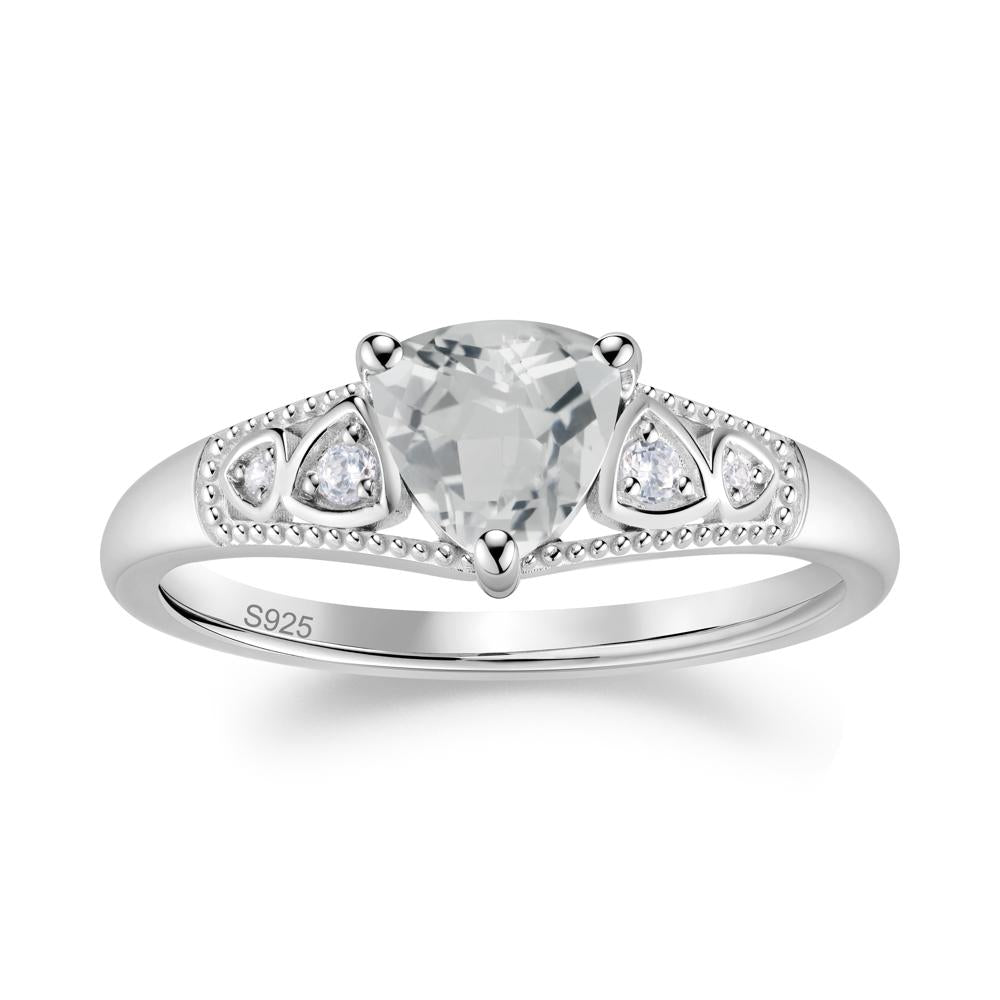
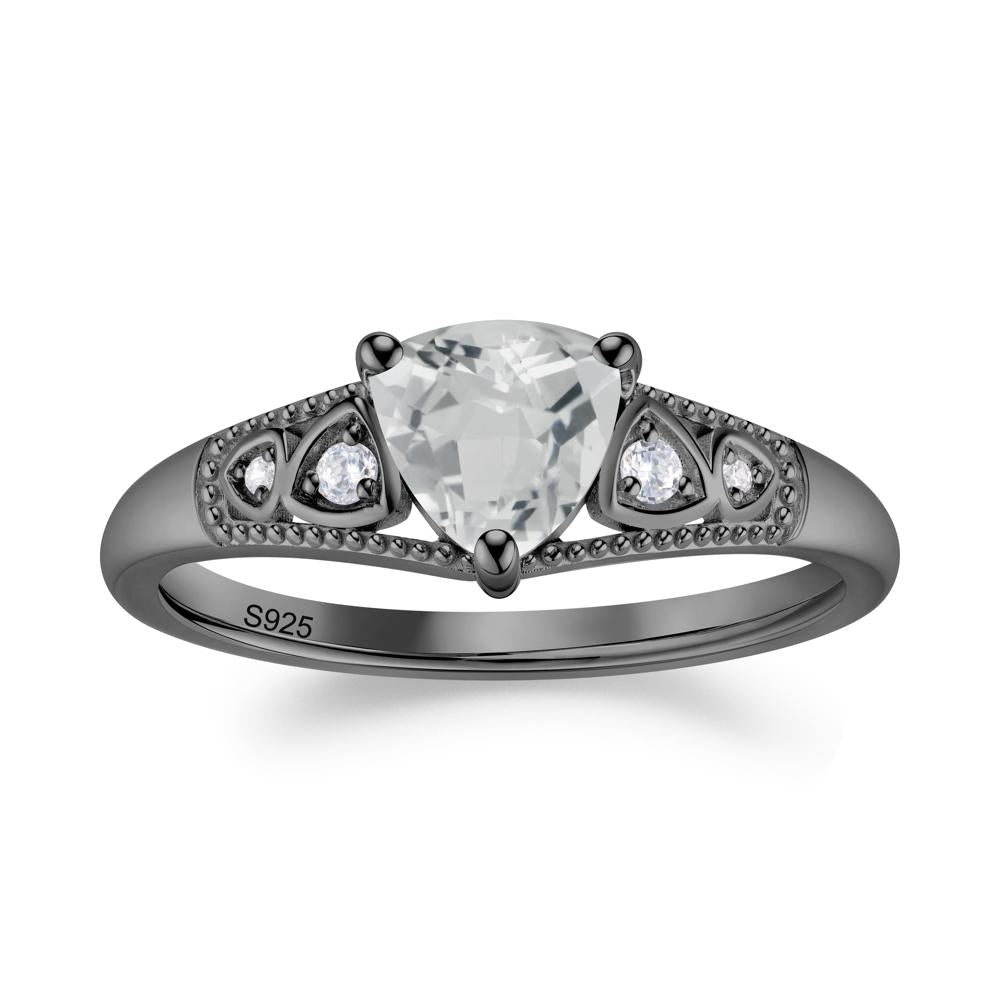
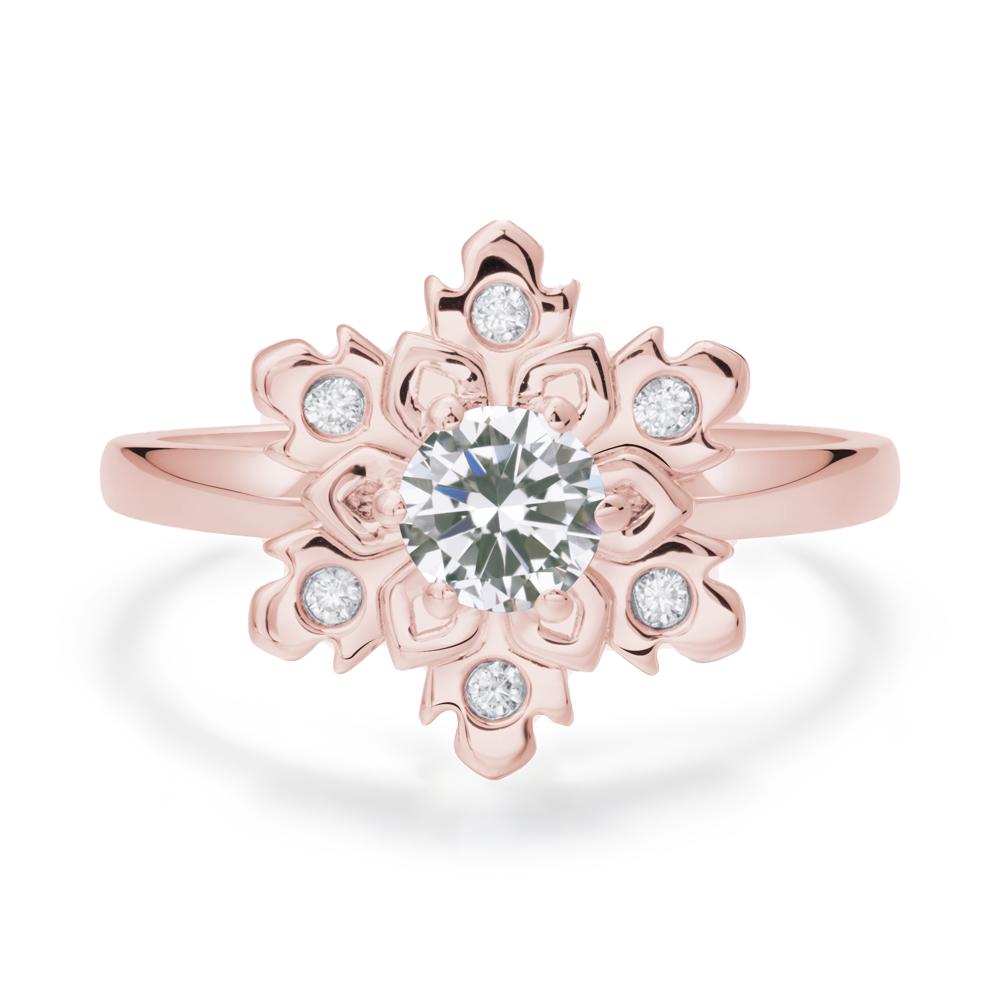
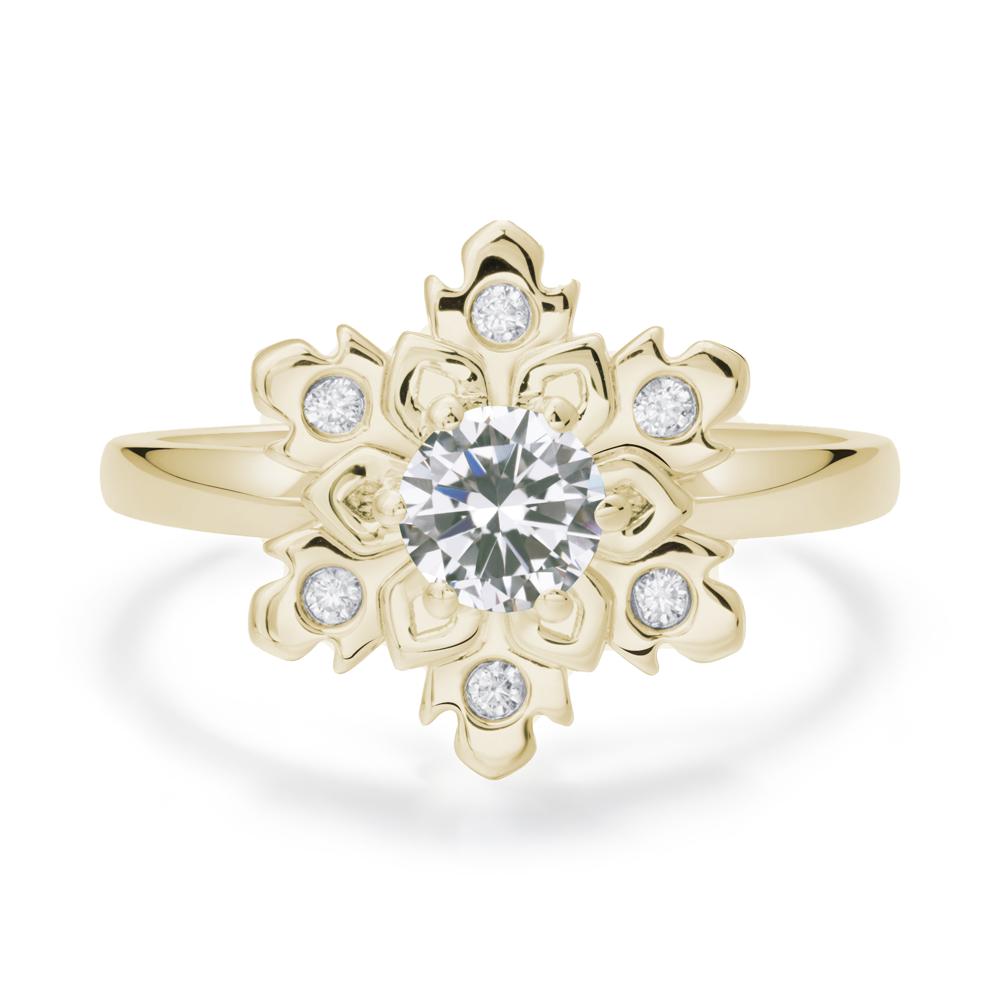
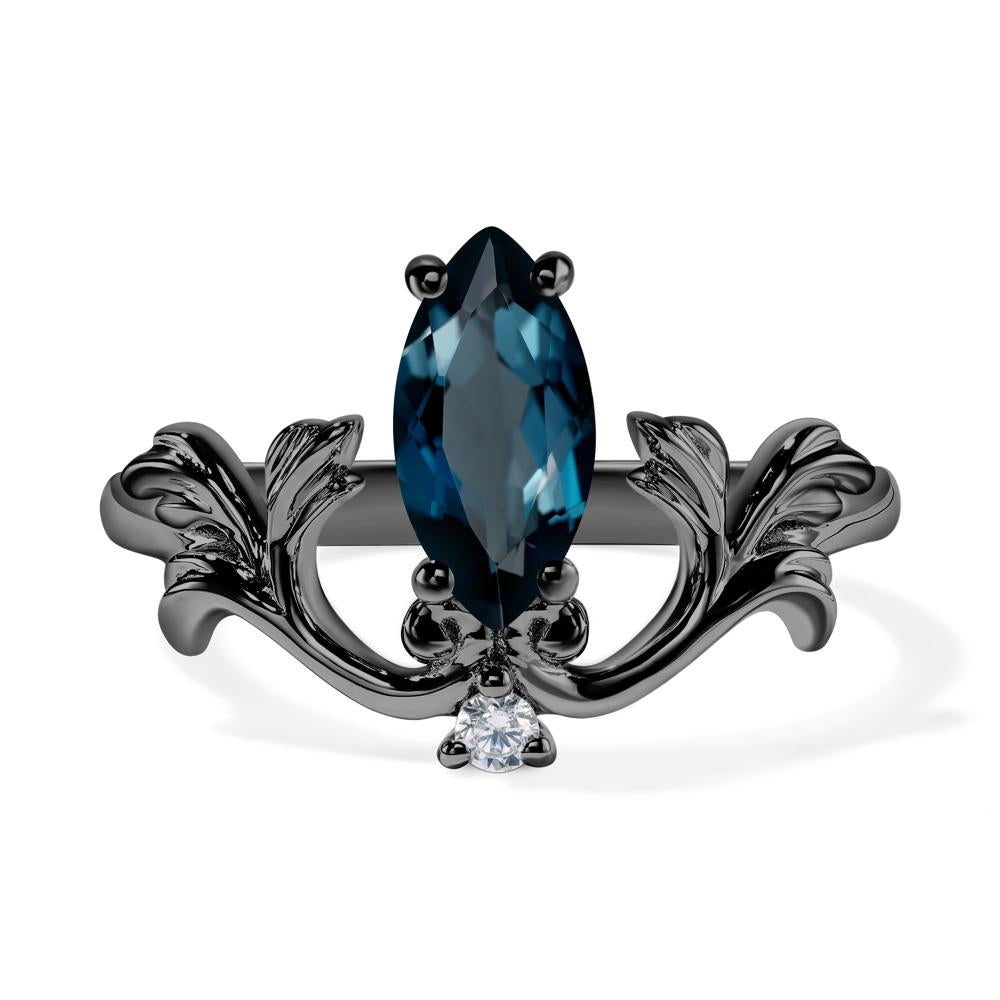
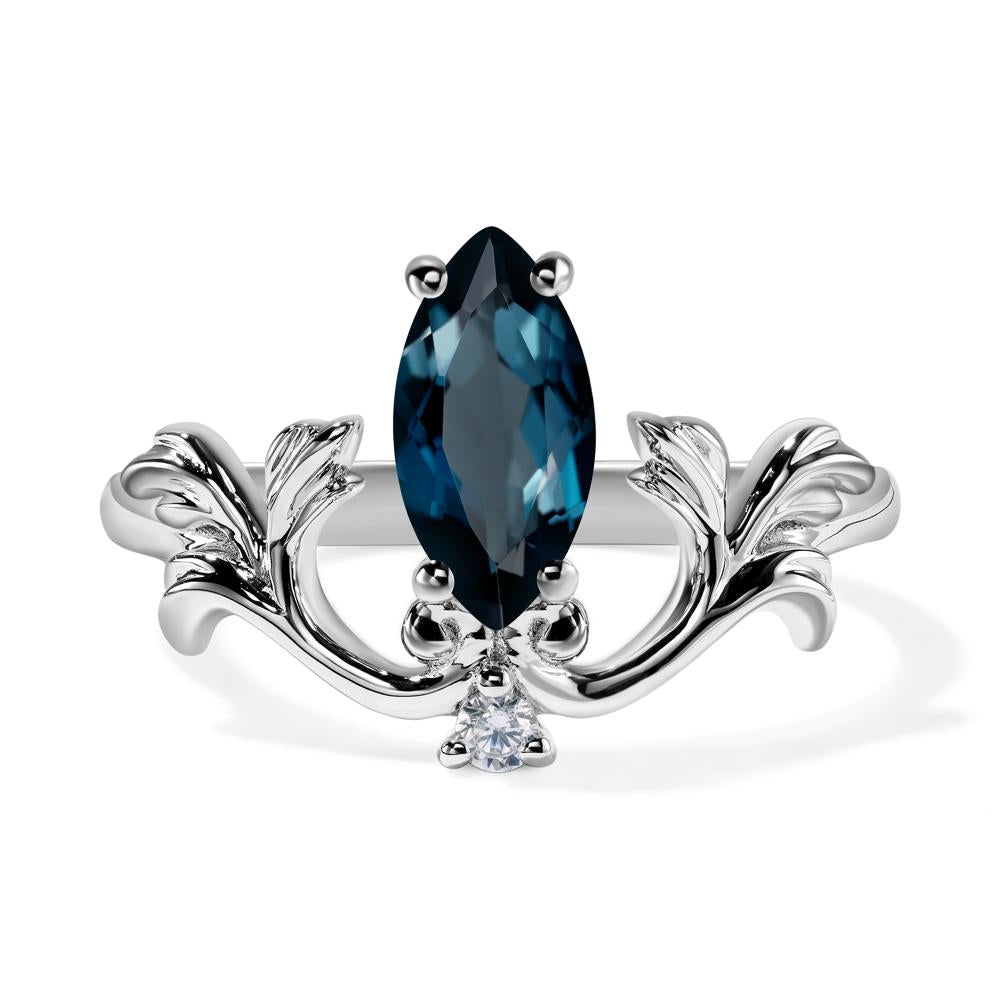
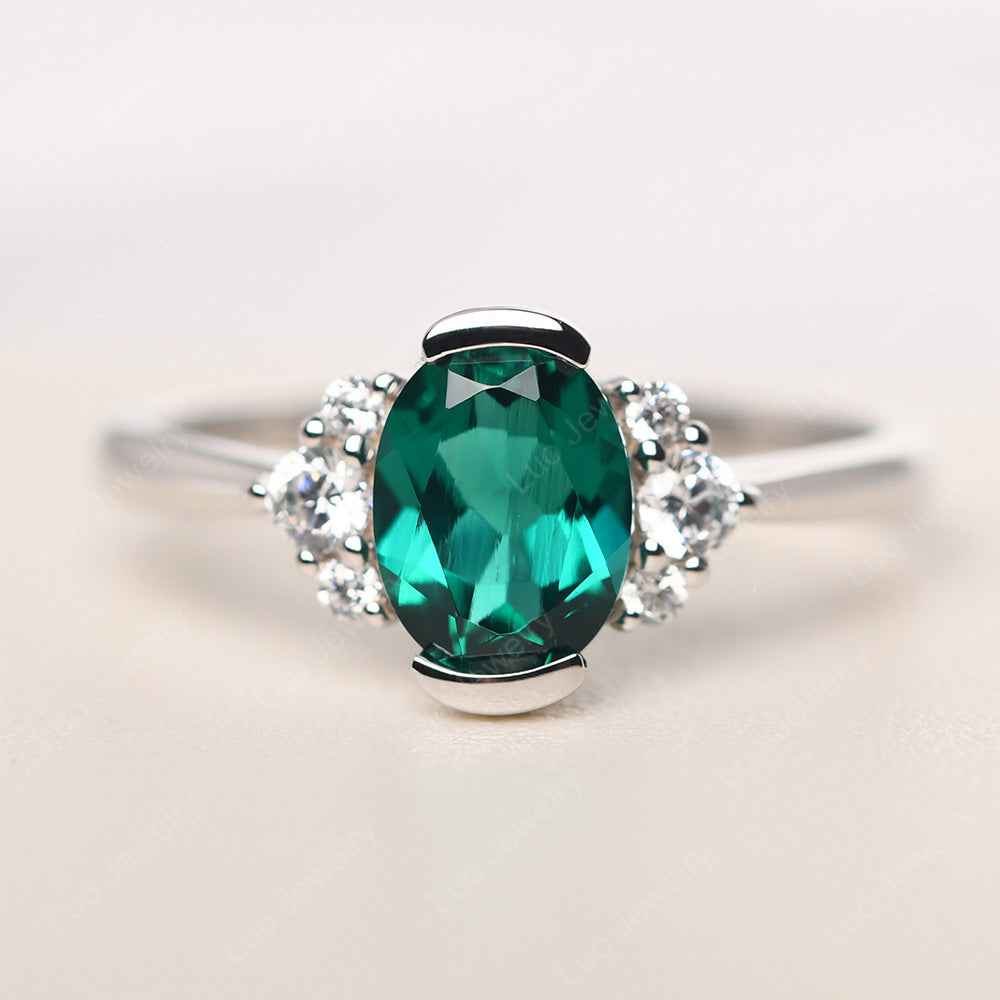
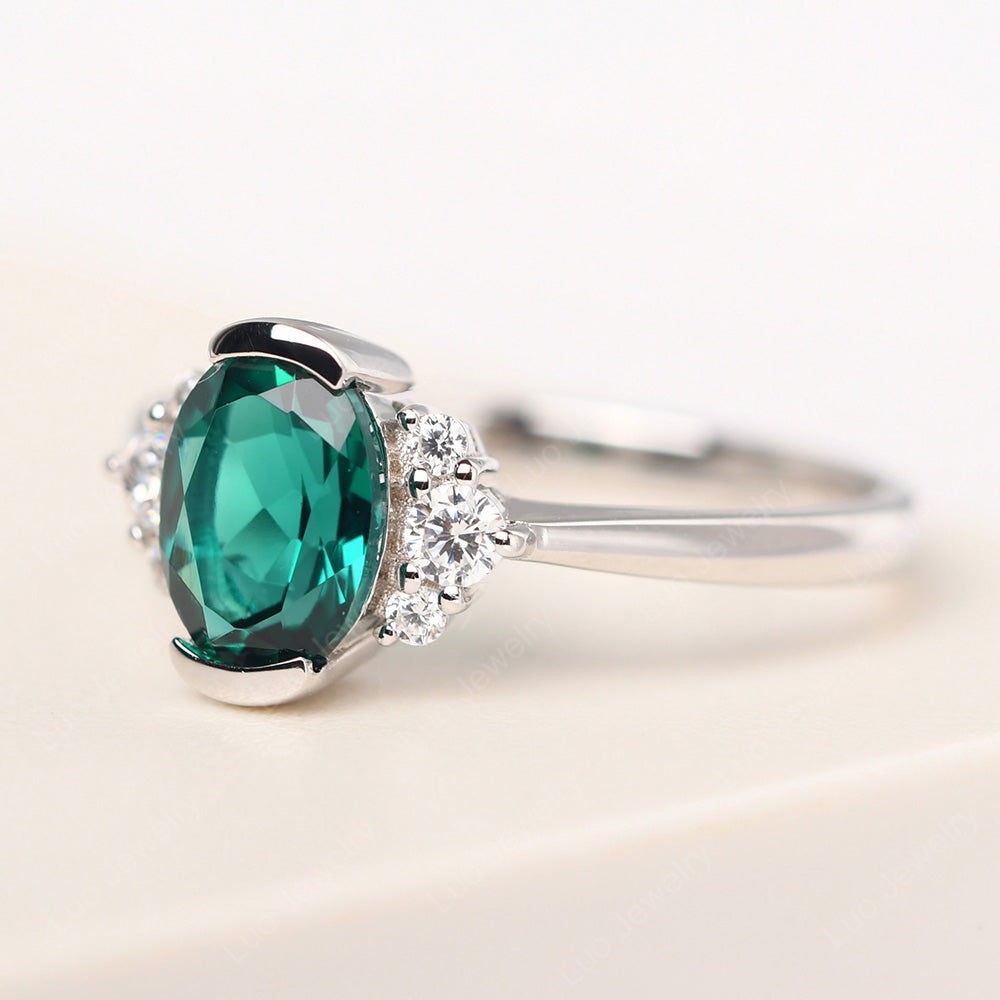
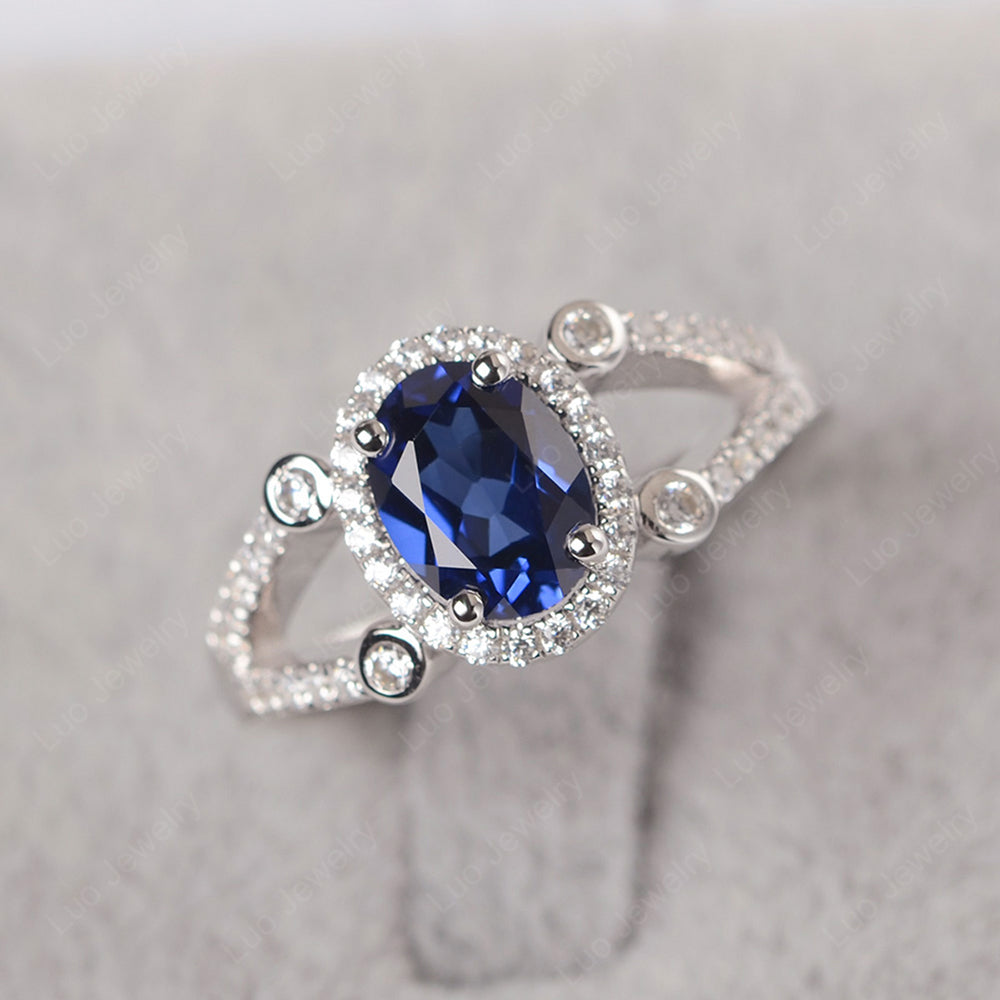
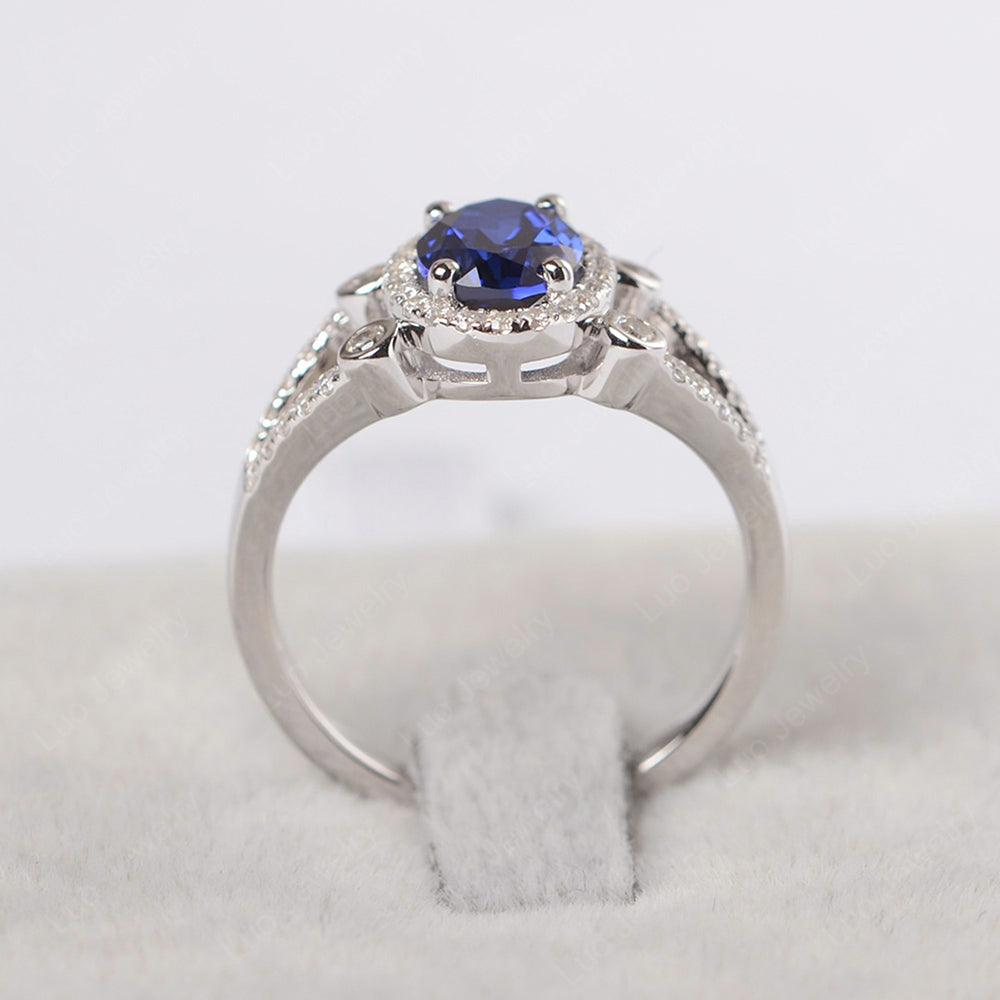
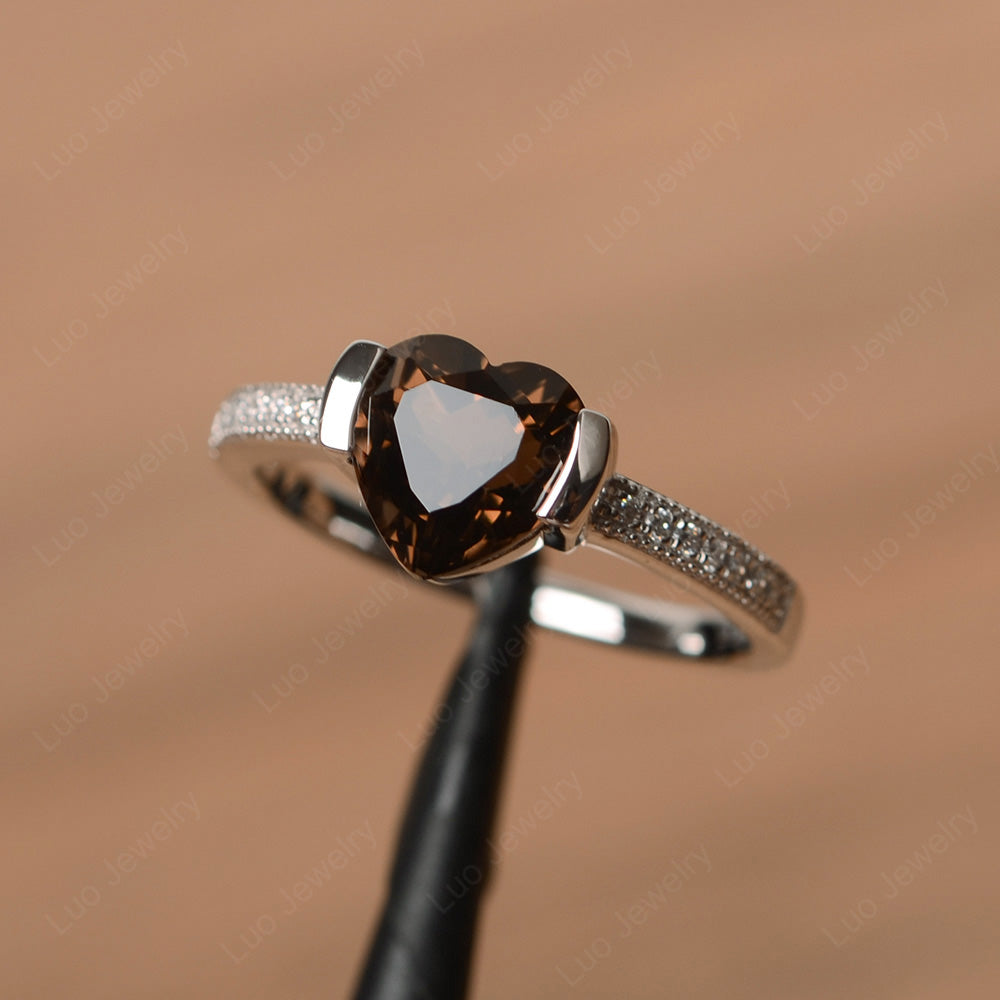
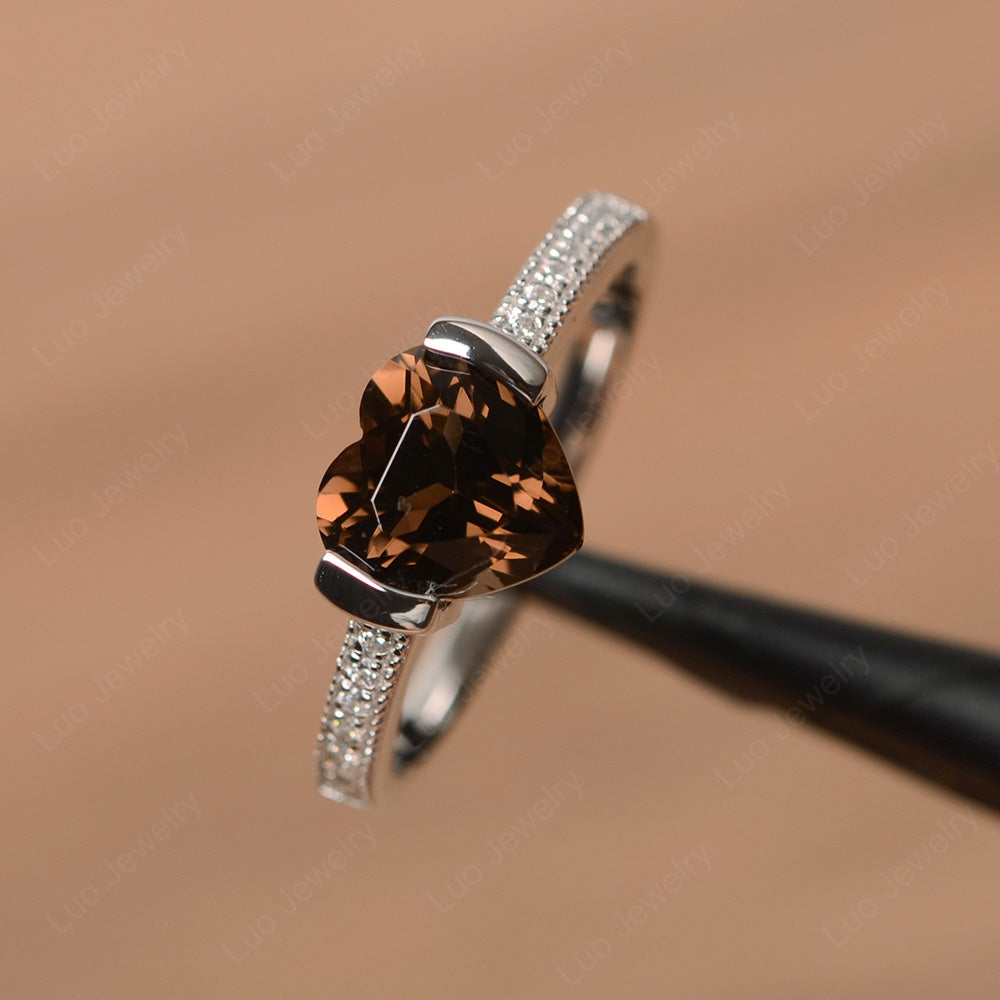
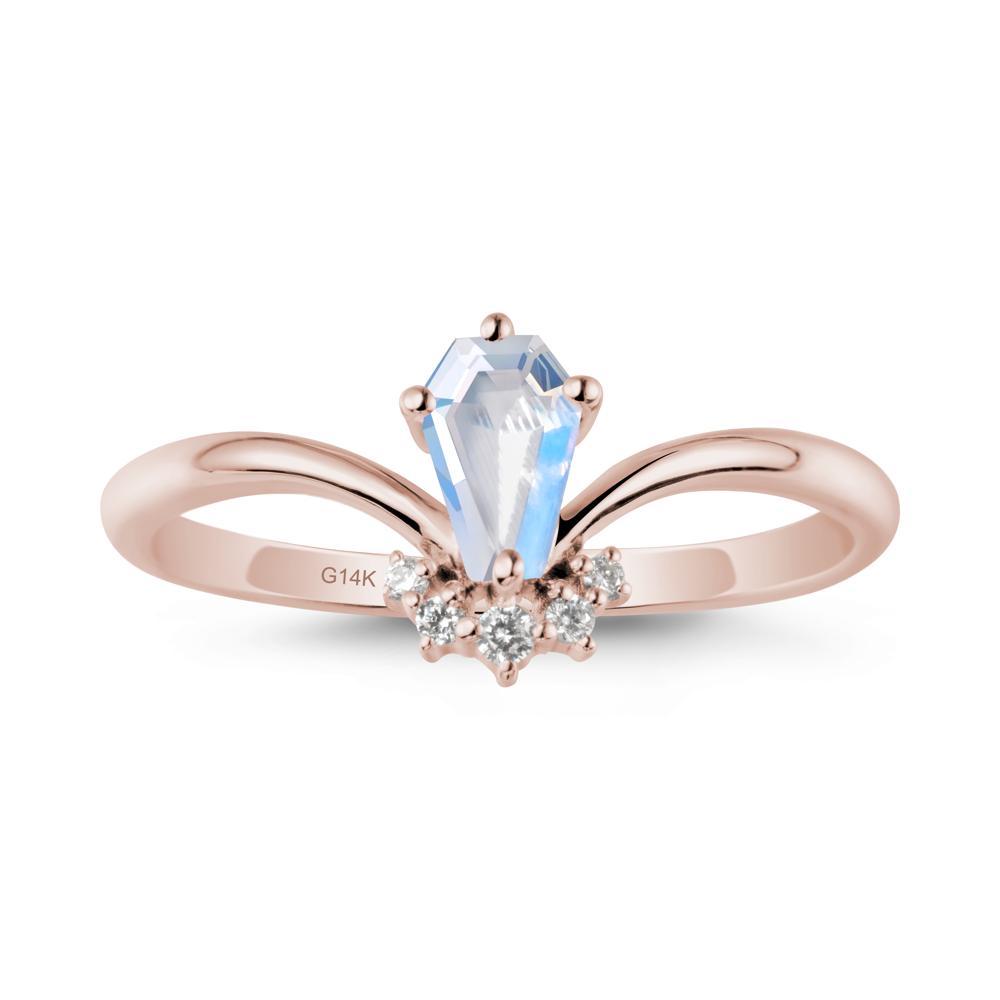
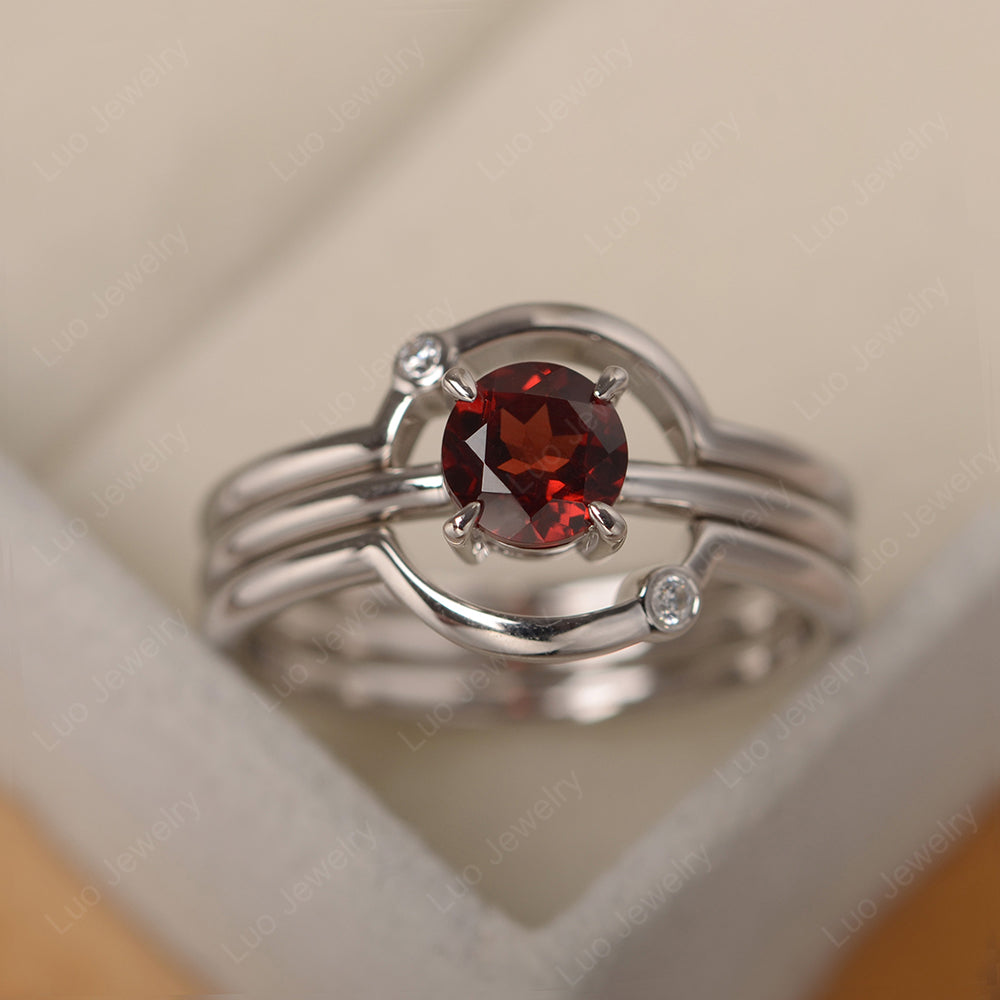
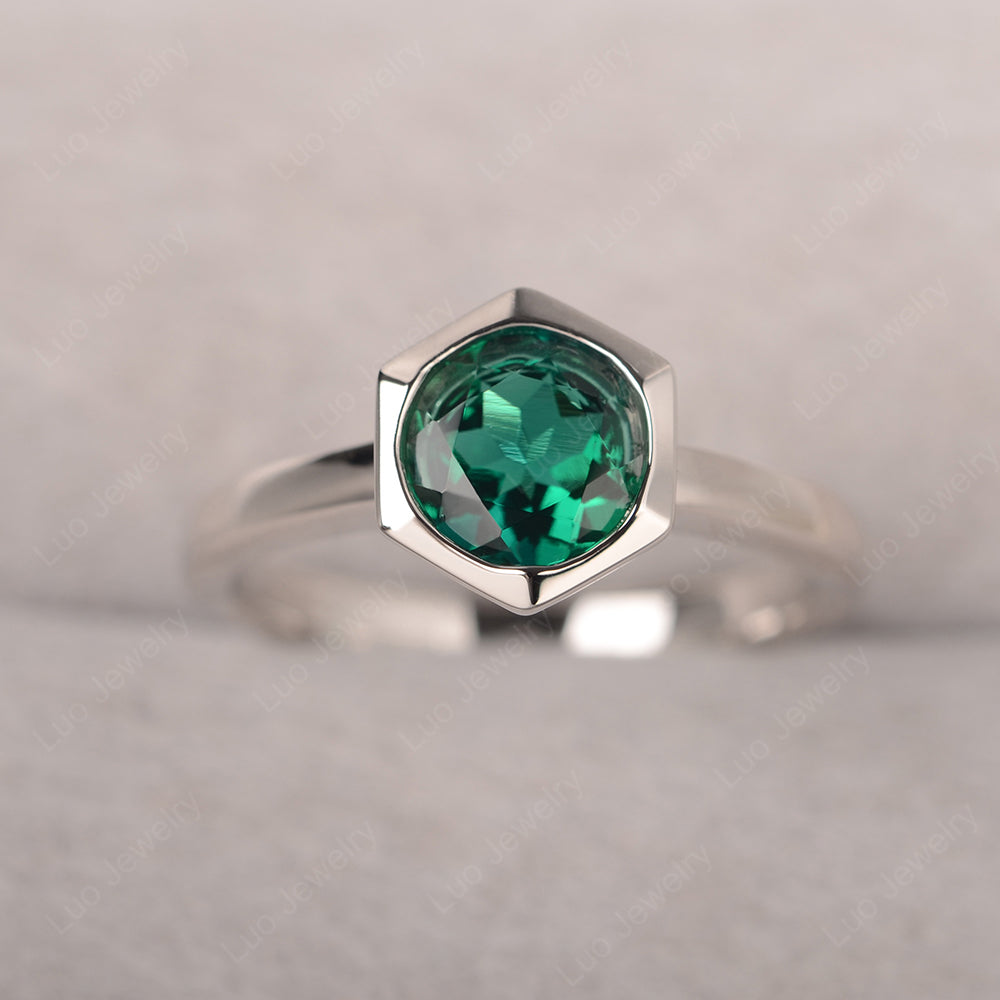
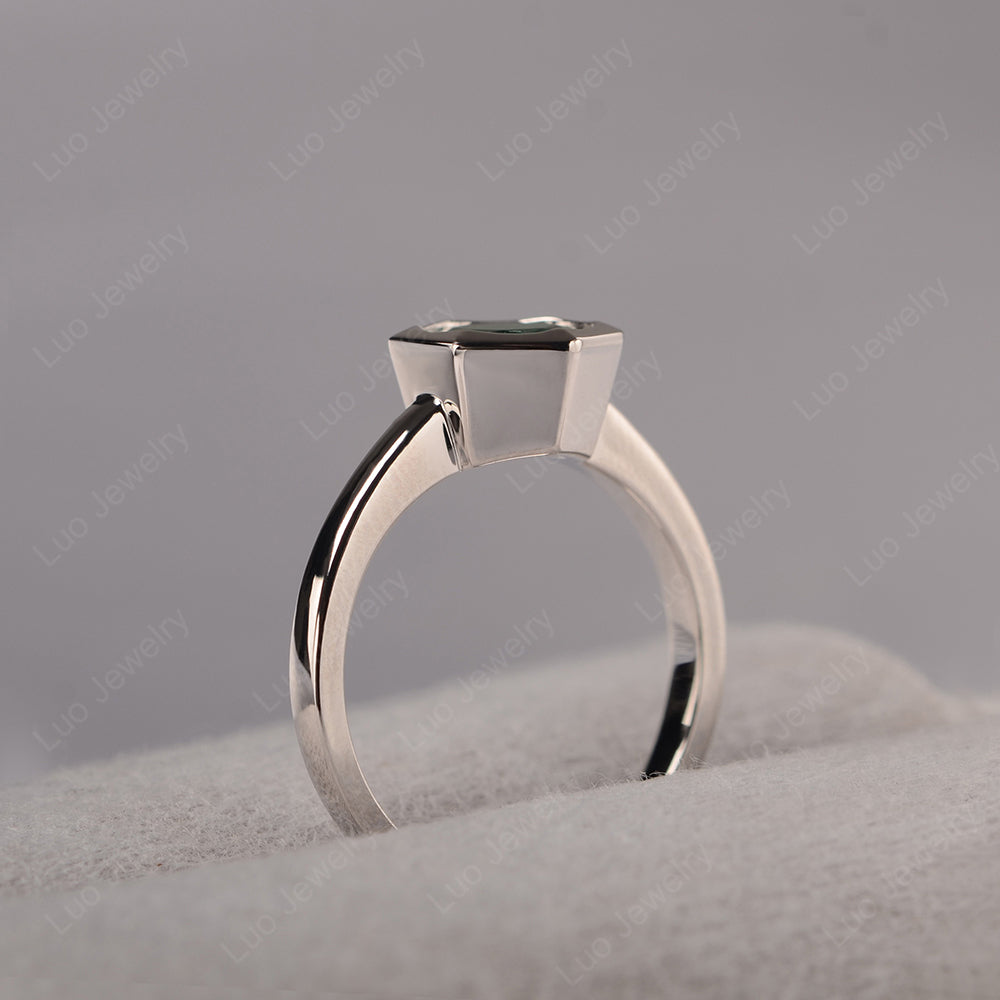
Buying a gemstone engagement ring is an exciting departure from tradition, offering a world of vibrant color and personal meaning. To navigate the process smoothly, follow these expanded steps:
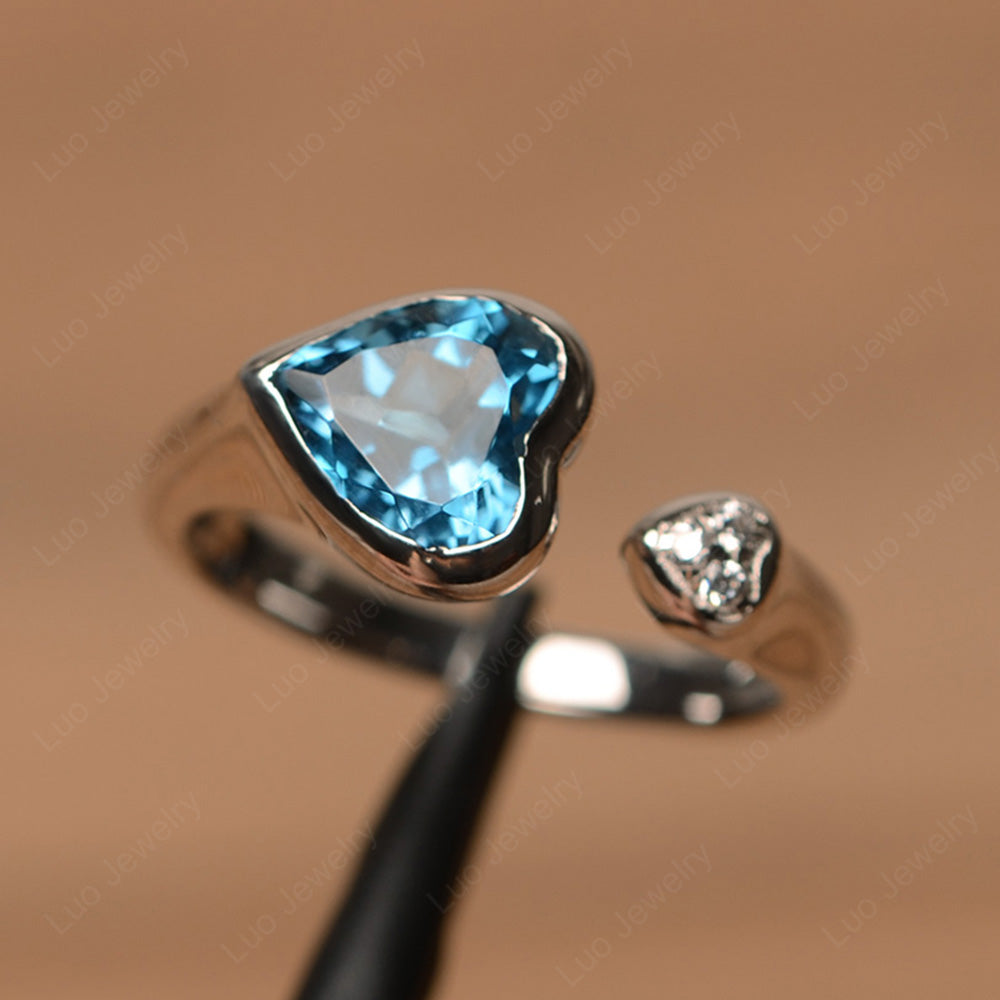
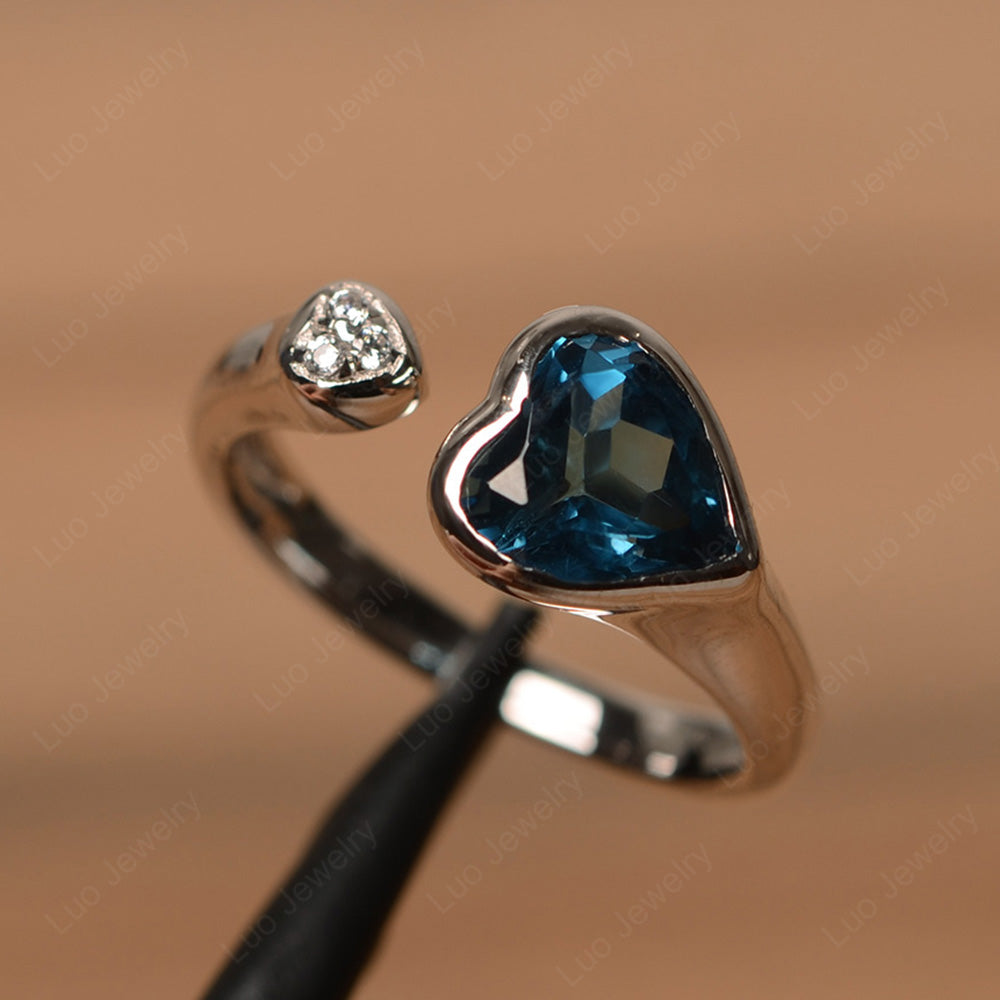
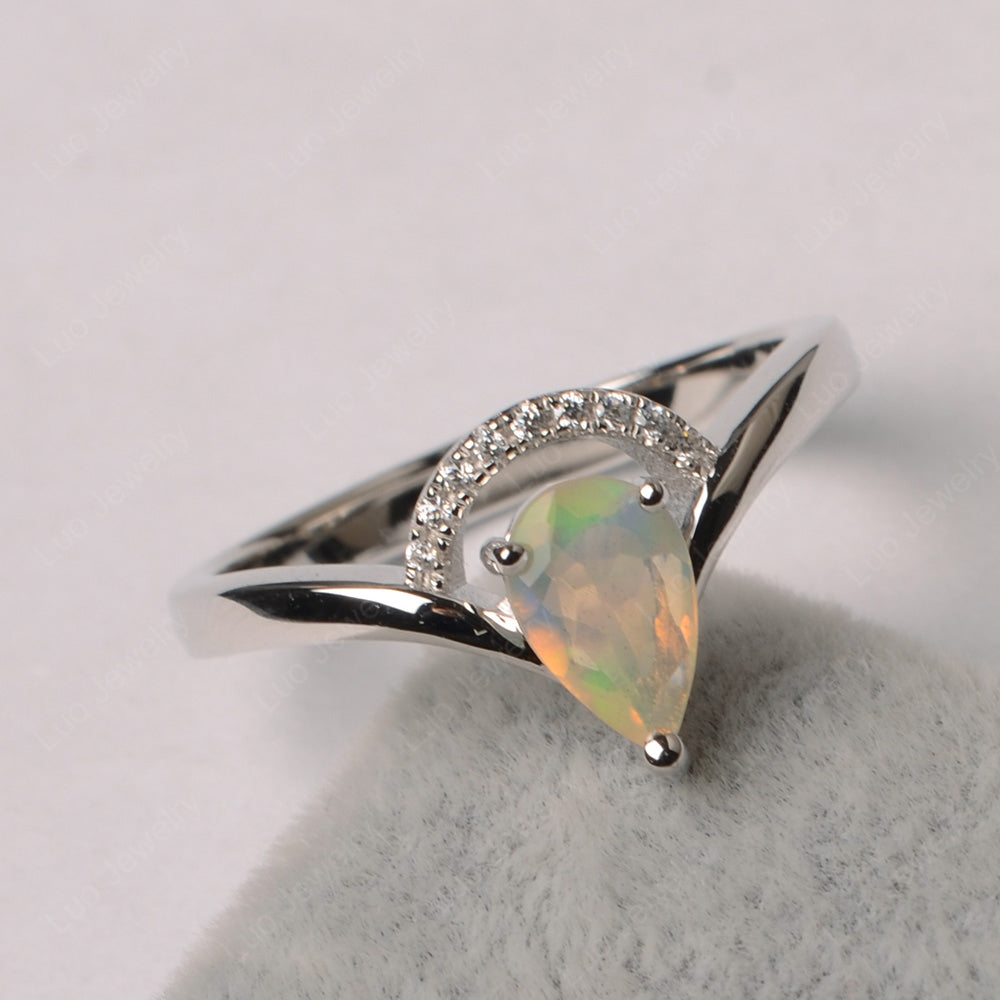
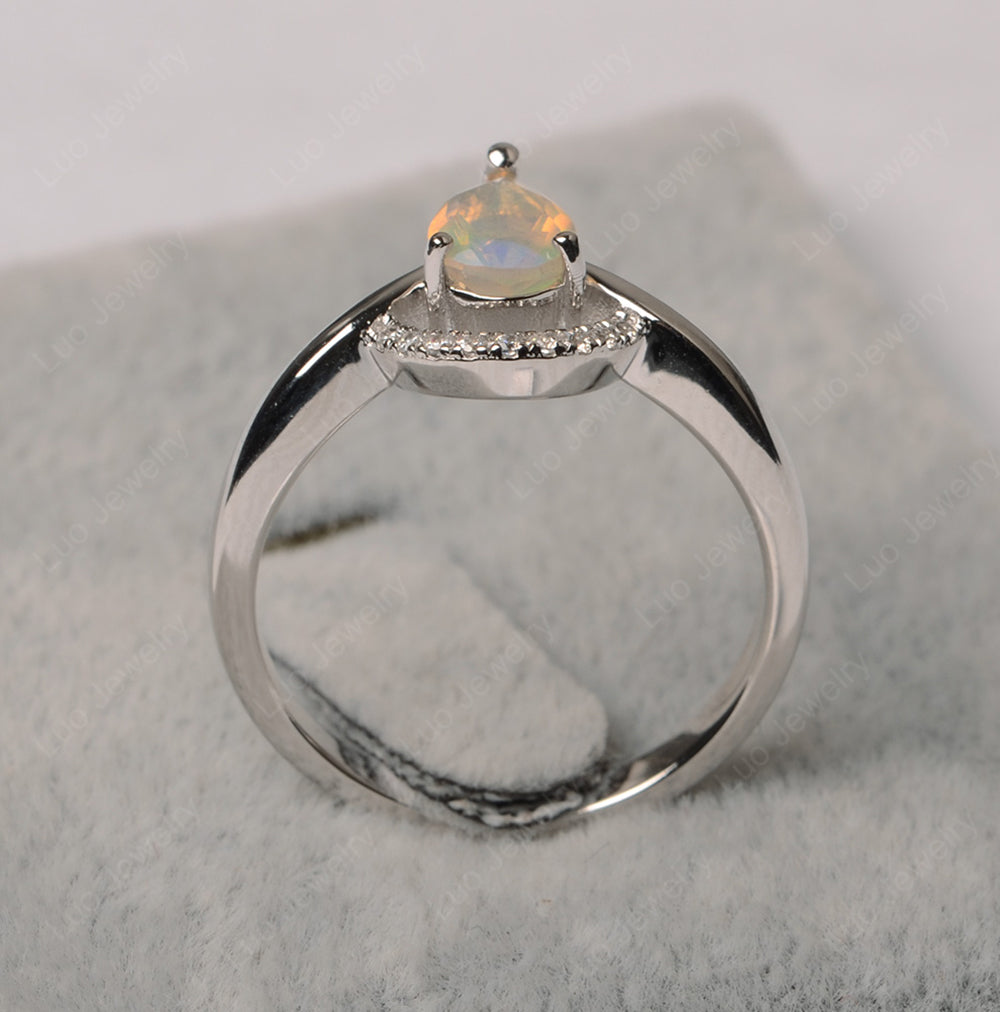
1. Prioritize Durability: Engagement rings are meant for daily wear. While diamonds score a perfect 10 on the Mohs scale of hardness, excellent gemstone alternatives include sapphires and rubies (both corundum, scoring 9). If you opt for softer stones like emeralds (7.5–8) or opals (5.5–6.5), ensure they are set in protective mountings like bezel settings and halo settings. Research the specific gemstone's characteristics, including any special care requirements.
2. Understand the "Four Cs" with a Twist: For gemstones, color is the ultimate driver of value. Look for rich saturation and an appealing tone. Clarity is important, but some stones (like emeralds) are expected to have natural inclusions. Cut should maximize the stone's brilliance and color rather than just raw carat weight.
3. Verify Authenticity and Ethics: Always ask for a grading report from a reputable laboratory (like the GIA) to confirm the stone's origin and whether it has undergone treatments (like heat treatment to enhance color). Inquire about conflict-free sourcing to ensure your purchase aligns with your values.
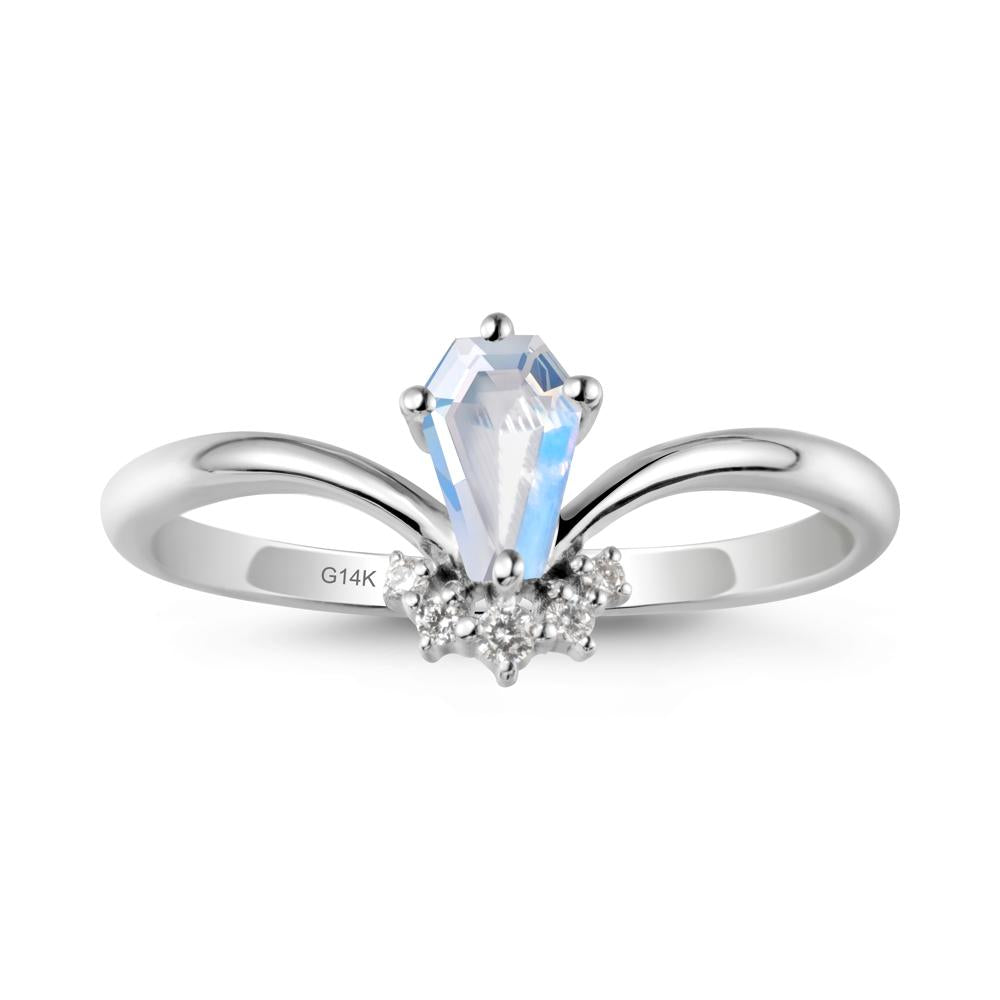
4. Choose the Metal: Work with a jeweler to choose a metal that complements the gemstone's hue. For instance, 18K yellow gold enhances the warmth of an emerald, while platinum or white gold makes a blue sapphire pop.
5. Find the Right Ring Size: Discreetly borrow a ring or use a ring sizing tool to guarantee a perfect fit.
👉 Lean more here: How to Measure Ring Size at Home?
6. Consider the Matching Styles: Consider the recipient's color preferences and skin tone, as certain hues complement different complexions better.
7. Set a Budget: Budget plays a crucial role, as gemstone prices vary significantly.
👉 Explore More on Blog: How to Buy a Colored Gemstone Engagement Ring?