
Anelli d'oro bianco
Sleek and luminous, our white gold gemstone rings capture a cool, contemporary allure. Each gemstone sparkles brilliantly against the refined silvery tone of white gold, creating a balance of modern design and timeless grace. Ideal for those who love understated luxury with a hint of ethereal brilliance.
Ordina
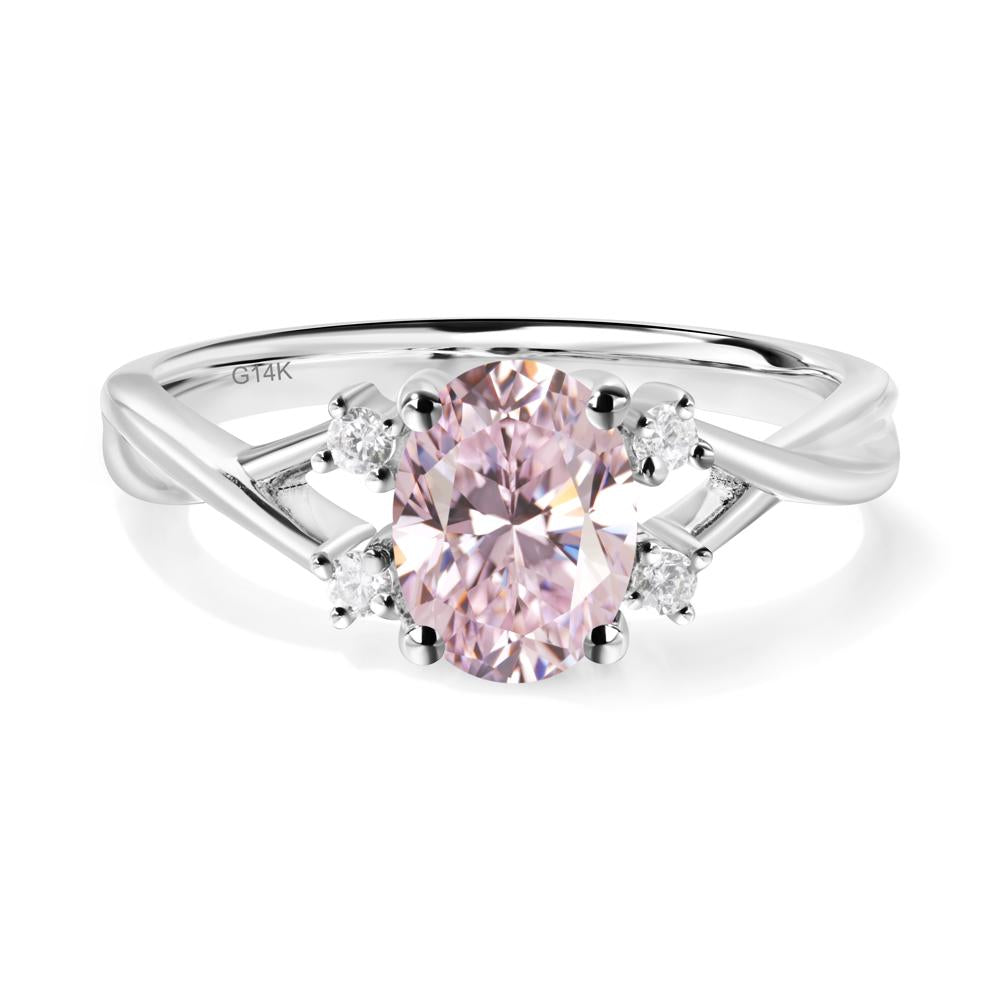
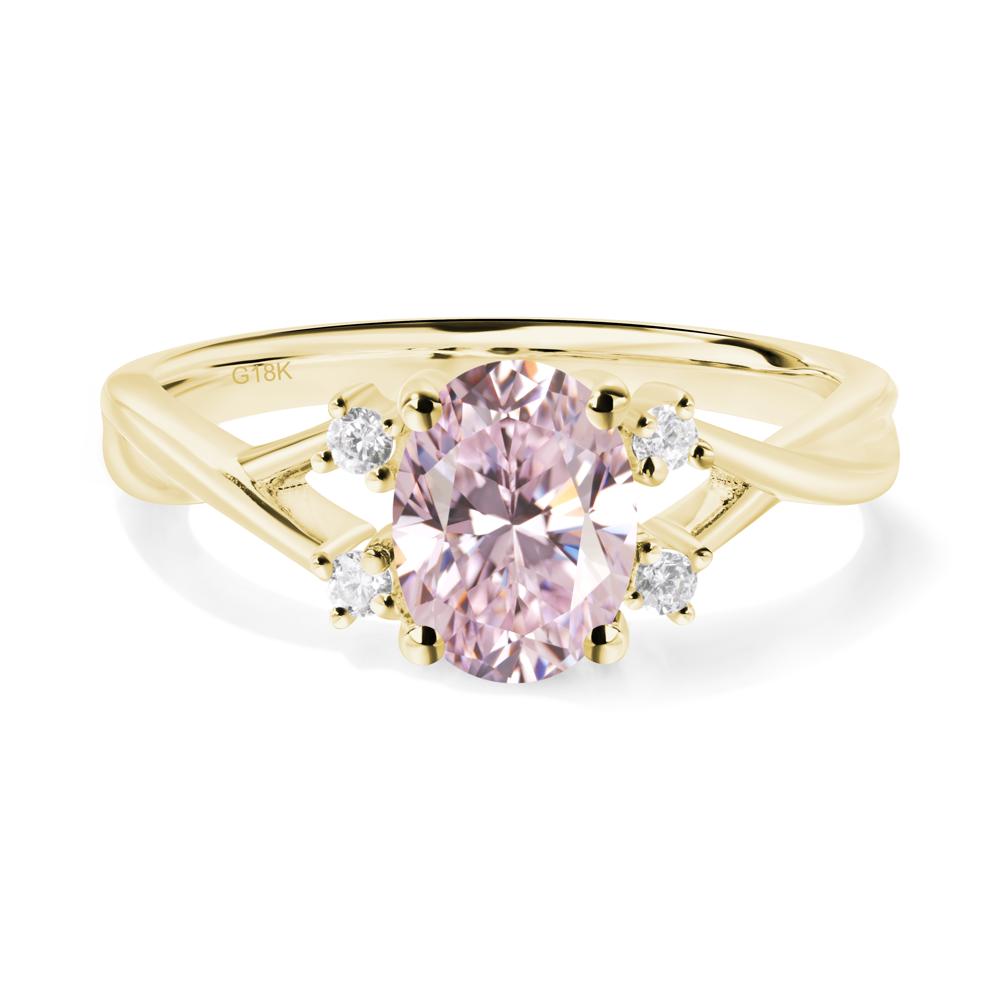
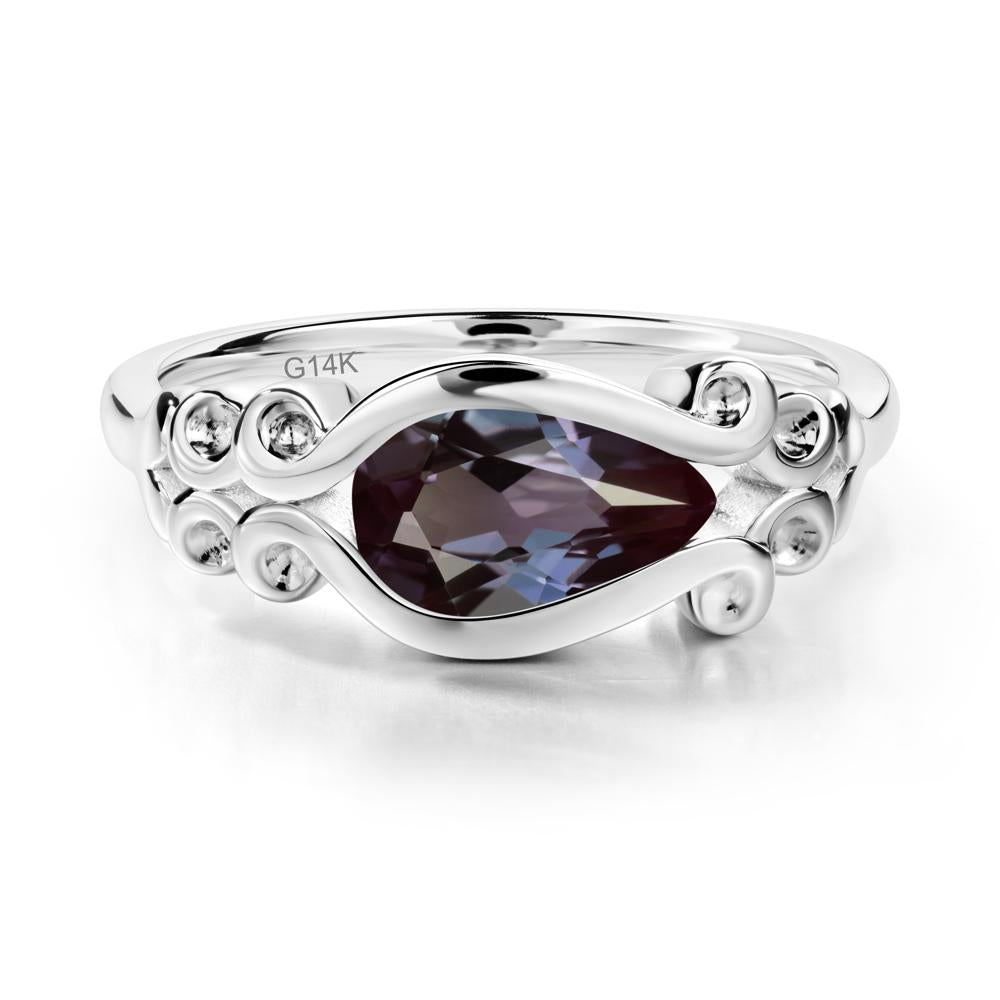
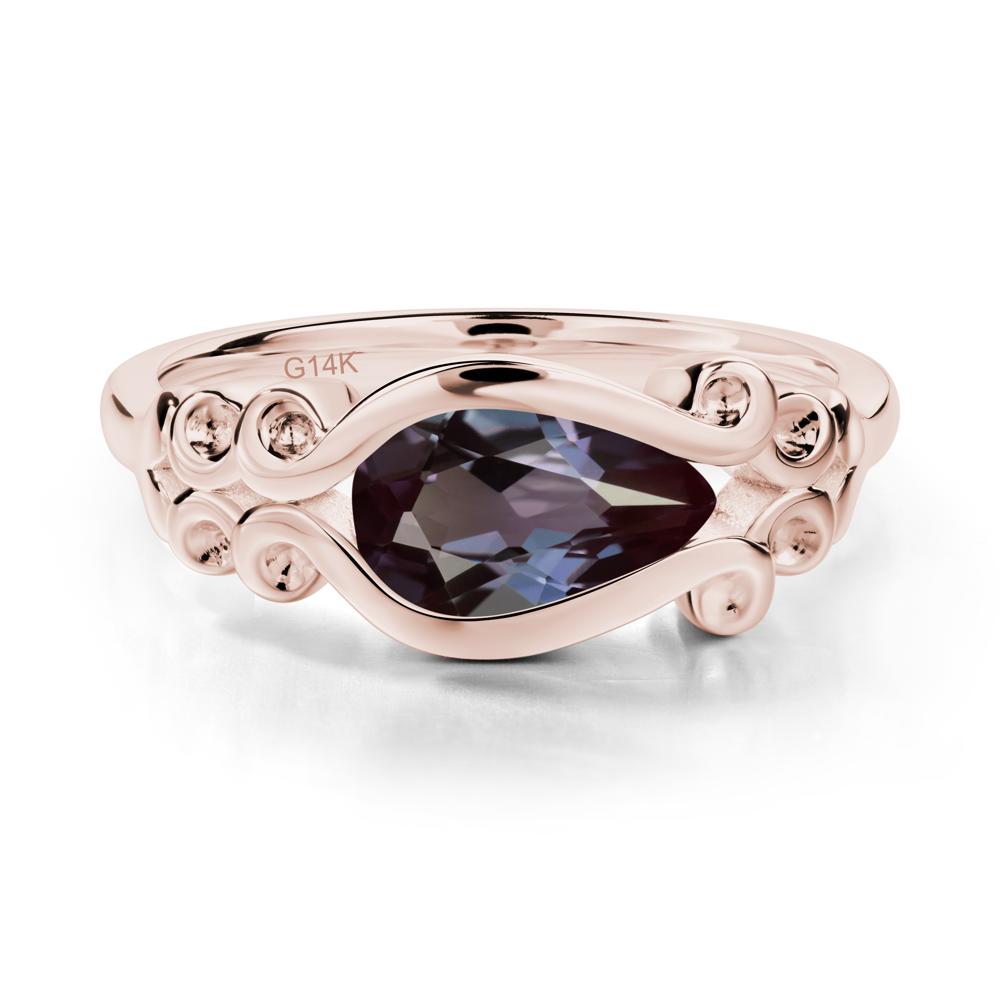
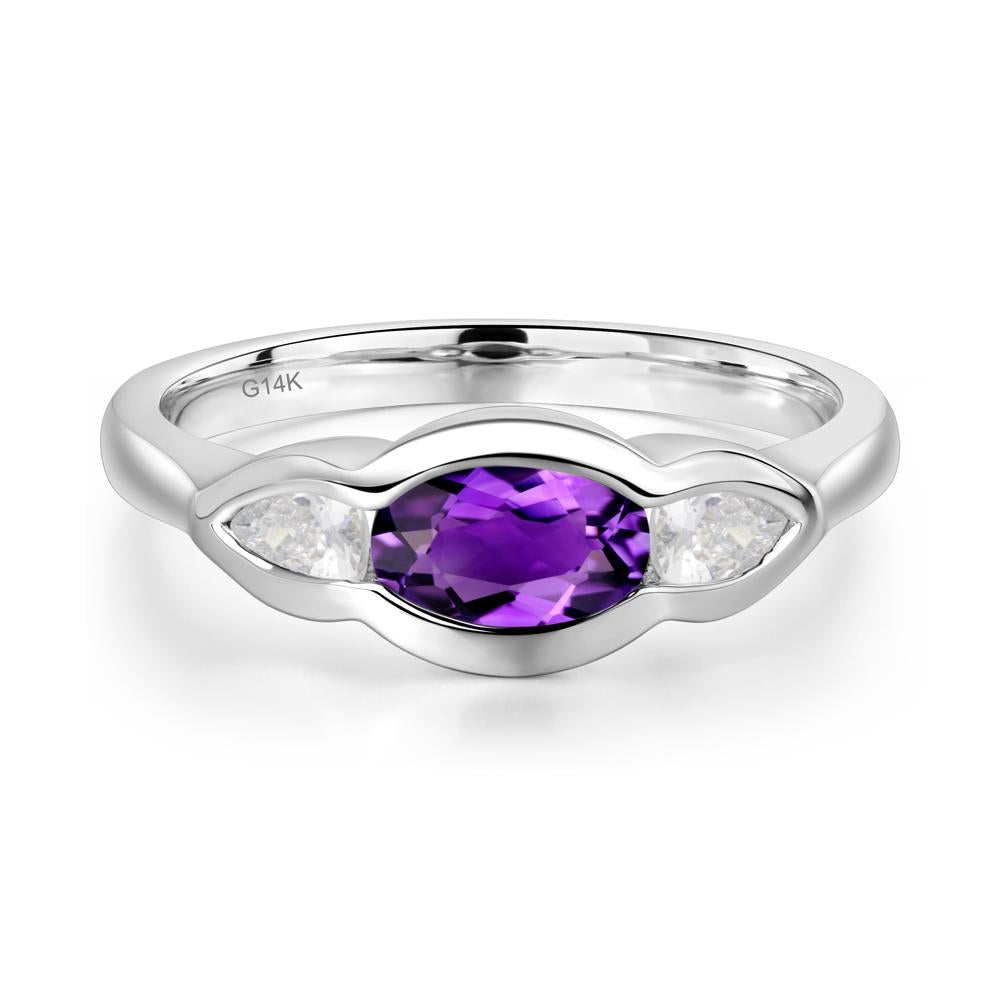
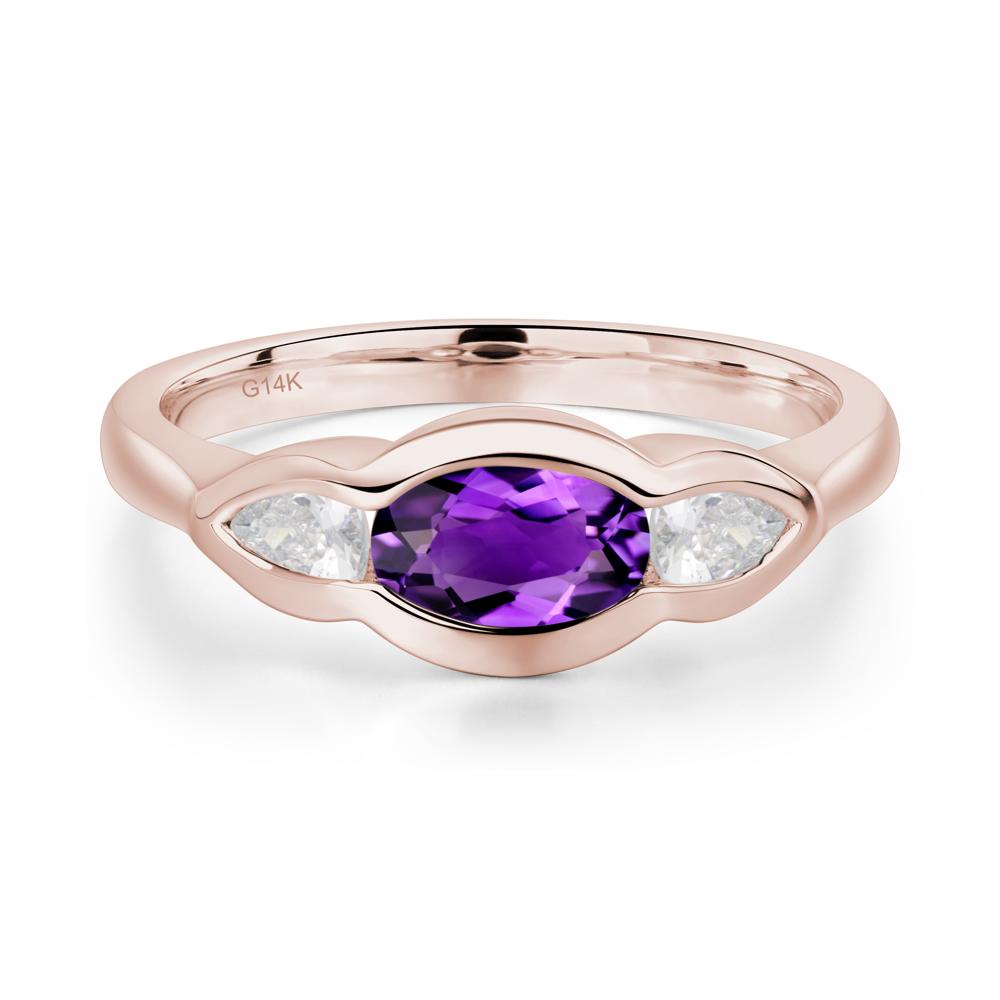
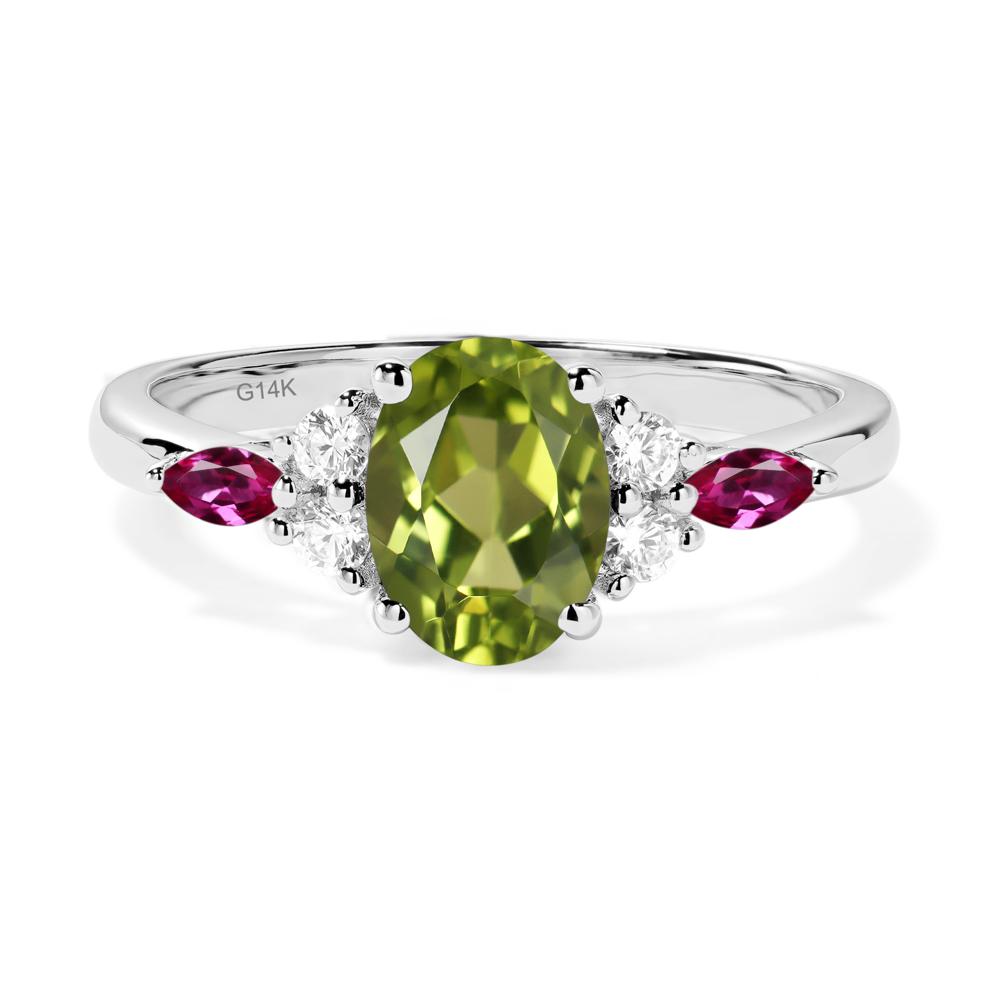
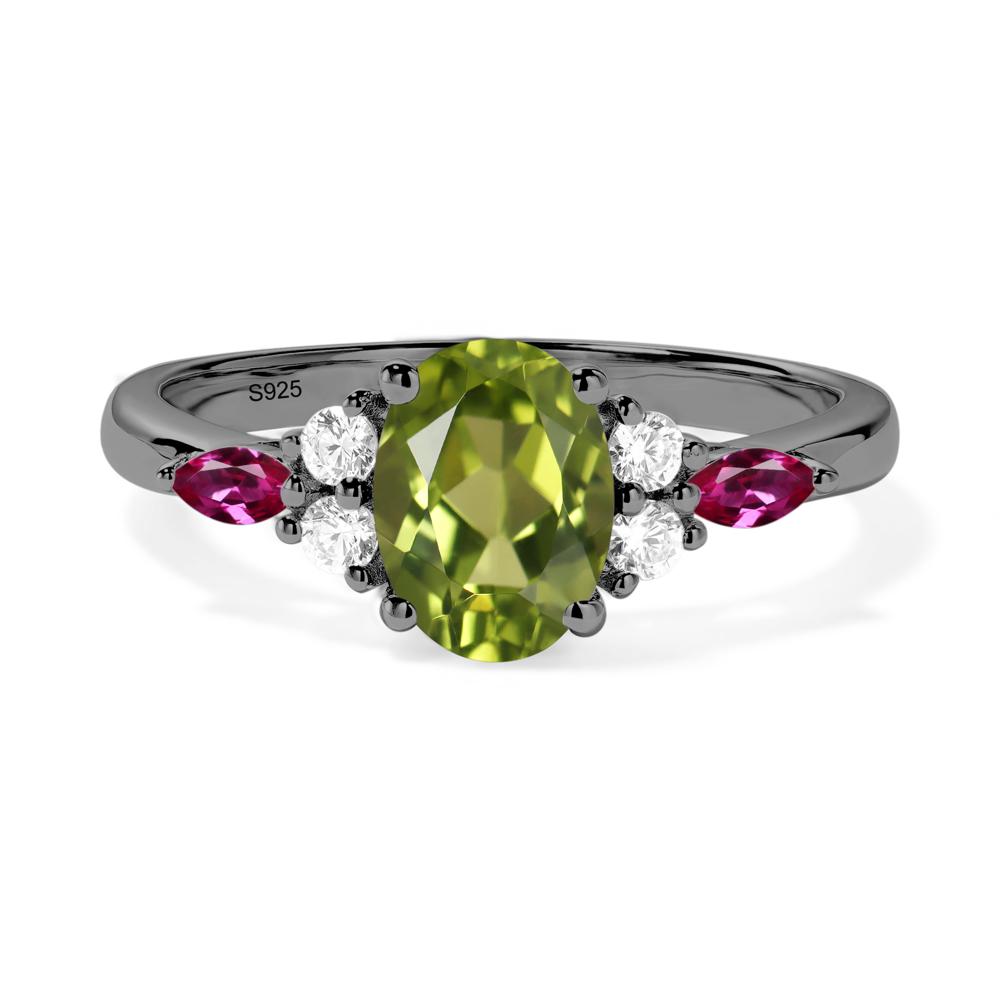
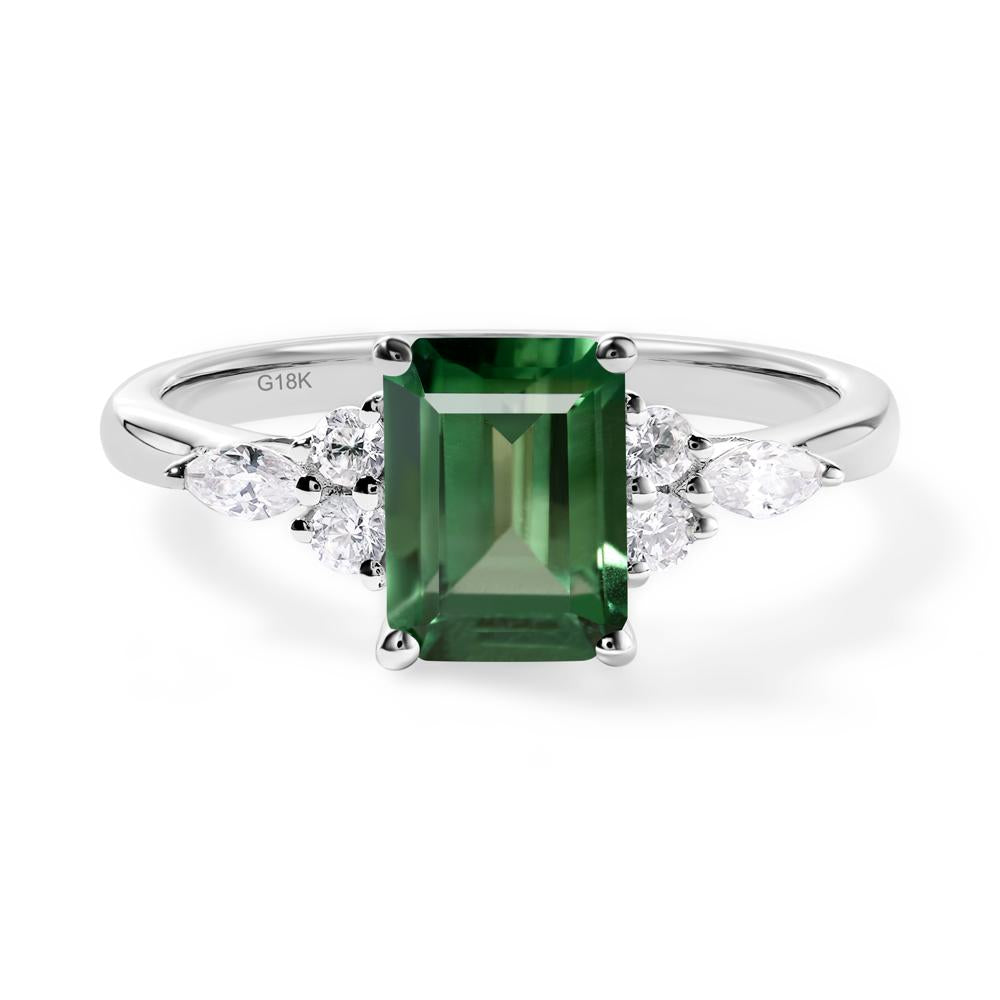
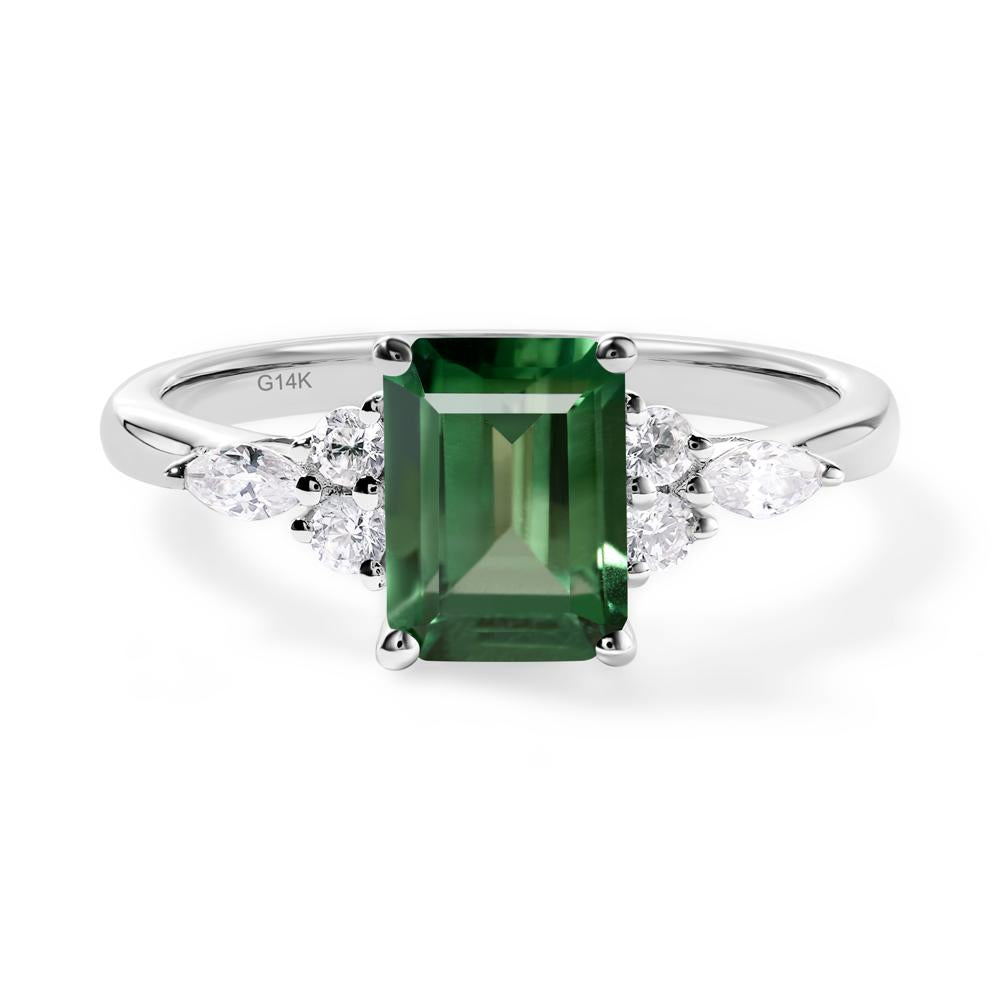
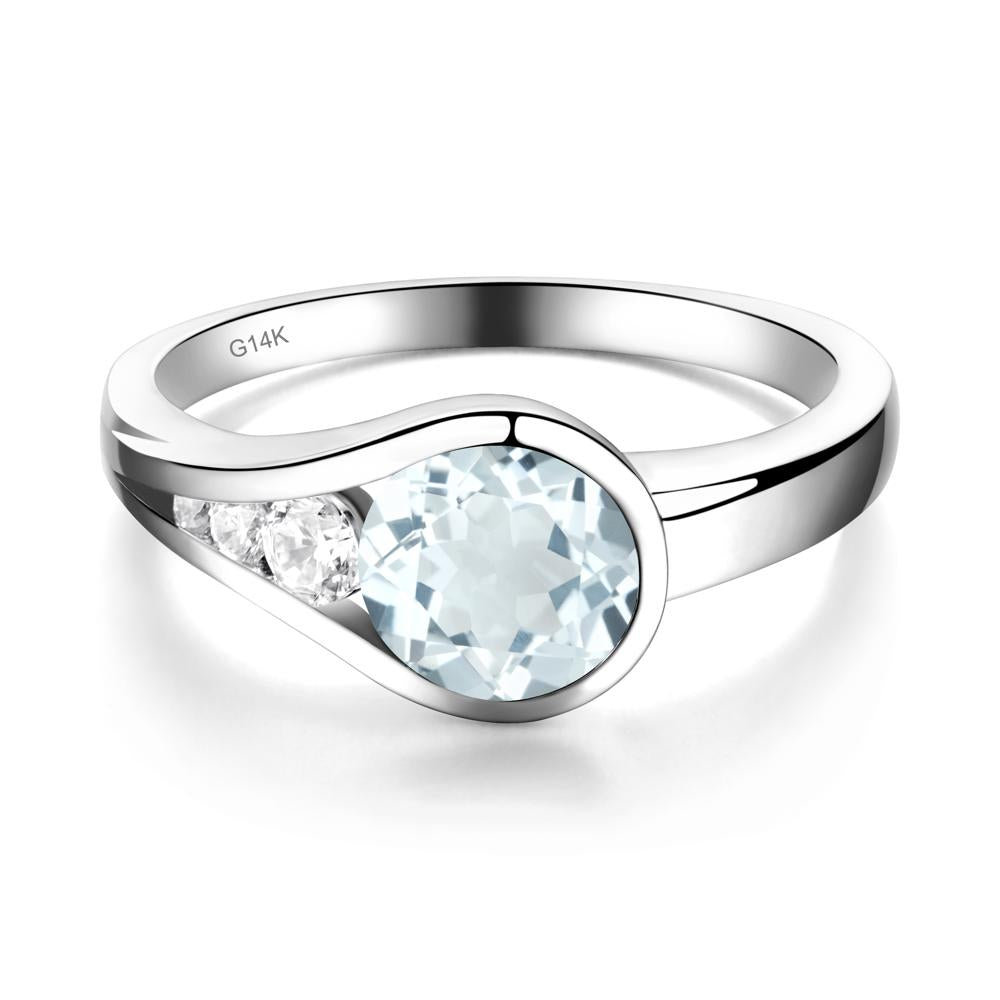
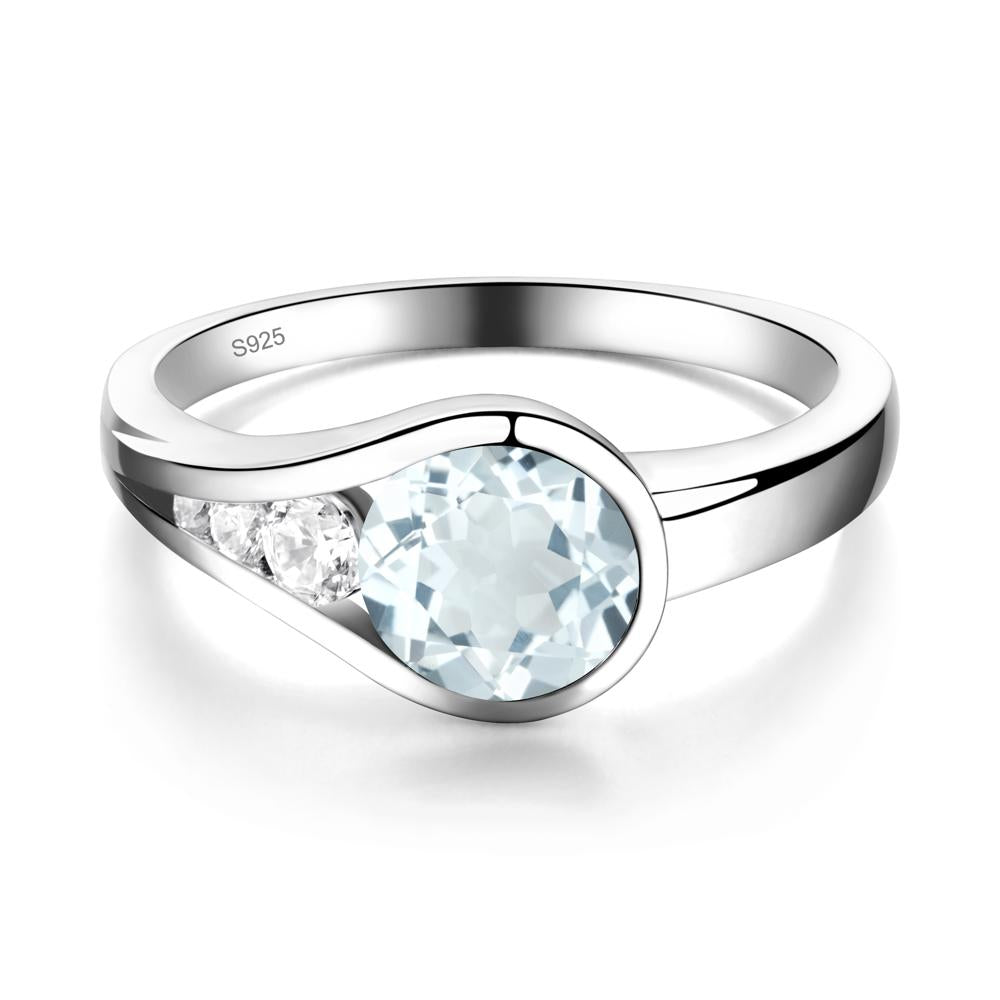
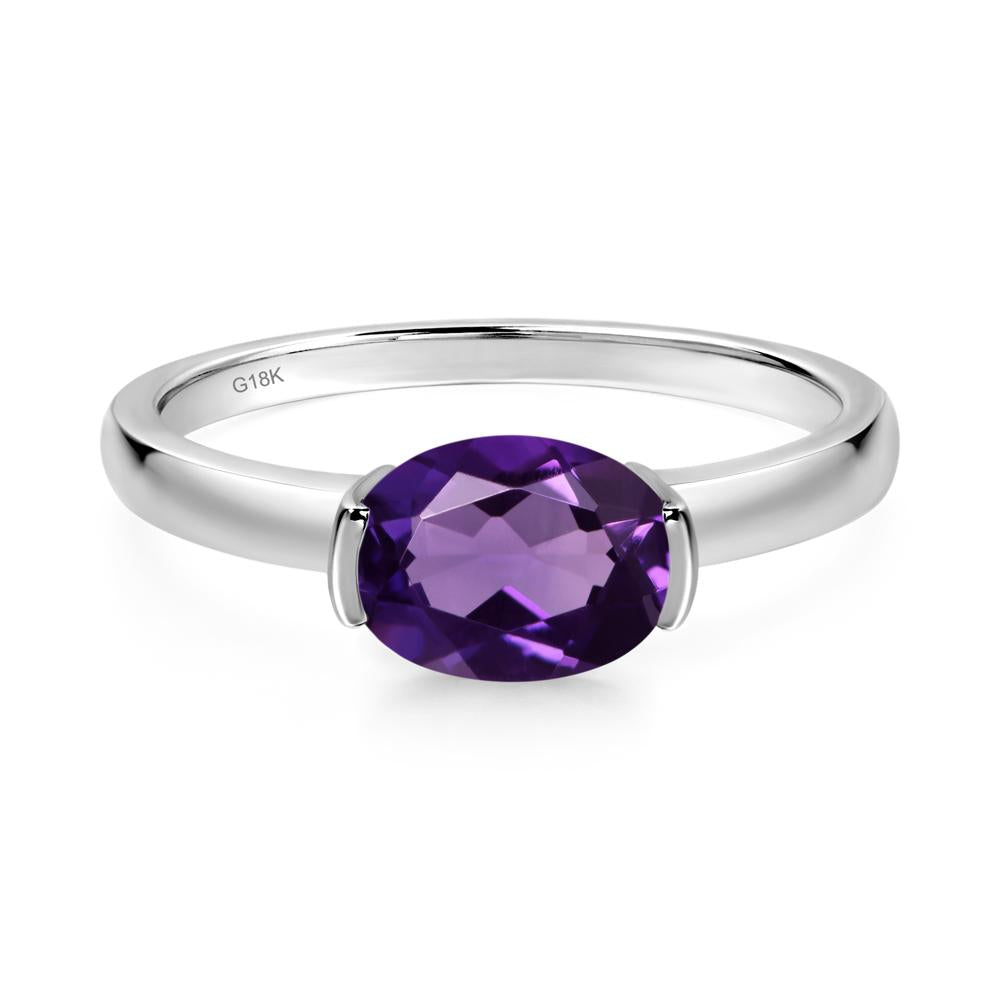
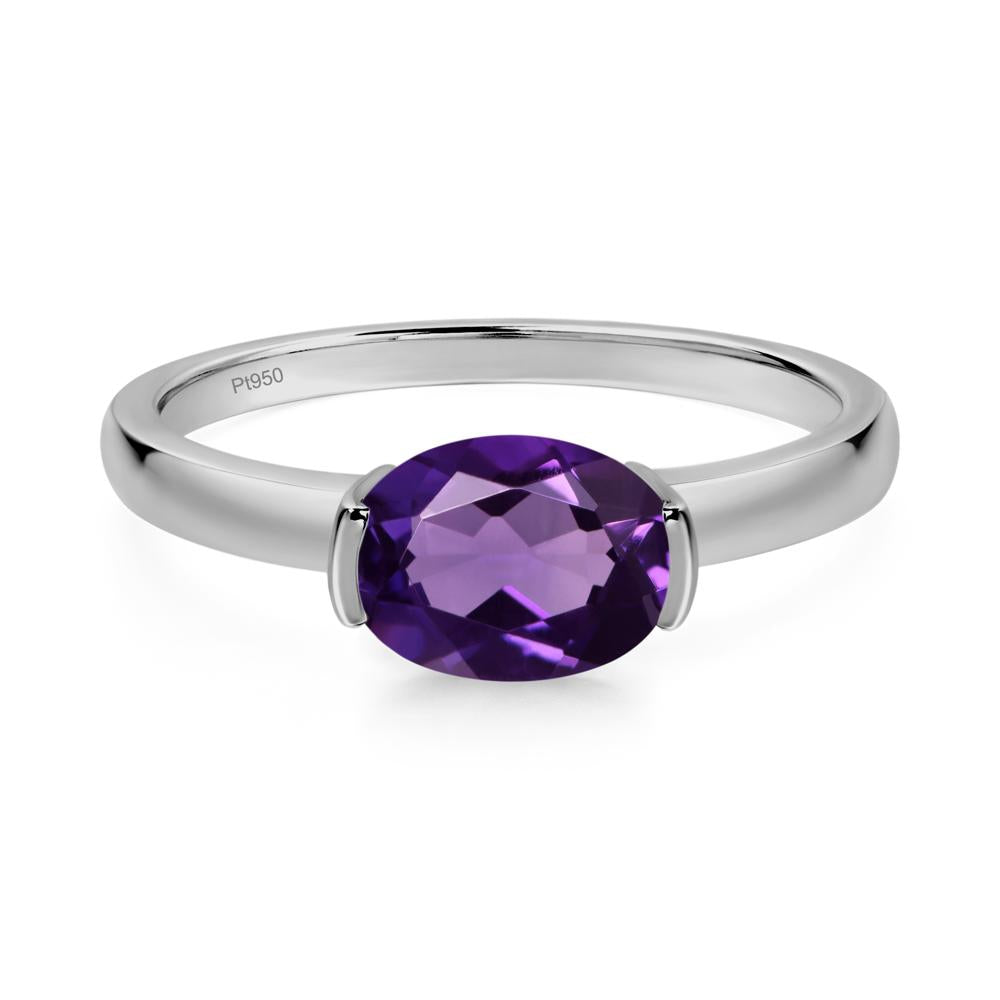
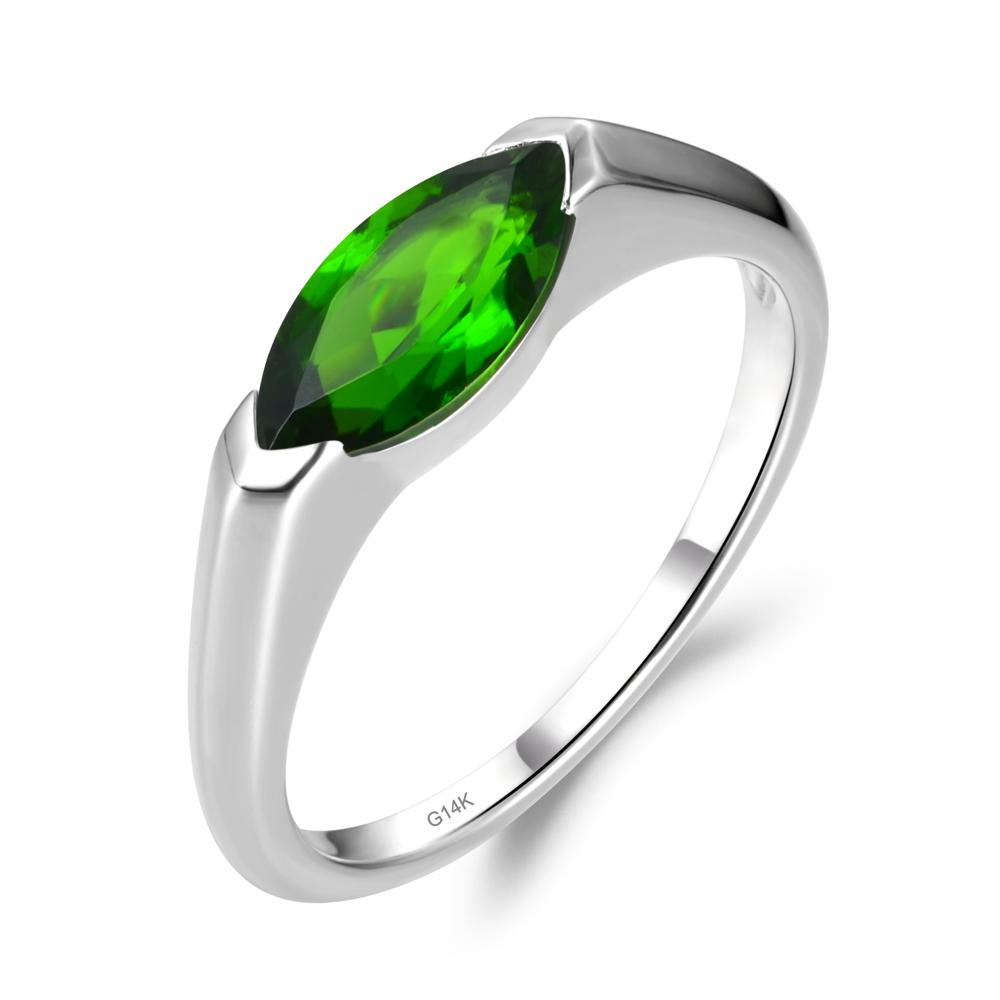
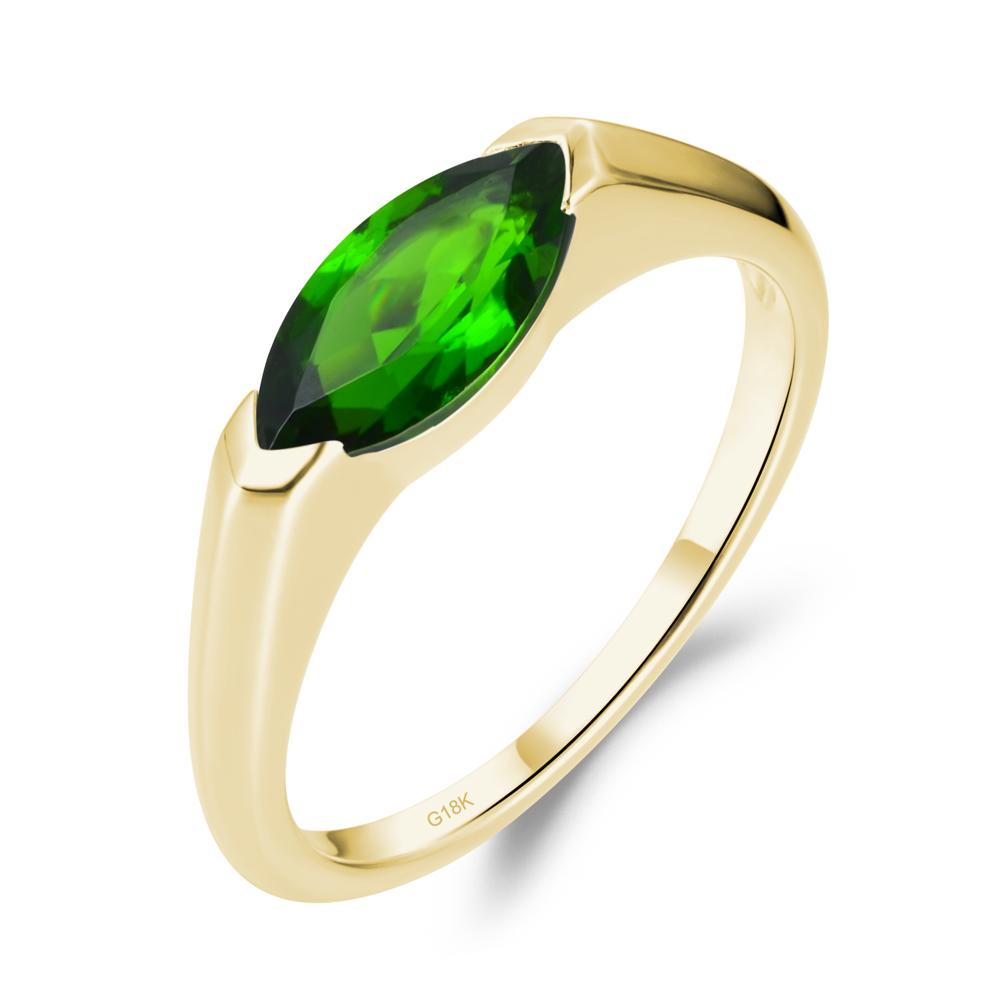
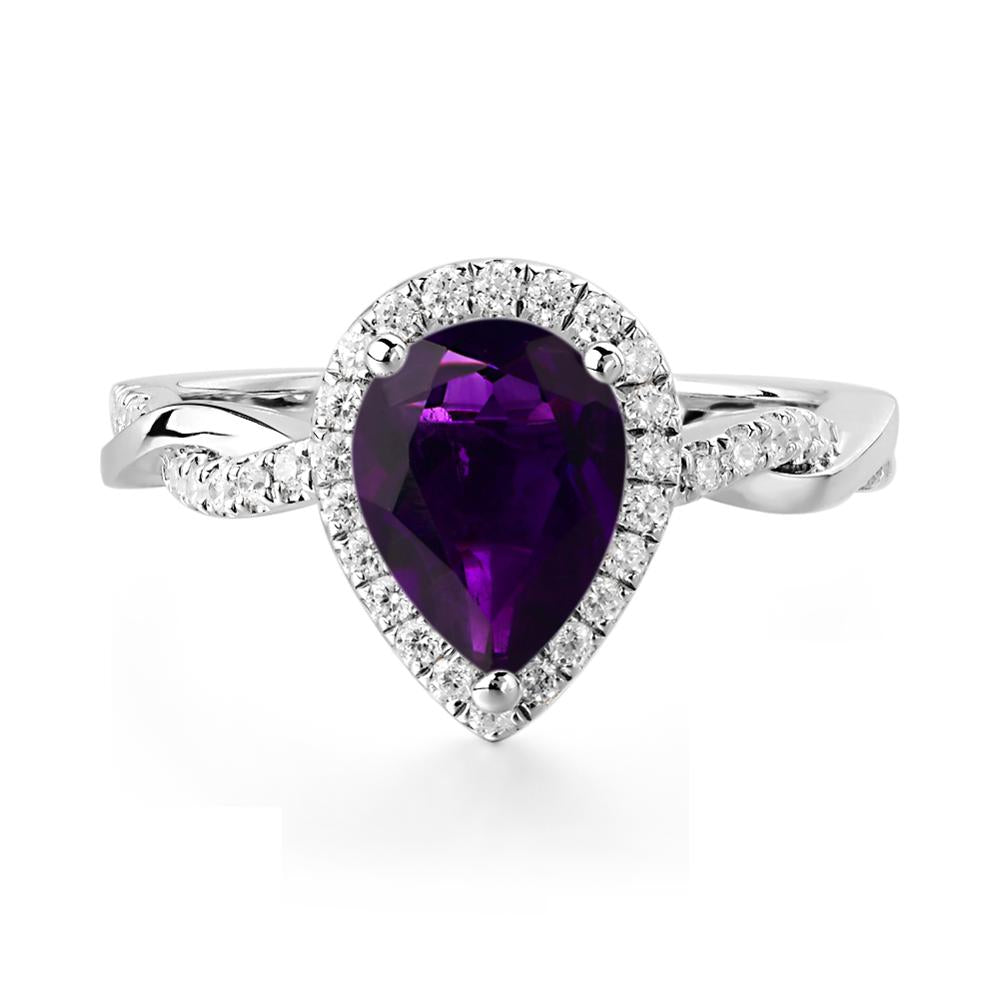
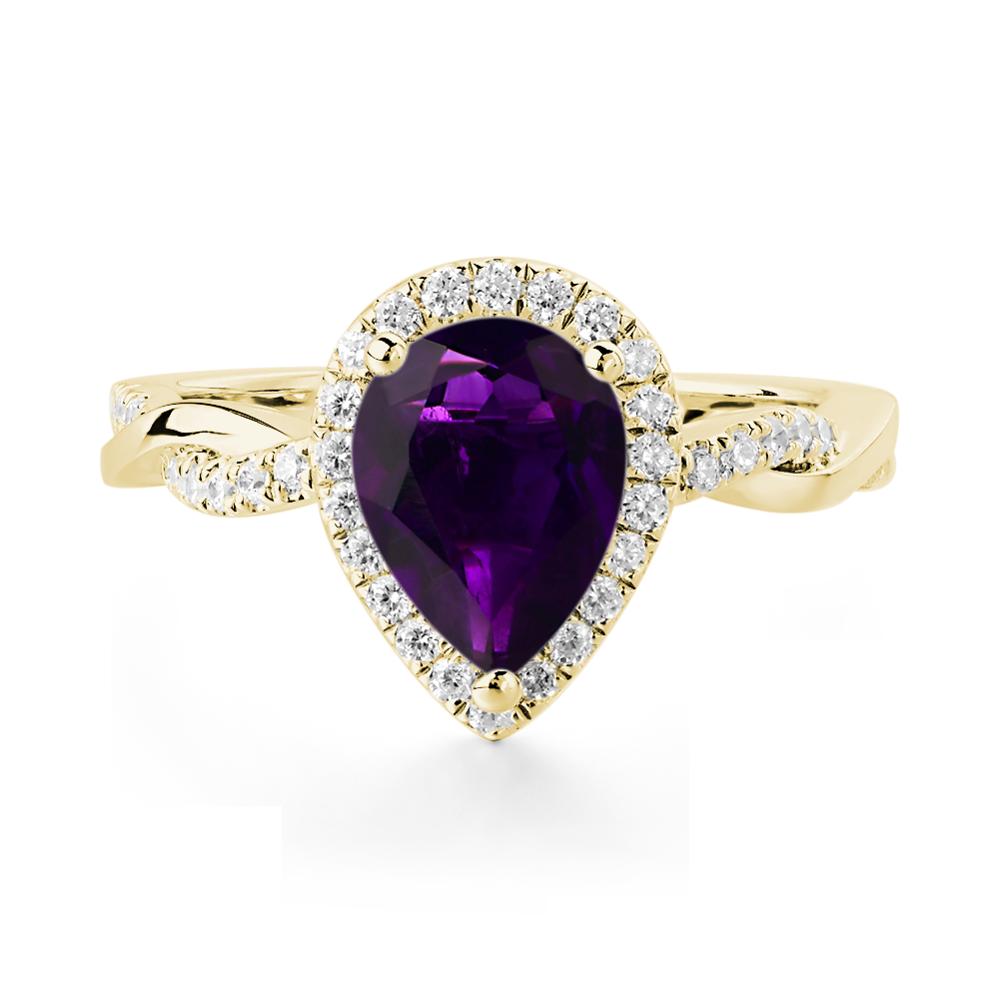
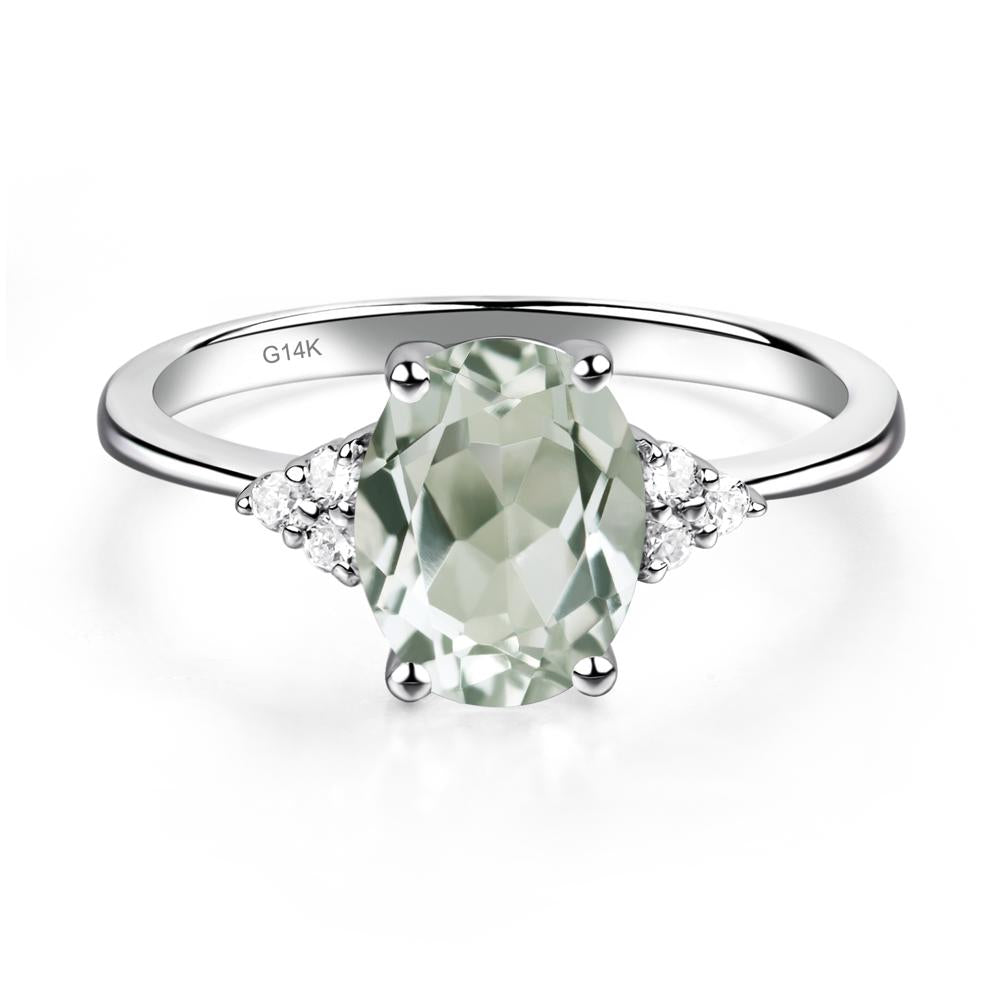
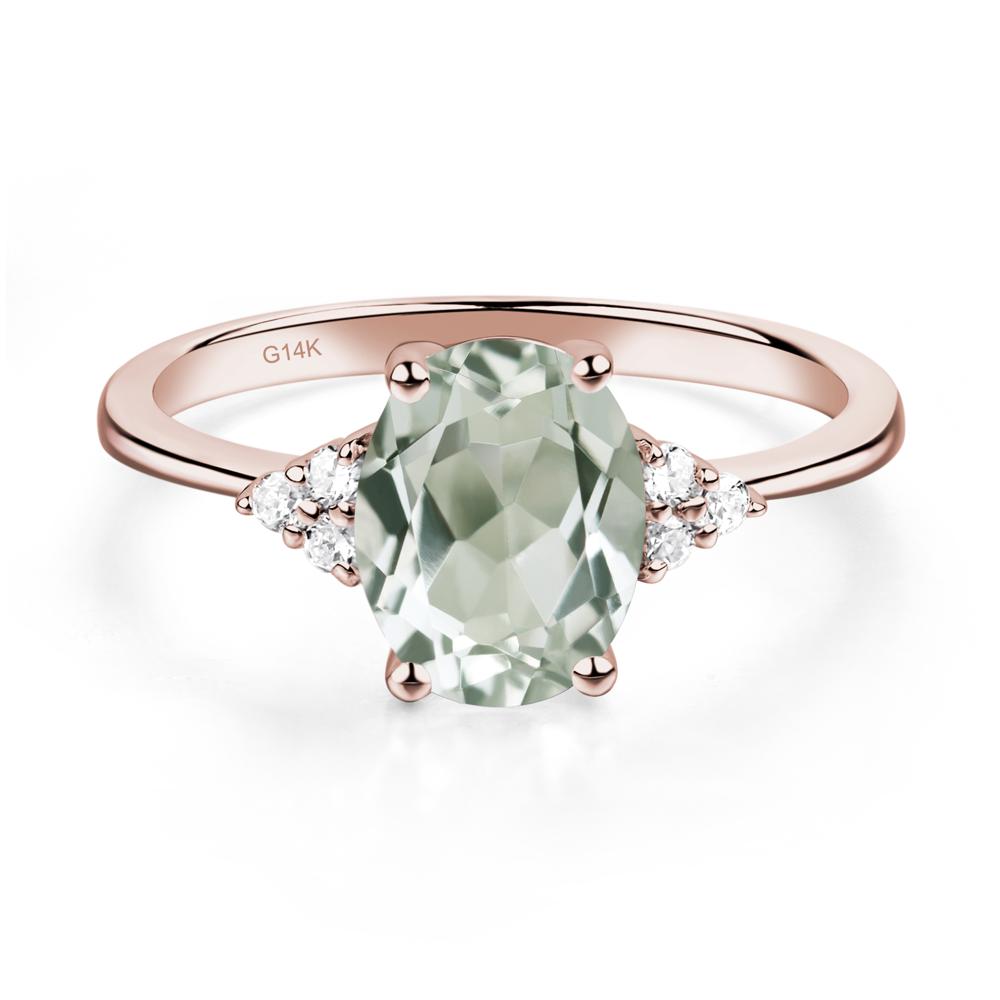
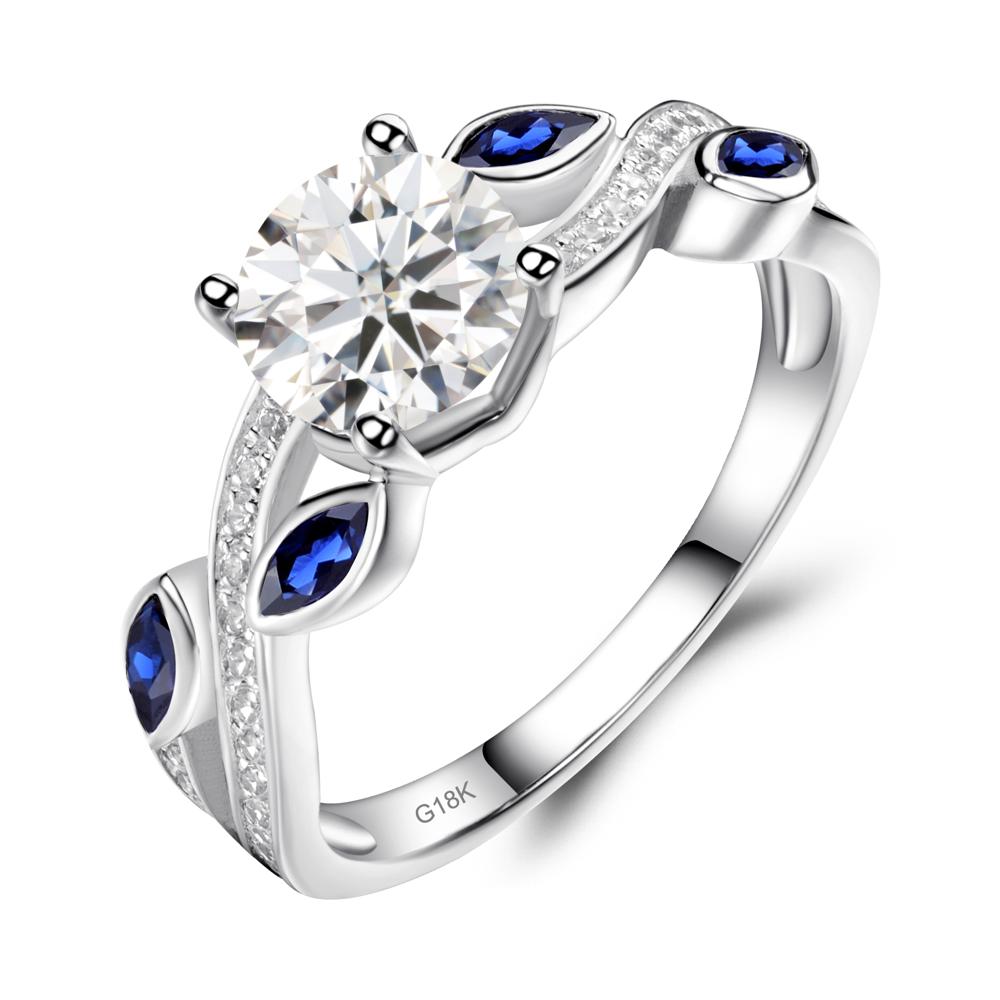
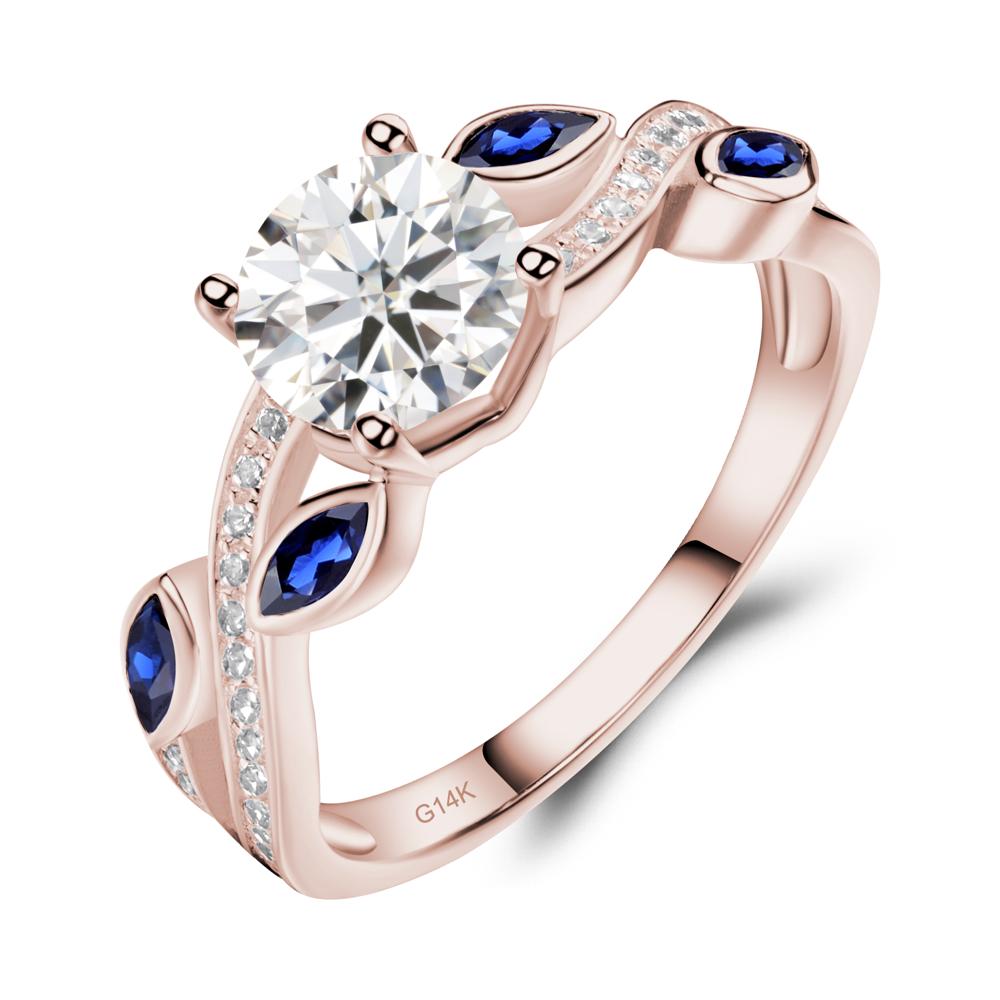
White Gold Rings | Modern Brilliance Meets Timeless Romance
Elevate every moment with our exquisite collection of white gold gemstone rings, where luminous precious metals meet vibrant natural stones. Designed for those who love refined elegance with a contemporary edge, these rings showcase dazzling sapphires, emeralds, moissanites, opals, and more—each hand-selected to highlight the cool radiance of polished white gold. Whether you’re searching for meaningful everyday jewelry or unforgettable white gold engagement rings, this collection blends craftsmanship, symbolism, and modern design into one stunning statement.
From minimalist solitaires to intricate vintage-inspired halos, our white gold rings are crafted to enhance the brilliance, color, and fire of every gemstone. The neutral sheen of white gold enhances stone clarity while complementing all skin tones, making it one of the most versatile and sought-after metals for fine jewelry.
Perfect for proposals, anniversaries, or personal milestones, LUO Jewelry’s white gold gemstone rings are made for those who want their jewelry to feel as unique as their story. Discover designs that sparkle with personality, romance, and lasting beauty—because your ring should shine as boldly as you do.
Anelli d'oro bianco FAQs
What is White Gold?
White gold is an alloy created by mixing pure yellow gold with white metals such as palladium, nickel, silver, or zinc. Pure gold (24k) is naturally yellow, so these white metals are added to create the silvery-white appearance. Most white gold jewelry is also plated with rhodium, a precious metal that enhances its brightness and provides a protective layer.
What are the Main Differences Between 14K and 18K White Gold?
The primary differences lie in gold content, durability, color, and price:
14k white gold contains 58.3% pure gold mixed with 41.7% other metals. It's more durable and scratch-resistant due to the higher proportion of harder metals, making it ideal for everyday wear. It has a slightly more grayish tone and is more affordable than 18k.
18k white gold contains 75% pure gold and 25% other metals. It has a warmer, slightly more yellow undertone (before rhodium plating) and is softer, making it more prone to scratches. However, it's more valuable, hypoallergenic (especially if nickel-free), and considered more luxurious. The higher gold content also means it's less likely to cause allergic reactions.
How Much is a White Gold Gemstone Ring Worth?
The value of a white gold gemstone ring depends on several factors. The gold content matters significantly—18k rings are more expensive than 14k due to higher gold purity.
As a rough estimate, a simple 14k white gold ring with a small gemstone might start around $300-$500, while elaborate 18k white gold rings with high-quality diamonds or rare gemstones can cost tens of thousands of dollars or more. Current gold market prices and retail markups also affect the final price.
What Should I Consider When Buying an 18k White Gold Engagement Ring?
When selecting an 18k white gold engagement ring, start by considering your budget and understand that 18k will cost more than 14k white gold. Choose the gemstone carefully, focusing on the 4Cs for diamonds (cut, clarity, color, carat) or quality factors for other stones. Select a setting style that complements both the gemstone and your partner's aesthetic preferences—popular options include solitaire, halo, pavé, and three-stone settings.
Consider your partner's lifestyle; if they work with their hands frequently, a more protective setting might be wise. Ensure proper sizing, and verify the ring comes with certification for the gemstone and gold purity. Check if the seller includes rhodium plating and inquire about maintenance requirements and warranty coverage. If your partner has sensitive skin, confirm the alloy is nickel-free to prevent allergic reactions.
White Gold vs. Sterling Silver, What is the Difference?
White gold and sterling silver differ fundamentally in composition and characteristics. White gold is a precious metal alloy containing real gold (58.3% in 14k or 75% in 18k) mixed with white metals, while sterling silver is 92.5% pure silver mixed with 7.5% other metals (usually copper).
White gold is more valuable, durable, and resistant to tarnishing, especially when rhodium-plated. It maintains its appearance better over time and is suitable for fine jewelry and engagement rings. Sterling silver is significantly less expensive but tarnishes more easily, requiring regular polishing. It's softer and more prone to scratches and dents.
In terms of appearance, rhodium-plated white gold has a bright, mirror-like finish, while sterling silver has a slightly duller, cooler tone. White gold is hypoallergenic (when nickel-free), whereas sterling silver rarely causes allergic reactions. For heirloom or everyday fine jewelry, white gold is the superior choice, while sterling silver works well for fashion jewelry and those on a tight budget.
Is Platinum Better than White Gold?
Whether platinum is "better" depends on your priorities and needs. Platinum is denser, heavier, and more durable than white gold, making it highly scratch-resistant and ideal for securing precious stones. It's hypoallergenic, containing 95% pure platinum, which makes it perfect for sensitive skin. Platinum doesn't require rhodium plating and maintains its white color naturally. However, it develops a patina over time—a soft, matte finish that some people love and others prefer to polish away.
White gold is more affordable, lighter in weight, and has a brighter, shinier appearance when rhodium-plated. However, the rhodium plating wears off over time and needs reapplication every few years. White gold scratches more easily but can be polished to restore its original luster.
Platinum is better for those who want maximum durability, don't mind a heavier ring, prefer low maintenance (no replating), and have a larger budget. White gold is better for those seeking affordability, a lighter feel, a brilliant white shine, and don't mind periodic maintenance.
Does White Gold Ring Tarnish?
White gold itself doesn't tarnish in the traditional sense like silver or copper. The gold content prevents oxidation and corrosion. However, the rhodium plating that gives white gold its brilliant white finish does wear away over time through everyday wear, exposure to chemicals, and friction. When the rhodium wears off, the underlying white gold alloy becomes visible, which can appear slightly yellowish or dull compared to the bright rhodium surface. This isn't true tarnishing but rather the exposure of the natural color of the white gold alloy beneath.
What are the Popular Styles of White Gold Wedding Bands?
Popular white gold wedding band styles include classic plain bands—simple, timeless designs in various widths that pair beautifully with any engagement ring.
Pavé or channel-set diamond bands feature small diamonds set along the band, adding sparkle and elegance.
Eternity bands have diamonds or gemstones encircling the entire band, symbolizing eternal love.
Milgrain bands incorporate delicate beaded detailing along the edges for a vintage-inspired look.
Twisted or braided bands feature intertwined metal strands creating texture and visual interest.
Carved or engraved bands showcase intricate patterns, scrollwork, or personal engravings.
Two-tone bands combine white gold with yellow or rose gold for a contemporary, contrasting appearance.
Comfort-fit bands have a rounded inner surface for enhanced wearing comfort during daily activities.
Stackable bands are designed to be worn together, allowing for personalized combinations.
Contemporary geometric bands feature modern angular designs, mixed finishes, or unique architectural elements appealing to minimalist tastes.
How Do I Choose the Right White Gold Engagement Ring?
Choosing the right white gold engagement ring involves several key considerations.
- Start by understanding your partner's style preferences—observe the jewelry they currently wear, noting whether they prefer classic, vintage, modern, or minimalist designs.
- Determine your budget early and stick to it, remembering that you can balance carat size with quality to get the best value.
- Select the gemstone and its quality based on what matters most to your partner. For diamonds, prioritize cut for brilliance, then balance color, clarity, and carat weight according to your budget.
- Consider the setting style carefully—solitaire settings showcase the center stone, halo settings add sparkle and make the center stone appear larger, three-stone settings have symbolic meaning, and pavé settings add overall brilliance.
- Think about lifestyle and practicality. If your partner is active or works with their hands, consider more protective settings and lower profiles.
- Decide between 14k (more durable, affordable) and 18k (more luxurious, higher gold content).
- Ensure proper sizing and buy from reputable jewelers (such as LUO Jewelry) who provide certification, detailed specifications, return policies, and warranties.
Are White Gold Rings Suitable for Everyday Wear?
Yes, white gold rings are highly suitable for everyday wear, particularly 14k white gold. The alloy's durability makes it resistant to the normal wear and tear of daily activities. While 18k white gold is slightly softer due to higher gold content, both types hold up well with proper care. For maximum longevity in everyday wear, choose 14k white gold for its superior hardness.
How to Clean a White Gold Gemstone Ring?
Cleaning your white gold gemstone ring at home is simple and safe when done correctly. Create a gentle cleaning solution by mixing warm water with a few drops of mild dish soap in a small bowl. Soak the ring for 20-30 minutes to loosen dirt and oils. Use a soft-bristled toothbrush to gently scrub around the gemstone, under the setting, and along the band, reaching all crevices where buildup accumulates.
Rinse thoroughly under warm running water, ensuring all soap residue is removed. Pat dry with a soft, lint-free cloth and allow the ring to air dry completely. For routine maintenance, clean your ring every 2-4 weeks or whenever it appears dull.